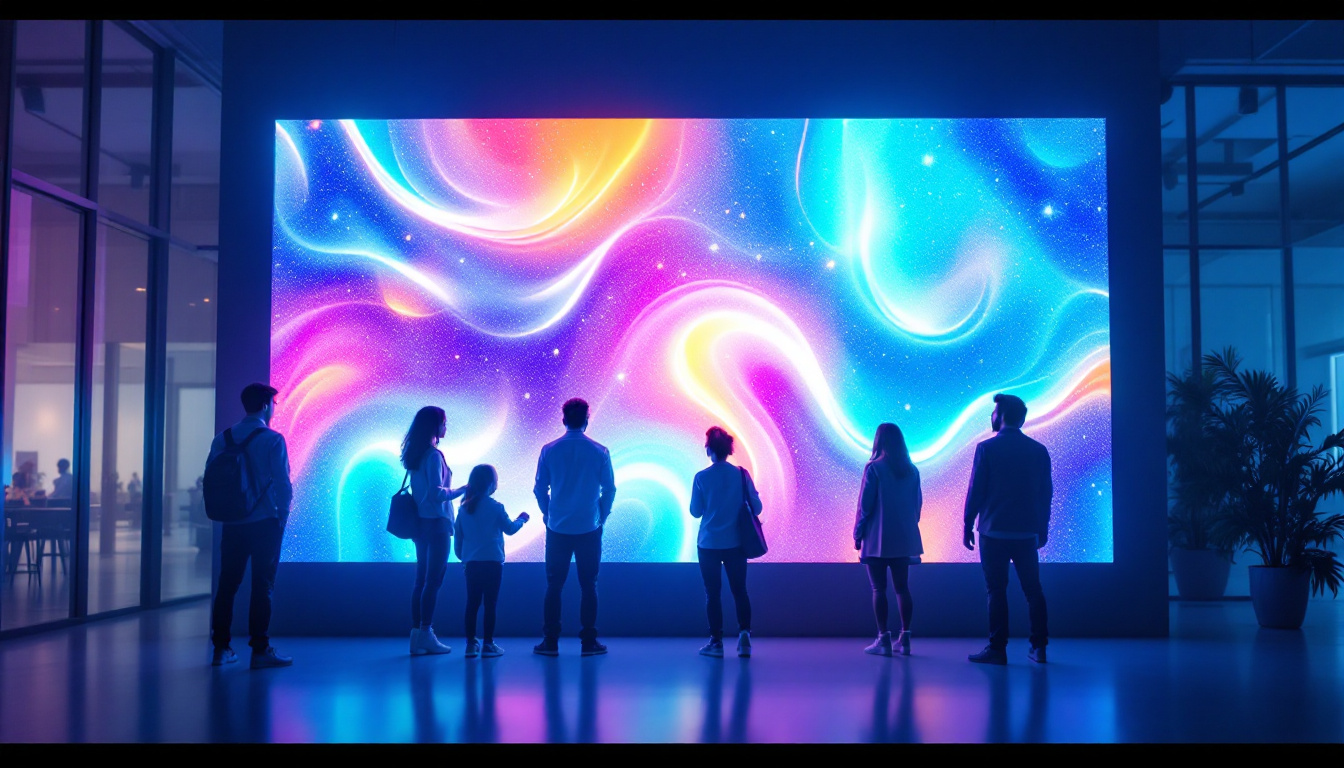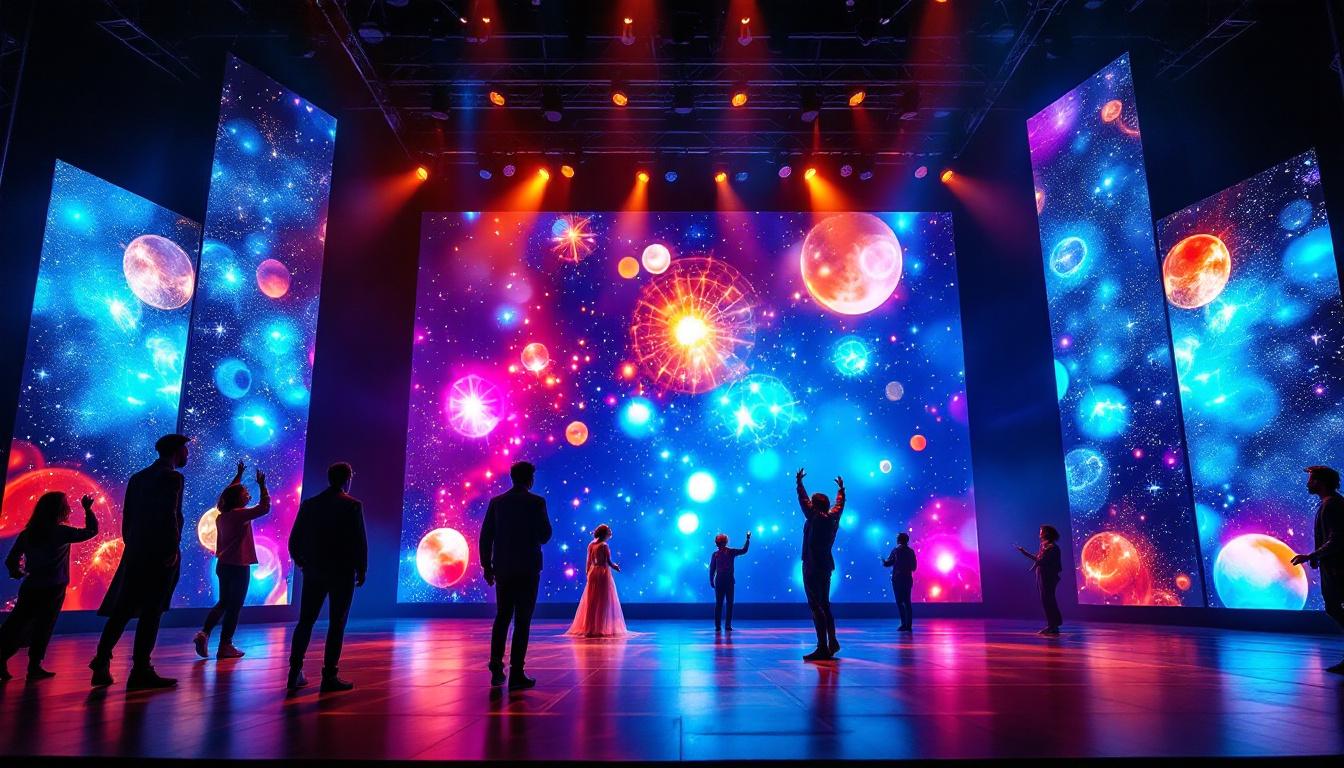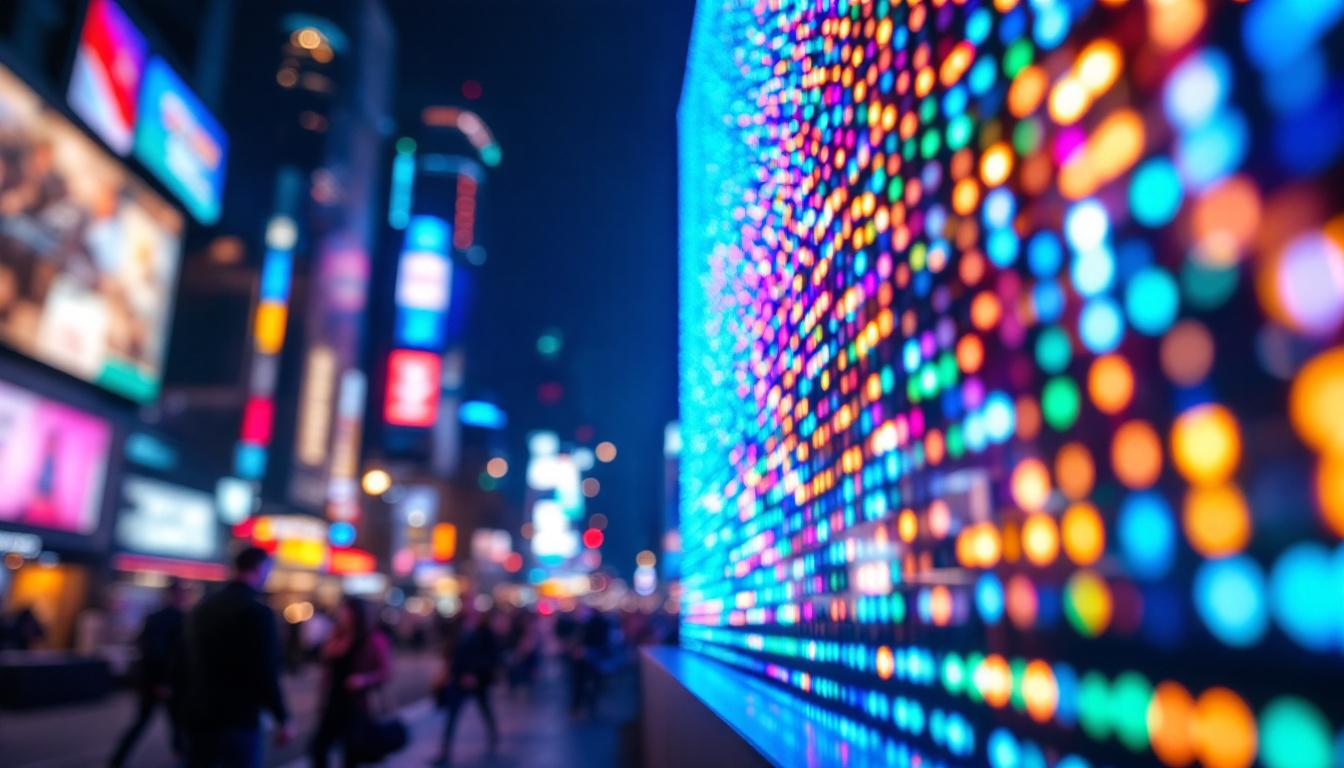
In the rapidly evolving world of digital signage and display technology, LED displays have become a cornerstone for vibrant, high-impact visual communication. Whether used in advertising, entertainment, sports arenas, or corporate environments, LED video screens deliver unmatched brightness, color accuracy, and versatility. This article explores the fundamentals of LED video displays, how they work, their advantages, and key considerations for selecting the right LED screen for various applications.
Understanding LED Display Technology
What is an LED Display?
LED, or Light Emitting Diode, displays consist of numerous tiny diodes that emit light when an electric current passes through them. Unlike traditional LCD screens that require backlighting, LEDs produce their own light, allowing for deeper blacks, higher contrast, and better energy efficiency. LED displays can be configured in various sizes and resolutions, from small indoor panels to massive outdoor video walls. This versatility makes them an ideal choice for a wide range of applications, including retail advertising, sports events, and public information displays.
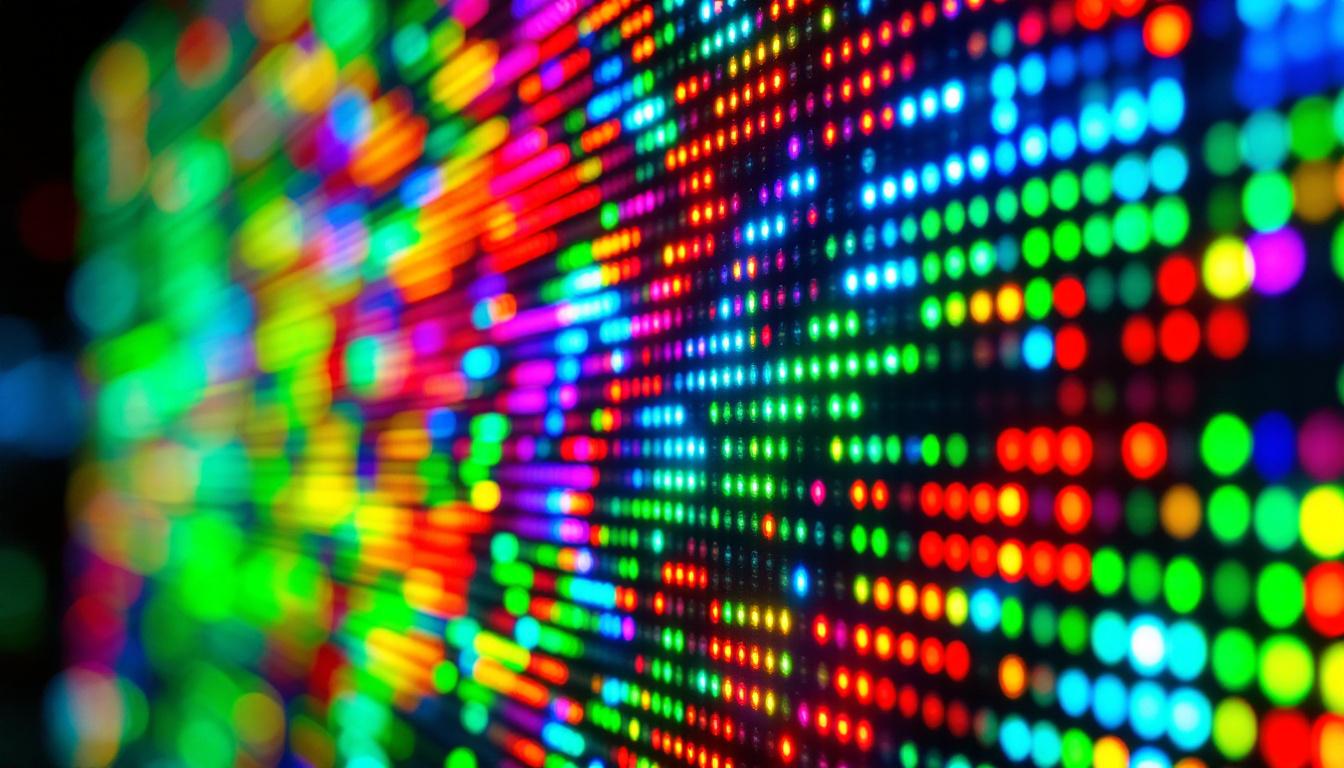
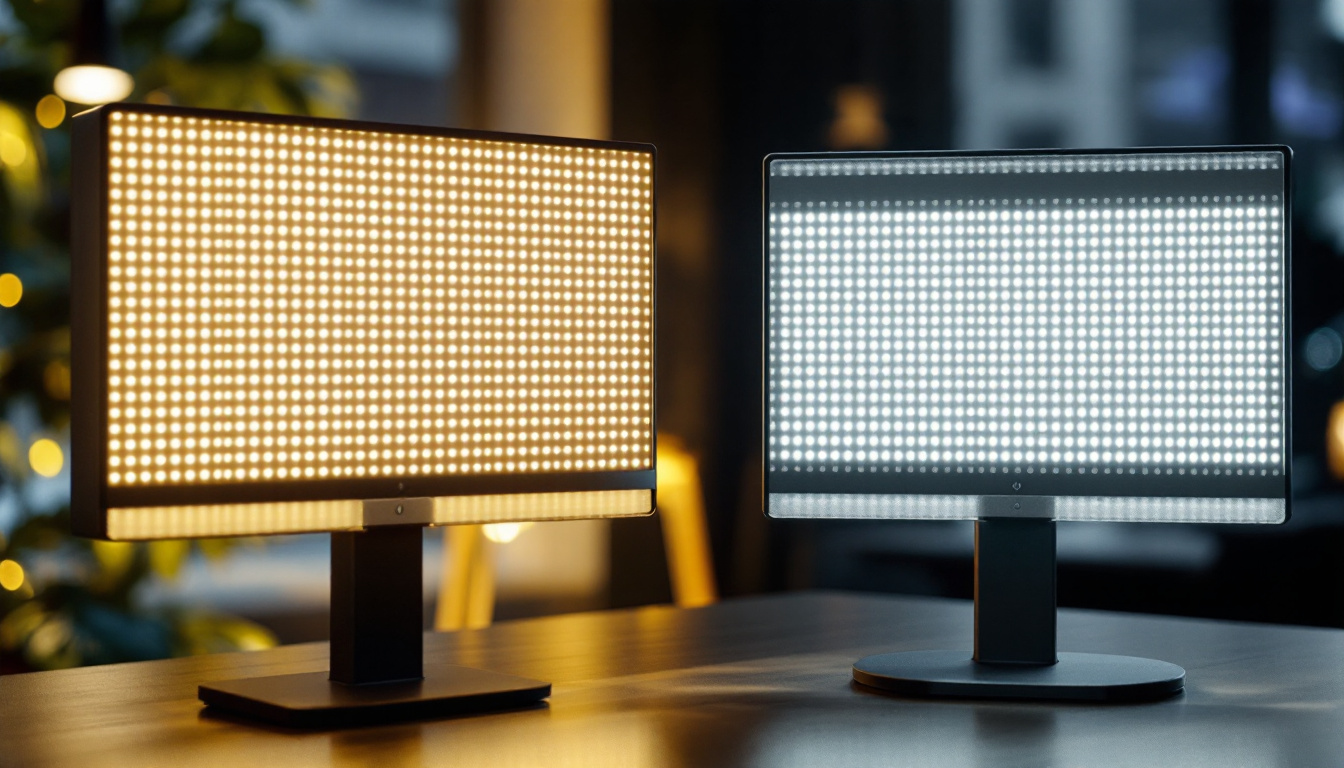
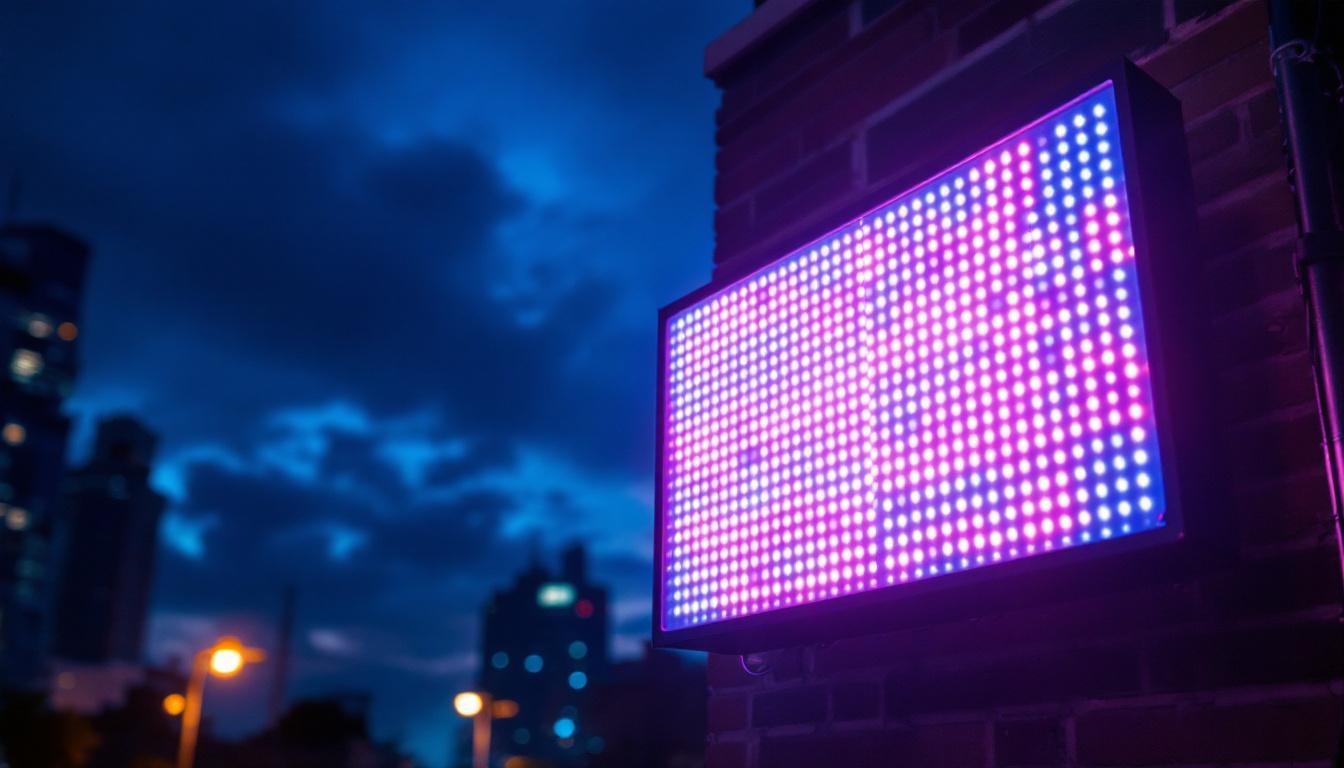
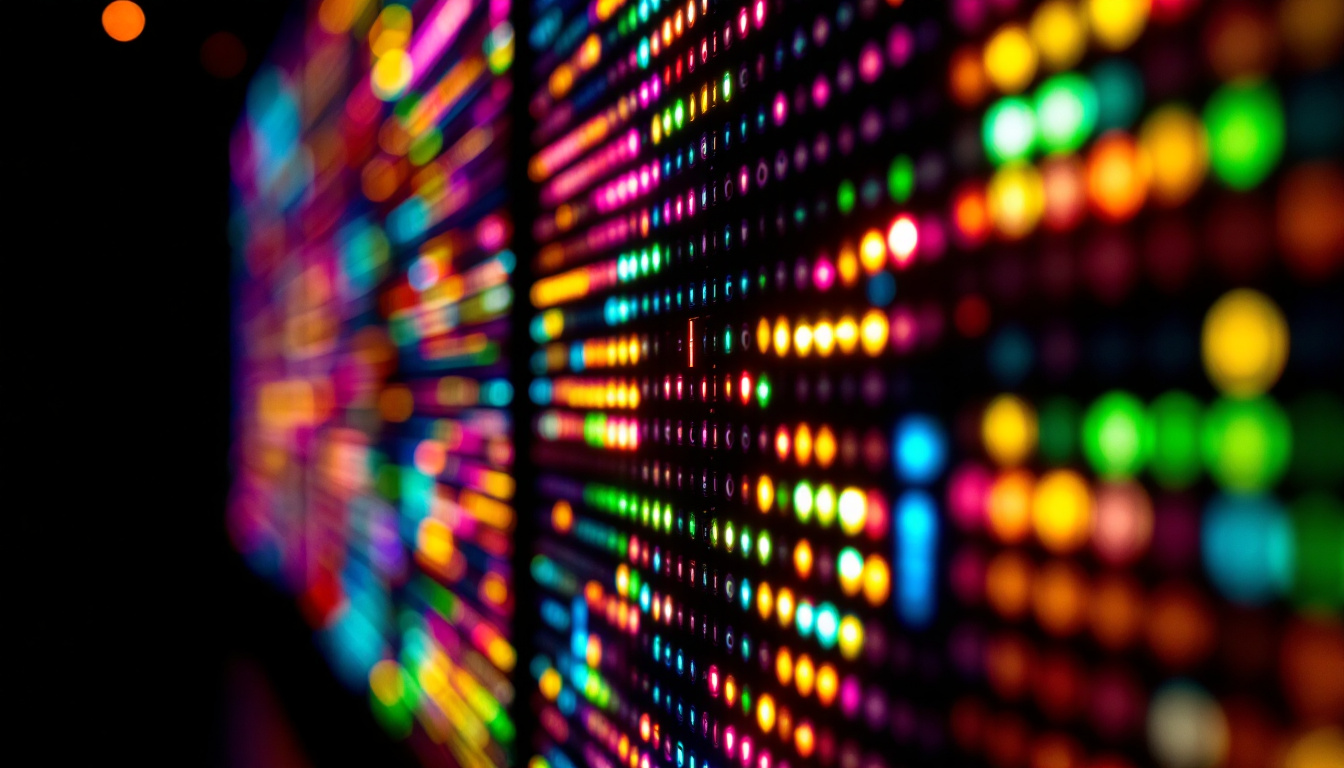
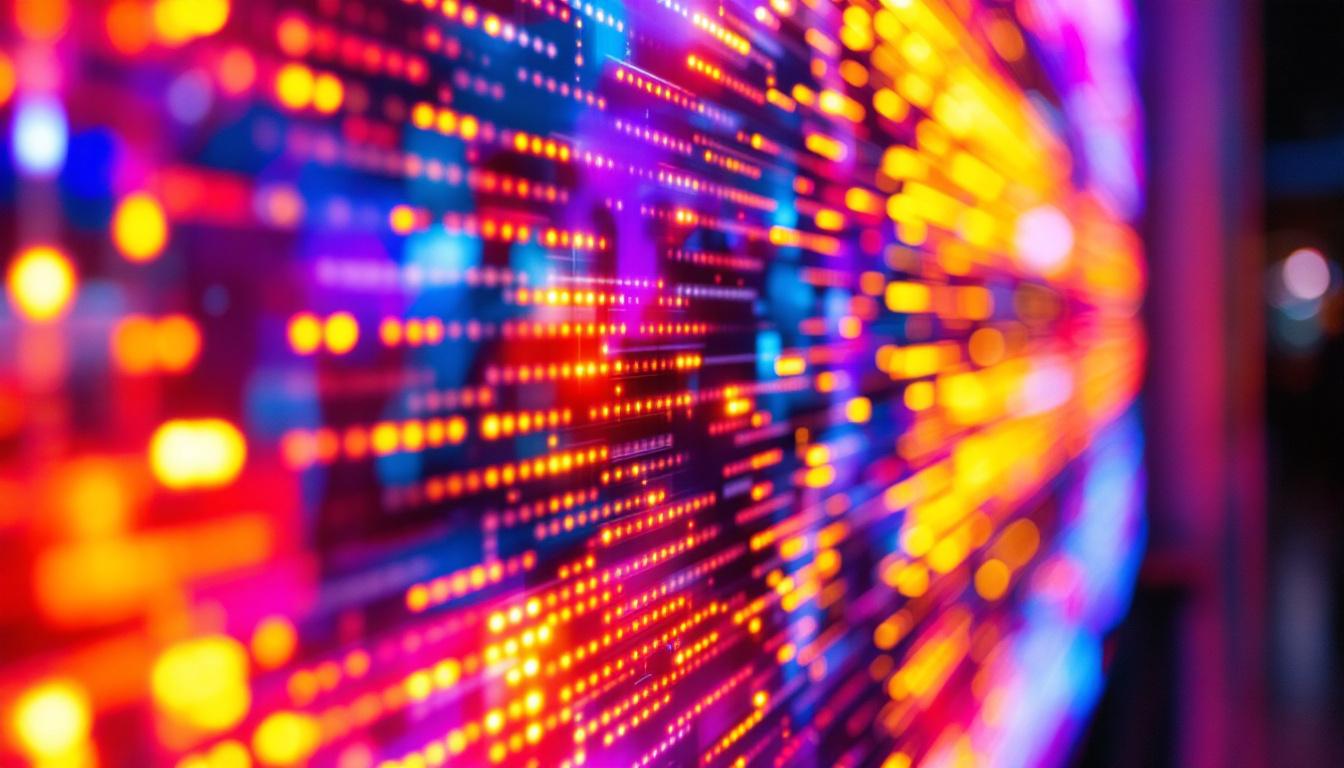
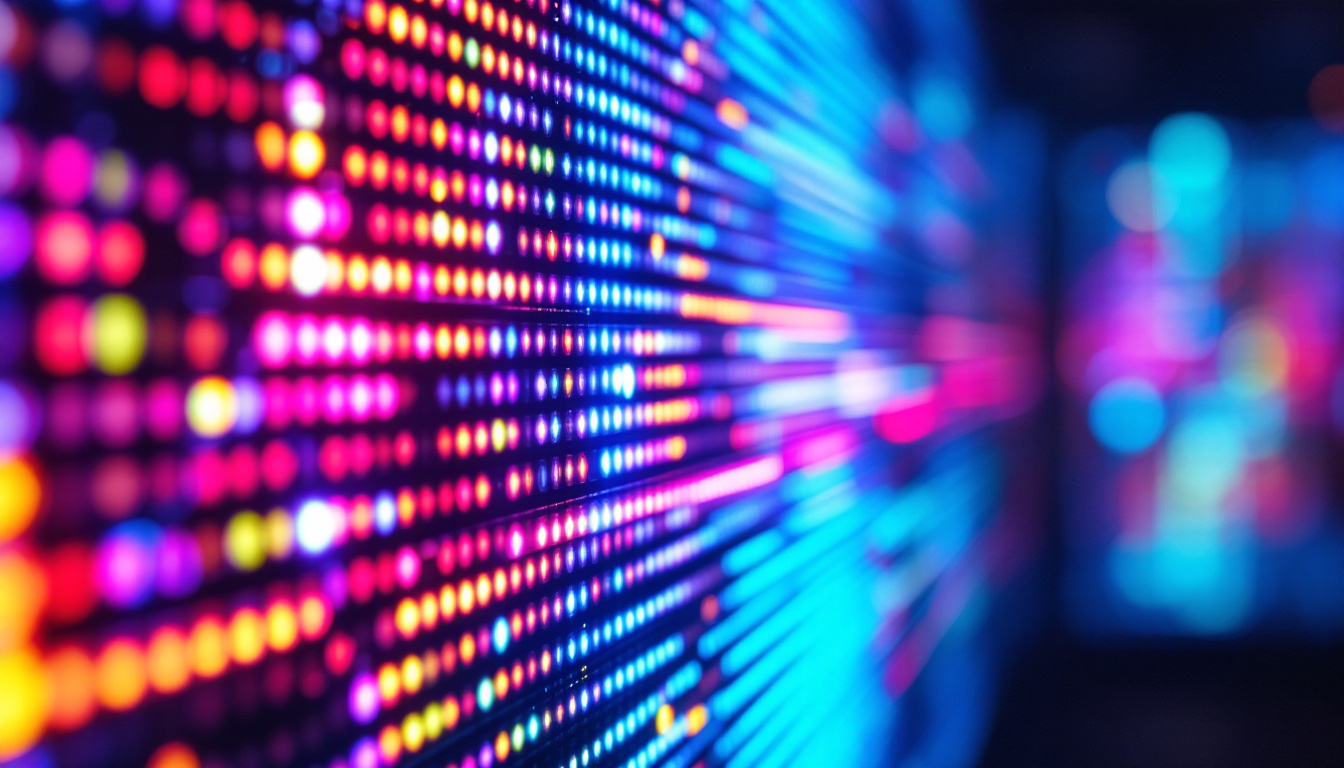
Video pantalla, or video screens, using LED technology are composed of modular panels that can be assembled seamlessly to create large-scale displays. Each module contains an array of LEDs arranged in a grid, where each LED represents a pixel or part of a pixel. By controlling the intensity and color of each LED, the display can render images, videos, and animations with remarkable clarity and brightness. The ability to customize these displays according to specific needs allows businesses and organizations to tailor their visual communications effectively, enhancing audience engagement and delivering impactful messages.
How Do LED Displays Work?
At the core of an LED video pantalla is the pixel, which typically consists of red, green, and blue LEDs. These three colors combine at varying intensities to produce the full spectrum of colors visible to the human eye. The display’s controller processes digital video signals and translates them into electrical signals that adjust the brightness of each LED accordingly. This sophisticated technology ensures that images are not only vibrant but also accurately represent the intended visuals, making LED displays a preferred choice for high-definition content delivery.
The pixel pitch, defined as the distance between the centers of two adjacent pixels, is a critical factor influencing image sharpness and viewing distance. Smaller pixel pitches mean higher resolution and finer detail, ideal for close-up viewing, while larger pixel pitches are suited for distant viewing environments like stadiums or billboards. Additionally, advancements in LED technology have led to the development of flexible and transparent displays, further expanding the creative possibilities for designers and advertisers. These innovations allow for unique installations that can blend seamlessly into various environments, whether it be a storefront window or an architectural feature in a modern building.
Types of LED Displays
Indoor vs. Outdoor LED Displays
LED displays are broadly categorized into indoor and outdoor types, each designed to meet specific environmental and performance requirements. Indoor LED screens typically have smaller pixel pitches (ranging from 0.9mm to 4mm), providing high resolution and crisp visuals for close-range viewing in controlled lighting conditions. These displays are often utilized in venues such as theaters, conference rooms, and retail environments where detail and clarity are paramount. The ability to deliver vibrant colors and sharp images makes indoor LED displays ideal for presentations, advertisements, and immersive experiences.
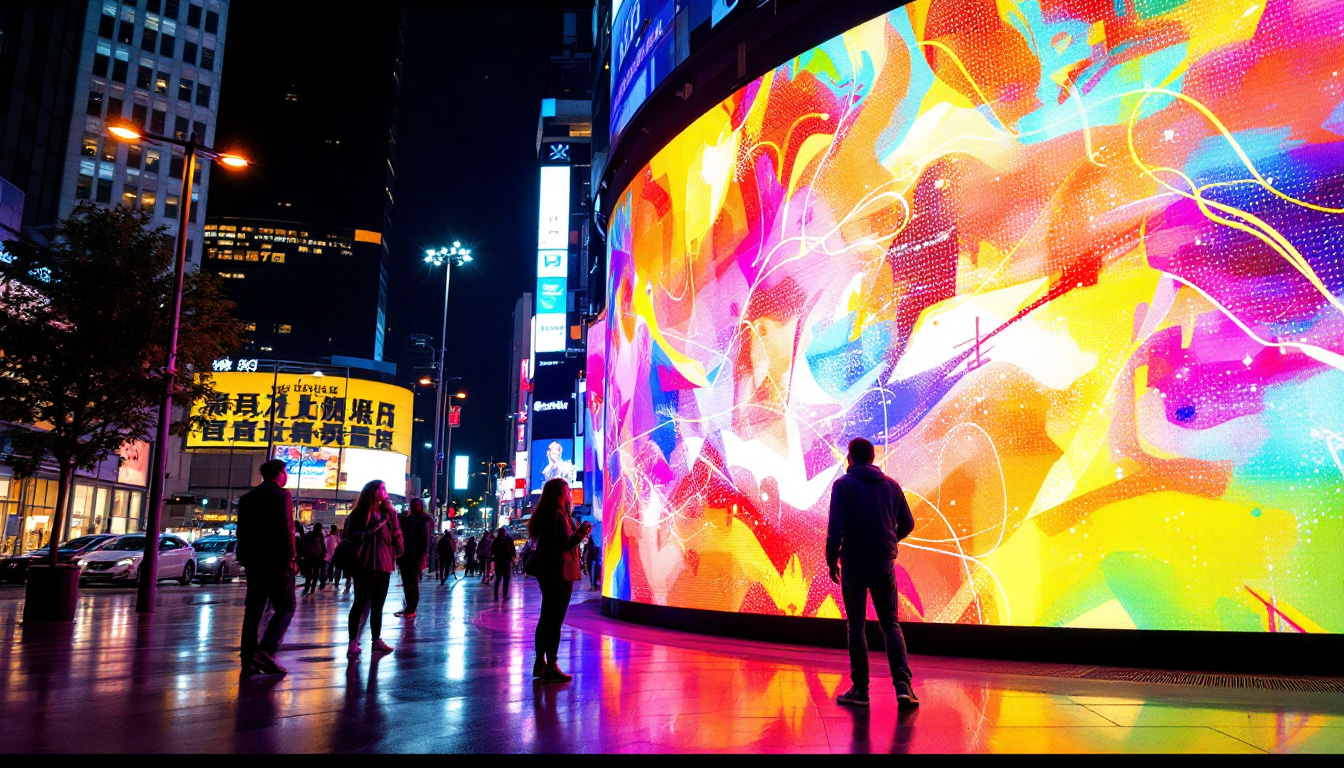
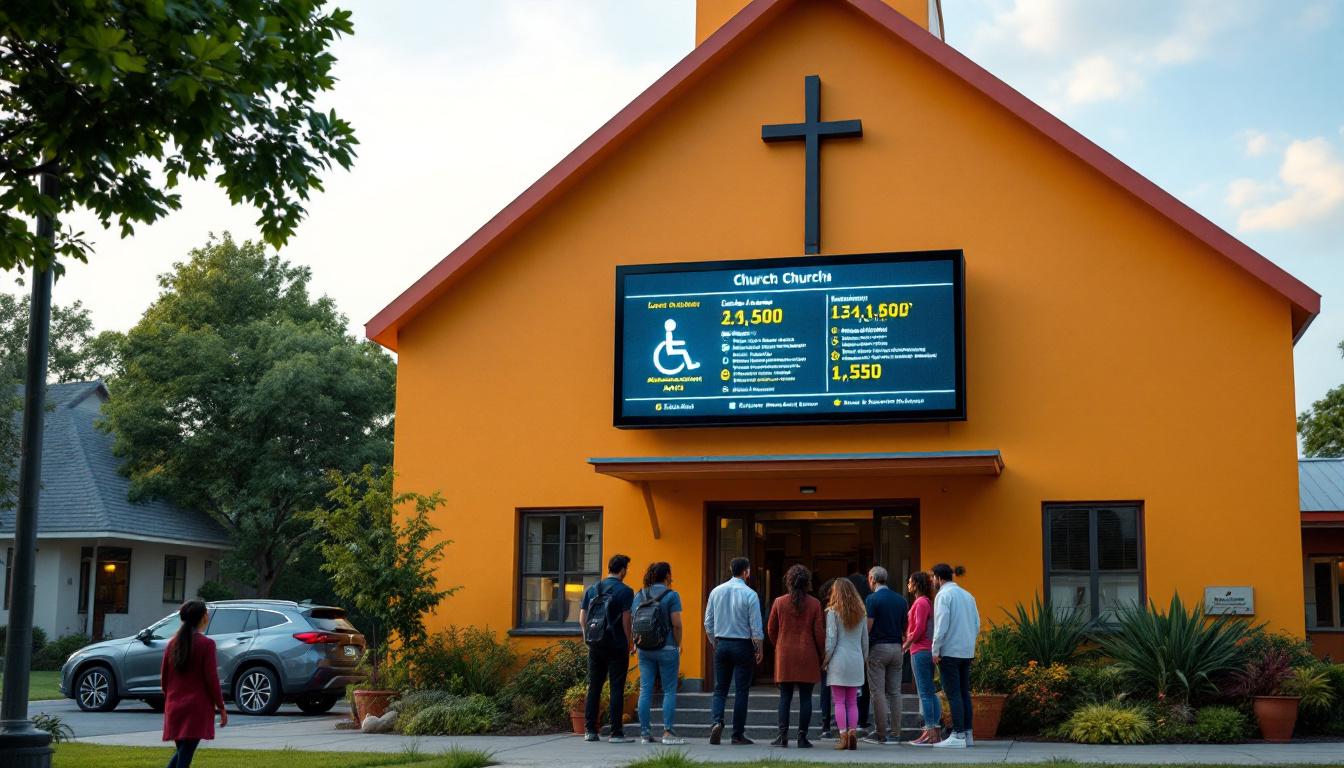
Outdoor LED displays, on the other hand, feature larger pixel pitches (often 6mm and above) to ensure visibility from greater distances. These displays are built with weather-resistant materials, higher brightness levels (often exceeding 5,000 nits), and robust enclosures to withstand rain, dust, and temperature fluctuations. Commonly found in stadiums, billboards, and public transportation hubs, outdoor LED displays are designed to capture attention in bright sunlight and adverse weather conditions. Their durability and visibility make them a popular choice for advertisers aiming to reach a broad audience, even in challenging environments.
Flexible and Transparent LED Displays
Recent innovations have introduced flexible LED displays that can bend and curve, enabling creative installations on irregular surfaces or architectural features. These displays can be wrapped around columns, integrated into furniture, or even used in wearable technology, allowing for a dynamic approach to visual storytelling. Their adaptability opens up new avenues for branding and engagement, as businesses can create unique and eye-catching displays that stand out in a crowded marketplace.
Transparent LED displays allow light to pass through the screen, making them ideal for storefront windows or glass facades where visibility from both sides is desired. This technology not only enhances the aesthetic appeal of a space but also allows businesses to maintain a connection with the outside world while still showcasing their products or messages. The combination of transparency and high-resolution visuals creates an engaging experience for passersby, encouraging interaction and curiosity. These advanced LED technologies expand the possibilities for digital signage, blending seamlessly with modern design aesthetics while maintaining high visual performance. As the demand for innovative advertising solutions grows, the versatility of flexible and transparent displays will likely play a crucial role in shaping the future of visual communication.
Key Advantages of LED Video Pantallas
Brightness and Visibility
One of the most significant advantages of LED displays is their exceptional brightness. With luminance levels that can reach up to 10,000 nits, LED video screens remain clearly visible even under direct sunlight, outperforming LCD and projection-based systems. This makes them the preferred choice for outdoor advertising, sports venues, and public information displays.
Energy Efficiency and Longevity
LED technology is inherently energy-efficient, consuming less power than traditional display technologies while delivering superior brightness. Additionally, LED displays boast long operational lifespans, often exceeding 100,000 hours of use before significant brightness degradation occurs. This durability reduces maintenance costs and downtime, providing a reliable solution for continuous operation.
Color Accuracy and Contrast
Because LEDs emit light directly, they achieve higher contrast ratios and more accurate color reproduction compared to backlit displays. This results in vivid images with deep blacks and vibrant colors, enhancing viewer engagement and delivering a premium visual experience.
Applications of LED Video Pantallas
Advertising and Digital Signage
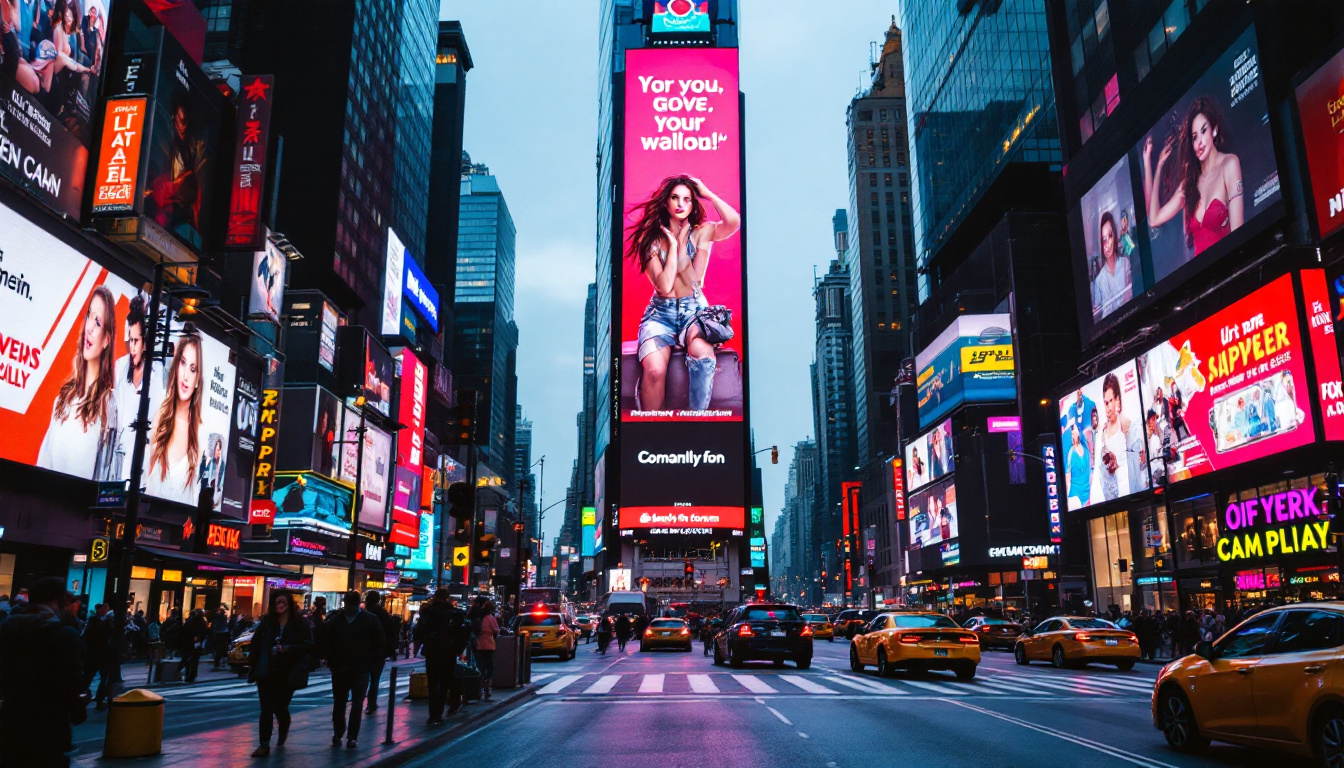
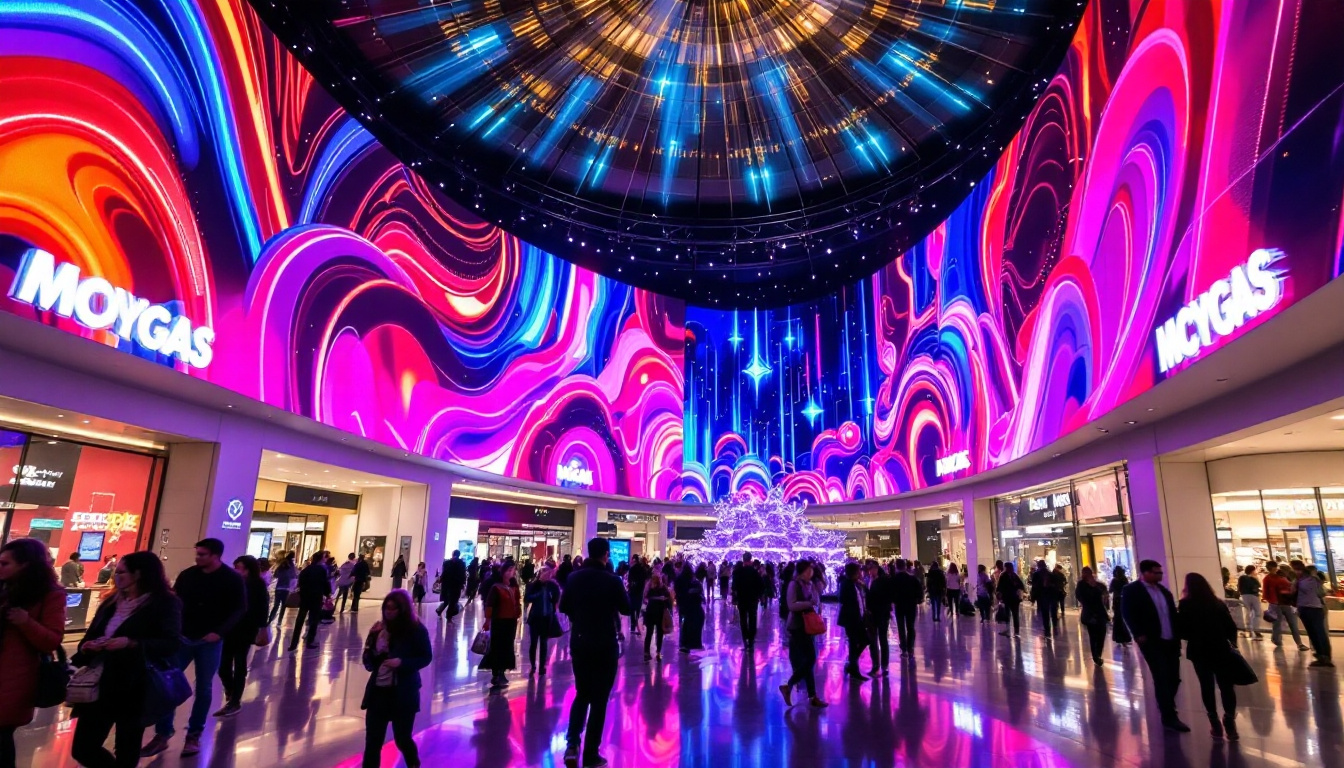
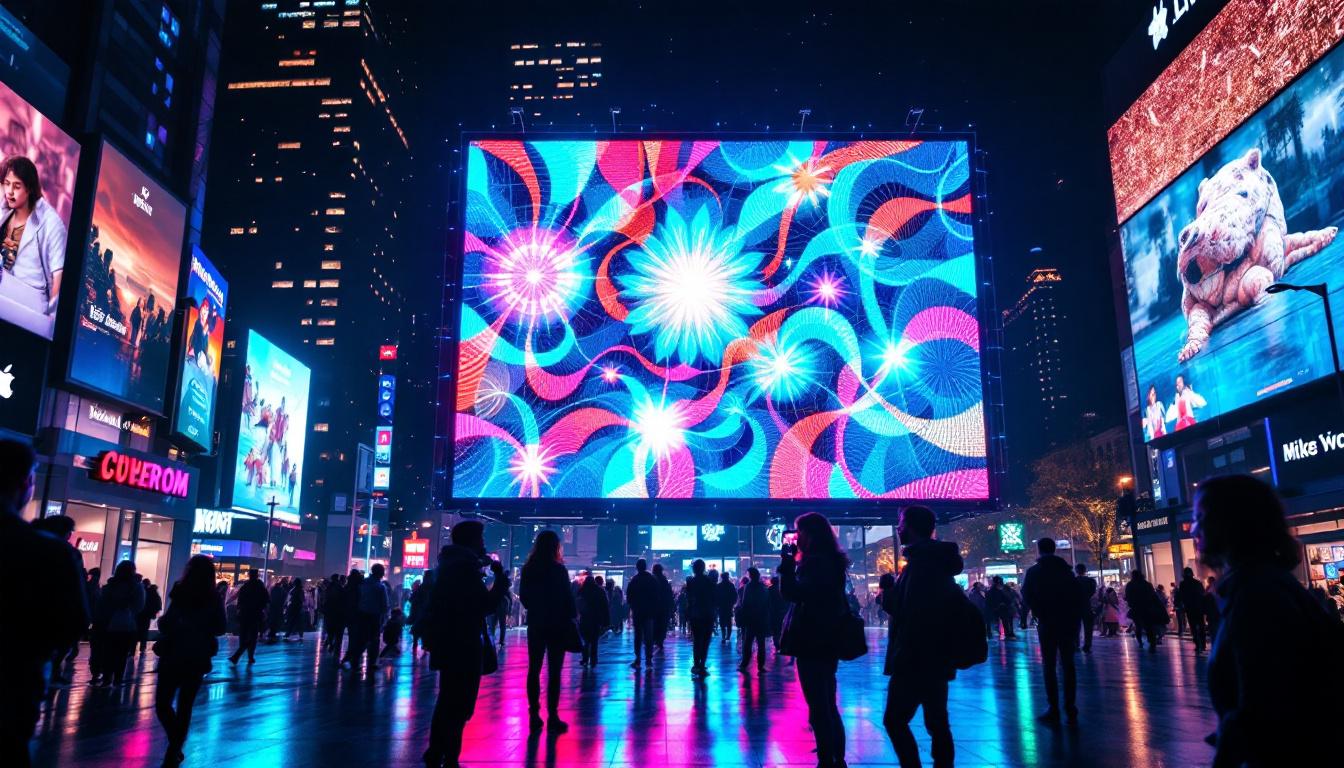
LED displays have revolutionized outdoor and indoor advertising by enabling dynamic, eye-catching content that can be updated in real time. From Times Square billboards to shopping mall kiosks, LED video screens attract attention and increase brand visibility. Studies show that digital signage can increase customer engagement by up to 30%, making LED displays a valuable marketing tool.
Sports and Entertainment Venues
Stadiums and arenas utilize large-scale LED video walls to enhance the spectator experience with live game footage, replays, and interactive content. The high brightness and wide viewing angles ensure that every seat has a clear view of the action. Concerts and festivals also leverage LED screens for stage backdrops and immersive visual effects.
Corporate and Control Rooms
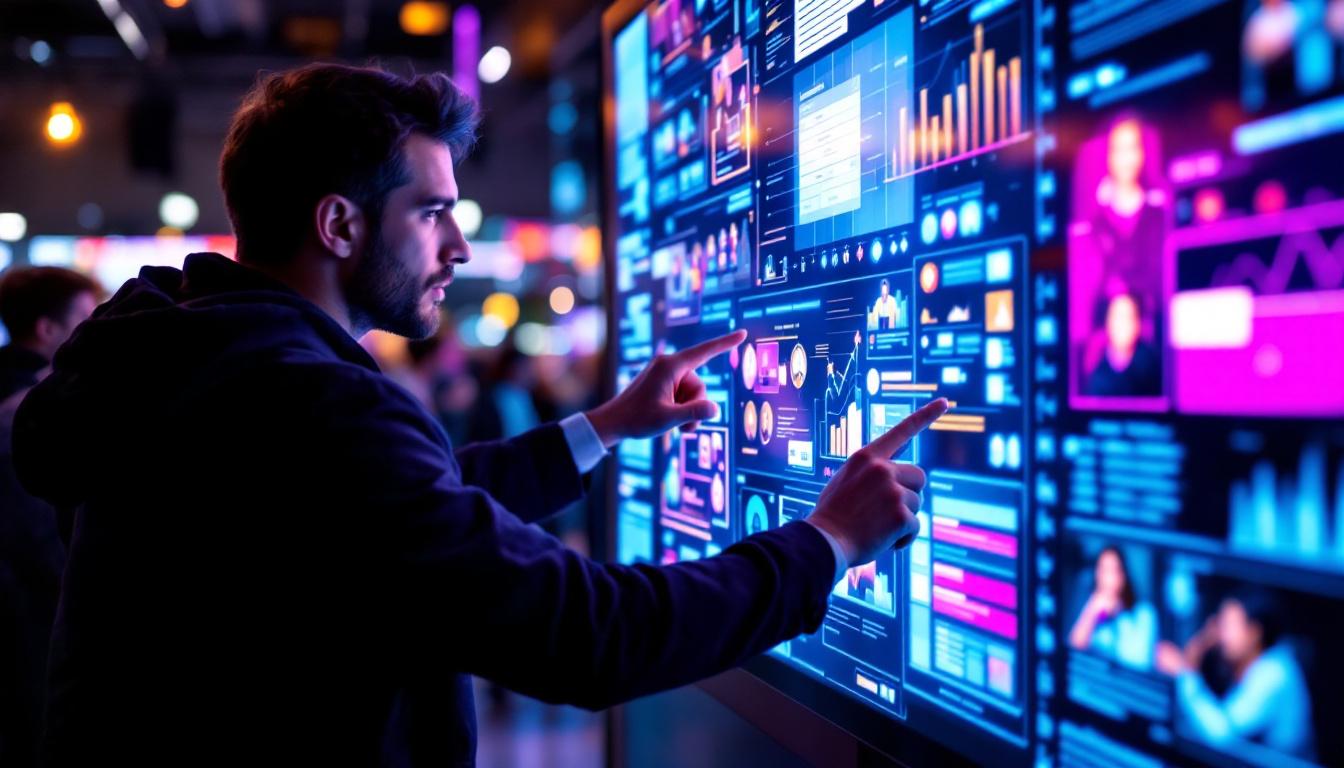
In corporate environments, LED video walls are used for presentations, video conferencing, and digital dashboards. Control rooms benefit from the high resolution and reliability of LED displays to monitor critical systems and data streams. The modular nature of LED panels allows for customized configurations tailored to specific operational needs.
Choosing the Right LED Display
Assessing Viewing Distance and Resolution
Determining the optimal pixel pitch and resolution depends largely on the typical viewing distance. For example, an indoor retail display viewed from a few feet away requires a pixel pitch of 1.5mm or less to ensure sharp images. Conversely, a highway billboard viewed from hundreds of meters can use a pixel pitch of 10mm or more without compromising clarity.
Brightness and Environmental Considerations
Outdoor installations must prioritize brightness and weather resistance. High brightness levels ensure visibility in daylight, while IP-rated enclosures protect against moisture and dust. Indoor displays can focus more on resolution and color accuracy, with lower brightness levels suitable for ambient lighting conditions.
Installation and Maintenance
Modular LED panels simplify installation and allow for scalable screen sizes. However, factors such as mounting infrastructure, power supply, and ventilation must be considered. Maintenance access is also crucial, especially for large outdoor displays, to facilitate repairs and cleaning without significant downtime.
The Future of LED Video Displays
Emerging Trends and Technologies
Advancements in micro-LED technology promise even higher resolution, improved energy efficiency, and thinner form factors. Micro-LEDs offer individual pixel control with smaller sizes, enabling ultra-high-definition displays suitable for smartphones, TVs, and large-scale video walls alike.
Integration with AI and IoT is also transforming LED displays into smart communication hubs. These systems can adapt content dynamically based on audience demographics, weather conditions, or real-time data, enhancing personalization and engagement.
Sustainability and Environmental Impact
As sustainability becomes a priority, LED manufacturers are focusing on eco-friendly materials and energy-saving designs. The long lifespan and recyclability of LED components contribute to reducing electronic waste. Additionally, intelligent power management systems help minimize energy consumption during off-peak hours.
Conclusion
LED video pantallas have become an indispensable tool for delivering vibrant, dynamic visual content across a wide range of industries. Their superior brightness, color fidelity, and versatility make them ideal for everything from advertising and entertainment to corporate communications and public information. Understanding the technology behind LED displays and the factors influencing their performance is essential for selecting the right solution tailored to specific needs.
As LED technology continues to evolve, it will unlock new creative possibilities and operational efficiencies, solidifying its role as the future of digital display. Whether for indoor or outdoor use, small-scale or massive installations, LED video screens offer an engaging and impactful way to communicate in today’s visually driven world.
Discover LumenMatrix’s Innovative LED Solutions
Ready to elevate your visual communication with the latest in LED technology? Look no further than LumenMatrix, a pioneer in crafting LED displays that bring your content to life. From the bustling streets with Outdoor LED Wall Displays to the dynamic ambiance of sports arenas with LED Sports Displays, our range of solutions, including Indoor LED Wall Displays, Vehicle LED Displays, LED Poster Displays, Floor LED Displays, Custom LED Displays, and All-in-One LED Displays, are designed to captivate and engage. Experience the future of digital signage with our LED Transparent Displays and let LumenMatrix help you make a lasting impression. Check out LumenMatrix LED Display Solutions and start your journey towards unparalleled visual storytelling.