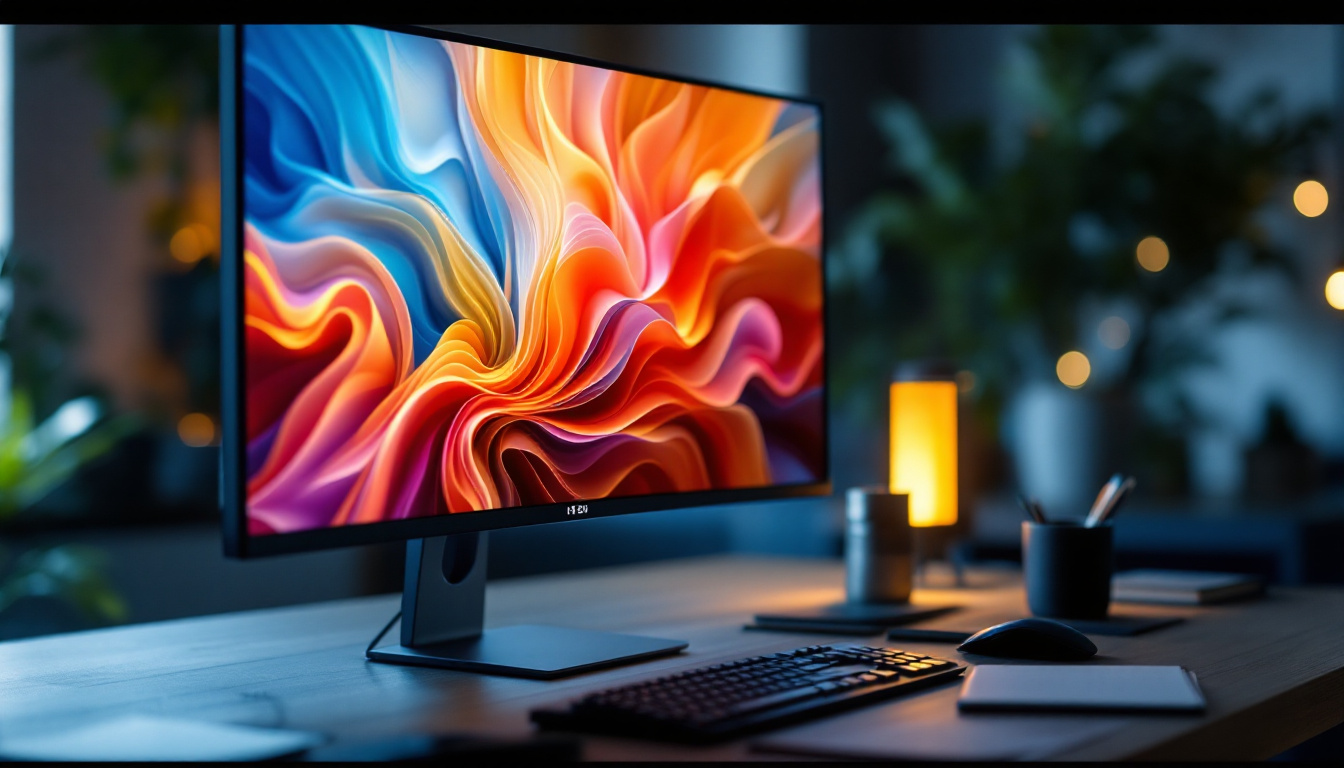
In recent years, churches around the world have increasingly embraced modern technology to enhance worship experiences. One of the most significant advancements in this domain is the use of LED displays as projector screens. Unlike traditional projector setups, LED displays offer vibrant visuals, superior brightness, and greater flexibility, making them an attractive option for many congregations. This article delves into the advantages of LED displays for churches, how they compare to conventional projector screens, and practical considerations for selecting and installing these systems.
Why Modern Churches Are Moving Toward LED Displays
Churches have traditionally relied on projectors paired with large screens to display song lyrics, sermon notes, and multimedia presentations. While this method has served well for decades, technological innovation has introduced LED displays as a powerful alternative. LED (Light Emitting Diode) technology provides direct light emission from each pixel, resulting in brighter, sharper images that are visible even in well-lit environments.
One of the primary reasons for the shift is the growing demand for dynamic and engaging worship environments. According to a 2023 survey by the National Religious Broadcasters Association, over 40% of churches in the United States have upgraded their audiovisual systems within the past five years, with many opting for LED technology. This trend reflects a broader desire to connect with congregations through visually compelling content. By utilizing vibrant graphics and videos, churches can enhance the emotional impact of their messages, making the worship experience more immersive and memorable for attendees.
Enhanced Visibility and Brightness
Traditional projectors depend on ambient light conditions; they perform best in darkened rooms. However, churches often require some level of lighting during services, which can wash out projected images. LED displays, on the other hand, maintain excellent visibility regardless of lighting conditions. Their high brightness levels, often exceeding 1,000 nits, ensure that text and images remain crisp and clear, even with natural light streaming through windows. This capability allows for greater flexibility in service design, enabling churches to incorporate more natural light into their spaces without sacrificing the quality of visual presentations.
Durability and Longevity
LED displays are known for their durability. Unlike projector bulbs, which typically last between 2,000 and 5,000 hours and require costly replacements, LED panels can operate for over 100,000 hours with minimal maintenance. This longevity translates into lower total cost of ownership, an important consideration for churches operating on tight budgets. Additionally, LED technology is more energy-efficient than traditional projection systems, further reducing operational costs. As churches strive to be good stewards of their resources, the long-term savings associated with LED displays make them an attractive investment.
Moreover, the versatility of LED displays allows churches to utilize them for various purposes beyond worship services. Many congregations are now using these screens for community events, educational programs, and even live streaming services for those unable to attend in person. The ability to display high-quality visuals in real-time opens up new avenues for outreach and engagement, fostering a sense of community and connection among members. This adaptability not only enhances the worship experience but also strengthens the church’s role as a hub for community interaction and support.
Comparing LED Displays to Traditional Projector Screens
Understanding the differences between LED displays and traditional projector setups is crucial for churches considering an upgrade. Both technologies have their merits, but the choice depends on factors such as venue size, budget, and desired image quality.
Image Quality and Resolution
LED displays offer superior image quality due to their ability to produce vibrant colors and deep blacks. The direct emission of light from each pixel allows for higher contrast ratios compared to projectors, which rely on reflected light. Modern LED panels can achieve resolutions up to 4K, providing crystal-clear visuals ideal for detailed graphics and video playback.
Projectors, while capable of high resolutions, often struggle with color accuracy and contrast, especially in environments with ambient light. Additionally, projector screens can suffer from glare and uneven brightness, which LED displays avoid.
Installation and Space Requirements
Projector systems require careful placement to avoid shadows and obstructions. The projector must be mounted at a specific distance from the screen, and the room layout must accommodate this setup. In contrast, LED displays are self-contained units that can be wall-mounted or freestanding, offering greater flexibility in placement.
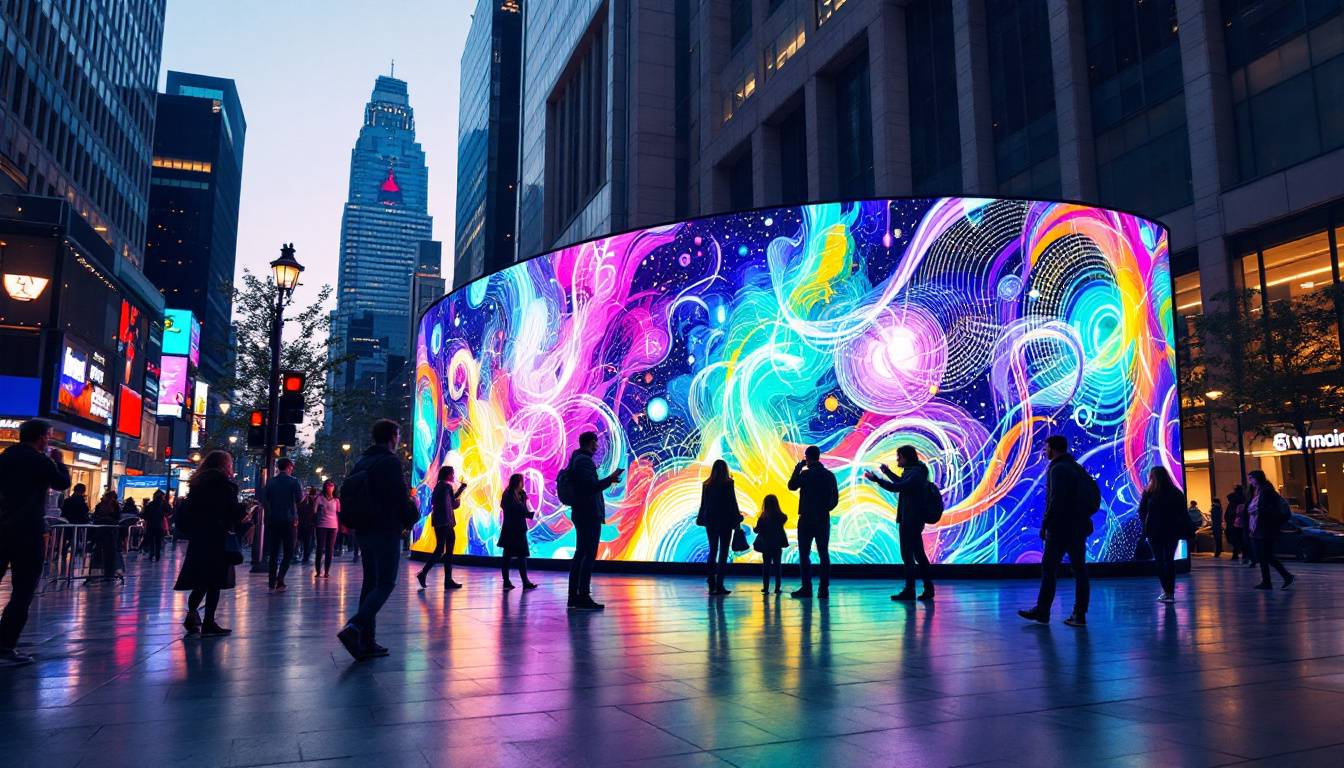
For churches with limited space or unconventional layouts, LED displays can be customized to fit various sizes and shapes, including curved or segmented configurations. This adaptability enables creative stage designs that enhance the worship atmosphere.
Maintenance and Operational Costs
Projectors require regular maintenance, including bulb replacements, cleaning filters, and occasional recalibration. Bulbs can be expensive and have limited lifespans, leading to recurring costs. LED displays, conversely, have fewer moving parts and longer lifespans, reducing maintenance needs and associated expenses.
Energy consumption is another consideration. While LED displays consume more power than projectors in some cases, advances in energy-efficient LEDs have narrowed this gap. Over time, the reduced maintenance and replacement costs often offset any difference in electricity usage.
Key Features to Consider When Choosing an LED Display for Church
Selecting the right LED display involves evaluating several technical and practical factors to ensure it meets the church’s specific needs.
Screen Size and Viewing Distance
The size of the LED display should correspond to the size of the sanctuary and the typical viewing distance of the congregation. A general guideline is that the screen height should be approximately one-sixth to one-third of the distance from the farthest viewer. For example, if the farthest seat is 60 feet away, a screen height between 10 and 20 feet is appropriate.
Oversized screens can overwhelm the space and strain the budget, while undersized screens may be difficult to see clearly. Consulting with an audiovisual professional can help determine the optimal dimensions.
Pixel Pitch and Resolution
Pixel pitch refers to the distance between individual LED pixels, measured in millimeters. A smaller pixel pitch means higher resolution and finer image detail. For indoor church environments where viewers are relatively close to the screen, a pixel pitch between 1.5 mm and 3 mm is ideal.
Higher resolution LED displays provide sharper text and more detailed images, which is particularly important for displaying song lyrics, scripture verses, and multimedia content.
Brightness and Contrast Ratio
Brightness is measured in nits, and for indoor church settings, a brightness level of 800 to 1,200 nits is generally sufficient. This range ensures visibility even in rooms with ambient light. Contrast ratio, the difference between the darkest black and the brightest white, affects image depth and clarity. LED displays typically offer excellent contrast ratios, enhancing the overall viewing experience.
Connectivity and Control Options
Modern LED displays come with various input options, including HDMI, DisplayPort, and wireless connectivity. Churches should consider how the display will integrate with existing audiovisual equipment such as cameras, computers, and sound systems.
Additionally, user-friendly control software that allows for easy content management and scheduling is essential. Some LED systems offer remote control capabilities, enabling operators to adjust settings without accessing the physical display.
Installation and Integration Best Practices
Proper installation is critical to maximizing the benefits of an LED display in a church setting. Working with experienced professionals ensures that the display is safely mounted, correctly calibrated, and seamlessly integrated with other audiovisual components.
Structural Considerations
LED displays can be heavy and require sturdy mounting surfaces. Before installation, it’s important to assess the structural integrity of walls or trusses. In some cases, freestanding frames or rigging systems may be necessary.
Safety is paramount, especially in spaces with large congregations. Certified installers should follow local building codes and industry standards to prevent accidents.
Acoustic and Lighting Integration
While LED displays improve visual clarity, churches must also consider how the display interacts with the room’s acoustics and lighting. Positioning the display to minimize glare and reflections enhances visibility. Additionally, coordinating the display with sound systems ensures that audio-visual synchronization is maintained during services.
Training and Support
Once installed, church staff and volunteers need training to operate the LED display effectively. Many manufacturers offer training sessions and ongoing technical support to assist with troubleshooting and content management.
Case Studies: Churches Successfully Using LED Displays
Several churches have reported transformative experiences after switching to LED displays. For example, a mid-sized church in Texas upgraded to a 15-foot by 8-foot LED wall with a 2.5 mm pixel pitch. The congregation noted improved engagement during worship, with clearer lyrics and more vivid sermon illustrations. The church also leveraged the display for community events, increasing its utility beyond regular services.
Another example is a large urban church in California that installed a curved LED screen behind the altar. This setup created an immersive visual environment that enhanced the storytelling aspect of sermons and special programs. The church reported a 25% increase in attendance over two years, attributing part of this growth to the enhanced worship experience facilitated by the LED technology.
Conclusion: Is an LED Display Right for Your Church?
Choosing between a traditional projector screen and an LED display depends on a church’s unique requirements, budget, and vision for worship. LED displays offer unparalleled brightness, durability, and flexibility, making them an excellent investment for churches seeking to modernize their audiovisual capabilities.
While the initial cost of LED displays can be higher than projector systems, the long-term benefits in maintenance savings, image quality, and congregational engagement often justify the investment. By carefully considering factors such as screen size, resolution, and installation logistics, churches can select an LED display that enhances their worship environment and supports their mission for years to come.
Discover the LumenMatrix Difference for Your Church
Ready to elevate your church’s worship experience with cutting-edge LED display technology? LumenMatrix specializes in a wide array of LED solutions, from Indoor and Outdoor LED Wall Displays to innovative Transparent and Custom LED Displays, designed to captivate and engage your congregation. Embrace the future of visual communication and join the many houses of worship that have already transformed their services with our vibrant and energy-efficient LED displays. Check out LumenMatrix LED Display Solutions today and witness the impact of unparalleled brightness, durability, and flexibility on your worship environment.