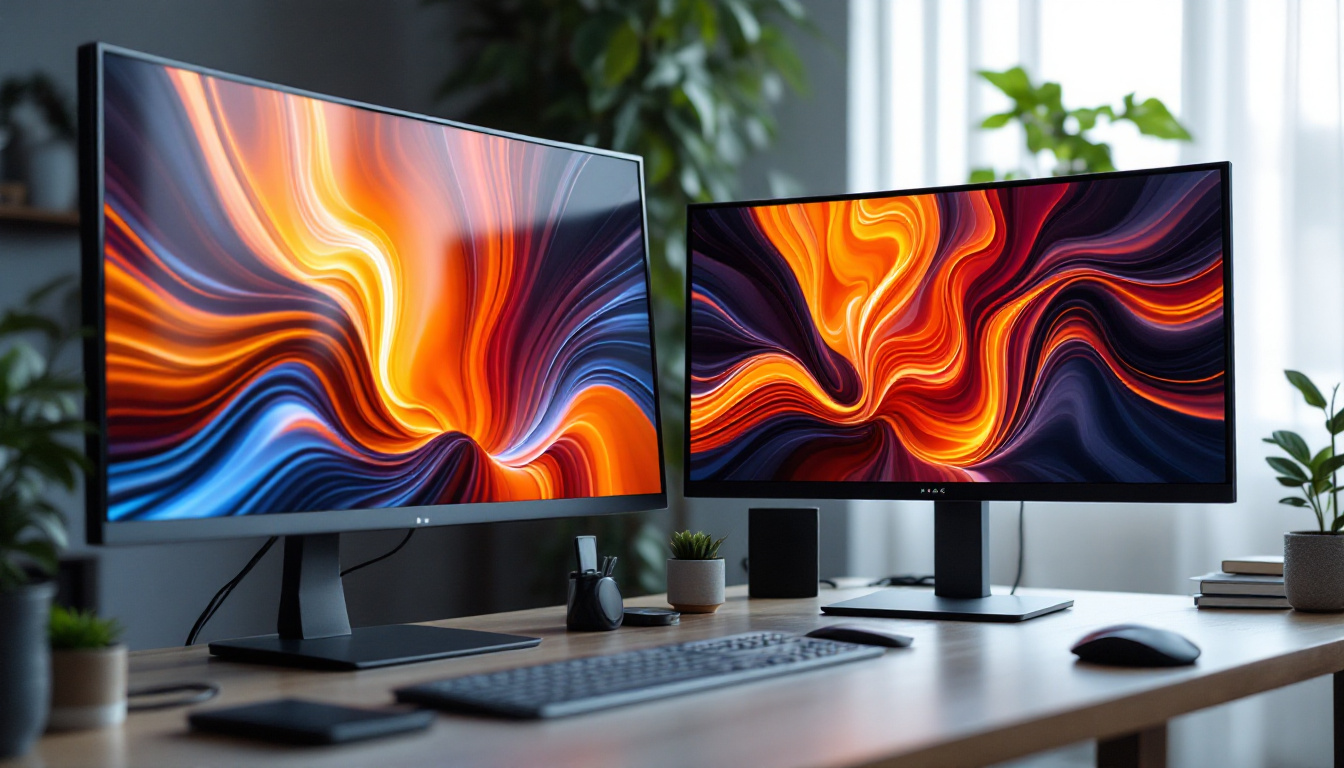
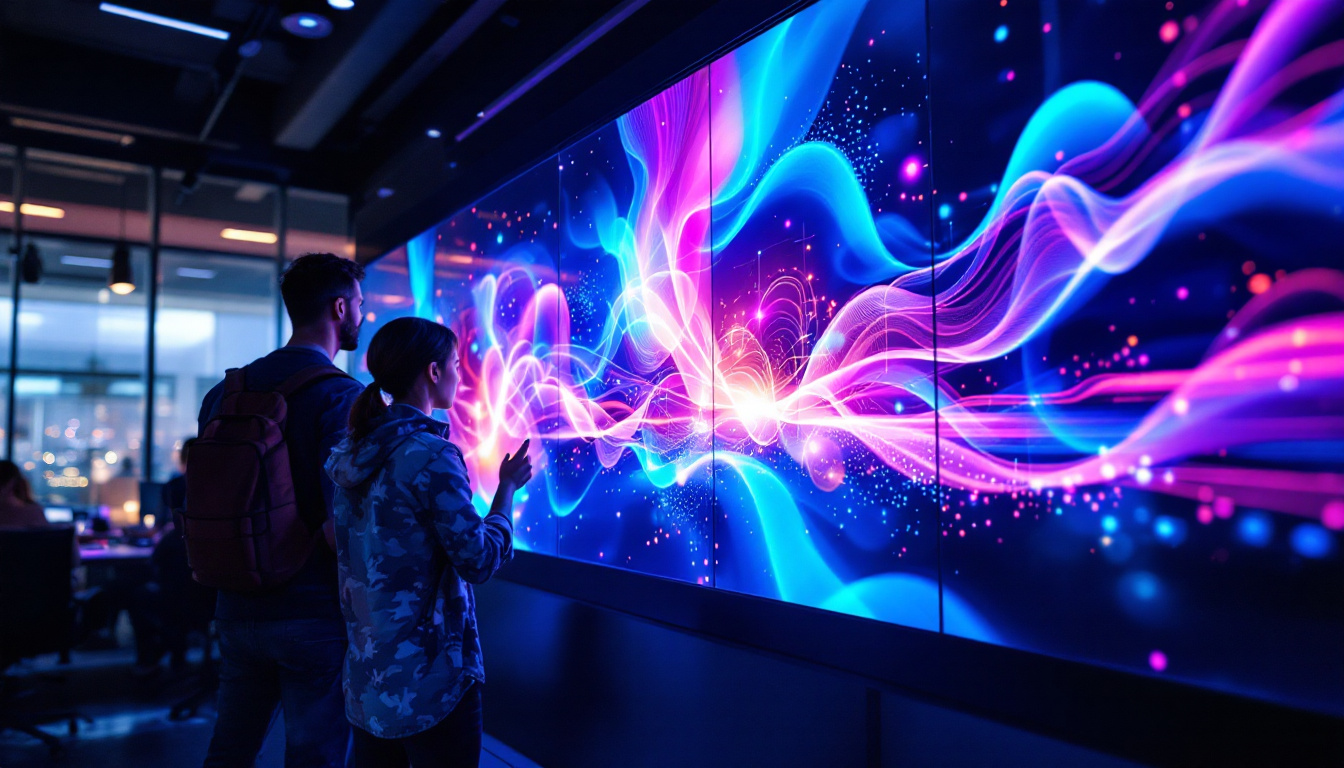
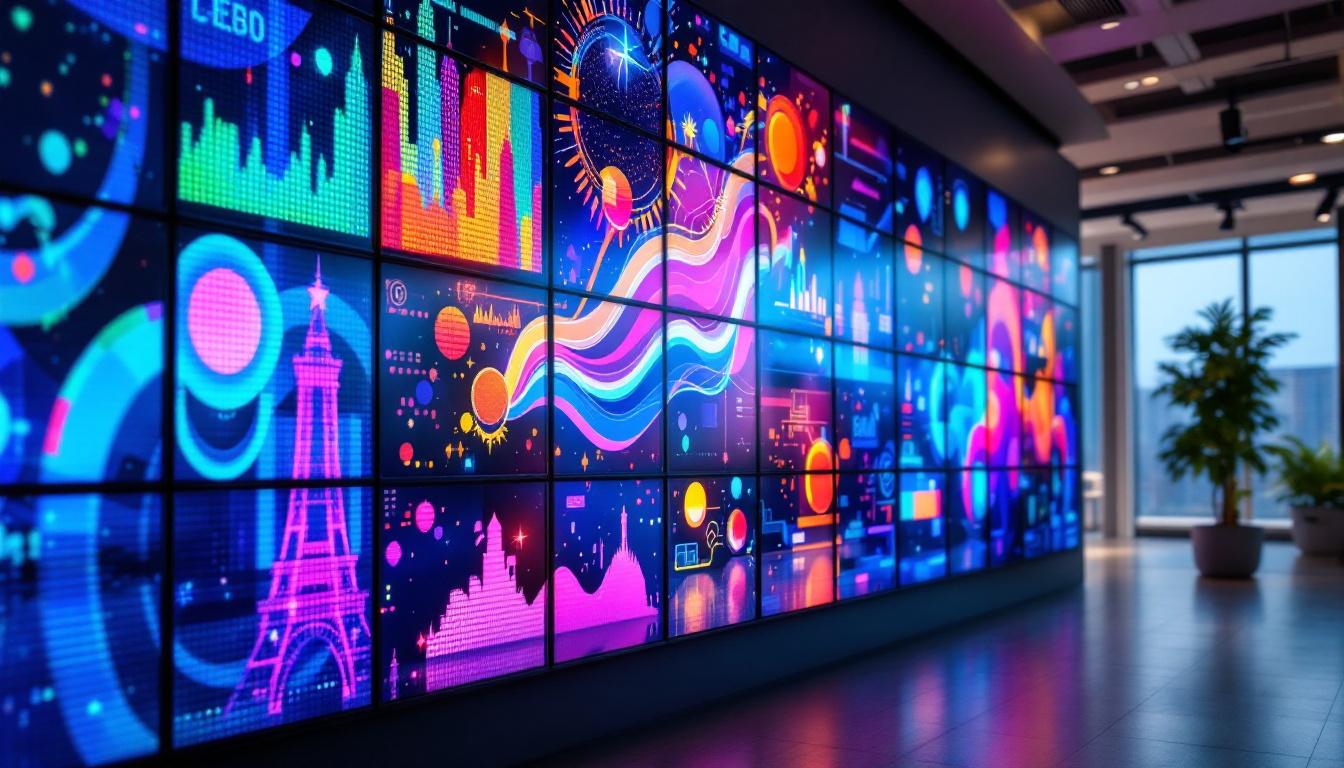
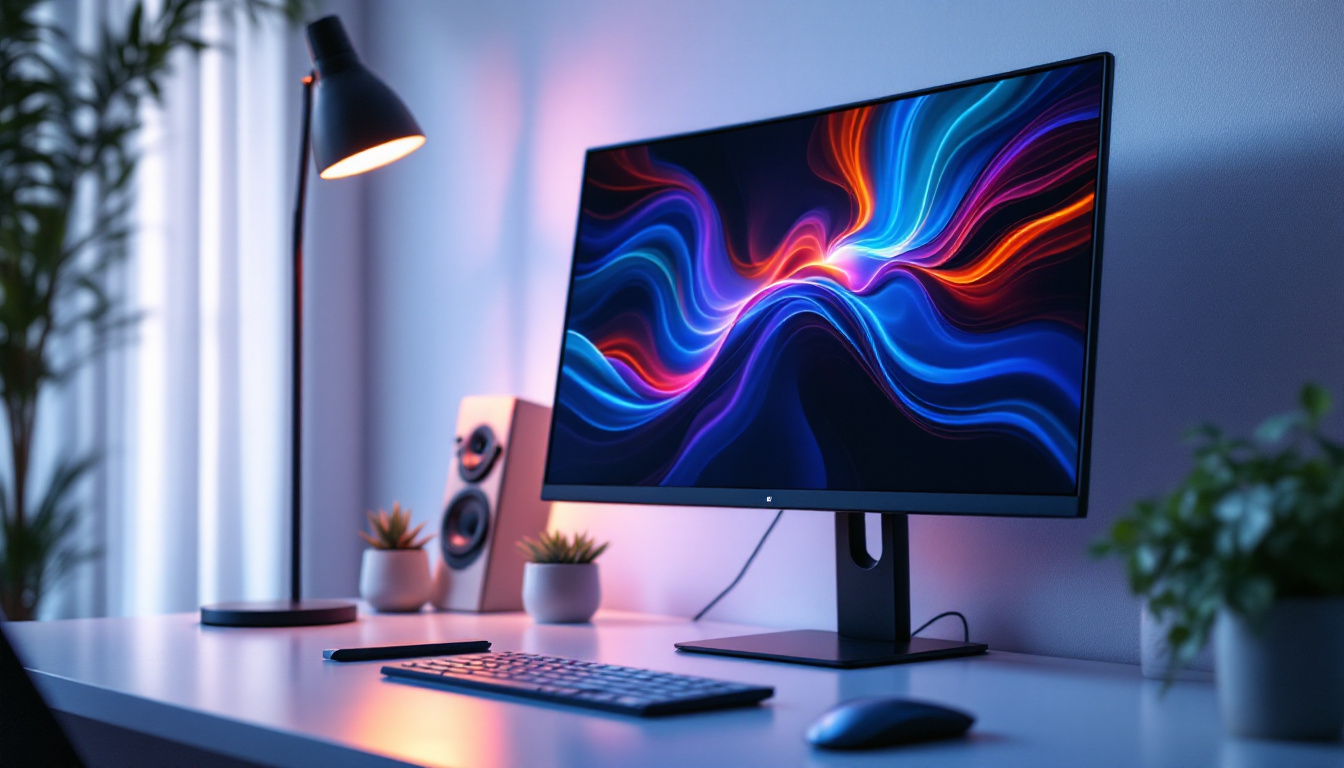
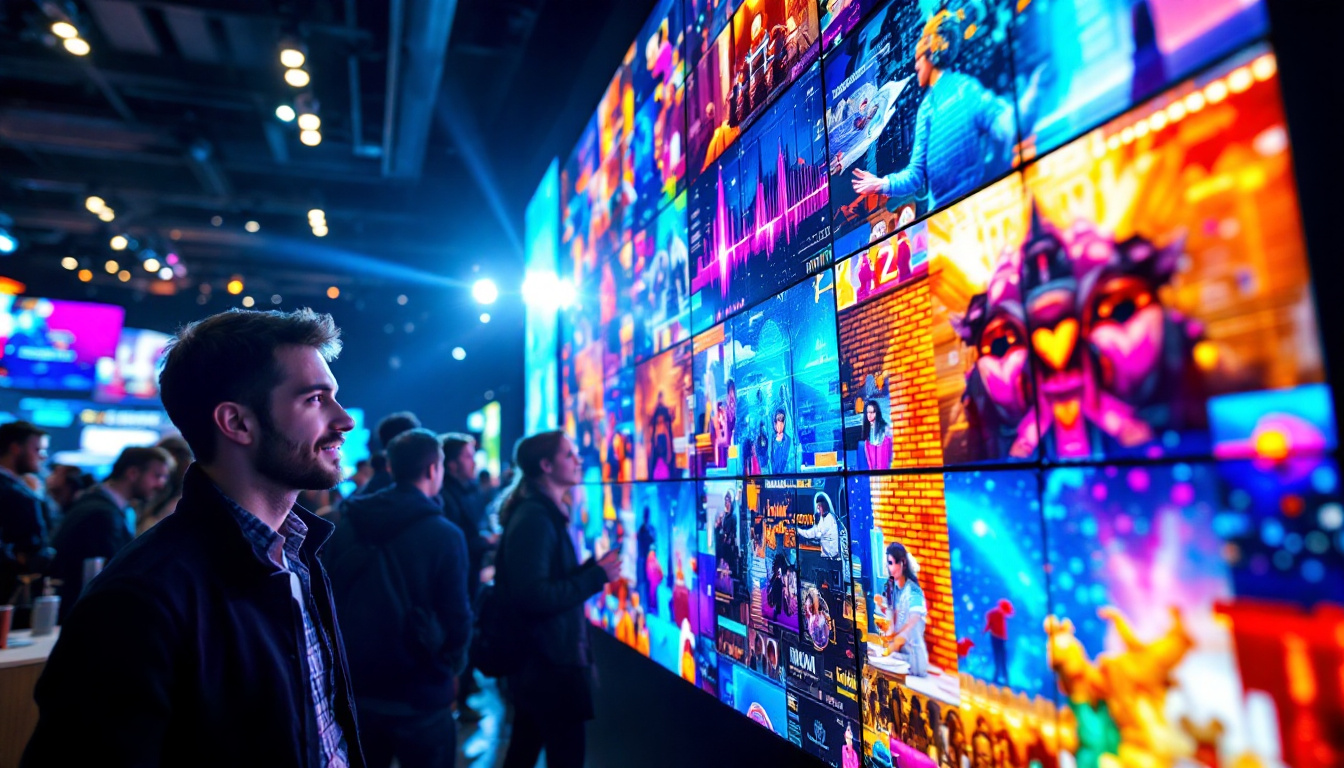
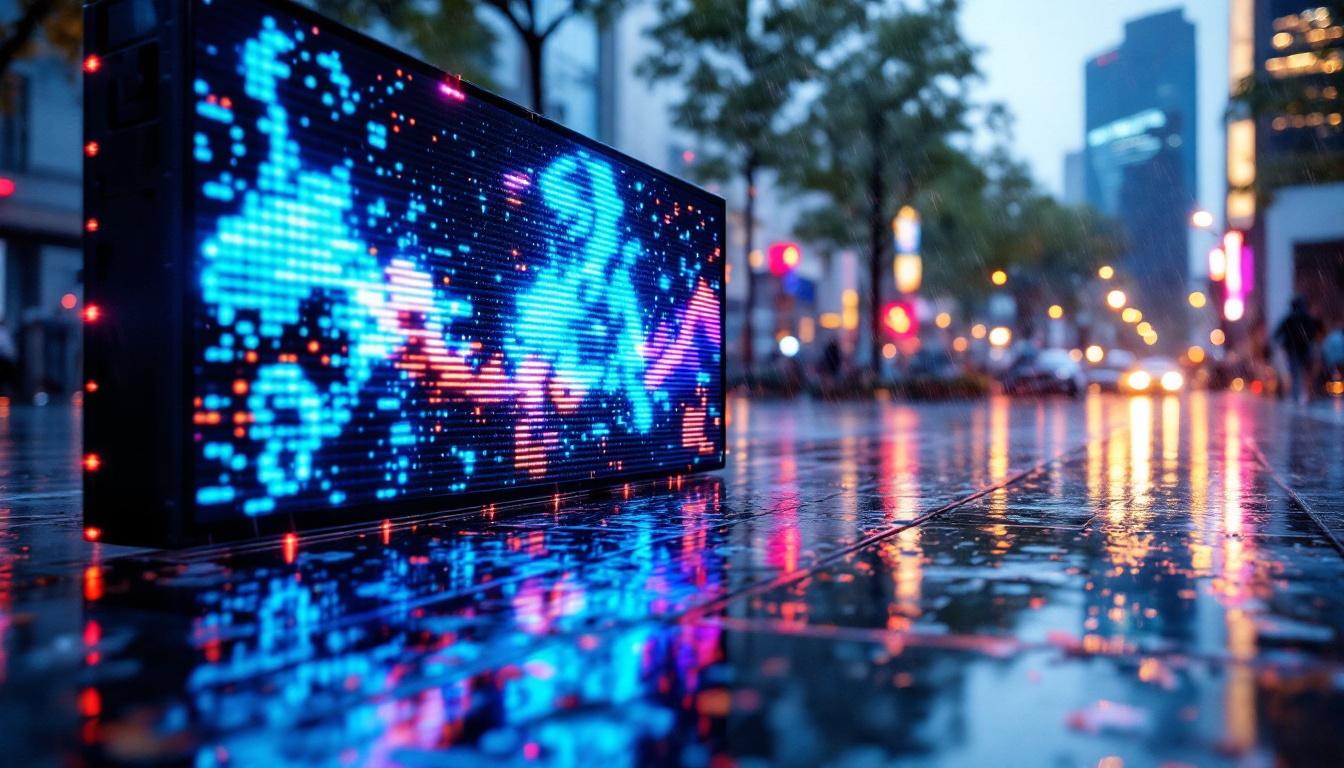
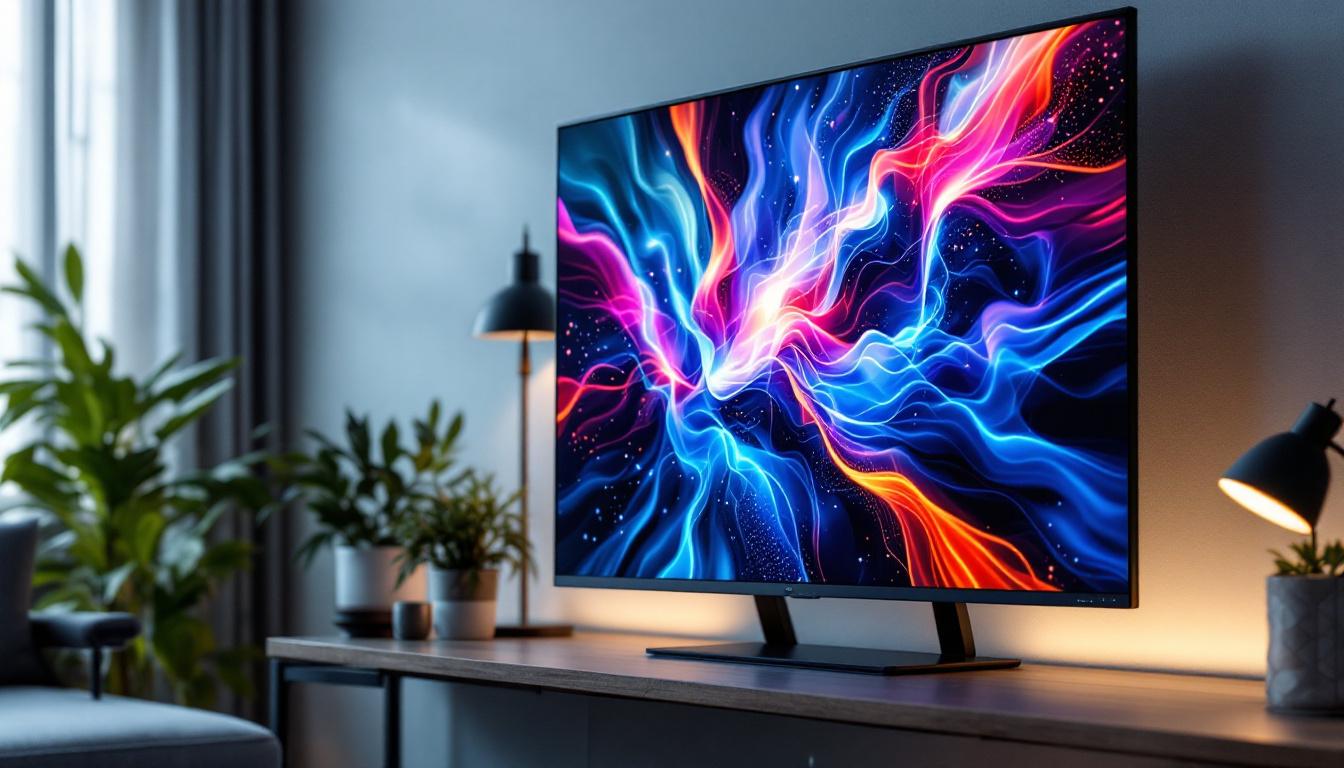
In today’s world of digital signage, television screens, and large-scale displays, the terms LCD and LED are often used interchangeably, yet they refer to different technologies that impact picture quality, energy efficiency, and overall performance. Understanding the nuances behind big LCD panels and LED displays is essential for consumers, businesses, and professionals who rely on these technologies for advertising, entertainment, or information dissemination.
This article delves into the core concepts of LCD and LED displays, explores their differences and advantages, and highlights the latest trends shaping the future of large-format screens.
Understanding LCD Technology: The Foundation of Modern Displays
What is an LCD Panel?
LCD stands for Liquid Crystal Display. It is a flat-panel display technology that uses liquid crystals sandwiched between two layers of glass or plastic. These crystals do not emit light directly; instead, they manipulate light passing through them to create images. The liquid crystals align in different ways when an electric current is applied, controlling the amount of light that passes through each pixel.
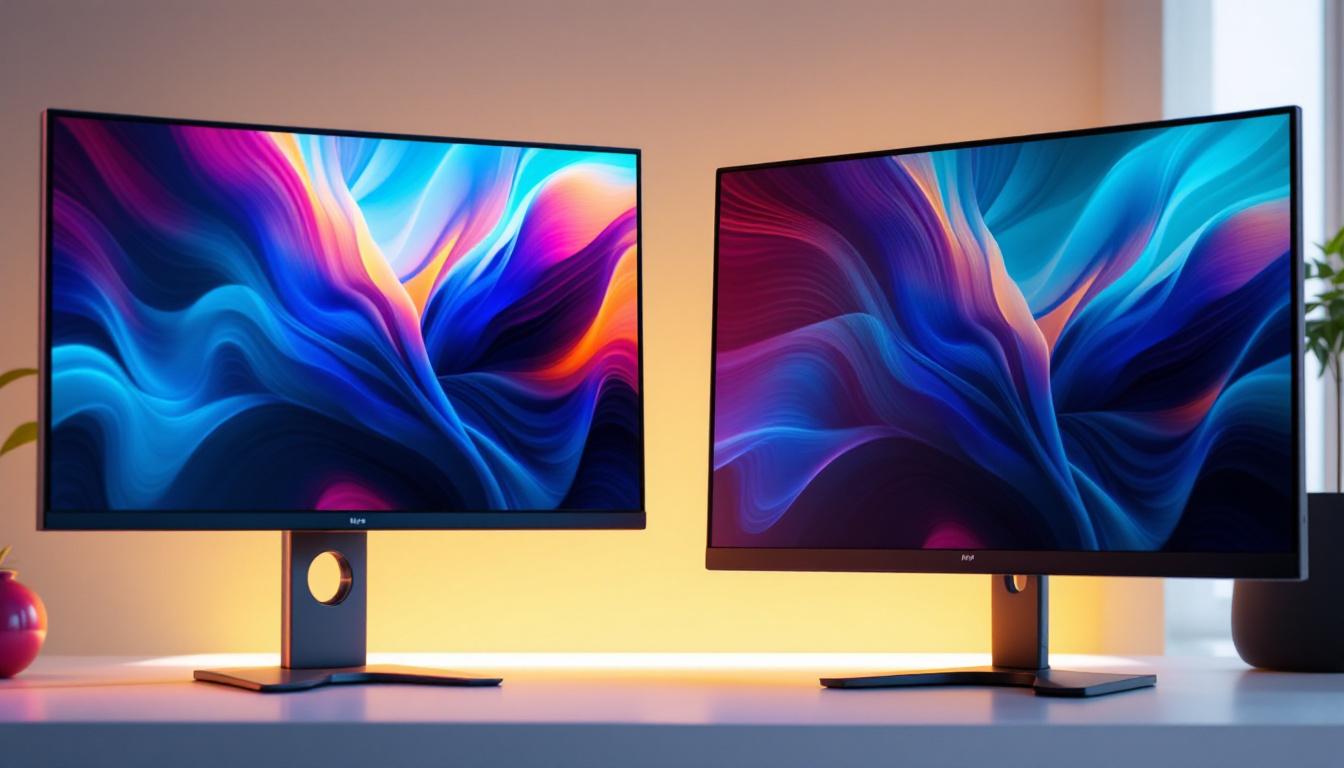
LCD panels require a backlight to illuminate the screen since the liquid crystals themselves don’t produce light. This backlight is typically provided by fluorescent lamps or more commonly now, LEDs (Light Emitting Diodes). The combination of LCD with LED backlighting is what many manufacturers refer to as “LED TVs” or “LED displays.” This advancement has led to thinner, lighter screens that are more energy-efficient and capable of producing brighter images with better contrast ratios compared to traditional LCDs with fluorescent backlighting. Furthermore, the use of LED technology has also enabled the development of various display types, such as edge-lit and full-array local dimming, enhancing the viewing experience by providing deeper blacks and more vibrant colors.
How LCD Panels Work
In an LCD panel, the display is composed of millions of tiny pixels arranged in a grid. Each pixel contains subpixels with red, green, and blue filters. By adjusting the orientation of the liquid crystals, the display controls how much light passes through each subpixel, mixing these colors to produce a full spectrum of hues.
The backlight shines through the liquid crystal layer, and the crystals act as shutters that open or close to varying degrees, regulating light intensity and color. This process is rapid and continuous, allowing for smooth motion and vibrant images. Additionally, advancements in technology have led to the development of various LCD types, such as IPS (In-Plane Switching) and TN (Twisted Nematic) panels, each offering distinct advantages in terms of color accuracy, viewing angles, and response times. IPS panels, for instance, are favored for their superior color reproduction and wider viewing angles, making them ideal for graphic design and professional use, while TN panels are often chosen for their fast response times, making them popular among gamers. This diversity in LCD technology ensures that there is a suitable option for a wide range of applications, from casual viewing to professional-grade displays.
LED Displays: Illuminating the Future of Big Screens
What Does LED Mean in Display Technology?
LED stands for Light Emitting Diode, a semiconductor device that emits light when an electric current passes through it. In the context of displays, LED technology is primarily used as a backlighting source for LCD panels or as the core technology in self-emissive displays.
There are two main types of LED displays:
- LED-backlit LCDs: These are traditional LCD panels that use LEDs instead of fluorescent lamps for backlighting. This approach improves energy efficiency, brightness, and color accuracy.
- Direct-view LED displays: These use individual LEDs as pixels themselves, often arranged in large modules for outdoor or large-scale indoor screens. They are self-emissive, meaning each LED emits its own light, eliminating the need for backlighting.
Advantages of LED Backlighting in LCD Panels
Switching from fluorescent backlighting to LED backlighting has revolutionized LCD displays. LEDs offer several key benefits:
- Energy Efficiency: LEDs consume less power than traditional cold cathode fluorescent lamps (CCFLs), reducing electricity costs and environmental impact.
- Improved Brightness and Contrast: LED backlights can achieve higher brightness levels and better contrast ratios, enhancing image clarity and vibrancy.
- Thinner and Lighter Designs: LEDs are smaller and more flexible, allowing manufacturers to produce thinner, lighter screens suitable for wall mounting and portable devices.
- Longer Lifespan: LEDs generally last longer than fluorescent lamps, reducing maintenance and replacement costs.
In addition to these advantages, LED technology has also paved the way for advancements in display features such as local dimming and HDR (High Dynamic Range) capabilities. Local dimming allows specific areas of the screen to be dimmed or brightened independently, resulting in deeper blacks and more vivid colors. This technology is particularly beneficial for watching movies or playing video games, where contrast can significantly enhance the viewing experience. HDR, on the other hand, expands the range of colors and brightness levels that a display can produce, creating a more lifelike image that closely resembles what the human eye perceives in real life.
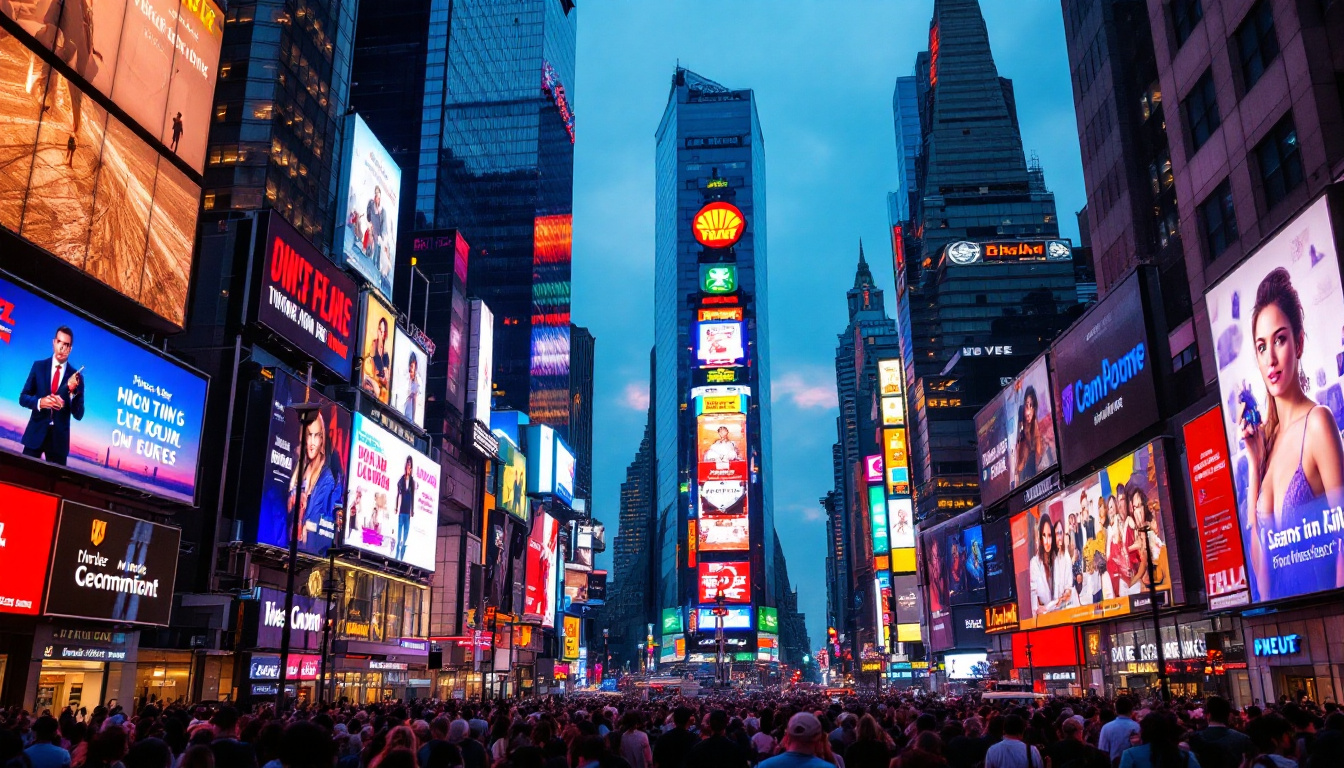
Moreover, the versatility of LED displays extends beyond just televisions and monitors. They are increasingly being utilized in various applications, including digital signage, billboards, and even architectural lighting. The ability to create large, eye-catching displays makes them ideal for advertising and public information systems. With advancements in technology, we are now seeing flexible and transparent LED displays that can be integrated into various surfaces, opening up exciting possibilities for innovative design and functionality in everyday environments.
Big LCD Panels: Applications and Considerations
Where Are Big LCD Panels Used?
Big LCD panels have become ubiquitous in various sectors due to their versatility, image quality, and scalability. Some common applications include:
- Digital Signage: Retail stores, airports, and public spaces use large LCD panels to display advertisements, information, and interactive content.
- Broadcast and Control Rooms: Television studios and monitoring centers rely on big LCD walls for real-time data visualization and video feeds.
- Corporate and Educational Settings: Conference rooms and lecture halls use large LCD screens for presentations, video conferencing, and collaborative work.
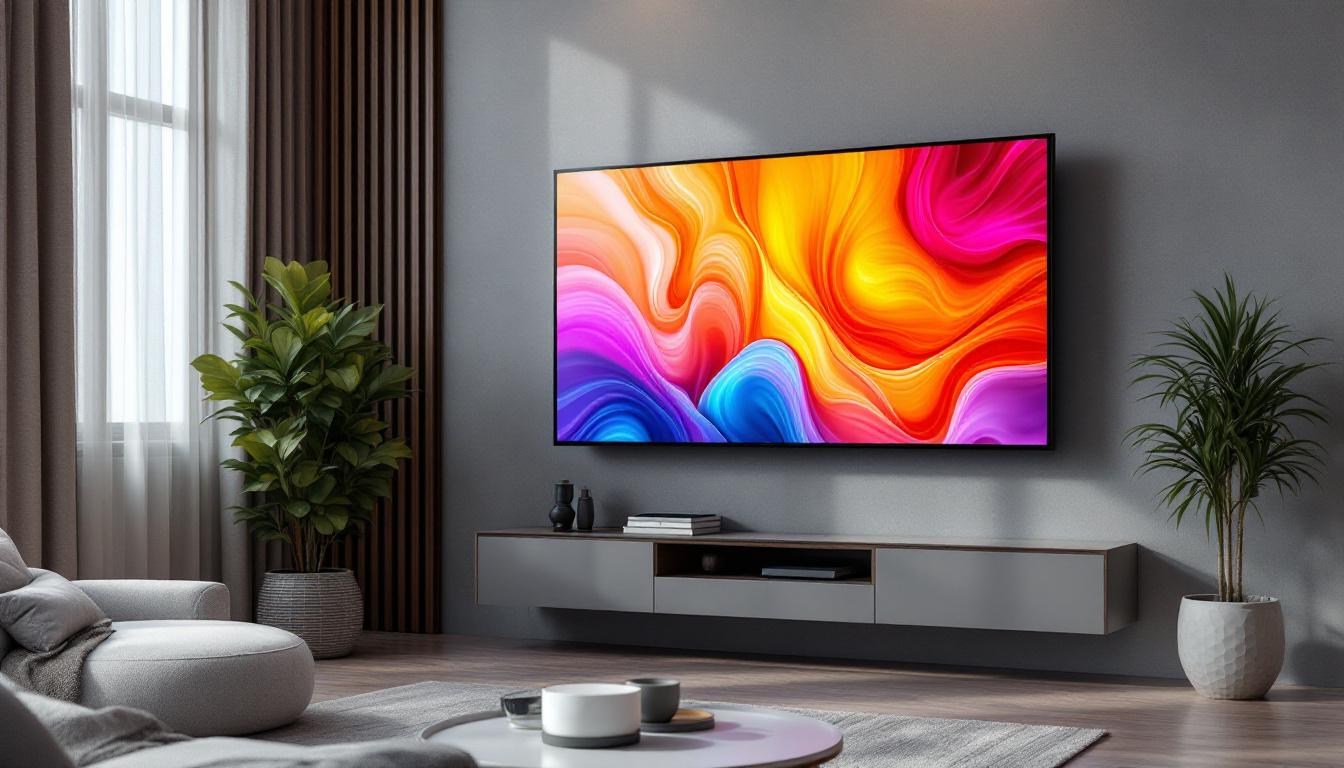
- Home Theaters and Entertainment: Consumers increasingly adopt big LCD TVs for immersive viewing experiences.
Key Factors to Consider When Choosing a Big LCD Panel
Choosing the right big LCD panel depends on several factors tailored to the intended use case:
- Resolution: Higher resolution panels (4K, 8K) provide sharper images, essential for close viewing distances and detailed content.
- Brightness: For outdoor or brightly lit environments, higher brightness levels (measured in nits) ensure visibility.
- Viewing Angle: Wide viewing angles prevent color distortion when the screen is viewed from the side.
- Refresh Rate: Higher refresh rates reduce motion blur, important for video playback and gaming.
- Durability and Lifespan: Commercial-grade panels often feature enhanced durability and longer warranties.
- Connectivity: Multiple input options (HDMI, DisplayPort, USB) increase compatibility with various devices.
Direct-View LED Displays: The Next Step for Large-Scale Visuals
How Direct-View LED Displays Differ from LCD Panels
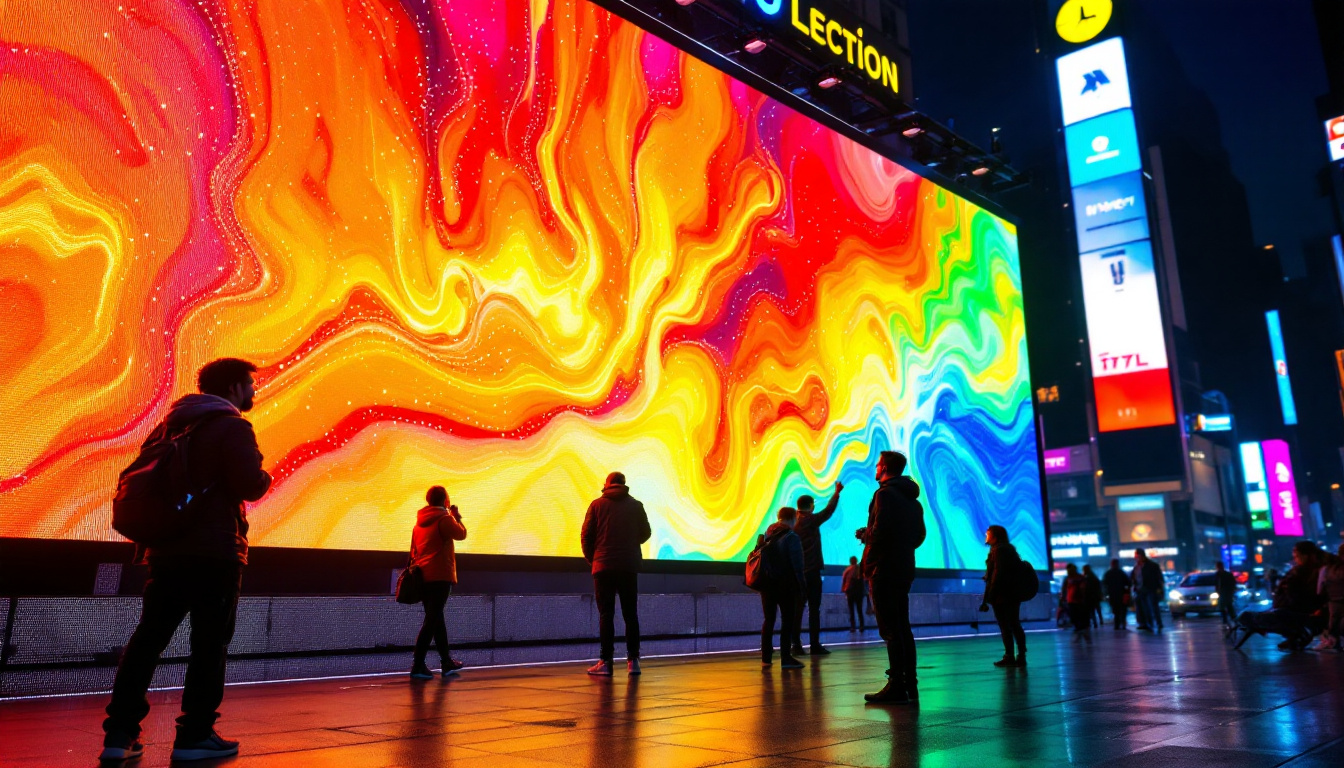
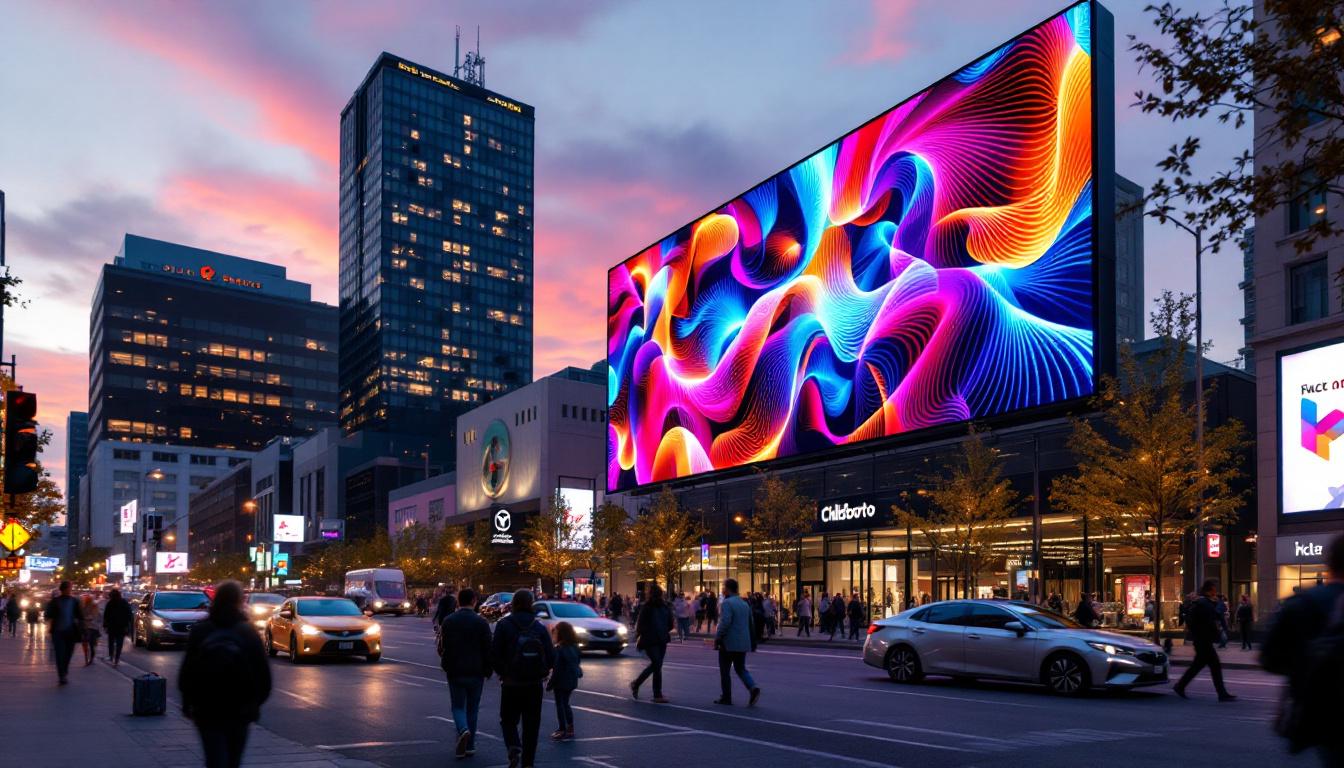
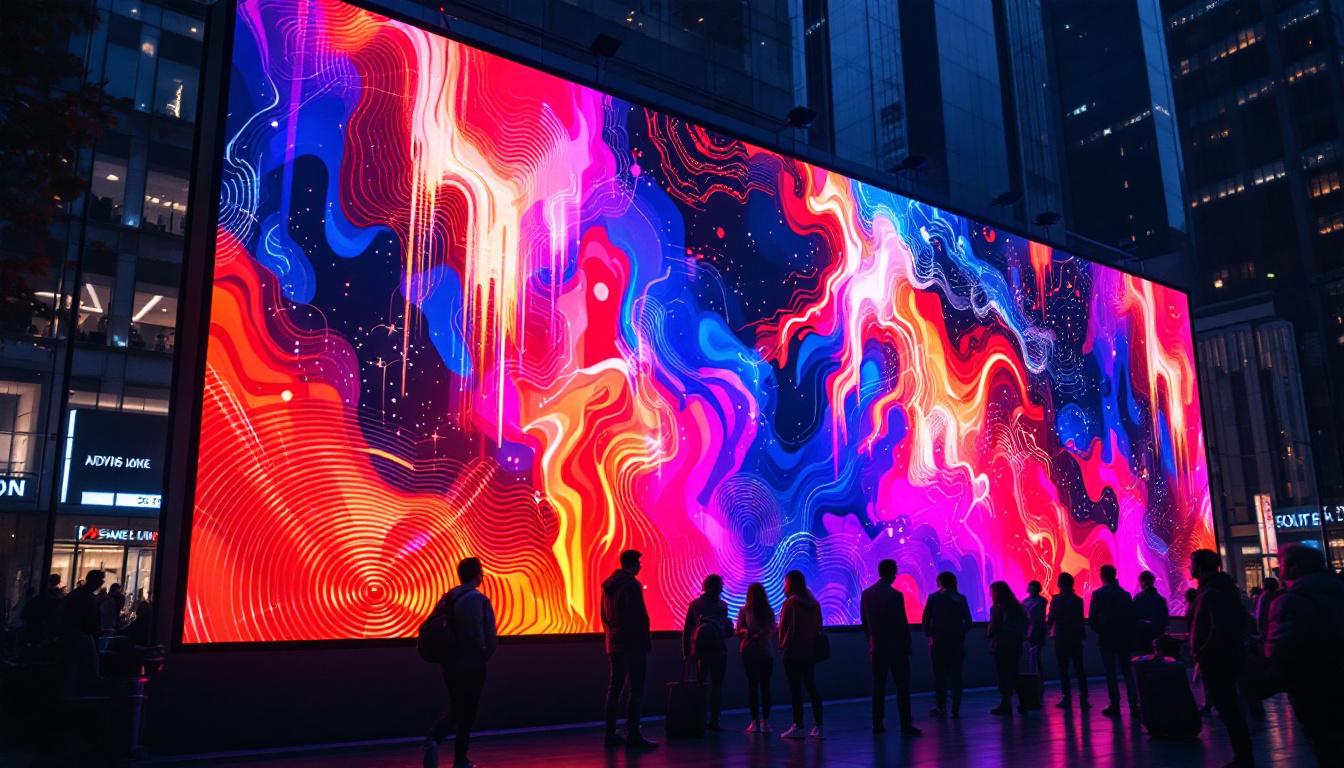
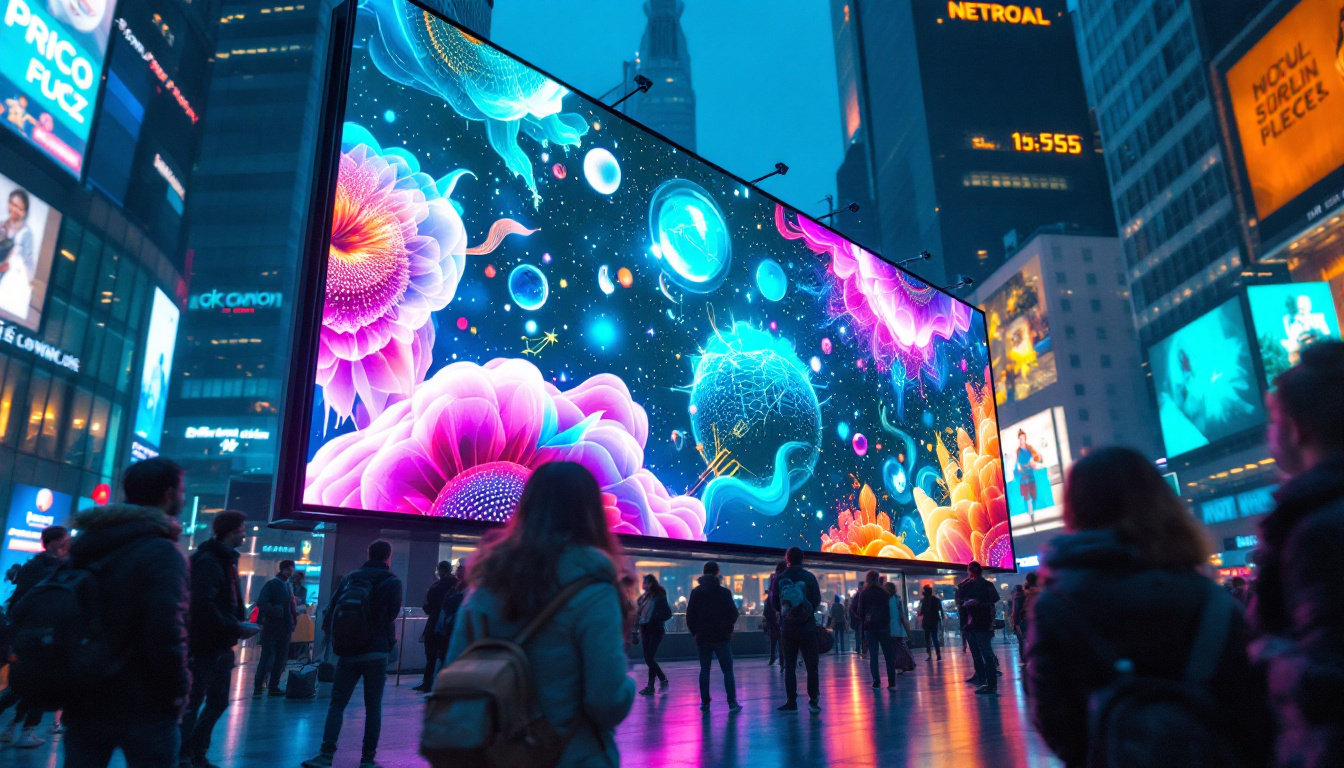
Unlike LCD panels that rely on backlighting, direct-view LED displays consist of thousands of tiny LEDs that act as individual pixels. This technology enables extremely bright and vibrant images, making it ideal for large-scale outdoor billboards, stadium screens, and immersive indoor installations.
Direct-view LED displays offer advantages such as:
- Superior Brightness: They can achieve brightness levels exceeding 5,000 nits, ensuring visibility even in direct sunlight.
- Infinite Contrast Ratios: Since LEDs can be turned off completely, these displays produce true blacks and vivid colors.
- Scalability: Modular design allows for virtually unlimited screen sizes and shapes.
- Durability: Designed to withstand harsh weather conditions and continuous operation.
Emerging Trends in LED Display Technology
The LED display market is rapidly evolving with innovations that improve performance and reduce costs. Some notable trends include:
- MicroLED Technology: MicroLEDs are tiny LEDs that offer the benefits of OLEDs (Organic LEDs) such as perfect blacks and high contrast, but with greater brightness and longevity. This technology promises to revolutionize both consumer and commercial displays.
- Flexible and Transparent Displays: Advances in LED materials enable curved, foldable, and even transparent screens, expanding design possibilities for architecture and advertising.
- Energy-Efficient Designs: New driver ICs and power management systems reduce energy consumption without compromising brightness or color accuracy.
- AI-Enhanced Image Processing: Artificial intelligence algorithms optimize image quality in real-time, adapting to ambient lighting and content type.
Comparing LCD and LED Displays: Which Is Right for You?
Pros and Cons of LCD Panels with LED Backlighting
Pros:
- Cost-effective and widely available.
- Good color accuracy and sharpness.
- Energy-efficient compared to older CCFL-backlit LCDs.
- Thin and lightweight, suitable for indoor use.
Cons:
- Limited contrast ratios compared to self-emissive displays.
- Viewing angles can be narrower depending on panel type.
- Brightness may be insufficient for direct sunlight environments.
Pros and Cons of Direct-View LED Displays
Pros:
- Exceptional brightness and contrast.
- Highly scalable for large-format displays.
- Durable and weather-resistant for outdoor use.
- True black levels and vibrant colors.
Cons:
- Higher initial cost compared to LCD panels.
- Complex installation and maintenance.
- Pixel pitch limitations affect viewing distance and resolution.
Conclusion: Making an Informed Choice for Big Displays
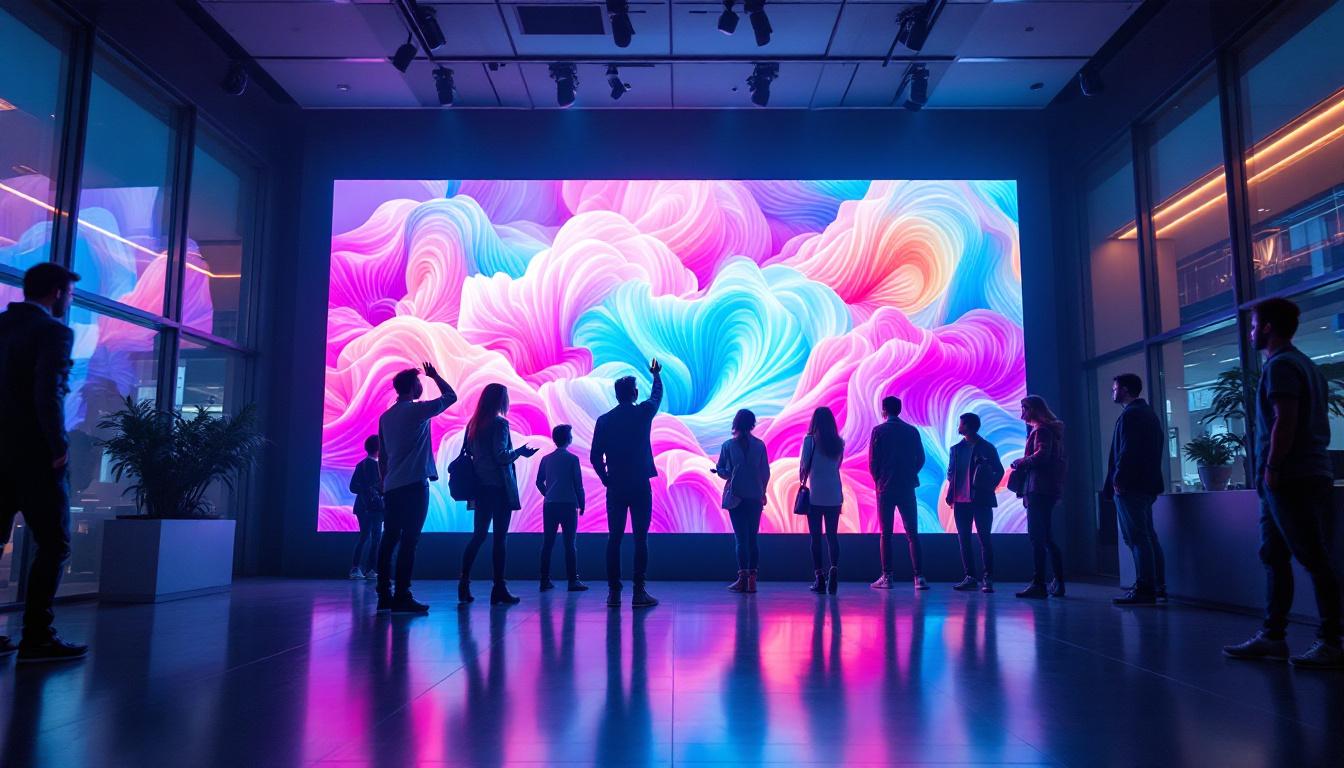
Choosing between big LCD panels with LED backlighting and direct-view LED displays depends largely on the application, environment, and budget. For indoor environments where cost and image sharpness are priorities, LED-backlit LCD panels provide an excellent balance of quality and affordability. They are ideal for corporate settings, retail signage, and home entertainment.
For large-scale outdoor displays, stadiums, or venues requiring extreme brightness and durability, direct-view LED displays are the superior choice. Their ability to deliver vibrant visuals in any lighting condition and their modular scalability make them indispensable for modern digital signage and immersive experiences.
As display technology continues to evolve with innovations like MicroLED and AI-driven enhancements, the future holds exciting possibilities for even more immersive, efficient, and versatile big screen solutions.
Understanding these technologies empowers consumers and businesses to select the right display solutions that meet their specific needs and deliver impactful visual experiences.
Discover LumenMatrix’s Advanced LED Display Solutions
Ready to elevate your visual experience with the latest in display technology? LumenMatrix offers a comprehensive range of LED display solutions tailored to your unique needs. From vibrant Indoor LED Wall Displays to robust Outdoor LED Wall Displays, and from dynamic Vehicle LED Displays to sleek LED Poster Displays, our products are designed to captivate and engage. Explore our innovative LED Sports Displays, interactive Floor LED Displays, and customizable options that will transform your space. Embrace the future of visual communication with LumenMatrix’s All-in-One LED Displays and cutting-edge LED Transparent Displays. Check out LumenMatrix LED Display Solutions today and start creating unforgettable visual experiences.