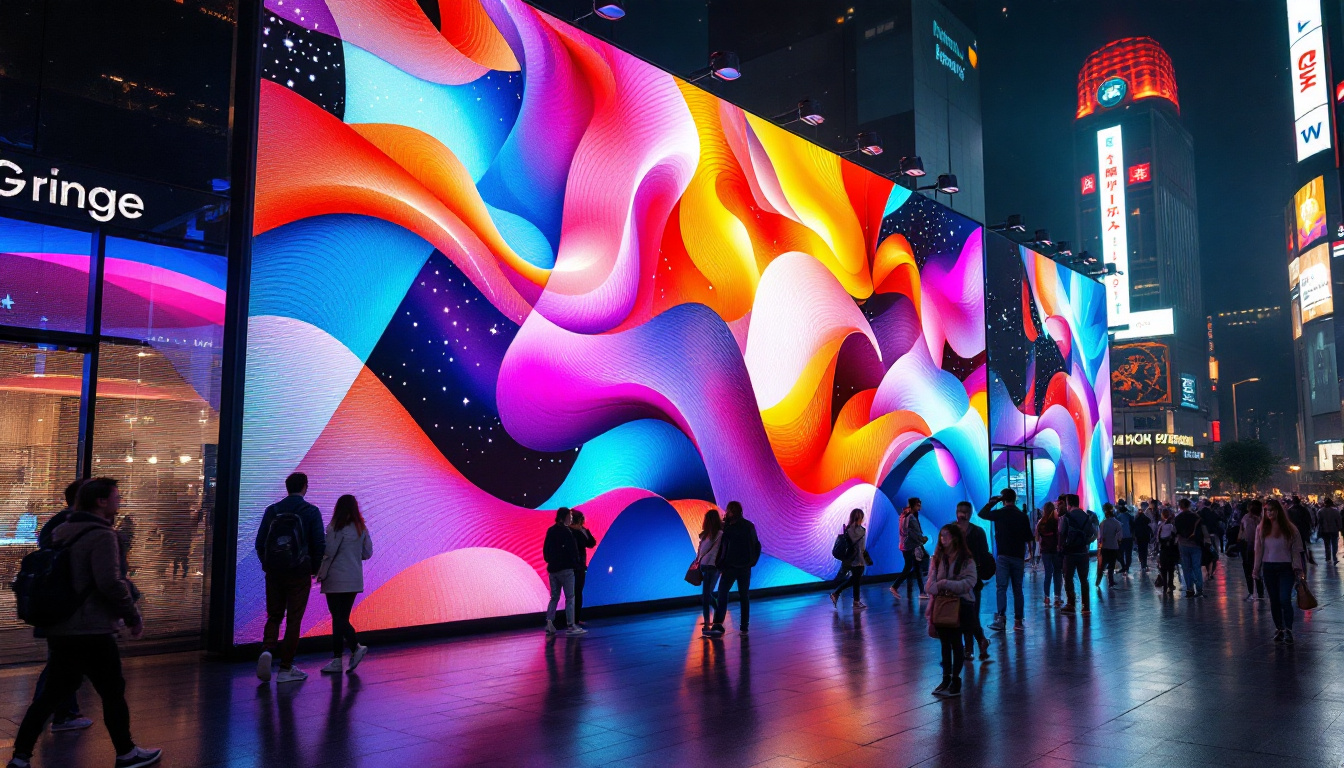
In today’s visually driven world, jumbo LED screens have become a staple in public spaces, sports arenas, concerts, and advertising. Their ability to deliver bright, dynamic, and large-scale images makes them indispensable for capturing attention and conveying messages effectively. This article explores the technology behind jumbo LED screens, their applications, advantages, and the future trends shaping this vibrant industry.
Understanding Jumbo LED Screens: Technology and Components
At the core of every jumbo screen lies LED technology, which stands for Light Emitting Diode. Unlike traditional display technologies such as LCD or projection, LED screens use millions of tiny diodes that emit light individually. This fundamental difference accounts for their superior brightness, contrast, and energy efficiency. The ability to produce vibrant colors and deep blacks makes LED screens particularly appealing for high-impact visual displays, whether in sports arenas, concert venues, or advertising billboards.
What Makes Jumbo LED Screens Unique?
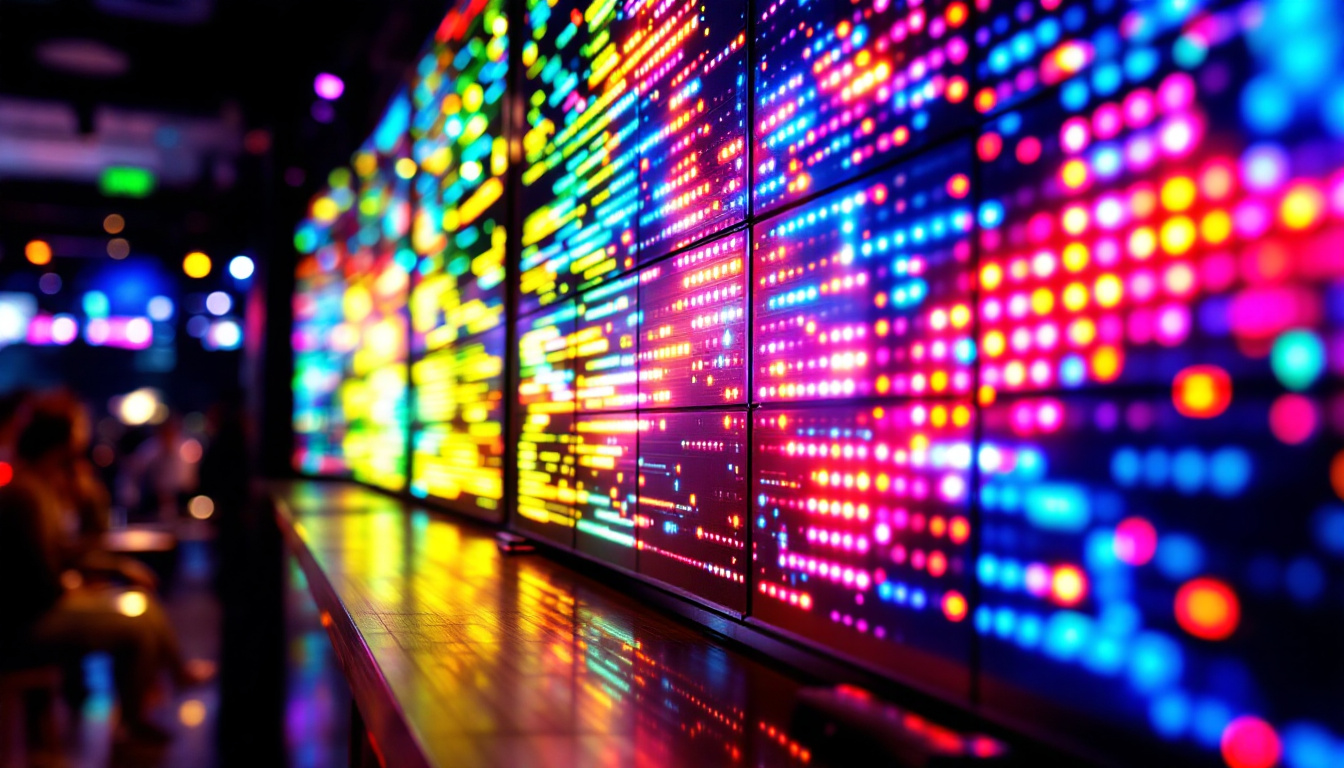
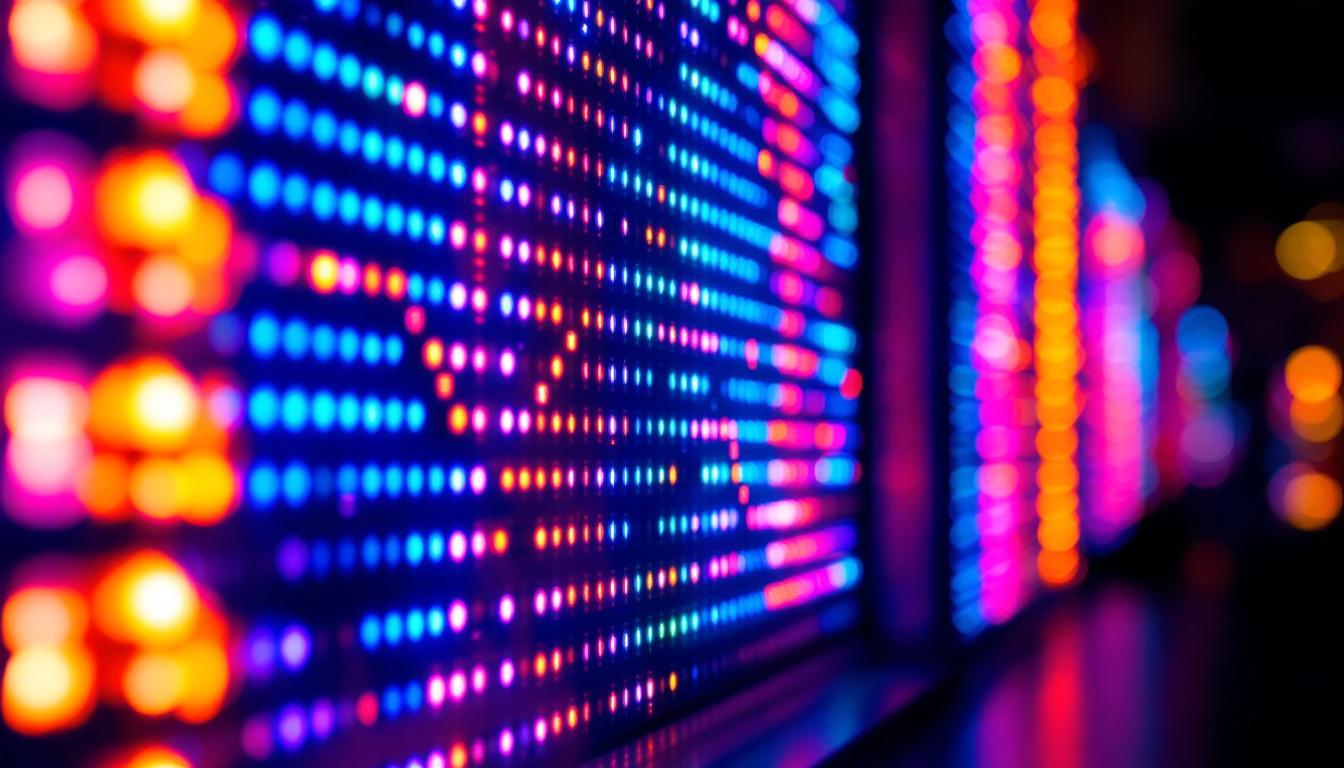
Jumbo LED screens are essentially large-scale LED displays composed of modular panels. Each panel contains an array of LEDs arranged in a grid pattern. The resolution and image quality depend on the pixel pitch—the distance between the centers of two adjacent LEDs. Smaller pixel pitch means higher resolution and sharper images, which is crucial for close-viewing applications. This feature allows for a wide range of uses, from immersive advertising to live event broadcasting, where clarity and detail are paramount.
These screens are designed to be scalable, allowing for massive displays that can span hundreds of square meters. Their modular nature also facilitates easier installation, maintenance, and customization to fit various shapes and sizes. Additionally, the flexibility in design means that they can be configured into unique shapes, such as curved or angled displays, which can enhance the viewer’s experience by creating more dynamic visual presentations.
Key Components of Jumbo LED Displays
The primary components include:
- LED Modules: These are the building blocks containing the diodes that emit red, green, and blue light to produce full-color images.
- Control System: This includes the video processor and control software that manage the display content, synchronization, and brightness adjustments.
- Power Supply: LED screens require a stable power source to maintain consistent brightness and performance.
- Cabinet Structure: The physical frame that houses the LED modules, designed to withstand weather conditions for outdoor screens.
In addition to these components, jumbo LED displays often incorporate advanced cooling systems to prevent overheating, ensuring longevity and reliability. Moreover, many modern screens feature smart technology that allows for real-time content updates and remote monitoring, enabling operators to quickly address any issues that may arise. This integration of technology not only enhances the functionality of the displays but also contributes to a more seamless viewing experience for audiences, whether they are attending a live event or passing by an advertisement on the street.
Applications of Jumbo LED Screens
Jumbo LED screens have revolutionized how information and entertainment are delivered in various sectors. Their versatility and impact make them a preferred choice in many environments.
Sports and Entertainment Venues
One of the most common uses of jumbo LED screens is in stadiums and arenas. These screens provide live game footage, replays, scores, and advertisements, enhancing the spectator experience. For example, the AT&T Stadium in Texas features one of the largest high-definition LED screens, measuring 160 feet wide and 72 feet tall, delivering crystal-clear visuals to over 100,000 attendees. The large format allows for multiple viewing angles and ensures that even fans seated in the farthest sections can enjoy the action as if they were right next to the field.
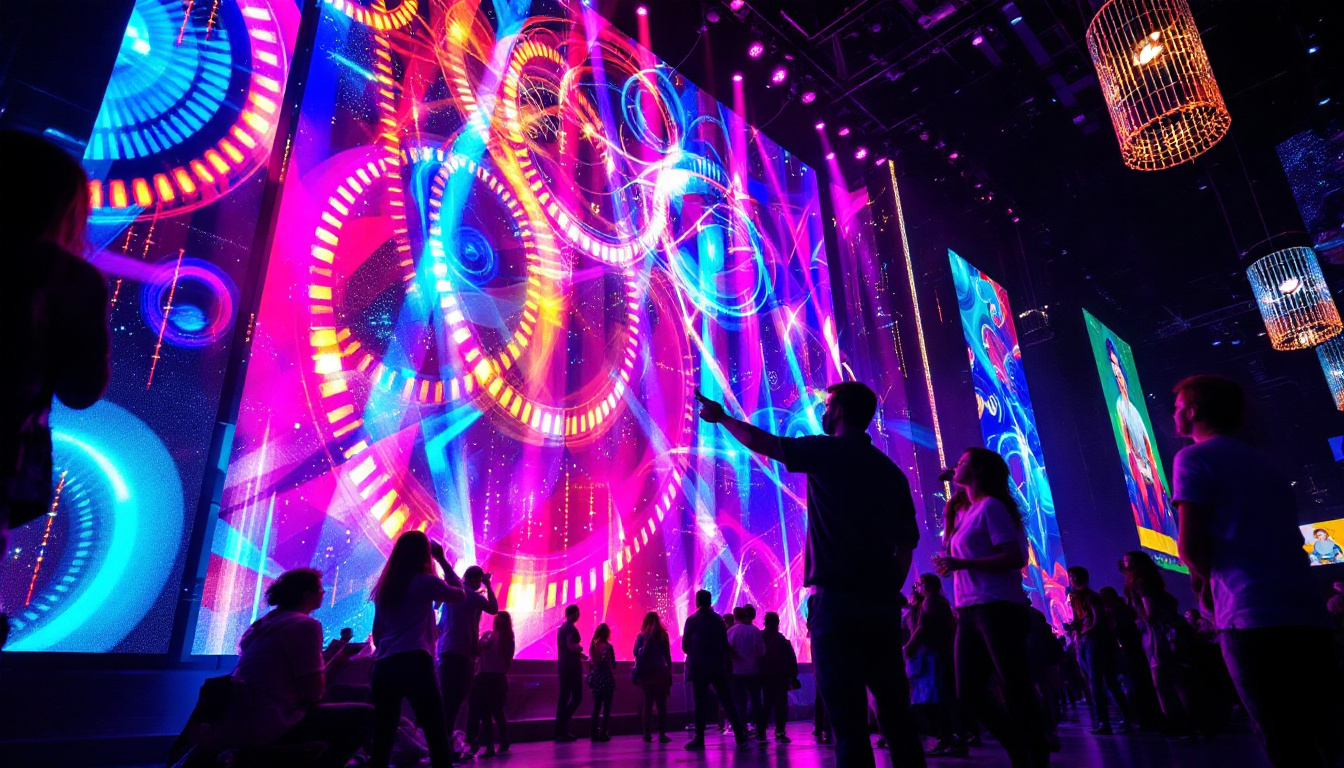
Concerts and festivals also rely heavily on jumbo LED displays to project performers and visuals to large audiences, ensuring even those far from the stage have an immersive experience. These screens can also be synchronized with lighting effects and sound systems, creating a cohesive and exhilarating atmosphere that captivates the audience. Major music festivals, like Coachella and Glastonbury, utilize these screens not just for performance visuals but also for interactive content, allowing fans to engage with the show in real-time through social media feeds and live polls displayed on the screens.
Advertising and Digital Billboards
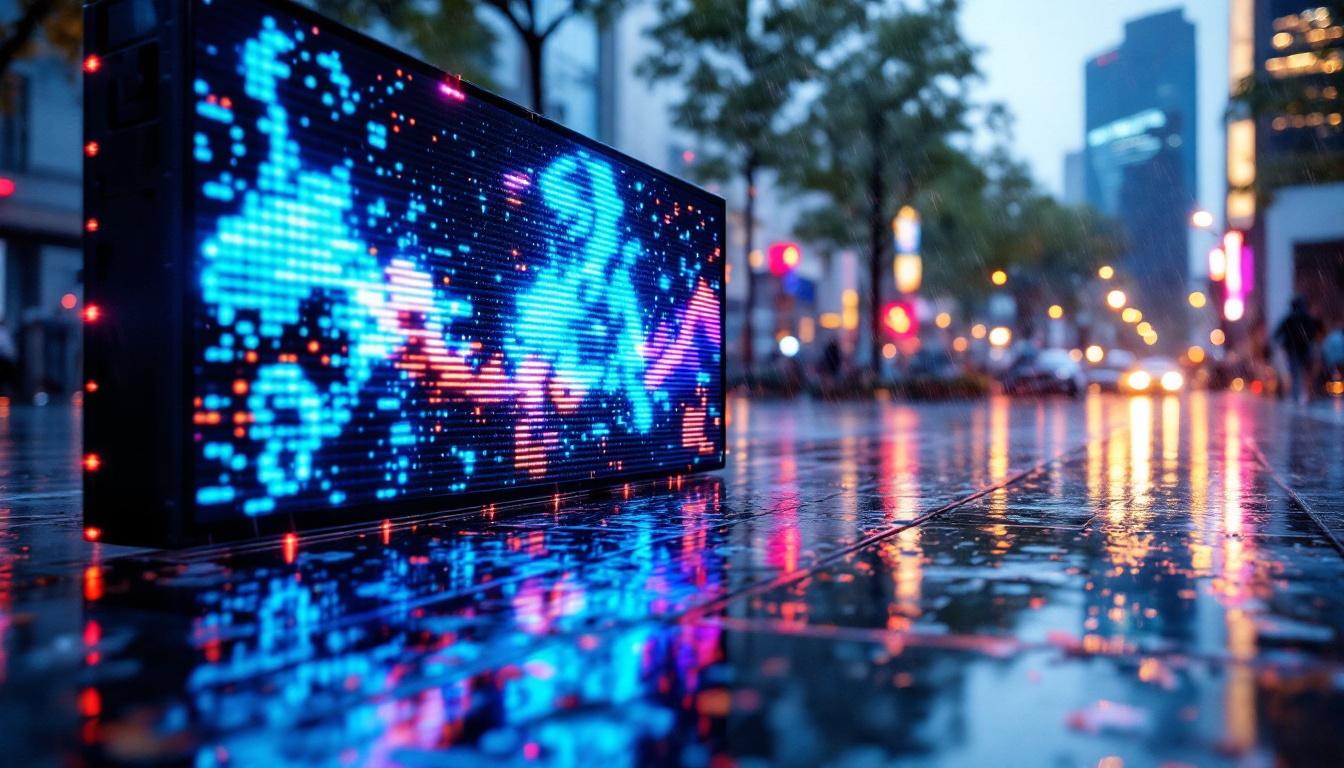
Outdoor advertising has been transformed by jumbo LED screens. Digital billboards offer dynamic content that can be updated in real-time, allowing advertisers to tailor messages based on time of day, weather, or audience demographics. According to a 2023 report by Grand View Research, the global digital signage market is expected to reach $32 billion by 2028, with LED displays accounting for a significant share due to their brightness and durability. This adaptability not only maximizes advertising impact but also enables brands to respond swiftly to current events or trends, making their campaigns more relevant and engaging.
Moreover, the ability to showcase multiple advertisements in a rotating format means that advertisers can reach a broader audience without the need for physical space for traditional billboards. This has led to a surge in creative advertising strategies, where brands can experiment with eye-catching animations and interactive elements that draw in passersby. Cities like New York and Las Vegas have become hotspots for these digital billboards, turning urban landscapes into vibrant canvases of light and color that capture the attention of both locals and tourists alike.
Public Information and Transportation Hubs
Airports, train stations, and bus terminals use jumbo LED screens to display schedules, alerts, and advertisements. Their high visibility and reliability make them ideal for environments where clear communication is critical. Additionally, city centers often use these screens for public announcements, event promotions, and emergency notifications. The integration of real-time data feeds allows these screens to provide timely updates on delays, gate changes, and safety information, significantly enhancing passenger experience and operational efficiency.
Furthermore, these screens can serve as platforms for local businesses and community events, fostering a sense of connection and engagement within the community. For instance, during major city events or festivals, jumbo LED screens can display live feeds, highlight local artists, or promote community initiatives, transforming transportation hubs into vibrant centers of information and activity. This not only aids in navigation and planning for travelers but also enriches the cultural fabric of the area, showcasing local talent and events to a wider audience.
Advantages of Jumbo LED Screens Over Other Display Technologies
When choosing a display solution, understanding the benefits of jumbo LED screens compared to alternatives is essential for making informed decisions.
Brightness and Visibility
LED screens can achieve brightness levels exceeding 5,000 nits, making them easily visible even in direct sunlight. This is a significant advantage over LCD and projection-based displays, which struggle with glare and ambient light interference.
Energy Efficiency and Longevity
LED technology is inherently energy-efficient, consuming less power than traditional lighting and display solutions. Modern jumbo LED screens can operate continuously for tens of thousands of hours with minimal degradation. This longevity translates to lower maintenance costs and reduced environmental impact.
Flexibility and Customization
The modular design of jumbo LED displays allows for creative freedom in size, shape, and resolution. Curved, cylindrical, and irregularly shaped screens are now common, enabling architects and designers to integrate displays seamlessly into buildings and public spaces.
Superior Color Accuracy and Contrast
LED diodes offer precise control over color output, resulting in vivid images with deep blacks and bright whites. This high dynamic range enhances visual impact, making content more engaging and easier to read from a distance.
Challenges and Considerations When Implementing Jumbo LED Screens
Despite their many benefits, jumbo LED screens come with challenges that must be addressed to ensure successful deployment.
Initial Investment and Installation Complexity
The upfront cost of purchasing and installing jumbo LED screens can be substantial. High-resolution panels, control systems, and structural supports require significant capital. Additionally, installation often demands specialized expertise to ensure proper alignment, calibration, and weatherproofing.
Maintenance and Technical Support
While LED screens are durable, they require routine maintenance to prevent issues such as dead pixels, color inconsistencies, and power supply failures. Access to technical support and spare parts is crucial, especially for large-scale installations where downtime can be costly.
Environmental Impact and Sustainability
As with any electronic device, jumbo LED screens consume energy and generate electronic waste at the end of their lifecycle. Selecting energy-efficient models and planning for responsible recycling are important steps in minimizing environmental footprints.
The Future of Jumbo LED Screens: Trends and Innovations
Technological advancements continue to push the boundaries of what jumbo LED screens can achieve, promising exciting developments in the years ahead.
MicroLED and MiniLED Technologies
Emerging MicroLED and MiniLED technologies offer even higher resolution and brightness with improved energy efficiency. These smaller diodes allow for ultra-fine pixel pitches, making jumbo screens sharper and more detailed than ever before.
Interactive and Smart Displays
Integration with sensors, cameras, and AI-driven software is transforming jumbo LED screens into interactive platforms. For instance, facial recognition and gesture control can personalize advertising content, while real-time analytics help optimize engagement.
Enhanced Connectivity and Remote Management
Cloud-based control systems enable operators to manage multiple jumbo screens remotely, update content instantly, and monitor performance metrics. This connectivity reduces operational complexity and allows for more dynamic content strategies.
Conclusion
Jumbo LED screens represent a powerful medium for communication and entertainment, combining cutting-edge technology with impressive visual impact. Their versatility across industries—from sports and entertainment to advertising and public information—makes them an essential tool in today’s digital landscape. Understanding their technology, benefits, and challenges helps businesses and organizations make informed decisions about incorporating jumbo LED displays into their environments. As innovation continues, these vibrant screens will only become more integral to how we experience large-scale visual content.
Discover the Future of Visual Engagement with LumenMatrix
Ready to elevate your space with the most advanced LED display technology? LumenMatrix is at the forefront of creating immersive and dynamic visual experiences. From Indoor and Outdoor LED Wall Displays to specialized solutions like Vehicle LED Displays, LED Sports Displays, and even Custom LED Displays, we have the expertise to bring your vision to life. Embrace the power of vibrant, energy-efficient LED modules and join the revolution in visual communication. Check out LumenMatrix LED Display Solutions today and transform how you connect with your audience.