In today’s technology-driven world, LED lights and displays have become ubiquitous, illuminating everything from household lighting to massive digital billboards. But what exactly does “LED” mean, and how do LED displays work? This article delves into the fundamentals of LED technology, explores its applications, and explains why LED displays are revolutionizing the way we see and interact with digital content.
What Does LED Stand For?
LED stands for Light Emitting Diode. It is a semiconductor device that emits light when an electric current passes through it. Unlike traditional incandescent bulbs that produce light by heating a filament, LEDs generate light through electroluminescence, a process where electrons recombine with electron holes within the device, releasing energy in the form of photons.
This fundamental difference makes LEDs highly efficient, durable, and versatile. The first visible-spectrum LED was developed in the early 1960s, and since then, the technology has evolved dramatically, enabling a wide range of colors, brightness levels, and sizes.
One of the most significant advantages of LEDs is their energy efficiency. They consume significantly less power compared to incandescent and fluorescent bulbs, often using up to 80% less energy for the same amount of light output. This not only translates to lower electricity bills for consumers but also contributes to reduced greenhouse gas emissions, making LEDs an environmentally friendly lighting option. Additionally, their long lifespan—often exceeding 25,000 hours—means fewer replacements and less waste in landfills.
Furthermore, LEDs are highly adaptable and can be used in various applications beyond just general lighting. They are commonly found in electronic devices, automotive lighting, and even in horticulture, where specific wavelengths of light can promote plant growth. The ability to produce light in a range of colors without the need for filters opens up creative possibilities for architects and designers, allowing for innovative lighting solutions in both residential and commercial spaces.
How Do LED Displays Work?
Basic Structure and Functionality
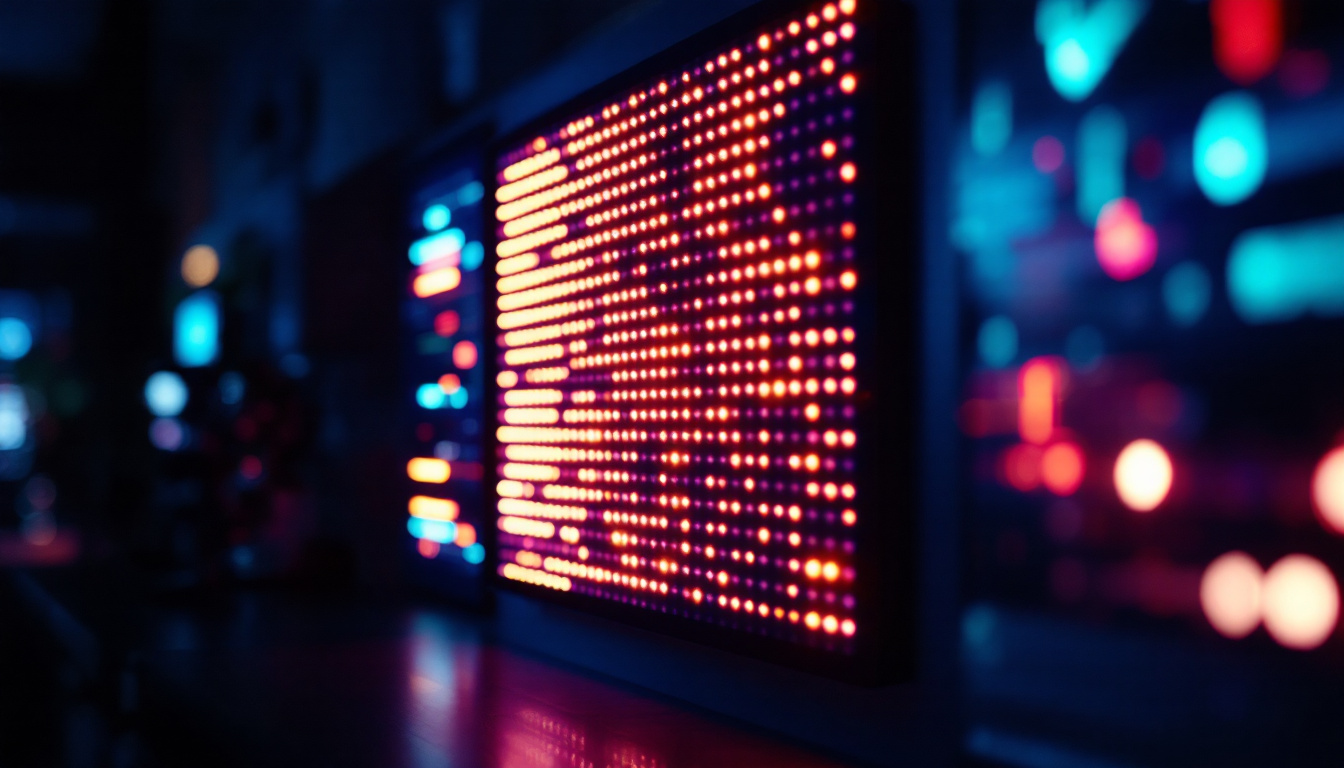
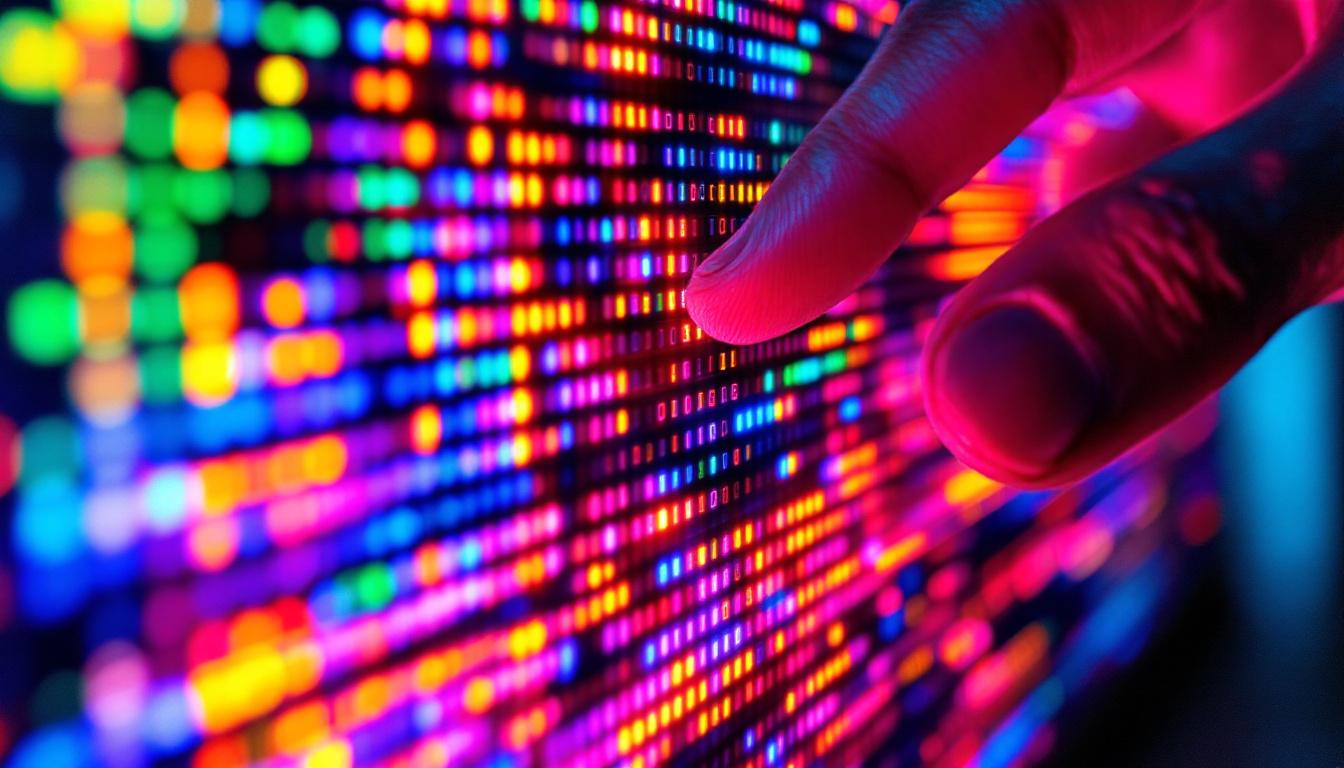
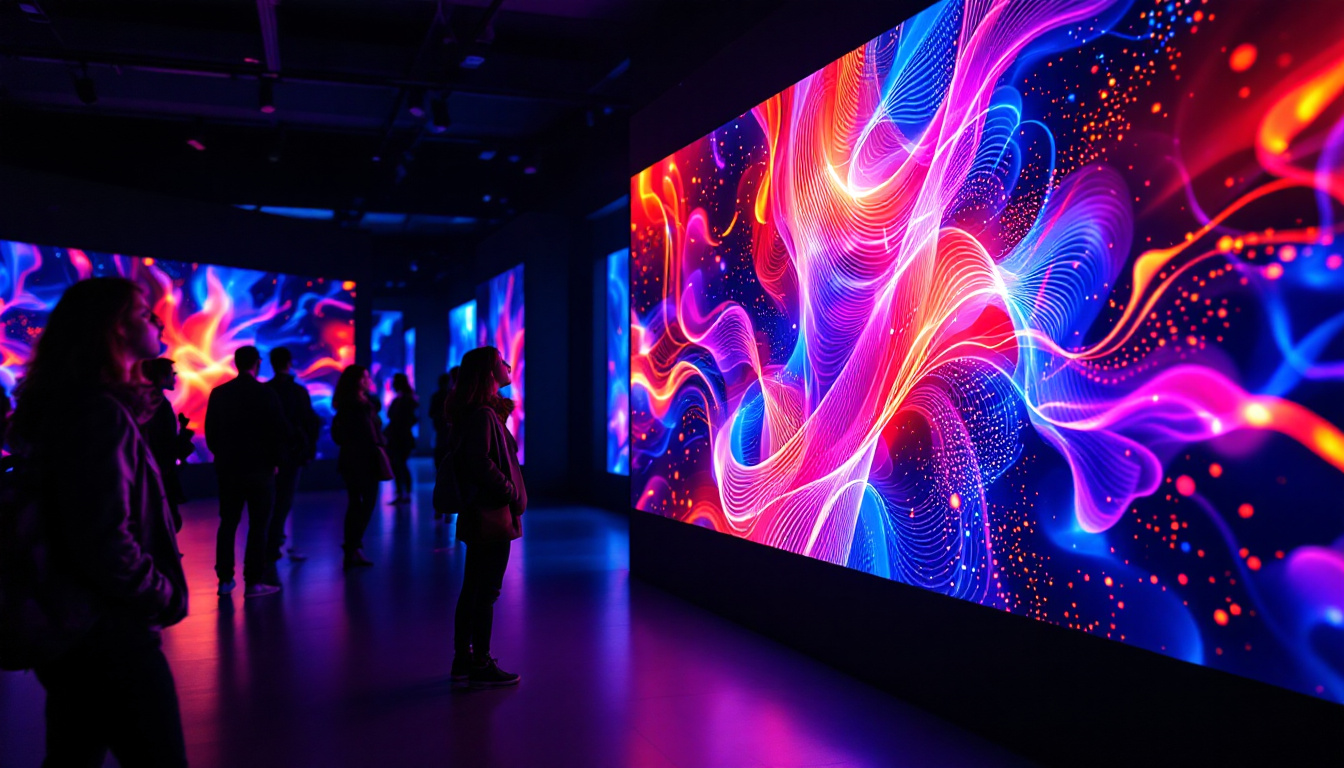
At its core, an LED display is composed of many tiny LEDs arranged in a matrix or grid. Each LED acts as a single pixel or part of a pixel, emitting light of a specific color. By controlling the brightness and color of each LED, the display can create images, text, and videos. This precise control is achieved through a combination of hardware and software that manages the electrical signals sent to each LED, allowing for dynamic and responsive visuals.
Modern LED displays often use red, green, and blue LEDs combined in various intensities to produce a full spectrum of colors. This RGB (Red-Green-Blue) model is the foundation of color mixing in digital displays, allowing for millions of possible color combinations. The ability to adjust the intensity of each color in real-time means that LED displays can produce vibrant images and smooth transitions, making them ideal for everything from high-definition television broadcasts to immersive gaming experiences. Additionally, advancements in technology have led to the development of high dynamic range (HDR) displays, which can reproduce a wider range of colors and brightness levels, further enhancing the viewing experience.
Types of LED Displays
There are several types of LED displays, each suited for different applications:
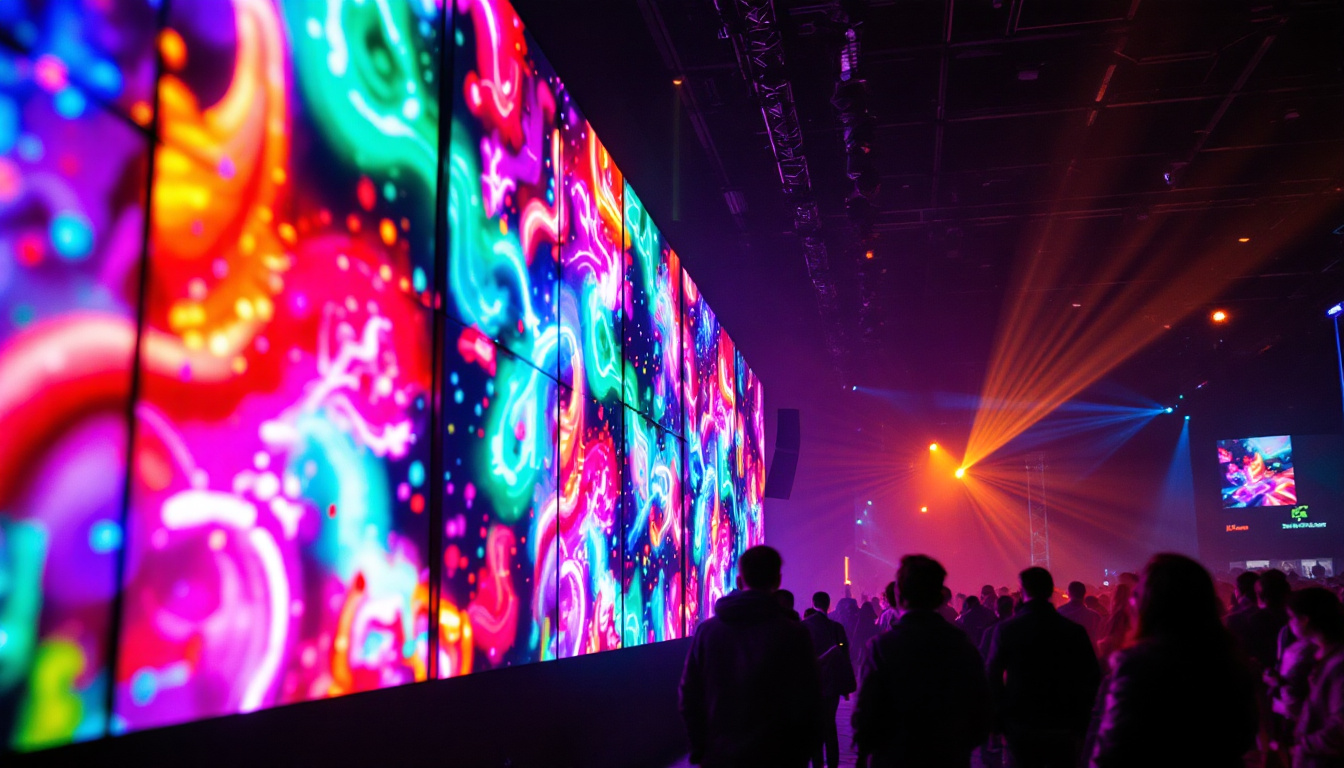
- Direct View LED Displays: These are large-scale displays where LEDs are directly visible to the viewer. They are commonly used in stadiums, outdoor advertising, and public information boards. The brightness of these displays is particularly advantageous in outdoor settings, where ambient light can be a challenge. Furthermore, the modular design of direct view LED displays allows for easy scalability, enabling them to be configured in various sizes and shapes to fit specific venues or artistic designs.
- LED Backlit LCD Displays: In these displays, LEDs serve as the backlight for liquid crystal display (LCD) panels. This technology is prevalent in televisions, computer monitors, and smartphones, offering improved brightness and color accuracy compared to older CCFL backlighting. The use of edge-lit or full-array backlighting techniques can also enhance contrast ratios and provide a more uniform light distribution across the screen, which is crucial for detailed image rendering and video playback.
- OLED Displays: Organic LEDs are a newer technology where each pixel emits its own light. OLEDs provide superior contrast and flexibility but differ technically from traditional LED displays. The self-emissive nature of OLEDs means that they can achieve true blacks by turning off individual pixels, resulting in stunning visuals with deep contrasts. Additionally, OLED technology allows for thinner and more flexible screens, paving the way for innovative applications such as curved displays and wearable technology.
Advantages of LED Displays Over Traditional Technologies
Energy Efficiency
One of the most significant benefits of LED technology is its energy efficiency. LEDs consume up to 80% less energy than incandescent bulbs and around 20-30% less than fluorescent lighting. This efficiency translates to lower electricity bills and reduced environmental impact, making LEDs a sustainable choice for both consumers and businesses.
Longevity and Durability
LEDs have an impressive lifespan, often lasting between 25,000 to 100,000 hours depending on usage and quality. This longevity far exceeds that of traditional lighting solutions, reducing maintenance costs and frequency of replacements.
Additionally, LEDs are solid-state devices, meaning they are more resistant to shock, vibration, and external impacts. This robustness makes them ideal for outdoor and industrial environments where durability is critical.
Superior Visual Quality
LED displays offer high brightness levels and excellent color rendering, which makes them highly visible even in direct sunlight. Their ability to produce deep blacks and vibrant colors enhances the viewing experience, whether for digital signage, television screens, or smartphone displays.
Common Applications of LED Displays
Outdoor Advertising and Digital Billboards
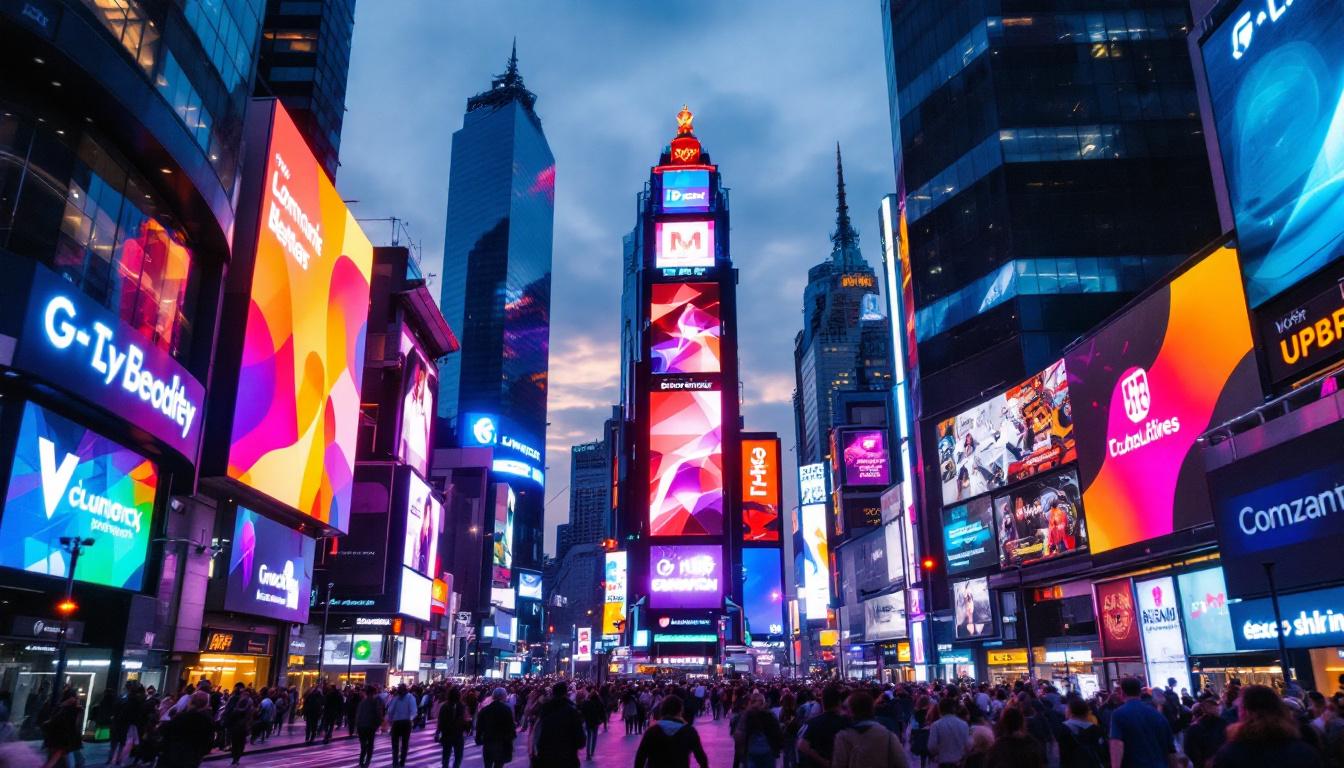
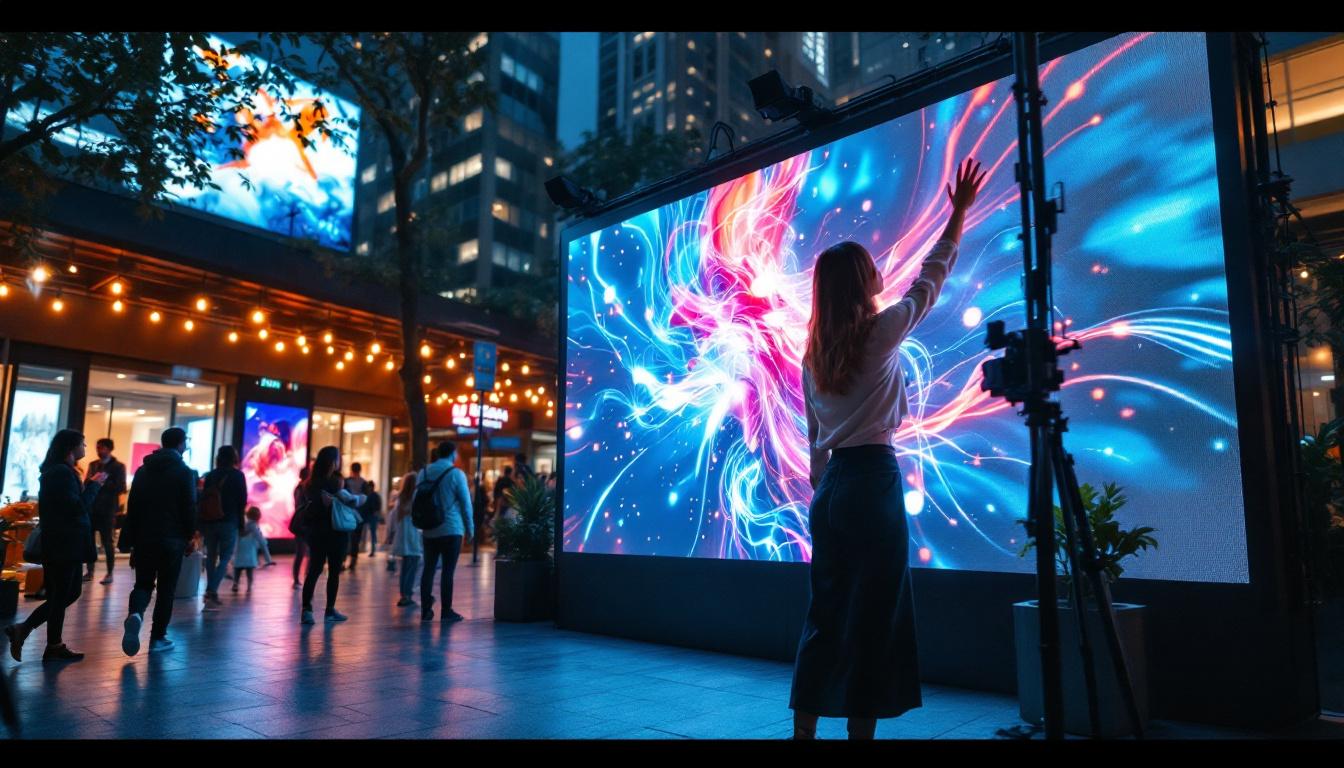
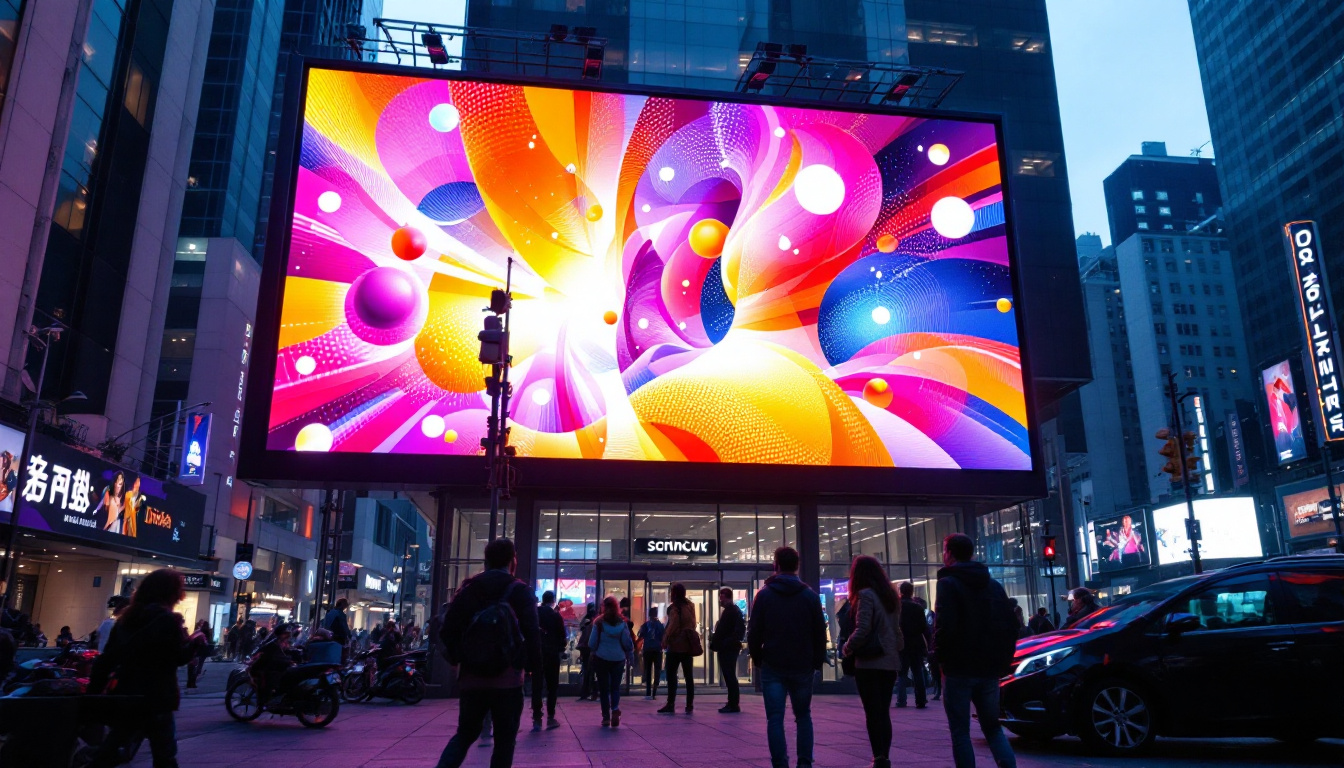
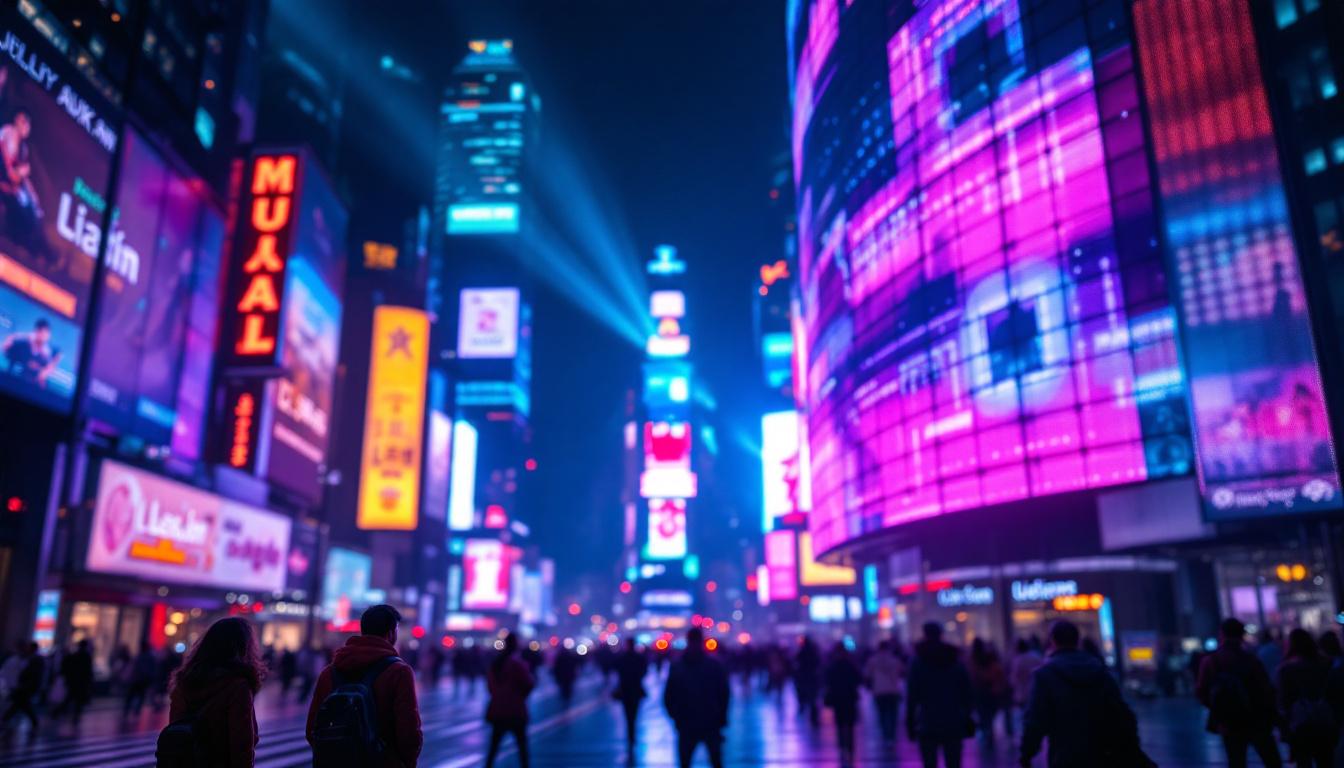
LED displays have transformed outdoor advertising by enabling dynamic, eye-catching content that can be updated remotely and in real-time. According to the Outdoor Advertising Association of America, digital billboards now account for over 30% of the total billboard market in the U.S., a figure that continues to grow as LED technology advances.
The high brightness and weather resistance of LED displays make them ideal for roadside advertising, event promotions, and public announcements.
Consumer Electronics
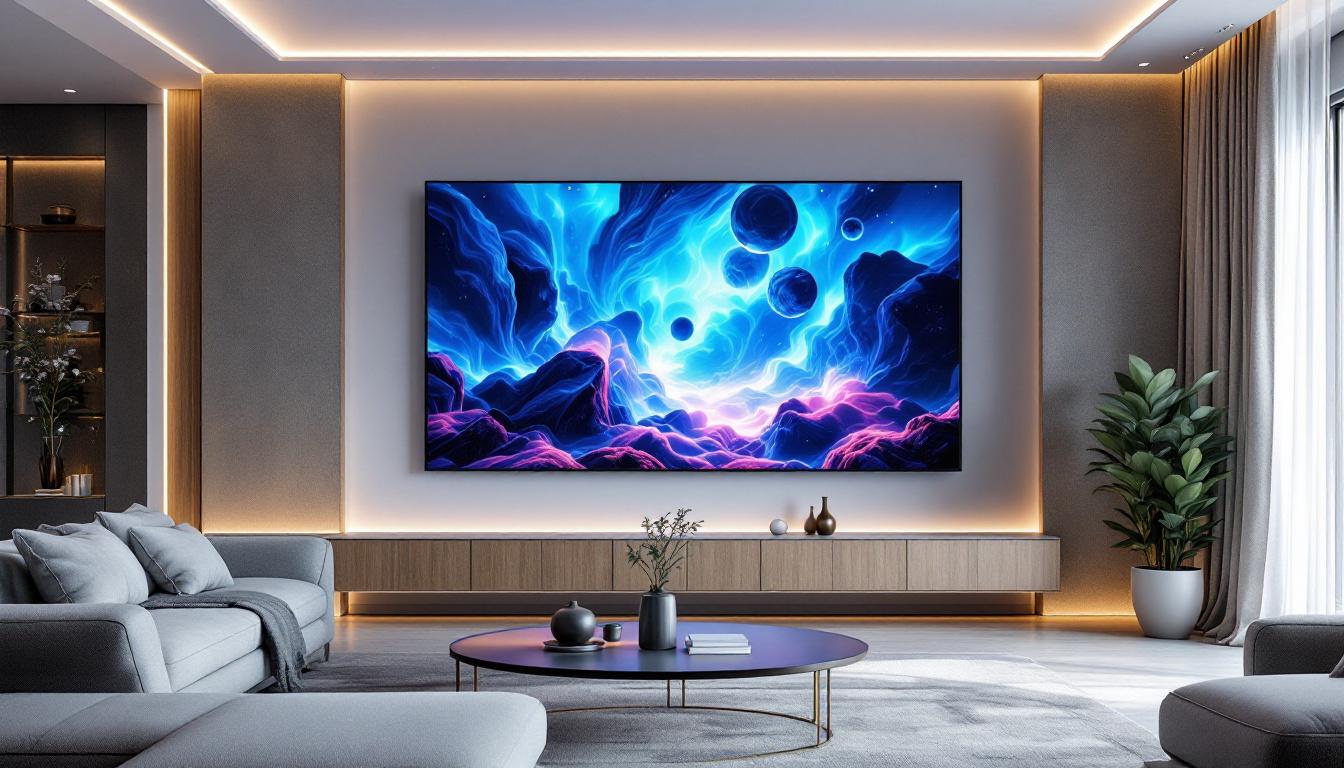
LED technology is integral to modern consumer electronics. From LED-backlit LCD televisions to smartphone screens, LEDs provide enhanced picture quality and energy savings. The transition from CCFL backlighting to LED backlighting in TVs has allowed manufacturers to produce thinner, lighter, and more energy-efficient devices.
Architectural and Ambient Lighting
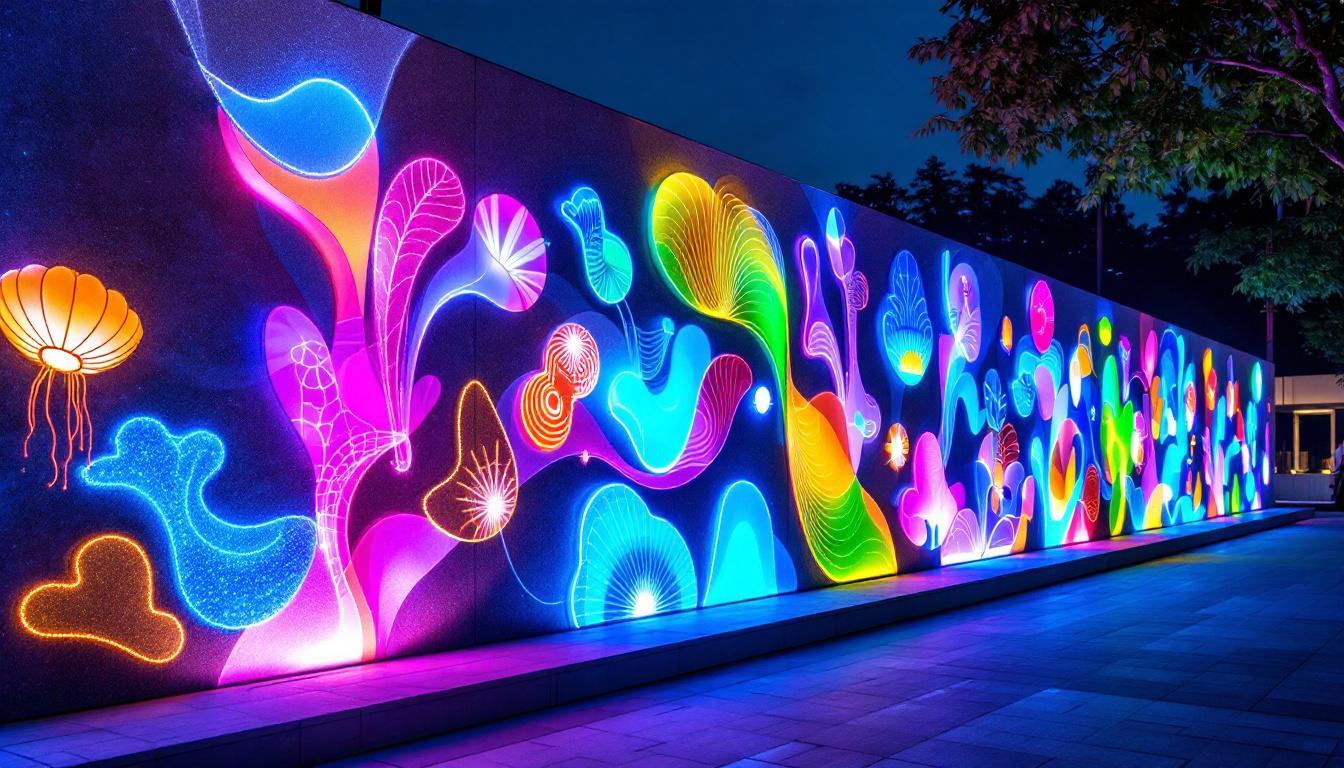
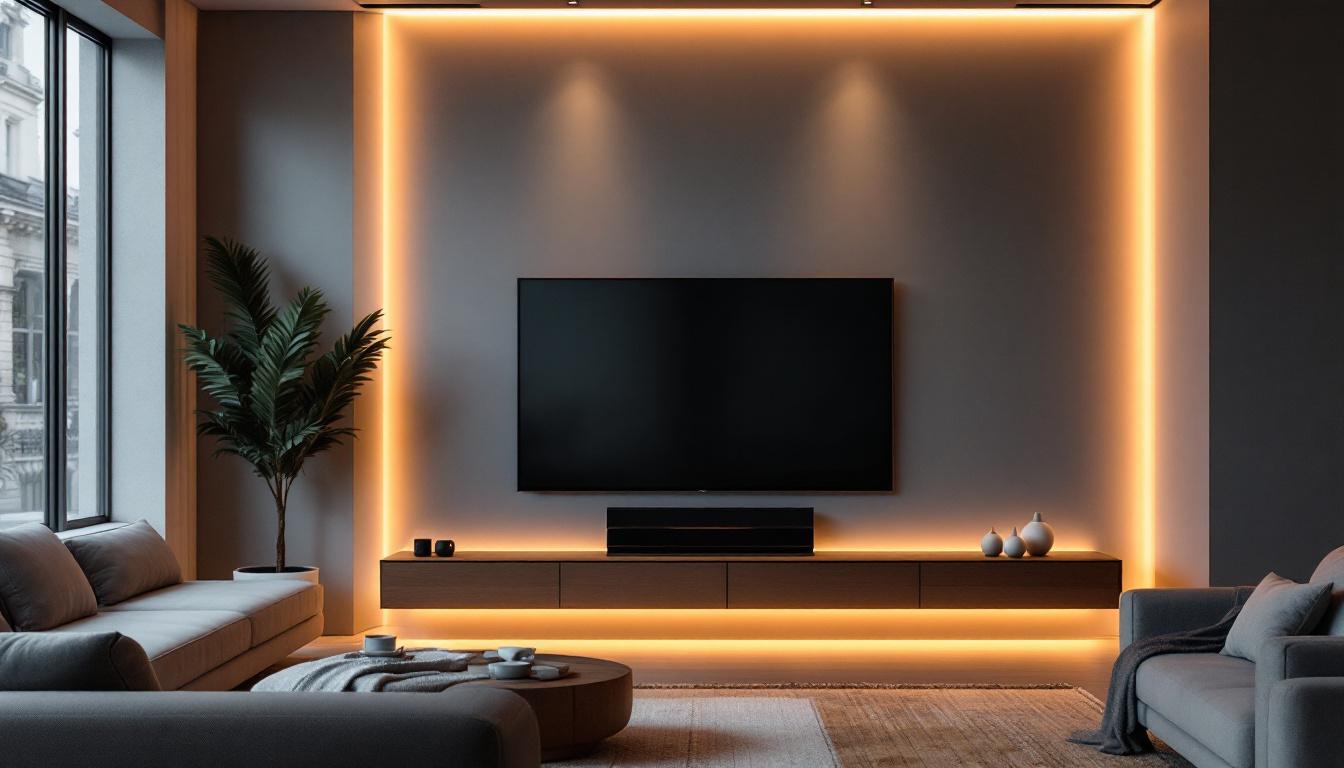
Beyond displays, LEDs are widely used in architectural lighting to create mood and ambiance. Their small size and flexibility allow designers to integrate LED strips and panels into ceilings, walls, and furniture, offering customizable lighting solutions that can change color and intensity.
Automotive Lighting
LEDs are increasingly common in vehicle lighting systems, including headlights, taillights, and interior lighting. Their fast response time, energy efficiency, and longevity improve safety and reduce maintenance for automotive manufacturers and consumers alike.
Understanding LED Display Specifications
Pixel Pitch
Pixel pitch refers to the distance between the centers of two adjacent pixels on an LED display, typically measured in millimeters. A smaller pixel pitch means higher resolution and sharper images, which is essential for close viewing distances such as indoor displays.
For example, a pixel pitch of 1.5mm is common in high-definition indoor LED screens, while outdoor displays often have larger pixel pitches (e.g., 10mm or more) because they are viewed from greater distances.
Brightness
Brightness is measured in nits (cd/m²) and indicates how much light the display emits. Outdoor LED displays require high brightness levels, often exceeding 5,000 nits, to remain visible in direct sunlight. Indoor displays typically operate at lower brightness levels, around 300 to 1,000 nits, to prevent eye strain.
Refresh Rate
The refresh rate, measured in hertz (Hz), indicates how many times per second the display updates its image. Higher refresh rates reduce flickering and motion blur, improving the viewing experience, especially for video content and fast-moving images. Most LED displays have refresh rates of 60Hz or higher, with premium models reaching 120Hz or more.
Environmental Impact and Sustainability of LED Technology
As global awareness of environmental issues grows, LED technology offers a more sustainable alternative to traditional lighting. The energy savings alone contribute significantly to reducing carbon emissions. According to the U.S. Department of Energy, widespread adoption of LED lighting in the U.S. could save about 348 terawatt-hours of electricity annually by 2027, equivalent to the output of 44 large power plants.
Moreover, LEDs do not contain hazardous materials such as mercury, which is present in fluorescent lamps, making disposal safer and less environmentally damaging.
Future Trends in LED Display Technology
MicroLED and MiniLED Innovations
Emerging technologies like MicroLED and MiniLED are pushing the boundaries of LED displays. MicroLEDs are tiny LEDs that can be used to create displays with exceptional brightness, contrast, and energy efficiency, rivaling OLEDs without some of their limitations such as burn-in.
MiniLED technology uses thousands of small LEDs as a backlight source for LCD panels, enabling better local dimming, improved contrast, and higher peak brightness. These innovations are expected to become mainstream in high-end televisions, monitors, and mobile devices within the next few years.
Flexible and Transparent LED Displays
Research and development are also focusing on flexible and transparent LED displays, which could revolutionize design possibilities. Flexible displays can be curved or rolled, opening new applications in wearable technology, automotive interiors, and dynamic architectural elements.
Transparent LED displays, which allow viewers to see through the screen while still displaying vibrant images, are gaining traction in retail, museums, and advertising, offering a futuristic blend of information and aesthetics.
Conclusion
LED technology has fundamentally changed the landscape of lighting and display systems. From its origins as a simple semiconductor light source, LEDs have evolved into the backbone of modern digital displays, offering unmatched efficiency, durability, and visual quality. Understanding the meaning of LED lights and how LED displays function helps consumers and professionals make informed decisions about the technology that shapes our visual environment.
As LED technology continues to advance, its applications will expand further, driving innovation in entertainment, communication, and sustainable design. Whether illuminating a city skyline or enhancing the screen of a smartphone, LED displays remain a shining example of how science and engineering can brighten our world.
Illuminate Your Space with LumenMatrix
Ready to elevate your visual experience with the latest in LED technology? LumenMatrix is at the forefront of innovative LED display solutions, offering a diverse range of products that transform any environment. From vibrant Indoor LED Walls to dynamic Outdoor LED Displays, and from sleek LED Posters to immersive LED Sports and Floor Displays, our mission is to revolutionize your visual communication. Engage and captivate your audience with crystal-clear imagery and state-of-the-art digital signage. Check out LumenMatrix LED Display Solutions today and see how we can help you share your message with the world.