The Great Wall of China has fascinated humanity for centuries, often cited as one of the few man-made structures visible from space. However, the reality of this claim is far more nuanced. In recent years, advancements in LED display technology have introduced new ways to illuminate and showcase the Wall, especially during nighttime, sparking renewed interest in its visibility from orbit. This article explores the truth behind the Wall’s visibility from space, the role of modern LED displays in enhancing its presence, and the technological innovations that make such displays possible.
The Myth and Reality of the Great Wall’s Visibility from Space
Historical Claims and Astronaut Observations
For decades, the Great Wall of China has been popularly described as the only man-made object visible from the Moon or low Earth orbit with the naked eye. This claim, however, has been debunked by astronauts and scientists alike. Astronauts aboard the International Space Station (ISS), orbiting approximately 408 kilometers above Earth, have reported that the Wall is extremely difficult to see without aid.
The primary reason is the Wall’s narrow width and the fact that it closely matches the color and texture of the surrounding landscape. From space, many natural and artificial features blend together, making it challenging to distinguish specific structures, especially those that are relatively thin or camouflaged by their environment. Photographs taken from the ISS confirm that the Wall is not readily visible to the naked eye under normal lighting conditions.
Why the Great Wall Is Hard to Spot
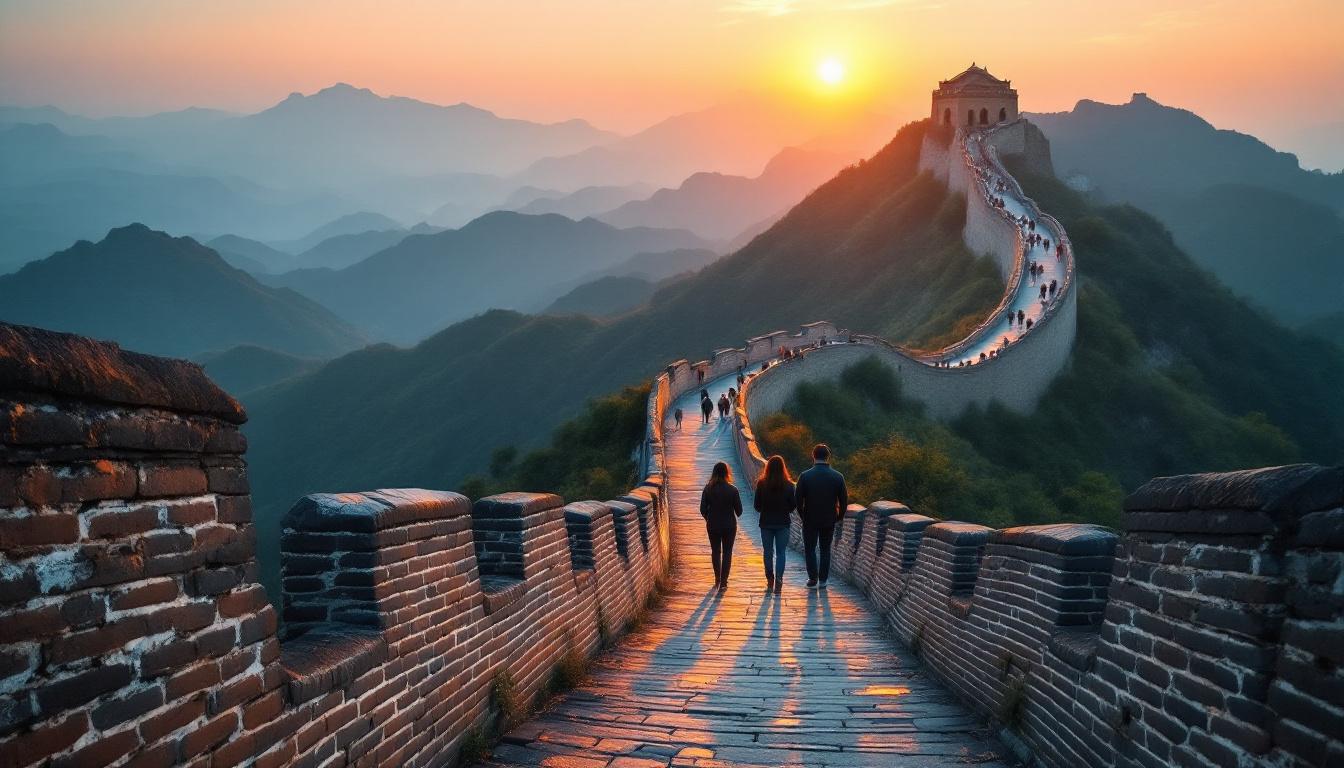
The Great Wall stretches over 21,000 kilometers, but its width varies between 4 to 8 meters, which is minuscule when viewed from hundreds of kilometers above. Additionally, the Wall’s construction materials—primarily stone and earth—often match the surrounding terrain’s color palette, further reducing its contrast against the landscape.
Atmospheric conditions, lighting, and the observer’s visual acuity also play significant roles in visibility. Even with binoculars or cameras equipped with powerful zoom lenses, capturing clear images of the Wall from space requires precise conditions. This reality contrasts sharply with the popular myth, yet it underscores the impressive scale and subtlety of the Wall’s construction.
Furthermore, the Great Wall’s design was not merely a defensive structure but a complex network of fortifications, watchtowers, and garrisons that spanned diverse terrains, from mountains to deserts. This complexity adds to the challenge of visibility, as different sections of the Wall were constructed using various materials that harmonized with their specific environments. For instance, in mountainous regions, the Wall might be built from local stone, while in flatter areas, it could be made of tamped earth. This adaptability not only served practical purposes but also contributed to the Wall’s invisibility from afar, as it seamlessly integrated into the landscape.
In addition to the physical characteristics of the Wall, the cultural significance of the Great Wall enhances its mystique. It stands as a symbol of China’s historical perseverance and ingenuity, representing the collective effort of countless workers over centuries. The Wall’s construction began as early as the 7th century BC, and various dynasties contributed to its expansion and fortification. This rich history adds layers of meaning to the structure, making it more than just a physical barrier; it embodies the spirit of a nation. Thus, while it may not be easily visible from space, the Great Wall continues to loom large in the collective imagination, a testament to human endeavor and resilience against the backdrop of nature.
LED Displays and the Great Wall: A Modern Illumination Marvel
The Emergence of LED Technology in Cultural Heritage Sites
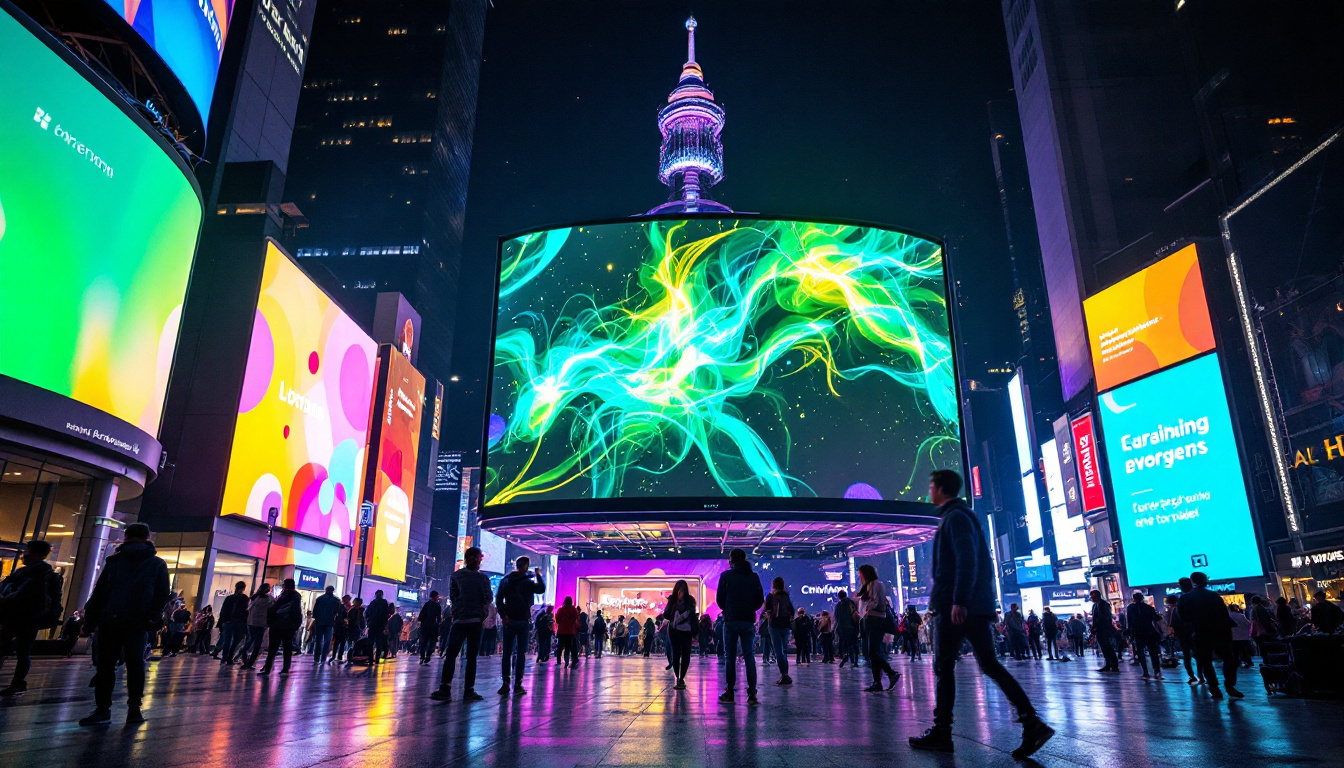
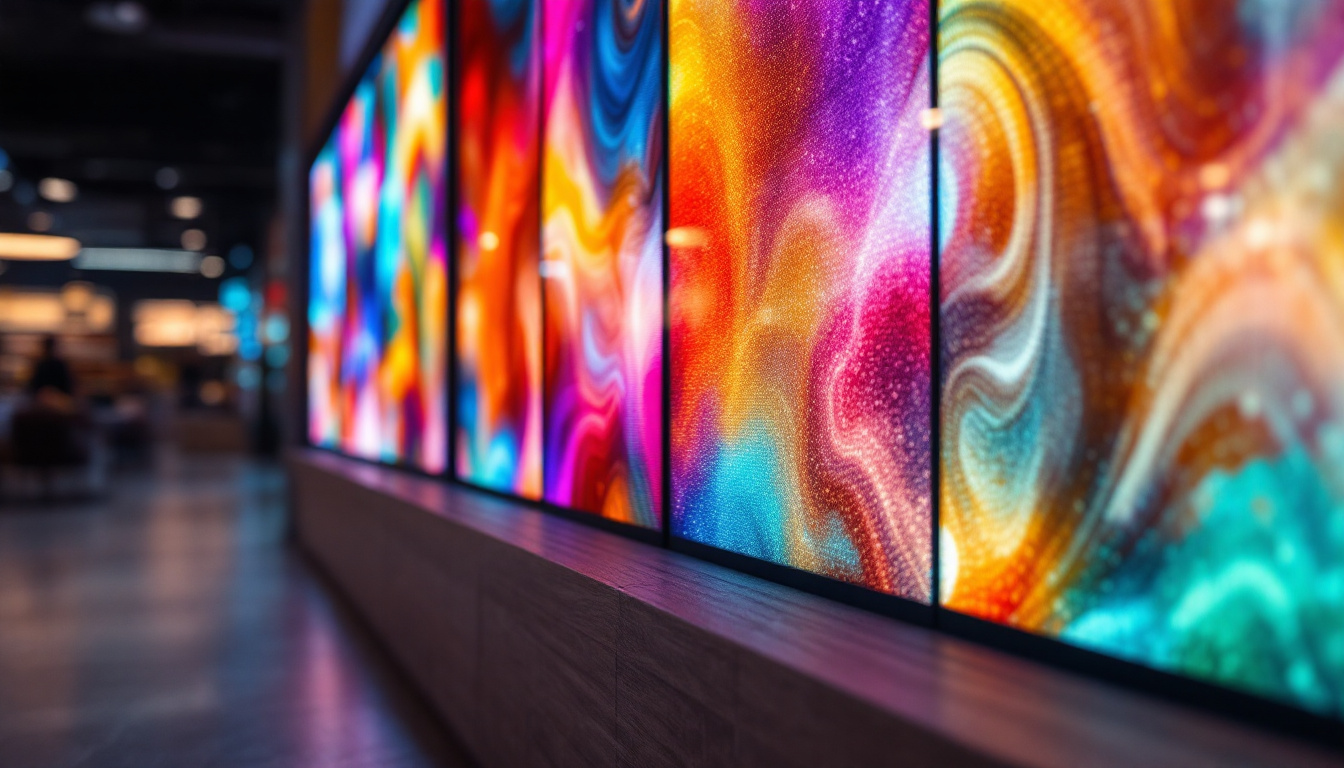
In recent years, LED (Light Emitting Diode) technology has revolutionized how cultural heritage sites are illuminated and presented to the public. Unlike traditional lighting methods, LEDs offer energy efficiency, durability, and the ability to create dynamic lighting effects. For the Great Wall, LED displays have become a tool to enhance nighttime visibility, attract tourism, and celebrate cultural events.
LED installations along sections of the Wall have been designed to highlight architectural details and create visual spectacles during festivals. These displays use thousands of strategically placed LEDs to bathe the Wall in color, create patterns, or even project images onto its surface. This modern approach to illumination transforms the Wall from a daytime landmark into a nighttime icon visible from nearby vantage points.
How LED Displays Enhance Visibility from Space
While the Great Wall itself remains difficult to see from space unaided, LED displays have introduced new possibilities. Large-scale LED installations can produce bright, high-contrast light patterns that stand out against the dark landscape at night. These illuminated sections can be captured by satellites equipped with sensitive imaging technology, making the Wall more detectable from orbit during nighttime passes.
For example, during major national celebrations such as the Chinese New Year or the 70th anniversary of the People’s Republic of China, LED light shows on the Wall have been coordinated to create spectacular visuals. Satellite images from these events reveal clusters of bright lights tracing the Wall’s path, demonstrating how technology can temporarily enhance the Wall’s visibility from space.
Technical Insights: How LED Displays Work on the Great Wall
Design and Installation Challenges
Installing LED displays on a historic structure like the Great Wall presents unique challenges. Preservation of the Wall’s integrity is paramount, so LED units must be lightweight, non-invasive, and securely mounted without damaging the ancient masonry. Engineers and conservationists collaborate closely to ensure that installations meet both aesthetic and conservation standards.
Power supply is another critical consideration. Many sections of the Wall are located in remote, mountainous areas without easy access to electricity. To address this, solar-powered LED systems and battery storage solutions are increasingly employed, enabling sustainable and autonomous operation of the displays.
Control Systems and Synchronization
Modern LED displays are controlled via sophisticated software platforms that allow for precise timing, color changes, and animation sequences. For large-scale installations along the Wall, these systems synchronize thousands of individual LEDs to create cohesive visual effects. This level of control enables choreographed light shows that can be programmed for specific events or daily cycles.
Remote monitoring and maintenance systems ensure that the displays operate reliably, with real-time diagnostics to detect and address any malfunctions. This technological integration ensures that the LED displays remain vibrant and effective without requiring constant physical oversight.
The Cultural and Environmental Impact of Illuminating the Great Wall
Enhancing Cultural Appreciation and Tourism
Illuminating the Great Wall with LED technology has significantly boosted cultural engagement and tourism. Nighttime light shows attract visitors beyond typical daylight hours, extending the economic benefits to local communities. These displays also offer new ways to experience the Wall, blending history with modern technology to create memorable visual narratives.
Moreover, light shows often incorporate storytelling elements, such as historical reenactments or symbolic imagery, fostering deeper appreciation of the Wall’s significance. This fusion of tradition and innovation has helped position the Great Wall not only as a heritage site but also as a dynamic cultural landmark.
Addressing Environmental Concerns
Despite the benefits, illuminating the Wall raises concerns about energy consumption and ecological impact. Excessive or poorly managed lighting can disrupt local wildlife and contribute to light pollution. To mitigate these issues, LED systems used on the Wall prioritize energy efficiency and employ directional lighting to minimize spillover.
Environmental assessments guide the timing and intensity of light shows to balance cultural objectives with ecological responsibility. Additionally, the adoption of renewable energy sources, such as solar power, aligns the illumination projects with broader sustainability goals.
Future Perspectives: The Intersection of Heritage and Technology
Advancements in LED and Satellite Imaging Technologies
As LED technology continues to evolve, future installations on the Great Wall may incorporate even more sophisticated features, such as interactive displays or augmented reality elements. These innovations could further enhance visitor engagement and provide new educational opportunities.
Simultaneously, advancements in satellite imaging, including higher resolution sensors and night-time imaging capabilities, will improve the ability to observe illuminated structures from space. This synergy between ground-based lighting and orbital observation opens exciting possibilities for monitoring and showcasing heritage sites worldwide.
Balancing Preservation with Innovation
The challenge moving forward will be to balance technological innovation with the preservation of the Great Wall’s historical authenticity. LED displays must continue to respect the Wall’s physical and cultural integrity while leveraging technology to tell its story in new and compelling ways.
Collaborative efforts involving historians, engineers, environmentalists, and local communities will be essential to ensure that the Great Wall remains a symbol of human achievement, visible not only from nearby hills but also illuminated in the night sky, reaching toward the stars.
Conclusion
The Great Wall of China’s visibility from space remains a complex topic blending myth, reality, and modern technology. While the Wall itself is not easily seen from orbit with the naked eye, LED display technology has introduced innovative ways to illuminate and celebrate this ancient marvel. These displays enhance the Wall’s nighttime presence, making it more detectable from space under specific conditions and enriching cultural experiences on the ground.
Understanding the interplay between the Wall’s physical characteristics, LED technology, and satellite imaging offers valuable insights into how heritage sites can be preserved and promoted in the 21st century. As technology advances, the Great Wall will continue to inspire awe—not just as a relic of the past but as a beacon of human creativity and resilience visible even from the vastness of space.
Illuminate Your Heritage with LumenMatrix
As we embrace the fusion of historical marvels and modern technology, LumenMatrix stands at the forefront, offering innovative LED display solutions that bring cultural heritage to life. Our commitment to enhancing brand visibility and creating immersive visual experiences is reflected in our diverse range of products, from Indoor and Outdoor LED Wall Displays to Custom and Transparent LED solutions. Discover how LumenMatrix can transform your site into a beacon of human creativity and resilience. Check out LumenMatrix LED Display Solutions and take the first step towards revolutionizing your visual communication.