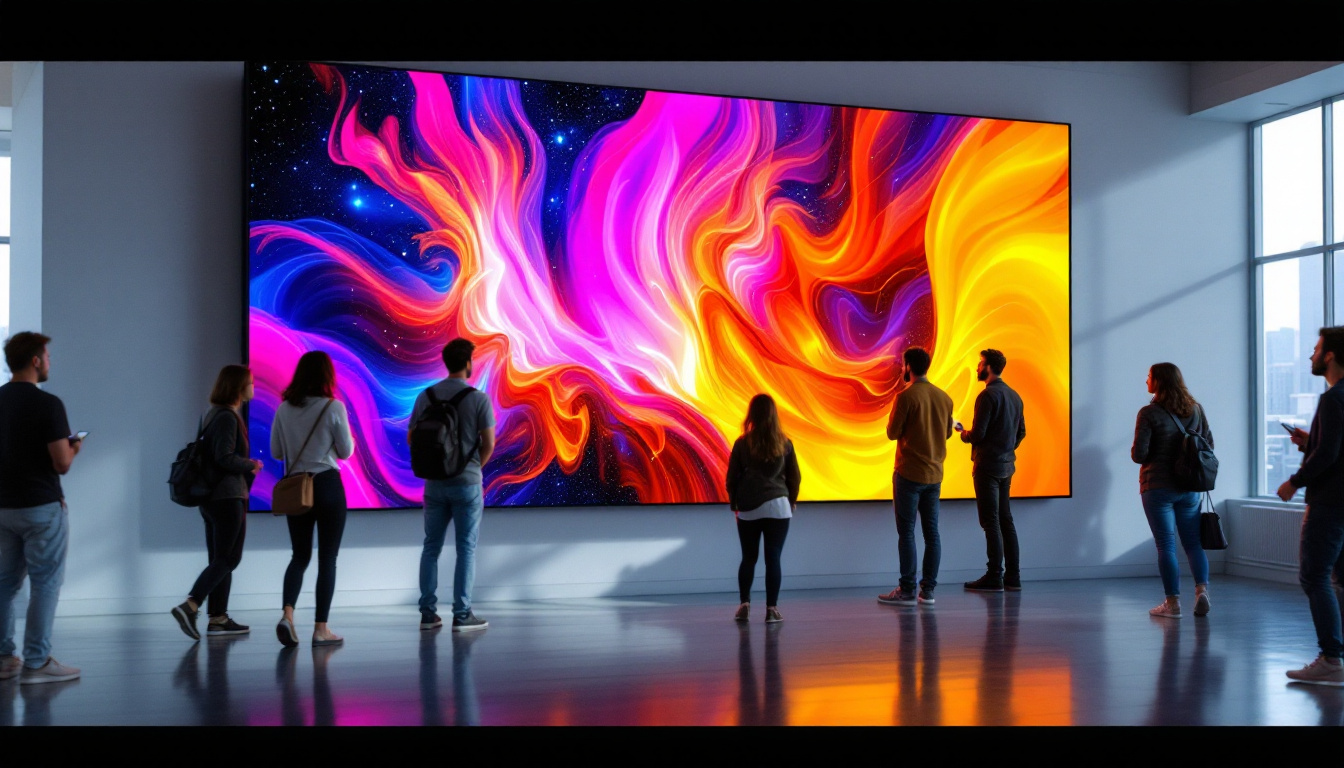
In the world of digital displays, especially LED screens, the term “pixel pitch” is fundamental yet often misunderstood. Whether you are a business owner considering a digital billboard, an event organizer planning a large-scale video wall, or a technology enthusiast curious about display technology, understanding pixel pitch is crucial. This article delves deep into what pixel pitch is, why it matters, and how it influences LED display quality and application.
Understanding Pixel Pitch: The Basics
Pixel pitch refers to the distance between the centers of two adjacent pixels on an LED display. It is typically measured in millimeters (mm). This measurement is a key determinant of the display’s resolution and image clarity. The smaller the pixel pitch, the closer the pixels are to each other, resulting in a sharper and more detailed image.
For example, a pixel pitch of 1.5 mm means there is a 1.5 mm gap from the center of one pixel to the center of the next. Conversely, a pixel pitch of 10 mm indicates a much larger gap between pixels, which generally leads to a less sharp image when viewed up close.
Pixel pitch is distinct from pixel density, which is often used in LCD or OLED displays and measured in pixels per inch (PPI). In LED displays, pixel pitch is a more practical and commonly used metric because it directly relates to the physical spacing of the LEDs.
How Pixel Pitch Affects Image Quality
The pixel pitch directly impacts the perceived resolution of an LED display. A smaller pixel pitch means more pixels are packed into a given area, enabling the display to show finer details and smoother images. This is especially important for displays intended for close viewing distances, such as indoor digital signage or control rooms.
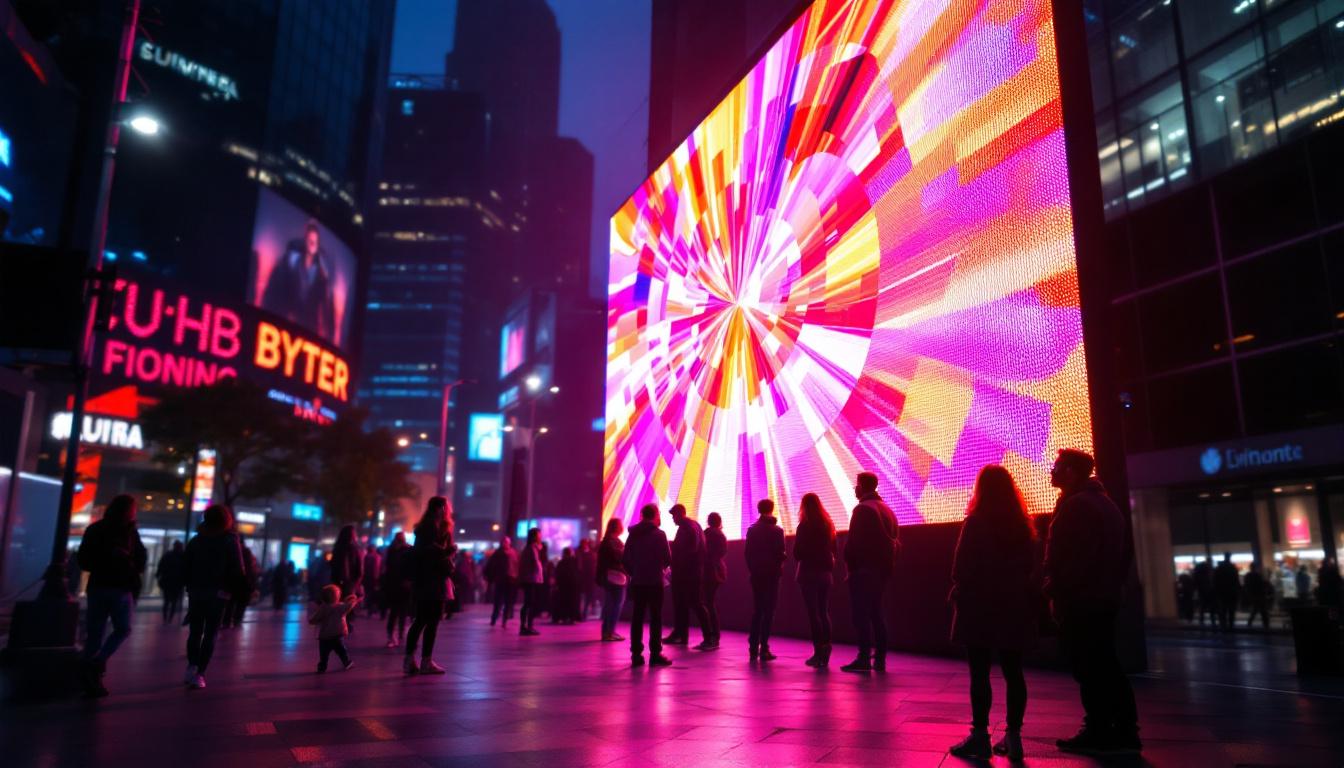
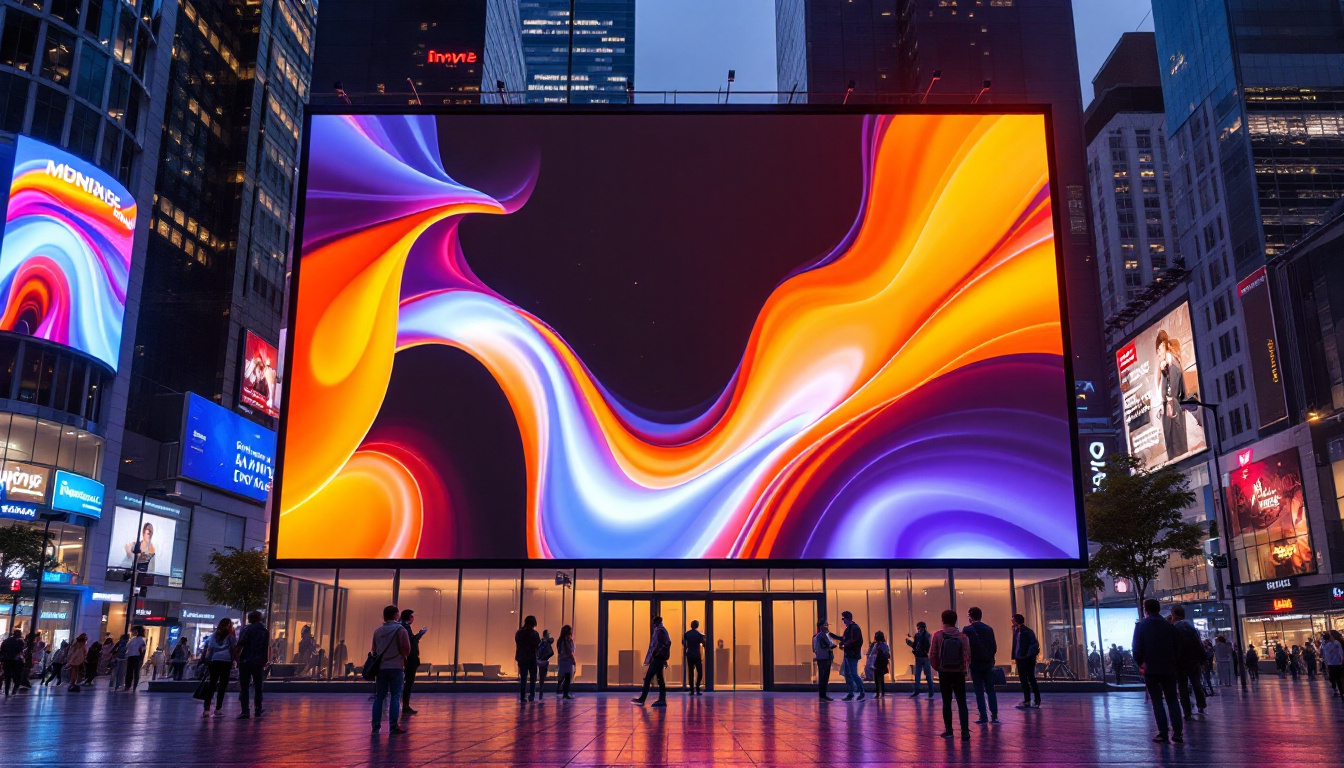
On the other hand, displays with a larger pixel pitch are better suited for outdoor environments or large venues where viewers are typically farther away. In these cases, the human eye cannot distinguish individual pixels at a distance, so a larger pixel pitch is acceptable and can reduce overall costs.
Moreover, the choice of pixel pitch can also influence the energy consumption and overall performance of the display. Smaller pixel pitches often require more advanced technology and higher power input to maintain brightness and color accuracy, which can lead to increased operational costs. Conversely, larger pixel pitches may allow for more energy-efficient designs, making them a popular choice for large-scale outdoor advertising where power consumption is a critical factor.
Additionally, the application of the display plays a significant role in determining the appropriate pixel pitch. For instance, in environments where high-definition video playback is crucial, such as broadcasting studios or high-end retail displays, a smaller pixel pitch is essential to deliver the quality expected by viewers. In contrast, for applications like sports arenas or outdoor billboards, a larger pixel pitch suffices, as the primary goal is to ensure visibility from a distance rather than intricate detail. Understanding these nuances is vital for selecting the right display technology for specific needs.
Why Pixel Pitch Matters: Practical Implications
Choosing the right pixel pitch is essential for optimizing both the visual experience and the cost-effectiveness of an LED display. Several factors come into play when determining the ideal pixel pitch for a specific application.
Viewing Distance and Pixel Pitch
One of the most critical considerations is the viewing distance—the distance between the display and the audience. The general rule of thumb is that the optimal viewing distance (in meters) should be approximately equal to or greater than the pixel pitch (in millimeters) multiplied by 1,000.
For instance, a display with a 5 mm pixel pitch is best viewed from about 5 meters or more. Viewing it closer than that can reveal pixelation, where individual LEDs become visible, detracting from the image quality.
Conversely, a display with a 1.2 mm pixel pitch can be viewed comfortably at distances as close as 1.2 meters, making it suitable for indoor applications like retail stores or conference rooms.
The importance of pixel pitch extends beyond mere aesthetics; it significantly impacts the viewer’s engagement and overall experience. In environments such as museums or art galleries, where detail and clarity are paramount, a finer pixel pitch can enhance the appreciation of intricate visuals. Additionally, in settings like airports or train stations, where information needs to be conveyed quickly and clearly, a well-chosen pixel pitch ensures that messages are legible from various distances, reducing confusion and improving the flow of information.
Application Types and Pixel Pitch Recommendations
Different use cases demand different pixel pitches. Here are some common applications and their typical pixel pitch ranges:
- Indoor Displays: Pixel pitches between 1.2 mm and 2.5 mm are common for indoor environments where viewers are close to the screen.
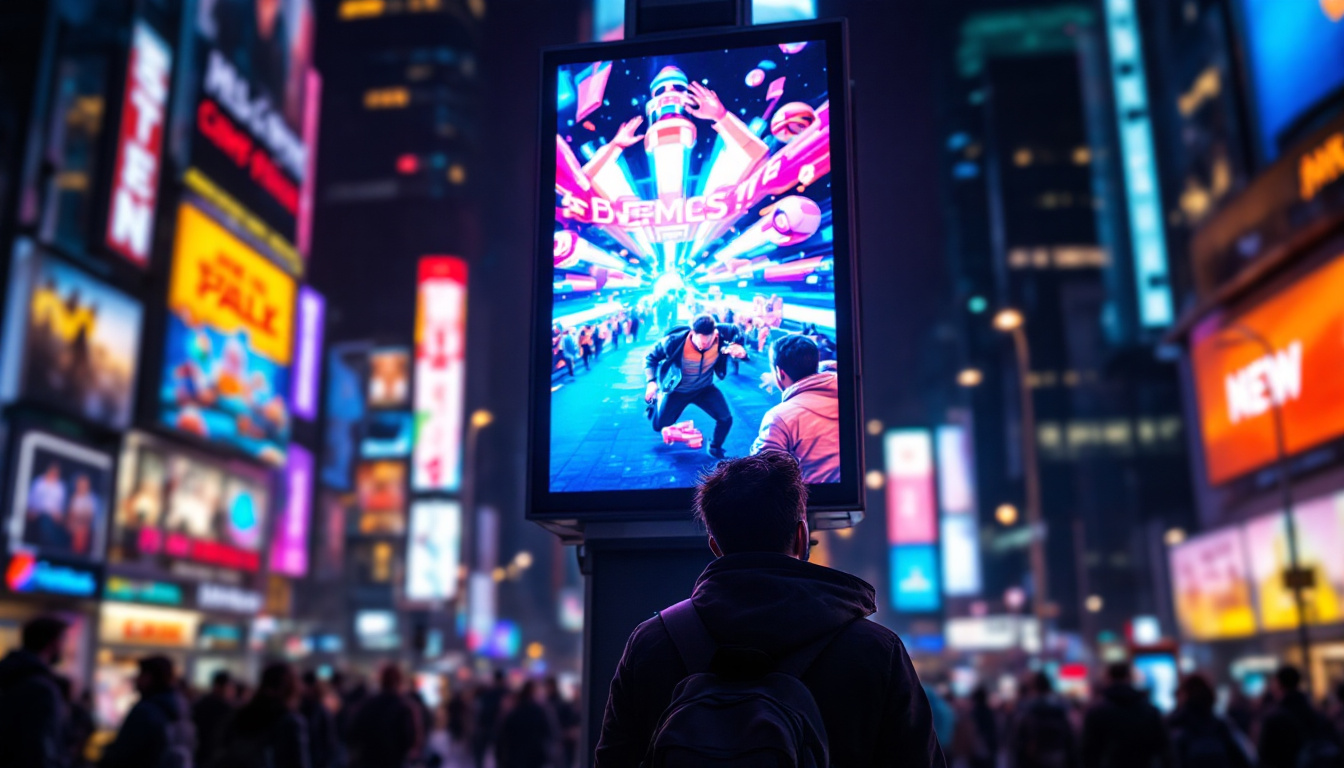
- Outdoor Billboards: Larger pixel pitches, often between 8 mm and 16 mm, are used since viewers are typically far away.
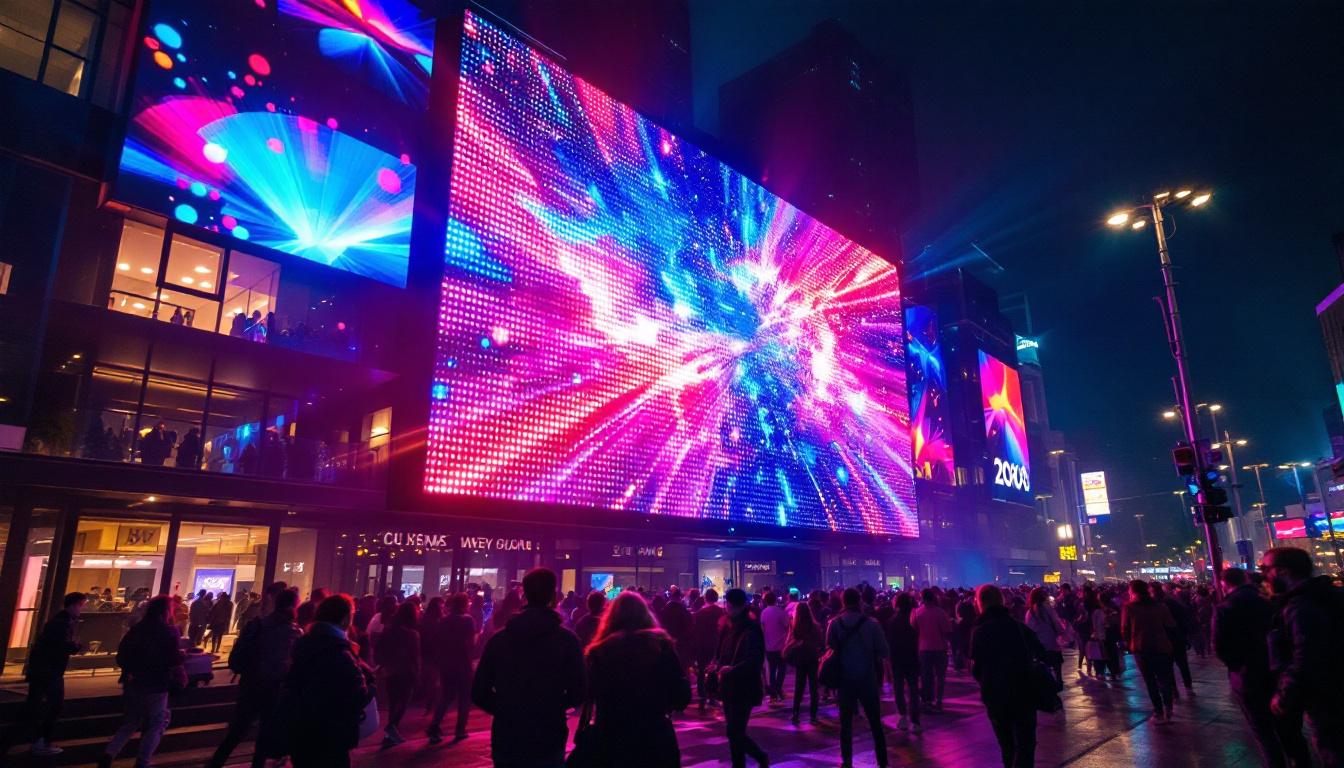
- Sports Arenas and Concerts: Medium pixel pitches around 4 mm to 8 mm balance cost and visibility for audiences sitting at varying distances.
- Control Rooms and Command Centers: Very fine pixel pitches (less than 1.5 mm) are preferred to ensure detailed visuals for critical monitoring.
Understanding these distinctions helps in selecting a display that delivers the best visual experience while staying within budget. Moreover, the choice of pixel pitch can also influence the overall design and layout of a space. For example, in a retail environment, a display with a finer pixel pitch can be integrated seamlessly into the store’s aesthetic, drawing customers in with vibrant, high-resolution visuals. In contrast, larger pixel pitches in outdoor settings can be strategically placed to maximize visibility from busy streets, ensuring that advertisements capture the attention of passersby effectively.
Furthermore, advancements in LED technology continue to push the boundaries of pixel pitch, allowing for even finer resolutions and greater flexibility in design. As manufacturers innovate, options like flexible LED panels and transparent displays are becoming more prevalent, enabling creative applications that were previously unimaginable. This evolution not only enhances visual quality but also opens up new avenues for branding and communication, making the understanding of pixel pitch more relevant than ever in today’s digital landscape.
Technical Aspects of Pixel Pitch in LED Displays
To fully appreciate pixel pitch, it is helpful to understand the technical makeup of LED displays and how pixel pitch interacts with other display parameters.
LED Modules and Pixel Configuration
LED displays are composed of multiple modules, each containing an array of LEDs arranged in a grid. Each pixel typically consists of three LEDs: red, green, and blue (RGB). The combination of these LEDs produces the full spectrum of colors seen on the screen.
The pixel pitch is determined by the physical spacing between these RGB pixels. Advances in LED technology have enabled manufacturers to produce displays with increasingly smaller pixel pitches, allowing for higher resolution and better image quality in compact form factors.
Resolution and Screen Size Relationship
The total resolution of an LED display is a function of both the pixel pitch and the physical size of the screen. For example, a 2-meter wide display with a 2 mm pixel pitch will have a higher resolution than a 2-meter wide display with a 10 mm pixel pitch.
Mathematically, the horizontal resolution can be estimated by dividing the screen width (in millimeters) by the pixel pitch. So, a 2,000 mm wide screen with a 2 mm pixel pitch would have approximately 1,000 pixels horizontally.
This relationship underscores why smaller pixel pitches are essential for high-definition displays, especially when the screen size is fixed.
Choosing the Right Pixel Pitch: Factors to Consider
When selecting an LED display, pixel pitch is one of several factors that should be evaluated to ensure the display meets your needs effectively.
Budget Constraints
Displays with smaller pixel pitches are generally more expensive because they require more LEDs and more complex manufacturing processes. For projects with tight budgets, balancing pixel pitch with viewing distance and application requirements is key to avoiding unnecessary costs.
Environmental Conditions
Outdoor LED displays need to withstand weather conditions such as rain, wind, and sunlight. Larger pixel pitches are often more robust and easier to maintain in these environments. Additionally, higher brightness levels are necessary outdoors, which can also influence pixel pitch choices.
Content Type and Detail
The nature of the content being displayed also impacts pixel pitch selection. For example, detailed graphics, fine text, and high-definition video require smaller pixel pitches to maintain clarity. Conversely, simple text or basic images can be effectively displayed on screens with larger pixel pitches.
Future Trends in Pixel Pitch and LED Technology
The LED display industry continues to evolve rapidly, with ongoing innovations pushing the boundaries of pixel pitch and image quality.
MicroLED and Ultra-Fine Pixel Pitch Displays
Emerging technologies like MicroLED are enabling pixel pitches as low as 0.5 mm or less. These ultra-fine pixel pitch displays offer unprecedented resolution and color accuracy, making them ideal for premium indoor applications such as luxury retail, museums, and high-end corporate environments.
While currently expensive, these technologies are expected to become more accessible as manufacturing processes improve and economies of scale increase.
Flexible and Transparent LED Displays
Innovations in LED design are also leading to flexible and transparent displays that can be integrated into unconventional surfaces. Pixel pitch remains a critical factor in these applications, balancing transparency and resolution to achieve the desired visual effect without compromising structural integrity.
Conclusion: The Importance of Pixel Pitch in LED Displays
Pixel pitch is a fundamental specification that directly influences the visual quality, application suitability, and cost of LED displays. Understanding pixel pitch helps buyers and designers make informed decisions to ensure their LED installations deliver optimal performance and viewer satisfaction.
From the vibrant digital billboards lighting up city streets to the detailed video walls in control centers, pixel pitch plays a pivotal role in shaping the viewing experience. As LED technology advances, the options for pixel pitch will continue to expand, offering even greater flexibility and quality for diverse applications.
When selecting an LED display, carefully consider the viewing distance, application requirements, budget, and environmental factors to choose the pixel pitch that best fits your needs. Doing so will ensure your investment in LED technology delivers maximum impact and value.
Discover the Perfect Pixel Pitch with LumenMatrix
Ready to elevate your visual experience with the ideal LED display? LumenMatrix is at the forefront of LED display innovation, offering a comprehensive range of solutions tailored to your unique needs. From immersive Indoor LED Walls to dynamic Outdoor LED Displays, and from versatile Vehicle LED Displays to engaging LED Sports Displays, we have the technology to bring your vision to life. Embrace the future of visual communication with our Custom, All-in-One, and Transparent LED Displays. Check out LumenMatrix LED Display Solutions today and transform your space with the perfect pixel pitch for an unforgettable visual impact.