Modern vehicles are increasingly equipped with advanced display technologies that enhance driver experience, safety, and convenience. Among these, LED displays have become a cornerstone in automotive design, offering vibrant visuals, energy efficiency, and durability. This article delves into the role of LED displays in cars, exploring their technology, applications, benefits, and future trends.
Understanding LED Display Technology in Cars
LED, or Light Emitting Diode, technology has revolutionized how information is presented inside vehicles. Unlike traditional LCD or OLED screens, LED displays utilize a matrix of tiny diodes that emit light when an electric current passes through them. This fundamental difference provides several advantages that make LED displays particularly suited for automotive environments. The durability of LED technology is another significant factor; LEDs are less susceptible to damage from vibrations and temperature fluctuations, which are common in automotive applications. This resilience ensures that the displays maintain their performance over time, even in the demanding conditions that vehicles often encounter.
In cars, LED displays are used in various forms—from dashboard instrument clusters and infotainment screens to heads-up displays (HUDs) and exterior lighting systems. The adaptability of LED technology allows manufacturers to design displays that are bright, sharp, and visible under diverse lighting conditions, including direct sunlight. Furthermore, the energy efficiency of LEDs contributes to overall vehicle performance, as they consume less power compared to traditional lighting solutions. This efficiency not only extends the life of the vehicle’s battery but also reduces the carbon footprint, aligning with the automotive industry’s shift towards more sustainable practices.
Types of LED Displays Used in Vehicles
There are primarily two types of LED displays integrated into cars: direct LED displays and LED-backlit LCDs. Direct LED displays consist of individual LEDs that form the pixels themselves, offering superior brightness and contrast. These are often found in instrument panels and HUDs. The clarity and responsiveness of direct LED displays enhance the driver’s ability to quickly interpret vital information, which is crucial for safe driving. Additionally, advancements in technology have led to the development of adaptive displays that can adjust brightness and contrast based on ambient light conditions, further improving visibility and reducing eye strain.
LED-backlit LCDs, on the other hand, use LEDs as a backlight source behind an LCD panel. This combination provides high resolution and color accuracy, commonly used in infotainment systems and multimedia displays. The integration of touch-sensitive technology with LED-backlit LCDs has also transformed the user interface, allowing for intuitive controls and seamless interaction with navigation, music, and vehicle settings. As automotive technology continues to evolve, the potential for integrating augmented reality features into these displays is becoming a reality, promising to enhance the driving experience by providing real-time information and navigation overlays directly onto the windshield.
Applications of LED Displays in Modern Cars
The versatility of LED displays has enabled their widespread adoption across multiple automotive functions. Understanding these applications helps appreciate their impact on vehicle usability and safety.
Instrument Clusters and Digital Dashboards
Traditional analog gauges are increasingly replaced by digital instrument clusters featuring LED displays. These digital dashboards provide customizable layouts, allowing drivers to prioritize the information they find most relevant, such as speed, fuel levels, navigation, and vehicle diagnostics.
LED displays in instrument clusters offer high visibility and rapid refresh rates, which are critical for real-time data monitoring. For instance, luxury brands like Audi and Mercedes-Benz have pioneered fully digital LED dashboards that enhance driver engagement and reduce distraction. Additionally, these displays can adapt to different driving conditions, changing color schemes or layouts based on factors like speed or driving mode, thus providing a tailored experience that enhances both comfort and control.
Infotainment and Multimedia Systems
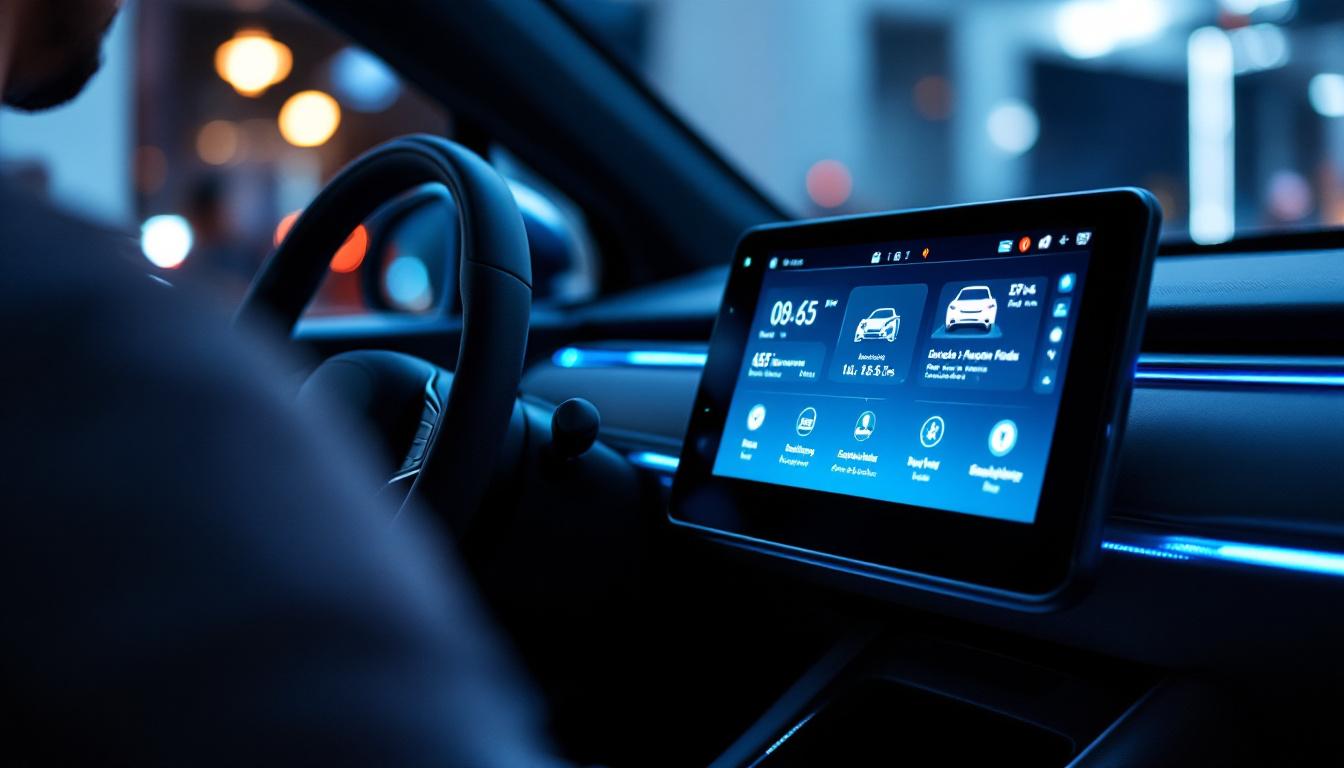
Infotainment systems are central to the modern driving experience, integrating navigation, media playback, smartphone connectivity, and vehicle settings. LED-backlit LCD screens are the preferred choice here due to their ability to render detailed graphics and vibrant colors.
These displays support touch input and voice commands, making interaction intuitive and safe. Additionally, LED screens in infotainment systems are designed to minimize glare and maintain readability in various lighting conditions, which is essential for driver focus. The integration of advanced features, such as split-screen functionality, allows users to view multiple applications simultaneously, enhancing convenience during travel. Furthermore, with the rise of over-the-air updates, these systems can continuously evolve, adding new features and improving existing ones without requiring a visit to the dealership.
Heads-Up Displays (HUDs)
Heads-up displays project critical information onto the windshield or a dedicated transparent screen, allowing drivers to keep their eyes on the road. LED technology is integral to HUDs because of its brightness and clarity.
By displaying speed, navigation prompts, and safety alerts directly in the driver’s line of sight, LED-based HUDs reduce the need to glance away from the road, thereby enhancing safety. Advanced HUDs also incorporate augmented reality elements, highlighting lane markings or hazards. Some systems even provide predictive information, such as upcoming traffic conditions or points of interest, ensuring that drivers are always informed without being overwhelmed by data. This seamless integration of technology not only improves safety but also enriches the overall driving experience, making it more interactive and engaging.
Exterior Lighting and Signaling
Beyond interior applications, LED displays are increasingly used in exterior vehicle lighting, including tail lights, brake lights, and turn signals. Their fast response times and high visibility improve communication with other road users.
Some manufacturers have introduced dynamic LED displays on rear windows or tailgates that can show messages or warnings, such as “Braking” or “Slippery Road Ahead,” adding an extra layer of safety and interaction. These innovative features allow for more effective communication with pedestrians and other drivers, potentially reducing accidents caused by misinterpretation of traditional signals. Moreover, the adaptability of LED technology means that these displays can be programmed to change based on driving conditions or even the time of day, ensuring that they remain effective in all scenarios. As the automotive industry continues to embrace smart technologies, the role of LED displays in enhancing vehicle safety and functionality is set to expand even further.
Benefits of LED Displays in Automotive Use
The adoption of LED displays in cars is driven by numerous advantages that align with both consumer expectations and regulatory requirements.
Enhanced Visibility and Readability
LED displays offer superior brightness and contrast compared to older technologies. This ensures that information is clearly visible under all lighting conditions, including bright daylight and nighttime driving. High contrast ratios also reduce eye strain, contributing to safer driving.
Energy Efficiency and Longevity
LEDs consume significantly less power than traditional incandescent bulbs or older display technologies. This efficiency is crucial in electric and hybrid vehicles where energy conservation extends driving range.
Moreover, LEDs have a longer operational lifespan, often exceeding 50,000 hours, which reduces maintenance costs and enhances reliability over the vehicle’s lifetime.
Design Flexibility and Customization
The compact size and modular nature of LED components allow automotive designers to create innovative and customizable display layouts. Curved, flexible, and even transparent LED displays are now possible, enabling seamless integration into vehicle interiors and exteriors.
Such flexibility supports brand differentiation and enhances the aesthetic appeal of cars, meeting consumer demands for personalization.
Improved Safety Features
LED displays contribute directly to vehicle safety by presenting critical information clearly and promptly. Their fast response times are particularly beneficial for signaling and alert systems, where milliseconds can make a difference.
Additionally, the integration of LED-based HUDs and dynamic exterior displays helps drivers react more quickly to changing road conditions and hazards.
Challenges and Considerations in LED Display Integration
Despite their advantages, the integration of LED displays in cars presents certain challenges that manufacturers and designers must address.
Cost Implications
High-quality LED displays, especially those with advanced features like curved screens or augmented reality HUDs, can increase vehicle production costs. These costs may be passed on to consumers, affecting affordability.
However, as LED technology matures and economies of scale improve, prices are gradually decreasing, making these displays more accessible across vehicle segments.
Durability and Environmental Factors
Automotive displays must withstand harsh environmental conditions such as temperature extremes, humidity, vibration, and UV exposure. Ensuring LED displays maintain performance and longevity under these stresses requires robust engineering and materials.
Manufacturers conduct rigorous testing to meet automotive standards, but occasional issues like screen burn-in or pixel degradation can still occur, necessitating ongoing innovation.
Driver Distraction Concerns
While LED displays enhance information delivery, there is a risk of driver distraction if interfaces are overly complex or cluttered. Balancing the amount and type of information presented is critical to maintaining safety.
Automakers are investing in human-machine interface (HMI) research to optimize display design, ensuring that LED screens support rather than detract from driver focus.
The Future of LED Displays in Automotive Technology
The evolution of LED display technology continues to shape the future of automotive design and functionality. Several emerging trends promise to further enhance the driving experience.
Integration with Autonomous Driving Systems
As autonomous and semi-autonomous vehicles become more prevalent, LED displays will play a key role in communicating vehicle status and intentions to both occupants and pedestrians. Dynamic LED panels could display messages indicating when a car is in autonomous mode or alerting nearby pedestrians.
Advancements in Flexible and Transparent Displays
Flexible LED displays enable new interior design possibilities, such as wrap-around dashboards or customizable ambient lighting integrated with information displays. Transparent LED displays embedded in windows or windshields will further blur the line between display and environment.
Augmented Reality and Enhanced HUDs
Future LED-based HUDs will incorporate more sophisticated augmented reality features, overlaying navigation cues, hazard warnings, and vehicle diagnostics directly onto the real-world view. This technology aims to improve situational awareness and reduce cognitive load on drivers.
Connectivity and Smart Interfaces
LED displays will increasingly integrate with vehicle-to-everything (V2X) communication systems, enabling real-time updates based on traffic, weather, and road conditions. Personalized interfaces adapting to driver preferences and biometric data will also become more common.
Conclusion
LED displays have become an indispensable component of modern automotive technology, enhancing visibility, safety, and user interaction. Their versatility allows for a wide range of applications, from digital dashboards to advanced heads-up displays and exterior signaling.
While challenges such as cost and potential distraction remain, ongoing advancements in LED technology and interface design continue to address these issues. Looking ahead, LED displays will play a pivotal role in the evolution of connected, autonomous, and smart vehicles, shaping the future of mobility.
Explore Cutting-Edge LED Displays with LumenMatrix
As the automotive industry continues to innovate, LumenMatrix stands at the forefront, offering a spectrum of LED display solutions tailored to elevate your driving experience. From immersive vehicle LED displays to dynamic exterior signaling, our products are designed to deliver unparalleled clarity and performance. Embrace the future of automotive technology and check out LumenMatrix LED Display Solutions today, where visual communication is transformed into an art form, ensuring your message resonates with brilliance and precision.