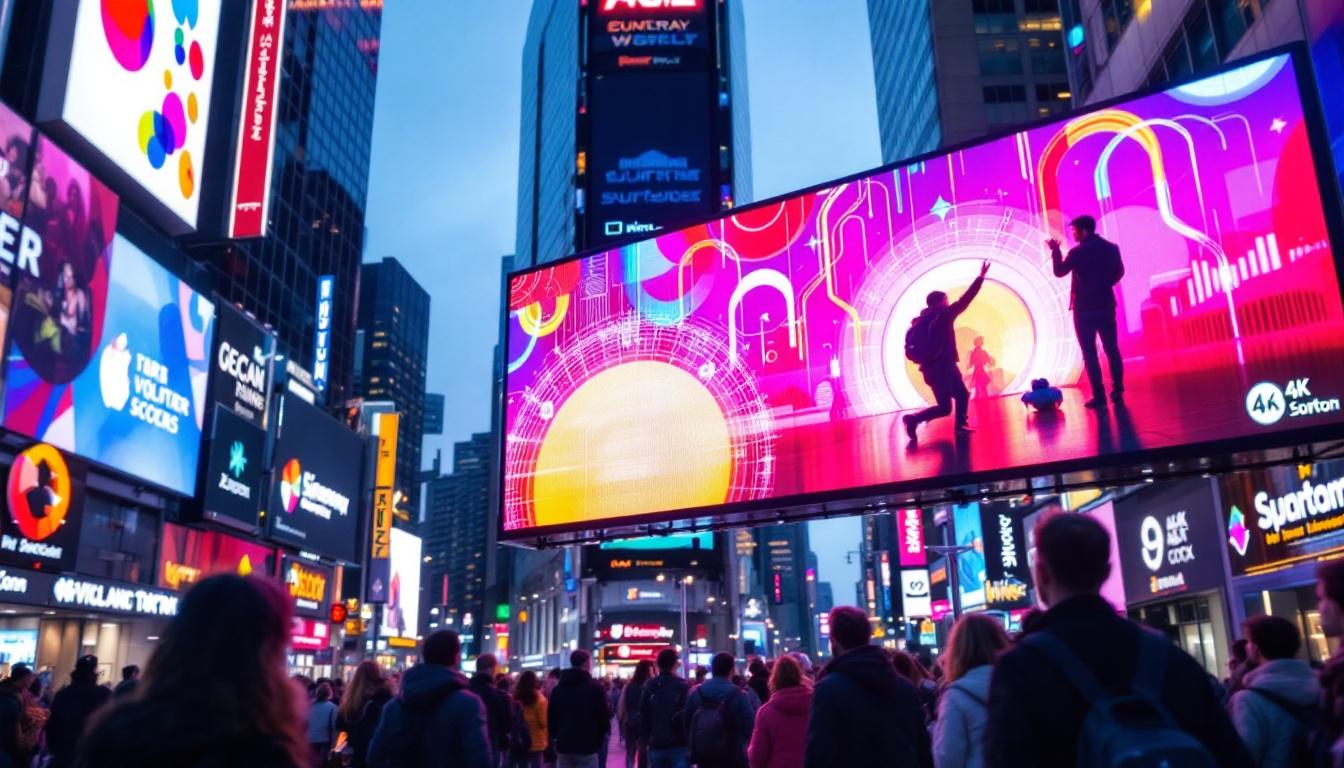
In the rapidly evolving world of digital advertising and visual communication, LED banners have emerged as a powerful tool for businesses, event organizers, and public spaces. These vibrant, dynamic displays capture attention like no traditional signage can. But what exactly is an LED banner, how does it work, and why are they becoming indispensable in modern marketing? This article offers a comprehensive explanation of LED displays, their technology, applications, and advantages, helping you understand why investing in LED banners can elevate your brand visibility and engagement.
Understanding LED Banners: What Are They?
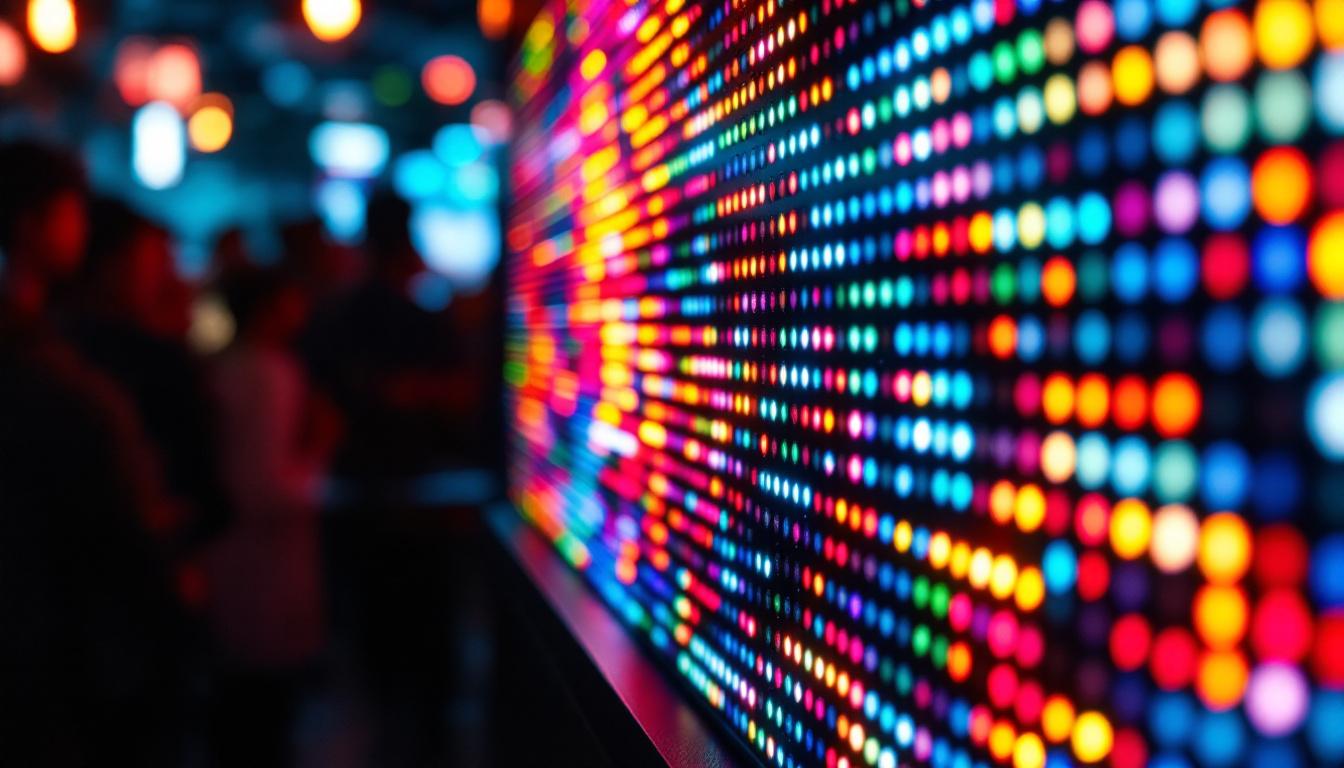
LED banners are digital display screens made up of numerous light-emitting diodes (LEDs) arranged in a matrix to form images, text, or video content. Unlike static banners printed on vinyl or fabric, LED banners are dynamic and can change content instantly, making them highly versatile for various advertising and informational purposes.
Typically, these displays come in different sizes and resolutions, ranging from small indoor units to massive outdoor screens that can be seen from hundreds of meters away. The core technology involves LEDs that emit light when an electric current passes through them, offering bright, energy-efficient illumination with vivid colors and high contrast ratios. This efficiency not only reduces energy costs but also contributes to a lower carbon footprint, making LED banners an eco-friendly choice for businesses looking to promote sustainability.
Furthermore, the longevity of LED technology means that these displays can last for years with minimal maintenance, making them a cost-effective investment for companies. The ability to program and update content remotely adds another layer of convenience, allowing businesses to tailor their messages in real-time to engage their audience effectively.
Types of LED Displays Used in Banners
LED banners can be broadly categorized based on their pixel pitch, installation environment, and display type:
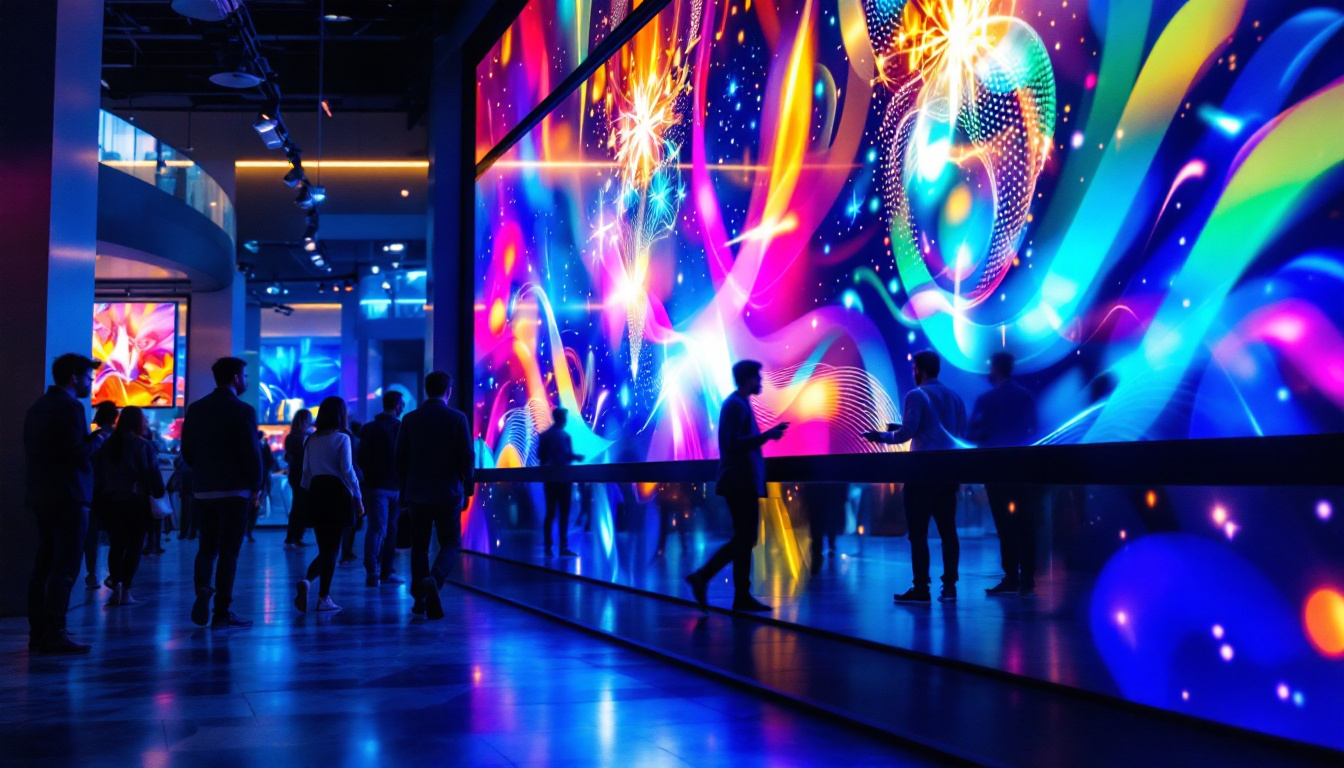
- Indoor LED Displays: Designed for close viewing distances, these displays have a small pixel pitch (often less than 3mm), providing sharp images and smooth video playback. They are commonly used in retail stores, conference rooms, and exhibitions. The vibrant colors and high resolution make them ideal for showcasing products, enhancing customer experiences, and delivering impactful presentations.
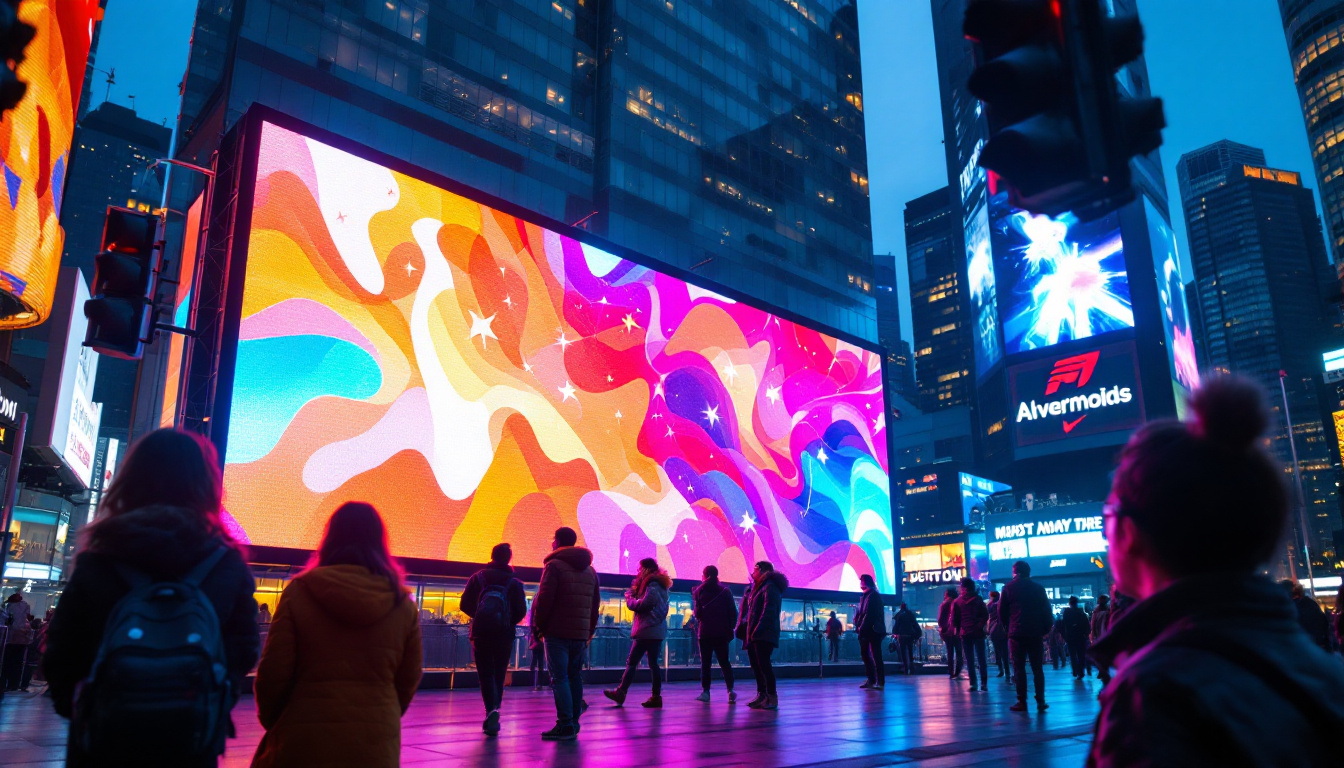
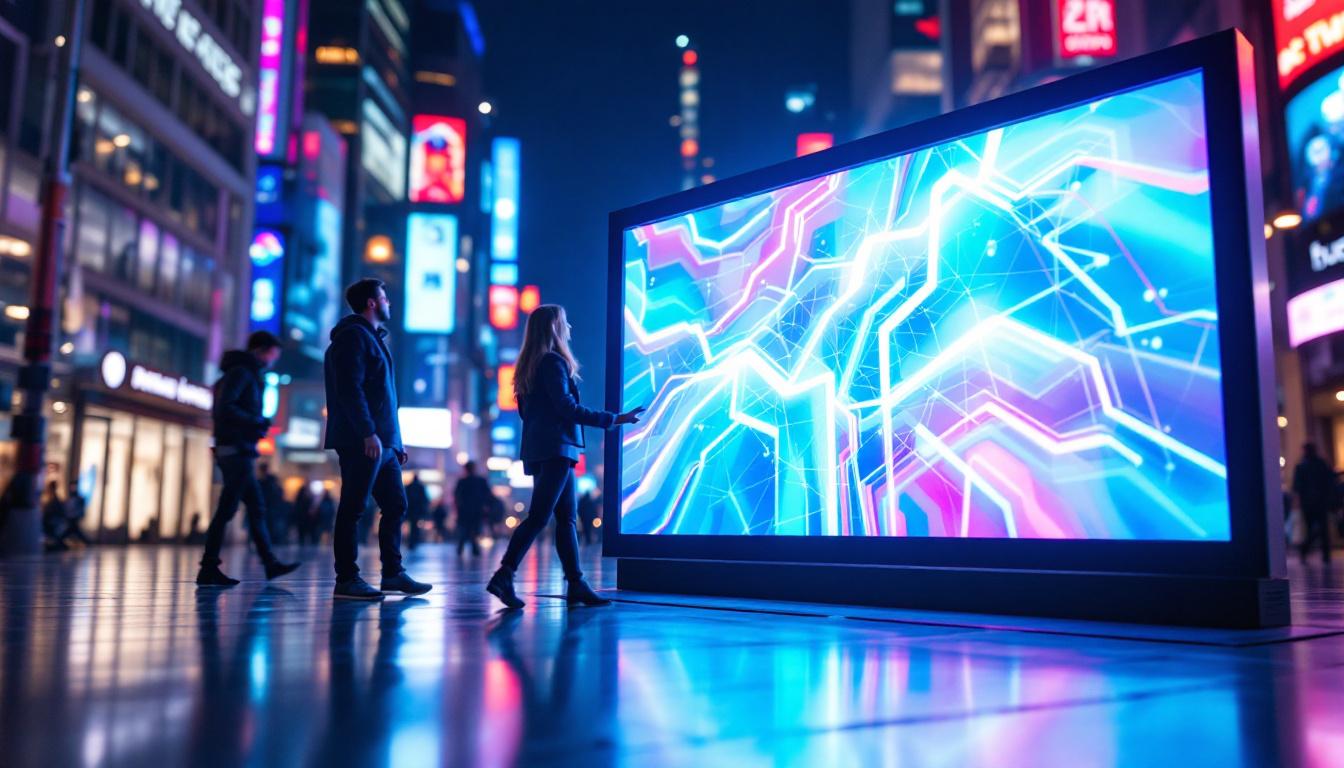
- Outdoor LED Displays: Built to withstand harsh weather conditions, these have a larger pixel pitch (typically 4mm to 20mm) to ensure visibility from longer distances. They are used in stadiums, billboards, and public squares. These displays are engineered with robust materials to resist rain, wind, and UV rays, ensuring that messages remain clear and engaging regardless of the weather.
- Flexible and Transparent LED Banners: Innovative designs now include flexible LED panels that can curve around surfaces or transparent LED screens that allow light to pass through, perfect for modern architectural applications. These types of displays open up new avenues for creative advertising, enabling brands to integrate their messaging seamlessly into the environment, such as wrapping around columns or appearing as part of a storefront window.
The Technology Behind LED Displays
To appreciate the capabilities of LED banners, it’s essential to understand the technology that powers them. At the heart of every LED display are the tiny diodes that emit light in red, green, and blue (RGB) colors. By varying the intensity of these diodes, millions of colors can be produced, enabling the display of vibrant images and videos.
Pixel Pitch and Resolution
Pixel pitch refers to the distance between the centers of two adjacent pixels, measured in millimeters. This measurement is crucial because it determines the display’s resolution and viewing distance:
- Smaller Pixel Pitch: Means higher resolution and better image clarity at close range. For example, a 1.5mm pixel pitch is ideal for indoor displays viewed from a few feet away.
- Larger Pixel Pitch: Suitable for outdoor displays where viewers are farther away. A 10mm or 20mm pixel pitch provides clear images at distances of tens or hundreds of meters.
Choosing the right pixel pitch ensures optimal visibility and cost efficiency, as smaller pixel pitches generally increase the price of the display.
Brightness and Contrast
Brightness is measured in nits (candelas per square meter) and is a critical factor for outdoor LED banners, which must compete with sunlight. Modern outdoor LED displays can reach brightness levels of 5,000 to 8,000 nits, ensuring clear visibility even in direct sunlight.
Contrast ratio, the difference between the darkest black and brightest white, affects image depth and color richness. High contrast ratios enhance the viewing experience, making content more engaging and easier to read.
Energy Efficiency and Durability
LED technology is inherently energy-efficient compared to older display technologies like LCD or plasma. LEDs consume less power while offering superior brightness and longevity. Many LED banners are rated to last over 100,000 hours, translating to years of continuous operation with minimal maintenance.
Durability is another advantage, especially for outdoor applications. LED displays are often weatherproof, resistant to dust, moisture, and temperature extremes, ensuring reliable performance in diverse environments.
Applications of LED Banners
LED banners have transformed how information and advertisements are presented across numerous industries. Their flexibility and impact make them suitable for a wide range of uses.
Advertising and Marketing
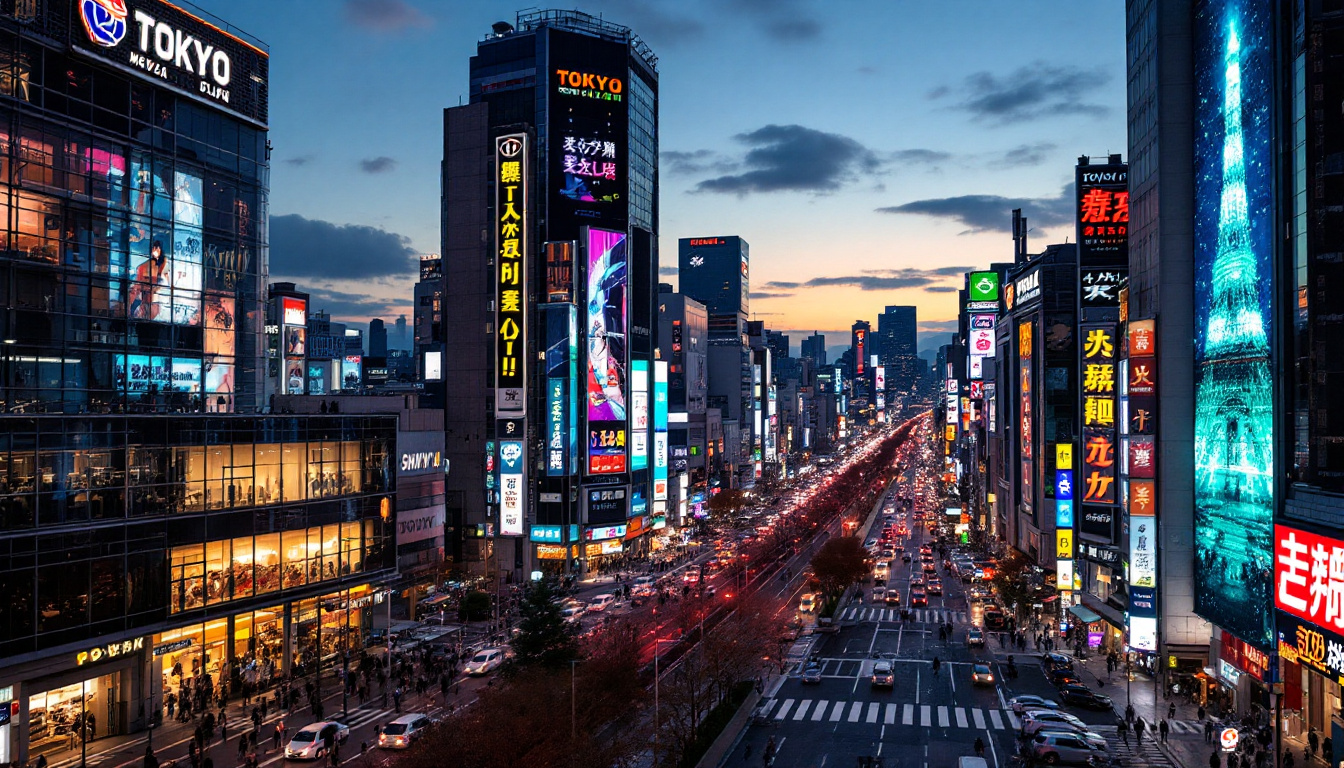
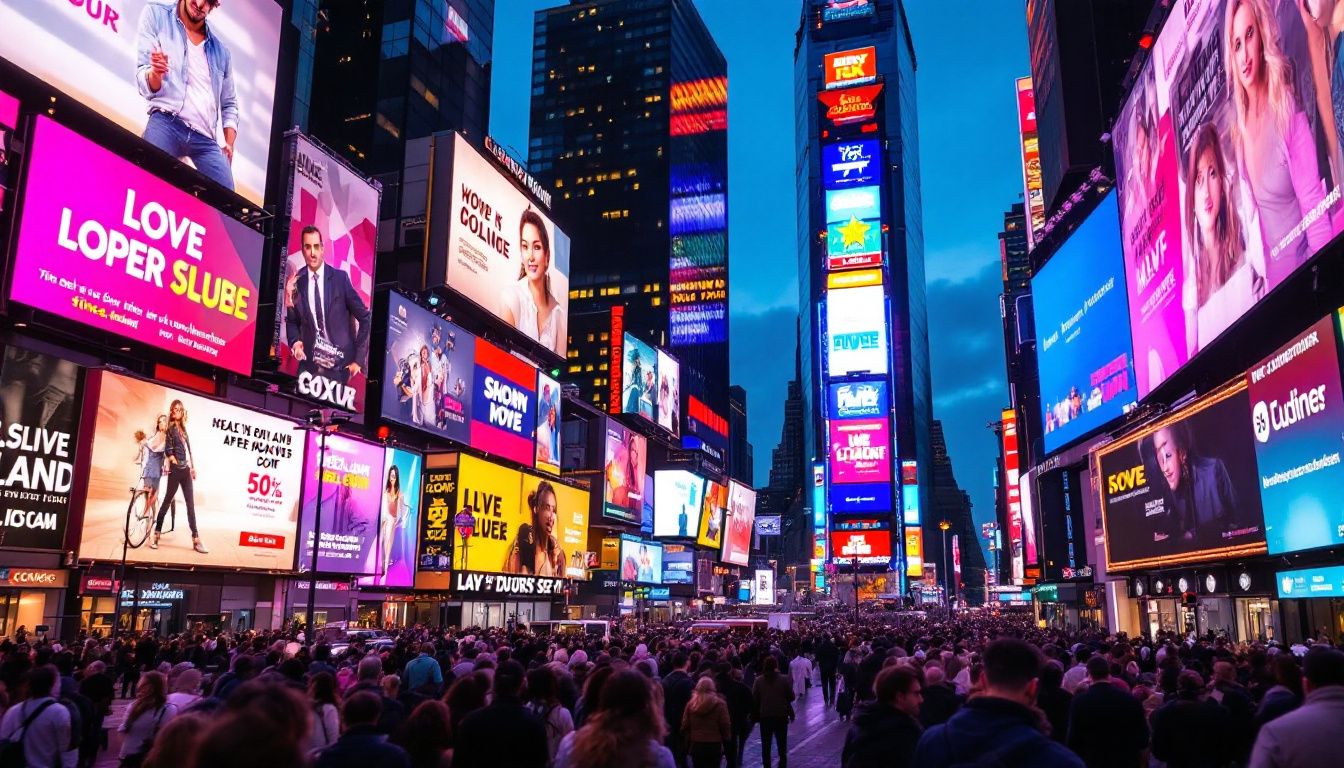
One of the primary uses of LED banners is in advertising. Digital billboards equipped with LED displays can rotate multiple ads, target specific audiences with tailored content, and update messages in real-time. According to recent market research, digital out-of-home (DOOH) advertising, which includes LED banners, is expected to grow at a compound annual growth rate (CAGR) of over 10% through 2027, underscoring the increasing reliance on this technology.
Retailers use LED banners to promote sales, new products, or events, often integrating them with social media campaigns for enhanced engagement. The ability to display dynamic content also allows brands to respond quickly to market trends or customer feedback.
Events and Entertainment
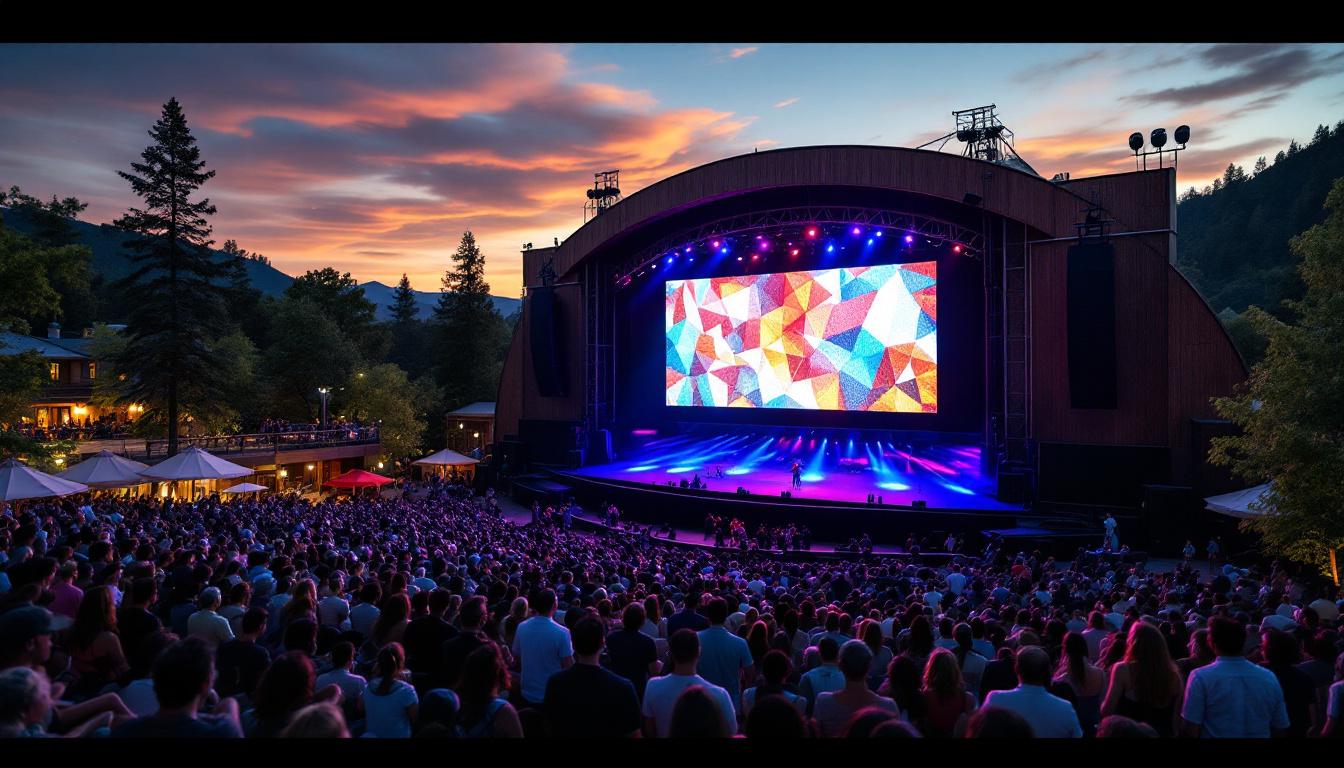
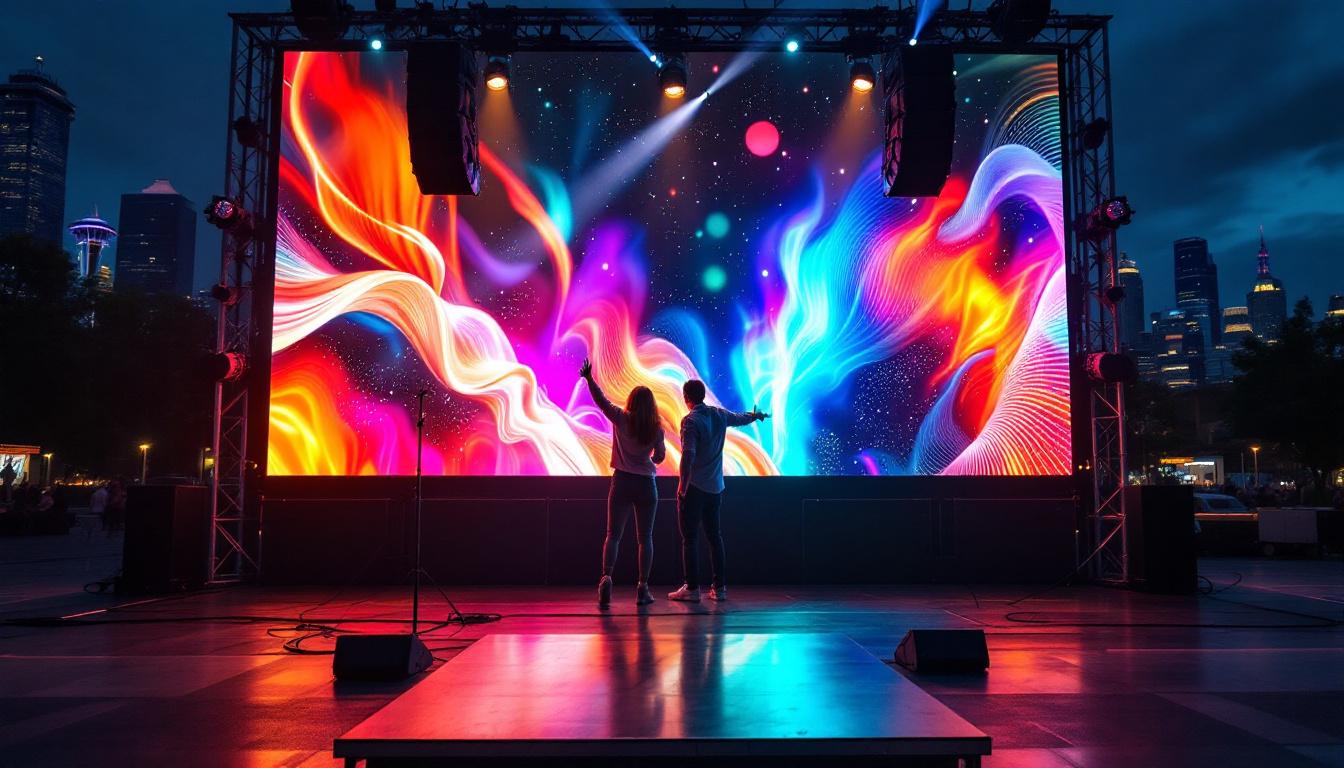
Concerts, sports events, and festivals frequently employ LED banners to enhance the audience experience. Large LED screens display live footage, scores, announcements, and advertisements, ensuring attendees remain informed and entertained. The flexibility of LED banners allows them to be configured in various shapes and sizes, fitting the unique requirements of each event.
Public Information and Safety
Municipalities and transportation hubs use LED banners to convey important information such as traffic updates, weather alerts, and emergency notifications. Their high visibility and ability to update content instantly make them invaluable for public safety communications.
Corporate and Educational Use
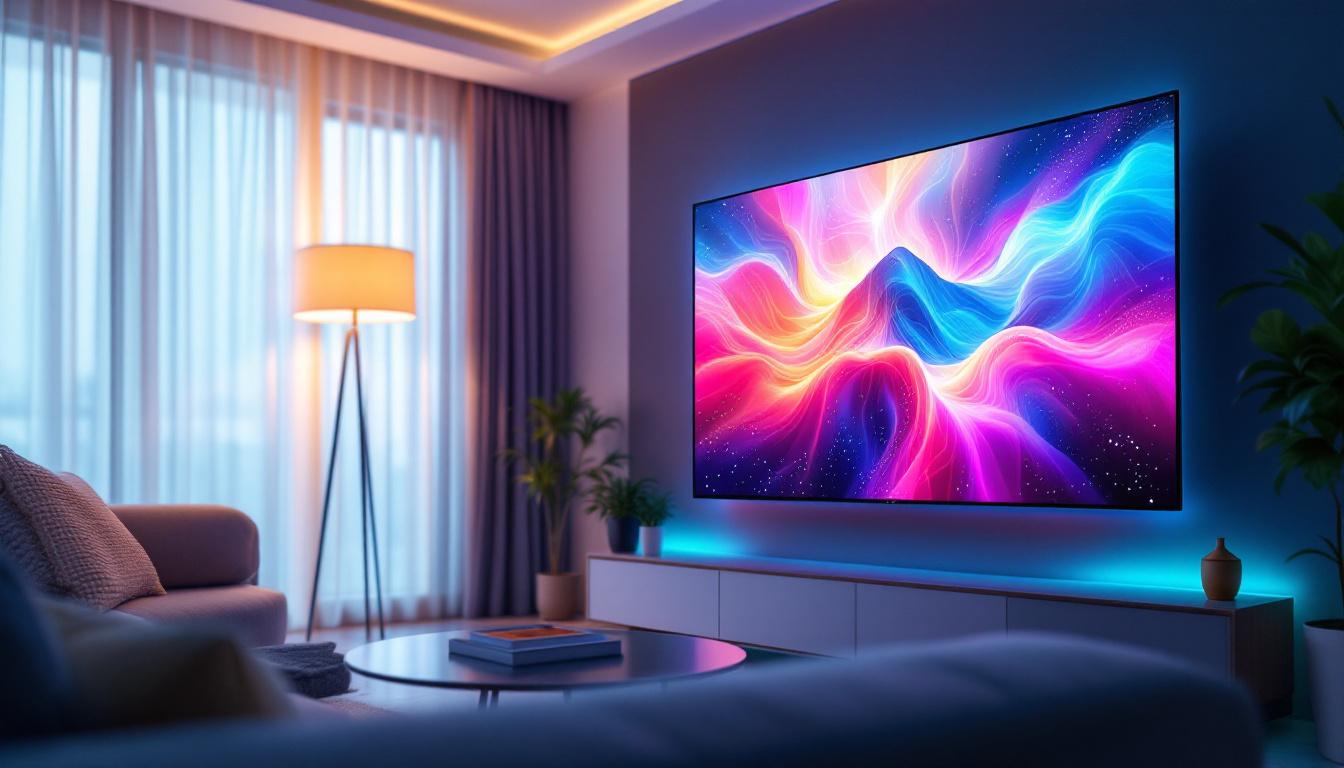
Businesses and educational institutions utilize LED banners for internal communications, from displaying schedules and announcements to showcasing achievements and branding. Indoor LED displays in lobbies and meeting rooms create engaging environments that reflect organizational professionalism and innovation.
Benefits of Using LED Banners
Investing in LED banners offers numerous advantages over traditional signage and other digital display technologies.
Enhanced Visibility and Engagement
The bright, vibrant colors and motion capabilities of LED banners naturally attract attention. Studies show that digital signage can increase brand awareness by up to 47%, with viewers more likely to remember messages displayed on dynamic screens compared to static signs.
Content Flexibility and Real-Time Updates
Unlike printed banners, LED displays allow for instant content changes without additional printing costs. This flexibility supports timely promotions, event updates, and interactive campaigns, enabling businesses to stay relevant and responsive.
Cost-Effectiveness Over Time
While the initial investment in LED banners can be higher than traditional signage, the long-term savings on printing, installation, and maintenance often justify the expense. Furthermore, the ability to run multiple campaigns on a single display maximizes return on investment.
Eco-Friendly and Sustainable
LED technology consumes less energy and generates less waste compared to conventional advertising methods. Many LED displays are also recyclable, aligning with growing corporate sustainability goals.
Choosing the Right LED Banner for Your Needs
Selecting an appropriate LED banner involves considering several factors to ensure it meets your specific requirements and budget.
Assessing Viewing Distance and Environment
Determine where the banner will be installed and the typical distance of viewers. Indoor environments demand higher resolution with smaller pixel pitches, while outdoor settings prioritize brightness and weather resistance.
Size and Resolution
The size of the display should correspond to the space available and the type of content you intend to show. Higher resolution is crucial for detailed images and video, especially when viewers are close to the screen.
Content Management Systems (CMS)
Modern LED banners come with software platforms that allow easy scheduling, content creation, and remote management. Choose a system that is user-friendly and compatible with your existing digital infrastructure.
Budget and Maintenance
Consider both upfront costs and ongoing expenses such as electricity, software licenses, and technical support. Investing in reputable manufacturers and service providers can reduce downtime and extend the lifespan of your display.
Future Trends in LED Banner Technology
The LED display industry continues to innovate, driven by advancements in materials, software, and user experience design.
Micro-LED and Mini-LED Displays
Emerging technologies like Micro-LED and Mini-LED promise even higher resolution, better color accuracy, and improved energy efficiency. These displays use smaller diodes, allowing for thinner, lighter, and more flexible screens.
Interactive and AI-Driven Content
Integration of touch sensors and artificial intelligence enables LED banners to deliver personalized and interactive experiences. For example, facial recognition technology can tailor advertisements based on viewer demographics in real-time.
Augmented Reality (AR) and 3D Displays
Future LED banners may incorporate AR elements and 3D visuals without the need for special glasses, creating immersive advertising and informational experiences that captivate audiences like never before.
Conclusion
LED banners represent a transformative leap in digital signage, combining technological sophistication with practical benefits for a wide range of applications. Their ability to deliver bright, dynamic, and engaging content makes them a valuable asset for businesses, event organizers, and public institutions alike. Understanding the technology, applications, and future trends of LED displays equips decision-makers to harness their full potential and stay ahead in a competitive marketplace.
As LED technology continues to evolve, the possibilities for creative and impactful communication will only expand, making LED banners an essential component of modern visual storytelling.
Discover Cutting-Edge LED Solutions with LumenMatrix
Ready to elevate your visual communication strategy with the latest in LED technology? LumenMatrix is at the forefront of innovation, offering a diverse range of LED display modules designed to make your brand stand out. From Indoor and Outdoor LED Wall Displays to specialized solutions like Vehicle LED Displays, LED Sports Displays, and even Custom LED Displays, we have the tools to create unforgettable visual experiences. Embrace the future of digital signage with LumenMatrix and transform how you connect with your audience. Check out LumenMatrix LED Display Solutions today and start your journey towards unparalleled brand visibility and engagement.