In the rapidly evolving world of digital technology, display systems play a pivotal role in how information is communicated and visualized. Among the various display technologies available today, LED displays have emerged as a dominant force, powering everything from smartphones and televisions to large-scale digital billboards and industrial processors. Understanding the intricacies of LED displays, especially in relation to processor displays, is essential for professionals and enthusiasts aiming to grasp modern visual technology.
What Is an LED Display?
LED stands for Light Emitting Diode, a semiconductor device that emits light when an electric current passes through it. An LED display is a flat panel display that uses an array of these tiny light-emitting diodes as pixels to create images, videos, or text. Unlike traditional LCDs that require backlighting, LED displays generate their own light, which leads to better brightness, contrast, and energy efficiency.
LED displays come in various forms, including:
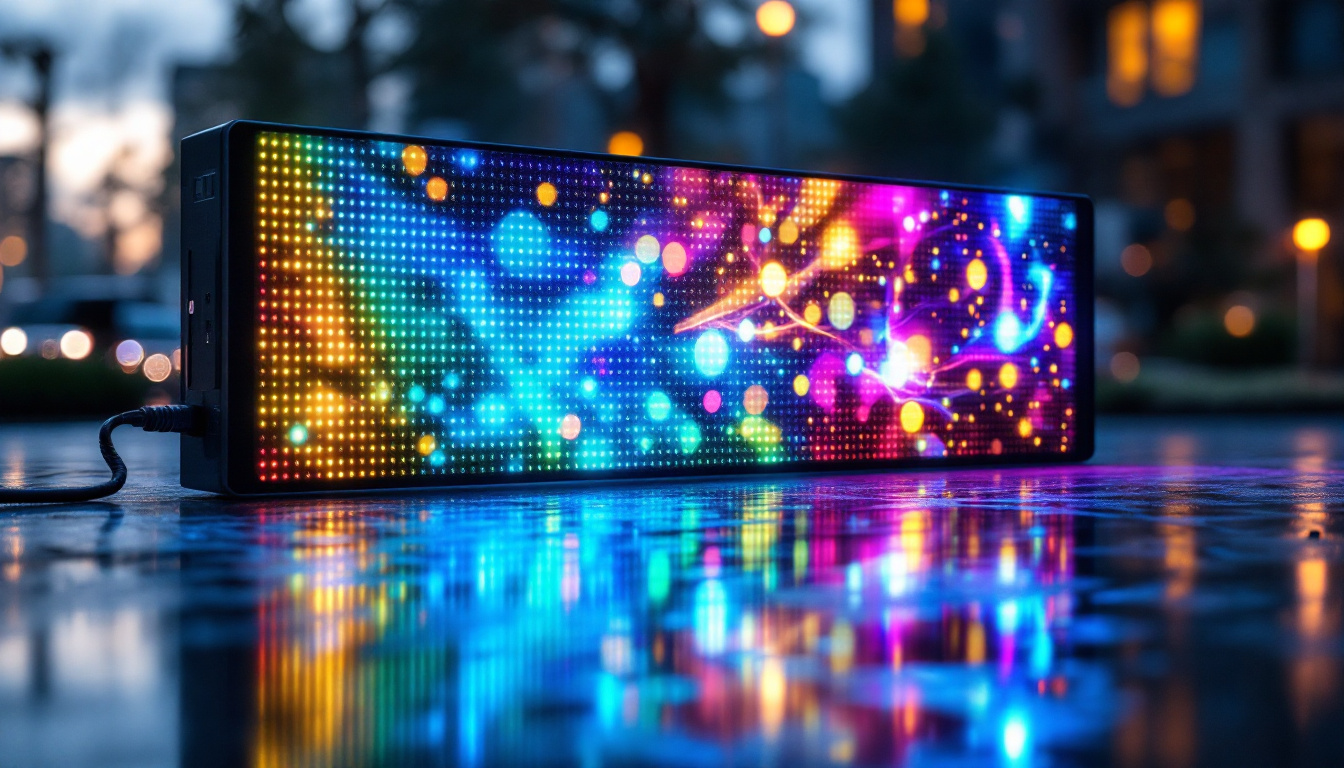
- Direct-view LED displays: These are composed of individual LEDs arranged in a matrix, commonly used in large outdoor screens and digital signage.
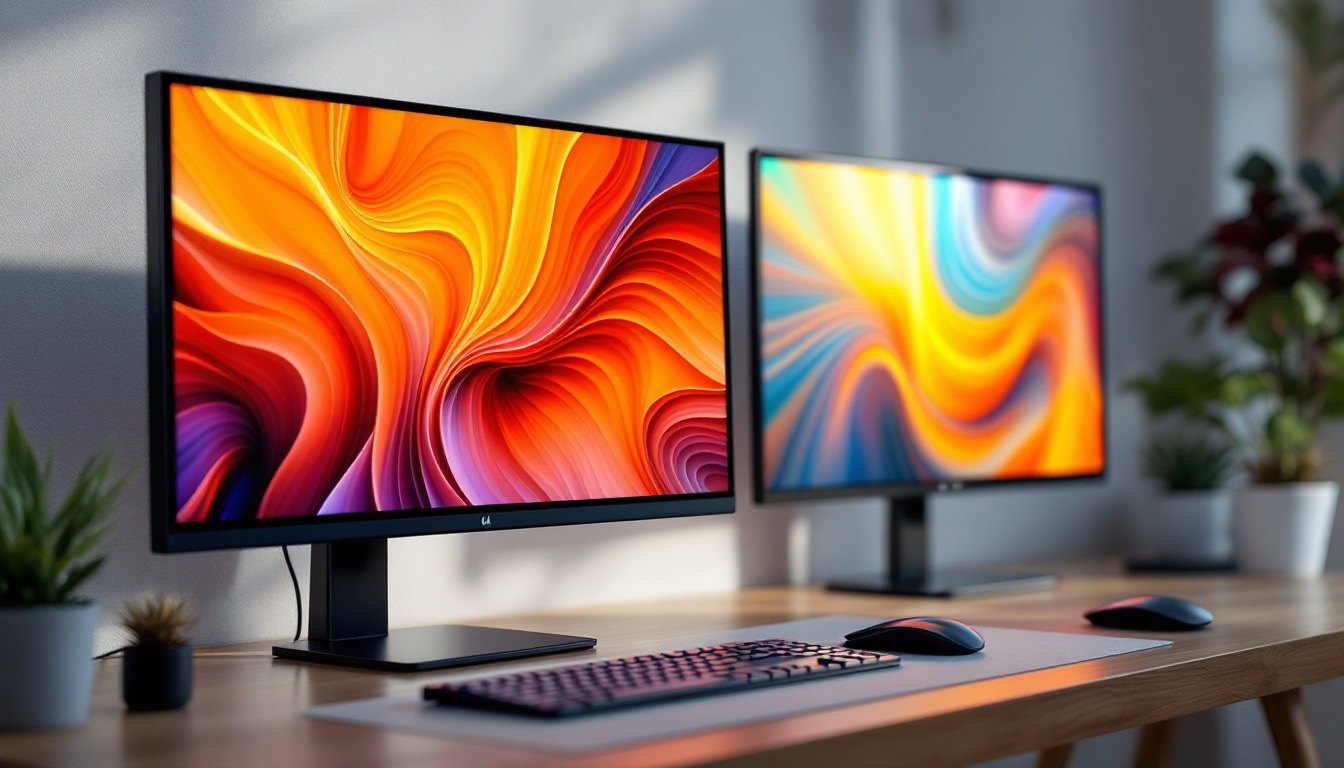
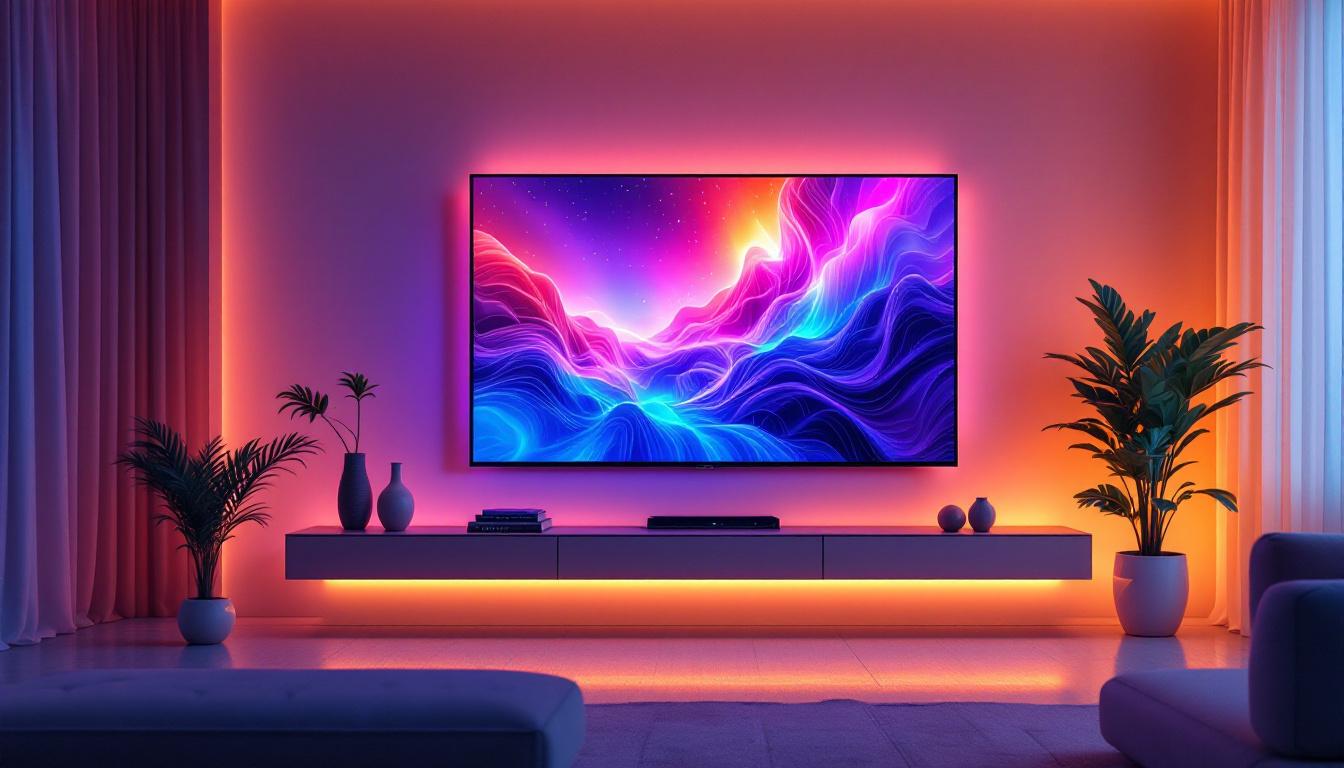
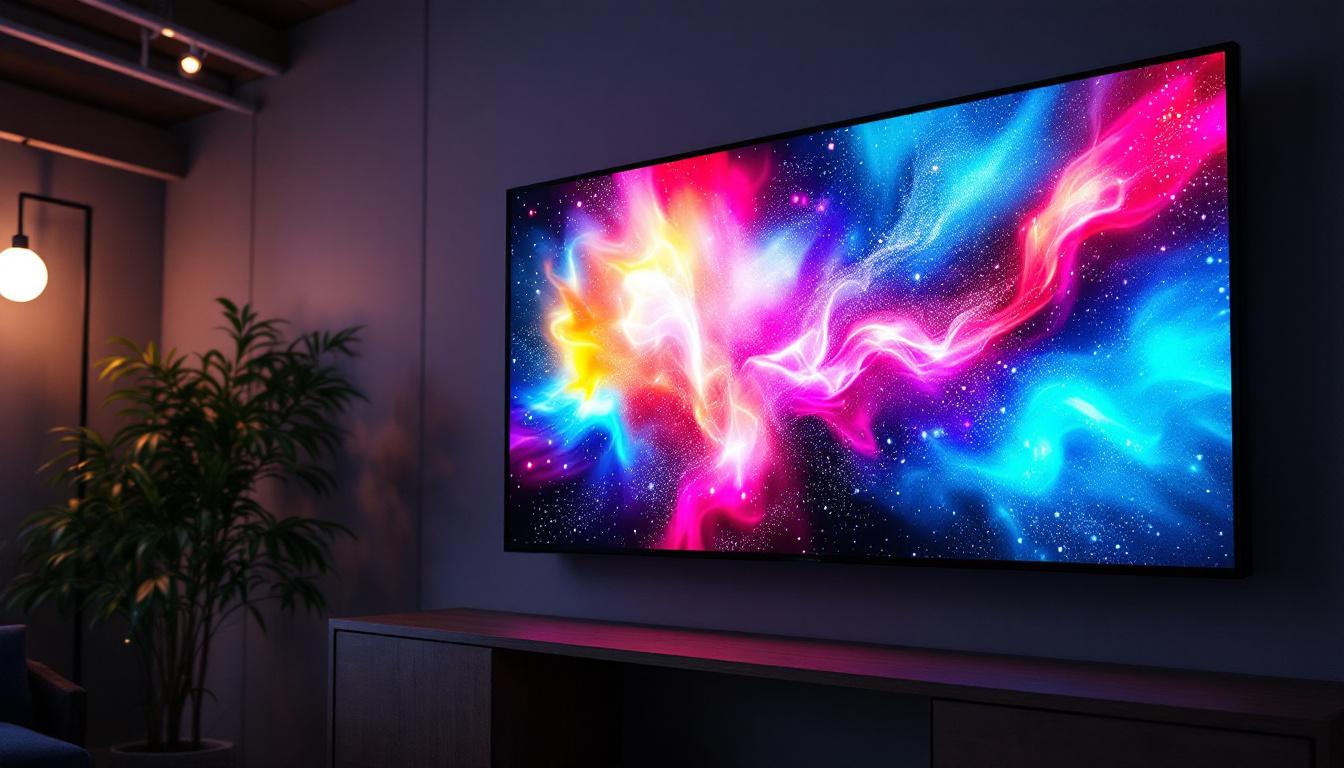
- LED-backlit LCD displays: These use LEDs as a backlight source behind an LCD panel, prevalent in modern televisions and monitors.
For processor displays—those integrated within computing devices or industrial equipment—LED technology often refers to the direct-view variety or indicator LEDs that communicate system status.
One of the most significant advantages of LED displays is their versatility. They can be used in a wide range of applications, from large stadium screens that broadcast live events to smaller displays in retail environments that showcase advertisements. The ability to create vibrant colors and high-resolution images makes LED displays particularly appealing for marketing and entertainment purposes. Furthermore, advancements in technology have led to the development of flexible LED displays, which can be bent or shaped to fit unconventional spaces, opening up new possibilities for creative installations.
Another noteworthy aspect of LED displays is their longevity and durability. Compared to traditional display technologies, LEDs have a much longer lifespan, often exceeding 50,000 hours of use. This makes them an economical choice for businesses and consumers alike, as they require less frequent replacements. Additionally, LED displays are more resistant to shock and vibration, making them suitable for outdoor environments and industrial applications where durability is crucial. As the demand for energy-efficient and high-quality displays continues to grow, LED technology is expected to play an even more prominent role in the future of visual communication.
How Do LED Displays Work in Processor Systems?
Processor displays serve as the visual interface between the processor’s operations and the user or system environment. LED displays in this context provide real-time feedback, status updates, or detailed visual data. The core principle behind their operation involves the processor sending digital signals to the LED matrix, which then lights up specific diodes to form images or information.
Pixel Control and Image Formation
Each pixel in an LED display corresponds to one or more LEDs, typically red, green, and blue (RGB) diodes. By varying the intensity of these three colors, a wide spectrum of colors can be produced. The processor controls the brightness of each diode through pulse-width modulation (PWM) or current regulation techniques, enabling the display of complex images and videos.
In processor displays, this control is critical for:
- Displaying system diagnostics and performance metrics
- Visualizing data outputs in embedded systems
- Providing user interfaces in industrial control panels
Moreover, the ability to manipulate pixel colors and brightness allows for dynamic content, such as animations and transitions, which can enhance user engagement. For instance, in gaming applications, LED displays can create immersive environments by rendering vibrant graphics and responsive feedback, making the experience more interactive and enjoyable. Additionally, advancements in LED technology, such as the introduction of organic LEDs (OLEDs), have further improved color accuracy and contrast ratios, leading to even more stunning visual presentations.
Integration with Processor Hardware
The integration of LED displays with processors involves both hardware and software components. On the hardware side, microcontrollers or graphic processing units (GPUs) generate the necessary signals to drive the display. On the software side, drivers and firmware interpret data and translate it into visual commands.
Modern processors often include dedicated display controllers that handle the timing, color depth, and refresh rates required for smooth and accurate image rendering. This ensures that LED displays connected to processors can operate efficiently without overloading the system’s resources. Additionally, the communication protocols used, such as HDMI or DisplayPort, play a crucial role in ensuring high-speed data transfer and synchronization between the processor and the display. This seamless integration allows for high-definition video playback and real-time data visualization, which are essential in applications ranging from medical imaging to advanced gaming systems.
Advantages of LED Displays in Processor Applications
LED displays offer several advantages that make them particularly suitable for processor display applications:
High Brightness and Visibility
LEDs produce intense light, making displays easily visible even under direct sunlight or in brightly lit environments. This is crucial for outdoor digital signage and industrial equipment that operates in variable lighting conditions. The ability to maintain clarity and color accuracy in such settings enhances user engagement and ensures that critical information is conveyed effectively. Additionally, advancements in LED technology have led to the development of high dynamic range (HDR) displays, which further improve contrast and color depth, providing an even more immersive viewing experience.
Energy Efficiency
Compared to other display technologies such as plasma or traditional incandescent indicators, LEDs consume significantly less power. This energy efficiency translates to longer battery life in portable devices and reduced operational costs in large installations. Furthermore, the lower heat output of LED displays contributes to a more stable operating environment, minimizing the need for extensive cooling systems. This not only saves energy but also extends the overall lifespan of the equipment, making LED displays a sustainable choice for modern applications.
Durability and Longevity
LEDs are solid-state devices with no fragile filaments or glass components, making them resistant to shock, vibration, and mechanical wear. Typical LED lifespans exceed 50,000 hours, ensuring long-term reliability in processor display applications. This durability is particularly beneficial in industrial settings where equipment is subjected to harsh conditions. Moreover, the ability to withstand extreme temperatures and humidity levels means that LED displays can be deployed in a wider range of environments, from outdoor billboards to factory floors, without compromising performance.
Fast Response Time
LEDs can switch on and off in nanoseconds, enabling high refresh rates and smooth motion rendering. This is essential for real-time data visualization and interactive user interfaces where lag or ghosting can be detrimental. The rapid response time also allows for dynamic content to be displayed seamlessly, enhancing the user experience in applications such as gaming, simulations, and live event broadcasting. As a result, LED displays are increasingly being integrated into advanced technology platforms, where precision and immediacy are paramount.
Common Applications of LED Processor Displays
LED displays integrated with processors are ubiquitous across various industries and everyday devices. Understanding their application helps appreciate their versatility and importance.
Consumer Electronics
Smartphones, tablets, and laptops often utilize LED-backlit LCD or OLED displays, both derivatives of LED technology. These displays offer vibrant colors, high contrast ratios, and energy efficiency, enhancing user experience.
Industrial Control Systems
In manufacturing plants and automation systems, LED displays provide critical information such as machine status, error codes, and process metrics. Their robustness and visibility make them ideal for harsh industrial environments.
Digital Signage and Advertising
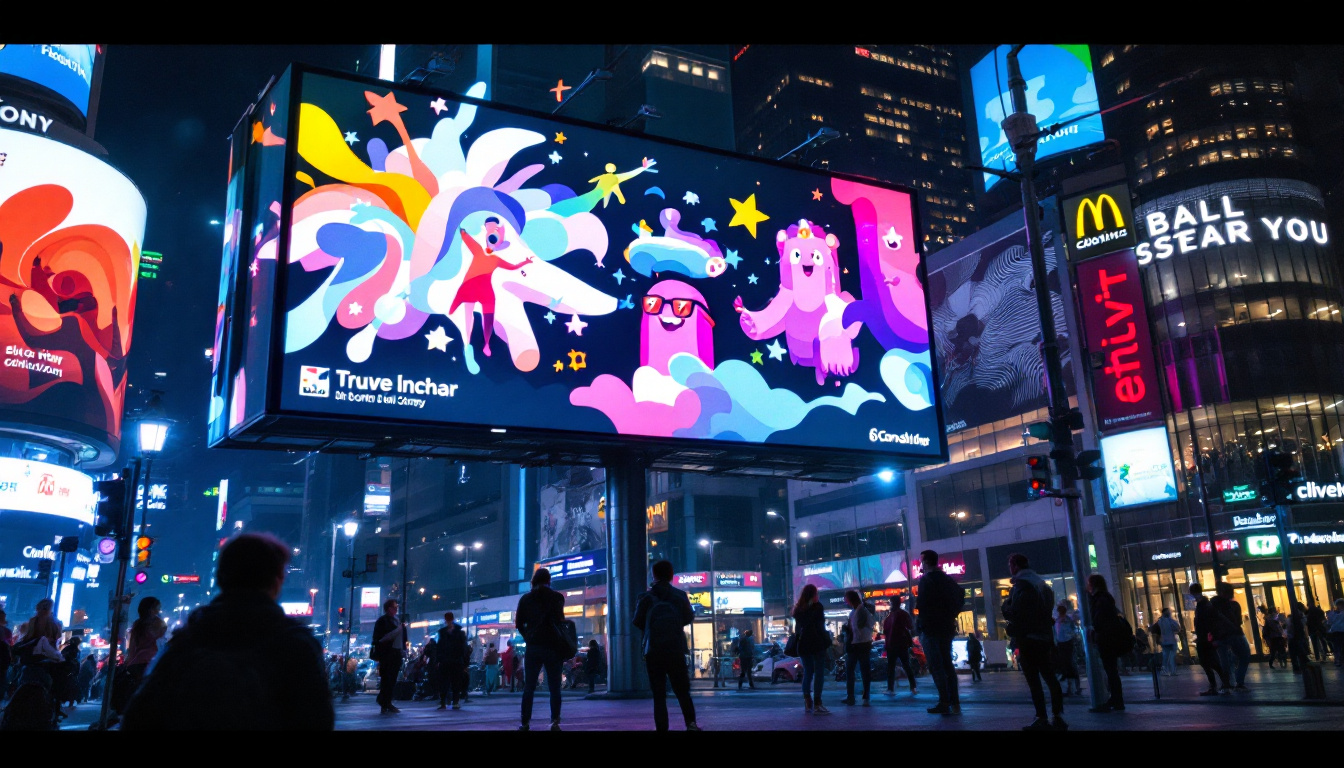
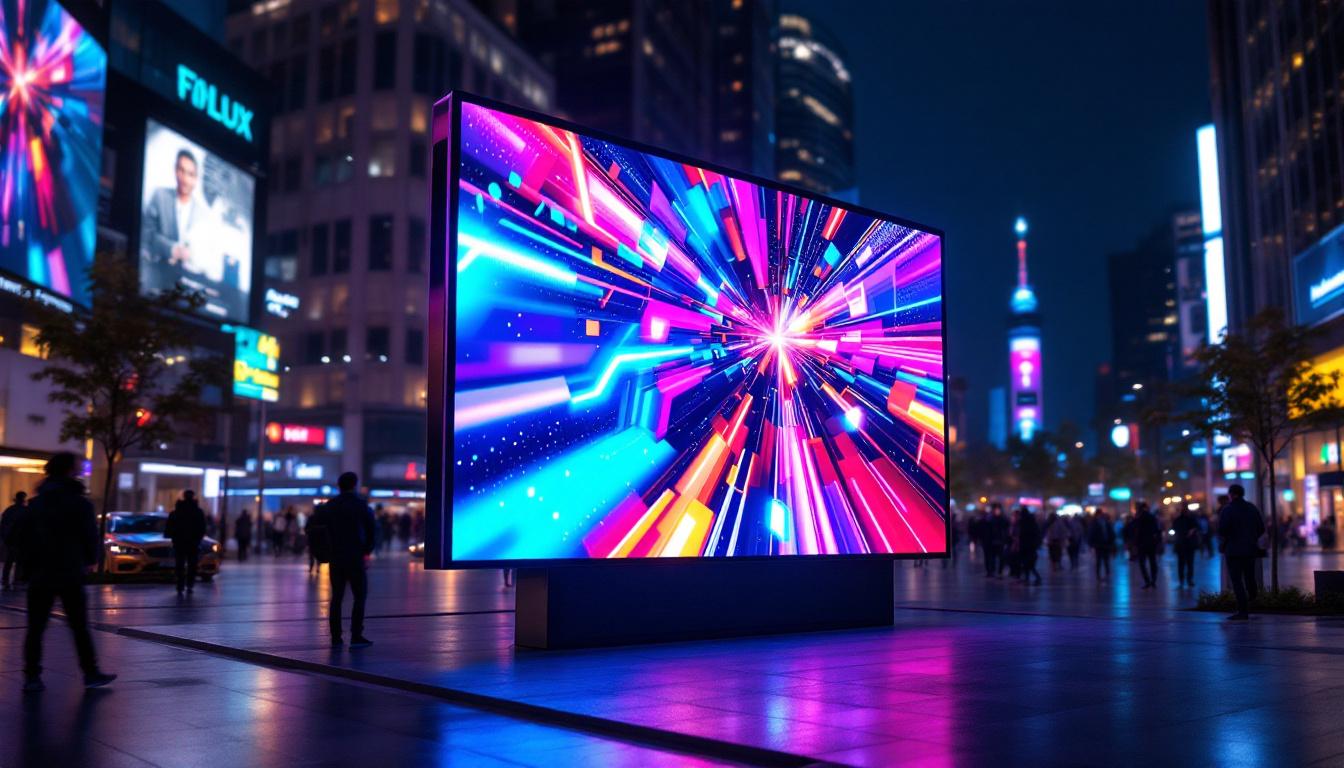
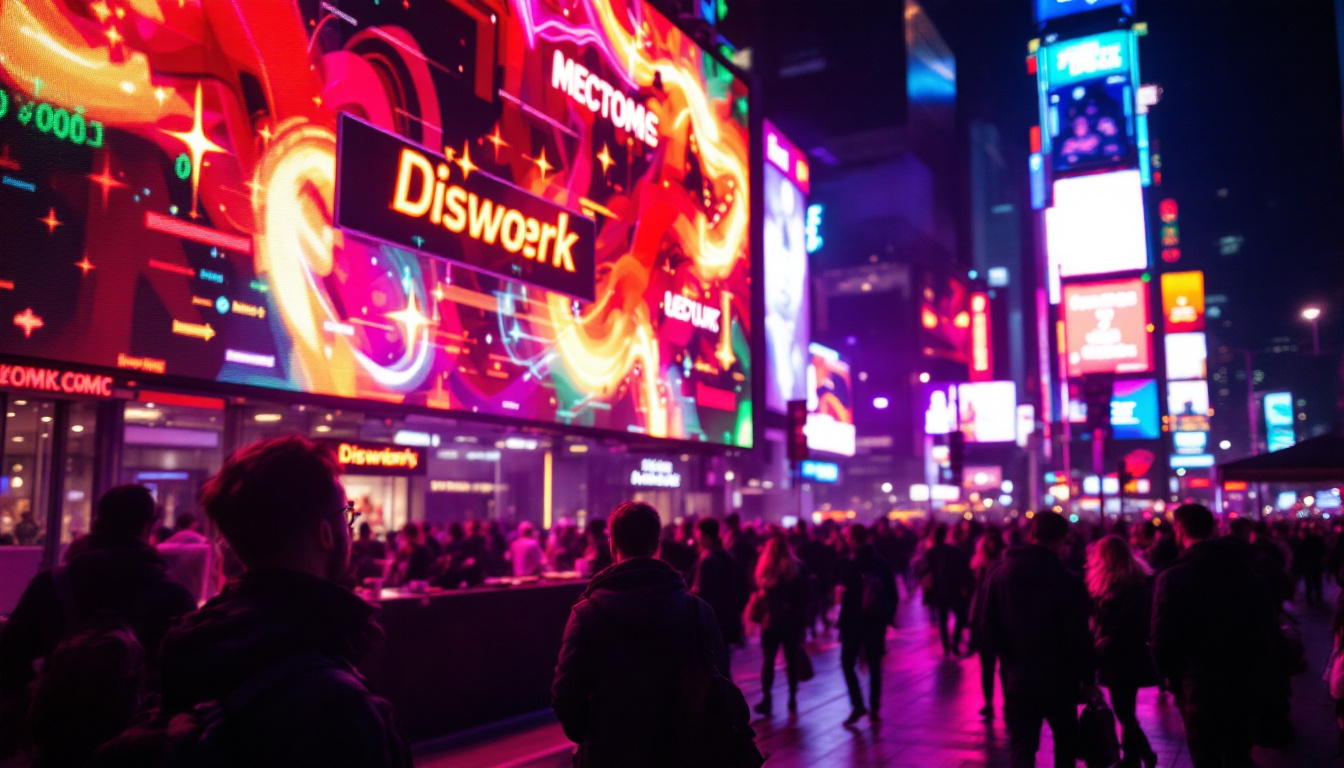
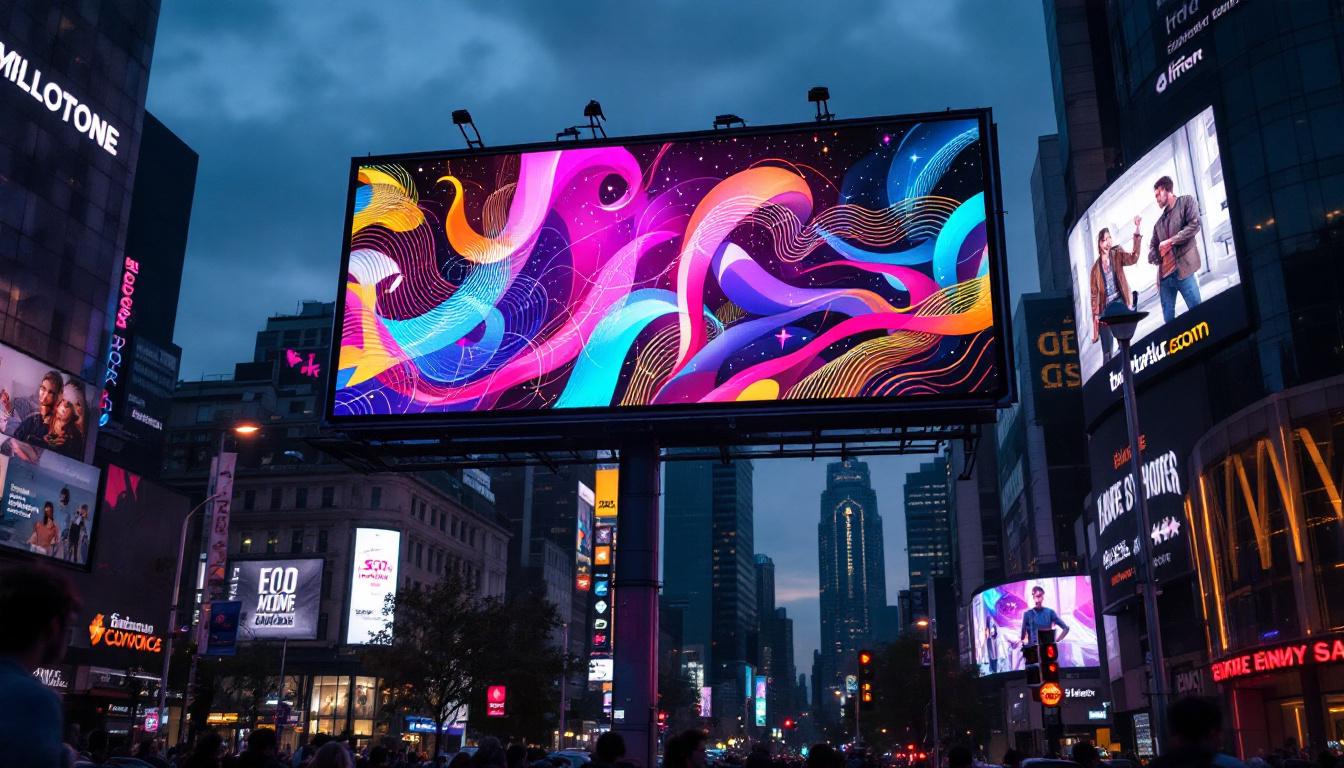
Large-scale LED billboards and information boards rely on direct-view LED displays controlled by powerful processors to deliver dynamic content. These displays can be remotely managed and updated in real-time, offering advertisers unparalleled flexibility.
Medical Devices
Medical monitors and diagnostic equipment use LED displays to present vital signs and imaging data with clarity and precision. The fast response and high resolution of LED displays contribute to accurate and timely decision-making.
Technical Considerations When Choosing LED Processor Displays
Selecting the right LED display for a processor-based application involves evaluating several technical parameters to ensure optimal performance and compatibility.
Resolution and Pixel Pitch
Resolution refers to the number of pixels displayed, directly impacting image clarity. Pixel pitch—the distance between adjacent LEDs—determines viewing distance and sharpness. For processor displays requiring detailed visualization, higher resolution and smaller pixel pitch are preferred.
Color Accuracy and Brightness
Color accuracy is critical in applications like medical imaging or graphic design. Brightness levels must be sufficient to ensure visibility in the intended environment, whether indoors or outdoors.
Refresh Rate and Response Time
Higher refresh rates reduce flicker and motion blur, enhancing user comfort and readability. Fast response times are essential for dynamic content and interactive displays.
Interface Compatibility
The display must be compatible with the processor’s output interfaces, such as HDMI, DisplayPort, or custom serial protocols. Ensuring seamless communication between processor and display hardware is vital for reliable operation.
Future Trends in LED Processor Displays
The LED display industry continues to innovate, driven by advancements in semiconductor technology, materials science, and computing power.
Miniaturization and Flexible Displays
Emerging technologies like microLED and flexible LED panels promise thinner, lighter, and more versatile displays. These advances will enable new form factors for processor displays, including wearable devices and foldable screens.
Higher Resolution and HDR Support
4K and 8K resolutions are becoming standard in consumer and professional displays, with high dynamic range (HDR) enhancing color depth and contrast. Processor displays will increasingly adopt these features for superior visual fidelity.
Integration with Artificial Intelligence
AI-driven display management systems will optimize brightness, color calibration, and content delivery based on environmental conditions and user preferences, improving efficiency and user experience.
Conclusion
LED displays have revolutionized how processors communicate visual information across a broad spectrum of applications. Their superior brightness, energy efficiency, durability, and fast response times make them indispensable in modern technology. As LED technology continues to advance, processor displays will become even more integral to the digital landscape, offering richer, more dynamic, and more interactive visual experiences.
For engineers, designers, and decision-makers, understanding the fundamentals and nuances of LED displays is crucial to selecting and implementing the right solutions that meet both current and future needs.
Discover LumenMatrix’s Advanced LED Display Solutions
Ready to elevate your visual communication with the latest in LED display technology? LumenMatrix is at the forefront of innovation, offering a diverse range of LED display modules designed to bring your brand to life. From vibrant Indoor and Outdoor LED Wall Displays to dynamic Vehicle and Sports LED Displays, our solutions are crafted to captivate and engage. Experience the future of digital signage with our All-in-One LED Displays, LED Transparent Displays, and more. Check out LumenMatrix LED Display Solutions today and transform the way you share your message with the world.