In today’s fast-paced digital world, the demand for high-quality visual communication tools has never been greater. Whether it’s for corporate events, retail advertising, concerts, or public information displays, LED technology has become a cornerstone of modern audio visual solutions. If you’re searching for “audio visual companies near me,” understanding the fundamentals of LED displays can help you make informed decisions about your next project.
This article explores the technology behind LED displays, their advantages, common applications, and tips for selecting the right audio visual company to meet your needs. By the end, you’ll have a clearer picture of how LED displays can elevate your visual communication and what to look for in a professional partner.
What Is an LED Display?
The Basics of LED Technology
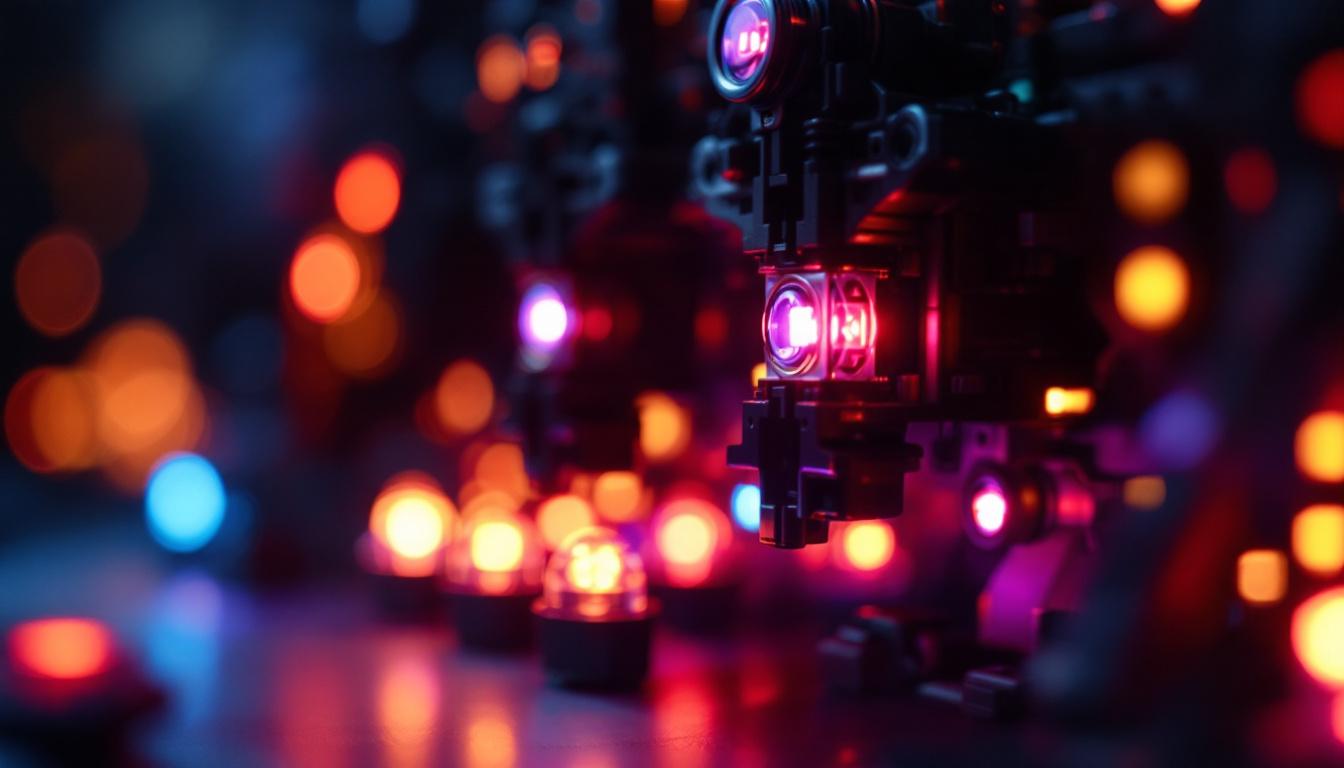
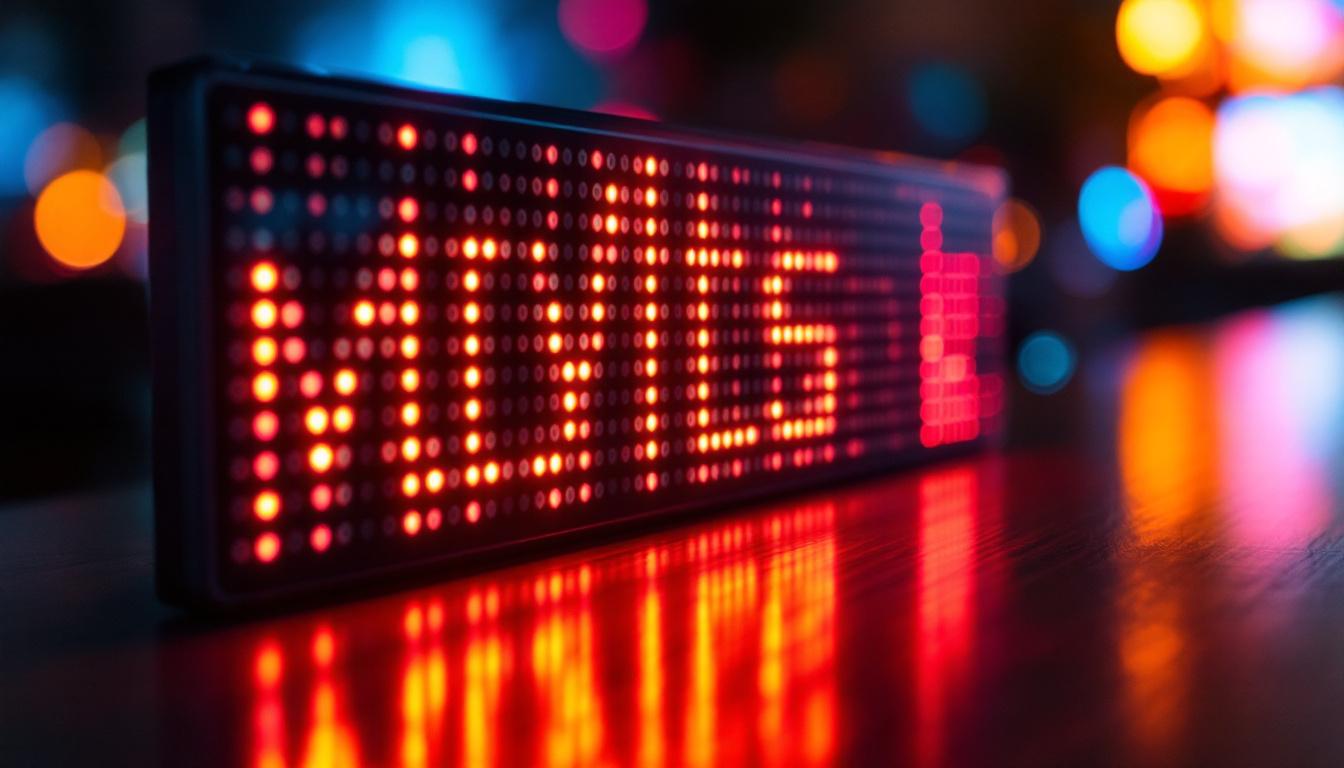
LED stands for Light Emitting Diode, a semiconductor device that emits light when an electric current passes through it. Unlike traditional display technologies like LCD or projection, LEDs produce their own light, making them incredibly bright and energy-efficient. LED displays are composed of thousands to millions of these tiny diodes arranged in a matrix to form images and videos.
The core advantage of LED displays is their ability to deliver vivid colors and high contrast ratios, even in direct sunlight or brightly lit environments. This makes them ideal for both indoor and outdoor use, from stadium screens to retail signage. Furthermore, the longevity of LED technology is noteworthy; these displays can last up to 100,000 hours, significantly reducing maintenance and replacement costs over time. This durability, combined with their low energy consumption, positions LED displays as a sustainable choice for businesses and organizations looking to minimize their environmental footprint.
Types of LED Displays
LED displays come in various forms, each suited for different applications:
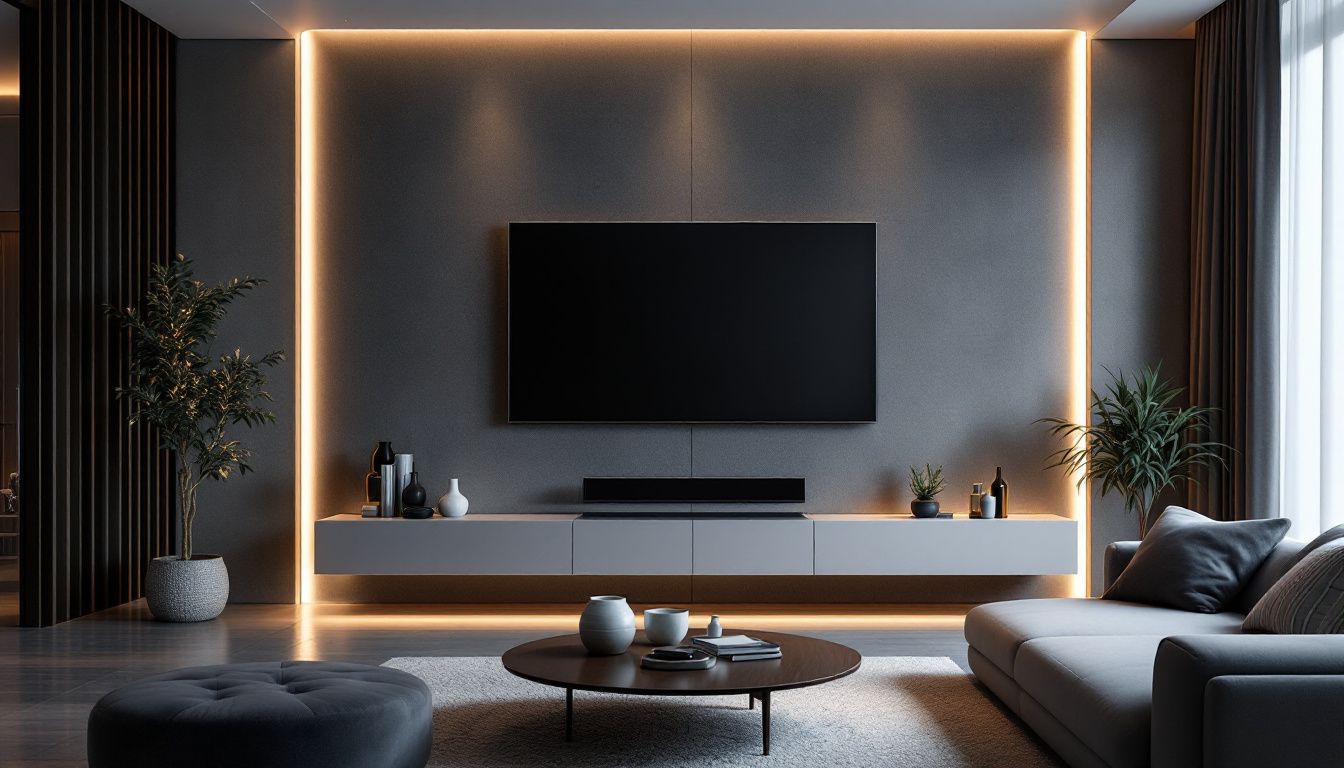
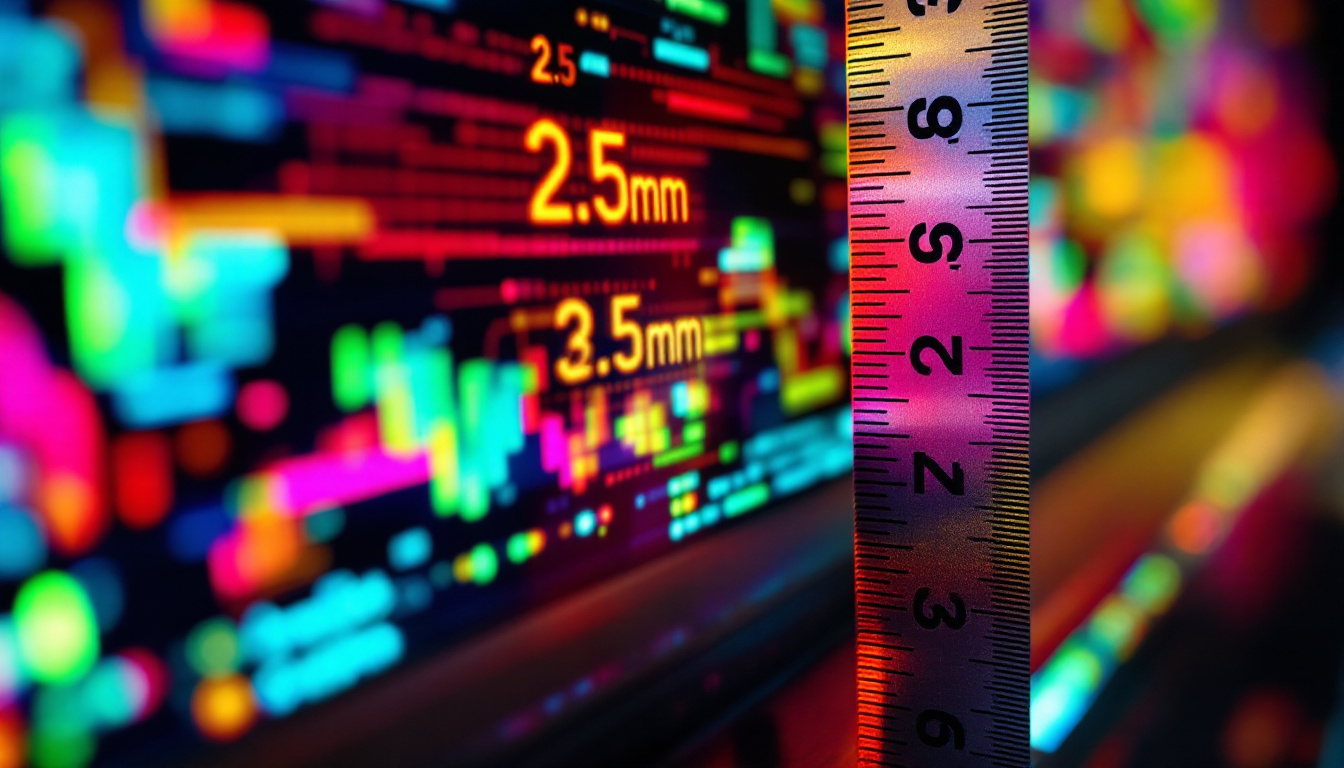
- Indoor LED Displays: Designed with smaller pixel pitches (distance between LEDs), these displays offer high resolution and clarity, perfect for conference rooms, auditoriums, and retail interiors. Their ability to showcase detailed graphics and videos makes them a popular choice for digital signage in malls and exhibitions, where capturing customer attention is crucial.
- Outdoor LED Displays: Built to withstand weather conditions and deliver high brightness, these are commonly used for billboards, sports arenas, and public information boards. With advancements in technology, outdoor displays now feature enhanced waterproofing and UV resistance, ensuring that they maintain their vibrant appearance even in harsh environments.
- Flexible and Transparent LED Displays: Emerging technologies allow for curved or see-through displays, enabling innovative design possibilities in architecture and retail. These displays can be integrated into windows or walls, providing a seamless blend of digital content with physical spaces. As a result, they open up new avenues for advertising and artistic expression, allowing brands to create immersive experiences that engage customers in unique ways.
Why Choose LED Displays for Your Audio Visual Needs?
Superior Visual Quality
One of the primary reasons LED displays are favored by audio visual companies is their exceptional visual quality. With brightness levels often exceeding 5,000 nits for outdoor models, LED screens remain clear and vibrant even under direct sunlight. The high contrast and color accuracy ensure that content captures attention and communicates messages effectively. This capability is particularly beneficial in environments such as outdoor events, sports arenas, and busy urban settings, where competing visual stimuli can easily distract audiences. Additionally, advancements in LED technology have led to improvements in pixel density, allowing for stunningly sharp images and videos, making them an ideal choice for high-resolution content delivery.
Energy Efficiency and Longevity
Compared to traditional lighting and display technologies, LEDs consume significantly less power, reducing operational costs over time. Additionally, LED displays have a long lifespan, often rated between 50,000 to 100,000 hours, meaning they can operate continuously for years with minimal maintenance. This energy efficiency not only translates to lower electricity bills but also contributes to a reduced carbon footprint, aligning with the growing emphasis on sustainability in the audio visual industry. Furthermore, many LED displays come equipped with smart technology that optimizes energy consumption based on ambient light conditions, ensuring that they are only using the power necessary for optimal performance.
Flexibility and Scalability
LED modules can be customized to fit virtually any size or shape, from small digital signage to massive video walls. This scalability allows businesses to tailor displays to their specific spatial and budgetary requirements. Furthermore, modular designs make repairs and upgrades straightforward, enhancing the overall investment value. The versatility of LED technology also means that it can be used in a variety of settings, from retail environments showcasing promotional content to corporate events requiring dynamic presentations. Moreover, the ability to create curved or irregularly shaped displays opens up new creative possibilities for designers and marketers, enabling them to craft immersive experiences that engage audiences in innovative ways.
Common Applications of LED Displays by Audio Visual Companies
Corporate Events and Conferences
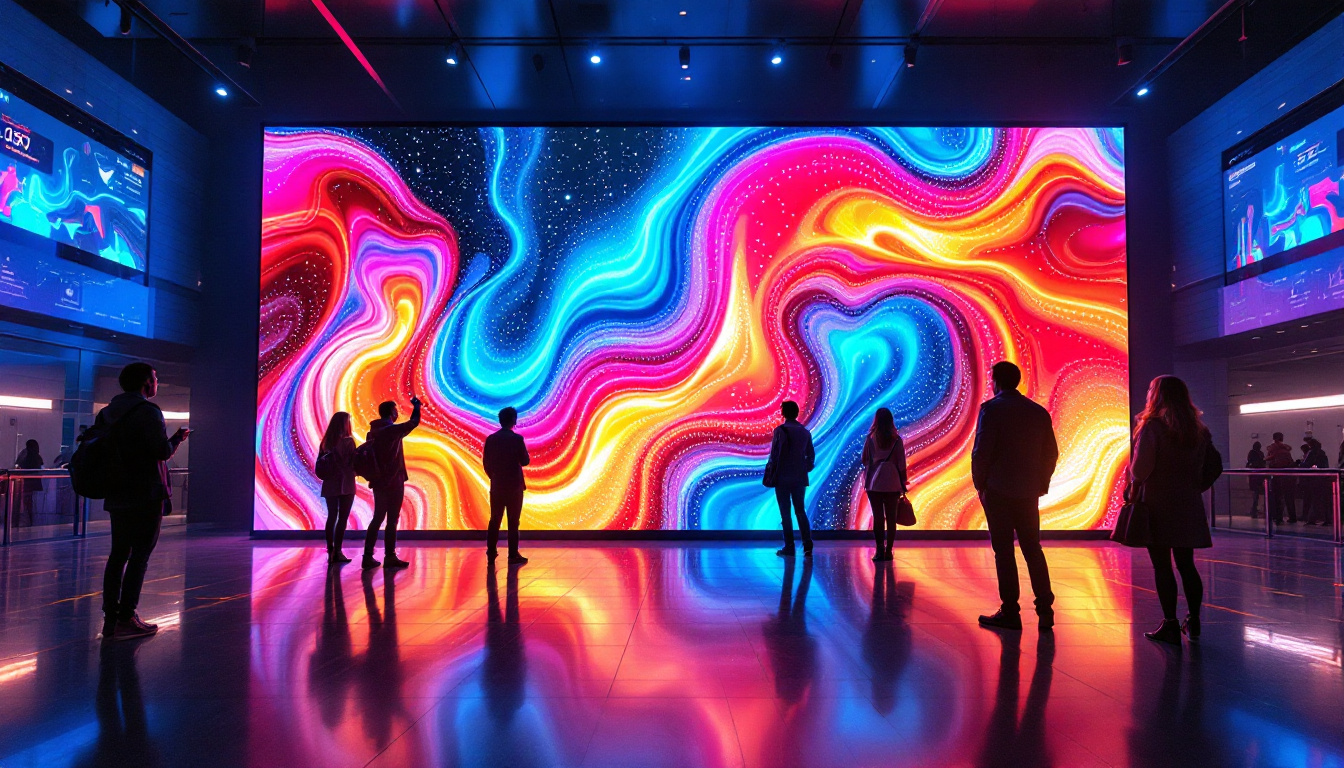
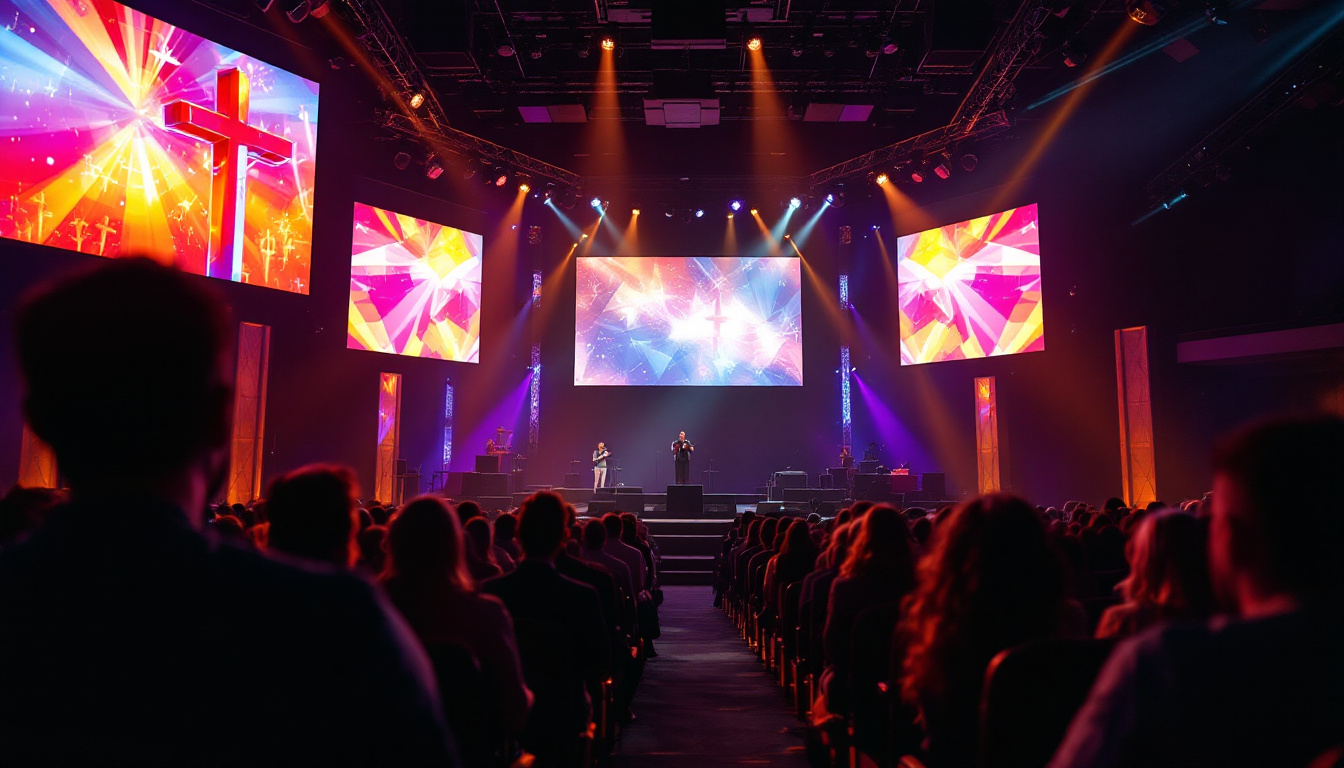
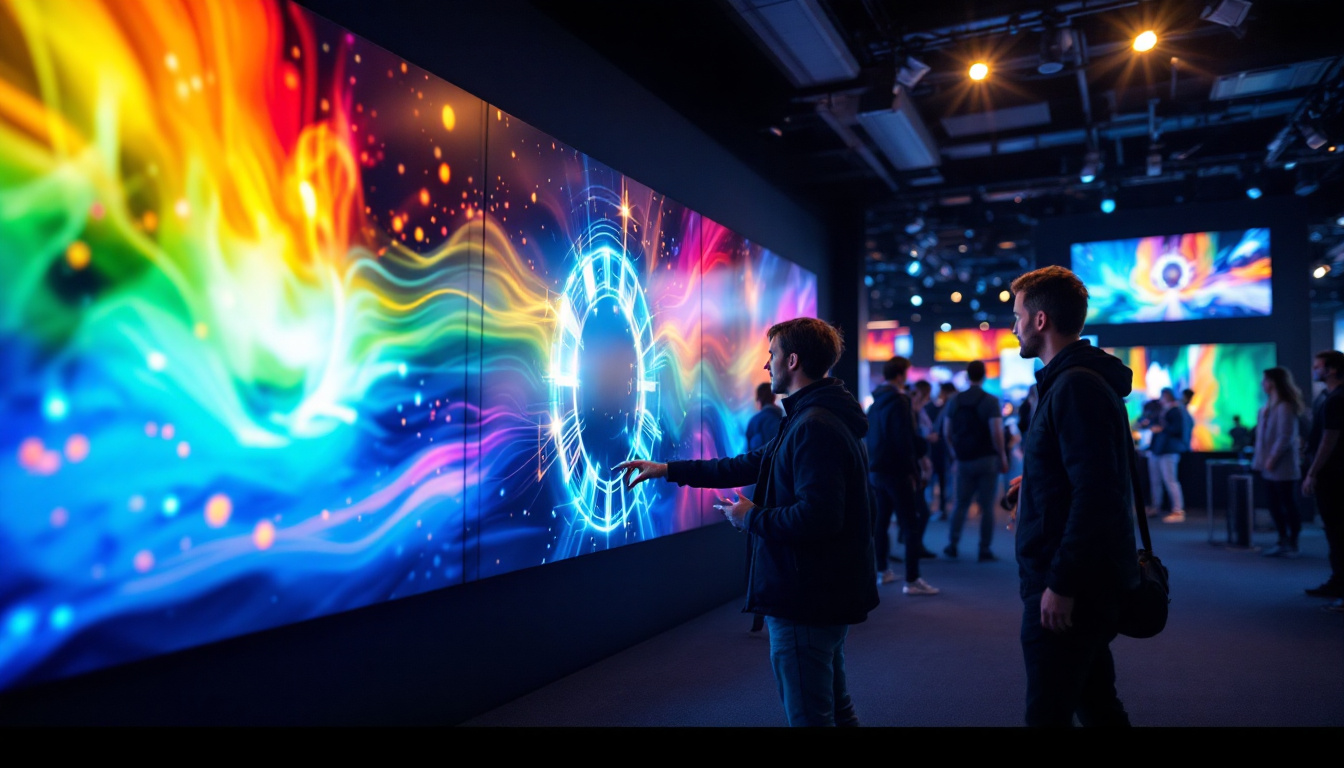
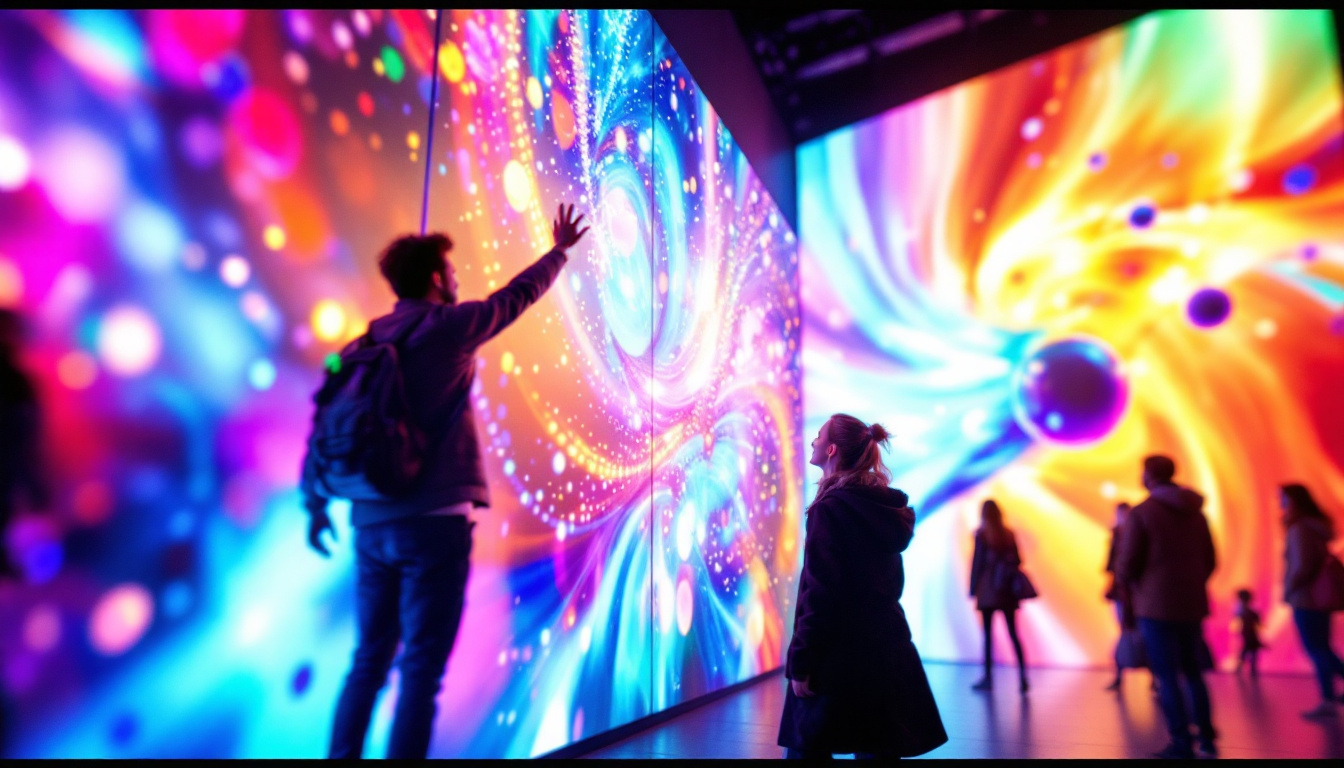
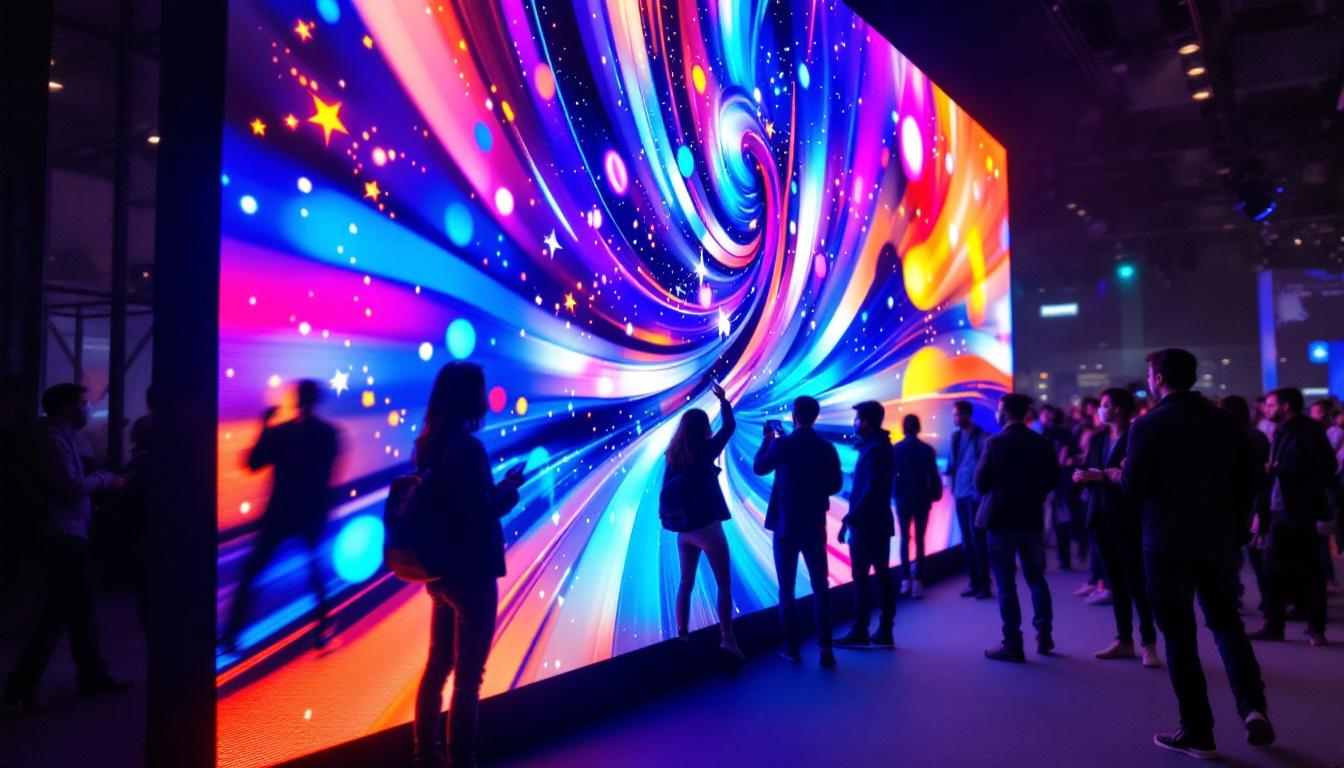
LED displays have become a staple at corporate events, trade shows, and conferences. Their ability to present high-resolution video, dynamic presentations, and live feeds makes them invaluable for engaging audiences. Companies often rent or purchase LED walls to create immersive environments that reinforce branding and messaging. The versatility of LED technology allows for various configurations, from large backdrops to smaller screens that can be strategically placed throughout the venue. This flexibility enables event planners to tailor the visual experience to the specific needs of their audience, ensuring that key messages are not only seen but felt.
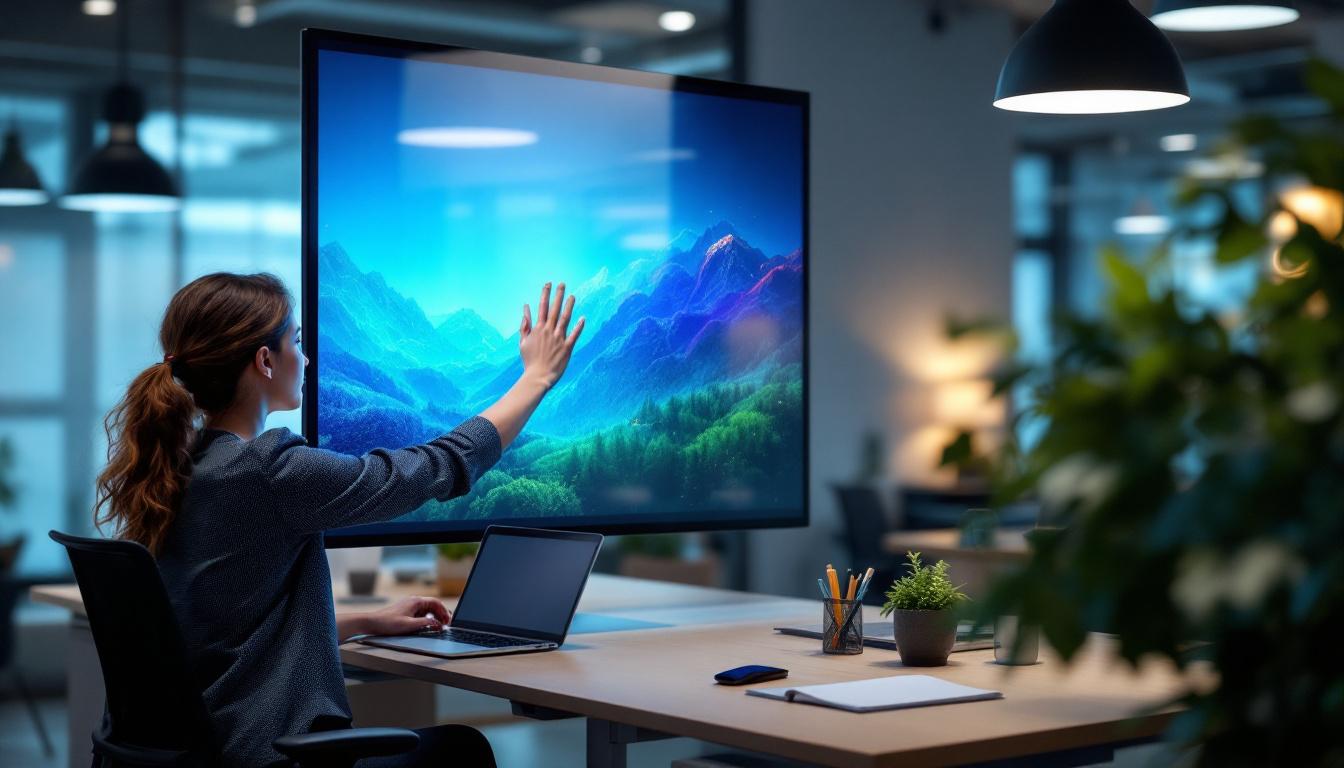
Moreover, the integration of interactive elements, such as touchscreens and audience response systems, can further elevate the engagement level. Attendees can participate in live polls or Q&A sessions, making them feel like active participants rather than passive observers. This interactivity can significantly enhance the overall impact of presentations, leading to better retention of information and a more memorable experience.
Retail and Advertising
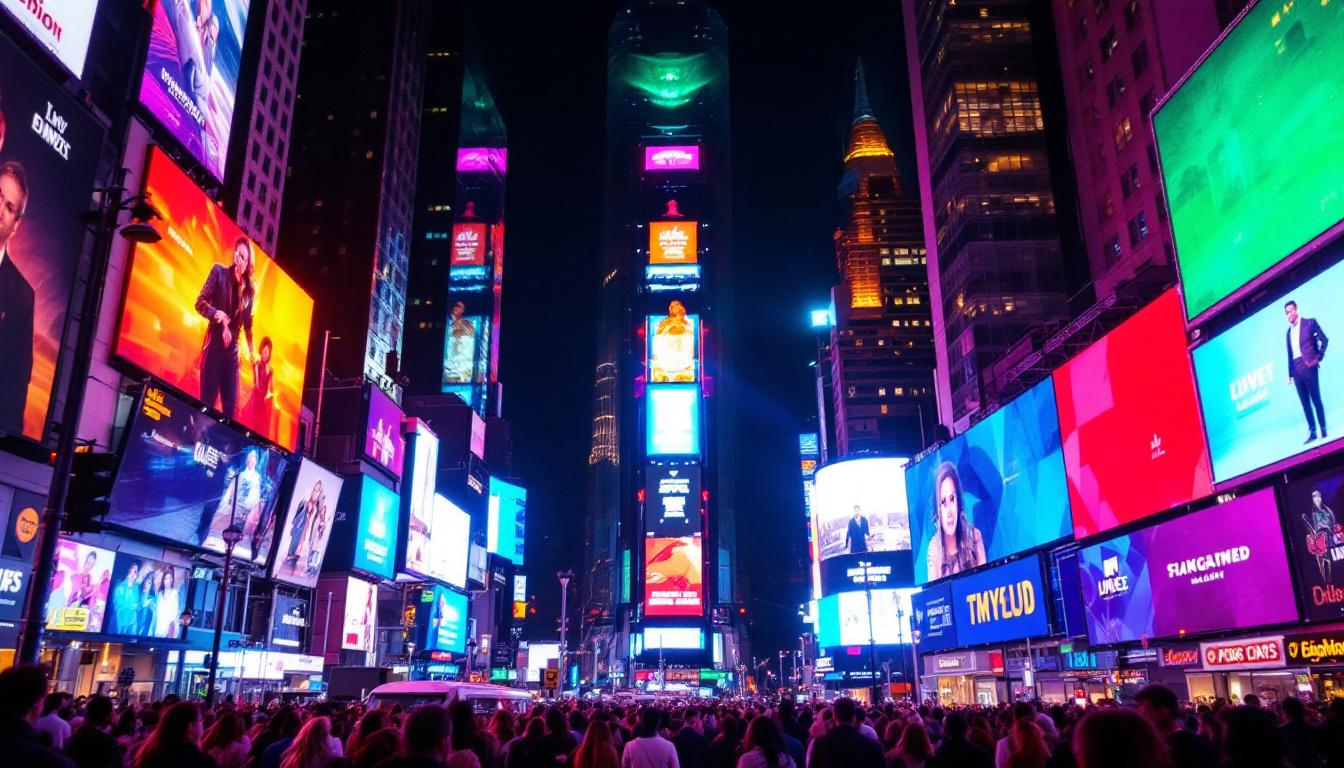
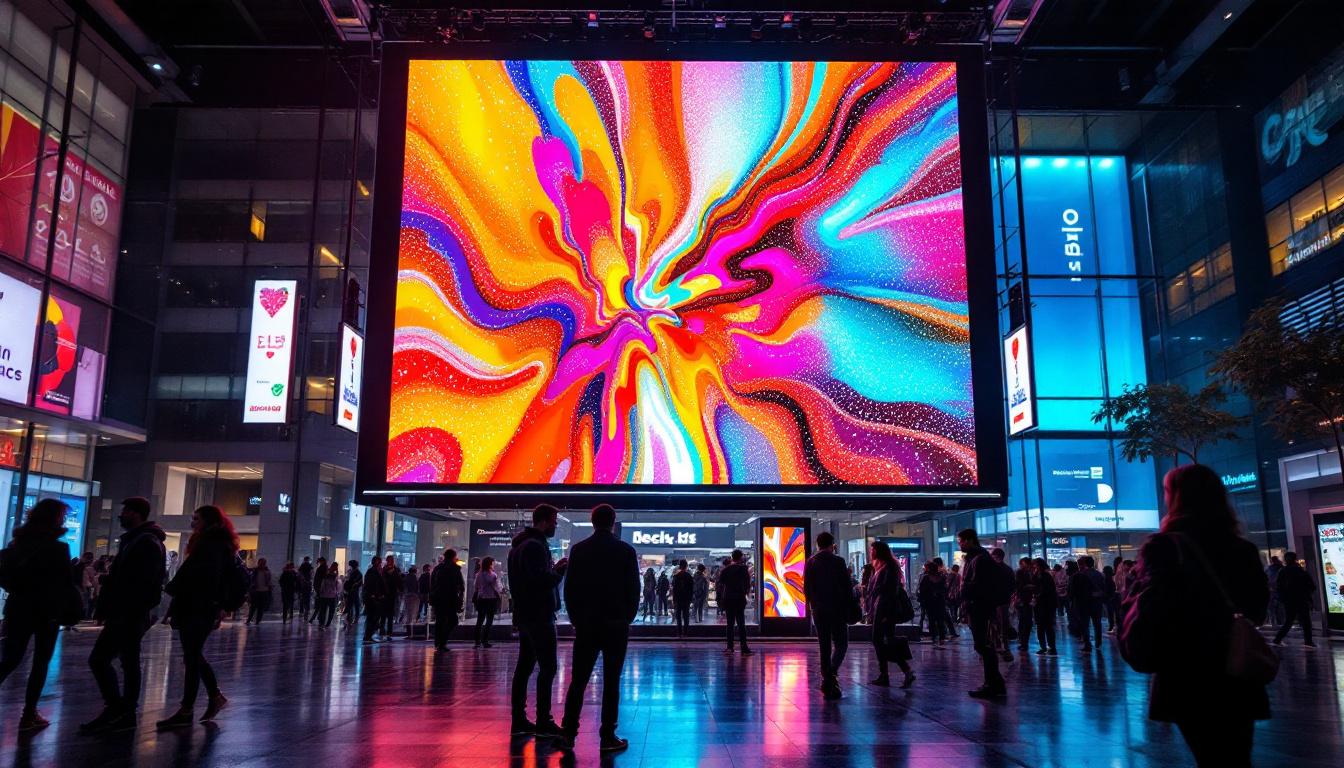
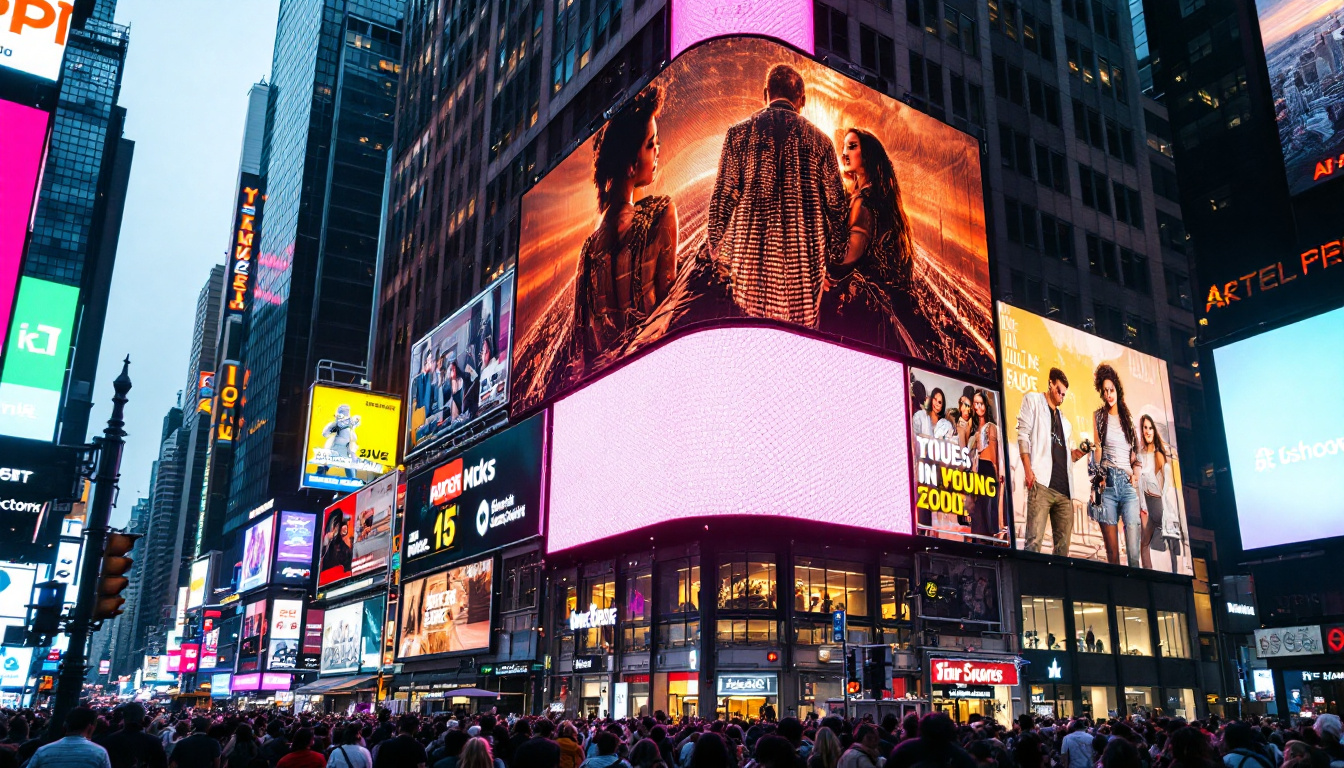
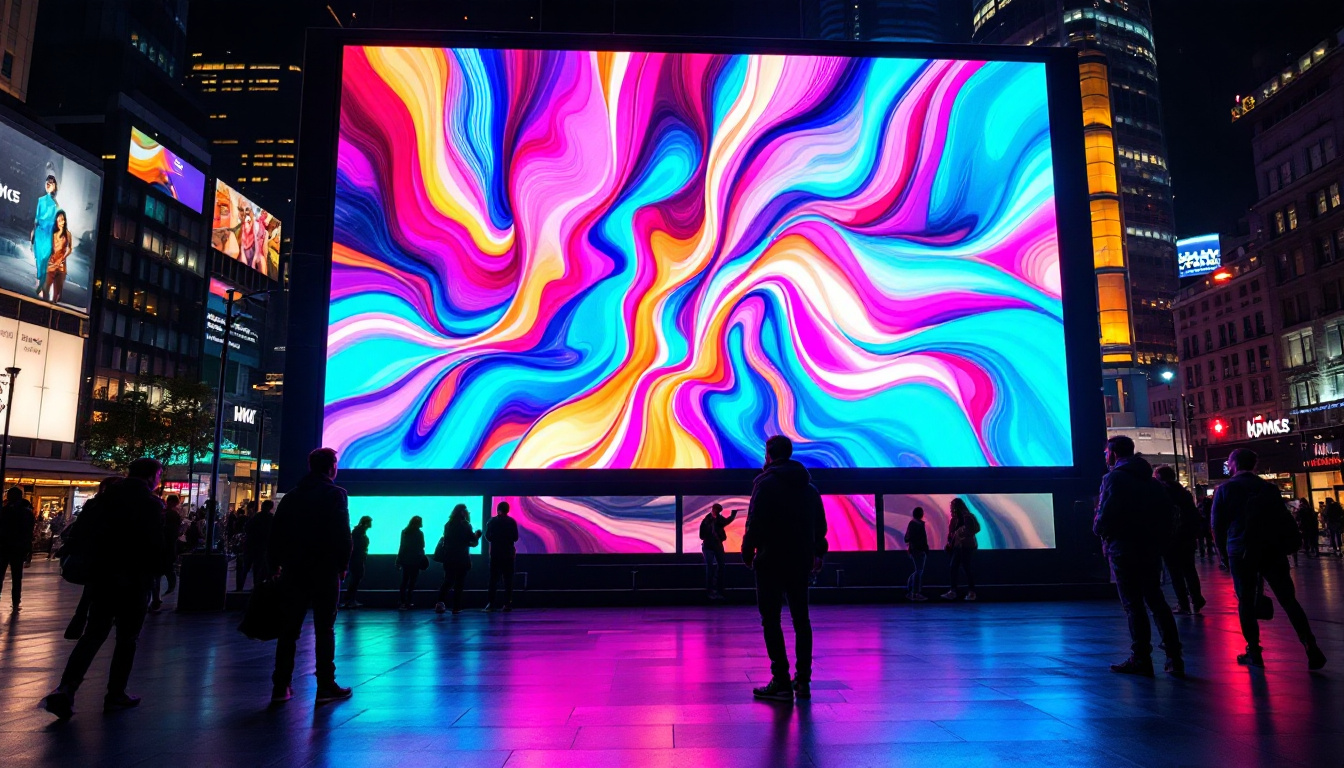
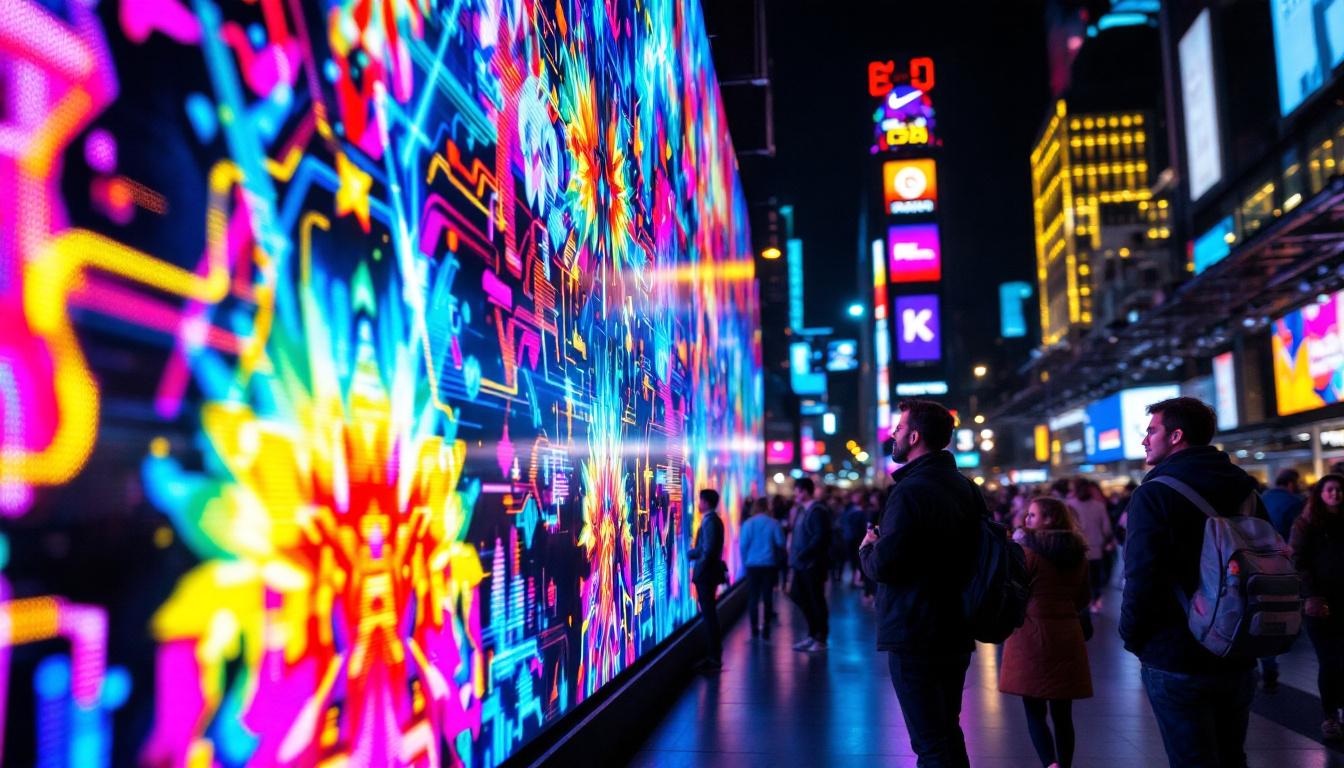
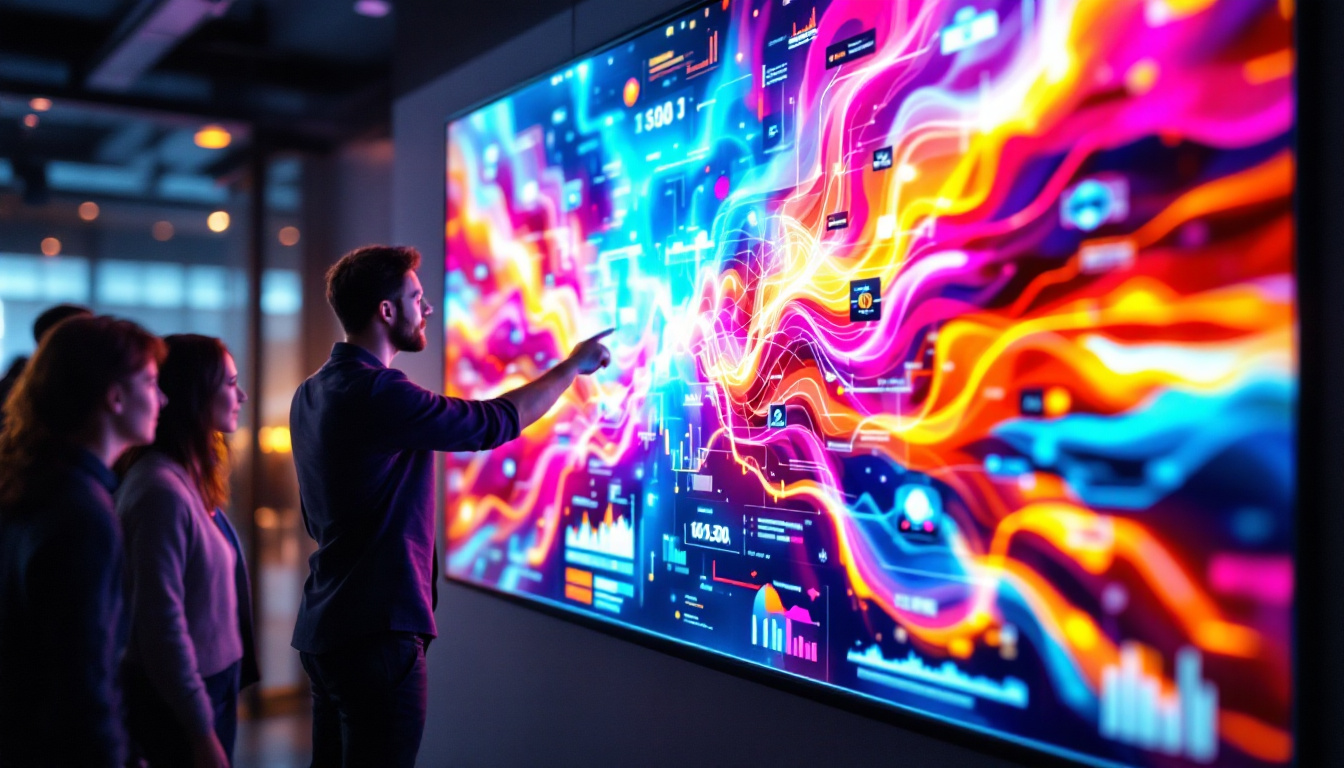
Retailers leverage LED displays to attract customers with eye-catching promotions and interactive content. Outdoor LED billboards and window displays can be updated in real-time, allowing for timely advertising campaigns that respond to market trends and consumer behavior. The vibrant colors and sharp images produced by LED technology can capture the attention of passersby, making them more likely to stop and engage with the brand. Additionally, the ability to showcase multiple advertisements in a rotating format maximizes the use of space and increases the likelihood of reaching diverse customer demographics.
Furthermore, the integration of augmented reality (AR) with LED displays is becoming increasingly popular in retail environments. Shoppers can experience immersive advertisements that blend the physical and digital worlds, creating a unique shopping experience. For instance, a clothing store might use LED screens to allow customers to visualize how different outfits would look on them through virtual try-ons, enhancing customer satisfaction and driving sales.
Entertainment and Sports Venues
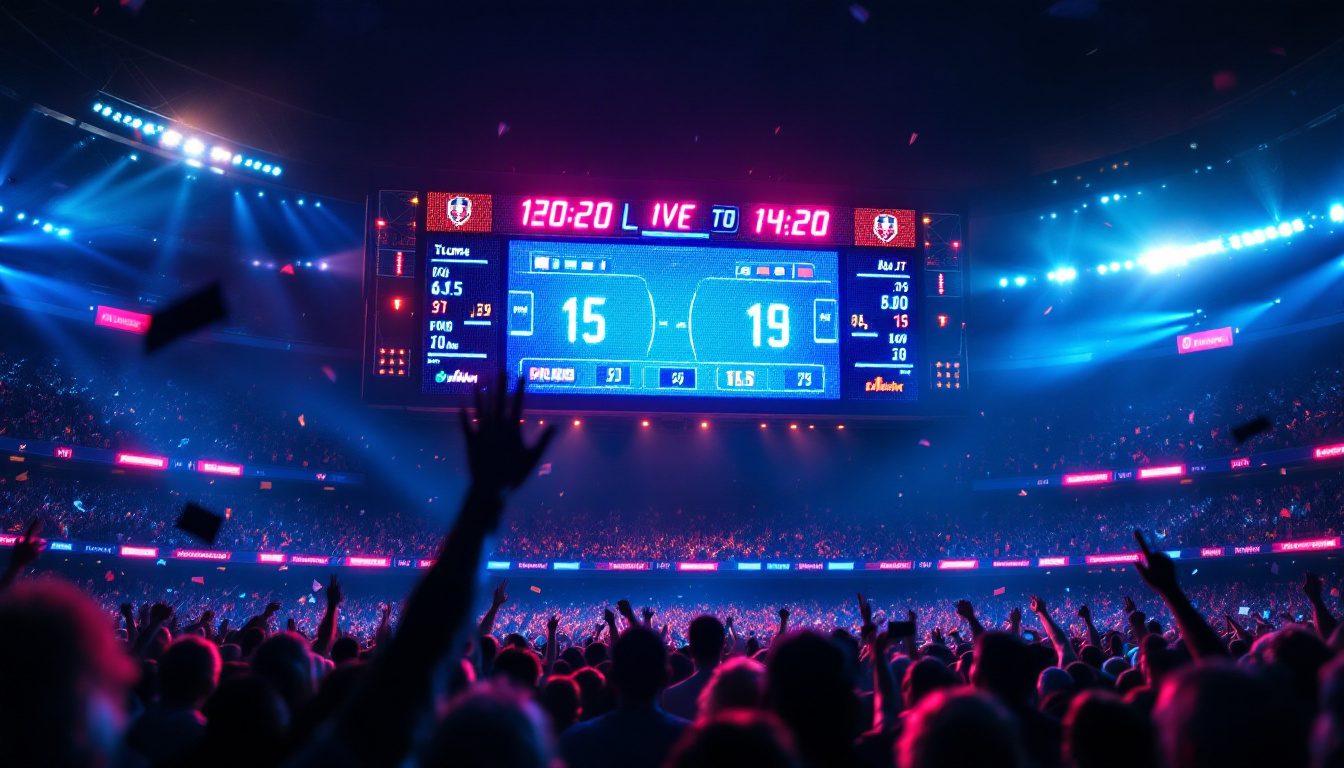
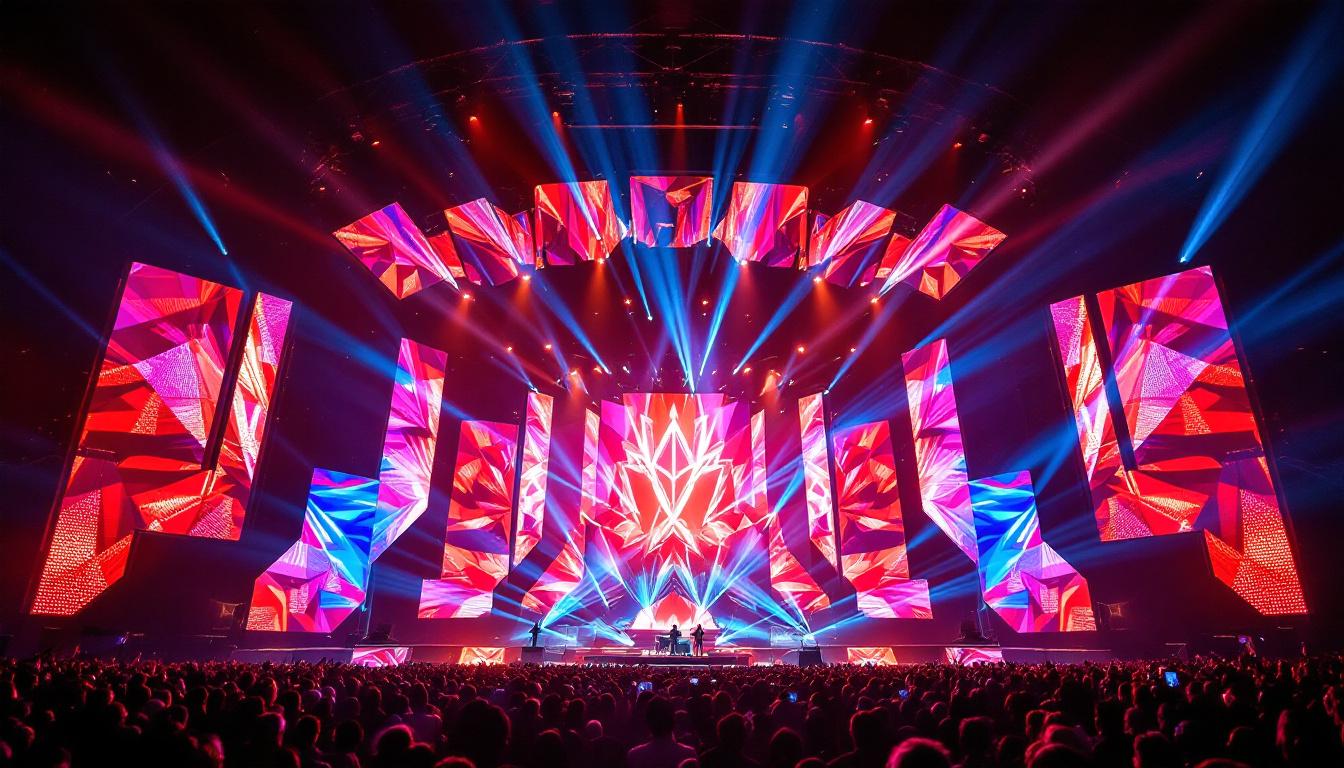
From concert stages to stadiums, LED screens provide large-scale visuals that enhance the spectator experience. Their brightness and durability ensure visibility even in challenging lighting and weather conditions, while their ability to display live video and graphics adds excitement and engagement. In addition to traditional uses, such as displaying scores and player statistics, LED technology is now being utilized for creative storytelling during events. For example, concerts often feature synchronized light shows that incorporate LED screens, creating a multi-sensory experience that captivates audiences.
Moreover, the use of LED displays for fan engagement has become a key strategy in sports venues. Interactive features, such as social media feeds and fan-generated content, can be displayed in real-time, fostering a sense of community among attendees. This not only enhances the live experience but also encourages fans to share their moments on social platforms, effectively promoting the event and the venue itself.
Public Information and Transportation Hubs
Airports, train stations, and city centers use LED displays to communicate important information such as schedules, alerts, and advertisements. The clarity and reliability of LED technology help ensure that messages reach large audiences efficiently. In addition to standard information displays, many transportation hubs are now incorporating LED technology for wayfinding solutions. Interactive kiosks equipped with LED screens can guide travelers to their destinations, providing real-time updates and reducing confusion during busy travel periods.
Furthermore, the aesthetic appeal of LED displays can enhance the overall atmosphere of public spaces. Many cities are investing in large-scale LED installations that not only serve informational purposes but also act as artistic landmarks. These displays can showcase local art, cultural events, or even environmental messages, turning transportation hubs into vibrant community spaces that reflect the identity and values of the area. This dual functionality of LED displays as both informative and decorative elements is revolutionizing how public spaces are perceived and utilized.
How to Choose the Right Audio Visual Company Near You for LED Display Solutions
Evaluate Experience and Expertise
When searching for an audio visual company, prioritize those with proven experience in LED display installation and management. Companies that have worked on projects similar to yours will understand the technical challenges and provide tailored solutions. Look for certifications, client testimonials, and case studies that demonstrate their capabilities.
Assess Technology and Equipment Quality
Not all LED displays are created equal. A reputable company will use high-quality LED modules from trusted manufacturers and offer the latest technology to ensure optimal performance. Ask about the pixel pitch, brightness levels, and control systems they provide to ensure the display meets your specific needs.
Consider Service and Support
LED displays require ongoing maintenance and occasional troubleshooting. Choose a company that offers comprehensive after-sales support, including installation, calibration, software updates, and emergency repairs. Responsive customer service can minimize downtime and protect your investment.
Request Customized Solutions and Transparent Pricing
Every project is unique. A professional audio visual company will work closely with you to design a solution that fits your environment, budget, and objectives. Be wary of one-size-fits-all packages and ensure that pricing is transparent, covering installation, hardware, software, and support.
Emerging Trends in LED Display Technology
Mini-LED and Micro-LED Innovations
Advancements in LED technology have led to the development of mini-LED and micro-LED displays, which feature smaller diodes and tighter pixel pitches. These innovations offer even higher resolutions and improved color accuracy, rivaling OLED displays while maintaining the durability and brightness advantages of LEDs.
Integration with Smart Technologies
Modern LED displays are increasingly integrated with IoT (Internet of Things) and AI-driven content management systems. This allows for automated content updates, audience analytics, and interactive features that enhance user engagement and operational efficiency.
Sustainability and Eco-Friendly Solutions
As environmental concerns grow, many audio visual companies are adopting sustainable practices, including energy-efficient LED products and recyclable materials. Choosing a partner committed to sustainability can align your project with green initiatives and reduce your carbon footprint.
Conclusion
LED displays have revolutionized the audio visual industry by offering unmatched brightness, flexibility, and durability. Whether for advertising, events, or public information, they provide a dynamic platform to communicate effectively with audiences of all sizes. When searching for “audio visual companies near me,” understanding the technology and its benefits empowers you to select the right partner and solution for your needs.
By focusing on quality, expertise, and service, you can ensure your LED display project delivers impressive results and stands the test of time. As LED technology continues to evolve, staying informed about the latest trends will help you leverage new opportunities for impactful visual communication.
Discover LumenMatrix’s Innovative LED Display Solutions
Ready to transform your visual communication with the latest LED technology? Look no further than LumenMatrix, a pioneer in crafting advanced LED display modules that bring your brand to life. From vibrant Indoor and Outdoor LED Wall Displays to versatile solutions like Vehicle, Poster, Sports, Floor, and Custom LED Displays, LumenMatrix offers an array of options to captivate your audience. Embrace the future with our All-in-One and Transparent LED Displays, designed to make a lasting impression. Don’t miss the opportunity to elevate your message with clarity and impact. Check out LumenMatrix LED Display Solutions today and see the difference innovation can make.