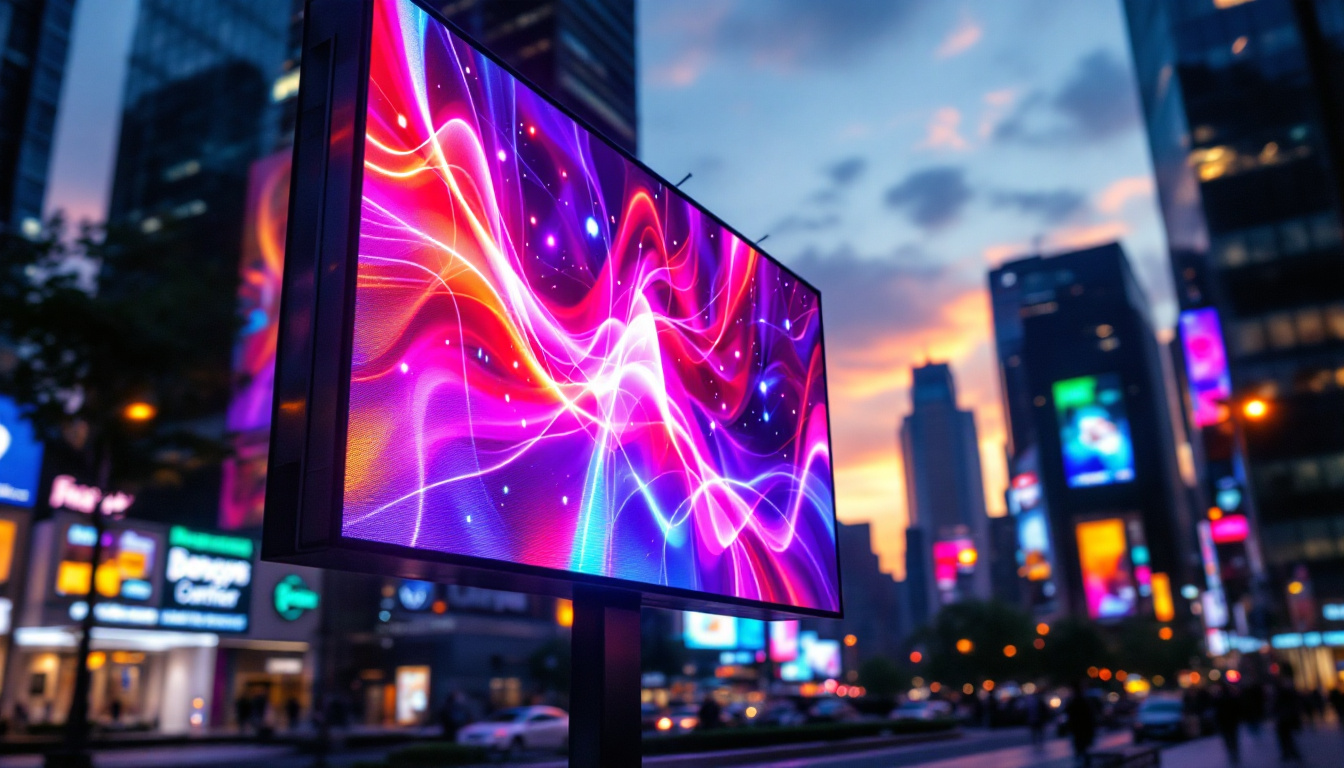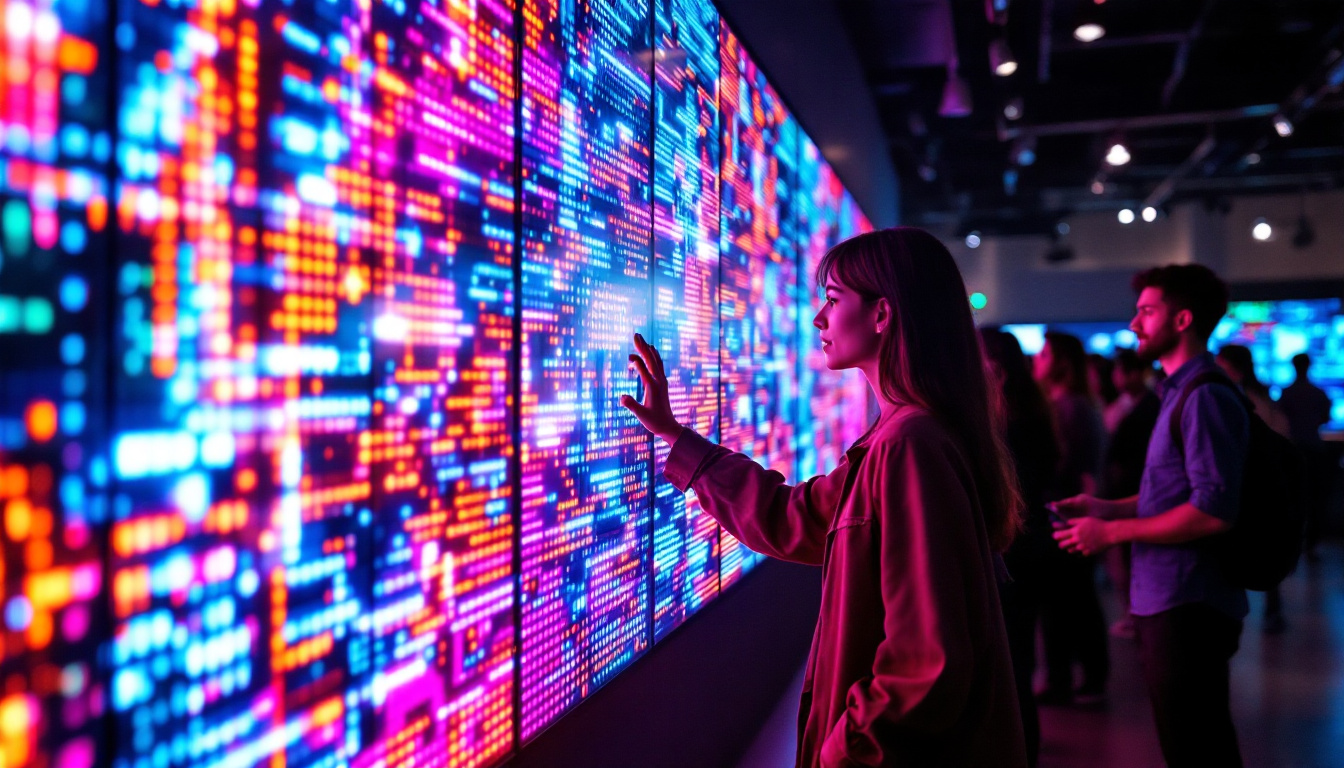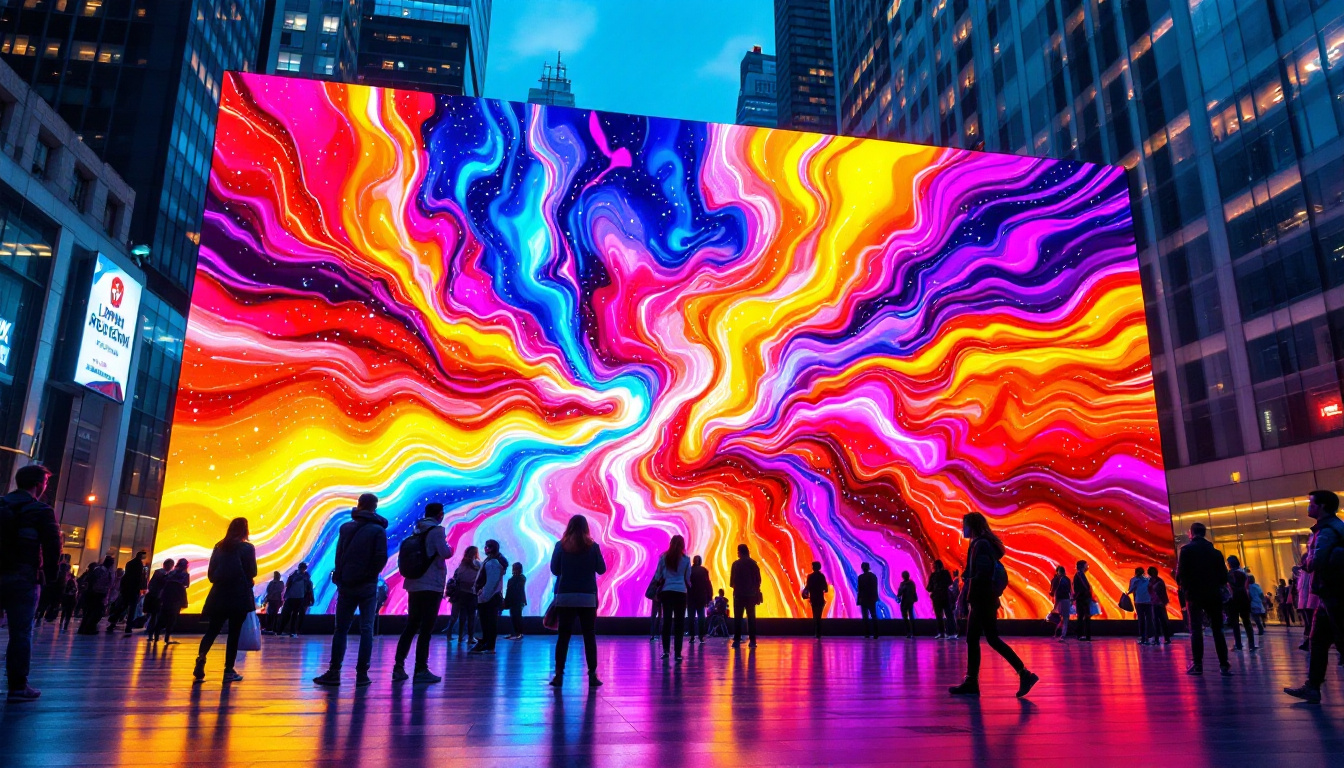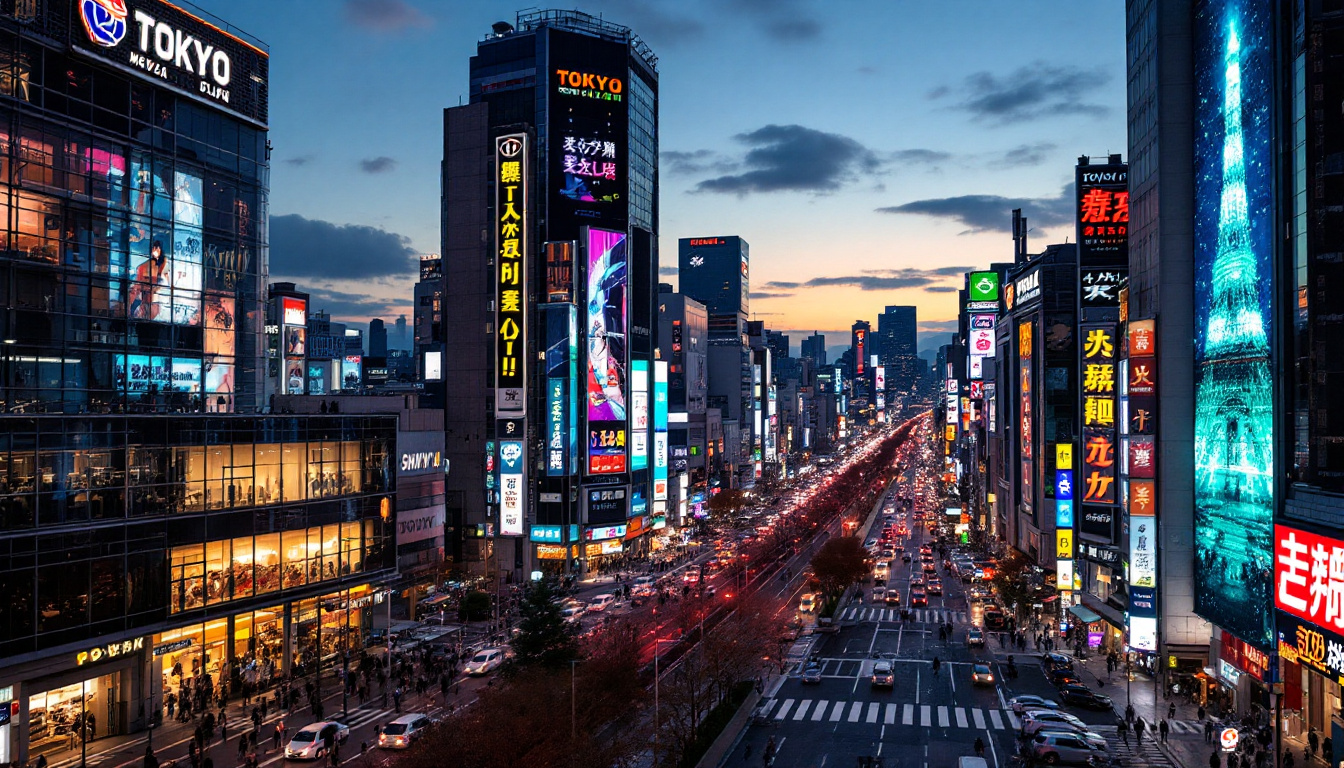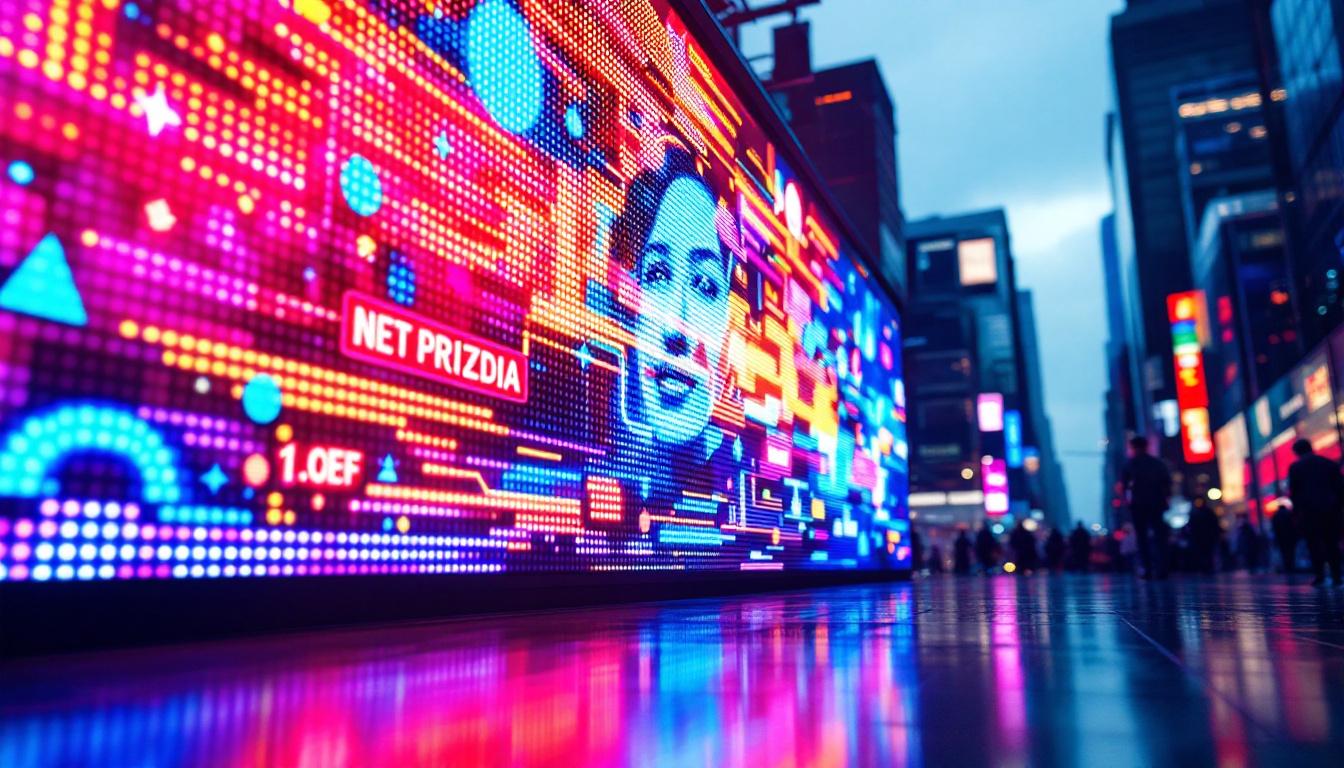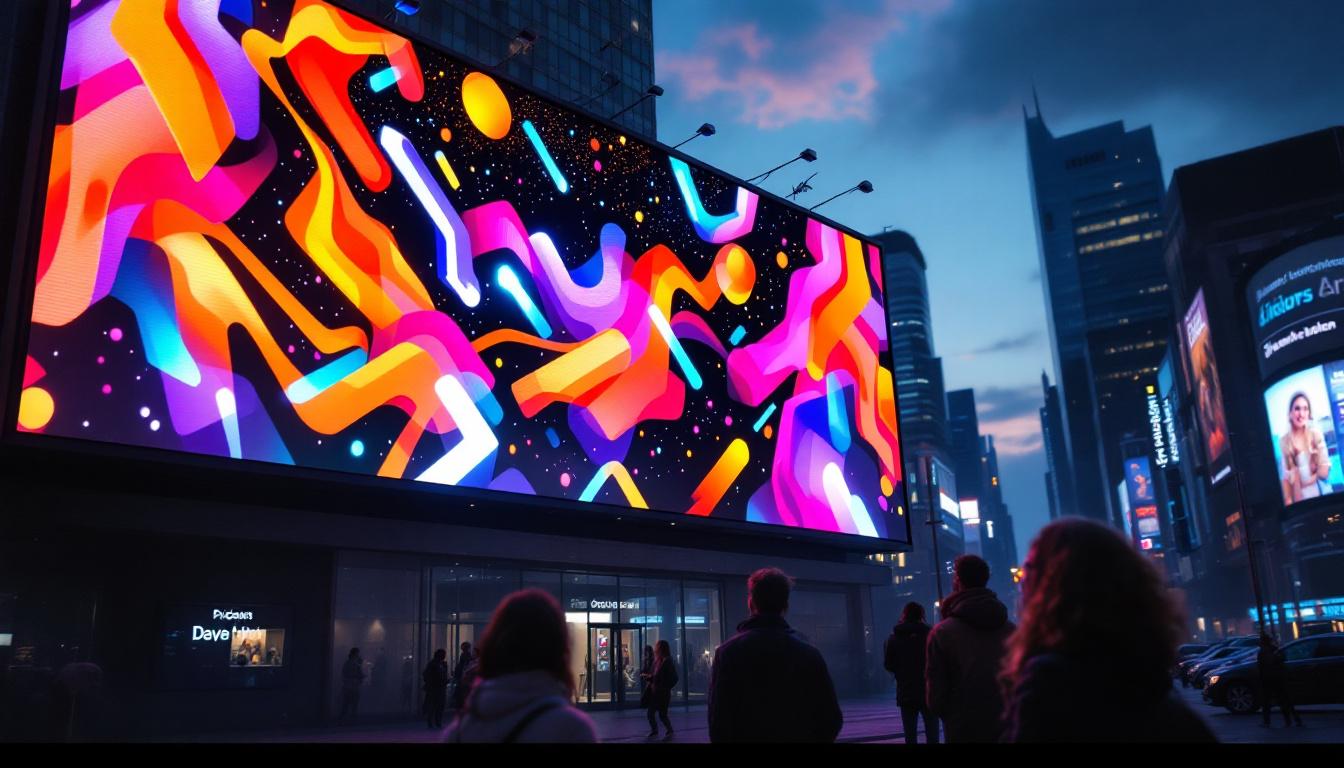
In the bustling urban landscapes of Japan, billboards have evolved far beyond static advertisements. The integration of LED technology has transformed these displays into dynamic, eye-catching canvases that captivate audiences day and night. This article delves into the world of Japanese LED billboards, exploring their technology, cultural impact, and future trends.
The Evolution of Billboard Advertising in Japan
Japan’s advertising industry has a rich history, with billboards playing a pivotal role in urban marketing since the early 20th century. Initially, billboards were simple printed posters, often hand-painted or printed on paper and pasted onto walls or wooden frames. However, as technology advanced, so did the methods of advertising.
By the late 20th century, the introduction of neon signs and fluorescent lighting added vibrancy to Japan’s cityscapes, particularly in entertainment districts like Shibuya and Shinjuku in Tokyo. These illuminated signs became iconic symbols of Japan’s urban nightlife. The bright colors and bold designs not only attracted attention but also created a sense of excitement and energy that mirrored the bustling atmosphere of these districts. As a result, brands began to invest heavily in eye-catching designs that would stand out against the backdrop of the city, leading to a competitive landscape where creativity was paramount.
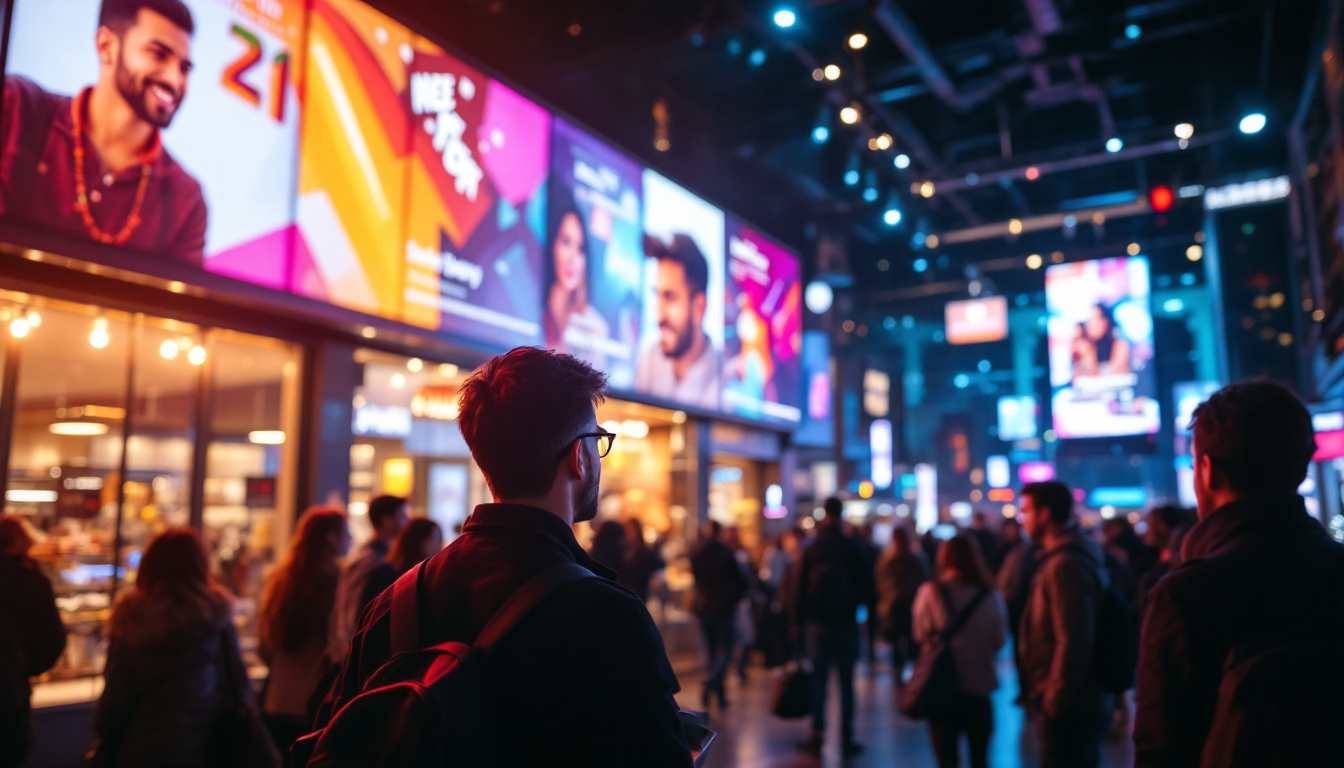
With the rise of digital technology in the 21st century, LED displays started replacing traditional neon signs. This shift was driven by the superior brightness, energy efficiency, and versatility of LED technology, which allowed advertisers to present dynamic content that could be updated in real time. The incorporation of digital billboards transformed the advertising landscape, enabling brands to engage with consumers in innovative ways. For instance, interactive displays began to emerge, allowing passersby to participate in promotions or view personalized content based on their preferences. This interactivity not only enhanced consumer engagement but also provided valuable data for advertisers to refine their strategies.
Moreover, the integration of augmented reality (AR) into billboard advertising has taken this evolution a step further. In recent years, some companies have experimented with AR technology to create immersive experiences that blend the physical and digital worlds. For example, a billboard might feature a 3D animation that comes to life when viewed through a smartphone app, captivating audiences and encouraging social media sharing. This innovative approach not only elevates brand visibility but also fosters a deeper connection with consumers, as they become active participants in the advertising narrative.
Understanding LED Display Technology
What is an LED Display?
LED stands for Light Emitting Diode, a semiconductor device that emits light when an electric current passes through it. LED displays are composed of thousands to millions of these tiny diodes arranged in a grid to form pixels. By controlling the intensity and color of each diode, the display can produce vivid images and videos. The versatility of LED technology allows for a wide range of applications, from small screens used in handheld devices to massive outdoor displays that captivate audiences in urban environments.
In billboard applications, LED displays are typically large-scale, outdoor-grade screens designed to withstand weather conditions while maintaining high visibility. They can range from small panels to massive walls covering entire building facades. The ability to create eye-catching visuals is enhanced by the high refresh rates of LED displays, which ensure that images remain sharp and fluid, even in fast-paced advertising scenarios. This capability is particularly beneficial in bustling cities where competition for attention is fierce.
Types of LED Displays Used in Japanese Billboards
There are several types of LED display technologies utilized in Japan’s billboard industry, each with unique characteristics suited to different applications:
- Surface-Mounted Device (SMD) LEDs: These are the most common for high-resolution displays. SMD LEDs combine red, green, and blue diodes into a single package, allowing for fine pixel pitch and detailed images. This technology is particularly popular in urban settings where close viewing distances are common, enabling advertisers to convey intricate details and vibrant colors that capture the viewer’s attention.
- Through-Hole LEDs: Larger and brighter, these LEDs are often used for displays viewed from a distance, such as highway billboards. They have a wider pixel pitch and are less detailed but highly visible. Their robust design ensures that they can be seen from far away, making them ideal for capturing the attention of drivers and pedestrians alike.
- Transparent LED Displays: A newer innovation, these displays allow light to pass through, making them ideal for storefront windows and glass facades without obstructing views. This technology creates a unique blend of advertising and architecture, allowing businesses to showcase their products while maintaining an open and inviting atmosphere.
Benefits of LED Displays Over Traditional Billboards
LED billboards offer several advantages that have made them the preferred choice in Japan’s competitive advertising market:
- Dynamic Content: Advertisers can display videos, animations, and changing messages, increasing engagement and flexibility. This capability allows brands to tailor their messages to specific times of day or events, maximizing their impact and relevance to the audience.
- Brightness and Visibility: LEDs can achieve brightness levels exceeding 5,000 nits, ensuring clear visibility even in direct sunlight. This high brightness not only enhances the overall aesthetic of the display but also ensures that advertisements remain effective during the day, when traditional billboards may struggle to compete.
- Energy Efficiency: Compared to neon and fluorescent signs, LED displays consume less power, reducing operational costs and environmental impact. This efficiency is crucial for businesses looking to lower their carbon footprint while still maintaining a strong advertising presence.
- Longevity and Durability: Modern LED modules are designed to last over 100,000 hours and withstand harsh weather conditions, including rain, snow, and humidity common in Japan. This durability not only reduces maintenance costs but also ensures that advertisers can rely on their displays to perform consistently over time, even in challenging environments.
Moreover, the modular nature of LED displays allows for easy repairs and upgrades, making it simpler for businesses to adapt to changing technologies and consumer preferences. This flexibility is particularly advantageous in a fast-paced market like Japan, where trends can shift rapidly and advertisers must be ready to pivot their strategies accordingly. The integration of smart technology into LED displays is also on the rise, enabling features such as remote monitoring and real-time analytics, which provide valuable insights into audience engagement and display performance.
The Cultural and Commercial Impact of LED Billboards in Japan
Iconic Locations Featuring LED Billboards
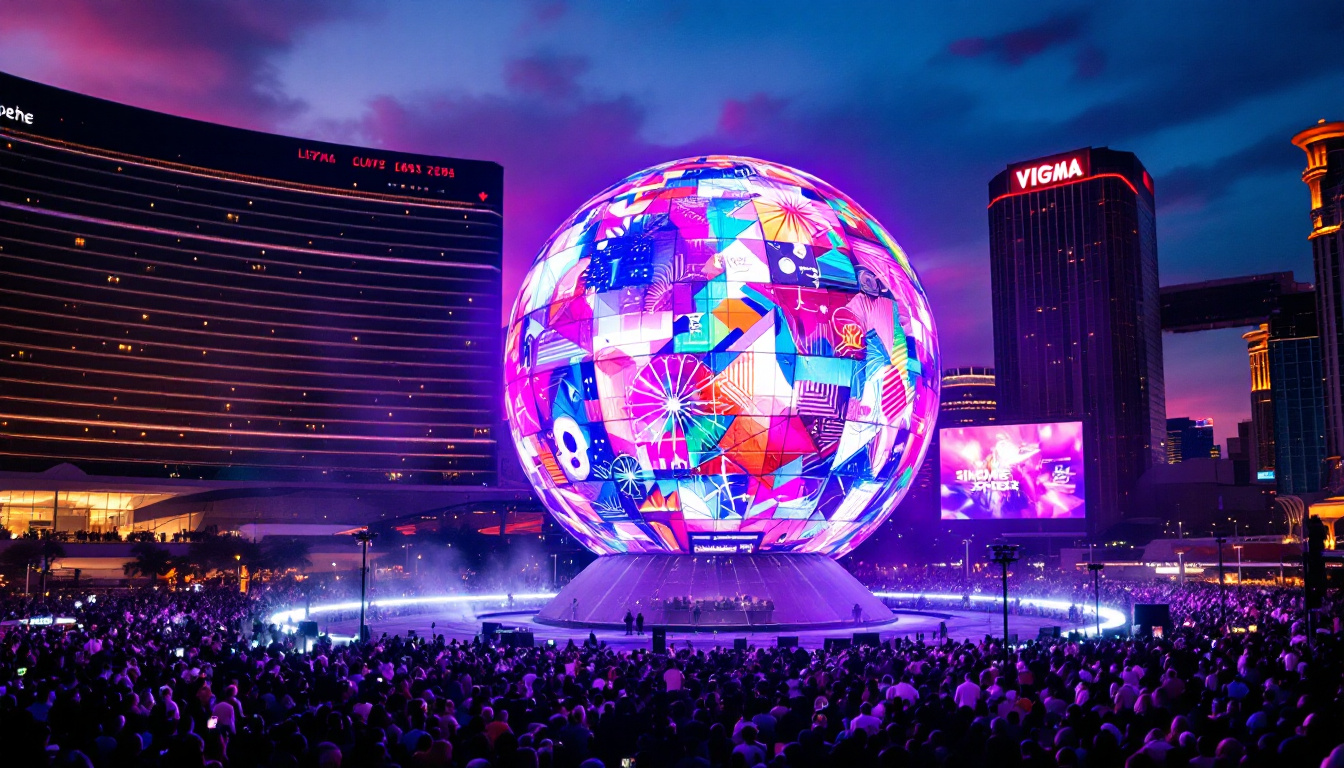
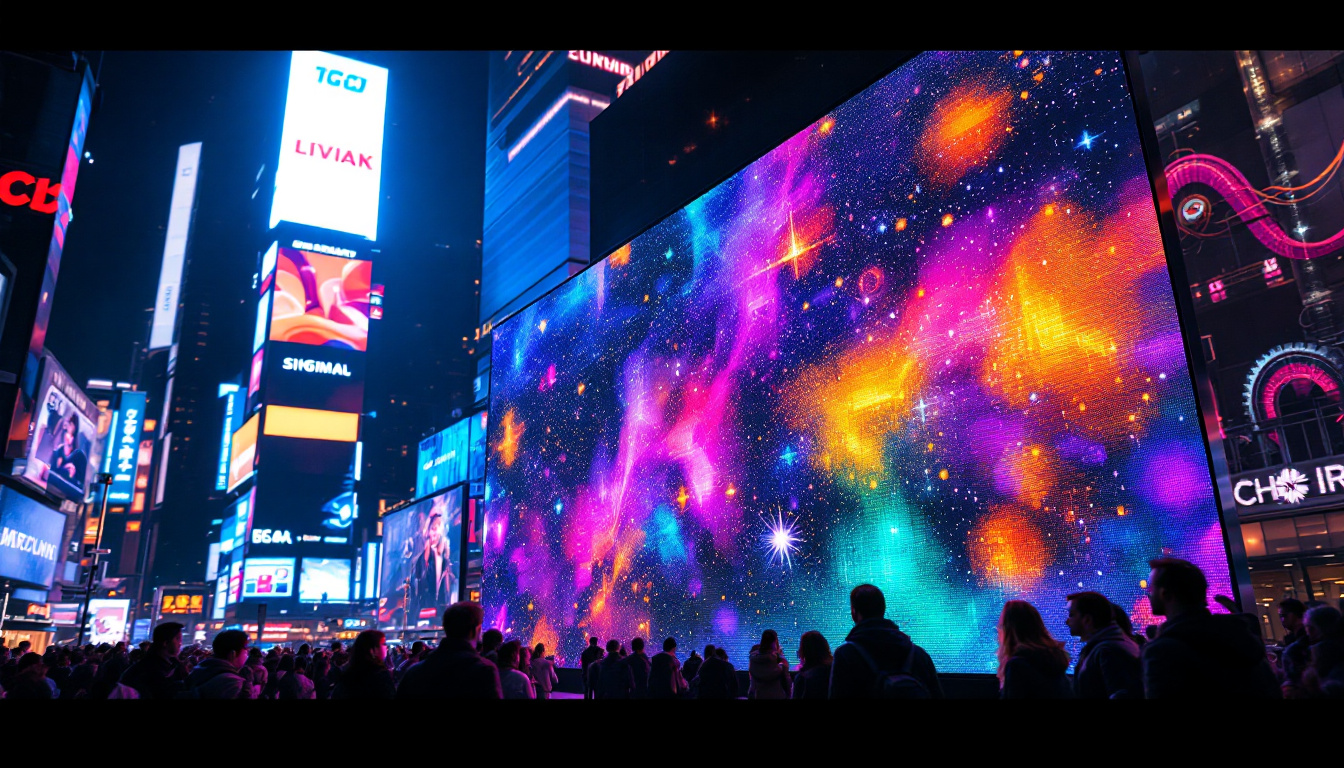
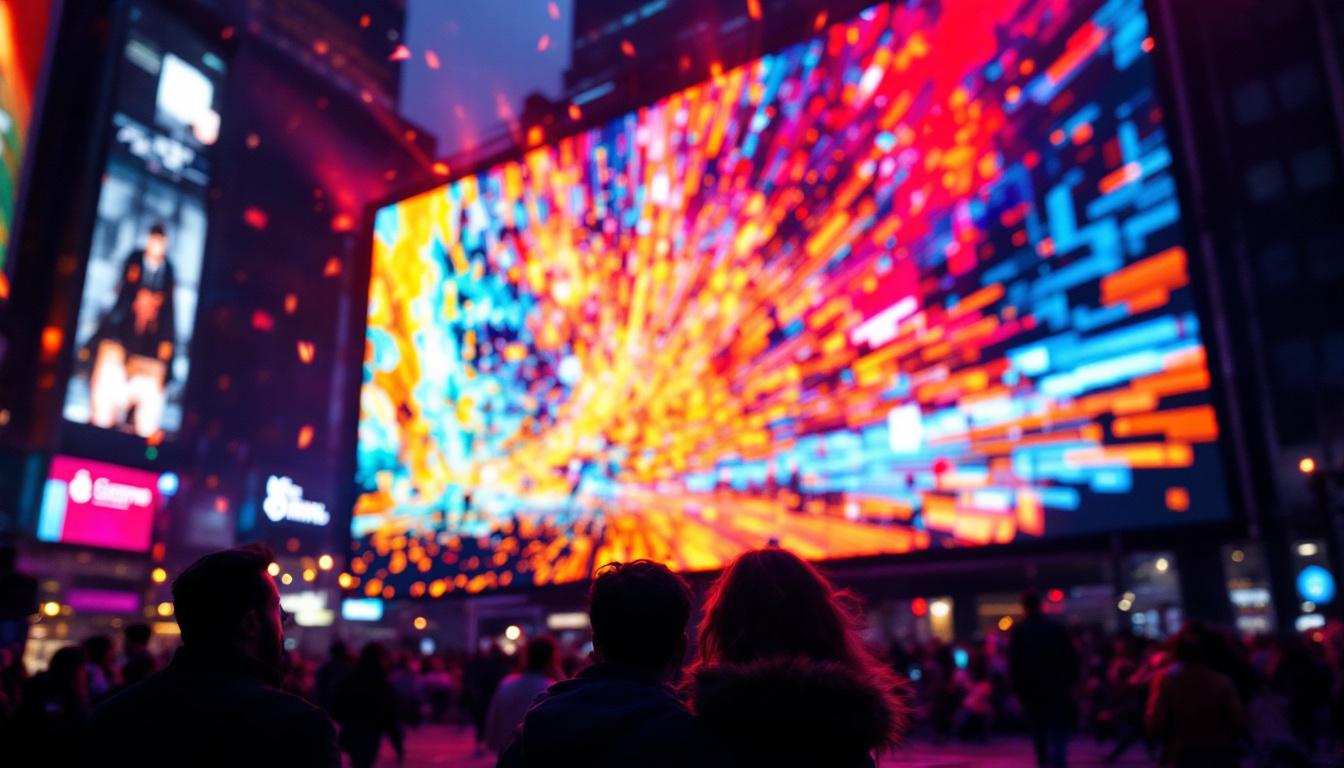
Japan’s urban centers are renowned for their vibrant LED billboards, which have become cultural landmarks in their own right. Districts such as Shibuya Crossing in Tokyo and Dotonbori in Osaka showcase some of the world’s most famous LED displays.
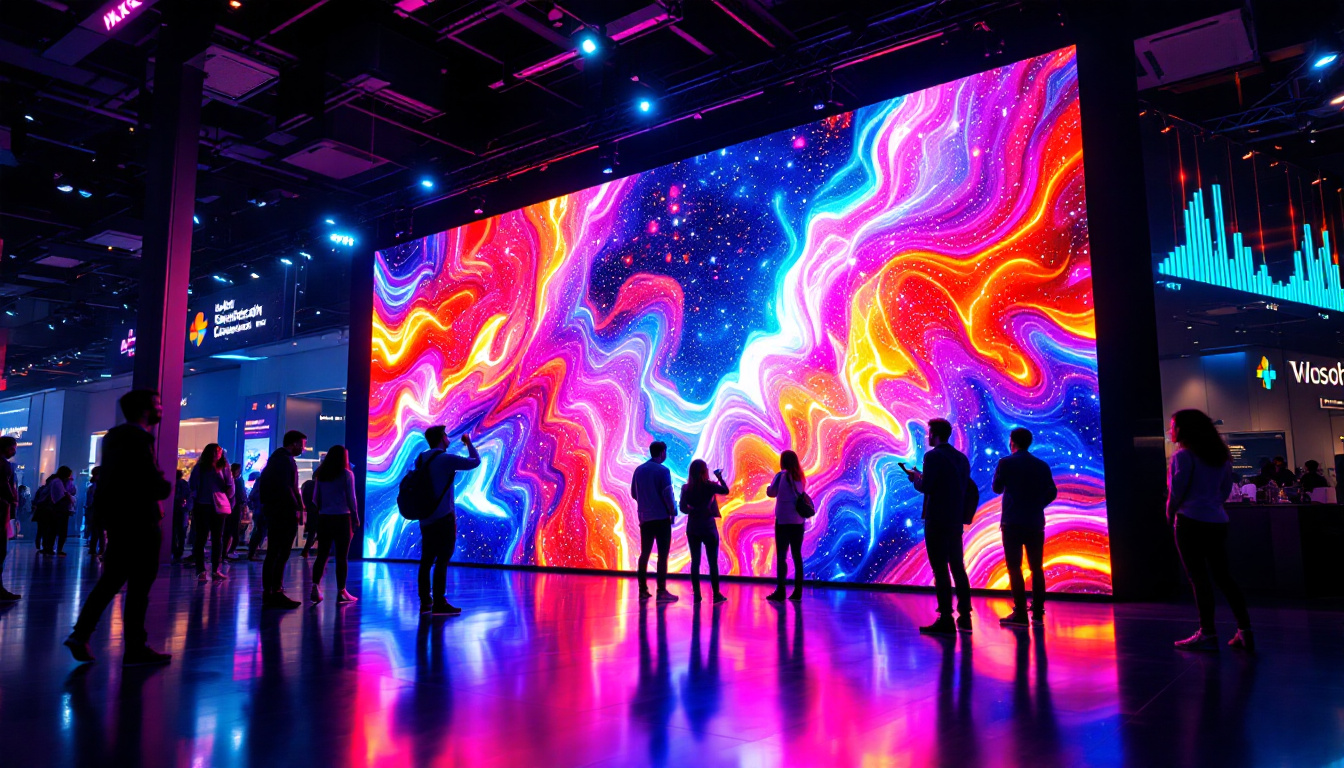
For example, the Shibuya Scramble Square building features a massive LED screen that wraps around its facade, displaying high-definition advertisements and interactive content. These installations not only serve commercial purposes but also contribute to the city’s identity and nighttime aesthetics.
Advertising Strategies Leveraging LED Technology
Japanese advertisers utilize LED billboards to create immersive and memorable campaigns. The ability to update content remotely and instantly allows for timely promotions aligned with events, seasons, or trending topics.
Moreover, the integration of sensors and AI technology enables interactive billboards that respond to pedestrian movement or environmental factors. For instance, some displays adjust brightness automatically based on ambient light, while others change content based on the time of day or weather conditions.
Impact on Consumer Behavior
Studies indicate that dynamic digital billboards, such as LED displays, increase brand recall and consumer engagement compared to static ads. In Japan, where consumers are highly tech-savvy and visually oriented, these displays resonate strongly, influencing purchasing decisions and brand perception.
Additionally, the novelty and spectacle of LED billboards often attract tourists, further amplifying their commercial value. The blend of technology and art in these displays enhances the overall urban experience, creating a sense of excitement and modernity.
Technical Challenges and Solutions in Japanese LED Billboard Deployment
Weather and Environmental Considerations
Japan’s diverse climate poses challenges for outdoor LED displays. High humidity, typhoons, heavy rainfall, and seasonal temperature fluctuations require robust engineering solutions.
Manufacturers employ weatherproof enclosures with high Ingress Protection (IP) ratings, often IP65 or higher, to prevent water and dust ingress. Additionally, advanced cooling systems are integrated to manage heat dissipation, ensuring stable performance even during hot summers.
Regulatory and Urban Planning Constraints
Japanese cities enforce strict regulations on outdoor advertising to preserve urban aesthetics and prevent light pollution. LED billboards must comply with size, brightness, and placement restrictions set by local governments.
To address these constraints, advertisers and engineers collaborate closely with municipal authorities during the design and installation phases. Innovations such as dimming controls and motion sensors help minimize light disturbance to nearby residents.
Maintenance and Longevity
Maintaining LED billboards in optimal condition is critical for sustained performance. Routine inspections, cleaning, and repairs are necessary to address issues such as dead pixels, module failures, or electrical faults.
In Japan, service providers often use remote monitoring systems that track display health in real time, enabling prompt interventions. Modular designs allow for quick replacement of faulty sections without dismantling the entire screen, reducing downtime.
The Future of LED Billboards in Japan
Advancements in Display Technology
Emerging technologies promise to further enhance the capabilities of LED billboards. MicroLED displays, which use even smaller diodes, offer higher resolution, improved color accuracy, and lower power consumption.
Flexible and curved LED panels are also gaining traction, allowing for innovative billboard shapes and integration into architectural elements. These advancements will enable advertisers to create more immersive and aesthetically pleasing installations.
Integration with Smart City Initiatives
Japan’s commitment to smart city development includes leveraging LED billboards as part of urban information networks. These displays can provide real-time updates on public transportation, weather alerts, emergency notifications, and community events.
By integrating with IoT (Internet of Things) infrastructure, LED billboards become multifunctional tools that serve both commercial and public interests, enhancing urban life quality.
Sustainability and Environmental Impact
As environmental awareness grows, there is increasing emphasis on sustainable practices in billboard advertising. LED technology inherently supports this through energy efficiency, but future developments aim to reduce material waste and improve recyclability.
Solar-powered LED billboards and the use of eco-friendly materials are examples of initiatives gaining momentum in Japan. These efforts align with national goals for carbon neutrality and responsible urban development.
Conclusion
LED billboards have revolutionized the advertising landscape in Japan, blending cutting-edge technology with cultural vibrancy to create captivating urban experiences. Their evolution from static posters to dynamic digital canvases reflects broader technological and societal trends.
Understanding the technology behind LED displays, their cultural significance, and the challenges they face provides valuable insight into the future of outdoor advertising. As Japan continues to innovate, LED billboards will remain at the forefront, illuminating cityscapes and shaping consumer engagement for years to come.
Illuminate Your Brand with LumenMatrix
As you’ve seen, LED billboards are not just advertisements; they’re a transformative medium that melds technology with the urban tapestry of Japan. If you’re inspired to elevate your brand’s presence and captivate your audience with unparalleled clarity and vibrancy, look no further. LumenMatrix, a pioneer in LED display technology, offers a comprehensive range of solutions tailored to your needs. From Indoor and Outdoor LED Wall Displays to innovative LED Transparent Displays, our products are designed to revolutionize visual communication and engage viewers like never before. Check out LumenMatrix LED Display Solutions today and step into the future of dynamic advertising.