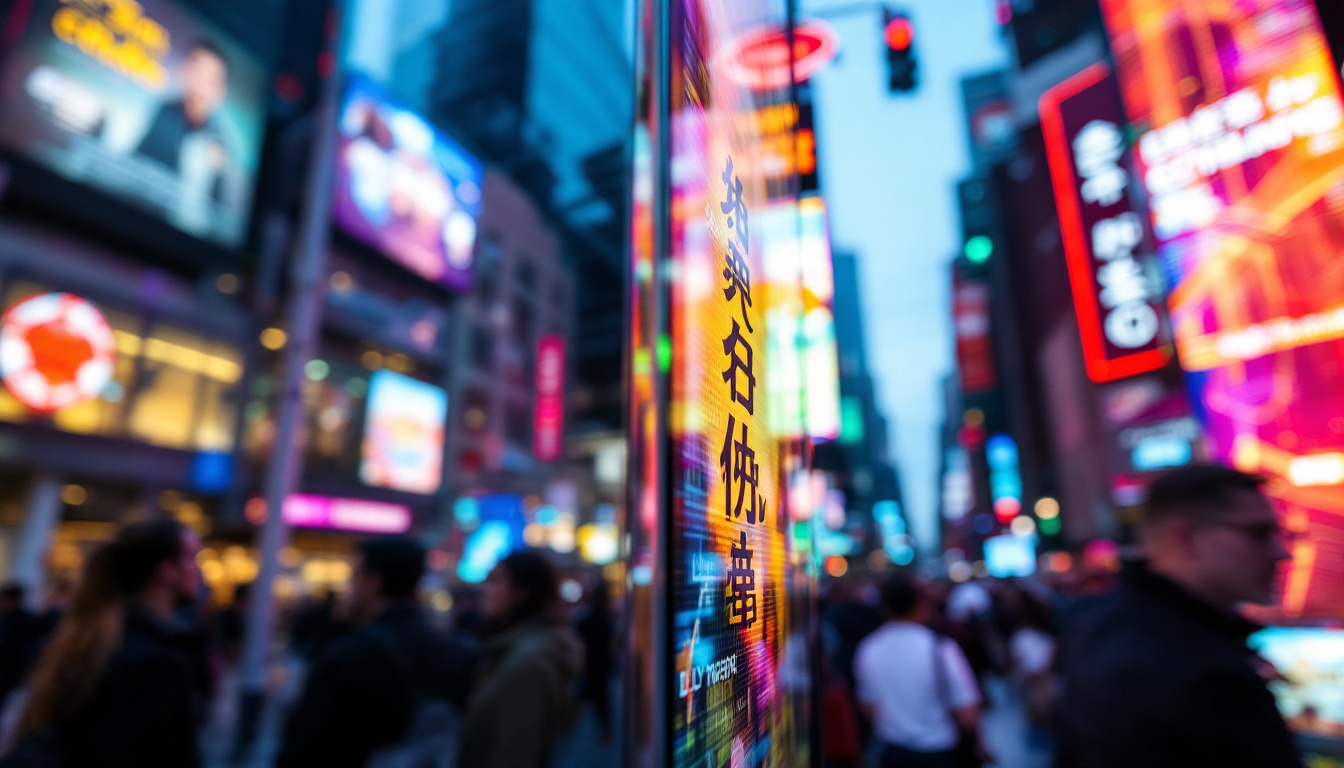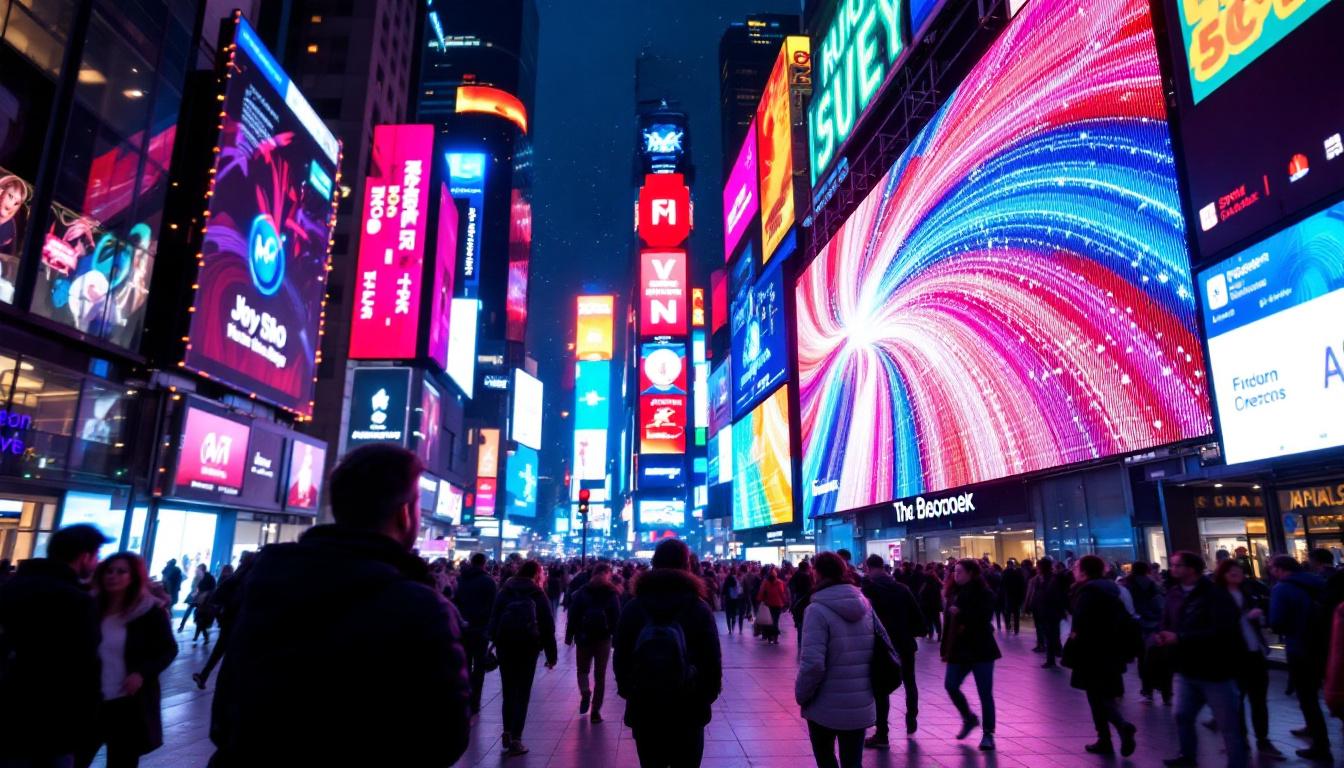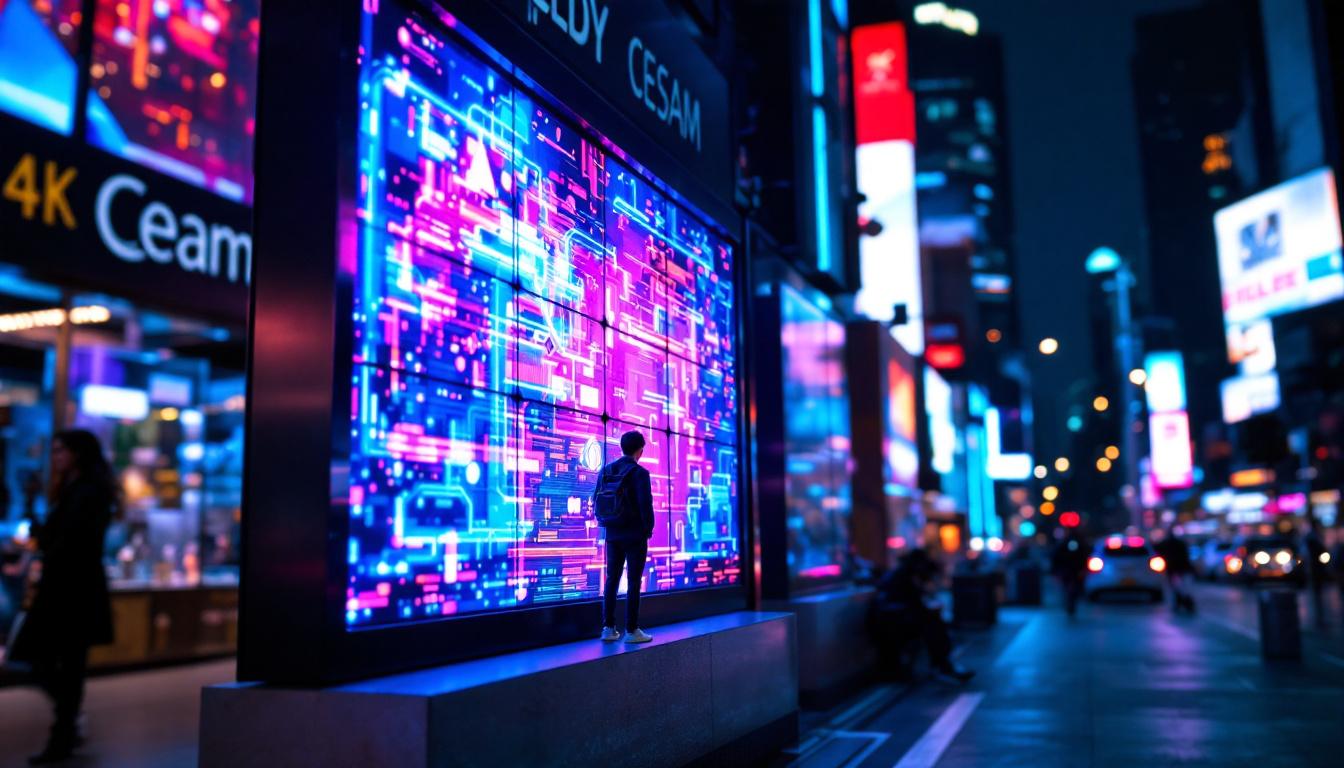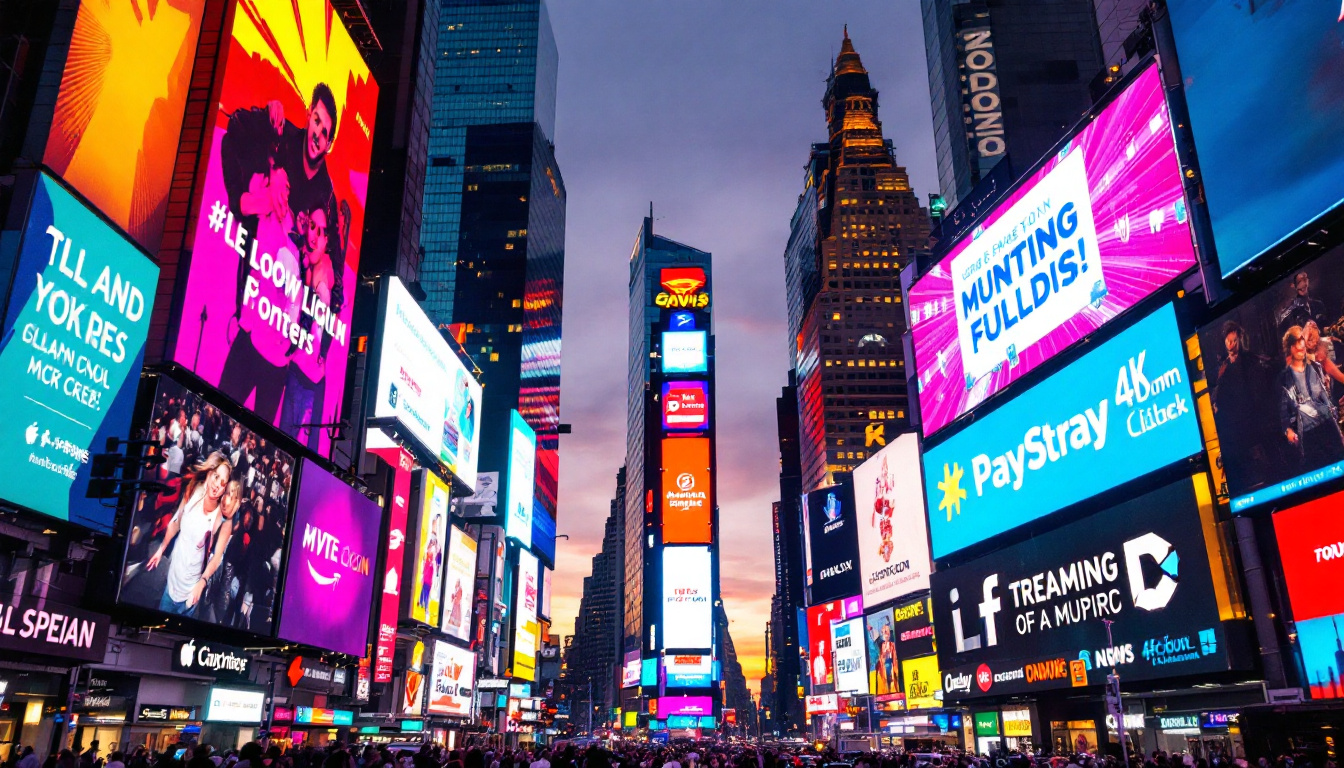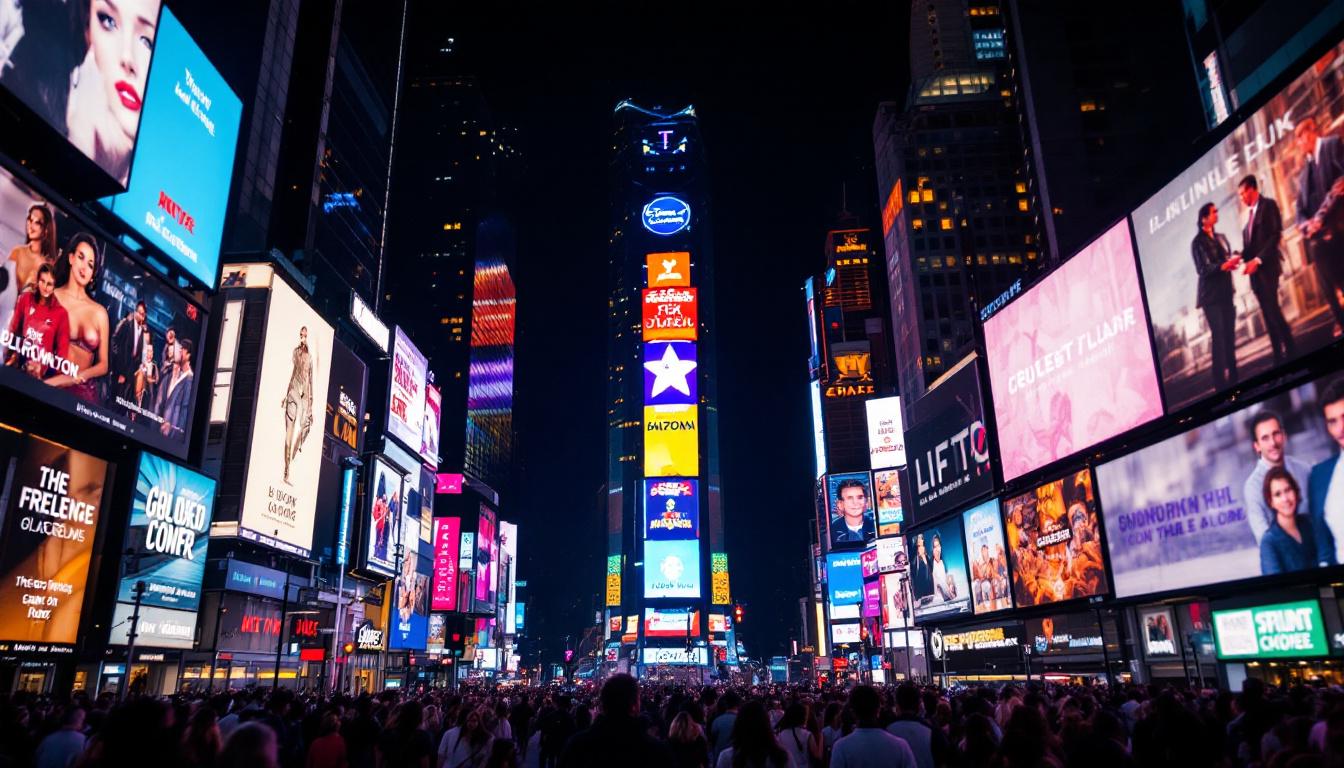
Times Square, often called “The Crossroads of the World,” is renowned for its dazzling, larger-than-life billboards that light up the heart of New York City. These vibrant displays have become iconic symbols of urban energy and commercial innovation. Central to this spectacle is the use of LED (Light Emitting Diode) technology, which has revolutionized how advertisers capture attention in such a bustling environment.
This article delves into the technology behind Times Square’s LED billboards, exploring how they work, why they are preferred over traditional signage, and the impact they have on advertising and urban aesthetics. Whether you’re an advertising professional, a technology enthusiast, or simply curious about what makes Times Square’s lights so captivating, this comprehensive guide will illuminate the subject.
The Evolution of Times Square Billboards
Times Square’s transformation into a neon-lit wonderland began in the early 20th century with incandescent bulbs and neon signs. These early billboards created a dazzling effect but were limited in brightness, color range, and flexibility. The arrival of LED technology in the late 20th century marked a significant turning point. The initial signs, often hand-crafted, were not just advertisements; they were art pieces that reflected the culture and aspirations of their time, drawing in crowds with their glowing allure.
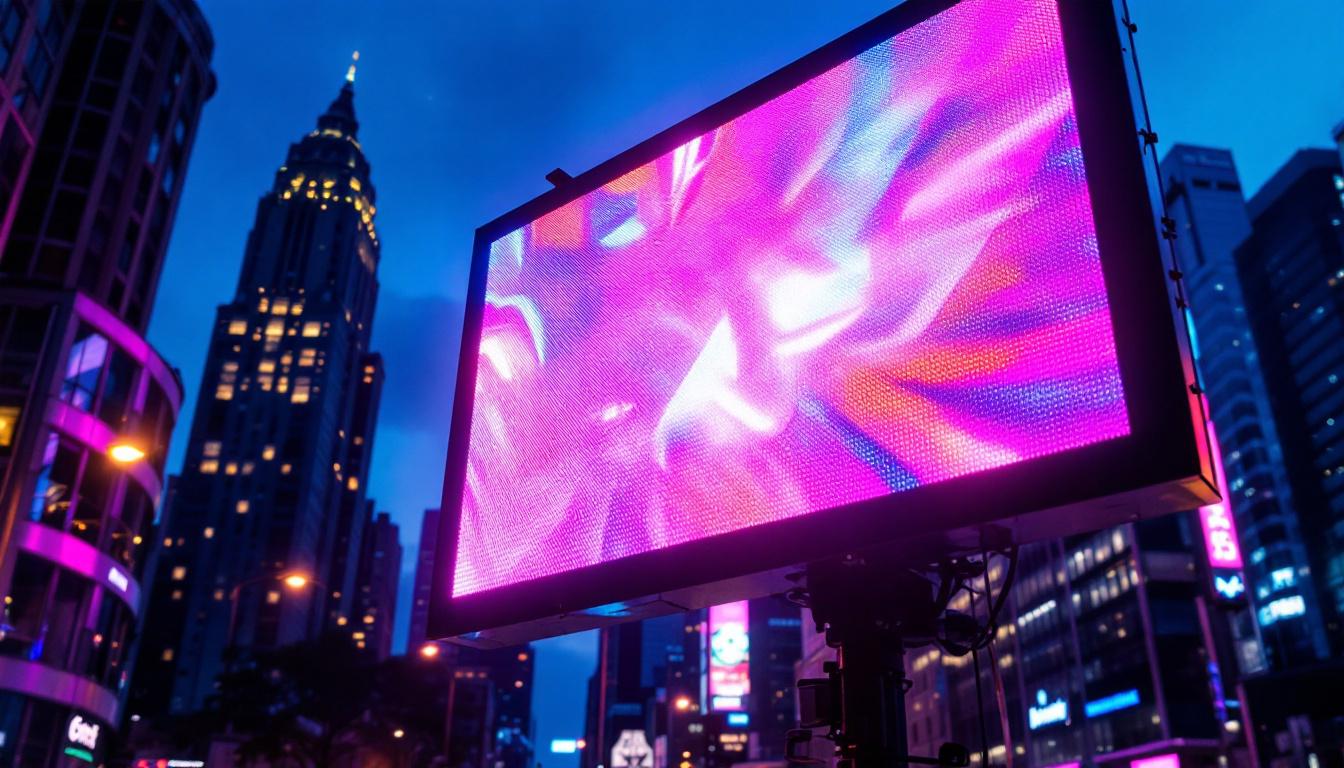
LED billboards started appearing in Times Square in the 1990s, gradually replacing older neon and fluorescent signs. Their ability to display dynamic, full-motion video content made them ideal for the fast-paced advertising environment of Times Square. Today, LEDs dominate, with some of the largest and most advanced displays in the world. These modern billboards not only showcase advertisements but also serve as platforms for artistic expression, featuring collaborations with renowned artists and interactive displays that engage passersby in unique ways.
From Neon to LED: Why the Shift?
Traditional neon signs, while visually striking, have several limitations. They consume more power, have shorter lifespans, and are fragile due to their glass tubing. LEDs, on the other hand, offer higher energy efficiency, durability, and versatility. They can produce a broader spectrum of colors and display complex animations, making them a superior choice for modern advertising. The shift to LED technology has also allowed for larger installations, with some billboards reaching heights of over 100 feet, creating a breathtaking visual experience that captures the attention of millions.
Moreover, LEDs allow for real-time content updates, enabling advertisers to tailor messages to specific times of day, events, or audience demographics. This adaptability is crucial in a dynamic location like Times Square, where foot traffic varies throughout the day and night. The ability to change content instantaneously not only maximizes advertising effectiveness but also enhances the overall vibrancy of the area. As a result, Times Square has become a living canvas, where brands can experiment with innovative storytelling techniques, utilizing augmented reality and interactive elements that invite engagement from the audience, transforming a simple billboard into an immersive experience.
Understanding LED Technology in Billboards
At the core of Times Square’s mesmerizing billboards is LED technology. But what exactly are LEDs, and how do they function in large-scale displays?
What is an LED?
An LED, or Light Emitting Diode, is a semiconductor device that emits light when an electric current passes through it. Unlike traditional bulbs that rely on heated filaments or gas discharge, LEDs produce light through electroluminescence, making them more energy-efficient and longer-lasting.
LEDs come in various colors, including red, green, and blue, which are the primary colors used in digital displays. By combining these colors at different intensities, LEDs can produce millions of colors, enabling vibrant and dynamic images.
How LED Billboards Are Constructed
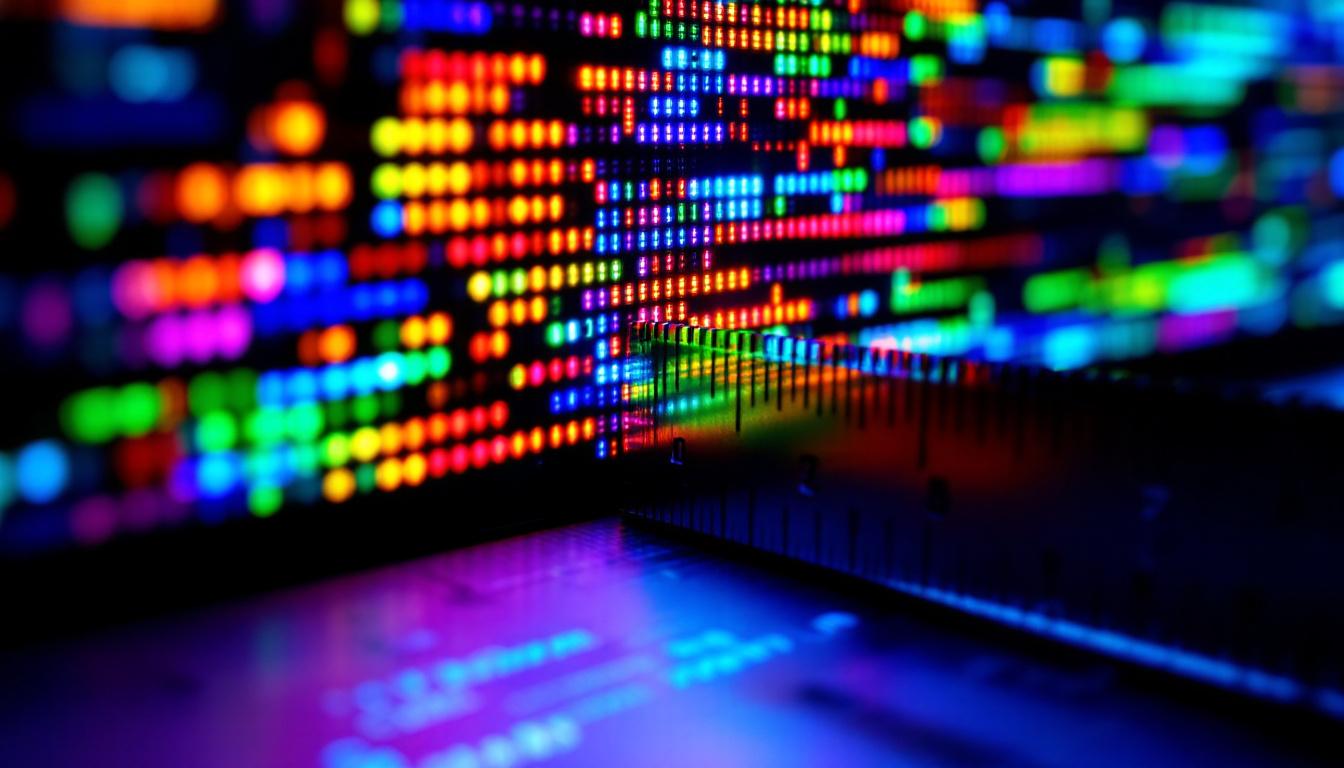
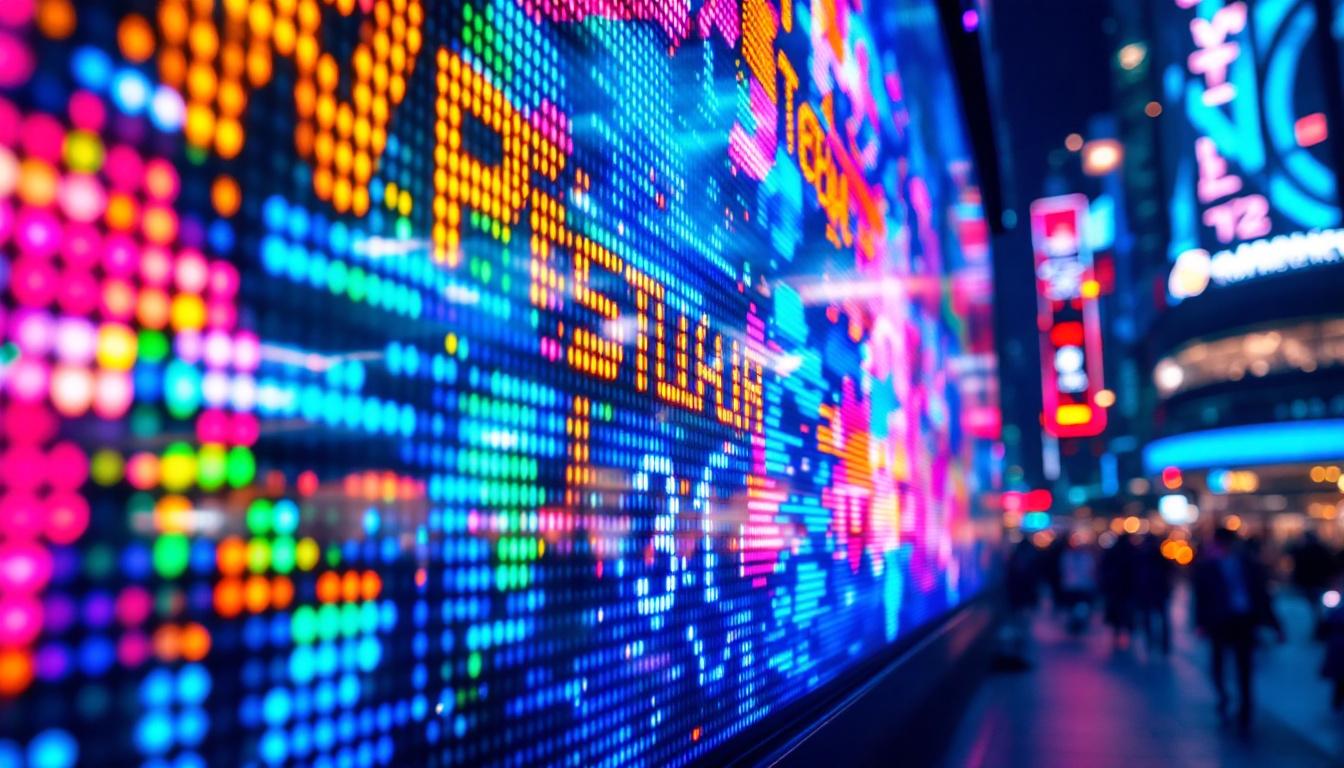
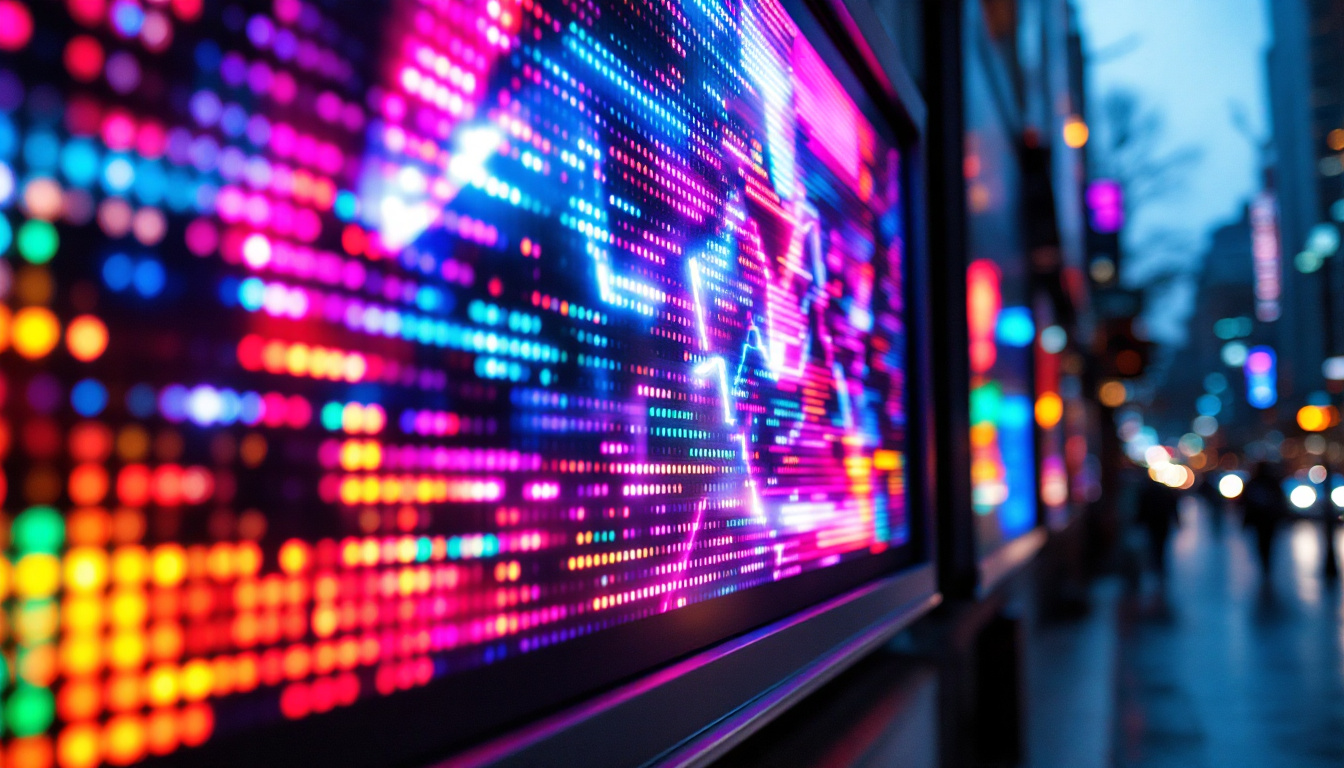
LED billboards are composed of thousands to millions of individual LEDs arranged in a grid, known as pixels. Each pixel typically contains red, green, and blue LEDs, which work together to create the desired color and brightness. The density of these pixels, called pixel pitch, determines the resolution and clarity of the display.
For example, a billboard with a pixel pitch of 10 millimeters means the distance between each pixel is 10 mm. The smaller the pixel pitch, the higher the resolution and the sharper the image, especially important for displays viewed from close distances.
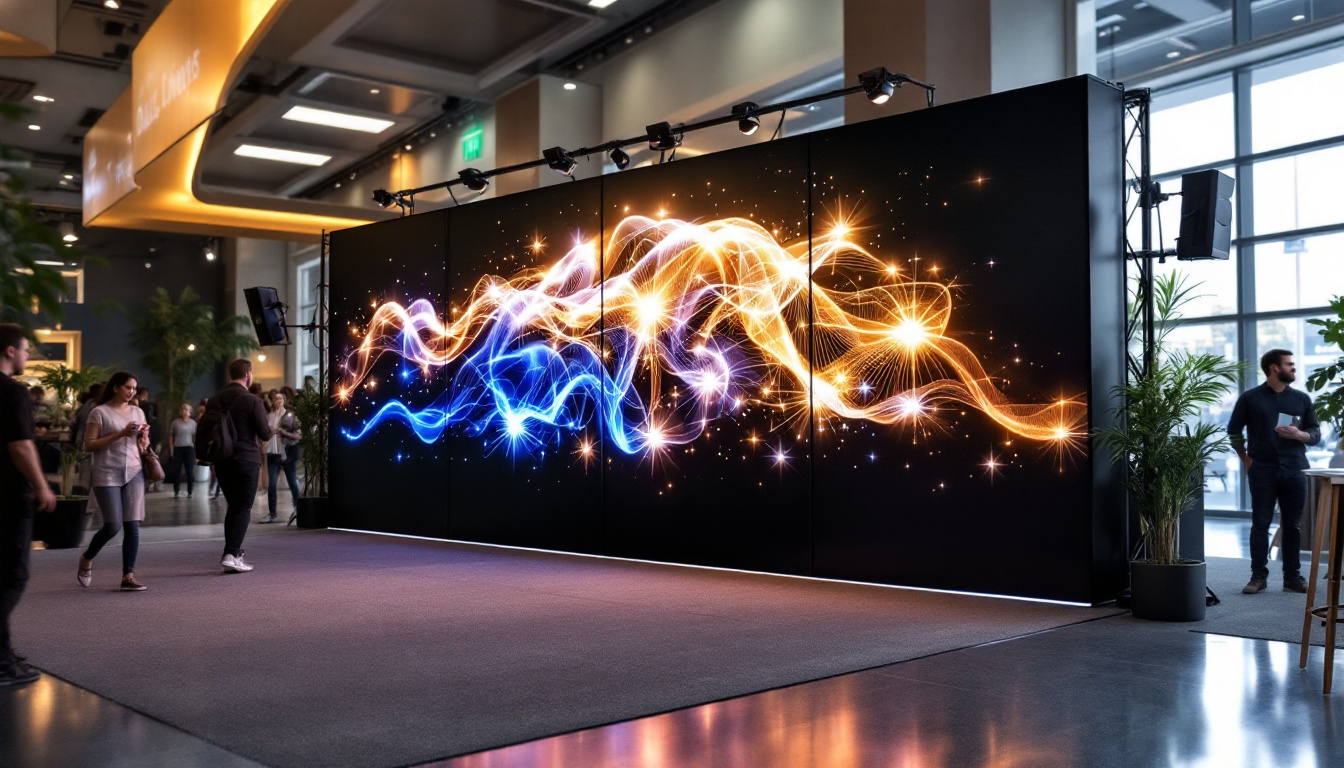
These pixels are mounted on modular panels, which can be assembled to create massive displays of various shapes and sizes. Advanced control systems manage the content, brightness, and color calibration to ensure consistent and vivid visuals.
Brightness and Visibility
One of the key advantages of LED billboards is their exceptional brightness. Times Square billboards often reach brightness levels of 5,000 to 8,000 nits (a unit measuring luminance), making them easily visible even in direct sunlight or adverse weather conditions.
This high brightness is essential in an environment like Times Square, where ambient light levels are extremely high due to surrounding buildings, street lights, and other displays. LED technology ensures that the billboards stand out without causing excessive glare or discomfort to viewers.
Advantages of LED Billboards in Times Square
LED billboards have become the gold standard for outdoor advertising in Times Square for several compelling reasons. Their unique combination of technological benefits and marketing impact makes them indispensable in this iconic location.
Energy Efficiency and Sustainability
LEDs consume significantly less power compared to traditional lighting technologies. Studies estimate that LED billboards use up to 80% less energy than neon or incandescent signs. This efficiency not only reduces operational costs for advertisers but also aligns with New York City’s sustainability goals.
In fact, many Times Square billboards incorporate energy-saving features such as automatic brightness adjustment based on ambient light and scheduled dimming during late-night hours. These measures contribute to lowering the carbon footprint of the advertising industry in the city.
Dynamic and Interactive Content
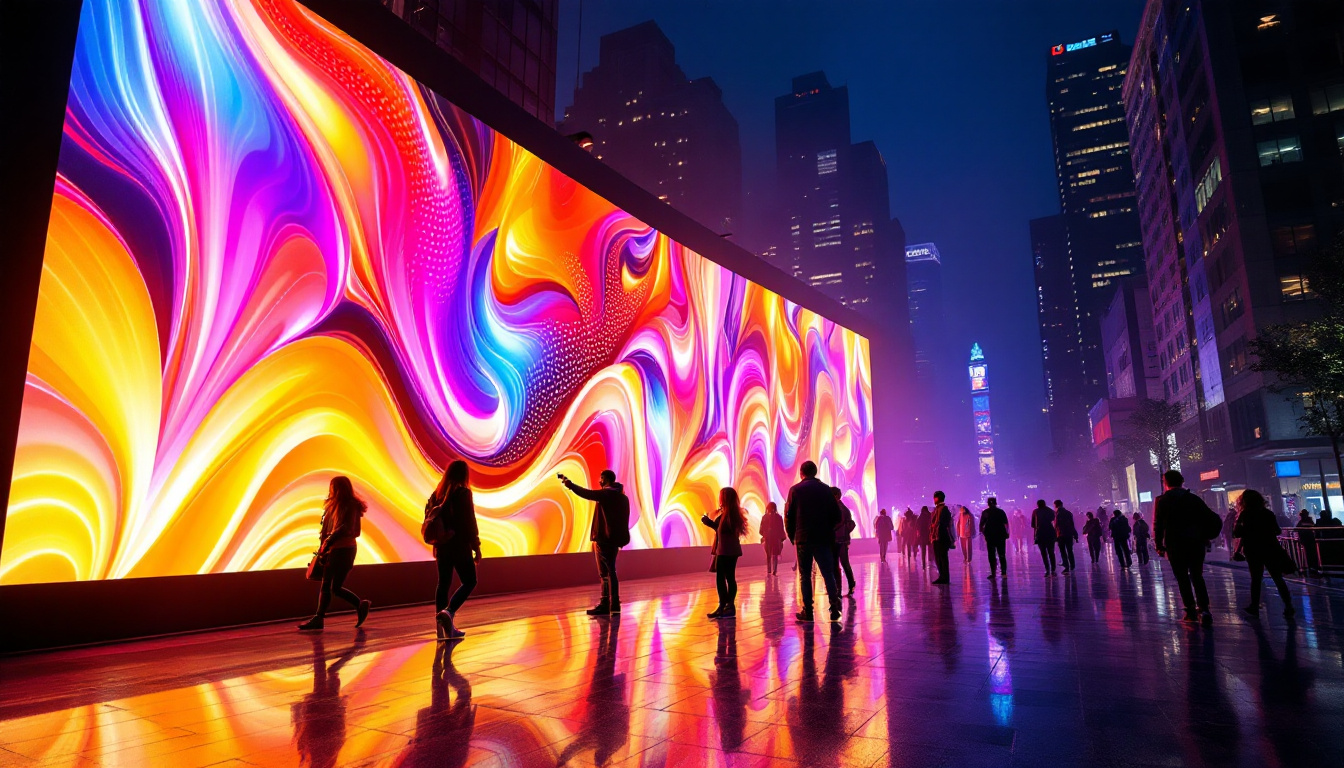
Unlike static billboards, LED displays can showcase dynamic content including videos, animations, and real-time updates. This capability allows brands to create more engaging and memorable campaigns that capture the fleeting attention of millions of visitors.
Some billboards in Times Square even integrate interactive elements, such as social media feeds, live event coverage, or augmented reality experiences. These innovations deepen audience engagement and provide measurable data on viewer interactions.
Durability and Maintenance
LED billboards are built to withstand harsh weather conditions, including rain, snow, and extreme temperatures, which are typical in New York City. Their solid-state construction makes them less prone to damage compared to fragile neon tubes or incandescent bulbs.
Additionally, modular design facilitates easier maintenance and repair. If a section of the display malfunctions, it can be quickly replaced without taking down the entire billboard, minimizing downtime and revenue loss.
Iconic LED Billboards in Times Square
Several LED billboards in Times Square have become landmarks in their own right, setting new standards for digital advertising and urban design.
The Nasdaq MarketSite Tower
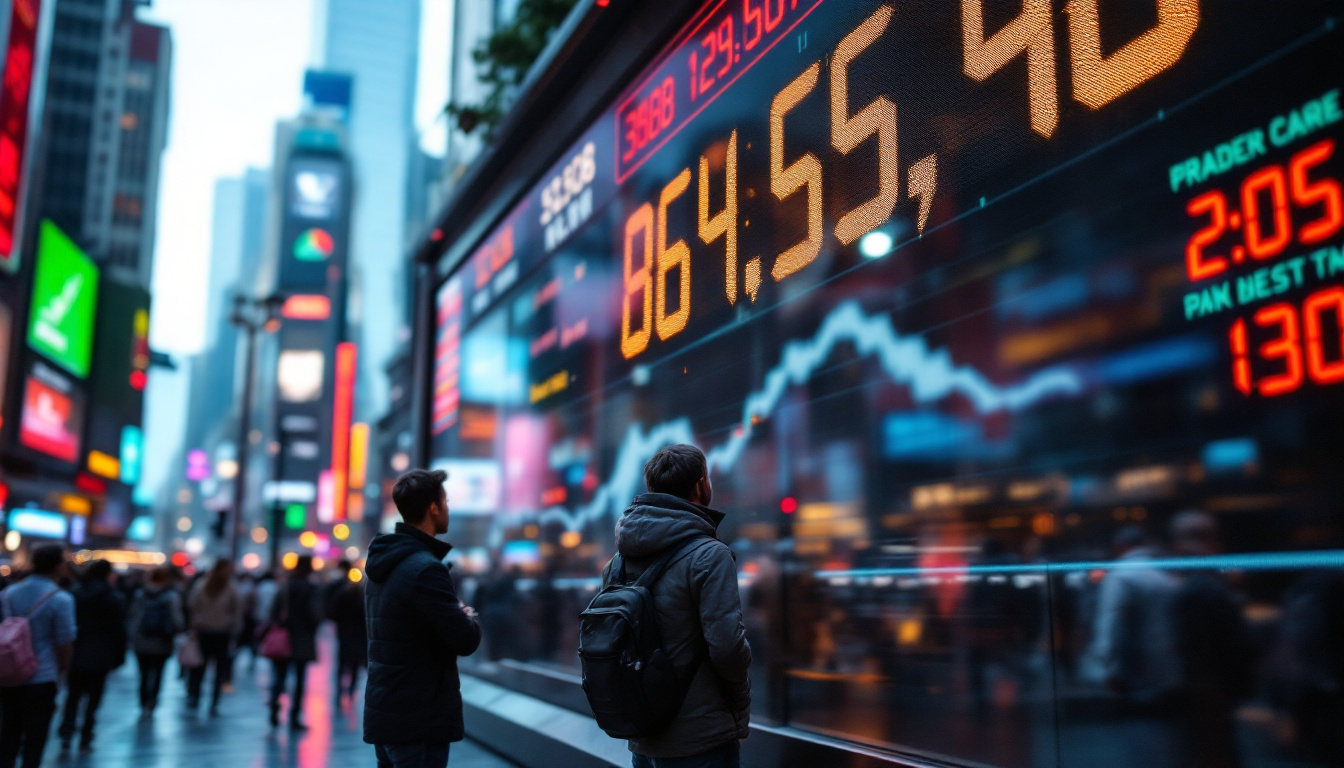
One of the most recognizable LED installations in Times Square is the Nasdaq MarketSite Tower. This cylindrical LED display wraps around the building’s facade and broadcasts real-time financial data, news, and advertisements. With a pixel pitch of approximately 10 mm and a height of over 120 feet, it offers stunning visuals that are visible from blocks away.
The MarketSite Tower exemplifies how LED technology can blend commercial messaging with functional information delivery, serving both advertisers and the public.
One Times Square LED Billboard
The building famously known as One Times Square hosts some of the largest LED billboards in the area. Its massive digital screens cover multiple sides of the building, displaying high-definition video content from global brands. The New Year’s Eve ball drop event also uses this building as a backdrop, highlighting the integration of LED technology in cultural traditions.
Other Noteworthy Displays
Beyond these landmarks, numerous other LED billboards contribute to the vibrant atmosphere of Times Square. Brands like Disney, Samsung, and Coca-Cola utilize custom LED installations that combine cutting-edge technology with creative storytelling, pushing the boundaries of what’s possible in outdoor advertising.
The Future of LED Billboards in Times Square
As LED technology continues to advance, the future of Times Square billboards promises even more innovation and spectacle.
Higher Resolution and Flexible Displays
Emerging LED technologies feature smaller pixel pitches, enabling ultra-high-definition displays that rival the clarity of indoor screens. Flexible and curved LED panels are also becoming more common, allowing for creative billboard shapes that conform to building architecture.
This flexibility expands the possibilities for advertisers to craft immersive visual experiences that blend seamlessly into the urban environment.
Integration with Smart City Technologies
Times Square is at the forefront of smart city initiatives, and LED billboards are expected to integrate more closely with these systems. This could include adaptive content based on pedestrian flow, environmental conditions, or even personalized advertising using anonymized data analytics.
Such integration will enhance the efficiency and relevance of advertising while contributing to the overall management of urban spaces.
Environmental and Regulatory Considerations
As LED billboards become brighter and more prevalent, concerns about light pollution and energy consumption grow. New York City has implemented regulations to balance commercial interests with public health and environmental sustainability.
Future LED installations will likely incorporate advanced dimming technologies, directional lighting, and energy harvesting features to minimize their ecological footprint while maintaining visual impact.
Conclusion
The LED billboards of Times Square are more than just advertisements; they are technological marvels that define the character of one of the world’s most famous urban spaces. Their evolution from neon signs to sophisticated LED displays reflects broader trends in energy efficiency, digital innovation, and urban design.
Understanding the technology behind these billboards reveals why they are so effective at capturing attention and delivering messages in a crowded media landscape. As LED technology advances, Times Square will continue to shine as a beacon of creativity and commercial vitality, lighting up the city and the imagination of millions worldwide.
Illuminate Your Brand with LumenMatrix
As you’ve seen, LED displays in Times Square are not just advertisements; they are a testament to the power of digital innovation. If you’re inspired to elevate your brand’s presence and captivate audiences with unparalleled visual experiences, look no further than LumenMatrix. With our extensive range of LED display solutions—from Indoor and Outdoor LED Walls to Custom and Transparent Displays—LumenMatrix is at the forefront of transforming spaces into dynamic visual landscapes. Check out LumenMatrix LED Display Solutions today and join the revolution in visual communication.