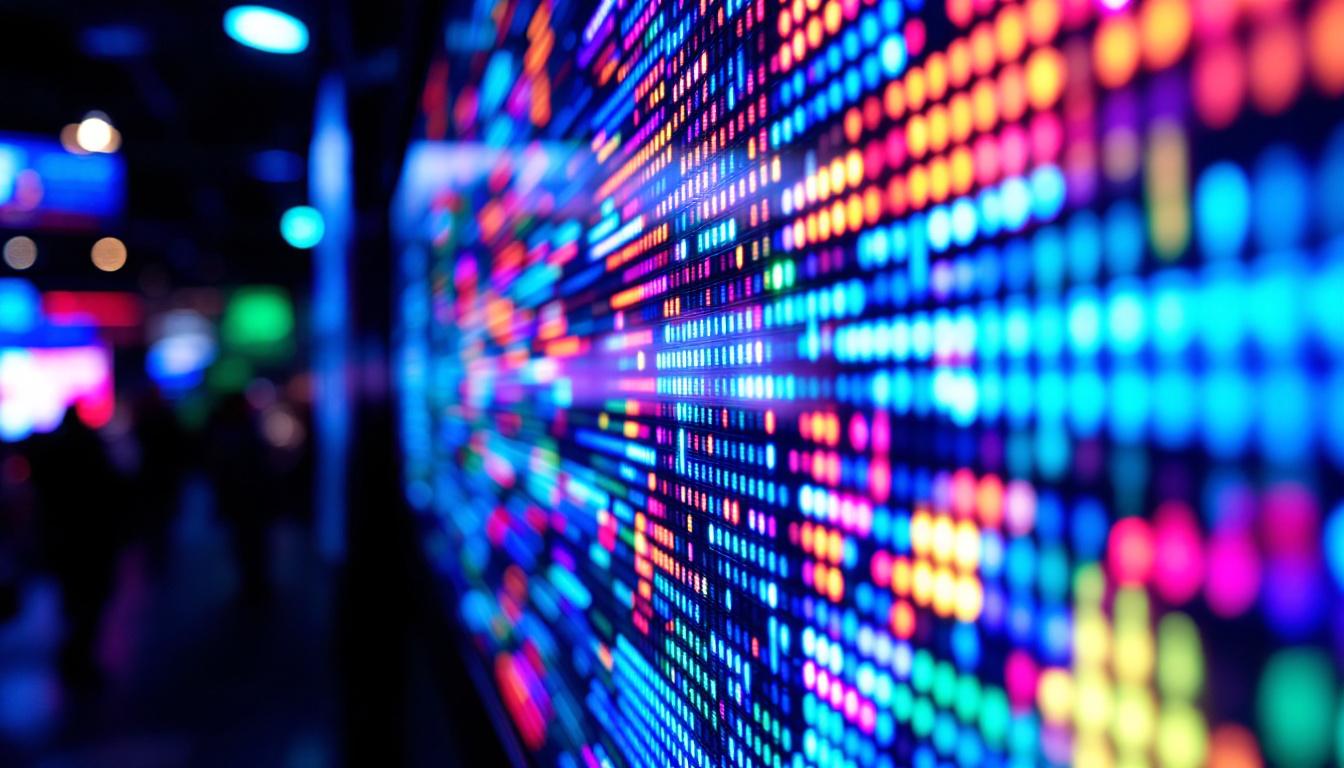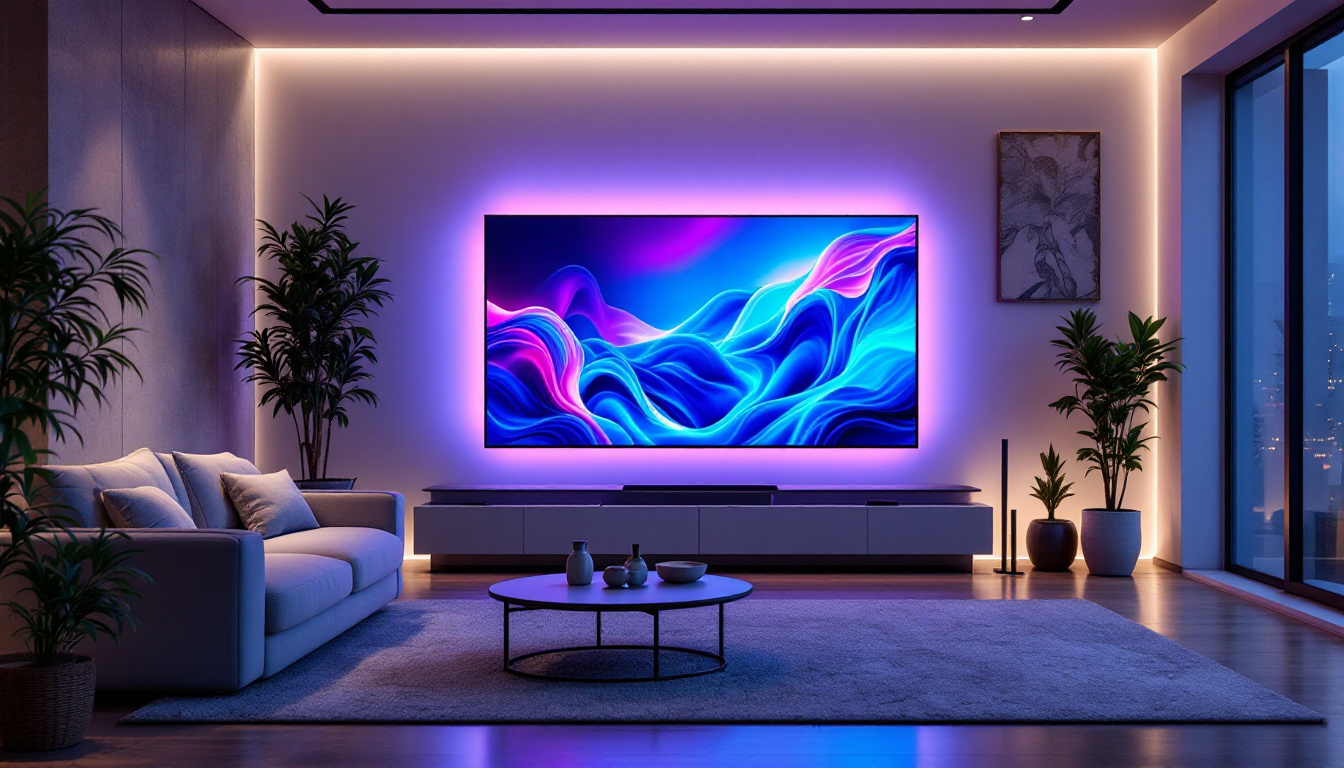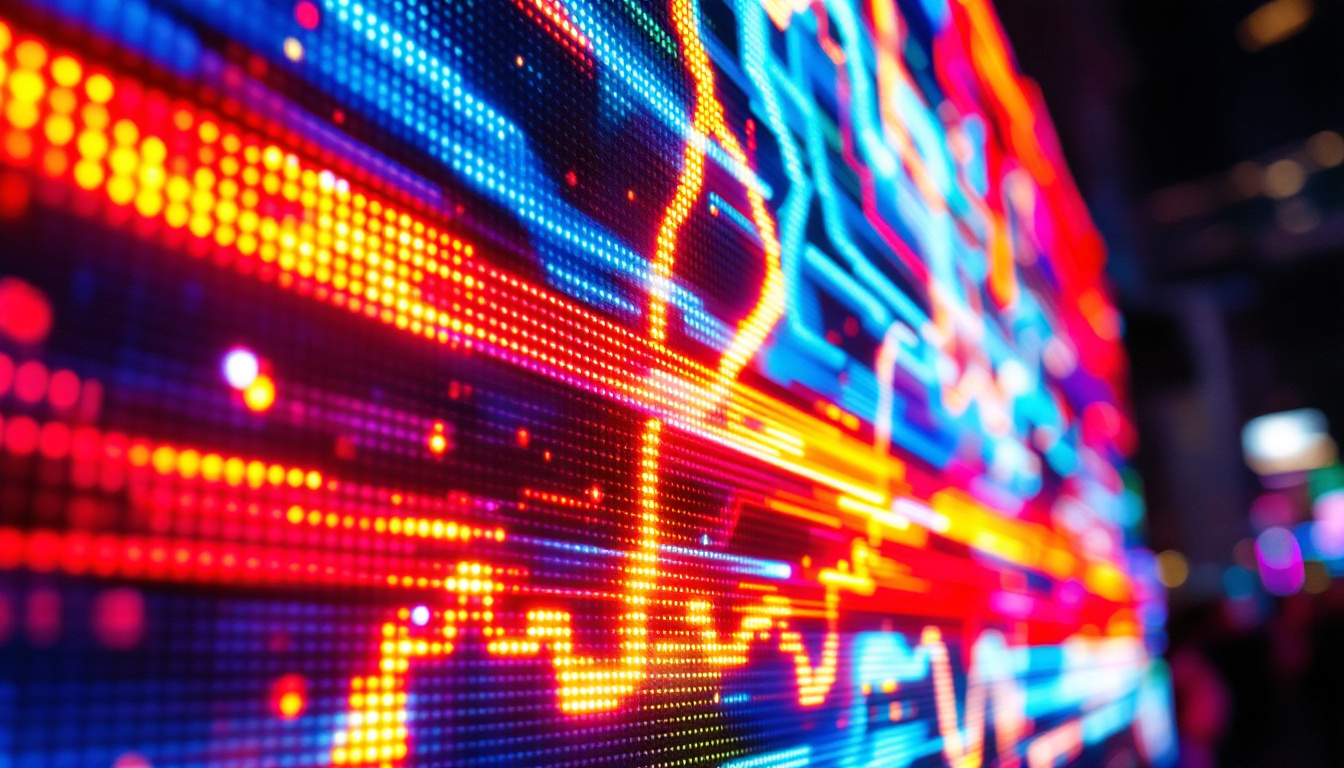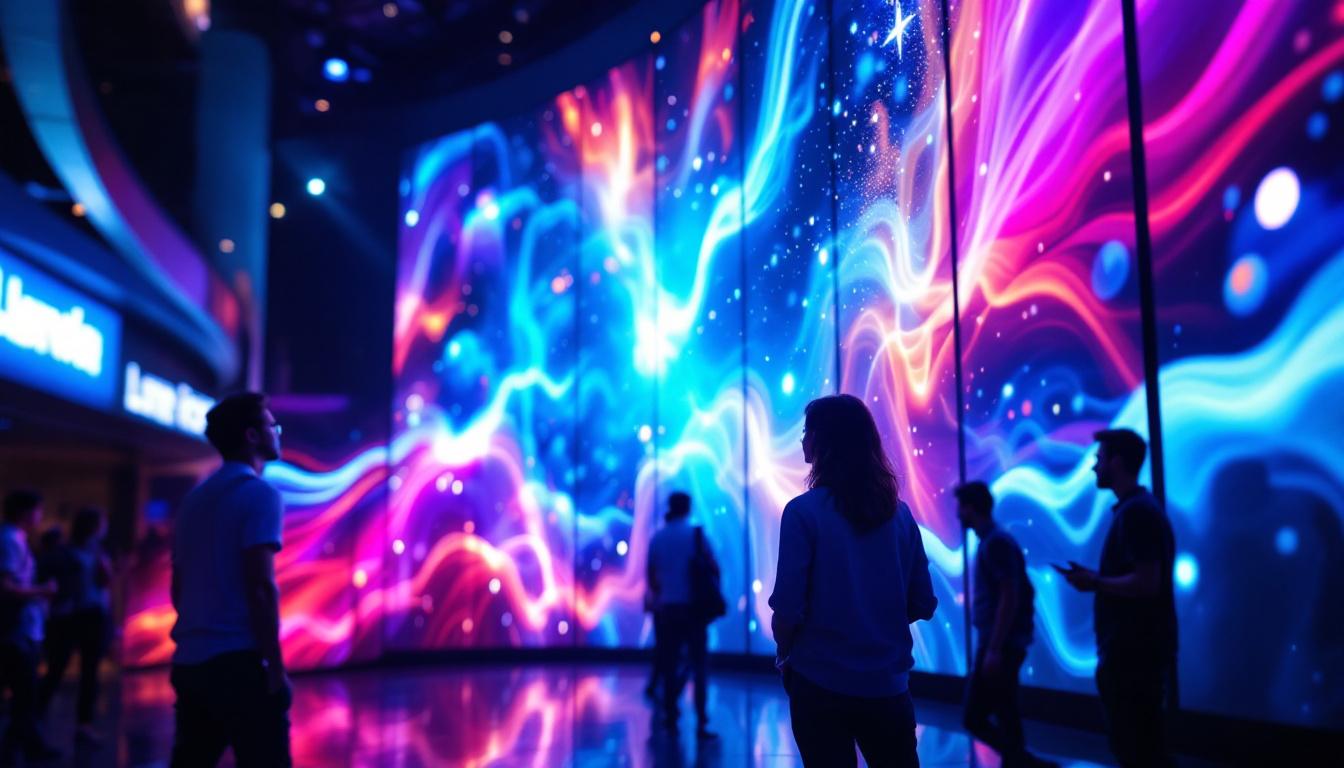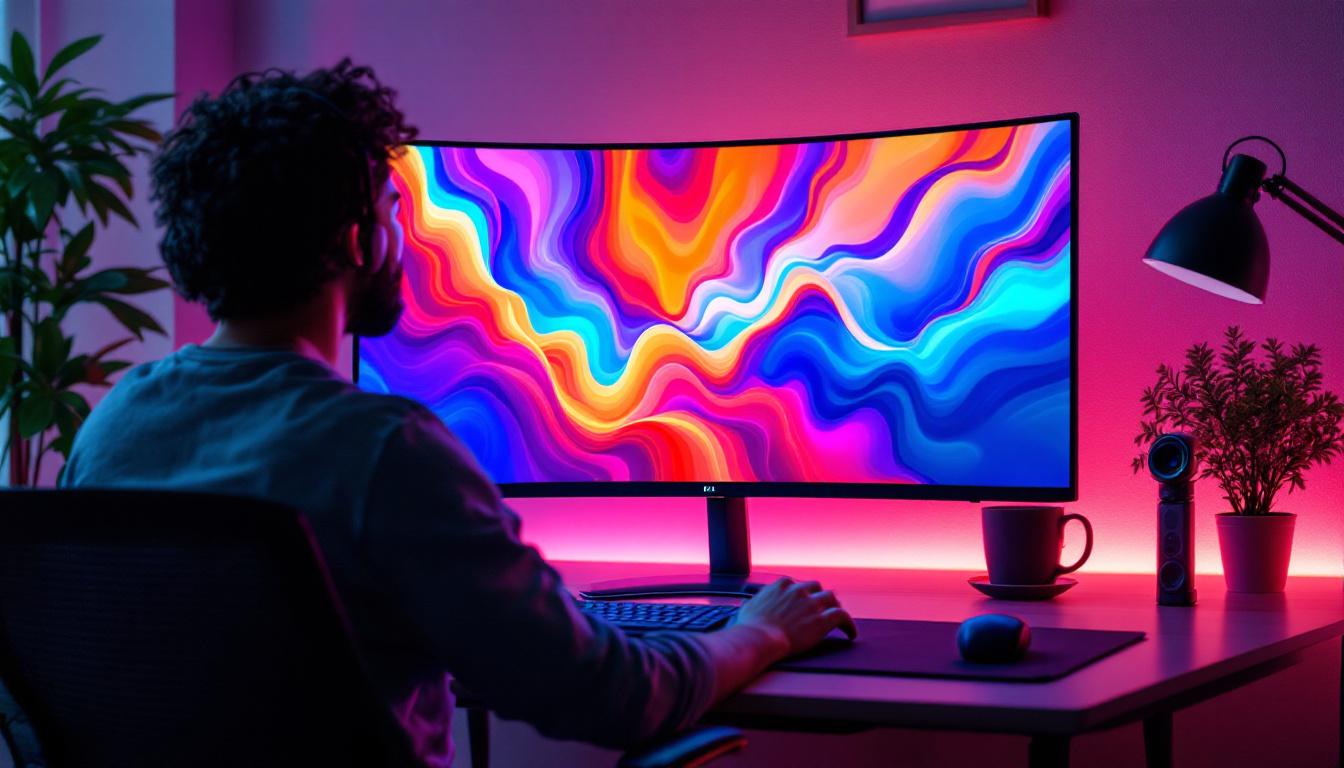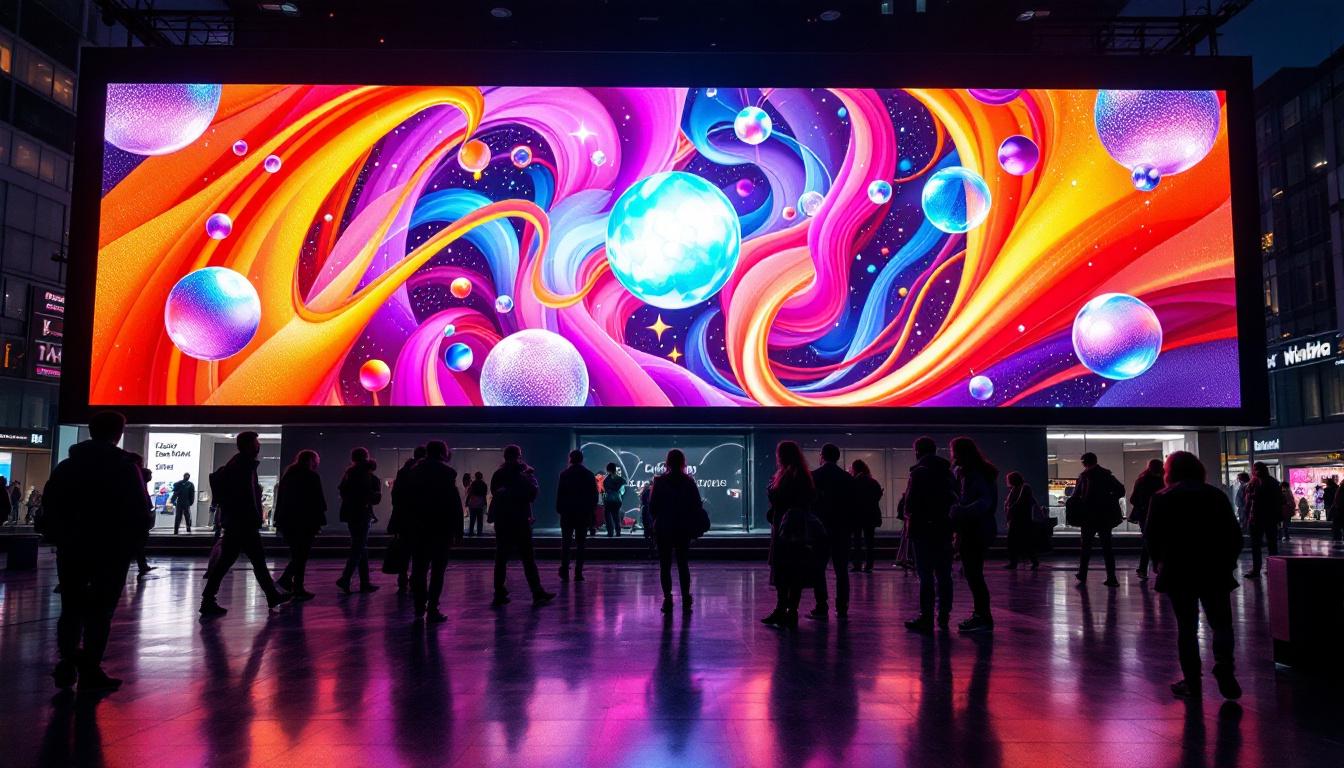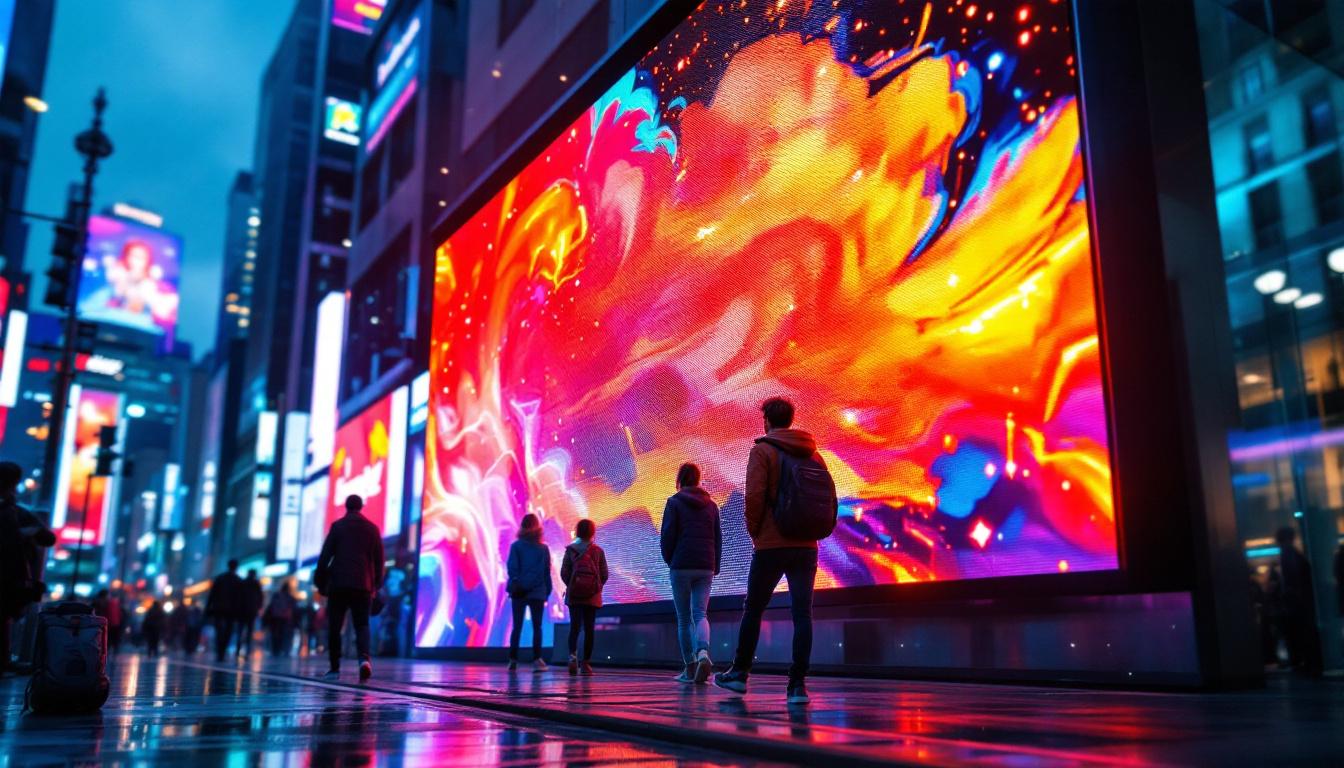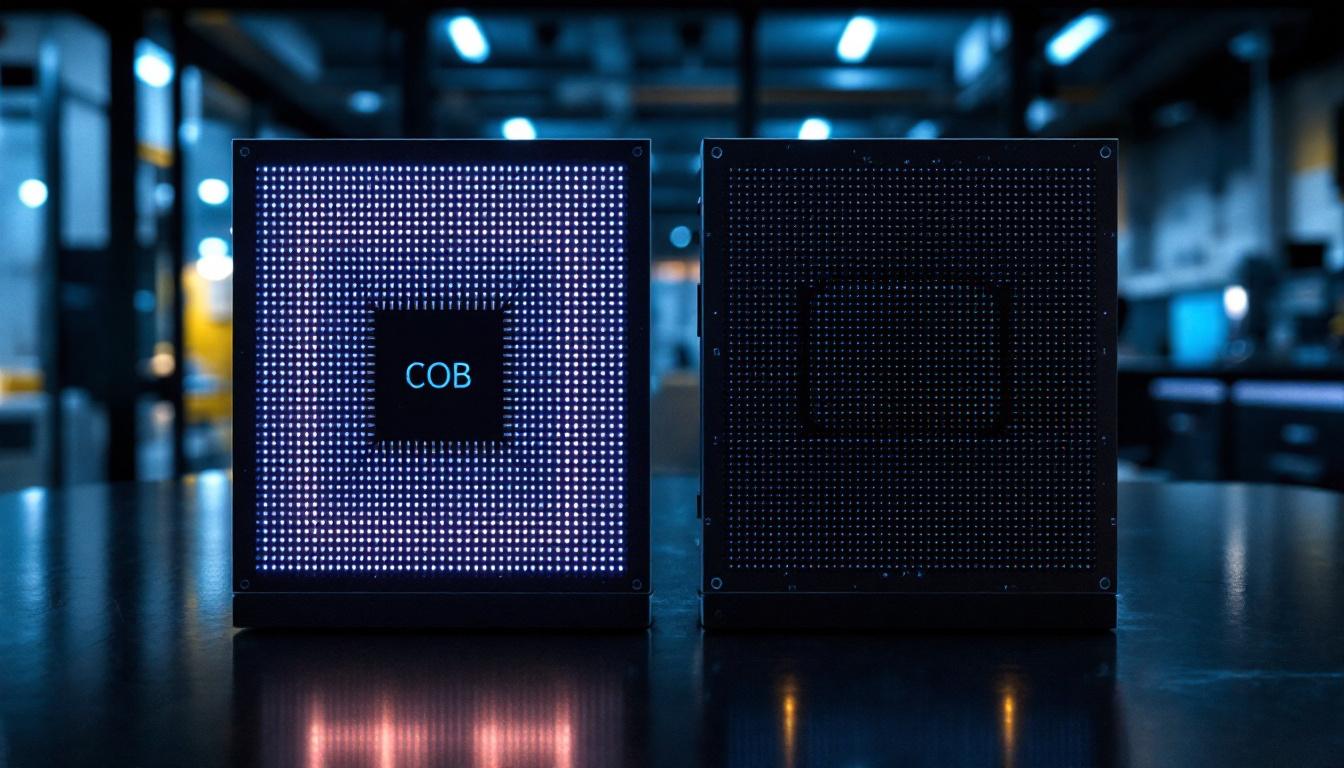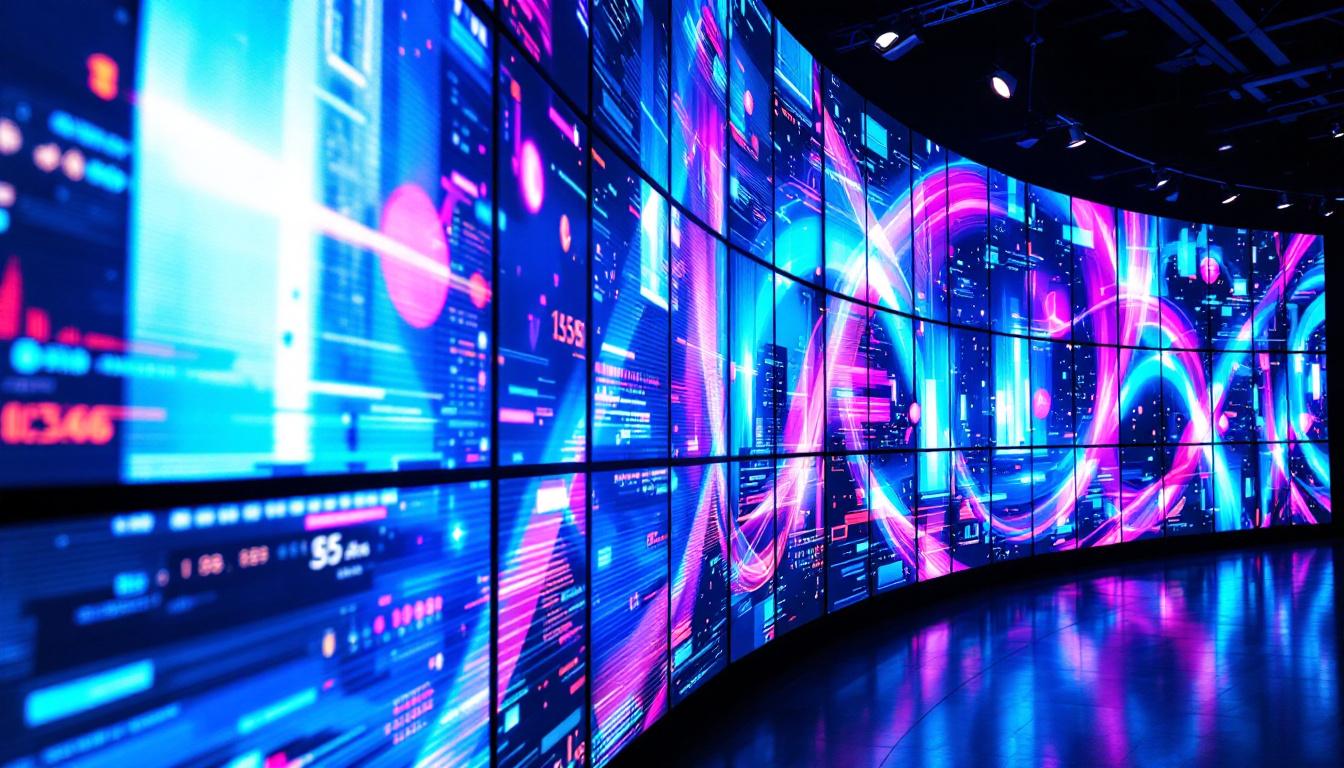
In today’s fast-paced digital world, the use of large-scale LED displays has become ubiquitous, transforming everything from advertising and entertainment to corporate communications and public information systems. The iconic “wall of TV screens” is no longer just a futuristic concept but a practical reality that businesses and organizations harness to captivate audiences with vibrant, dynamic visuals. This article dives deep into the technology behind LED displays, exploring how they work, their advantages, and why they have become the preferred choice for large video walls.
Understanding LED Display Technology
What Is an LED Display?
LED stands for Light Emitting Diode, a semiconductor device that emits light when an electric current passes through it. An LED display is essentially a screen made up of thousands or even millions of these tiny diodes arranged in a grid to form pixels. Each pixel can produce red, green, and blue light, which combine to create a full spectrum of colors.
Unlike traditional LCD or plasma screens that rely on backlighting or gas plasma, LED displays generate their own light, resulting in brighter images with higher contrast ratios. This self-illumination characteristic makes LED walls ideal for environments with varying lighting conditions, including outdoor settings. The ability to maintain clarity and vibrancy in direct sunlight is a significant advantage for advertising and public displays, where visibility is crucial.
Types of LED Displays
LED displays come in several forms, primarily categorized by their construction and intended use:
- Direct View LED (DVLED): These displays use individual LEDs as pixels and are typically modular, allowing for large-scale video walls with seamless image quality.
- LED-backlit LCD: This technology uses LEDs as a backlight source for LCD panels, improving brightness and energy efficiency but not offering the same viewing angles or contrast as direct view LEDs.
- MicroLED: An emerging technology that uses microscopic LEDs to create displays with superior brightness, contrast, and energy efficiency, promising to revolutionize the industry in the coming years.
For large wall installations, direct view LED displays are the most common choice due to their scalability and superior visual performance. These displays are particularly favored in arenas and concert venues, where the need for vibrant visuals that can be seen from great distances is paramount. The flexibility in size and shape allows for creative installations that can adapt to various architectural designs, enhancing the overall aesthetic of the space.
Moreover, the advancements in LED technology have led to the development of features such as high refresh rates and improved color accuracy, making them suitable for a wide range of applications beyond just advertising. From immersive gaming experiences to interactive art installations, the versatility of LED displays continues to expand. As the technology evolves, we can expect to see even more innovative uses, including integration with augmented reality and smart city applications, further blurring the lines between digital and physical environments.
How LED Video Walls Work
Pixel Pitch and Resolution
One of the most critical factors in LED display quality is the pixel pitch, which refers to the distance between the centers of two adjacent pixels. Measured in millimeters, pixel pitch determines the display’s resolution and viewing distance. Smaller pixel pitches mean more pixels per square meter, resulting in sharper images suitable for close viewing.
For example, a pixel pitch of 1.2mm is ideal for indoor applications like control rooms or retail environments where viewers are close to the screen. Larger pixel pitches, such as 10mm or more, are common for outdoor billboards where viewers are farther away. The choice of pixel pitch not only affects image clarity but also influences the overall cost of the installation, as finer pitches generally require more advanced technology and materials, leading to higher prices.
Modular Design and Scalability
LED video walls are built from smaller modular panels, each containing a matrix of LEDs. These panels can be combined in various configurations to create screens of virtually any size and shape. This modularity makes LED walls highly scalable and customizable, able to fit unique architectural spaces or specific design requirements. For instance, venues like concert halls or sports arenas often utilize custom shapes to enhance the visual experience, making the technology not only functional but also a key part of the aesthetic.
Moreover, the modular approach simplifies maintenance. If a panel malfunctions, it can be replaced individually without dismantling the entire display, minimizing downtime and repair costs. This ease of maintenance is particularly beneficial for businesses that rely on continuous operation, such as advertising agencies or live event venues, where any interruption can lead to significant revenue loss.
Brightness and Contrast
Brightness is measured in nits, and LED displays can achieve brightness levels exceeding 5,000 nits, making them visible even in direct sunlight. This is a significant advantage over LCD screens, which typically max out around 500-700 nits. The ability to maintain visibility in bright environments makes LED video walls a preferred choice for outdoor advertising and large public displays, where ambient light can often wash out images.
Contrast ratio, the difference between the darkest black and the brightest white a screen can display, is another strength of LED technology. Because LEDs emit light directly, they can turn off individual pixels completely to produce true blacks, resulting in superior contrast and more vivid images. This capability not only enhances the visual experience but also allows for more dynamic content, such as high-definition videos and intricate graphics, to be displayed with stunning clarity. As a result, LED video walls are increasingly being used in high-profile events, art installations, and immersive experiences that demand high-quality visuals to captivate audiences.
Applications of LED Video Walls
Advertising and Digital Signage
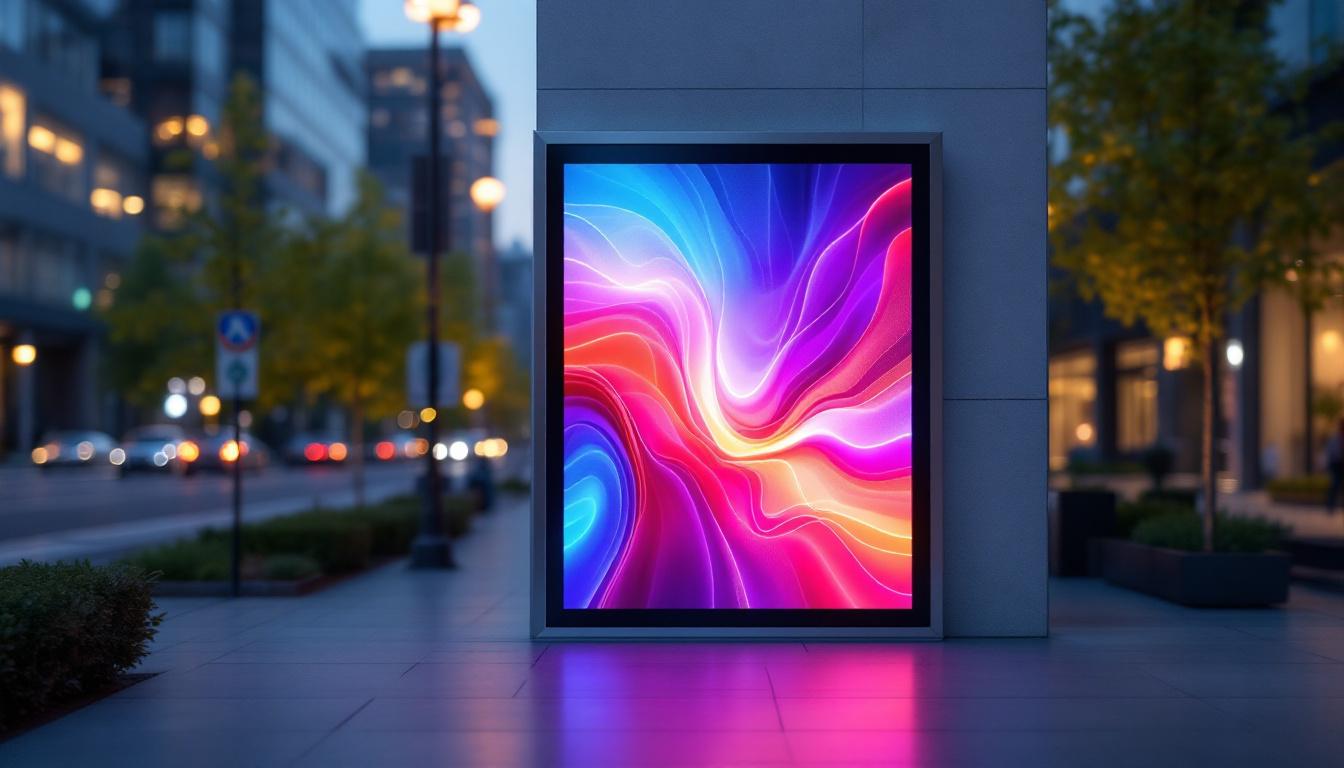
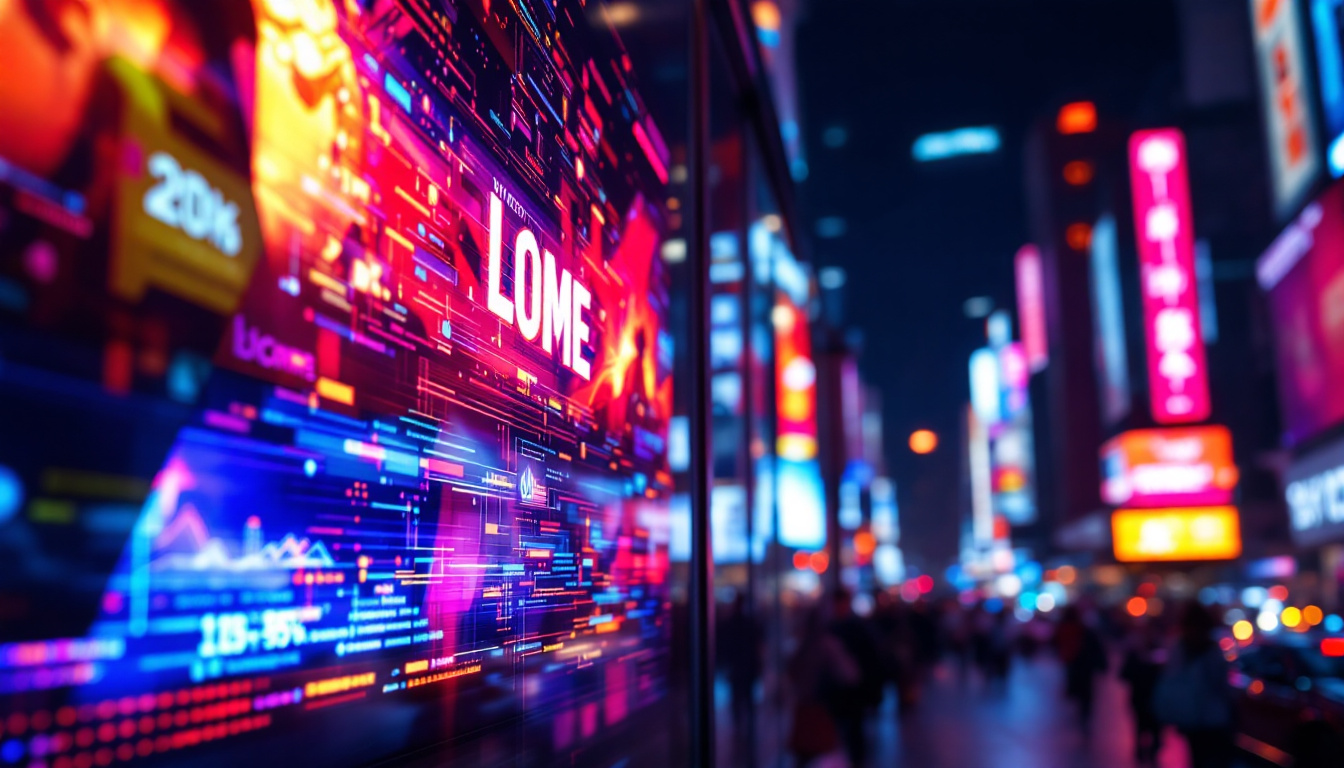
One of the most prominent uses of LED video walls is in outdoor advertising. Iconic locations like Times Square in New York City and Piccadilly Circus in London feature massive LED billboards that deliver eye-catching, dynamic content 24/7. These displays attract attention more effectively than static billboards and can be updated remotely in real-time.
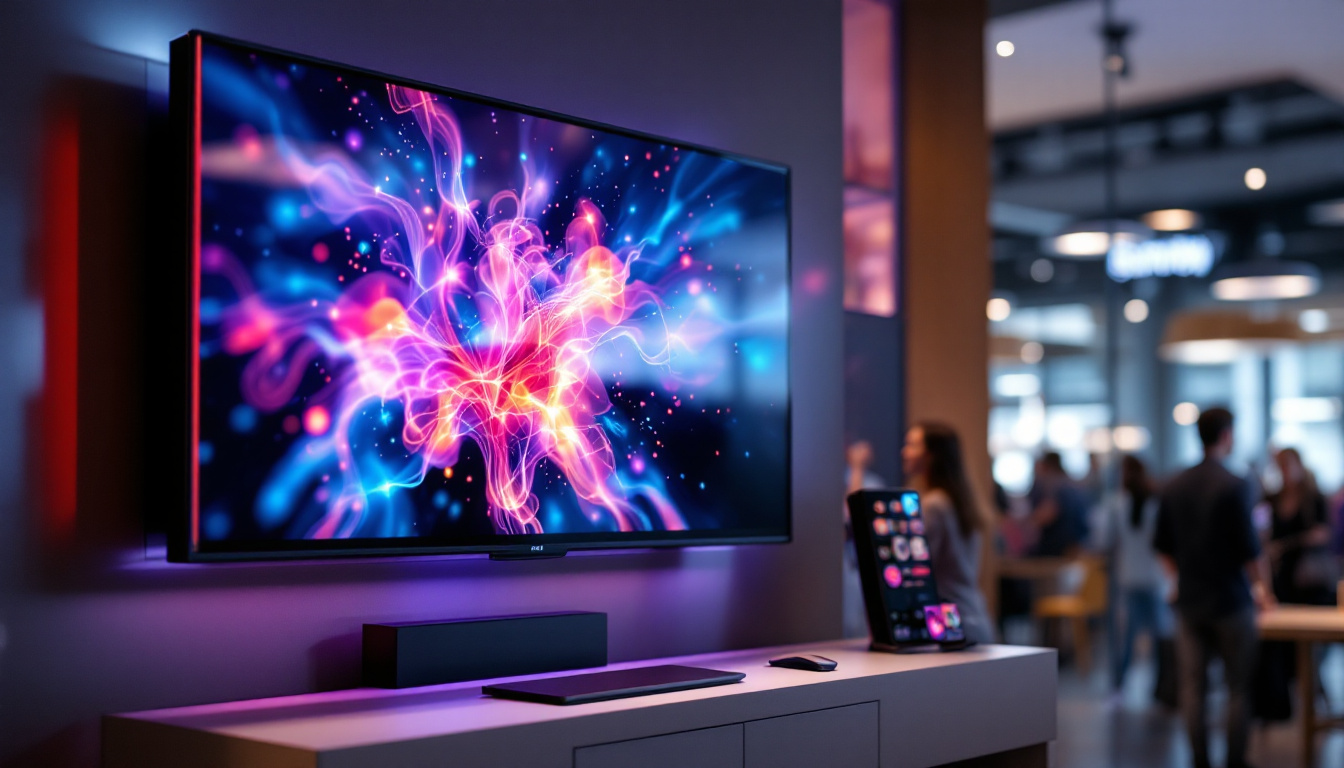
Retail stores also use LED walls to enhance customer engagement by showcasing promotions, product videos, and interactive content, creating immersive shopping experiences that drive sales.
Corporate and Event Spaces
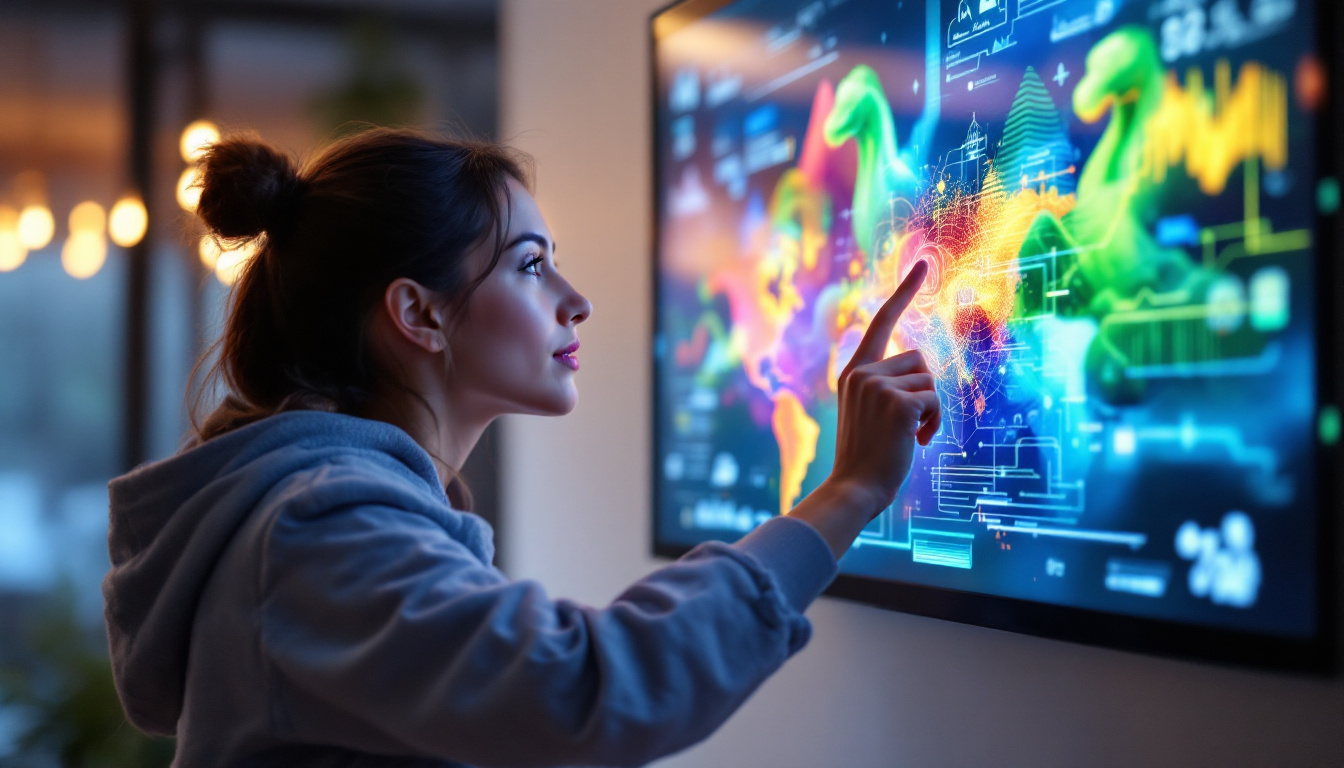
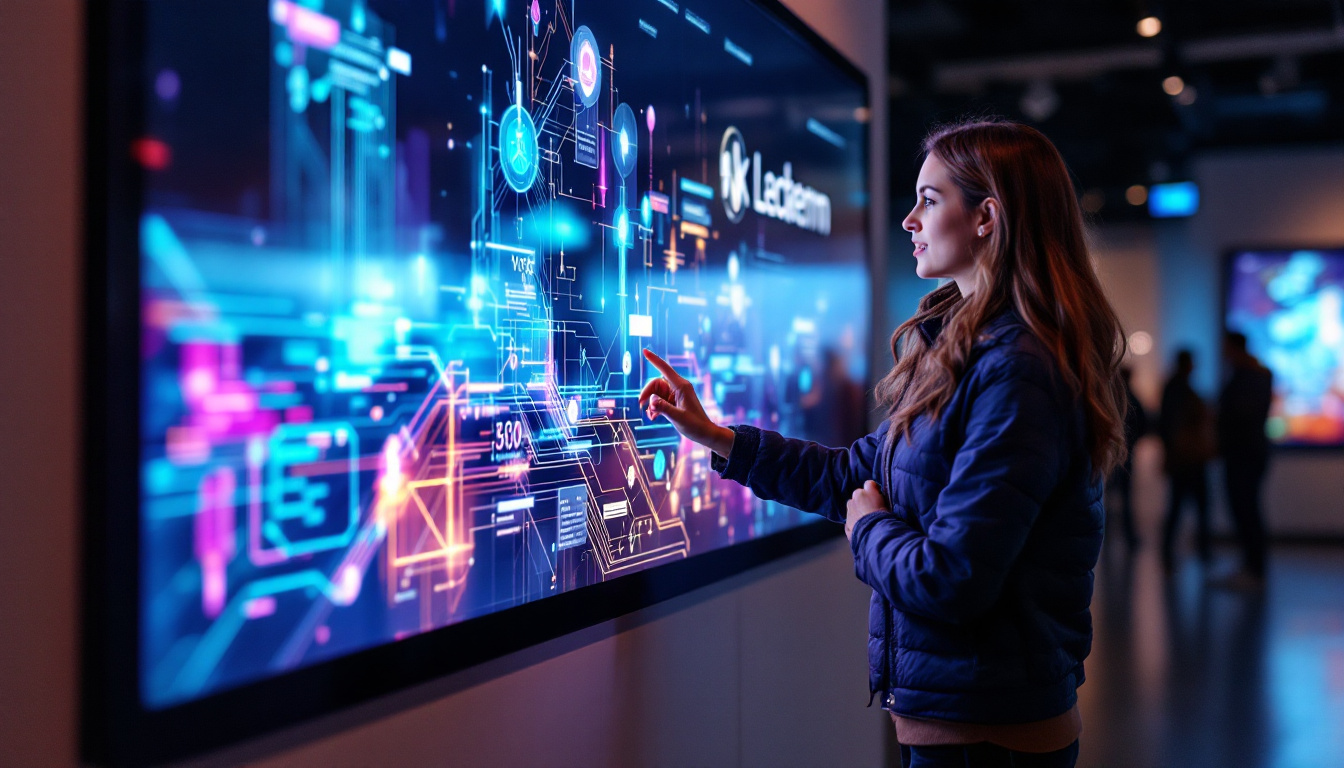
In corporate environments, LED video walls are increasingly used for presentations, video conferencing, and branding. Their ability to display high-resolution content with excellent color fidelity makes them ideal for boardrooms, lobbies, and trade shows.
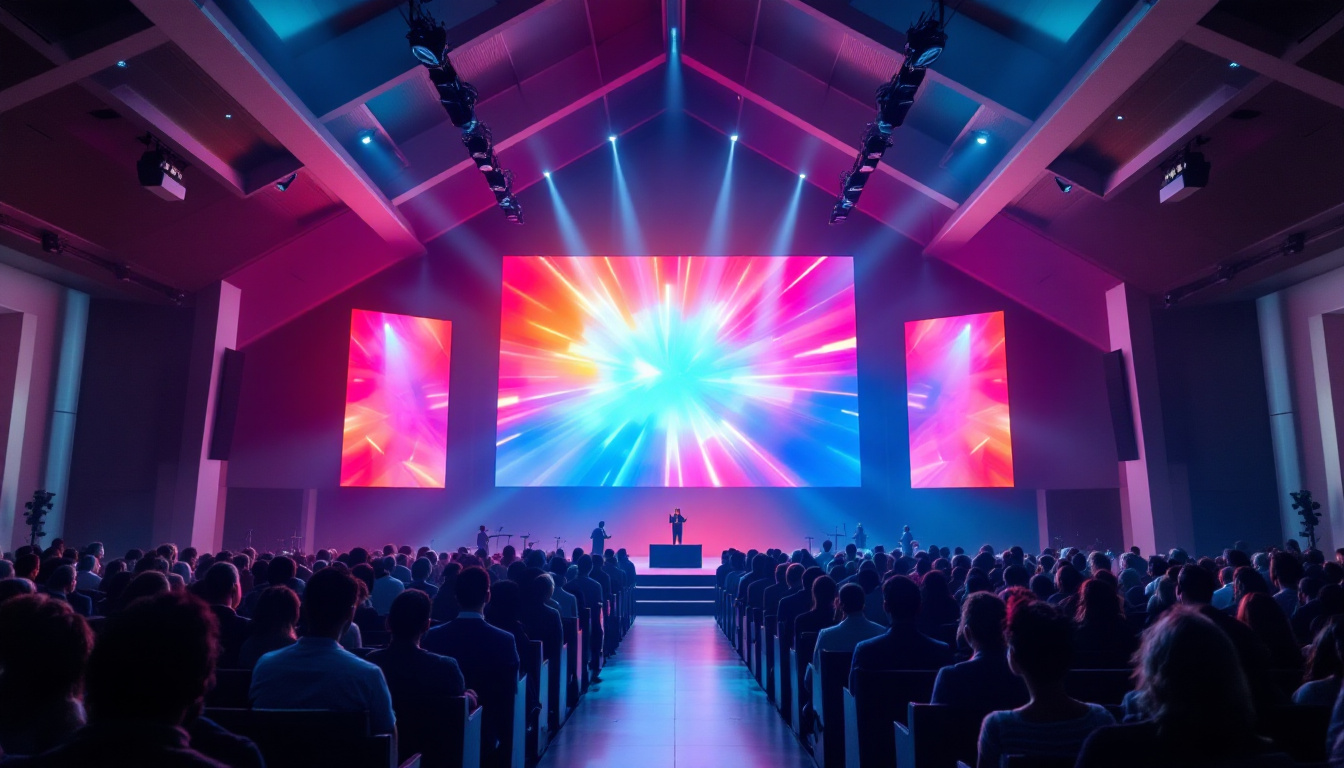
Event organizers rely on LED walls to create immersive stages and backdrops that enhance performances, conferences, and sporting events. The flexibility to configure screens in various shapes and sizes allows for creative visual storytelling that captivates audiences.
Control Rooms and Public Information Displays
Control rooms for utilities, transportation, and emergency services depend on LED video walls to monitor real-time data and coordinate responses. The high resolution and brightness ensure critical information is visible at all times, even in challenging lighting conditions.
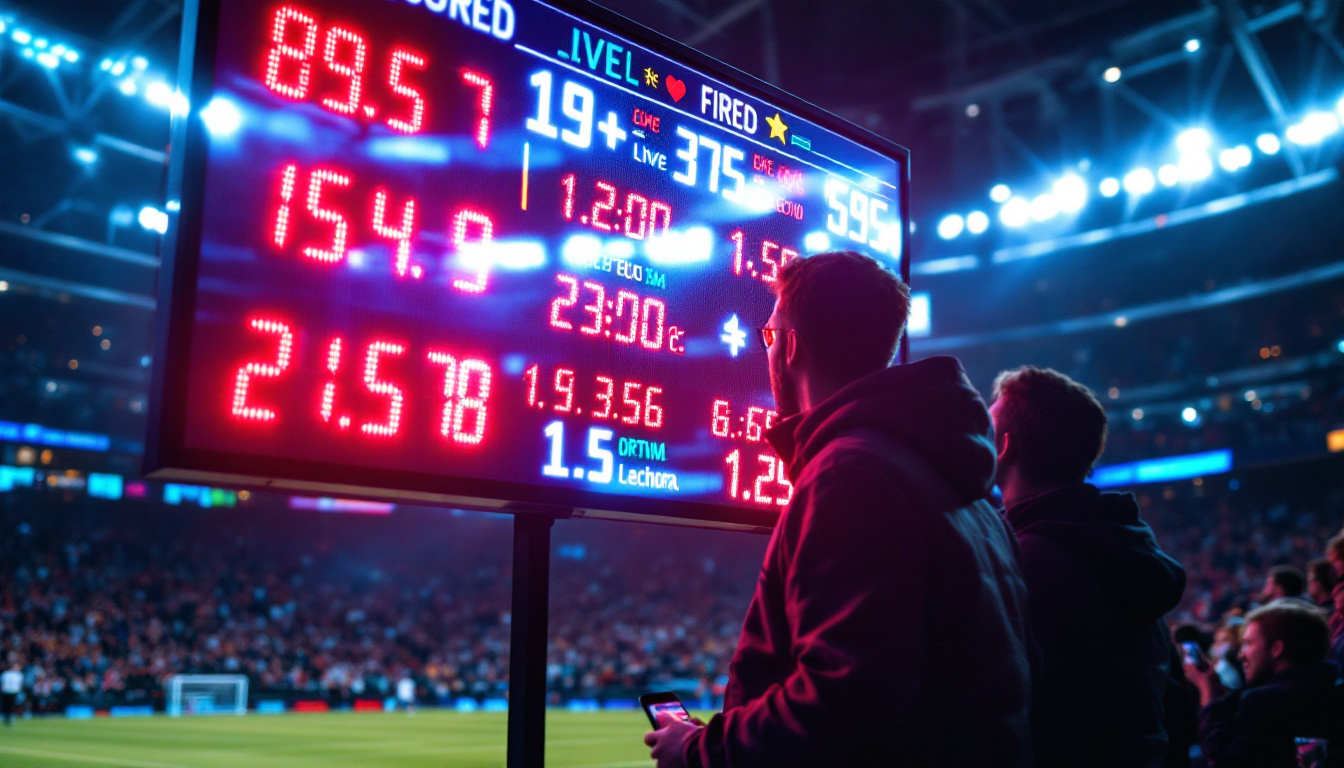
Public spaces such as airports, train stations, and stadiums use LED displays to provide travelers and visitors with up-to-date information, directions, and safety messages.
Advantages of LED Video Walls Over Traditional Displays
Superior Image Quality
LED video walls offer unparalleled brightness, contrast, and color accuracy compared to traditional LCD or projection systems. This results in images that are more vibrant and easier to see from a distance or in bright environments.
Flexibility and Customization
The modular nature of LED displays allows for creative configurations that can fit any space or design requirement. Curved, angled, or irregularly shaped walls are achievable, enabling architects and designers to integrate technology seamlessly into their projects.
Energy Efficiency and Longevity
Modern LEDs are highly energy-efficient, consuming less power than older display technologies. Additionally, LED displays have a long operational lifespan, often exceeding 100,000 hours of use before significant brightness degradation occurs. This translates into lower operating costs and less frequent replacements.
Durability and Weather Resistance
Outdoor LED video walls are built to withstand harsh weather conditions, including rain, wind, and extreme temperatures. Their rugged construction and protective coatings ensure reliable performance in diverse environments.
Considerations When Choosing an LED Video Wall
Viewing Distance and Environment
Determining the appropriate pixel pitch depends heavily on the typical viewing distance. For indoor environments where viewers are close, a fine pixel pitch is essential to avoid visible pixelation. Outdoor installations can use larger pixel pitches since viewers are generally farther away.
Installation and Maintenance
LED video walls require professional installation to ensure proper alignment, calibration, and electrical safety. Maintenance considerations include easy access to panels and the availability of technical support to address any issues promptly.
Cost Factors
While LED video walls can be a significant upfront investment, their long-term benefits often justify the cost. Factors influencing price include resolution, size, brightness, and additional features like weatherproofing or interactive capabilities.
The Future of LED Display Technology
MicroLED and Beyond
MicroLED technology promises to push the boundaries of LED displays even further, offering higher resolutions, better energy efficiency, and thinner form factors. This technology is expected to impact consumer electronics, large-scale displays, and even wearable devices.
Integration with Smart Technologies
As LED video walls become smarter, integration with AI-driven content management systems, interactive sensors, and augmented reality will create more engaging and personalized experiences for viewers. This evolution will make LED walls not just display devices but interactive platforms for communication and entertainment.
Conclusion
The wall of TV screens, powered by LED display technology, has revolutionized the way visual content is presented in public and private spaces. Its superior image quality, flexibility, and durability make it the go-to solution for applications ranging from advertising and corporate communications to public safety and entertainment.
Understanding the fundamentals of LED technology, including pixel pitch, brightness, and modular design, helps businesses and organizations make informed decisions when investing in video walls. As innovations like MicroLED and smart integration continue to evolve, LED displays will remain at the forefront of visual communication technology, delivering immersive and impactful experiences for years to come.
Discover Cutting-Edge LED Display Solutions
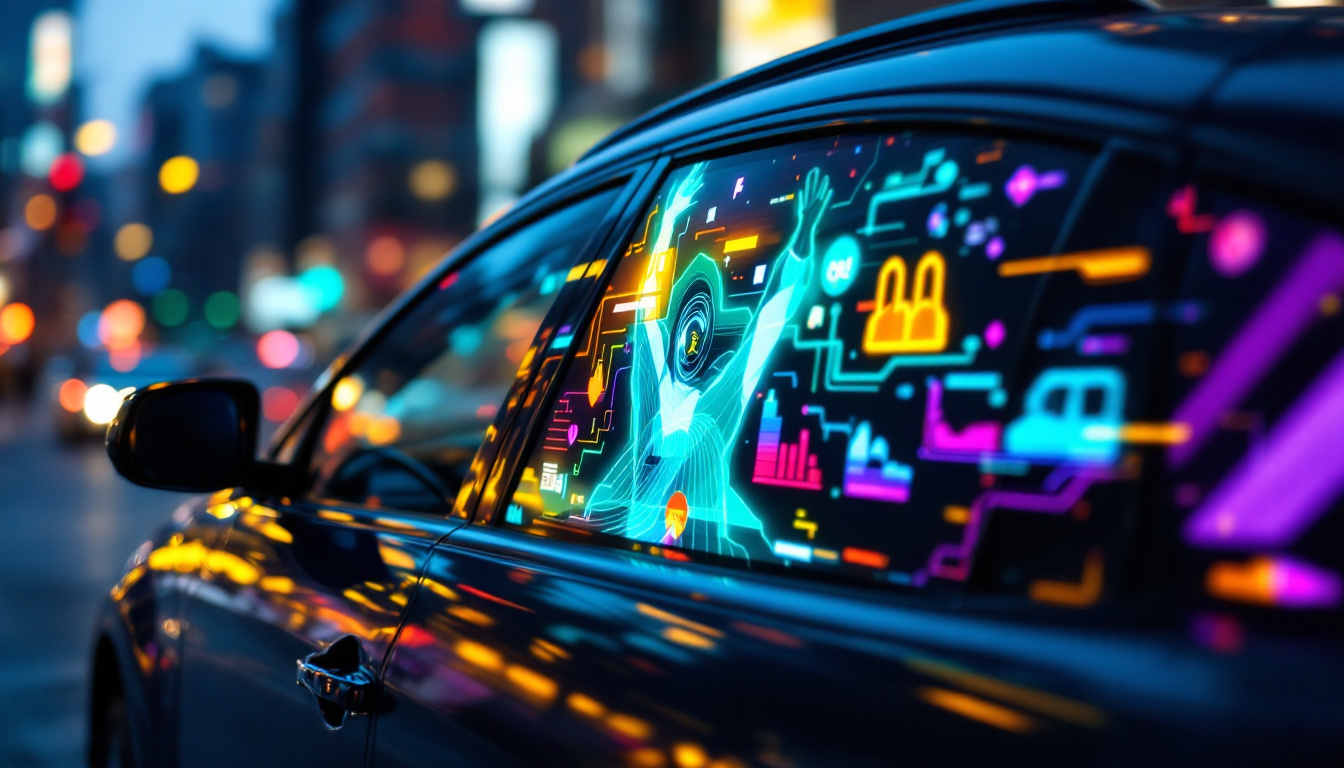
Ready to elevate your visual content and captivate your audience with unparalleled clarity and vibrancy? Look no further than LumenMatrix, a pioneer in LED display technology. From indoor and outdoor video walls to innovative vehicle displays and beyond, LumenMatrix offers a comprehensive range of LED solutions tailored to your needs. Whether it’s for advertising, entertainment, or public information, our mission is to revolutionize visual communication with displays that engage and inspire. Check out LumenMatrix LED Display Solutions today and transform your space into a dynamic visual experience.