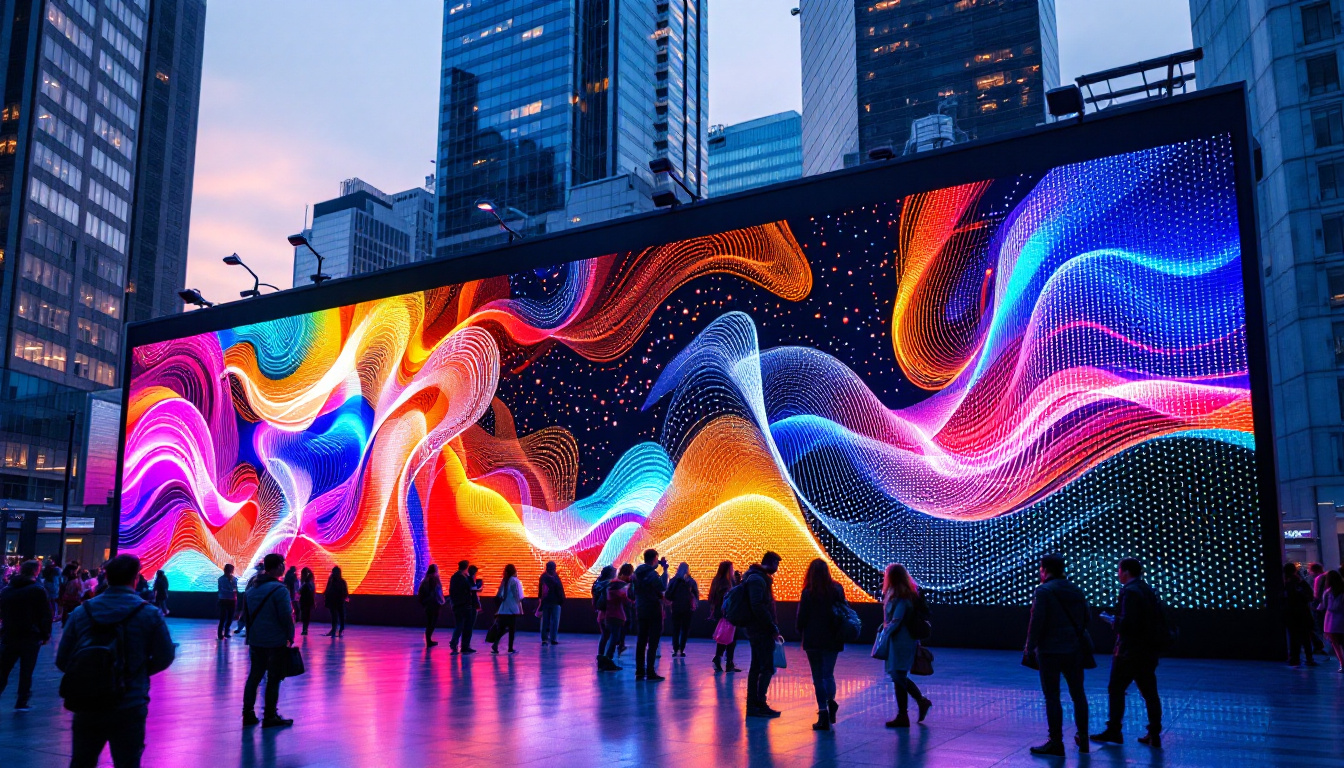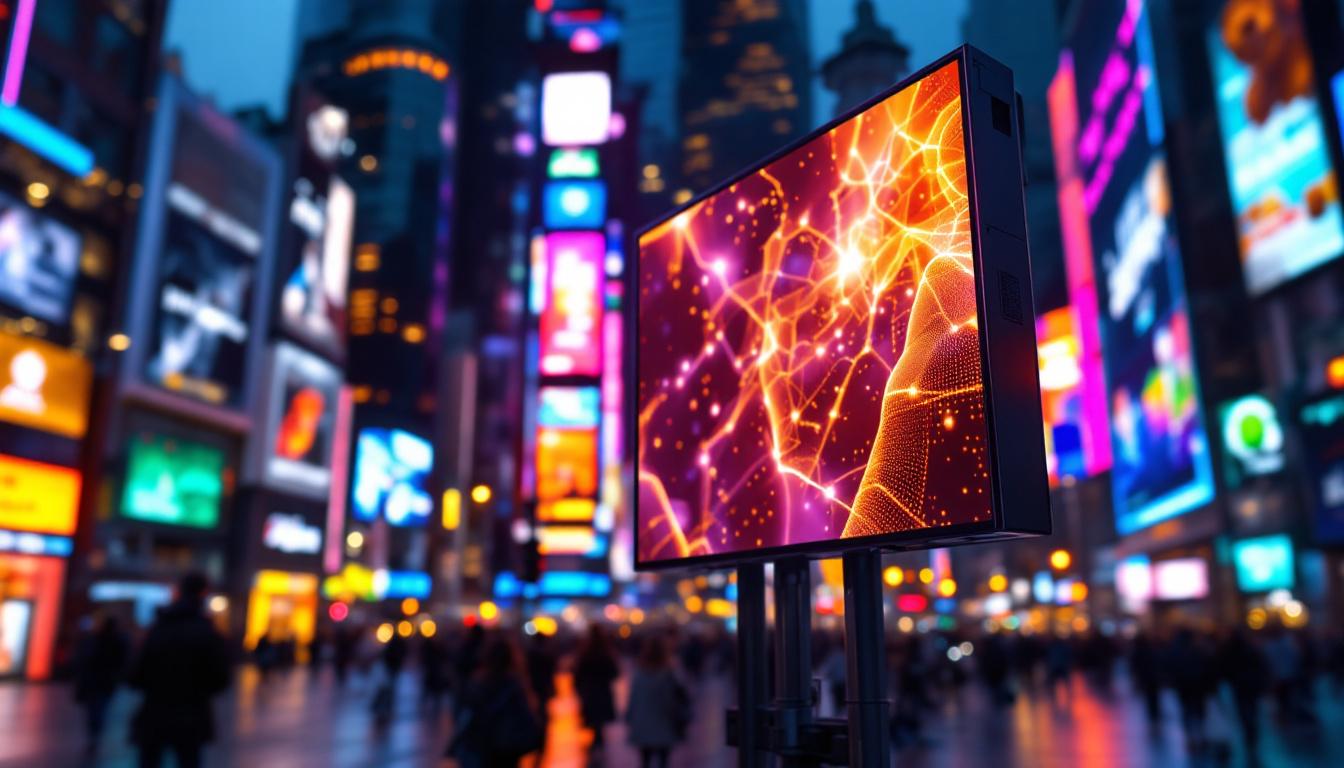
LED displays have become a cornerstone of modern visual technology, transforming everything from advertising billboards to stadium screens and home entertainment systems. However, the evolution of LED technology has been rapid, and understanding the characteristics of older LED screens compared to their modern counterparts is essential for professionals and enthusiasts alike. This article delves into the fundamentals of LED displays, explores the features of older LED screens, and highlights how advancements have shaped the industry today.
Understanding LED Display Technology
At its core, an LED display is a flat panel that uses light-emitting diodes (LEDs) as pixels to produce images. Unlike traditional LCD screens that rely on backlighting, LED displays generate their own light, which results in brighter images and better contrast ratios. This unique characteristic allows LED displays to maintain visibility even in bright ambient light, making them ideal for outdoor advertising and public information displays.
LEDs are semiconductor devices that emit light when an electrical current passes through them. In displays, these tiny diodes are arranged in a matrix, with each diode representing a pixel or part of a pixel. By controlling the intensity and color of each LED, the display can render images, videos, and text with precision. The ability to mix red, green, and blue light from individual LEDs enables the creation of a wide spectrum of colors, enhancing the visual experience for viewers.
Types of LED Displays
There are primarily two types of LED displays: direct-view LED and LED-backlit LCD. Direct-view LED displays use LEDs as the actual pixels, making them ideal for large-scale applications like billboards and stadium screens. In contrast, LED-backlit LCDs use LEDs as a backlight behind an LCD panel, common in televisions and computer monitors. The distinction between these types is crucial for understanding their applications and performance characteristics.
This article focuses on direct-view LED displays, particularly the older models that laid the groundwork for today’s high-definition screens. Early direct-view LED displays were often bulky and expensive, but advancements in technology have led to thinner, lighter, and more cost-effective solutions. These developments have opened up new possibilities for creative installations, such as video walls and immersive environments that transform spaces into dynamic visual experiences. Furthermore, the evolution of pixel pitch—the distance between the centers of adjacent LEDs—has significantly improved the resolution and clarity of images, making it possible to achieve stunning detail even at close viewing distances.
The Evolution of Old LED Screens
Early LED screens emerged in the late 20th century, initially designed for simple numeric and alphanumeric displays such as calculators, clocks, and scoreboards. As the technology matured, these screens evolved into full-color displays capable of showing complex images and videos.
Old LED screens were characterized by their relatively large pixel pitch, limited color depth, and lower resolution compared to modern standards. Pixel pitch refers to the distance between the centers of two adjacent LEDs, and a larger pitch means fewer pixels per unit area, resulting in less detailed images.
Pixel Pitch and Resolution
In older LED displays, pixel pitch often ranged from 10mm to 20mm or more. This was sufficient for applications where viewers were positioned at a considerable distance, such as outdoor billboards or sports arenas. However, for closer viewing, these screens appeared pixelated and lacked image sharpness.
Modern LED displays have drastically reduced pixel pitch to as low as 0.9mm, allowing for high-definition images even at close range. This improvement has expanded the use of LED screens into indoor environments, retail spaces, and even personal devices.
Color and Brightness Limitations
Older LED screens typically used tri-color LEDs—red, green, and blue—to produce a range of colors through color mixing. However, the color gamut was limited compared to today’s standards, and the brightness, while sufficient for outdoor use, could not match the vividness of modern displays.
Advancements in LED materials and manufacturing techniques have enabled contemporary screens to achieve higher brightness levels, wider color gamuts, and better energy efficiency. These improvements are critical for applications demanding accurate color reproduction and visibility under various lighting conditions.
Common Applications of Old LED Screens
Despite their limitations, old LED screens played a pivotal role in many industries and continue to be used in certain contexts today. Their durability, brightness, and scalability made them a popular choice for outdoor advertising and public information displays.
Outdoor Advertising and Signage
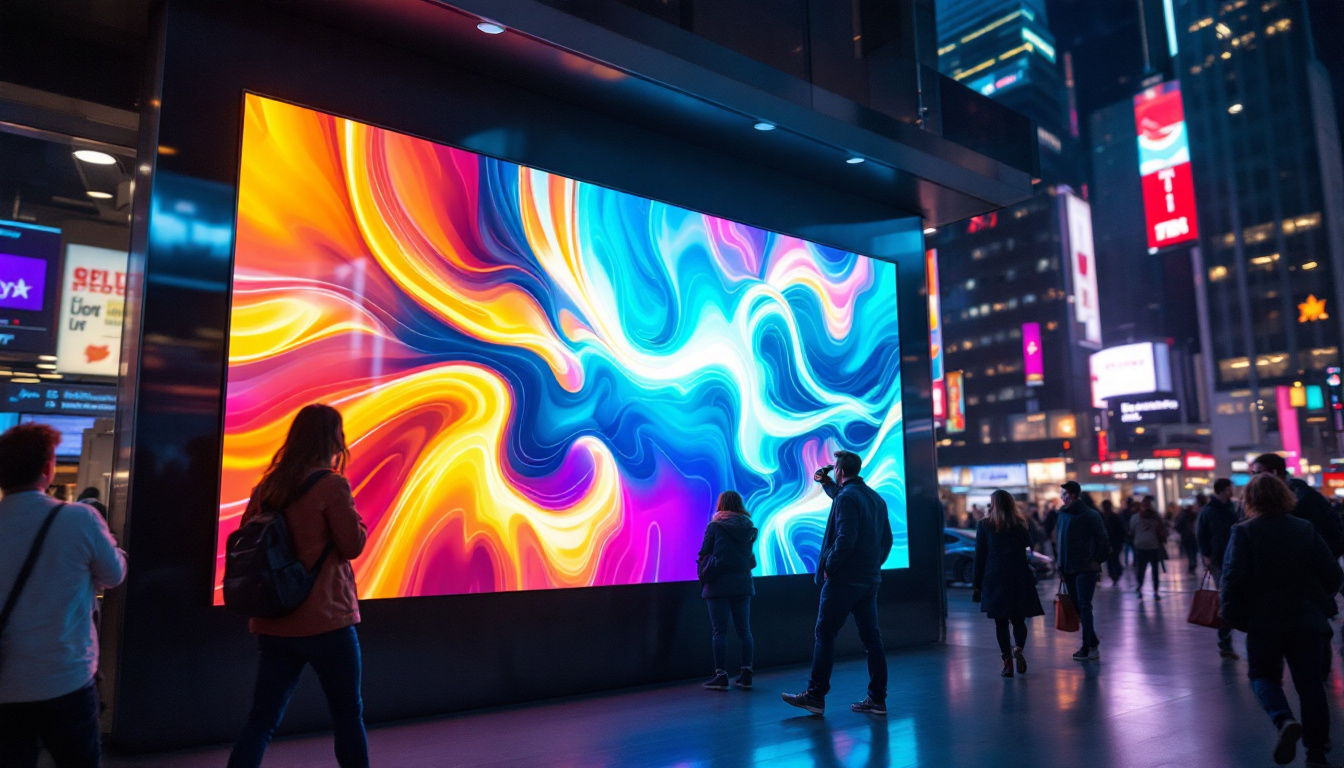
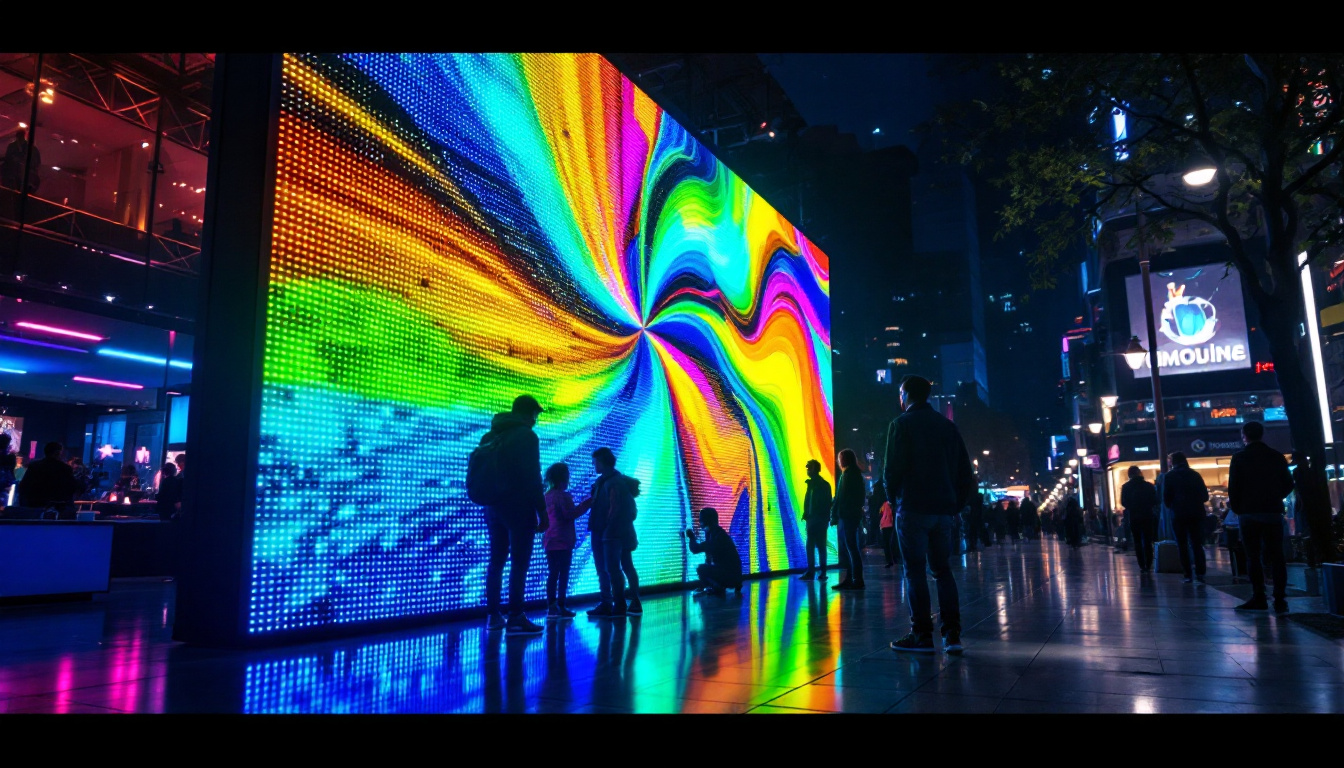
One of the earliest and most widespread uses of old LED screens was in outdoor advertising. Billboards equipped with LED displays could show dynamic content, attracting more attention than static posters. For example, Times Square in New York City became famous for its large LED billboards, many of which initially used older LED technology.
These screens were designed to withstand harsh weather conditions and operate continuously, making them reliable tools for advertisers. However, the large pixel pitch meant that the content needed to be designed with distance viewing in mind.
Sports Arenas and Scoreboards
Sports venues adopted LED screens for scoreboards and video displays, enhancing the spectator experience by providing real-time information and replays. Older LED scoreboards were often monochrome or limited in color but offered excellent visibility even in bright sunlight.
As technology progressed, these displays evolved into full-color video boards, but many older installations remain in use due to their robustness and cost-effectiveness.
Transportation and Public Information Displays
LED displays have been widely used in transportation hubs such as airports, train stations, and bus terminals to provide schedules, alerts, and other vital information. Older LED screens served this purpose well, offering clear text and simple graphics that were easy to read from a distance.
Even today, many public transit systems continue to rely on legacy LED displays, especially in regions where upgrading to newer technology is cost-prohibitive.
Technical Challenges and Limitations of Old LED Screens
While old LED screens were groundbreaking at their inception, they came with several technical challenges that limited their performance and application scope.
Power Consumption and Heat Generation
Older LED displays consumed significantly more power than modern equivalents. The inefficiency of early LEDs meant that large installations could lead to high operational costs. Additionally, these displays generated considerable heat, necessitating robust cooling solutions to prevent damage and maintain performance.
Maintenance and Lifespan
Maintenance of old LED screens was often labor-intensive. Individual LEDs could fail, leading to dead pixels or color inconsistencies. Repairing these issues required specialized technicians and sometimes involved replacing entire modules.
The lifespan of early LEDs was also shorter than modern variants, with brightness diminishing over time. This degradation affected the overall image quality and required periodic refurbishment or replacement of the display.
Limited Viewing Angles
Another limitation was the restricted viewing angle of older LED screens. The light emitted by early LEDs was more directional, causing colors and brightness to shift when viewed from off-center angles. This issue reduced the effectiveness of the display in environments where viewers were spread across a wide area.
Advancements in Modern LED Display Technology
Modern LED screens have addressed many of the shortcomings of their predecessors through innovations in materials, design, and manufacturing processes.
Smaller Pixel Pitch and Higher Resolution
One of the most significant advancements is the reduction in pixel pitch, enabling ultra-high-definition displays suitable for close viewing. This development has opened new markets for LED technology, including indoor advertising, retail displays, and even television screens.
Improved Color Accuracy and Brightness
Contemporary LED screens utilize advanced phosphor coatings, quantum dots, and improved LED chips to deliver richer colors and higher brightness levels. These enhancements allow for vivid, lifelike images that can compete with OLED and LCD technologies in many applications.
Energy Efficiency and Longevity
Modern LEDs are far more energy-efficient, reducing operational costs and environmental impact. Their longer lifespan and improved reliability also mean lower maintenance requirements, making them more cost-effective over time.
Enhanced Viewing Angles and Flexibility
Innovations in LED lens design and pixel arrangement have expanded viewing angles, ensuring consistent image quality from virtually any perspective. Additionally, flexible and transparent LED panels have emerged, enabling creative applications in architecture and design.
Choosing Between Old and New LED Screens
For businesses and organizations considering LED display solutions, understanding the differences between old and new technology is crucial to making informed decisions.
Cost Considerations
Older LED screens often come with a lower upfront cost, especially if sourced second-hand or refurbished. However, their higher power consumption, maintenance needs, and lower image quality can lead to increased total cost of ownership.
Application Suitability
If the display is intended for long-distance viewing, such as highway billboards or large stadium screens, older LED technology might still be appropriate. Conversely, for indoor use or environments demanding high resolution and color fidelity, modern LED displays are the better choice.
Environmental Impact
Energy efficiency is increasingly important for sustainability goals. Newer LED screens consume less power and have a smaller carbon footprint, aligning with corporate social responsibility initiatives.
Conclusion
Old LED screens represent an important chapter in the development of display technology. While they had limitations in resolution, color accuracy, and energy efficiency, their robustness and brightness made them invaluable for outdoor advertising, sports arenas, and public information systems.
Today’s LED displays have built upon this foundation, offering stunning image quality, greater flexibility, and improved sustainability. For anyone involved in selecting or working with LED technology, understanding the evolution from old to new is essential for leveraging the right solutions in the right contexts.
As LED technology continues to advance, the possibilities for dynamic, engaging visual communication will only expand, making LED displays a vital component of the digital landscape for years to come.
Discover Cutting-Edge LED Displays with LumenMatrix
Embrace the future of visual technology with LumenMatrix, a pioneer in the evolution of LED displays. Whether you’re looking to enhance your brand’s visibility or create immersive experiences, LumenMatrix offers a comprehensive range of solutions tailored to your needs. From Indoor and Outdoor LED Wall Displays to innovative options like Vehicle LED Displays, LED Posters, and Transparent LED Displays, our mission is to transform your visual communication with clarity and impact. Check out LumenMatrix LED Display Solutions today and step into a world of vibrant colors, dynamic content, and unparalleled engagement.