In the rapidly evolving world of display technology, thin bezel curved screens have become a hallmark of modern design and functionality. Combining sleek aesthetics with immersive viewing experiences, these LED displays are reshaping how consumers and professionals interact with digital content. This article delves into the technology behind thin bezel curved LED screens, exploring their benefits, applications, and what sets them apart in today’s competitive display market.
Understanding Thin Bezel Curved Screens
What is a Thin Bezel Curved Screen?
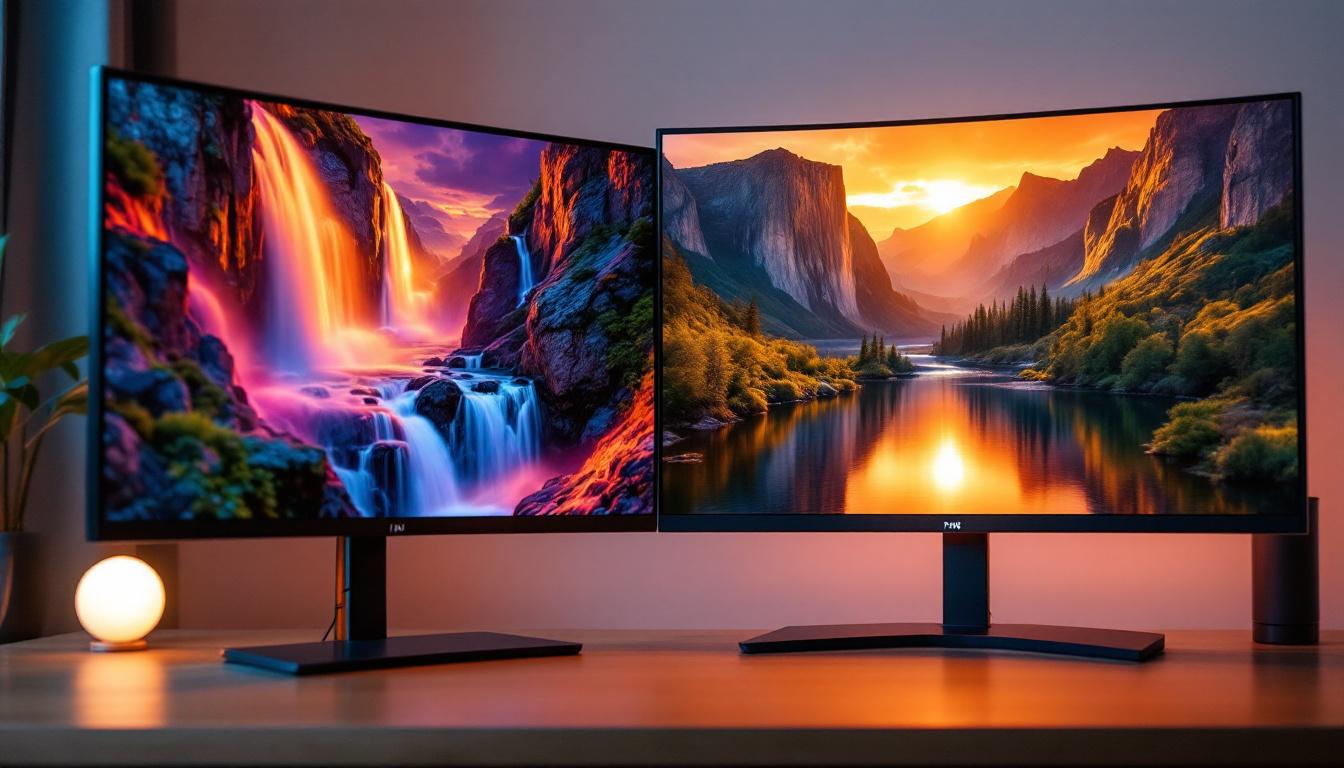
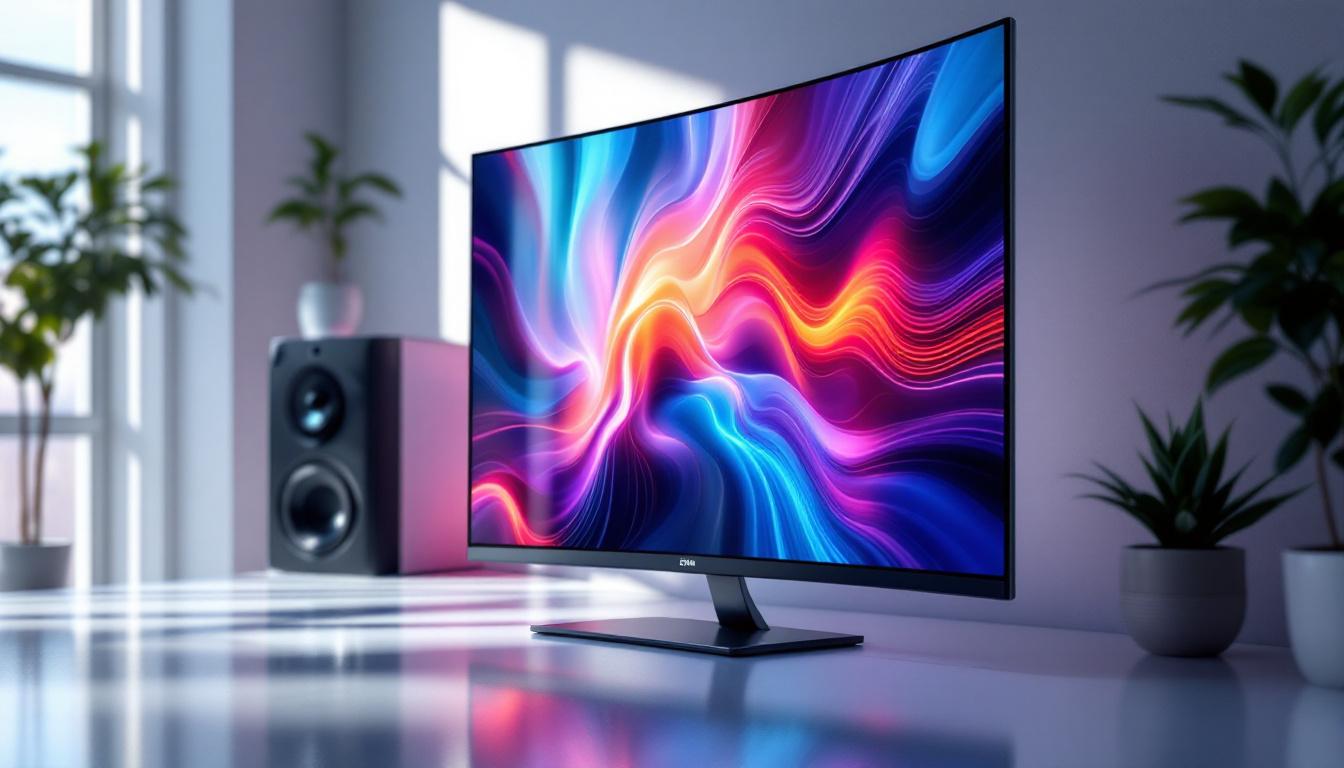
A thin bezel curved screen refers to a display panel that features minimal border framing (the bezel) around the screen edges, combined with a gently curved surface. The bezel is the frame that surrounds the display area, and reducing its size maximizes the visible screen space, creating a more seamless and immersive viewing experience. The curvature of the screen is designed to match the natural curvature of the human eye, enhancing depth perception and reducing distortion.
Thin bezels are often less than 5 millimeters wide, allowing for multi-monitor setups with minimal gaps between screens. Meanwhile, the curvature radius typically ranges from 1500R to 4000R, where a smaller number indicates a more pronounced curve. This curvature is especially beneficial for larger displays, usually 27 inches and above, as it helps maintain consistent viewing distances across the screen. The design not only enhances aesthetic appeal but also improves user engagement, making it a popular choice for gamers and professionals alike who seek a more immersive experience.
Moreover, the ergonomic advantages of curved screens cannot be overlooked. By reducing eye strain during prolonged use, these displays allow users to enjoy longer viewing sessions without discomfort. The curvature creates a more natural focal point, which can lead to less head movement and a more relaxed posture. This is particularly advantageous in environments such as offices or gaming setups, where users may spend hours in front of their screens. As a result, thin bezel curved screens are becoming increasingly favored not just for their visual appeal, but also for their health benefits.
The Role of LED Technology in Curved Screens
LED (Light Emitting Diode) technology serves as the backlighting method for many modern curved screens. Unlike older CCFL (Cold Cathode Fluorescent Lamp) backlights, LEDs are more energy-efficient, offer better brightness control, and enable thinner panel designs. This efficiency is crucial for maintaining the slim profile necessary for thin bezel displays.
LED backlighting also contributes to improved color accuracy and contrast ratios, which are essential for professional applications such as photo and video editing. Additionally, advancements in LED technology have led to the development of OLED (Organic LED) and Mini-LED displays, which further enhance picture quality by offering deeper blacks and higher dynamic ranges. These innovations allow for a more vibrant color palette and finer detail in dark scenes, making them ideal for cinematic experiences and graphic design work.
Furthermore, the integration of HDR (High Dynamic Range) technology with LED displays has revolutionized the viewing experience. HDR enhances the contrast between the brightest whites and the darkest blacks, resulting in images that are more lifelike and immersive. This is particularly beneficial for gaming and streaming content, where visual fidelity can significantly impact enjoyment. As manufacturers continue to push the boundaries of LED technology, consumers can expect even more stunning visuals and innovative features in the realm of thin bezel curved screens.
Advantages of Thin Bezel Curved LED Displays
Immersive Viewing Experience
The curved design of these LED screens wraps the display around the viewer’s field of vision, creating a more immersive experience. This is particularly advantageous for gaming, multimedia consumption, and professional tasks that require detailed visual attention. By reducing peripheral distortion and glare, curved screens help maintain consistent image quality across the entire display.
Studies have shown that curved monitors can reduce eye strain during prolonged use by minimizing the need for excessive eye movement. This ergonomic benefit is significant for users who spend long hours in front of screens, such as graphic designers, programmers, and financial traders.
Enhanced Multi-Monitor Setups
Thin bezels enable users to place multiple curved screens side by side with minimal gaps, creating an almost uninterrupted panoramic display. This setup is popular in control rooms, stock trading floors, and creative studios where extensive screen real estate is essential.
The combination of curved design and thin bezels ensures that the transition between screens feels natural, reducing the visual breaks that can disrupt workflow. According to a 2023 survey by DisplayMate Technologies, multi-monitor setups with thin bezel curved screens improved productivity by up to 15% compared to traditional flat monitors with thick bezels.
Space Efficiency and Aesthetics
Thin bezel curved LED displays offer a sleek, modern look that complements contemporary office and home environments. Their slim profiles save desk space and reduce clutter, which is increasingly important as workspaces become more compact.
Moreover, the minimalist design aligns with current trends in consumer electronics, where aesthetics play a critical role in purchasing decisions. Many users report that thin bezel curved screens enhance the overall appeal of their setups, contributing to a more enjoyable and motivating workspace.
Technical Aspects of Thin Bezel Curved LED Displays
Panel Types and Their Impact
The most common panel types used in thin bezel curved LED displays are IPS (In-Plane Switching), VA (Vertical Alignment), and OLED. Each panel type offers distinct advantages and trade-offs:
- IPS panels provide excellent color accuracy and wide viewing angles, making them ideal for professional content creation.
- VA panels offer higher contrast ratios and deeper blacks, which enhance the cinematic experience but may have narrower viewing angles.
- OLED panels deliver superior contrast and color vibrancy with true blacks, but they are generally more expensive and can be susceptible to burn-in over time.
Choosing the right panel depends on the intended use case, budget, and personal preferences.
Curvature Radius and Viewing Distance
The curvature radius of a screen determines how pronounced the curve is. For example, a 1500R radius means the screen would form a circle with a radius of 1500 millimeters if extended into a complete circle. A smaller radius means a more aggressive curve.
Optimal viewing distance is closely tied to curvature. For a 27-inch curved monitor with a 1800R curvature, the ideal viewing distance is approximately 1.8 meters. Sitting too close or too far can diminish the benefits of the curve, causing distortion or reducing immersion.
Resolution and Refresh Rates
High resolution is crucial for thin bezel curved screens to maintain image clarity across the expanded viewing area. Common resolutions include Full HD (1920×1080), Quad HD (2560×1440), and 4K UHD (3840×2160). For larger curved displays, 4K resolution is increasingly preferred to avoid pixelation and maintain sharpness.
Refresh rates also play a significant role, especially for gaming and professional video editing. While 60Hz is standard, many curved LED monitors now support 120Hz, 144Hz, or even 240Hz refresh rates, providing smoother motion and reducing visual artifacts.
Applications of Thin Bezel Curved LED Screens
Gaming and Entertainment
Curved LED monitors have become a favorite among gamers due to their immersive qualities and fast response times. The curved design enhances peripheral vision, making gameplay more engaging and realistic. Additionally, many gaming monitors feature adaptive sync technologies like NVIDIA G-SYNC or AMD FreeSync, which reduce screen tearing and stuttering.
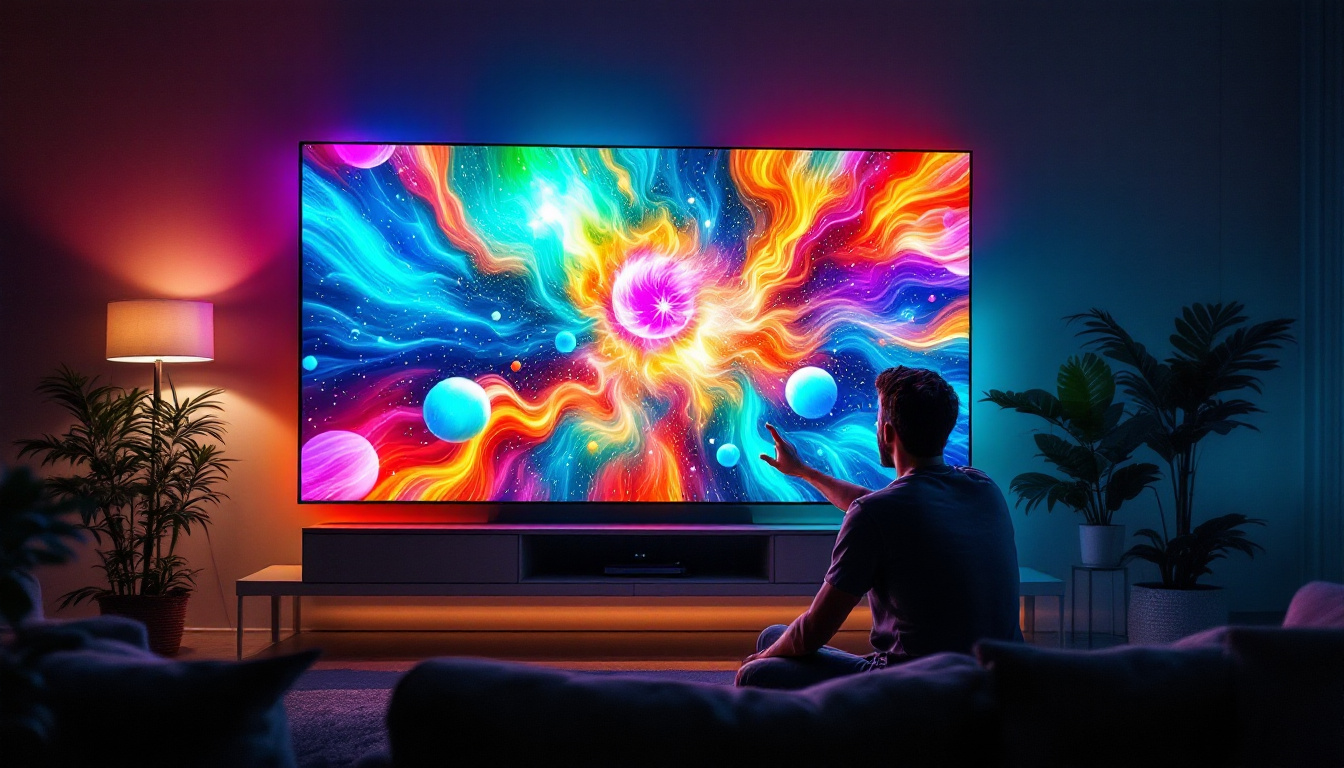
Streaming services and home theaters also benefit from curved screens, as the wrap-around effect simulates a cinematic environment without the need for large projection setups.
Professional and Creative Work
For professionals in graphic design, video editing, and 3D modeling, thin bezel curved LED displays provide precise color reproduction and expansive workspace. The curvature helps maintain consistent focus and reduces distortion, which is critical when working on detailed projects.
Financial analysts and data scientists also utilize multi-monitor curved setups to monitor vast amounts of data simultaneously, improving situational awareness and decision-making speed.
Corporate and Public Displays
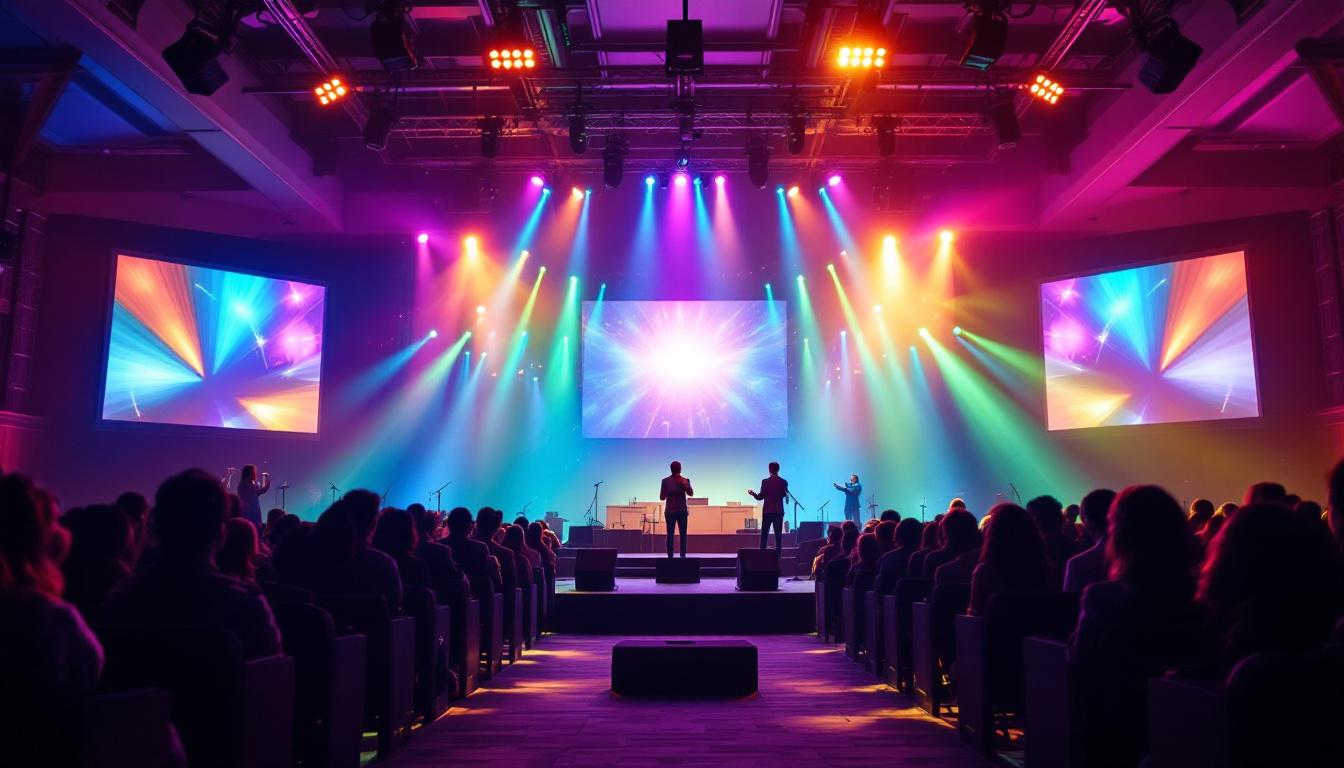
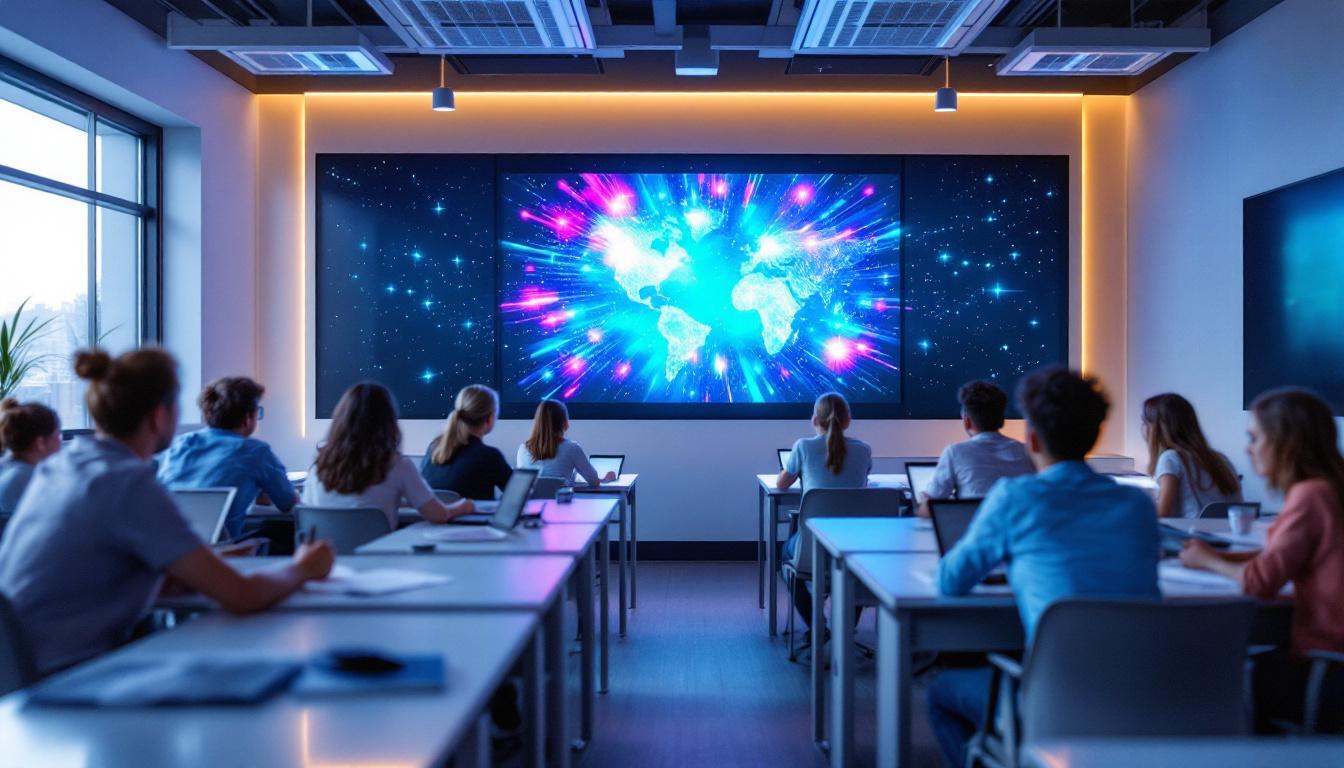
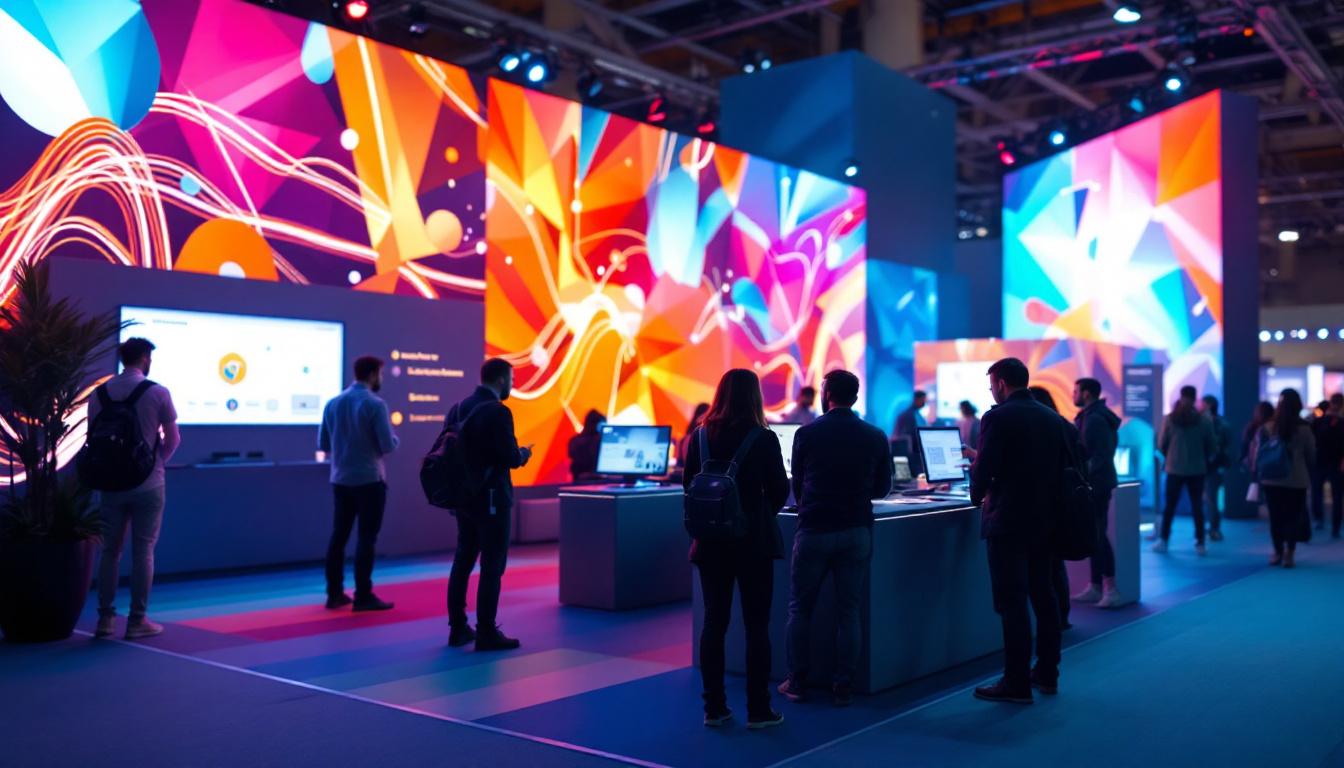
In corporate environments, thin bezel curved LED video walls are increasingly popular for conference rooms, digital signage, and control centers. Their seamless appearance and high visibility make them ideal for presentations, collaborative work, and real-time monitoring.
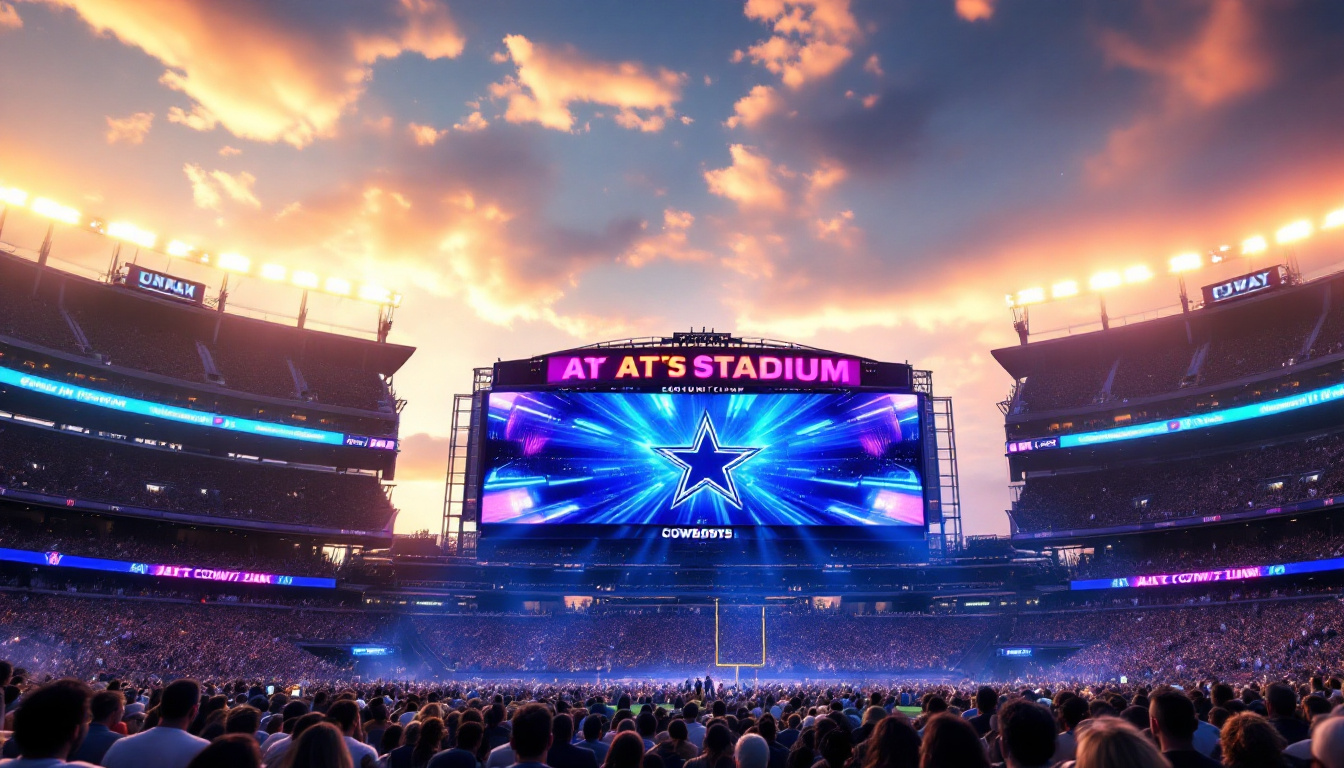
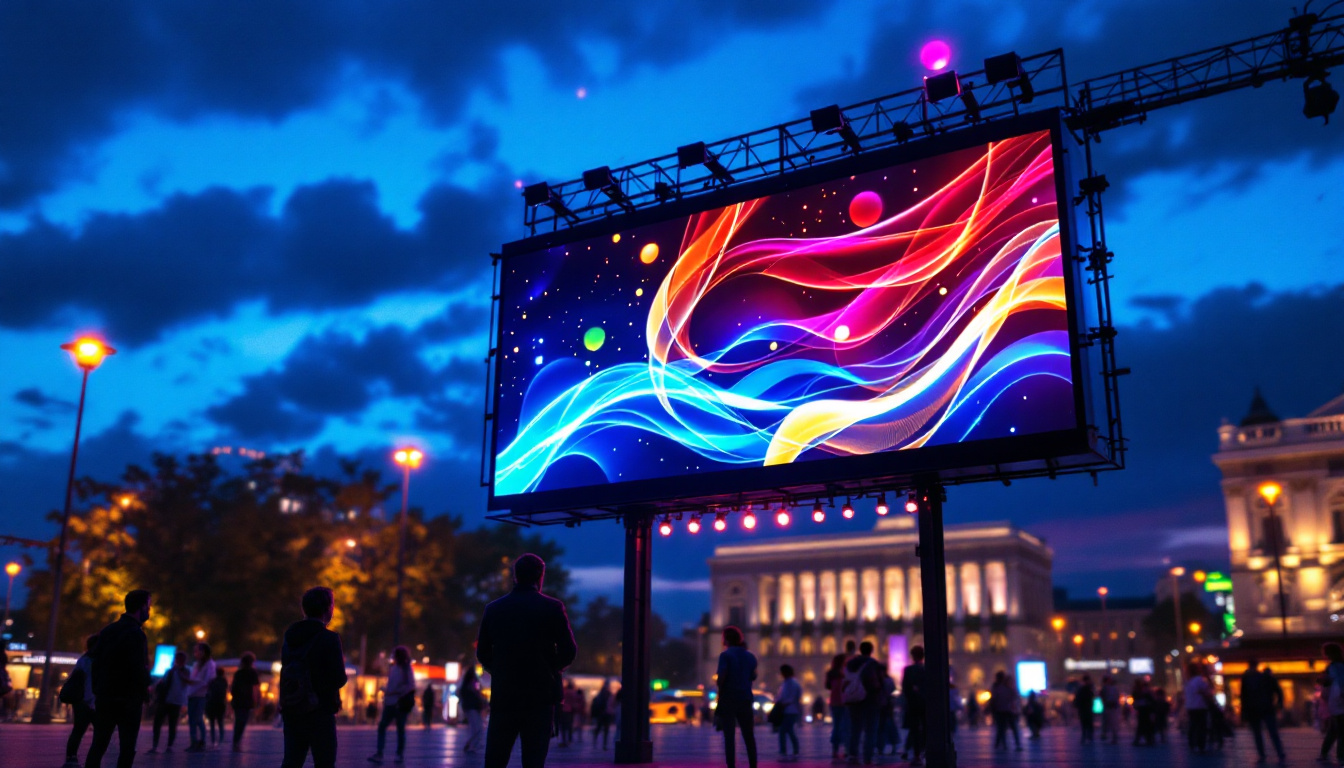
Public venues such as airports, shopping malls, and stadiums use large curved LED displays to capture attention and deliver dynamic content effectively.
Considerations When Choosing a Thin Bezel Curved LED Display
Ergonomics and Eye Comfort
While curved screens can reduce eye strain, it is important to consider adjustable stands that allow for height, tilt, and swivel adjustments. Proper ergonomics ensure that users maintain a comfortable posture and optimal viewing angle, which is essential for long-term health.
Blue light filtering and flicker-free technologies are also important features to look for, as they mitigate eye fatigue during extended use.
Connectivity and Compatibility
Modern thin bezel curved LED displays come equipped with a variety of ports such as HDMI, DisplayPort, USB-C, and sometimes Thunderbolt. These options provide flexibility for connecting to different devices, including laptops, desktops, gaming consoles, and docking stations.
Compatibility with existing hardware and software ecosystems should be verified to ensure seamless integration and maximize the display’s capabilities.
Price and Brand Reputation
Prices for thin bezel curved LED displays vary widely based on size, resolution, panel type, and brand. While premium models offer cutting-edge features and superior build quality, budget-friendly options can still provide excellent performance for everyday use.
Choosing a reputable brand with strong customer support and warranty policies is advisable to safeguard the investment.
The Future of Thin Bezel Curved LED Displays
As display technology continues to advance, the future of thin bezel curved screens looks promising. Innovations such as flexible OLED panels, microLED technology, and AI-enhanced display calibration are poised to further improve image quality, energy efficiency, and user experience.
Moreover, the integration of touch and gesture controls, along with augmented reality (AR) capabilities, may redefine how users interact with curved displays in both personal and professional contexts.
With growing demand for immersive and space-efficient displays, thin bezel curved LED screens are likely to become even more prevalent across various industries, from entertainment and gaming to healthcare and education.
Conclusion
Thin bezel curved LED screens represent a significant leap forward in display technology, combining aesthetic appeal with functional advantages. Their ability to deliver immersive visuals, reduce eye strain, and support multi-monitor configurations makes them an excellent choice for a wide range of applications.
Understanding the technical aspects, benefits, and use cases of these displays can help consumers and professionals make informed decisions when selecting the perfect screen for their needs. As technology evolves, thin bezel curved LED displays will continue to enhance how users engage with digital content, setting new standards for visual excellence.
Discover the Future of LED Displays with LumenMatrix
Ready to elevate your visual experience with the latest in LED display technology? Look no further than LumenMatrix, where innovation meets excellence. From captivating indoor and outdoor LED wall displays to dynamic vehicle and sports displays, LumenMatrix offers a comprehensive range of solutions tailored to your needs. Embrace the future of immersive and engaging visual communication with our cutting-edge LED displays. Check out LumenMatrix LED Display Solutions today and transform the way you share your message with the world.