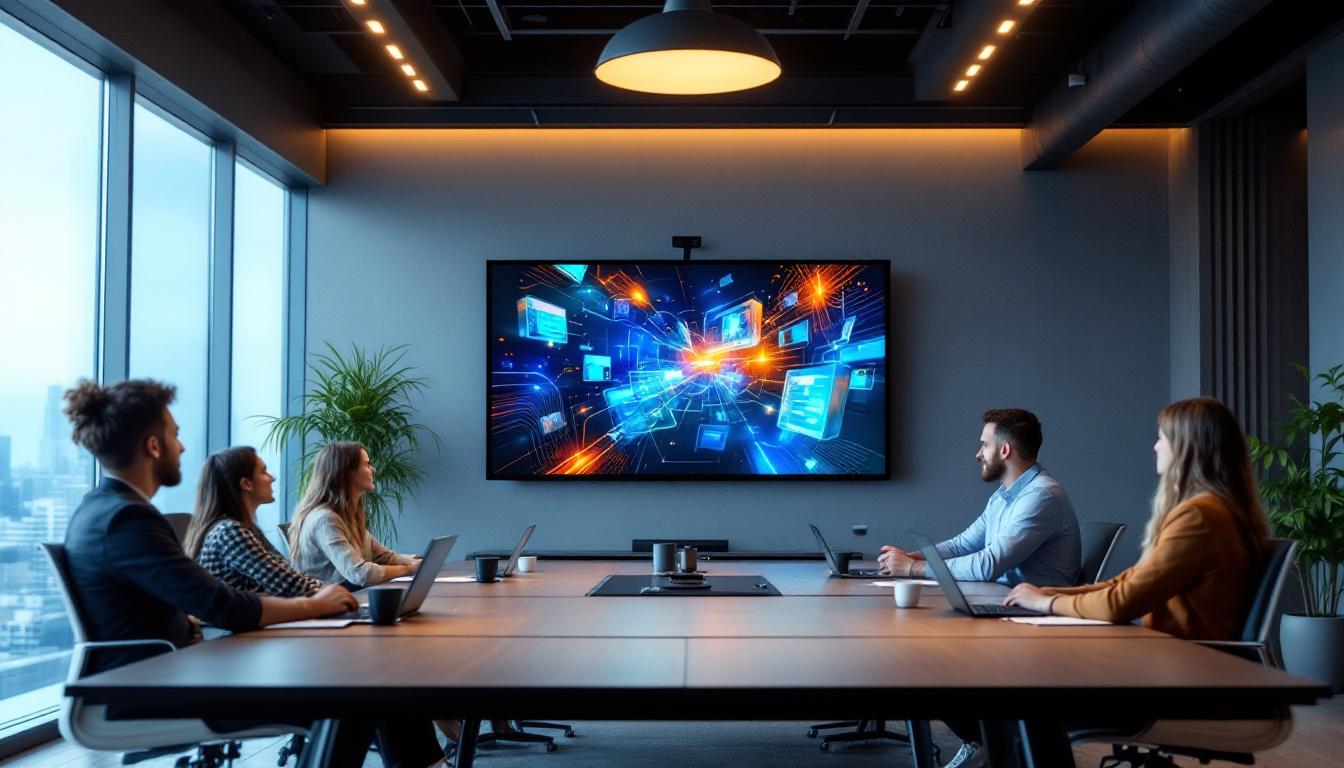
In today’s fast-paced business environment, effective communication and collaboration are essential. One of the key tools facilitating this is the conference room display. Among the various display technologies available, LED displays have emerged as a leading choice for conference rooms worldwide. This article explores what LED displays are, their advantages, how they compare to other technologies, and why they are becoming the preferred solution for modern meeting spaces.
Understanding LED Displays: What Makes Them Unique?
LED, or Light Emitting Diode, displays use tiny semiconductor diodes that emit light when an electrical current passes through them. Unlike traditional LCD or projection screens, LED displays produce their own light, which leads to several distinct benefits. This inherent capability allows for deeper blacks and more vibrant colors, enhancing the overall viewing experience. Additionally, LED technology has evolved to include features such as energy efficiency and longer lifespan, making them not only visually appealing but also cost-effective over time.
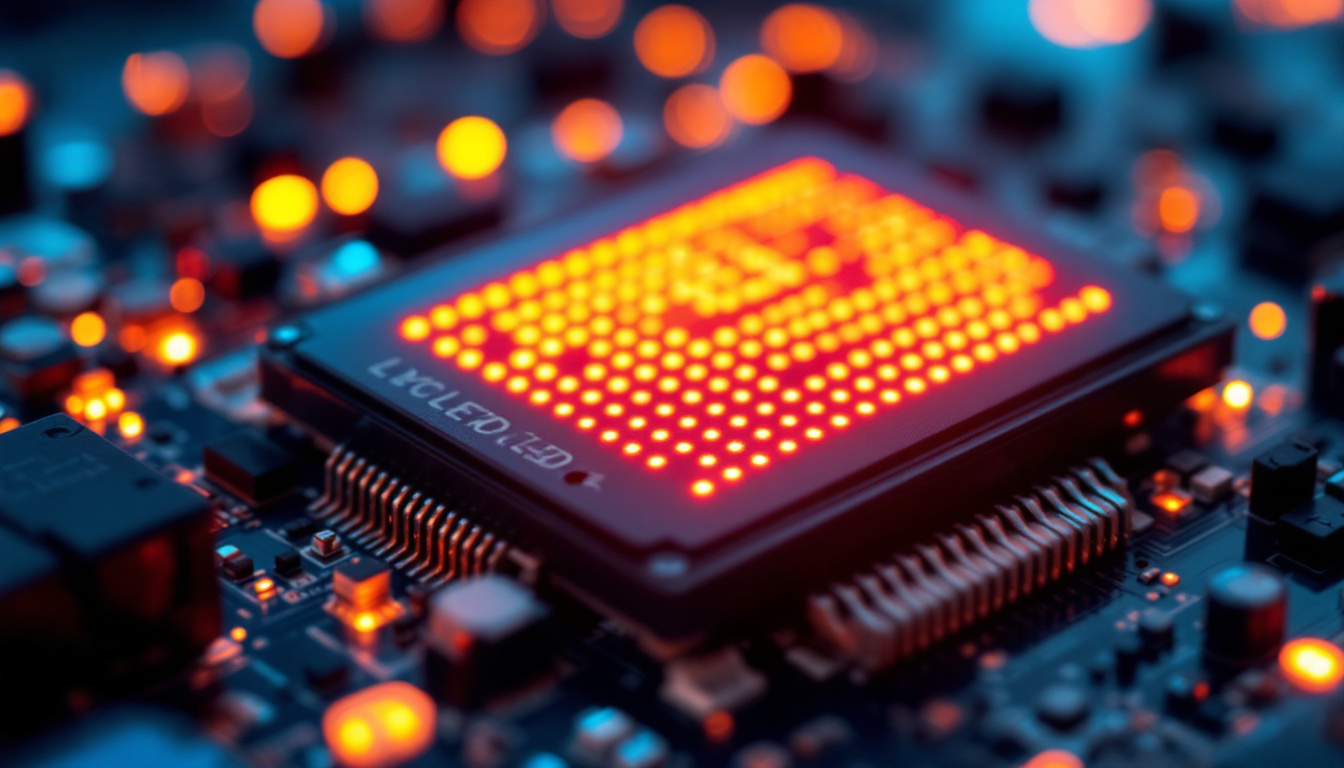
At the core, an LED display consists of millions of tiny LEDs arranged in a grid. These LEDs can be red, green, and blue, combining to create millions of colors and high-resolution images. This self-illumination is what sets LED apart from other display technologies that rely on backlighting or external light sources. The result is a display that can achieve higher contrast ratios and faster refresh rates, which are crucial for dynamic content such as videos and presentations. Furthermore, the compact size of individual LEDs allows for thinner screens, making them ideal for modern, sleek designs in various environments.
Types of LED Displays Used in Conference Rooms
There are primarily two types of LED displays used in conference rooms: Direct View LED (DVLED) and LED-backlit LCD displays. DVLED displays are made entirely of LEDs and offer superior brightness and color accuracy, making them suitable for larger conference rooms or auditoriums. LED-backlit LCDs, on the other hand, are conventional LCD panels illuminated by LEDs and are common in smaller meeting spaces. The choice between these two types often depends on the specific needs of the meeting environment, including room size, ambient light conditions, and the nature of the presentations being delivered.
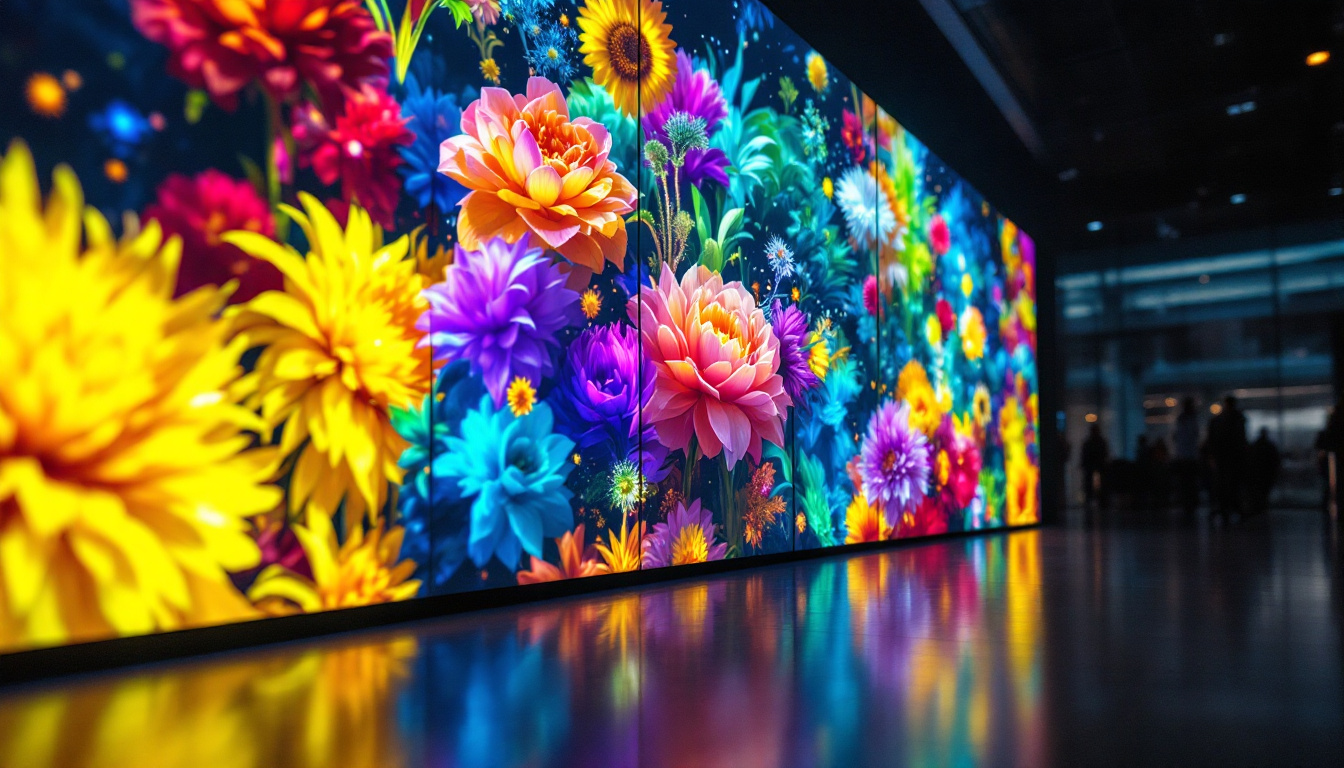
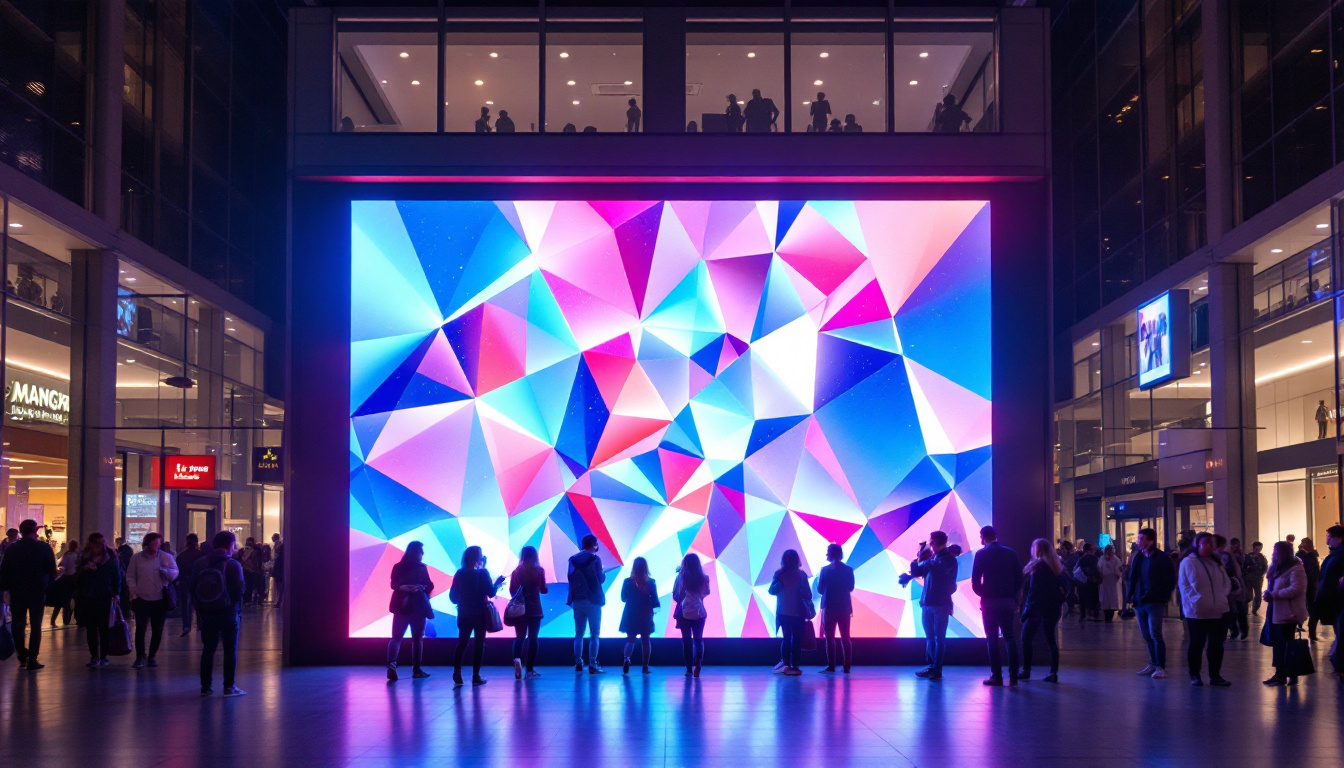
Direct View LED displays can be customized in size and shape, allowing for seamless video walls that can transform the visual experience of a conference room. This flexibility is a significant advantage for organizations aiming to create impactful and immersive meeting environments. Moreover, the modular design of DVLED systems enables easy upgrades and repairs, ensuring that technology can evolve alongside the needs of the business. Additionally, many modern LED displays come equipped with advanced connectivity options, enabling seamless integration with various devices and platforms, which is essential for collaborative work and presentations in today’s fast-paced corporate landscape.
Advantages of LED Displays in Conference Rooms
LED displays bring a host of benefits that make them ideal for professional meeting spaces. These advantages range from visual performance to durability and energy efficiency.
Superior Image Quality and Visibility
One of the most significant advantages of LED displays is their exceptional image quality. With higher brightness levels—often exceeding 1,000 nits—LED screens remain clearly visible even in brightly lit rooms. This is crucial in conference rooms where ambient lighting cannot always be controlled.
Moreover, LED displays offer excellent contrast ratios and vibrant colors, enhancing the clarity of presentations, videos, and shared content. According to a 2023 report by Display Supply Chain Consultants, LED displays can deliver up to 30% better color accuracy compared to traditional LCDs, which directly improves the audience’s engagement and comprehension.
Durability and Longevity
LED technology is known for its long lifespan and robustness. Typical LED displays can last between 50,000 to 100,000 hours of use, significantly outlasting many other display types. This durability translates into lower maintenance costs and less frequent replacements, making LED displays a cost-effective investment over time.
Additionally, LEDs are less prone to screen burn-in, a common issue with OLED and plasma displays. This reliability is especially important in conference rooms where displays may be used continuously throughout the day.
Energy Efficiency and Environmental Impact
Energy consumption is a growing concern for businesses aiming to reduce operational costs and environmental footprints. LED displays consume less power than traditional LCDs and projectors, thanks to their efficient light-emitting technology. For example, a standard 75-inch LED display can use up to 40% less energy than an equivalent LCD panel with fluorescent backlighting.
This energy efficiency not only reduces electricity bills but also aligns with corporate sustainability goals. Many organizations now prioritize green technologies, and LED displays fit well within these initiatives.
Comparing LED Displays with Other Conference Room Display Technologies
Choosing the right display technology for a conference room depends on several factors, including room size, lighting conditions, budget, and intended use. Here’s how LED displays stack up against other popular options.
LED vs. LCD Displays
While both LED and LCD displays are common in conference rooms, it’s important to clarify that LED displays can refer to two different technologies: LED-backlit LCDs and Direct View LEDs. The former is essentially an LCD screen illuminated by LEDs, while the latter is a display made entirely of LEDs.
Compared to traditional LCDs with fluorescent backlighting, LED-backlit LCDs offer better brightness, thinner profiles, and improved energy efficiency. However, Direct View LED displays provide even greater brightness, wider viewing angles, and seamless scalability for large-format installations.
LED vs. Projectors
Projectors have been a staple in conference rooms for decades, but they come with limitations such as lower brightness, dependence on ambient light control, and the need for regular maintenance like bulb replacements.
LED displays outperform projectors in terms of image clarity, brightness, and ease of use. They also eliminate issues such as shadows or glare that can occur with projection. For rooms with ambient light or where quick setup is needed, LED displays are often the superior choice.
LED vs. OLED Displays
OLED (Organic Light Emitting Diode) displays offer excellent contrast and color accuracy, but they are generally more expensive and less bright than LED displays. OLEDs are also more susceptible to burn-in, which can be problematic for static content often displayed in conference rooms.
For these reasons, LED displays tend to be more practical and cost-effective for professional meeting spaces, especially those requiring high brightness and long-term durability.
Key Features to Consider When Choosing an LED Display for Your Conference Room
Selecting the right LED display involves more than just picking the biggest or brightest screen. Several key features should be evaluated to ensure the display meets the specific needs of your conference room.
Resolution and Pixel Pitch
Resolution determines the sharpness of the image, while pixel pitch refers to the distance between individual LEDs. A smaller pixel pitch means higher resolution and finer detail, which is particularly important for close viewing distances common in conference rooms.
For typical conference room settings, a pixel pitch between 1.2mm and 2.5mm is ideal, offering crisp images without the high cost of ultra-fine pitch displays designed for very close viewing.
Screen Size and Aspect Ratio
The size of the display should correspond to the room’s dimensions and seating arrangement. A screen that is too small will be difficult to see, while an overly large screen can overwhelm the space and increase costs unnecessarily.
Most conference rooms benefit from screens ranging between 55 and 110 inches, with a 16:9 aspect ratio being the standard for presentations and video content.
Connectivity and Integration
Modern conference rooms often require displays that can connect seamlessly with various devices and collaboration tools. Look for LED displays that support multiple input options such as HDMI, DisplayPort, USB-C, and wireless casting technologies.
Integration with popular video conferencing platforms and room scheduling systems can further enhance the user experience and streamline meetings.
Installation and Maintenance
Consider the ease of installation and ongoing maintenance requirements. Modular LED panels that can be easily assembled and serviced are advantageous, especially for larger video walls.
Additionally, some LED displays come with built-in calibration tools and remote management capabilities, reducing the need for frequent onsite technical support.
Emerging Trends and Innovations in LED Conference Room Displays
The LED display market continues to evolve rapidly, driven by technological advancements and changing workplace dynamics. Several trends are shaping the future of conference room displays.
MicroLED Technology
MicroLED is an emerging display technology that offers even higher brightness, better color accuracy, and longer lifespan than traditional LEDs. It uses microscopic LEDs to create images, enabling ultra-thin and flexible displays.
While still in the early stages of commercial availability, MicroLED promises to revolutionize conference room displays by delivering unparalleled visual performance and design flexibility.
Interactive LED Displays
Interactive LED displays are gaining popularity for their ability to transform meetings into collaborative sessions. These displays support touch input, digital whiteboarding, and annotation, allowing participants to engage directly with the content.
Such features enhance creativity and productivity, making interactive LED displays a valuable addition to modern conference rooms.
Integration with Smart Building Systems
LED displays are increasingly integrated with smart building technologies, enabling automated control of lighting, temperature, and room scheduling based on occupancy and usage patterns.
This integration helps optimize energy consumption and improve the overall meeting experience, aligning with the growing trend of intelligent, connected workplaces.
Conclusion: Why LED Displays Are the Future of Conference Room Technology
LED displays offer a compelling combination of superior image quality, durability, energy efficiency, and flexibility that makes them ideally suited for conference rooms. As businesses seek to enhance collaboration and communication, investing in LED display technology can provide a significant competitive advantage.
With ongoing innovations such as MicroLED and interactive capabilities, LED displays are set to become even more integral to the modern workplace. Selecting the right LED display tailored to your conference room’s unique needs ensures that meetings are productive, engaging, and visually impactful.
For organizations looking to future-proof their meeting spaces, LED displays represent a smart, sustainable, and high-performance solution.
Discover LumenMatrix’s Advanced LED Display Solutions
Ready to elevate your conference room with the latest in LED display technology? LumenMatrix offers a comprehensive range of innovative LED display solutions that are perfect for enhancing your meeting space. From vibrant Indoor LED Wall Displays to dynamic Outdoor LED Wall Displays, and even specialized options like Vehicle LED Displays and Custom LED Displays, LumenMatrix is committed to transforming your visual communication. Experience the future of conference room technology today and check out LumenMatrix LED Display Solutions to create a truly captivating and collaborative environment.