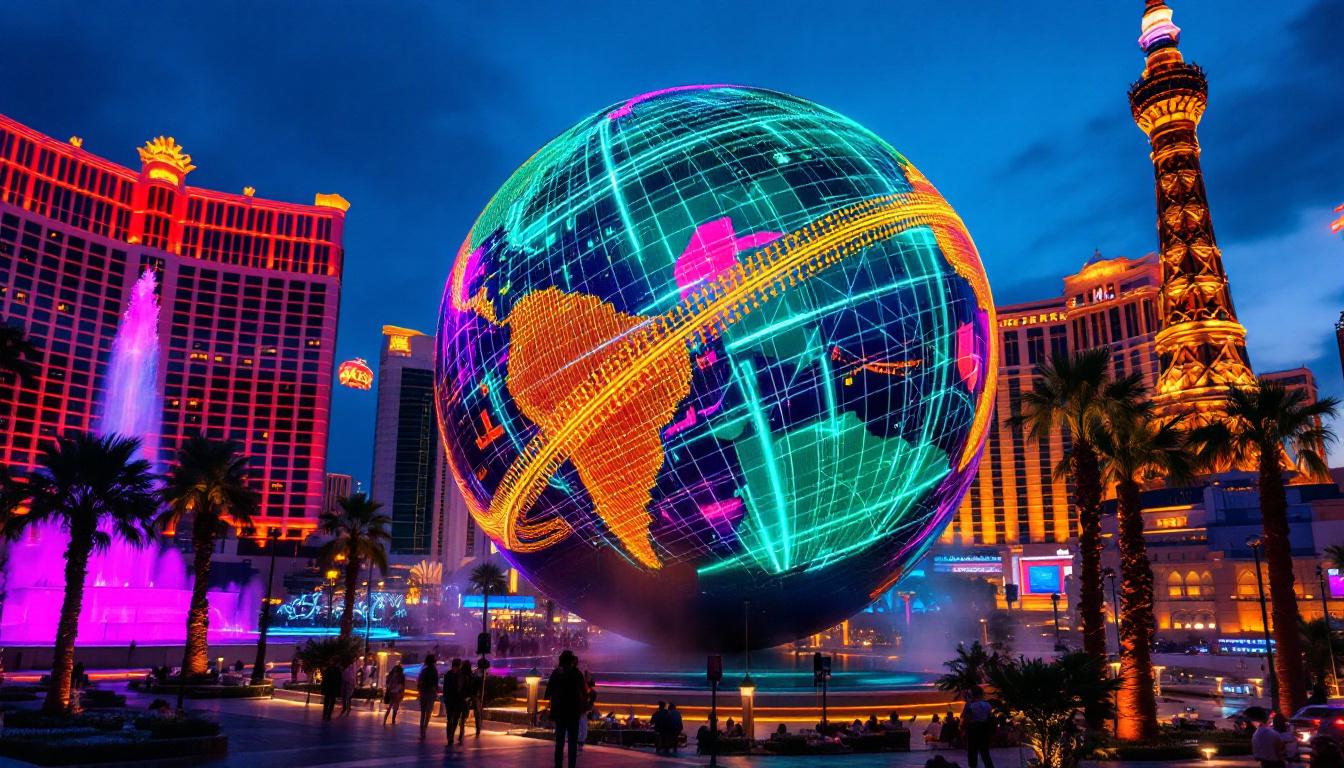
The Sphere in Las Vegas has quickly become one of the most iconic and talked-about structures in the world of entertainment and technology. Known for its massive LED display and futuristic design, this architectural marvel has redefined what is possible in immersive visual experiences. But when exactly was the Sphere built, and what makes its LED display so revolutionary? This article dives deep into the timeline of the Sphere’s construction, the technology behind its LED display, and why it represents a new era in digital entertainment.
The Genesis of the Sphere: When Did Construction Begin?
The Sphere, officially known as the MSG Sphere at The Venetian, began construction in early 2018. The project was announced in 2017 by the Madison Square Garden Company, aiming to create a next-generation entertainment venue that would push the boundaries of live events and immersive experiences.
Situated behind The Venetian Resort on the Las Vegas Strip, the Sphere was designed to be a spherical, state-of-the-art venue with a seating capacity of approximately 17,500. The groundbreaking ceremony marked the start of what would become a multi-year construction effort involving thousands of workers, engineers, and designers. The ambitious design was not just about aesthetics; it also focused on incorporating cutting-edge technology to enhance audience engagement, making it a landmark in the world of entertainment.
Despite the challenges posed by the COVID-19 pandemic, construction progressed steadily. By mid-2021, the exterior shell of the Sphere was largely completed, showcasing its distinctive globe-like shape. The interior, however, required meticulous work to install the advanced LED panels and sound systems that would define the venue’s unique capabilities. These LED panels are set to create an immersive visual experience, capable of displaying high-resolution images that can transform the venue into a dynamic canvas, allowing for a variety of shows and events that go beyond traditional performances.
Key Milestones in the Sphere’s Construction Timeline
- 2017: Project announcement and initial designs unveiled.
- Early 2018: Groundbreaking and start of construction.
- 2020: Pandemic-related delays but continued progress on structural elements.
- Mid-2021: Completion of the Sphere’s exterior shell.
- 2022-2023: Installation of the LED display and interior technology.
- Late 2023: Scheduled opening and first events.
The Sphere’s design is not only a feat of engineering but also a testament to the vision of creating a venue that can host a wide array of events, from concerts to corporate gatherings. The innovative use of technology extends beyond the visual aspects; the venue is equipped with an advanced acoustic design that ensures optimal sound quality, making every performance a memorable auditory experience. Furthermore, the Sphere’s location in Las Vegas, a city renowned for its entertainment, positions it as a pivotal player in the future of live events, promising to attract both local and international audiences.
As the construction neared completion, excitement grew within the community and among potential performers. The Sphere is expected to host not only concerts but also immersive art installations and multimedia experiences that will redefine how audiences interact with entertainment. With its unique capabilities, the venue is set to become a cultural hub, drawing in tourists and locals alike, eager to witness the next evolution in live entertainment. The anticipation surrounding its opening reflects the broader trends in the entertainment industry, where immersive experiences are becoming increasingly sought after, making the MSG Sphere a timely addition to the Las Vegas landscape.
Understanding the Sphere’s LED Display: What Makes It Special?
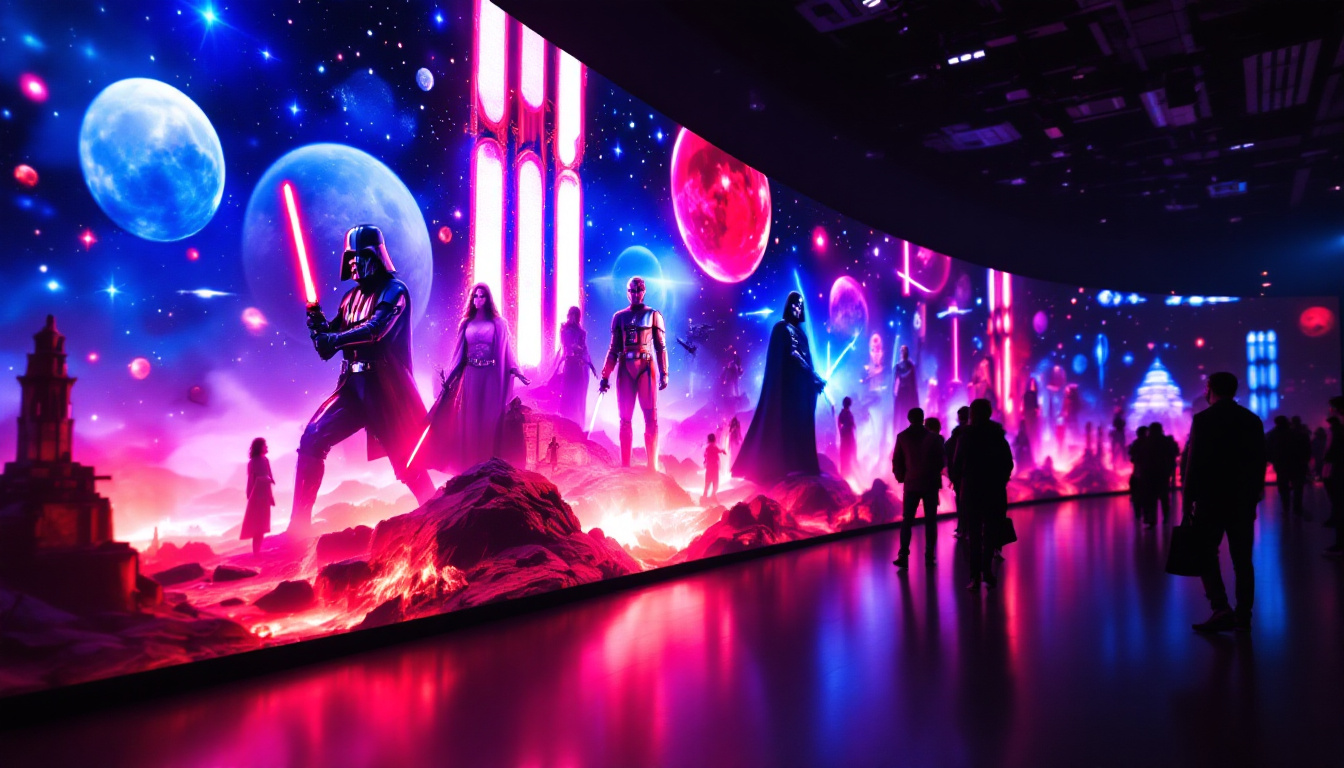
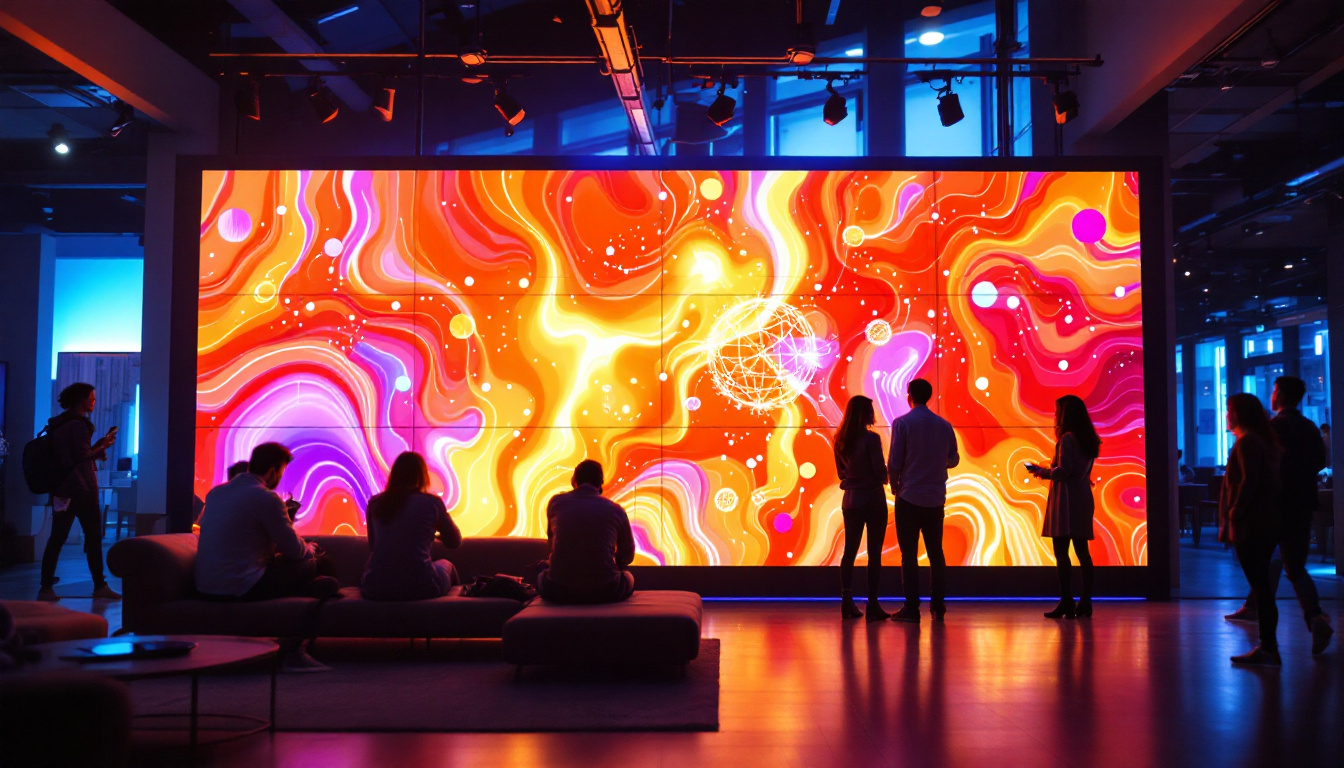
The Sphere’s LED display is arguably its most groundbreaking feature. Unlike traditional flat screens or even curved LED walls, the Sphere’s display wraps around a massive spherical surface, creating a fully immersive 360-degree visual experience. This innovation required cutting-edge technology and engineering solutions to overcome numerous challenges.
Technical Specifications of the Sphere’s LED Display
The Sphere’s LED display covers an astonishing 580,000 square feet, making it one of the largest and highest-resolution LED surfaces in the world. The display is composed of millions of individual LED modules, each capable of producing vibrant colors and deep contrasts.
Key technical details include:
- Resolution: The LED display boasts a pixel density that allows for crystal-clear images even when viewed up close, with a resolution surpassing 16K horizontally.
- Brightness: Designed to operate in the bright Las Vegas environment, the display can reach brightness levels up to 2,000 nits, ensuring visibility even in direct sunlight.
- Refresh Rate: The display supports high refresh rates to provide smooth video playback and reduce motion blur, essential for live concerts and dynamic content.
- Curvature and Geometry: The spherical shape required custom LED panels that could conform to the curved surface without distortion, a feat achieved through advanced manufacturing techniques.
Innovations Behind the Sphere’s LED Technology
Creating a seamless spherical LED display involved overcoming several engineering hurdles. Traditional LED panels are flat, so adapting them to a curved surface required developing flexible and modular panels that could be precisely aligned. Additionally, the Sphere’s display incorporates advanced calibration systems to ensure color accuracy and uniform brightness across the entire surface.
Another innovation is the integration of real-time content mapping software. This technology allows content creators to design visuals that perfectly fit the Sphere’s unique geometry, enabling immersive storytelling that envelops the audience from every angle.
The Impact of the Sphere on Entertainment and Technology
The Sphere is more than just a venue; it represents a paradigm shift in how audiences experience live events. By combining a massive LED display with cutting-edge audio technology and immersive design, the Sphere offers a sensory experience unlike any other.
Transforming Live Events
Traditional concert venues rely on flat screens and stage lighting to enhance performances. The Sphere, however, envelops attendees in a 360-degree visual environment, creating a sense of presence and immersion that was previously unattainable. This opens new creative possibilities for artists, filmmakers, and event producers.
For example, concerts held at the Sphere can feature dynamic visuals that surround the audience, synchronized perfectly with live music. This level of integration heightens emotional engagement and creates memorable experiences that resonate long after the event ends.
Advancements in Digital Display Technology
The Sphere’s LED display also pushes the boundaries of digital signage and architectural displays. Its success demonstrates the feasibility of large-scale, curved LED installations, which may inspire similar projects worldwide. The technology developed for the Sphere is likely to influence future innovations in advertising, public art, and immersive environments.
Economic and Cultural Significance for Las Vegas
Las Vegas has long been a hub for entertainment innovation, and the Sphere cements its status as a global leader in this space. The venue is expected to attract millions of visitors annually, boosting tourism and creating new job opportunities. Moreover, it enhances the city’s cultural landscape by hosting a diverse range of events, from concerts and theatrical performances to corporate presentations and virtual reality experiences.
Challenges Faced During Construction and Installation
Building the Sphere was not without its challenges. The sheer scale and complexity of the project required meticulous planning and coordination among multiple contractors and technology partners.
Engineering Challenges
Constructing a spherical building of this size is inherently difficult. The structural integrity had to be ensured while accommodating the weight and heat generated by the LED panels. Engineers used advanced modeling software to simulate stress points and optimize the design for safety and durability.
Technological Integration
Installing the LED display involved precise alignment and calibration. Each panel had to be tested individually and as part of the larger system to ensure seamless visuals. Additionally, the Sphere’s audio system, which includes beamforming technology to deliver targeted sound, had to be integrated with the visual components for a synchronized experience.
Logistical and Environmental Factors
Las Vegas’ desert climate posed challenges related to temperature extremes and dust. The Sphere’s exterior and LED panels were engineered to withstand these conditions, incorporating cooling systems and protective coatings to maintain performance and longevity.
Looking Ahead: The Future of the Sphere and LED Displays
The Sphere’s opening marks the beginning of a new chapter in immersive entertainment. As technology continues to evolve, the potential applications for spherical LED displays and immersive venues are vast.
Potential Applications Beyond Entertainment
While the Sphere is primarily designed for concerts and live events, its technology could be adapted for educational purposes, virtual reality experiences, and even corporate events. Museums and science centers might use similar displays to create immersive exhibits that engage visitors in novel ways.
Advances in LED Technology
Ongoing research into mini-LED and micro-LED technologies promises even higher resolution, better energy efficiency, and greater flexibility in display design. These advancements could lead to more affordable and accessible immersive displays in the future.
The Sphere as a Catalyst for Innovation
The successful completion of the Sphere demonstrates the power of collaboration between architects, engineers, and technologists. It sets a precedent for future projects that blend architecture and digital media, encouraging innovation across industries.
Conclusion
The Sphere in Las Vegas stands as a testament to human ingenuity and the relentless pursuit of immersive entertainment. Construction began in early 2018, culminating in a venue that features one of the world’s largest and most advanced spherical LED displays. This technological marvel not only transforms live events but also paves the way for future innovations in digital display and immersive environments.
As the Sphere opens its doors to the public, it invites audiences to experience entertainment in a way that was once the realm of science fiction. Its LED display, with its unparalleled resolution, brightness, and curvature, sets a new standard for what is possible in visual storytelling. The Sphere is not just a building; it is a glimpse into the future of immersive experiences.
Illuminate Your Space with LumenMatrix
As you marvel at the technological wonders of the Sphere in Las Vegas, imagine the possibilities for your own space. LumenMatrix, a leader in LED display technology, offers a spectrum of innovative solutions that can transform any environment. From Indoor and Outdoor LED Wall Displays to Custom and All-in-One LED solutions, LumenMatrix is committed to revolutionizing visual communication. Whether for advertising, entertainment, or creating immersive experiences, their LED displays are designed to captivate and engage. Check out LumenMatrix LED Display Solutions and take the first step towards crafting your own unforgettable visual narrative.