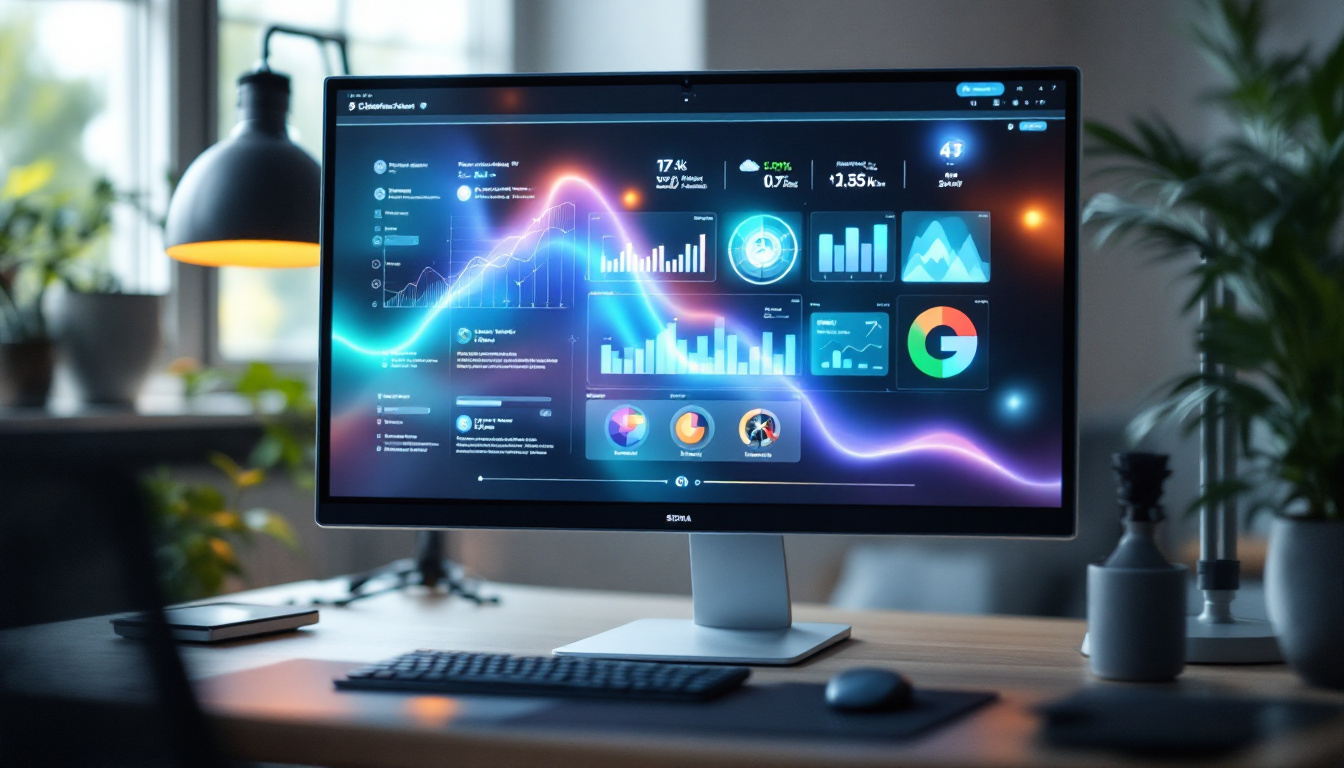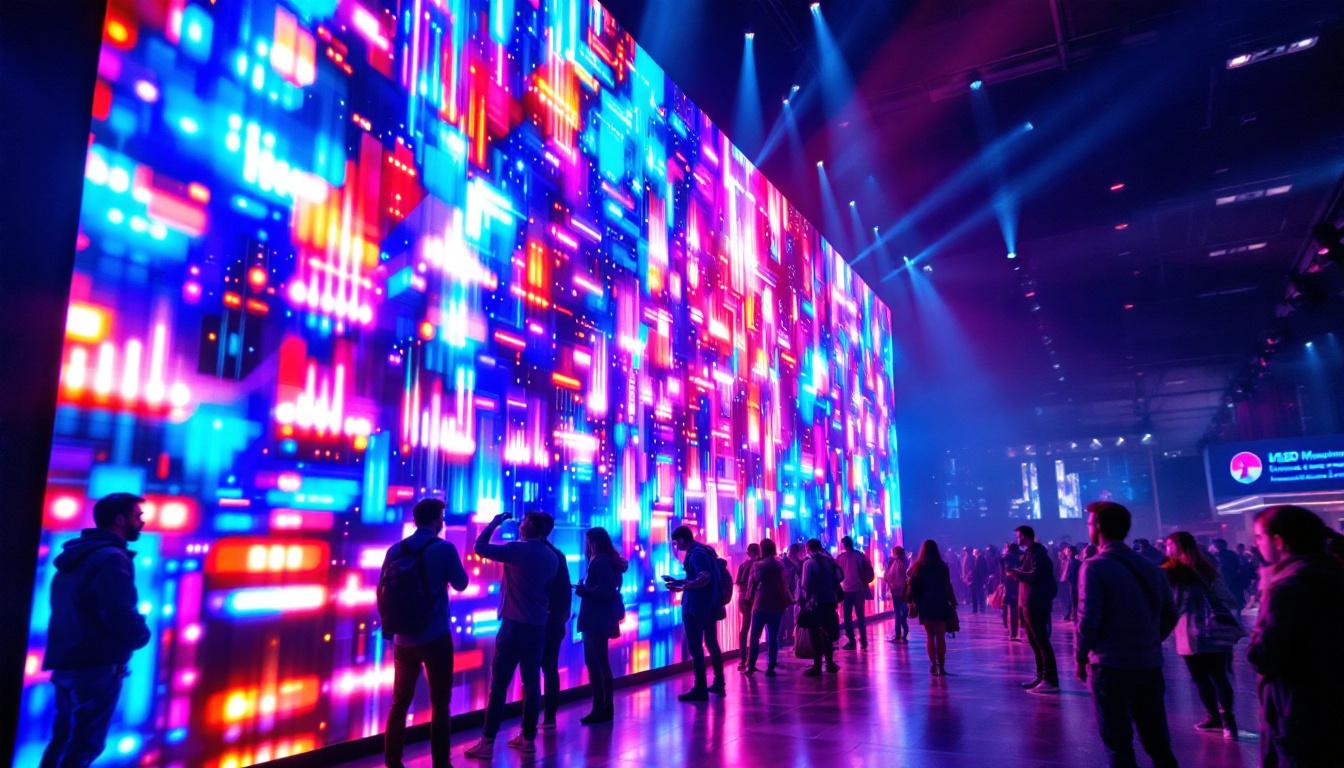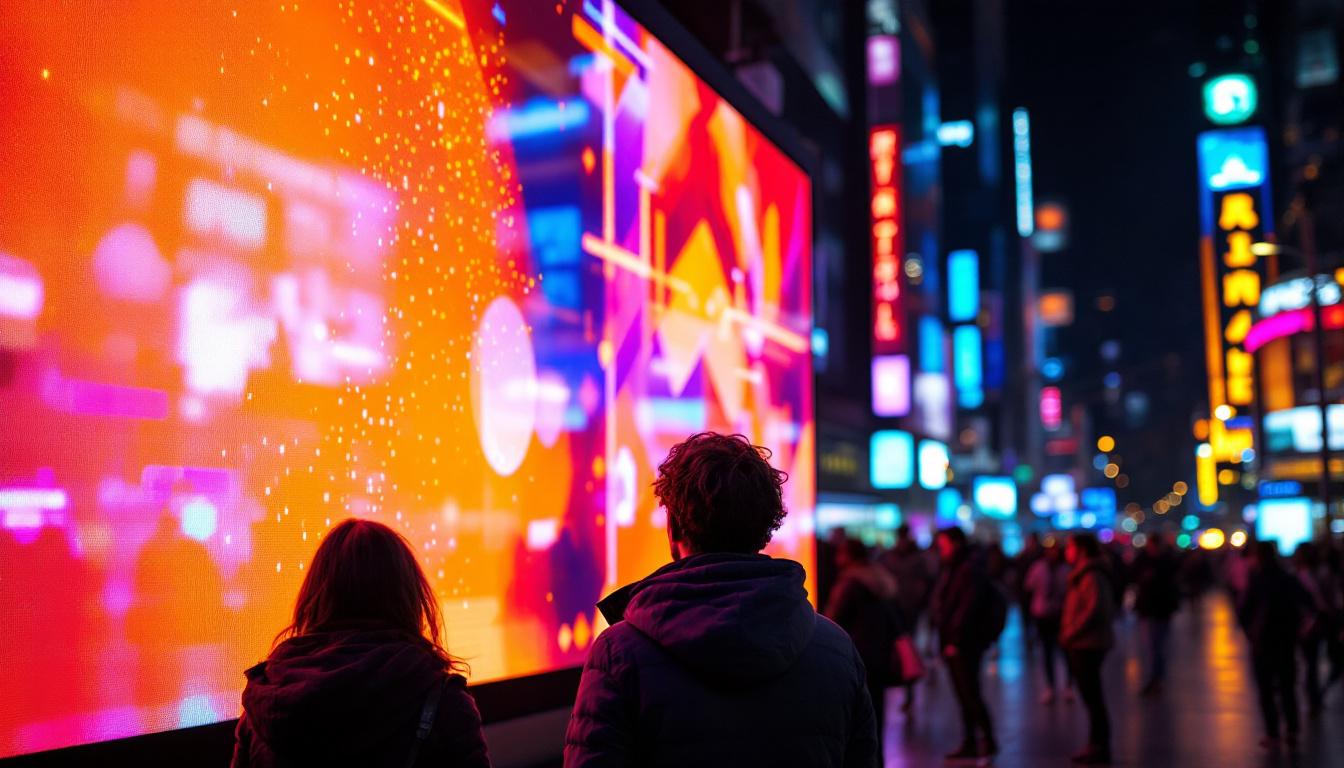
In today’s fast-paced world, capturing attention quickly and effectively is more important than ever. Whether it’s advertising, information dissemination, or enhancing brand visibility, LED displays have become a cornerstone of modern signage solutions. This article delves deep into the world of LED displays, explaining what they are, how they work, their advantages, and why they have become indispensable in the signage industry.
What is an LED Display?
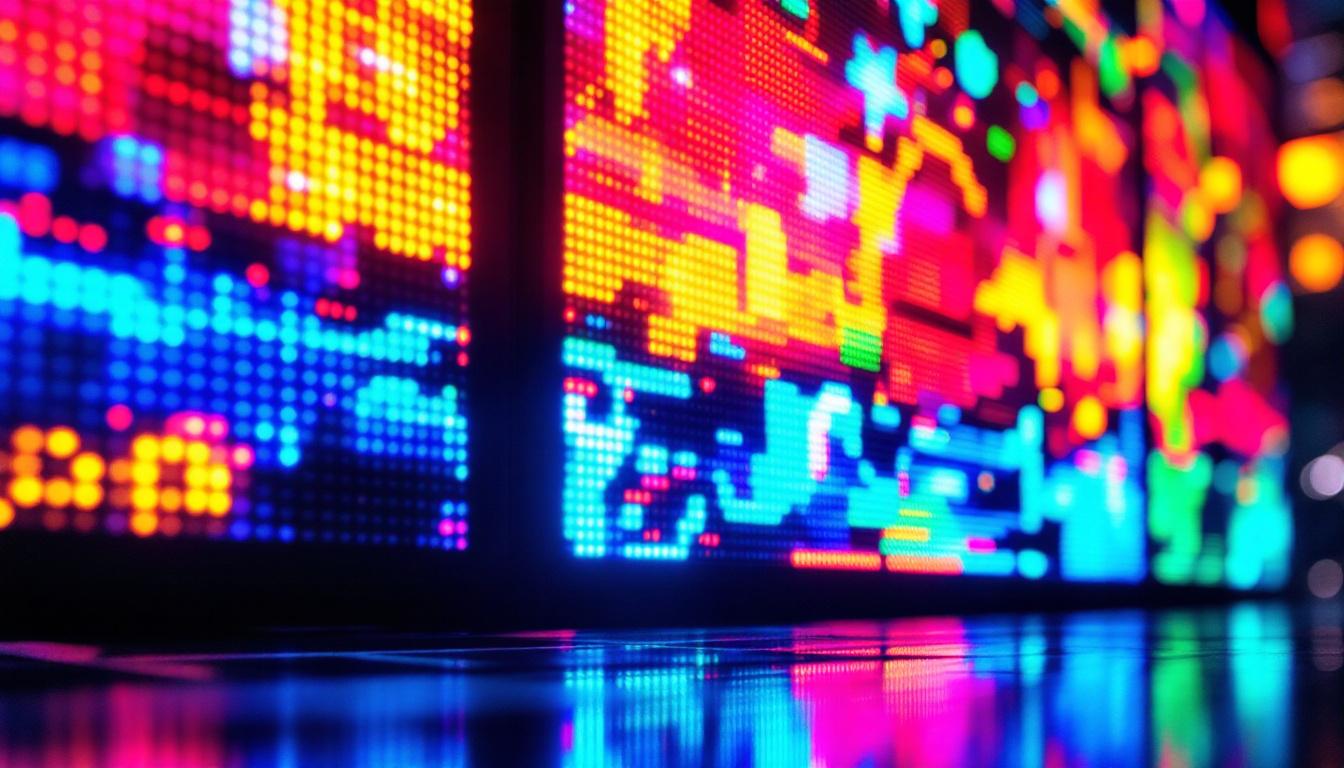
LED stands for Light Emitting Diode, a semiconductor device that emits light when an electric current passes through it. An LED display is essentially a digital screen made up of thousands—or even millions—of these tiny diodes arranged in a grid. Each diode can emit red, green, or blue light, and by varying the intensity of these colors, the display can produce a full spectrum of colors and images.
Unlike traditional signage, which relies on static materials like printed vinyl or painted boards, LED displays are dynamic and can show moving images, videos, and real-time data. This adaptability makes them incredibly versatile for a wide range of applications, from retail advertising to public information boards. Their energy efficiency also sets them apart, as they consume significantly less power than older technologies like incandescent bulbs, making them a more sustainable choice for businesses and organizations.
Moreover, LED displays have a longer lifespan, often lasting over 50,000 hours, which reduces the frequency of replacements and maintenance. This longevity, combined with their vibrant color output and high contrast ratios, allows for eye-catching displays that can attract and engage audiences effectively. As technology continues to evolve, the capabilities of LED displays are expanding, with features such as touch interactivity and integration with smart technologies becoming more commonplace.
Types of LED Displays
LED displays come in various forms, primarily categorized by their pixel pitch, size, and application. Pixel pitch refers to the distance between the centers of two adjacent pixels, usually measured in millimeters. A smaller pixel pitch means higher resolution and closer viewing distance, while a larger pitch is suitable for displays viewed from afar.
- Indoor LED Displays: These have a smaller pixel pitch (often between 1mm and 4mm) and are designed for close-range viewing in environments like shopping malls, airports, and conference rooms. Their high resolution allows for detailed images and text, making them ideal for presentations and advertising.
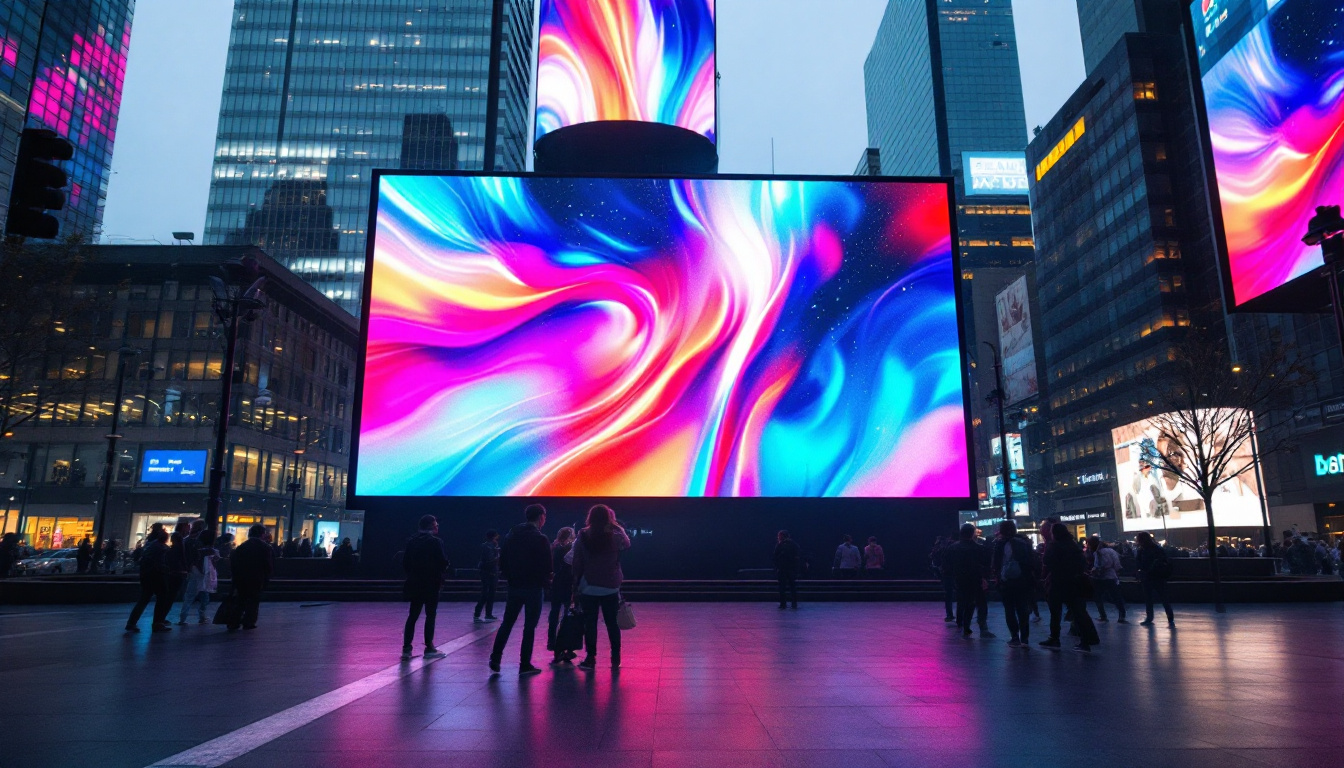
- Outdoor LED Displays: Built to withstand weather conditions, these displays have a larger pixel pitch (typically 4mm to 20mm) and higher brightness levels to combat sunlight glare. They are commonly seen on billboards, stadiums, and building facades, where they can capture the attention of passersby even in bright daylight.
- Flexible and Transparent LED Displays: Innovations in LED technology have introduced flexible panels that can curve around surfaces, as well as transparent displays that allow light to pass through, ideal for store windows and architectural installations. These cutting-edge designs enable creative applications in advertising and interior design, allowing businesses to integrate technology seamlessly into their environments.
Additionally, there are specialized LED displays, such as those used in sports arenas, which often feature high refresh rates to ensure smooth motion for fast-paced action. These displays can enhance the spectator experience by providing instant replays and real-time statistics. In the realm of entertainment, LED screens are increasingly used in concerts and events, creating immersive environments with vibrant visuals that complement performances. As the demand for high-quality visual experiences continues to grow, the versatility and innovation of LED technology will undoubtedly play a pivotal role in shaping the future of display solutions.
How Do LED Displays Work?
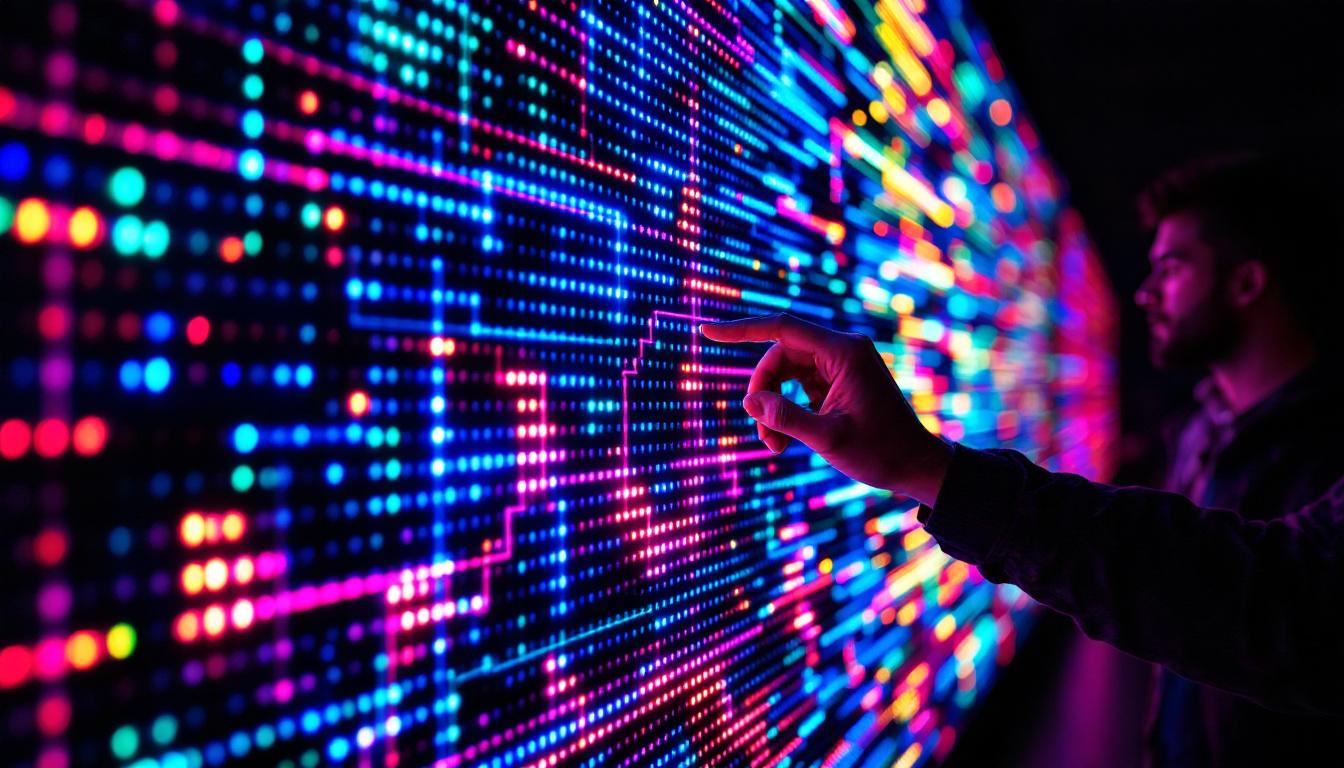
At the heart of an LED display is a matrix of tiny LEDs grouped into pixels. Each pixel is made up of three sub-pixels: red, green, and blue. By adjusting the brightness of each sub-pixel, the display can create millions of different colors through a process called additive color mixing.
The display is controlled by a processing unit that receives input from a computer or media player. This unit translates the input content into signals that determine which LEDs light up and at what intensity. The rapid switching of LEDs creates the illusion of continuous images and smooth video playback.
Brightness and Contrast
Brightness is a critical factor for LED displays, especially for outdoor use. Modern outdoor LED screens can reach brightness levels of over 5,000 nits (a unit of luminance), ensuring visibility even in direct sunlight. Contrast ratio—the difference between the brightest white and the darkest black—is also essential for image clarity and depth.
Advanced LED displays use technologies like local dimming and high dynamic range (HDR) to improve contrast and color accuracy, making visuals more vivid and engaging.
Energy Efficiency and Lifespan
LEDs are known for their energy efficiency compared to traditional lighting and display technologies. An LED display consumes significantly less power than an equivalent LCD or plasma screen, which translates into lower operating costs and a smaller environmental footprint.
Moreover, LED displays have a long lifespan, often exceeding 100,000 hours of operation. This durability makes them a cost-effective investment for businesses seeking reliable, long-term signage solutions.
Benefits of Using LED Displays for Signage
LED displays offer numerous advantages over traditional signage methods, which has led to their widespread adoption across industries.
Dynamic Content and Real-Time Updates
One of the most significant benefits of LED signage is the ability to change content instantly. Businesses can display promotions, news, weather updates, or emergency messages in real time without the need for physical replacements or reprinting.
This flexibility is invaluable for retail environments, transportation hubs, and public spaces where timely information is crucial.
High Visibility and Impact
LED displays are bright and vibrant, making them highly visible even from great distances and in adverse weather conditions. Their ability to display motion and color grabs attention far more effectively than static signs, increasing engagement and recall.
Customization and Scalability
LED signage can be tailored to fit virtually any size or shape, from small indoor panels to massive outdoor billboards. Modular designs allow for easy expansion or reconfiguration, enabling businesses to adapt their signage as needs evolve.
Cost-Effectiveness Over Time
Though the initial investment in LED displays can be higher than traditional signage, the long-term benefits often outweigh these costs. Reduced maintenance, lower energy consumption, and the elimination of printing and installation expenses contribute to a favorable return on investment.
Applications of LED Displays in Various Industries
LED display technology has transformed how businesses and organizations communicate with their audiences. Here are some key sectors where LED signage is making a significant impact:
Retail and Advertising
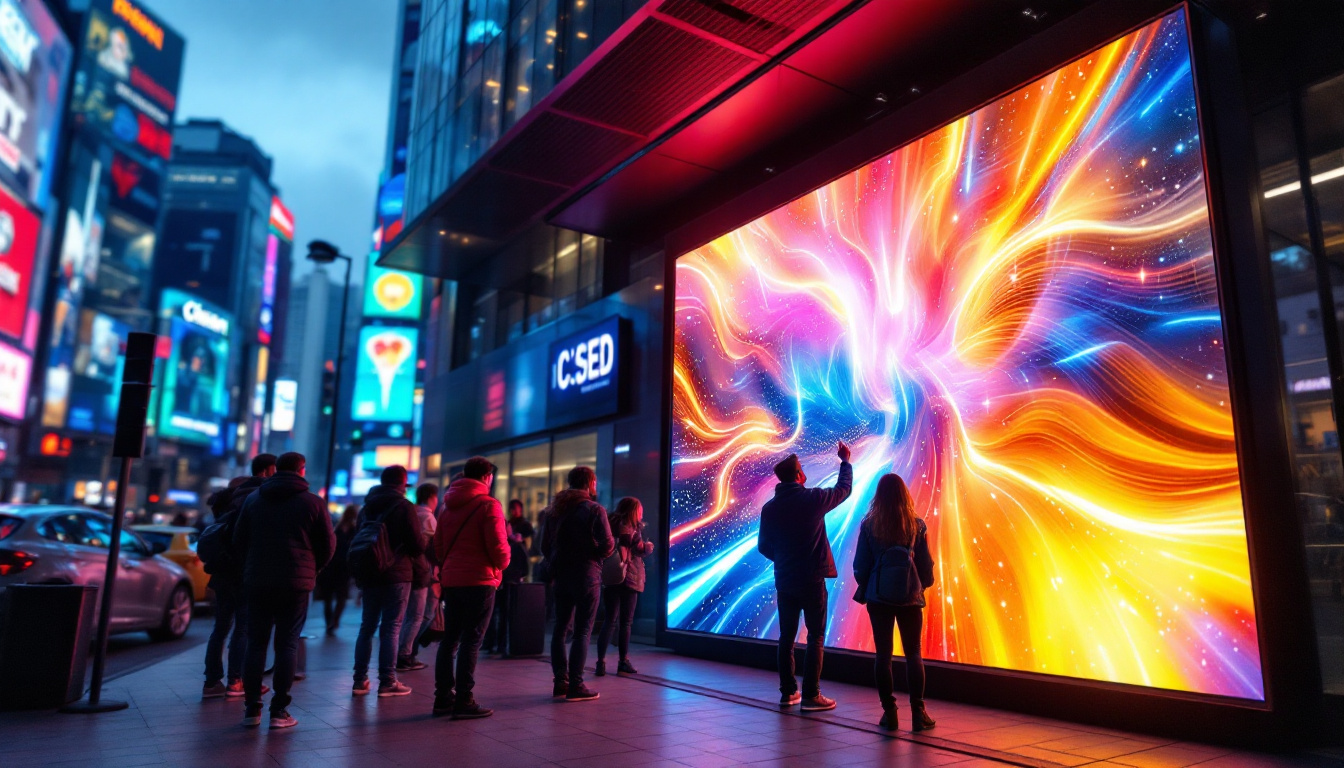
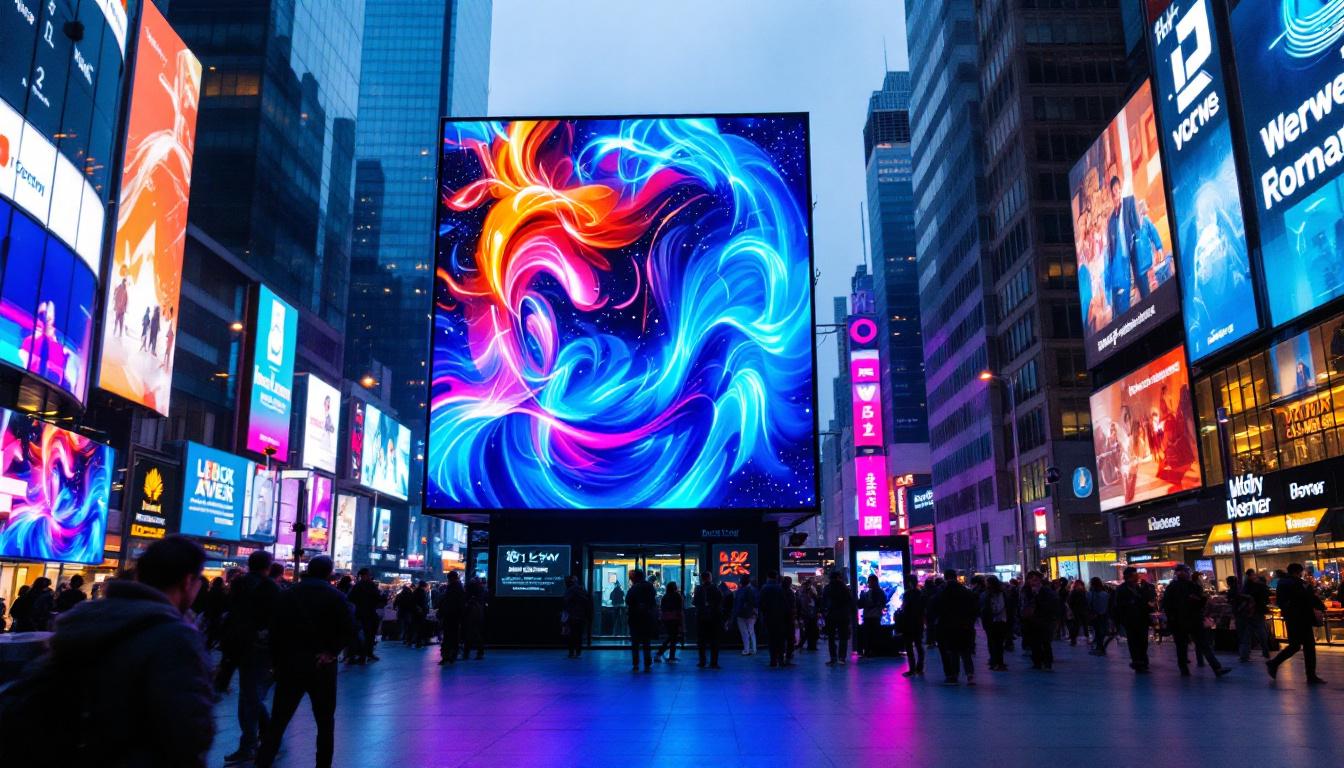
Retailers use LED displays to showcase promotions, new arrivals, and brand messages, creating immersive shopping experiences. Digital billboards equipped with LED screens have become a staple in urban advertising, delivering targeted and dynamic content to millions of viewers daily.
Transportation and Public Information
Airports, train stations, and bus terminals rely on LED displays for schedule updates, wayfinding, and safety announcements. The clarity and brightness of LED signage ensure that travelers receive timely and accurate information, enhancing overall efficiency.
Sports and Entertainment Venues
Stadiums and concert halls utilize large-scale LED screens to provide live video feeds, scores, and interactive content. These displays enhance the spectator experience by delivering high-quality visuals visible from any seat.
Corporate and Educational Environments
Companies and universities use LED displays for presentations, digital directories, and event promotion. The ability to update content quickly makes LED signage ideal for dynamic environments where communication needs frequently change.
Considerations When Choosing an LED Display
Selecting the right LED display requires careful consideration of several factors to ensure it meets the specific needs of the application.
Resolution and Pixel Pitch
Determining the appropriate resolution depends on the viewing distance and desired image quality. For close-range indoor displays, a smaller pixel pitch provides sharper images, while larger pixel pitches are sufficient for outdoor signs viewed from afar.
Brightness and Weather Resistance
Outdoor displays must be bright enough to compete with sunlight and have weatherproof enclosures to withstand rain, wind, and temperature fluctuations. Look for displays with high IP (Ingress Protection) ratings to ensure durability.
Control Systems and Software
The ease of managing content is crucial. Choose LED displays compatible with user-friendly control software that supports various media formats and allows for scheduling and remote updates.
Installation and Maintenance
Consider the complexity of installation and the availability of technical support. Modular designs can simplify repairs and upgrades, reducing downtime and maintenance costs.
The Future of LED Display Technology
LED display technology continues to evolve rapidly, driven by advances in materials science, electronics, and software integration.
MicroLED and MiniLED Innovations
Emerging technologies like MicroLED and MiniLED promise even higher resolution, improved brightness, and better energy efficiency. These displays use smaller diodes, enabling thinner, lighter screens with superior image quality.
Integration with IoT and AI
Smart LED displays connected to the Internet of Things (IoT) can adapt content based on environmental data, audience demographics, or real-time analytics. Artificial intelligence (AI) can optimize messaging for maximum impact, ushering in a new era of personalized and interactive signage.
Sustainability and Eco-Friendly Designs
Manufacturers are increasingly focusing on reducing the environmental impact of LED displays by using recyclable materials, improving energy efficiency, and developing longer-lasting components.
Conclusion
LED displays have revolutionized the signage industry by offering dynamic, bright, and versatile solutions that meet the demands of modern communication. Their ability to deliver engaging content in real time, combined with energy efficiency and durability, makes them a smart investment for businesses and organizations across sectors.
As technology advances, LED displays will become even more integrated into everyday environments, enhancing how information is shared and experiences are created. Understanding the fundamentals of LED displays empowers decision-makers to choose the right solutions that maximize visibility, engagement, and return on investment.
Discover LumenMatrix’s Advanced LED Solutions
Ready to elevate your signage strategy with the latest in LED technology? LumenMatrix is at the forefront of innovation, offering a diverse range of LED display solutions tailored to your unique needs. From Indoor and Outdoor LED Walls to specialized displays for vehicles, sports, and custom installations, our products are designed to captivate and engage your audience. Experience the future of visual communication with LumenMatrix and transform your brand’s presence. Check out LumenMatrix LED Display Solutions today and see the difference cutting-edge technology can make.