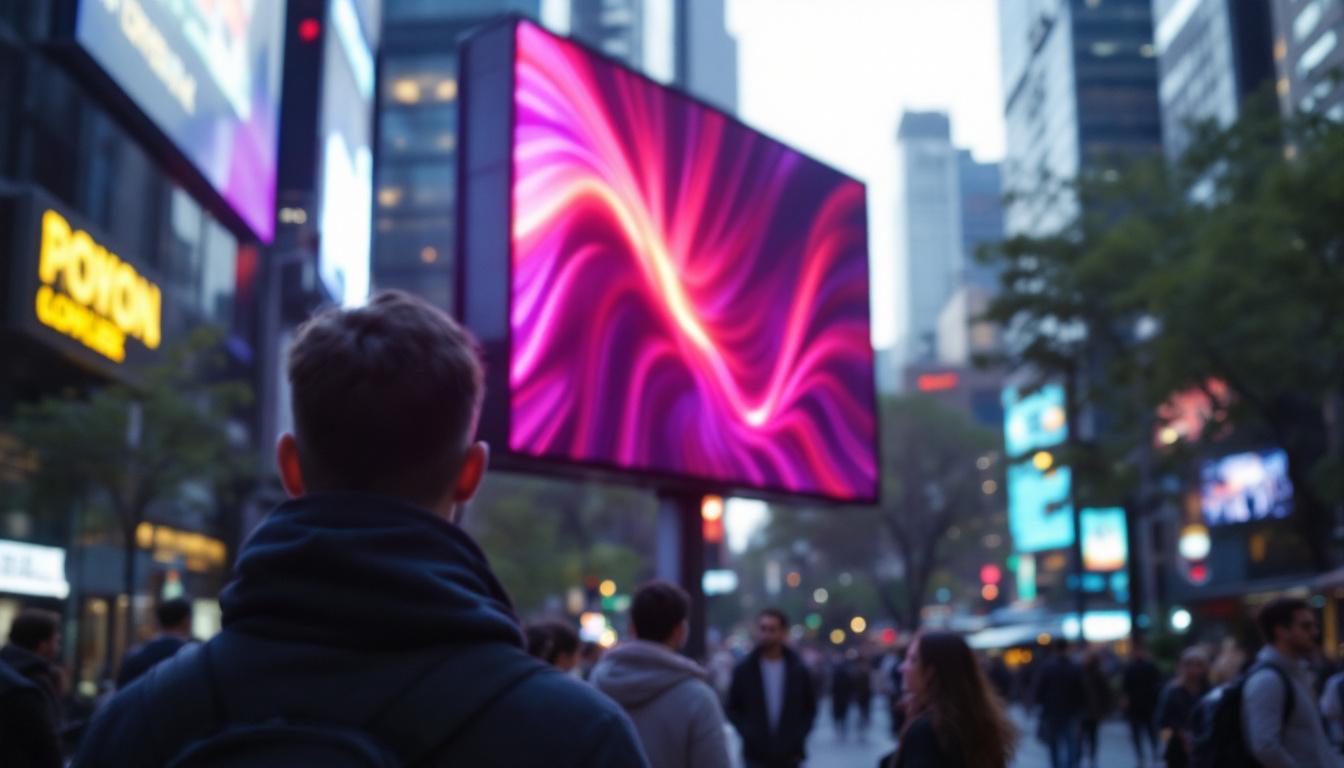
In today’s fast-paced commercial environment, effective signage is more critical than ever. Businesses rely heavily on eye-catching sign boards to attract customers, convey messages, and enhance brand visibility. Among the various types of signage, LED displays have emerged as a leading technology due to their versatility, brightness, and dynamic content capabilities. This article explores the fundamentals of LED displays from the perspective of sign board manufacturers, explaining how these systems work, their benefits, and what to consider when choosing LED signage.
Understanding LED Display Technology
What is an LED Display?
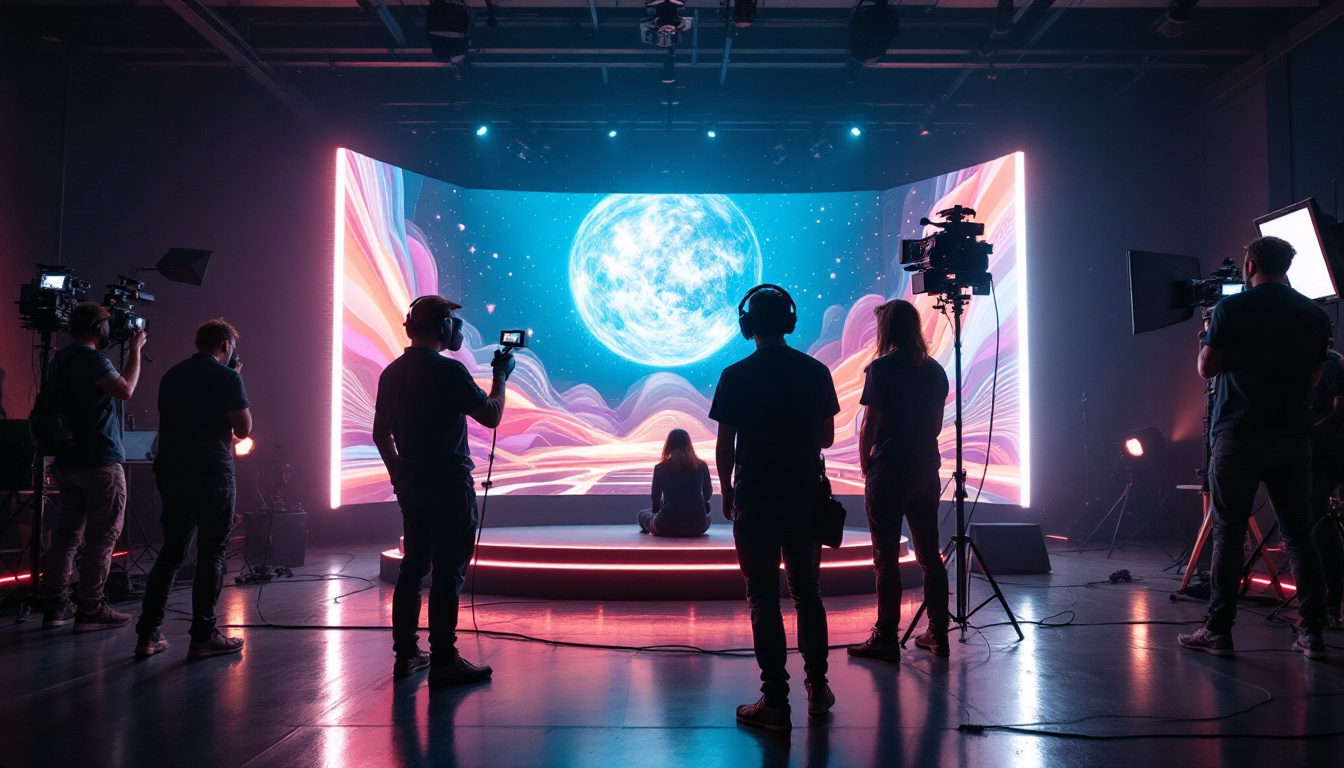
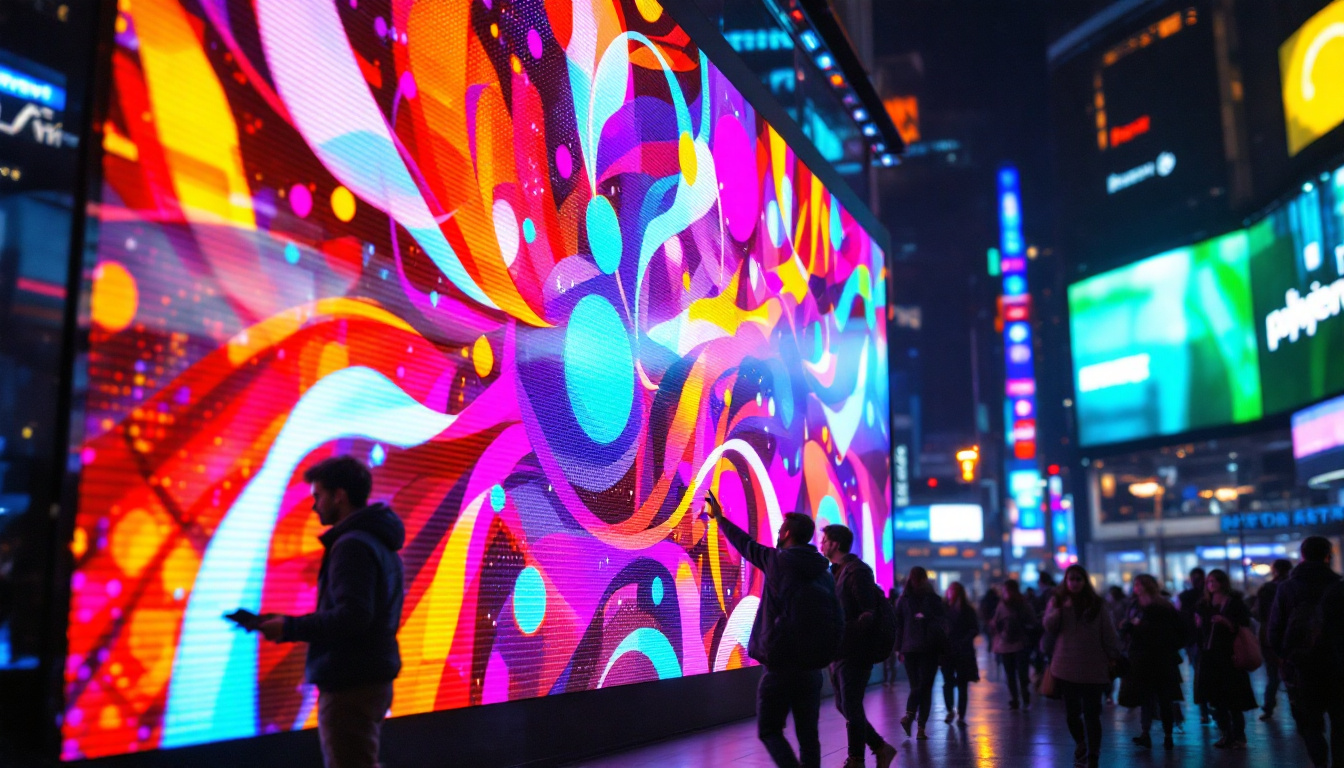
LED stands for Light Emitting Diode, a semiconductor device that emits light when an electric current passes through it. An LED display is a flat panel that uses an array of these tiny LEDs as pixels to create images, text, and videos. These displays are widely used in outdoor and indoor signage due to their high brightness, energy efficiency, and ability to show vibrant colors.
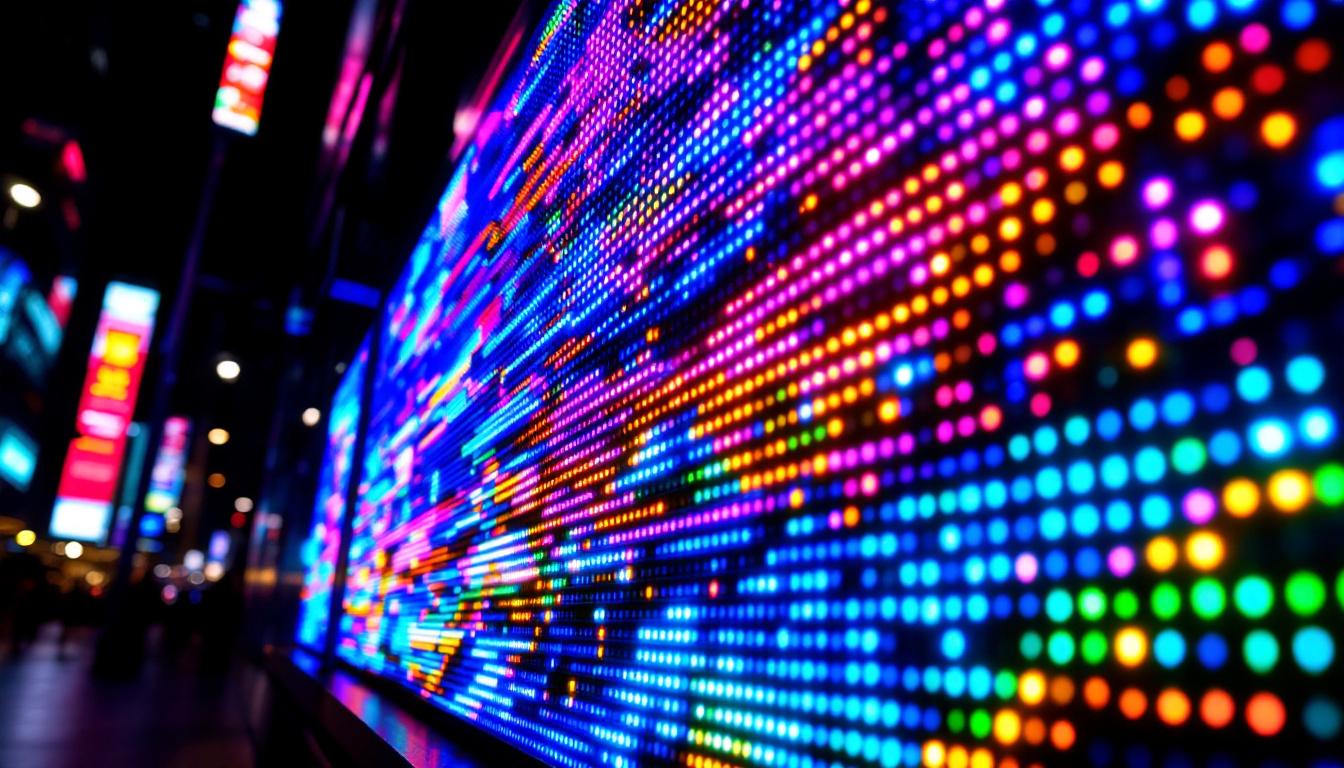
The fundamental components of an LED display include the LED modules, control systems, power supply, and the protective casing. Each LED module contains multiple LEDs arranged in a grid, which collectively form the visible screen. The control system manages the content displayed, allowing for dynamic updates and animations. This technology has revolutionized the way information is presented, enabling real-time updates that can be crucial for businesses and events. For instance, sports arenas utilize LED displays to showcase live scores, player statistics, and advertisements, enhancing the viewer experience significantly.
Types of LED Displays Used in Sign Boards
Sign board manufacturers typically work with several types of LED displays, each suited for different applications:
- Indoor LED Displays: Designed for environments with controlled lighting, these displays have a higher pixel density for sharper images and are used in retail stores, airports, and conference centers. Their ability to display high-resolution graphics makes them ideal for advertising campaigns and presentations, where clarity and detail are paramount.
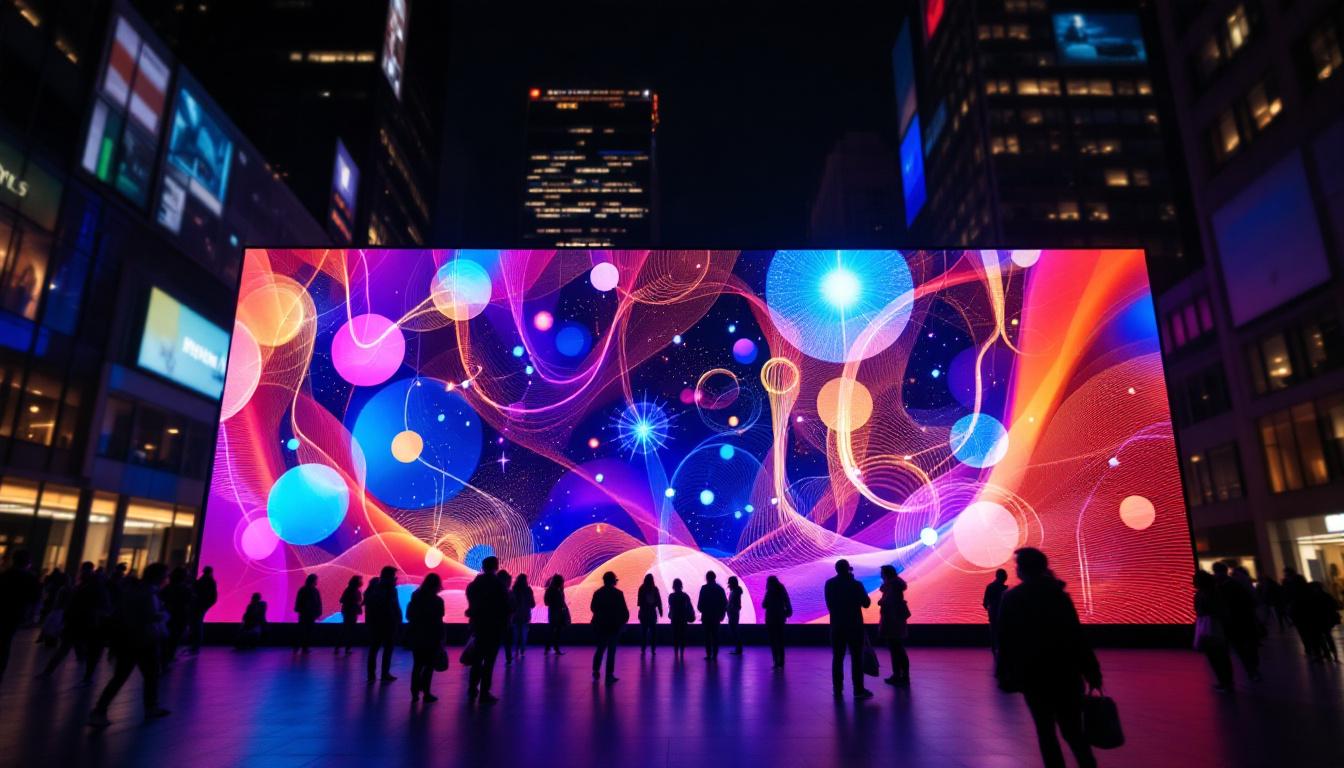
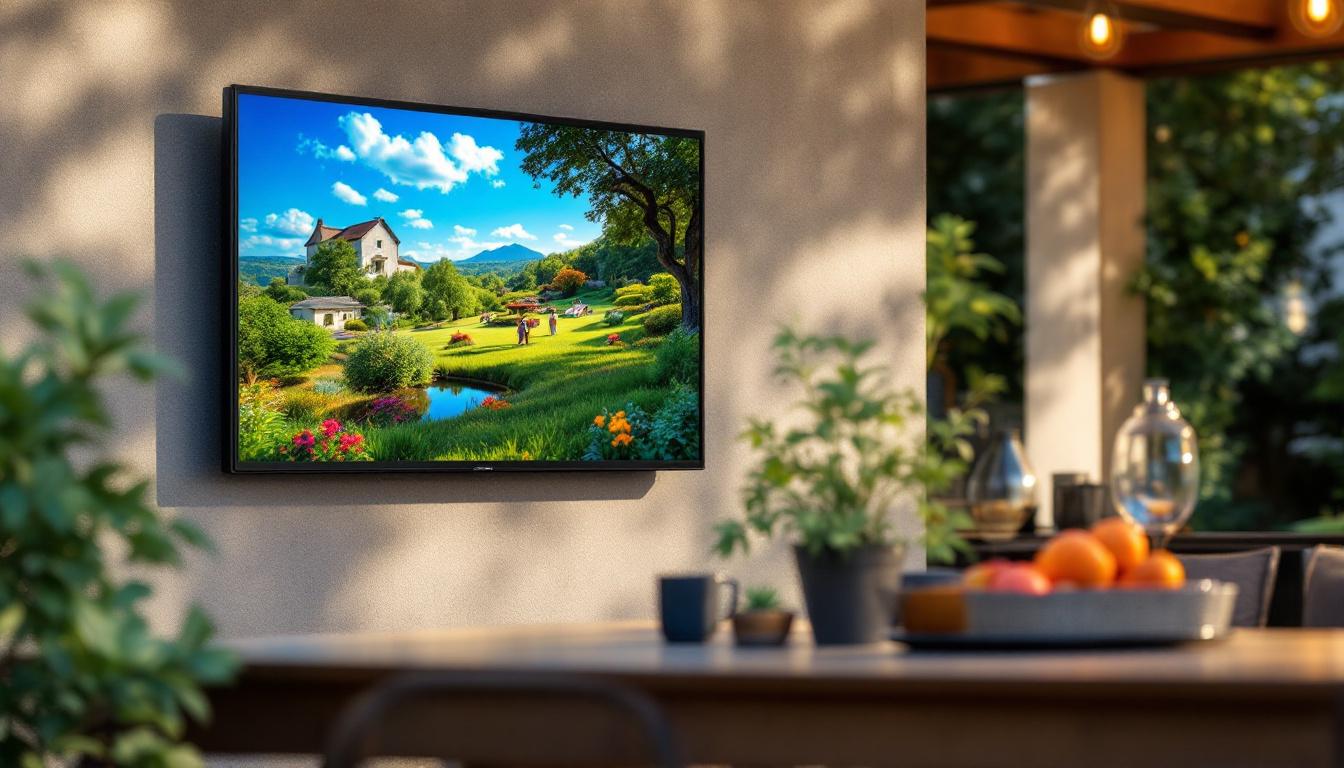
- Outdoor LED Displays: Built to withstand weather conditions, these displays have higher brightness levels (often exceeding 5,000 nits) to remain visible in direct sunlight. They are commonly used for billboards, storefronts, and public information boards. The durability of outdoor LED displays ensures that they can function effectively in various climates, from scorching heat to heavy rain, making them a reliable choice for long-term installations.
- Flexible LED Displays: These are made with bendable materials, allowing for creative shapes and curved surfaces, enhancing the design possibilities for signage. Their versatility opens up new avenues for artistic expression in advertising, enabling brands to create eye-catching displays that stand out in crowded environments.
In addition to these common types, there are also specialized LED displays such as transparent LED screens, which allow for visibility through the display while still showcasing vibrant content. This innovation is particularly popular in retail settings, where businesses want to maintain an open feel while still capturing the attention of passersby. Furthermore, advancements in LED technology continue to emerge, such as microLED and miniLED displays, which promise even greater resolution and energy efficiency, pushing the boundaries of what is possible in visual communication.
Advantages of LED Displays in Signage
High Visibility and Brightness
One of the main reasons LED displays dominate the signage industry is their exceptional brightness. Unlike traditional neon or fluorescent signs, LEDs can produce intense light that is visible even in bright daylight. This ensures that messages are clear and legible at all times, increasing the effectiveness of advertising and information dissemination. Furthermore, the color range of LED displays allows for vibrant hues that can attract attention from afar, making them ideal for high-traffic areas. The ability to adjust brightness levels also means that these displays can be optimized for different environments, ensuring maximum visibility regardless of surrounding light conditions.
Energy Efficiency and Longevity
LED technology is renowned for its energy efficiency. Compared to incandescent or neon lighting, LED displays consume significantly less power, which reduces operational costs for businesses. Moreover, LEDs have a long lifespan, often lasting over 50,000 hours before needing replacement. This durability minimizes maintenance efforts and expenses. In addition to cost savings, the lower energy consumption contributes to a reduced carbon footprint, making LED displays an environmentally friendly choice. Businesses can promote their commitment to sustainability while enjoying the financial benefits of lower energy bills and fewer replacements.
Dynamic Content and Flexibility
Unlike static sign boards, LED displays allow for dynamic content that can be changed remotely and frequently. This flexibility is invaluable for businesses that want to promote multiple products, update pricing, or display real-time information such as news or weather. The ability to integrate animations and videos also captures attention more effectively than static images. Moreover, the use of scheduling software enables businesses to program their displays to show different messages at different times of the day, maximizing engagement by targeting specific audiences during peak hours. This capability not only enhances marketing strategies but also allows for timely communication of important information to customers.
Customization and Design Versatility
LED displays can be manufactured in various sizes and shapes, tailored to fit specific branding requirements and architectural constraints. Whether it’s a massive billboard or a small menu board, sign board manufacturers can design LED signage that complements the business environment and enhances brand identity. Additionally, the modular nature of LED technology means that displays can be expanded or reconfigured as business needs change. This adaptability allows businesses to invest in signage that grows with them, ensuring that their marketing efforts remain relevant and impactful over time. With the option to incorporate interactive features, such as touch screens or QR code scanning, LED displays can also engage customers in innovative ways, creating a more immersive experience that encourages interaction and brand loyalty.
Key Considerations When Choosing LED Sign Boards
Pixel Pitch and Resolution
Pixel pitch refers to the distance between the centers of two adjacent LEDs, typically measured in millimeters. A smaller pixel pitch means higher resolution and sharper images, which is crucial for displays viewed at close range, such as indoor signs. Conversely, outdoor displays can have a larger pixel pitch since they are viewed from greater distances.
For example, an indoor LED display might have a pixel pitch of 1.5mm to 3mm, delivering crisp text and detailed graphics. Outdoor displays often range from 6mm to 20mm, balancing visibility and cost-effectiveness.
Brightness and Weather Resistance
Outdoor LED displays must be sufficiently bright to compete with sunlight. Manufacturers often specify brightness in nits, with outdoor signs typically requiring 5,000 to 8,000 nits for optimal visibility. Additionally, weatherproof ratings such as IP65 or higher ensure that the display can withstand rain, dust, and temperature variations.
Control Systems and Connectivity
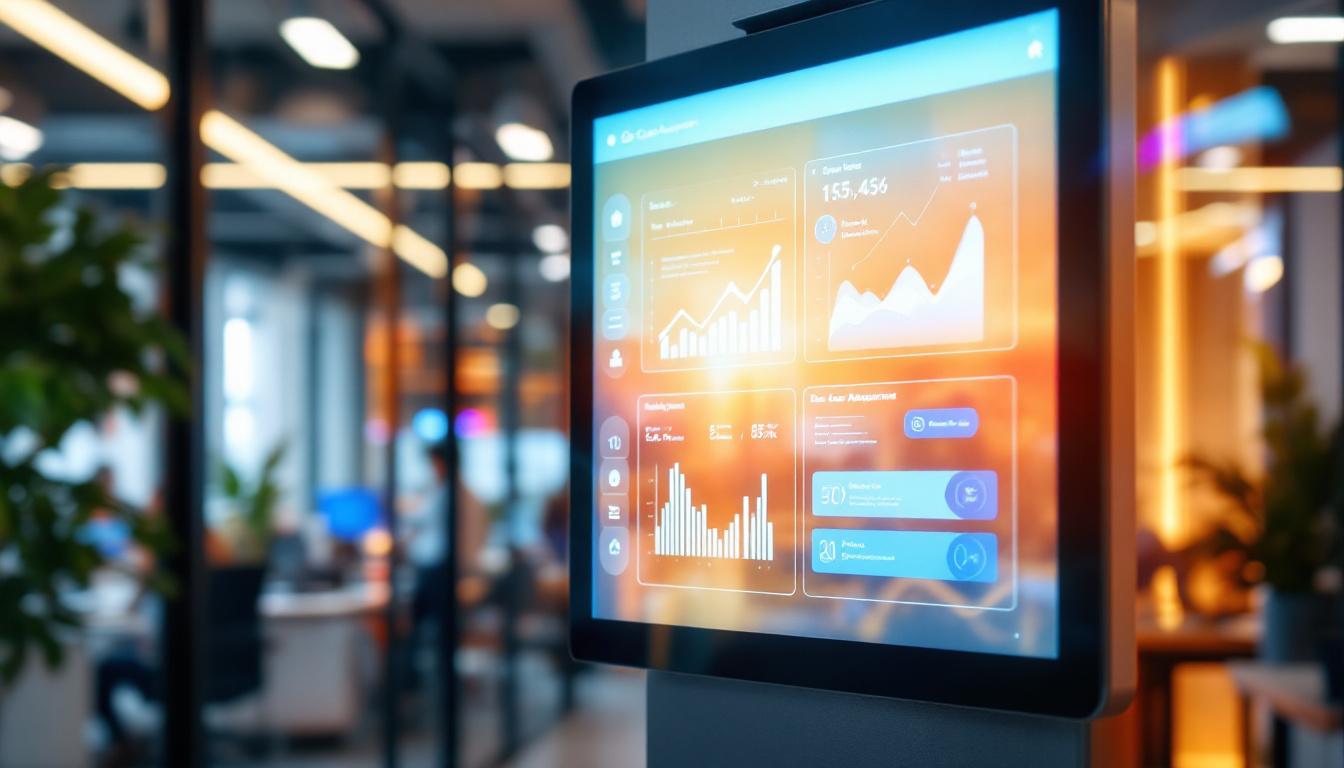
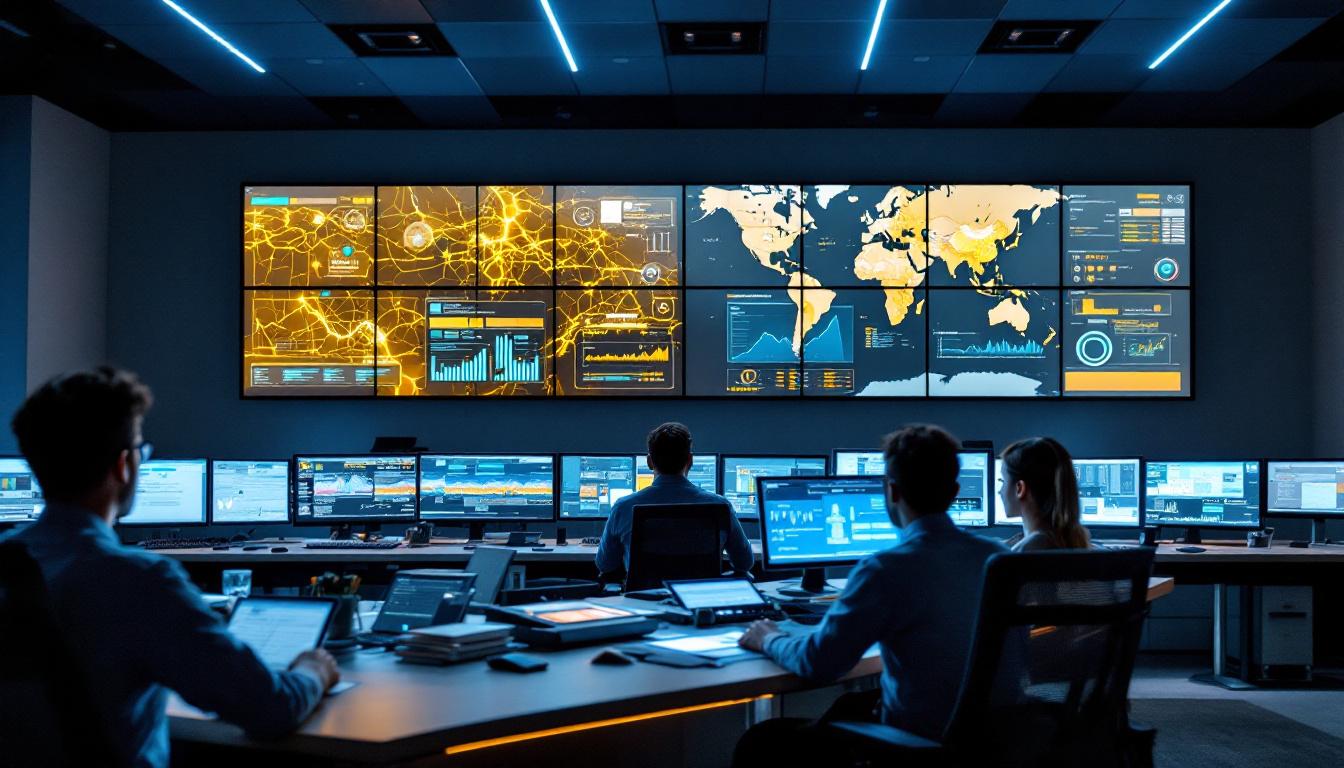
Modern LED sign boards come equipped with sophisticated control systems that allow users to manage content easily. These systems may support wired or wireless connectivity, enabling remote updates via software platforms. Some advanced solutions integrate with cloud services, allowing for scheduling, real-time data feeds, and multi-location management.
Installation and Maintenance
Professional installation is critical to ensure the longevity and performance of LED displays. Sign board manufacturers often provide turnkey solutions, including site surveys, mounting hardware, and electrical connections. Regular maintenance, such as cleaning and software updates, helps maintain brightness and functionality over time.
Industry Applications and Trends
Retail and Advertising
Retailers leverage LED displays to create engaging storefronts and in-store promotions. Dynamic signs can highlight sales, new arrivals, or brand stories, enhancing customer experience and driving sales. According to industry reports, digital signage can increase customer engagement by up to 30%, making LED displays a valuable investment.
Transportation and Public Information
LED sign boards are widely used in transportation hubs such as airports, train stations, and bus terminals. Their ability to display real-time schedules, alerts, and directions improves passenger flow and safety. Municipalities also use LED displays for public announcements, emergency alerts, and event promotions.
Sports and Entertainment Venues
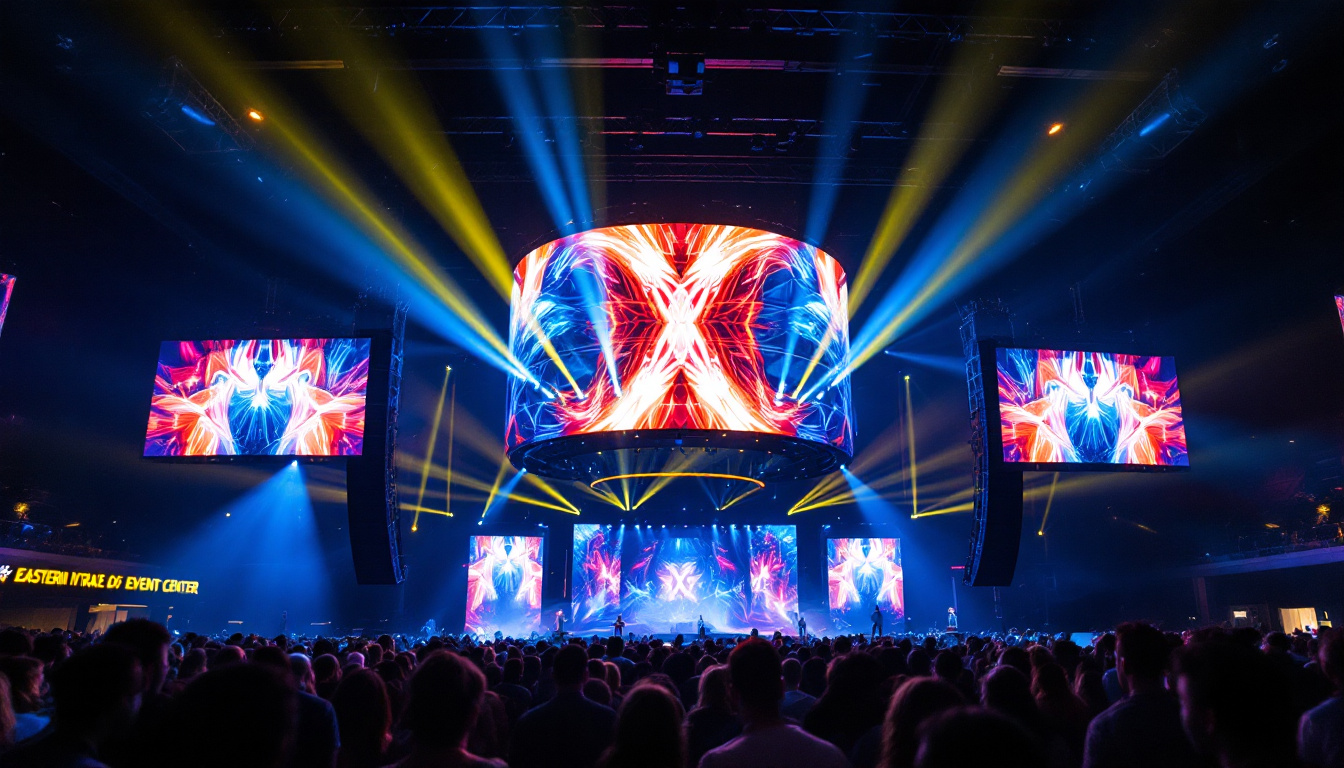
Large-scale LED displays are a staple in stadiums and arenas, providing instant replays, advertisements, and interactive content. The flexibility and brightness of LED technology make it ideal for engaging large audiences in various lighting conditions.
Emerging Technologies
Recent advancements include transparent LED displays, which can be integrated into glass surfaces without obstructing views, and micro-LED technology, offering even higher resolution and energy efficiency. These innovations expand the possibilities for creative signage solutions.
Choosing the Right Sign Board Manufacturer
Experience and Expertise
Partnering with a reputable sign board manufacturer ensures access to quality products and professional guidance. Experienced manufacturers understand the nuances of LED technology and can recommend solutions tailored to specific business needs.
Customization and Support
A good manufacturer offers customization options, from size and shape to software capabilities. Additionally, ongoing support for installation, maintenance, and troubleshooting is essential for maximizing the lifespan and performance of LED displays.
Compliance and Certifications
Ensure that the manufacturer adheres to industry standards and certifications, such as CE, RoHS, and FCC compliance. These certifications guarantee safety, environmental responsibility, and product reliability.
Conclusion
LED displays have revolutionized the signage industry by combining high visibility, energy efficiency, and dynamic content capabilities. For businesses looking to enhance their brand presence and communicate effectively, investing in LED sign boards offers a compelling solution. Understanding the technology, benefits, and key considerations helps in making informed decisions and selecting the right sign board manufacturer.
As LED technology continues to evolve, sign board manufacturers are poised to deliver increasingly innovative and impactful signage solutions that meet the diverse needs of modern businesses and public spaces.
Illuminate Your Brand with LumenMatrix
Ready to elevate your brand’s visibility and captivate your audience with dynamic, high-impact visuals? LumenMatrix is at the forefront of LED display innovation, offering a comprehensive range of solutions tailored to your unique needs. From Indoor and Outdoor LED Wall Displays to specialized options like Vehicle, Sports, and Floor LED Displays, our mission is to transform your visual communication strategy. Discover the power of our Custom, All-in-One, and Transparent LED Displays and see how we can help you share your message with unparalleled clarity and engagement. Check out LumenMatrix LED Display Solutions today and join the revolution in digital signage excellence.