In the rapidly evolving world of digital displays, LED technology has become a cornerstone for delivering vibrant, high-quality visuals across a wide range of applications. From stadium screens to advertising billboards and indoor video walls, LED displays have transformed how information and entertainment are presented. This article delves into the fundamentals of LED displays, exploring the light video format they utilize, their technological advantages, and why they have become the preferred choice for modern visual communication.
Understanding LED Display Technology
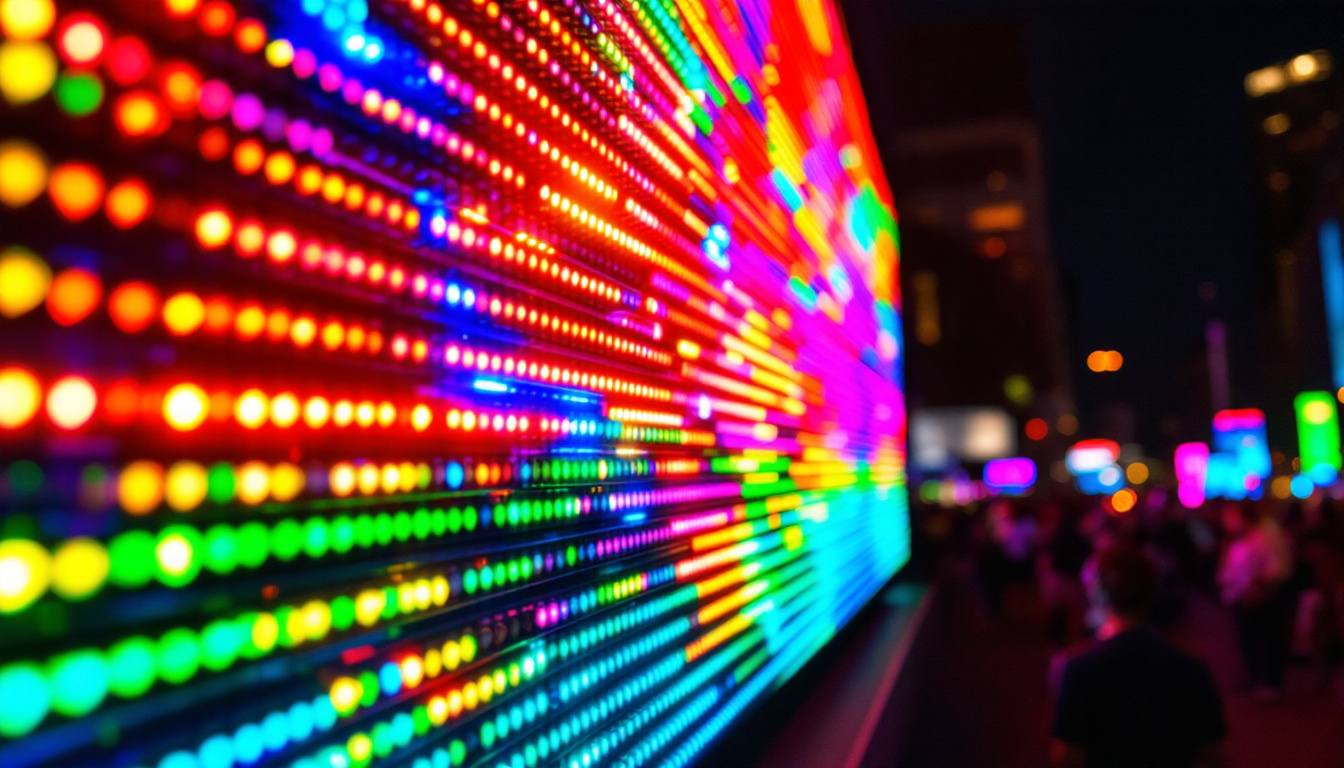
LED stands for Light Emitting Diode, a semiconductor device that emits light when an electric current passes through it. LED displays are composed of thousands to millions of these tiny diodes arranged in a matrix to form images and videos. Unlike traditional LCD or plasma screens, LED displays generate their own light, which leads to higher brightness and contrast ratios. This self-illuminating capability not only enhances visibility in various lighting conditions but also contributes to energy efficiency, making LED technology a popular choice for both commercial and residential applications.
How LED Displays Work
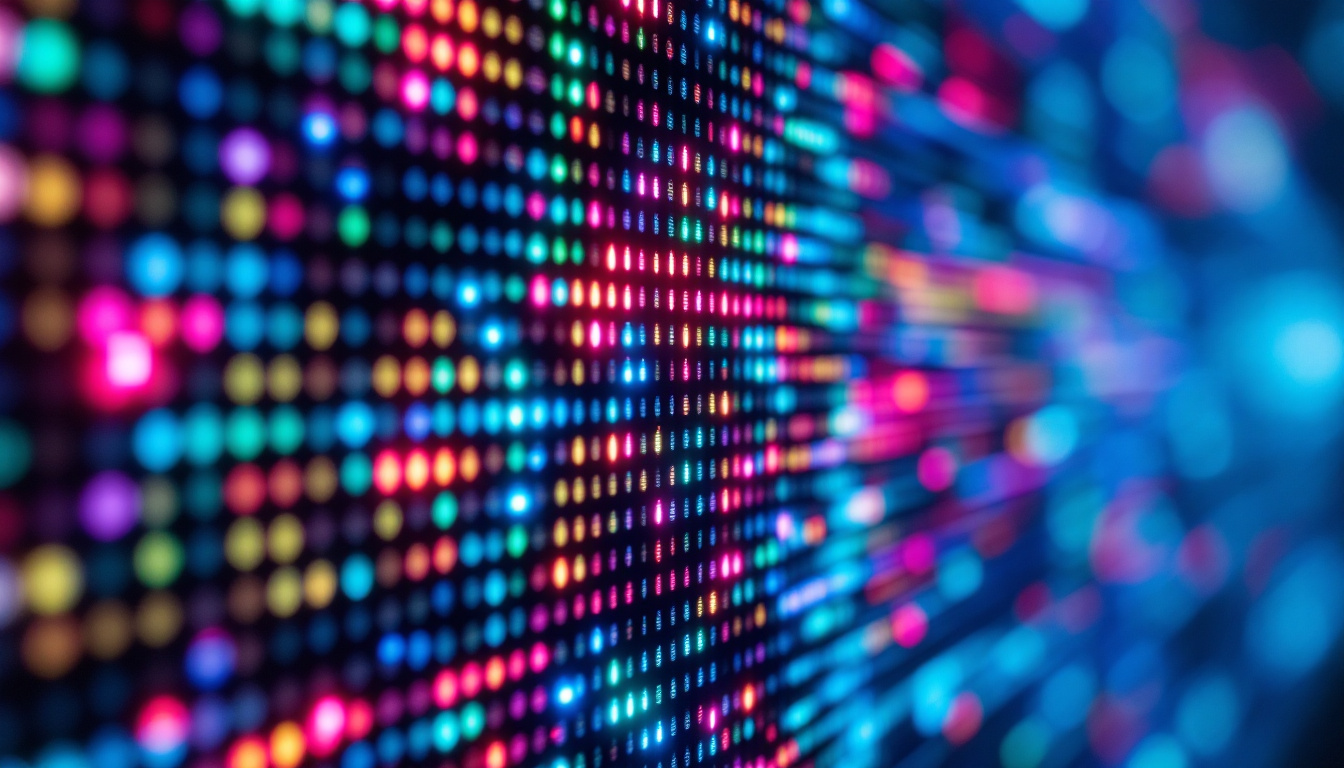
Each pixel in an LED display consists of one or more LEDs, typically red, green, and blue (RGB). By varying the intensity of these three colors, the display can produce a wide spectrum of colors. This RGB system is fundamental to the light video format used in LED displays, enabling them to render vivid and accurate images. The precision in color mixing is crucial for applications that require high fidelity, such as medical imaging and graphic design, where color accuracy can significantly impact the outcome.
The control system modulates the LEDs at high speeds, refreshing the image multiple times per second to create smooth video playback. This rapid switching, combined with precise color mixing, results in the dynamic and eye-catching visuals that LED displays are known for. Additionally, advancements in technology have led to the development of features like high dynamic range (HDR) and local dimming, which further enhance the viewing experience by improving contrast and detail in both bright and dark scenes.
Types of LED Displays
LED displays come in several forms, each suited for different environments and purposes:
- Indoor LED Displays: Designed for close-range viewing with higher pixel density, these displays offer sharp images and are commonly used in conference rooms, retail stores, and broadcast studios. Their versatility allows for seamless integration into various settings, enhancing presentations and advertising efforts with vibrant visuals.
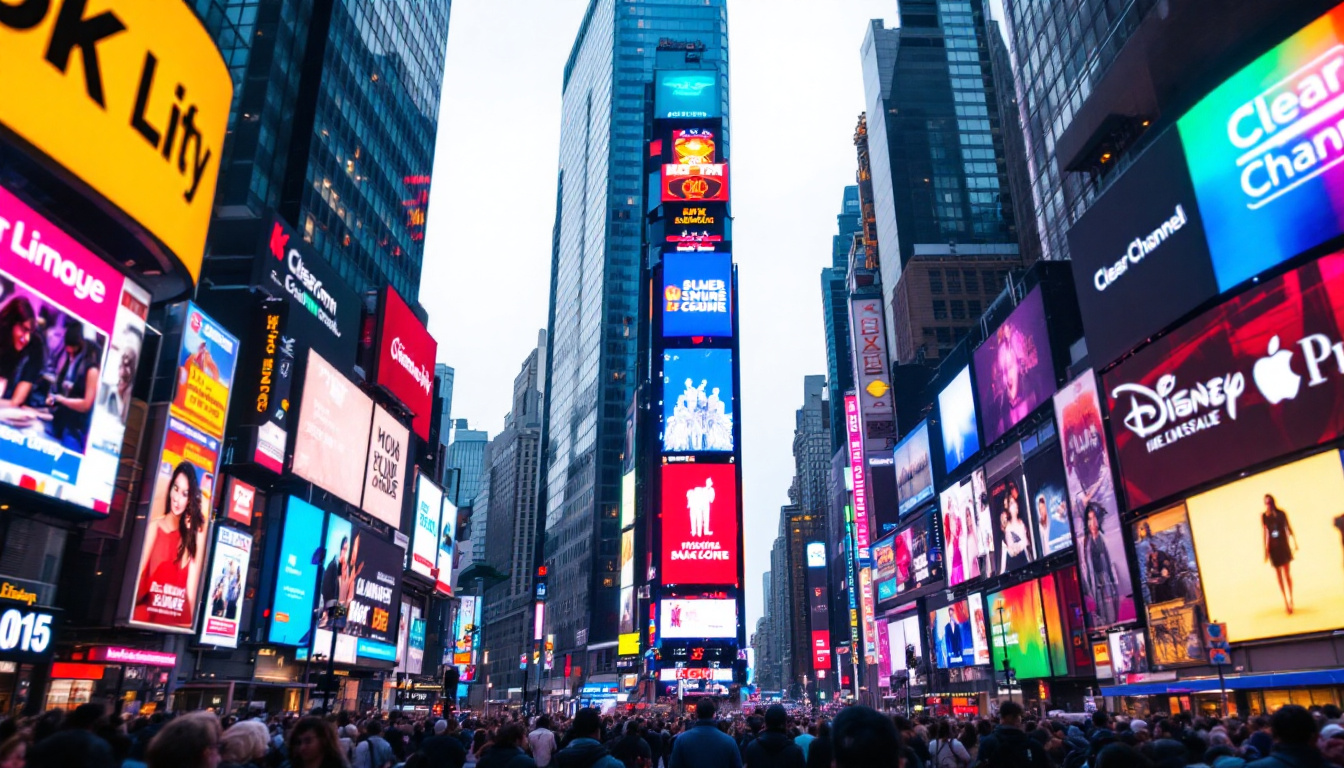
- Outdoor LED Displays: Built to withstand weather conditions, these displays are brighter to combat sunlight glare and are often used for billboards, sports arenas, and public information screens. The robust construction and weatherproofing ensure longevity, making them ideal for high-traffic areas where visibility is paramount.
- Flexible and Transparent LED Displays: Innovative designs that allow for curved or see-through installations, expanding creative possibilities in architecture and advertising. These displays can be integrated into windows or walls, providing a unique way to engage audiences without obstructing the view, thus merging functionality with aesthetic appeal.
Moreover, the rise of smart technology has led to the advent of interactive LED displays, which can respond to touch or motion. This interactivity opens up new avenues for user engagement, particularly in retail environments where customers can interact with products through dynamic displays. As technology continues to evolve, the potential applications for LED displays seem limitless, paving the way for even more immersive experiences in the digital landscape.
The Light Video Format in LED Displays
The term “light video format” in the context of LED displays refers to the method by which visual content is encoded, transmitted, and rendered using light-emitting components. Unlike traditional video formats that rely on liquid crystals or phosphors, LED video formats leverage the direct emission of light from diodes, which influences how data is processed and displayed.
Color Representation and Calibration
LED displays use additive color mixing, combining red, green, and blue light to create the full color spectrum. This contrasts with subtractive color methods used in print media. The precision of LED color calibration is critical; it ensures consistency and accuracy across the display surface, which is especially important for brand colors and detailed video content.
Advanced calibration techniques involve sensor feedback and software adjustments to maintain uniform brightness and color fidelity over time, compensating for LED aging and environmental factors. These calibration processes can be automated, utilizing sophisticated algorithms that analyze the display’s performance in real-time, allowing for adjustments that enhance the viewer’s experience. Moreover, the integration of artificial intelligence in calibration systems is paving the way for even more precise control, enabling displays to adapt to varying ambient light conditions and content types seamlessly.
Resolution and Pixel Pitch
The clarity of an LED display is determined by its resolution and pixel pitch. Resolution refers to the total number of pixels, while pixel pitch is the distance between the centers of two adjacent pixels, measured in millimeters. A smaller pixel pitch means higher pixel density and sharper images, which is essential for close viewing distances.
For example, indoor LED displays often feature pixel pitches as low as 1.2mm, delivering ultra-high-definition visuals, whereas outdoor displays might have a pitch of 10mm or more, optimized for visibility from greater distances. The choice of pixel pitch is also influenced by the intended application; for instance, venues hosting concerts or events may opt for finer pitches to ensure that even those seated farthest from the stage can enjoy a clear and vibrant image. Additionally, advancements in manufacturing technology are continually pushing the boundaries of pixel pitch, leading to the development of microLED displays that promise even greater resolution and flexibility in design.
Refresh Rate and Motion Handling
LED displays typically support high refresh rates, often exceeding 120Hz. This capability reduces motion blur and flicker, making them ideal for dynamic content such as live sports broadcasts or interactive presentations. High refresh rates are a key aspect of the light video format, ensuring smooth and natural motion reproduction.
Furthermore, the ability to handle rapid changes in content without lag is crucial for applications such as gaming and virtual reality, where even the slightest delay can disrupt the user experience. Many modern LED displays incorporate technologies like variable refresh rate (VRR) to synchronize the display’s refresh rate with the frame rate of the content being shown, further enhancing the fluidity of motion. This is particularly beneficial in environments where content can change rapidly, such as digital signage in retail spaces, where engaging visuals are essential to capture consumer attention effectively.
Advantages of LED Displays Over Other Technologies
LED displays offer several distinct benefits that have led to their widespread adoption in various sectors. Understanding these advantages helps clarify why LED technology is often the preferred choice for large-scale and high-impact visual communication.
Brightness and Visibility
One of the standout features of LED displays is their exceptional brightness. With luminance levels often exceeding 5,000 nits for outdoor models, LED screens remain clearly visible even in direct sunlight. This is a significant advantage over LCD and projection systems, which can struggle with glare and ambient light interference.
Energy Efficiency and Longevity
LEDs are inherently energy-efficient, consuming less power than traditional display technologies while delivering superior brightness. Moreover, the lifespan of LEDs typically ranges from 50,000 to 100,000 hours, reducing maintenance costs and downtime.
Energy efficiency is not only an operational benefit but also aligns with growing environmental concerns and sustainability goals in corporate and public sectors.
Flexibility and Scalability
LED displays can be manufactured in virtually any size and shape, making them highly adaptable. Modular designs allow for easy scaling, whether creating a massive stadium screen or a compact retail display. This flexibility extends to installation options, including curved surfaces, corners, and even transparent panels.
Applications of LED Displays in Modern Industries
The versatility and performance of LED displays have made them indispensable across numerous industries. Their ability to deliver compelling visual experiences is transforming how businesses and organizations communicate with their audiences.
Advertising and Digital Signage
Outdoor LED billboards have revolutionized advertising by enabling dynamic, real-time content updates and eye-catching animations. The global digital signage market is projected to grow at a CAGR of over 7% through 2028, driven largely by LED technology adoption.
Retailers use indoor LED walls to create immersive brand experiences, while transit hubs deploy LED screens for passenger information and advertising, enhancing both utility and engagement.
Sports and Entertainment Venues
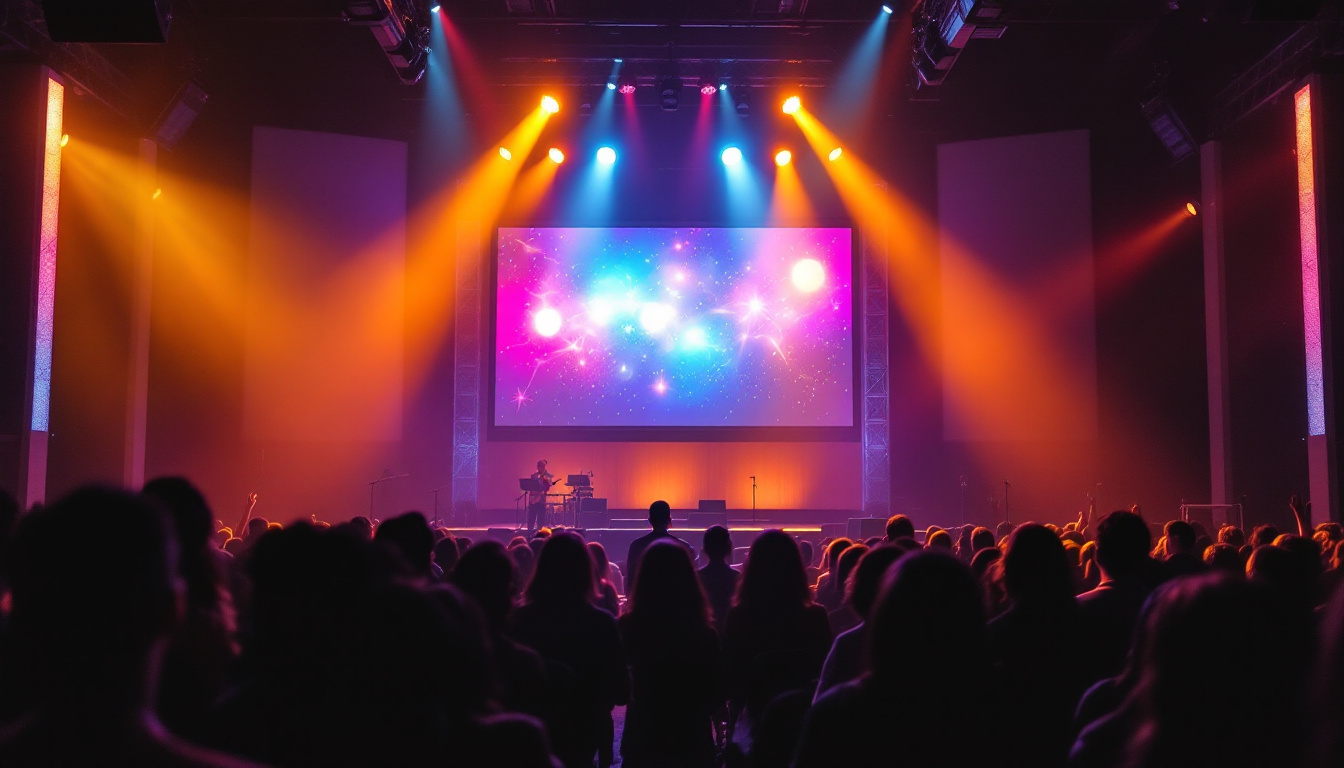
Stadiums and arenas rely on massive LED video boards to provide spectators with instant replays, live scores, and interactive content. The ability to produce bright, high-resolution images visible from great distances enhances the fan experience and opens new revenue streams through advertising.
Corporate and Event Displays
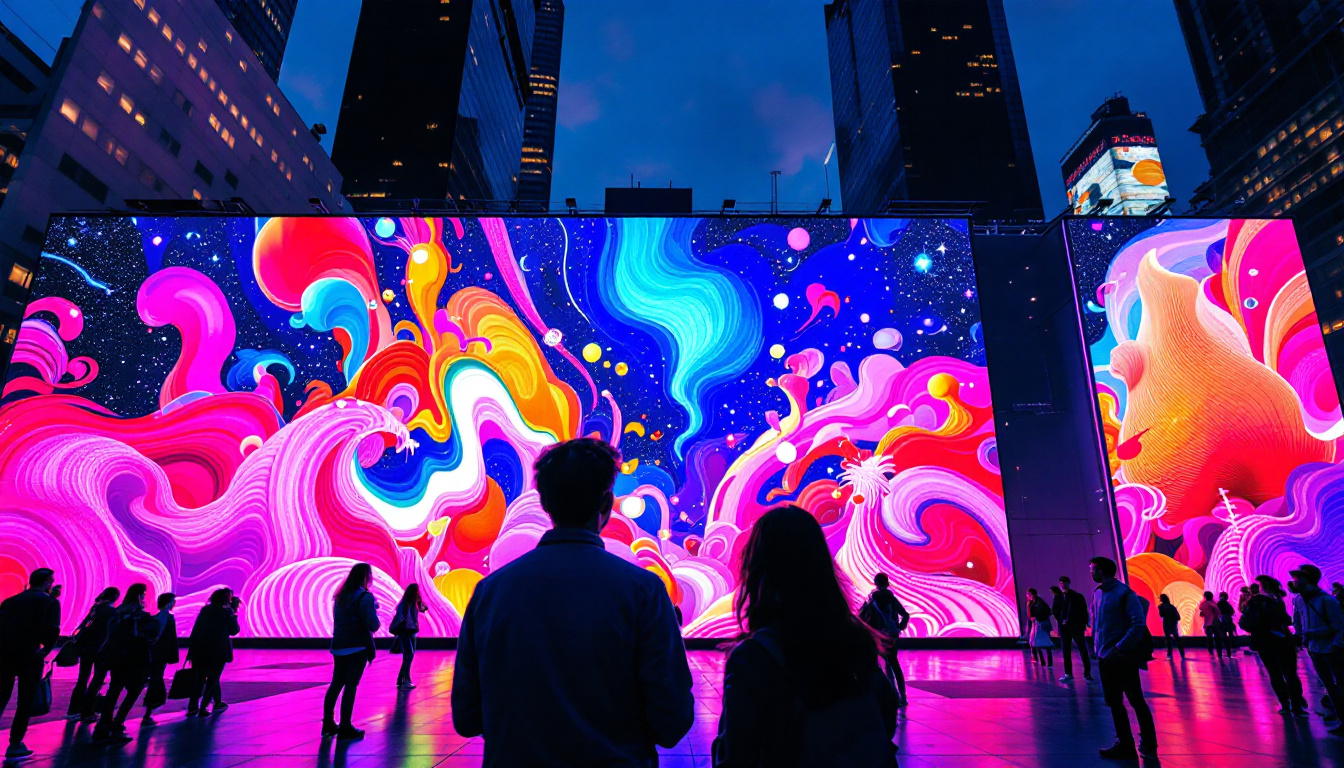
LED walls are increasingly popular in corporate settings for presentations, conferences, and product launches. Their seamless image quality and scalability make them ideal for creating impactful visual backdrops that can be customized for different events.
Future Trends in LED Display Technology
The LED display industry continues to innovate, driven by advancements in materials, manufacturing, and software. Several emerging trends promise to further enhance the capabilities and applications of LED video formats.
MicroLED and MiniLED Technologies
MicroLED and MiniLED represent the next generation of LED displays, featuring smaller diodes that enable even higher resolutions and improved color accuracy. MicroLED, in particular, offers the potential for self-emissive displays with superior contrast and energy efficiency, rivaling OLED technology without its drawbacks.
Integration with AI and IoT
Artificial intelligence and Internet of Things (IoT) technologies are being integrated with LED displays to enable smarter content management and interactivity. AI-driven analytics can optimize content based on audience behavior, while IoT connectivity allows for remote monitoring and maintenance.
Environmental Sustainability
As sustainability becomes a priority, manufacturers are developing LED displays with recyclable materials and lower environmental impact. Innovations in power management and heat dissipation also contribute to greener operation.
Conclusion
LED displays have fundamentally reshaped the landscape of visual communication through their unique light video format, combining brightness, color accuracy, and flexibility. Their advantages over traditional display technologies make them the go-to solution for a wide array of applications, from advertising to entertainment and corporate events.
As technology advances, LED displays will continue to evolve, offering even more immersive and efficient ways to engage audiences. Understanding the core principles of LED technology and its light video format equips businesses and professionals to make informed decisions when selecting display solutions that meet their needs today and in the future.
Discover the Future of Visual Communication with LumenMatrix
Ready to elevate your visual impact? Explore LumenMatrix’s comprehensive range of LED display solutions, where innovation meets excellence. From Indoor and Outdoor LED Walls to specialized displays for vehicles, sports, and custom applications, LumenMatrix is at the forefront of transforming environments with captivating visuals. Whether you aim to enhance brand visibility or create immersive experiences, our cutting-edge technology is designed to captivate and engage. Check out LumenMatrix LED Display Solutions today and step into the future of digital signage and visual storytelling.