In recent years, LED display technology has undergone remarkable advancements, transforming the way we experience visual content across various industries. From vibrant digital billboards to ultra-high-definition televisions and innovative wearable devices, the evolution of LED displays continues to redefine clarity, efficiency, and versatility. This comprehensive article explores the latest developments in LED technology, explaining how these displays work, their benefits, and the emerging trends shaping their future.
Understanding the Basics: What is an LED Display?
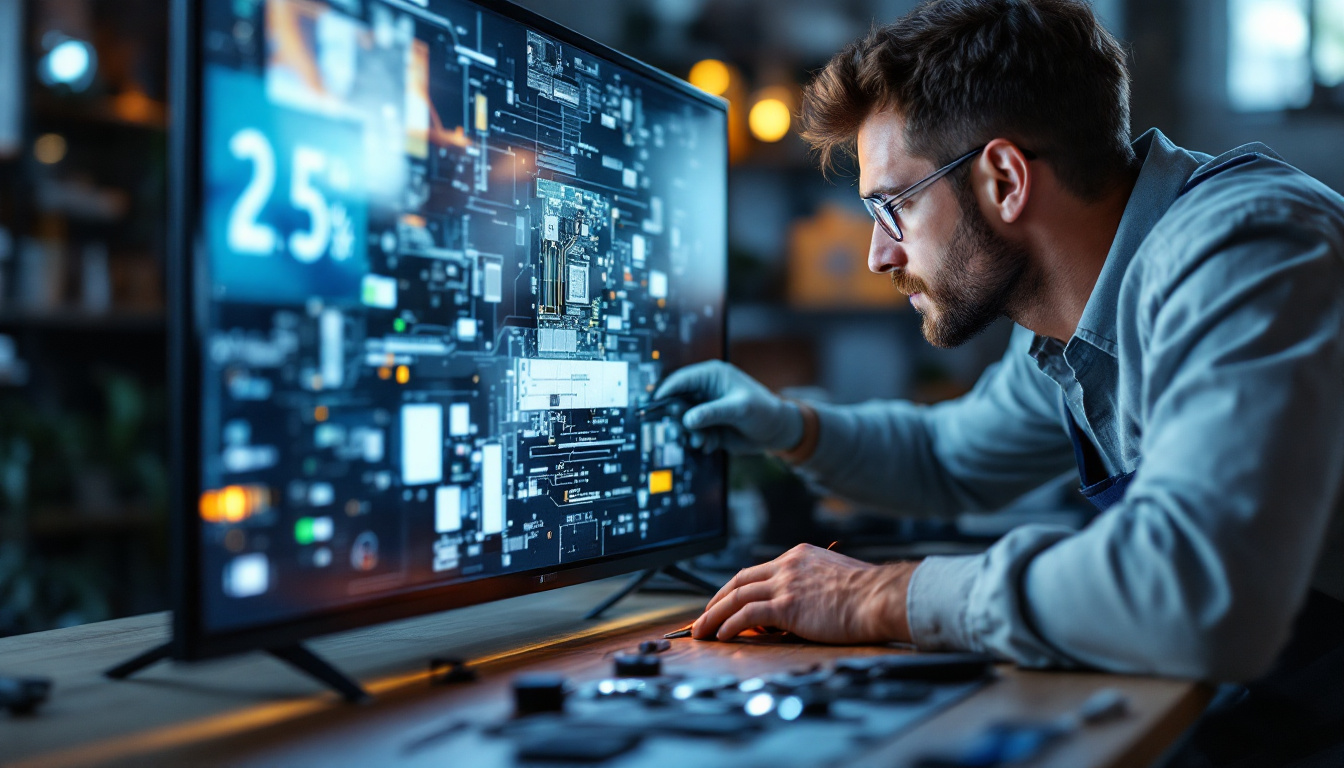
At its core, an LED display is a flat panel that uses light-emitting diodes (LEDs) as pixels to create images. Each LED acts as a tiny light source, and by controlling the brightness and color of these diodes, the display produces vivid pictures and videos. Unlike traditional LCDs that rely on backlighting, LED displays generate their own light, resulting in superior contrast and color accuracy.
LED displays come in various forms, including direct-view LED panels, OLED (organic LED), and microLED technologies. Each type offers distinct advantages depending on the application, whether for large-scale outdoor screens or compact handheld devices. For instance, OLED displays are known for their deep blacks and wide viewing angles, making them a popular choice for high-end televisions and smartphones. In contrast, microLED technology promises even greater efficiency and durability, paving the way for future innovations in display technology.
How LEDs Work in Displays
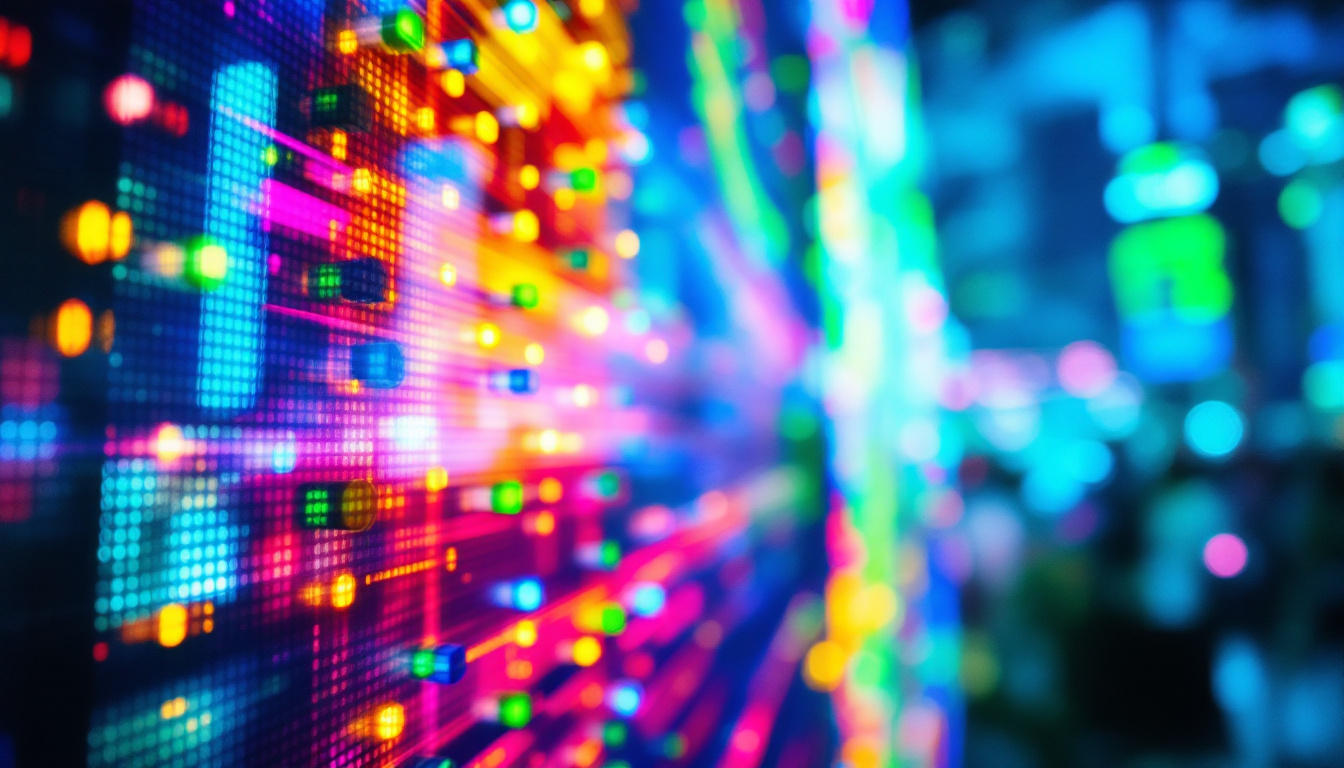
LEDs are semiconductor devices that emit light when an electric current passes through them. In a display, millions of these tiny LEDs are arranged in a grid. By adjusting the intensity of red, green, and blue LEDs at each pixel, the display can produce a full spectrum of colors. This pixel-level control enables high-resolution images with sharp details and vibrant hues. The precision in controlling each LED allows for dynamic content, such as video games and movies, to be rendered with stunning clarity and realism.
Modern LED displays often incorporate advanced driving electronics and software algorithms to optimize brightness, power consumption, and color fidelity. These improvements contribute to better performance in diverse lighting conditions and extended device lifespans. Additionally, many LED displays now feature smart technology, allowing them to adapt to ambient light levels automatically. This not only enhances the viewing experience but also conserves energy, making LED displays an environmentally friendly choice. As technology continues to evolve, we can expect even more innovations in LED displays, such as flexible screens and enhanced interactivity, further transforming how we engage with visual media.
The Evolution of LED Display Technology
LED technology has evolved significantly since its inception in the mid-20th century. Early LED displays were limited to simple numeric or alphanumeric outputs, such as digital clocks and calculators. However, advancements in semiconductor materials and manufacturing techniques have paved the way for full-color, high-resolution displays. The transition from monochrome to vibrant, multi-colored displays has not only enhanced user experience but also expanded the applications of LED technology across various industries, from advertising to entertainment and beyond.
From Traditional LEDs to OLED and MicroLED
One of the most notable milestones in LED display evolution is the development of OLED technology. Unlike conventional LEDs, OLEDs use organic compounds that emit light when electrically stimulated. This allows for thinner, more flexible displays with exceptional contrast ratios and viewing angles. OLED screens are widely used in premium smartphones, televisions, and wearable devices. The ability to produce true blacks and a wider color spectrum has made OLED a favorite among filmmakers and graphic designers who demand precision in color representation.
More recently, microLED technology has emerged as a promising next step. MicroLED displays consist of microscopic LEDs that offer the brightness and efficiency of traditional LEDs combined with the color accuracy and flexibility of OLEDs, but without some of OLED’s drawbacks such as burn-in. Although still in early stages of commercial adoption, microLED displays are anticipated to revolutionize large-format screens and augmented reality devices. The modular nature of microLED technology allows for seamless scaling, meaning that screens can be constructed in various sizes and shapes, catering to diverse applications from digital billboards to immersive gaming environments.
Key Innovations Driving New LED Displays
Several technological innovations have contributed to the rapid advancement of LED displays:
- Miniaturization: Shrinking the size of LEDs allows for higher pixel densities, resulting in sharper images and more detailed visuals. This miniaturization has also enabled the creation of ultra-thin displays that can be integrated into various surfaces, including furniture and walls.
- Quantum Dot Enhancement: Integrating quantum dots improves color gamut and brightness, enabling more lifelike images. This technology is particularly beneficial in enhancing the viewing experience in high dynamic range (HDR) content, making colors pop and details stand out in both bright and dark scenes.
- Flexible and Transparent Displays: New materials and manufacturing methods have made it possible to create bendable, foldable, and even transparent LED screens, opening new design possibilities. These innovations have sparked interest in applications such as smart windows and interactive advertising displays that blend seamlessly into their environments.
- Energy Efficiency: Enhanced LED materials and smarter driving circuits reduce power consumption, which is critical for battery-powered devices and sustainable large-scale installations. This focus on energy efficiency not only lowers operational costs but also supports global efforts toward reducing carbon footprints in technology.
In addition to these innovations, the integration of artificial intelligence and machine learning into display technology is beginning to shape the future of LED displays. These technologies can optimize brightness and color settings in real-time based on ambient light conditions, enhancing user experience while conserving energy. Furthermore, AI-driven content management systems can dynamically adjust advertisements or information displayed on digital signage, making them more relevant and engaging to viewers. As we look ahead, the synergy between LED technology and cutting-edge digital solutions promises to create even more immersive and interactive experiences across various platforms.
Applications of Modern LED Displays
The versatility of LED displays has led to their widespread adoption across numerous sectors. Understanding these applications highlights why staying informed about LED advancements is important for businesses, consumers, and technology enthusiasts alike.
Consumer Electronics
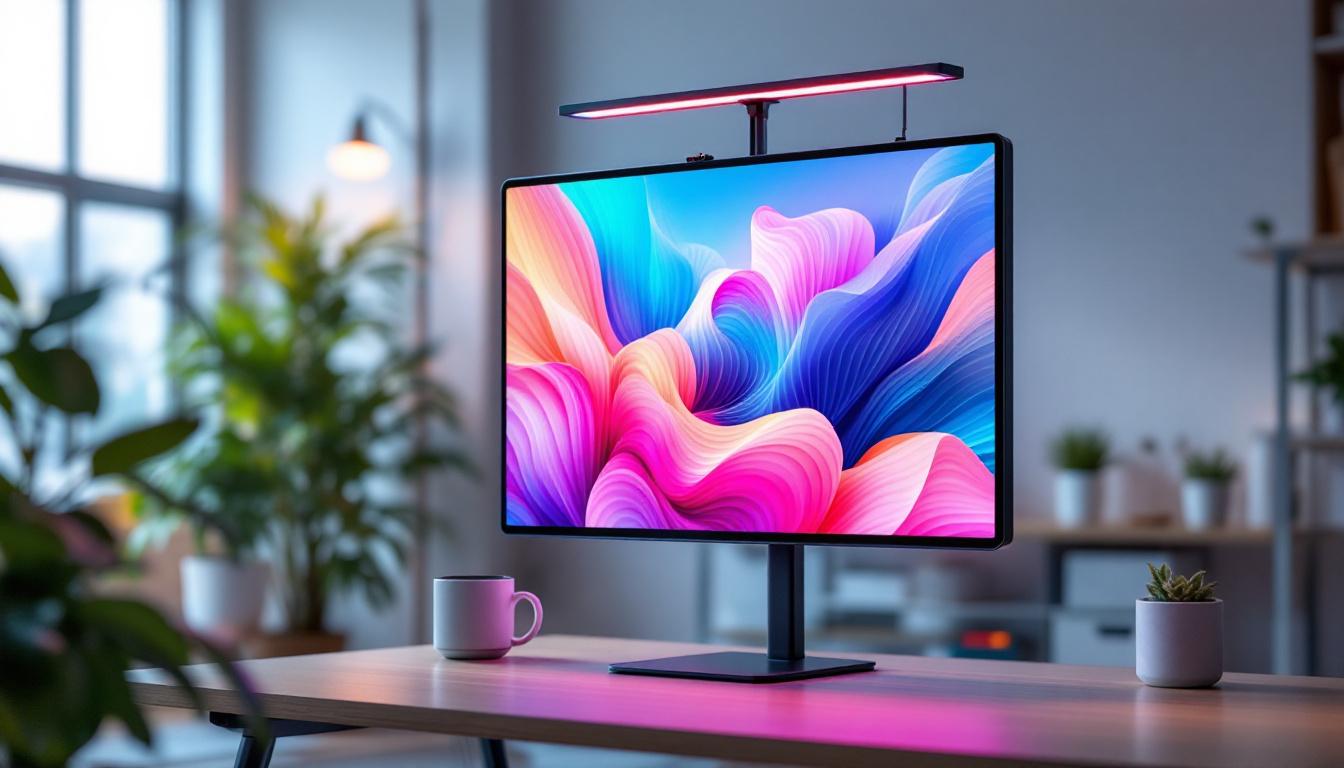
LED displays dominate the consumer electronics market, powering everything from smartphones and tablets to televisions and computer monitors. The shift towards OLED and microLED technologies has enabled manufacturers to produce thinner, lighter devices with better picture quality and longer battery life.
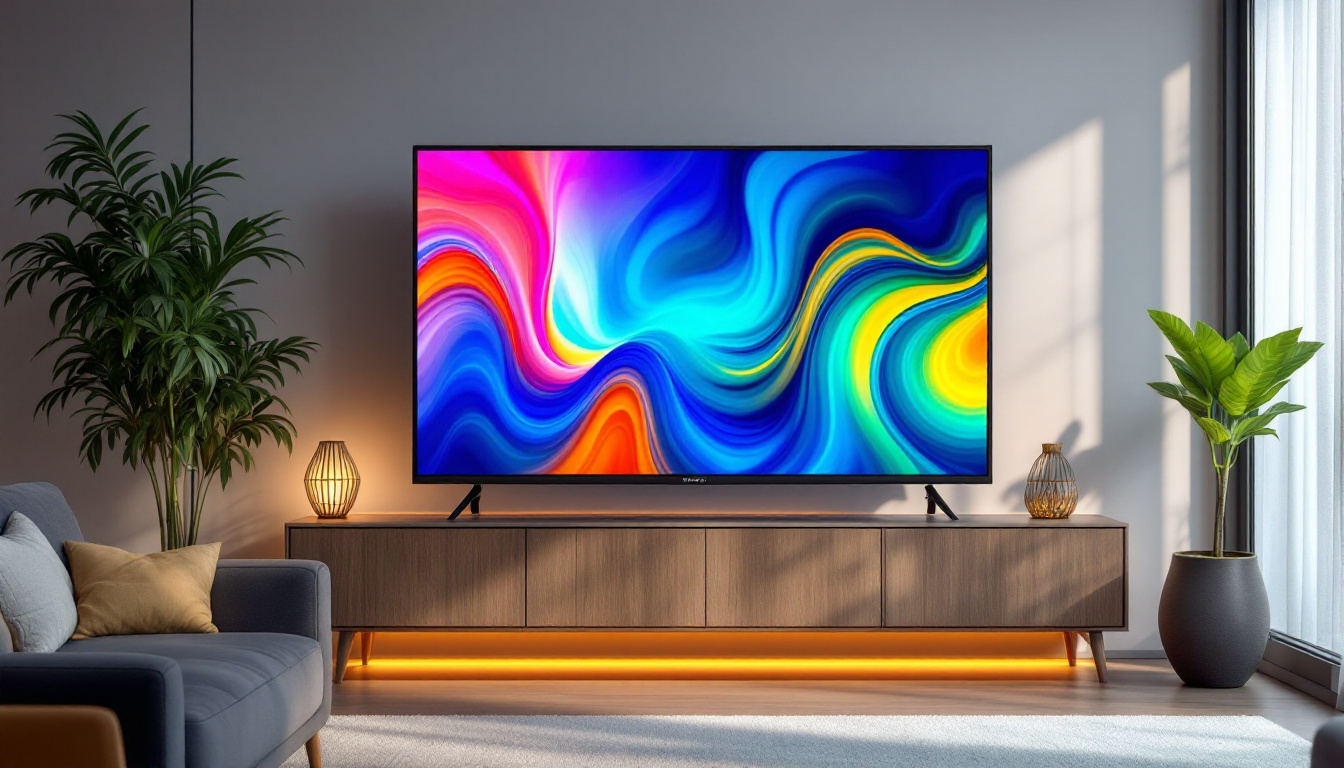
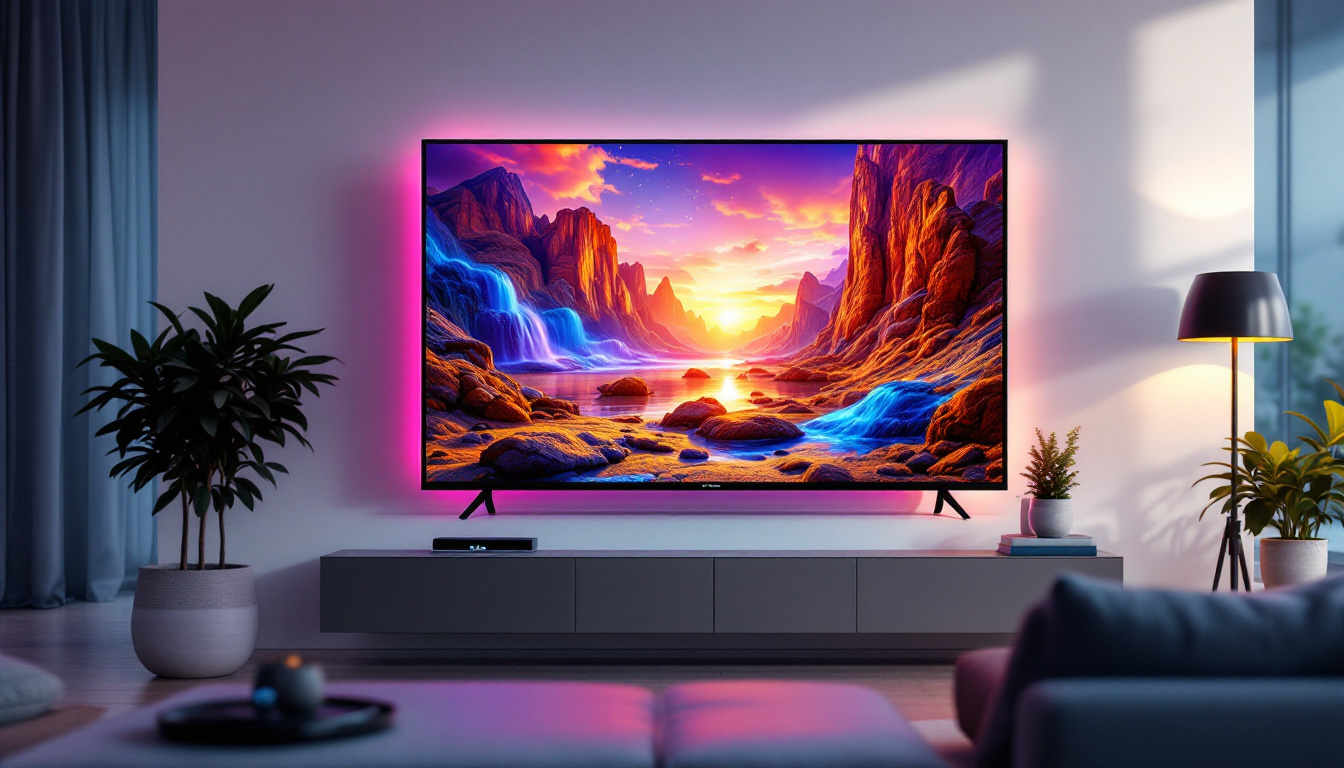
For example, recent flagship smartphones utilize OLED panels to deliver deep blacks and vivid colors, enhancing user experiences in gaming, video streaming, and photography. Similarly, 4K and 8K OLED TVs provide cinema-quality visuals in home entertainment setups.
Outdoor and Commercial Signage
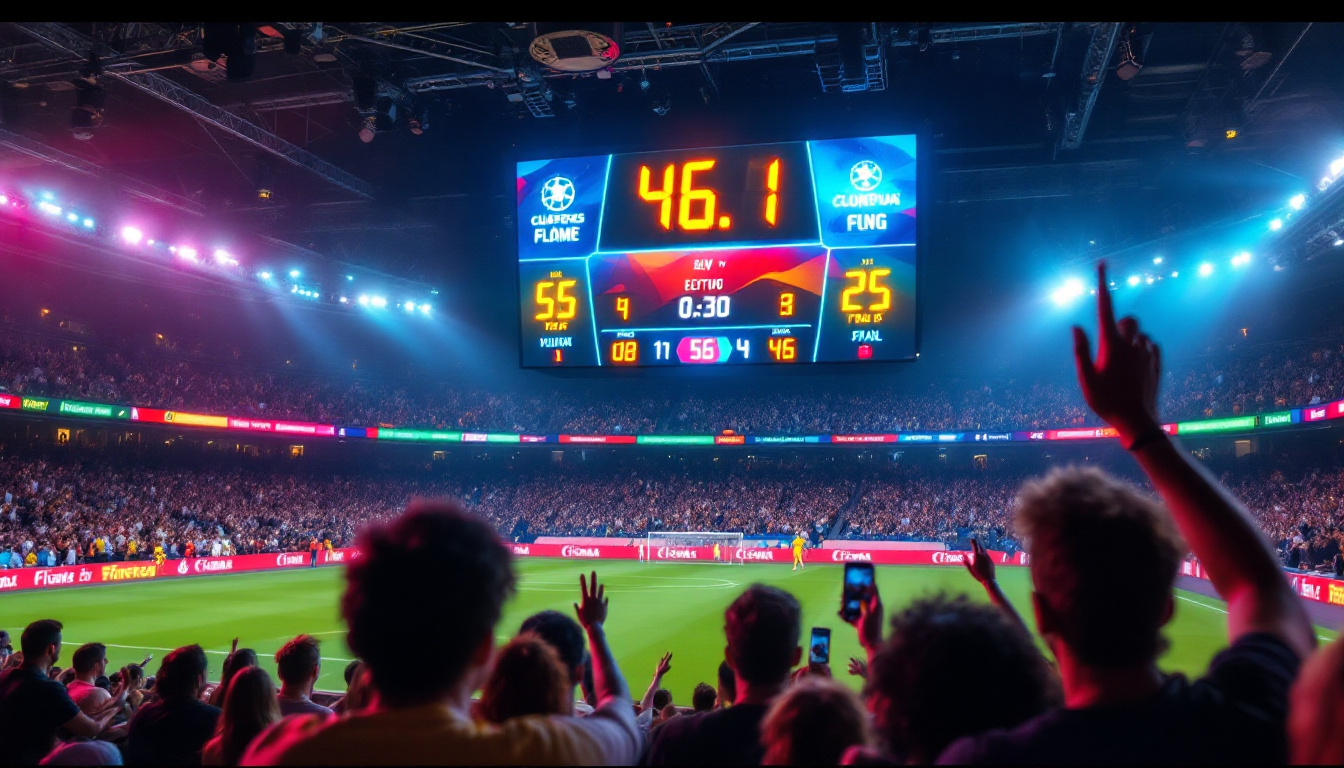
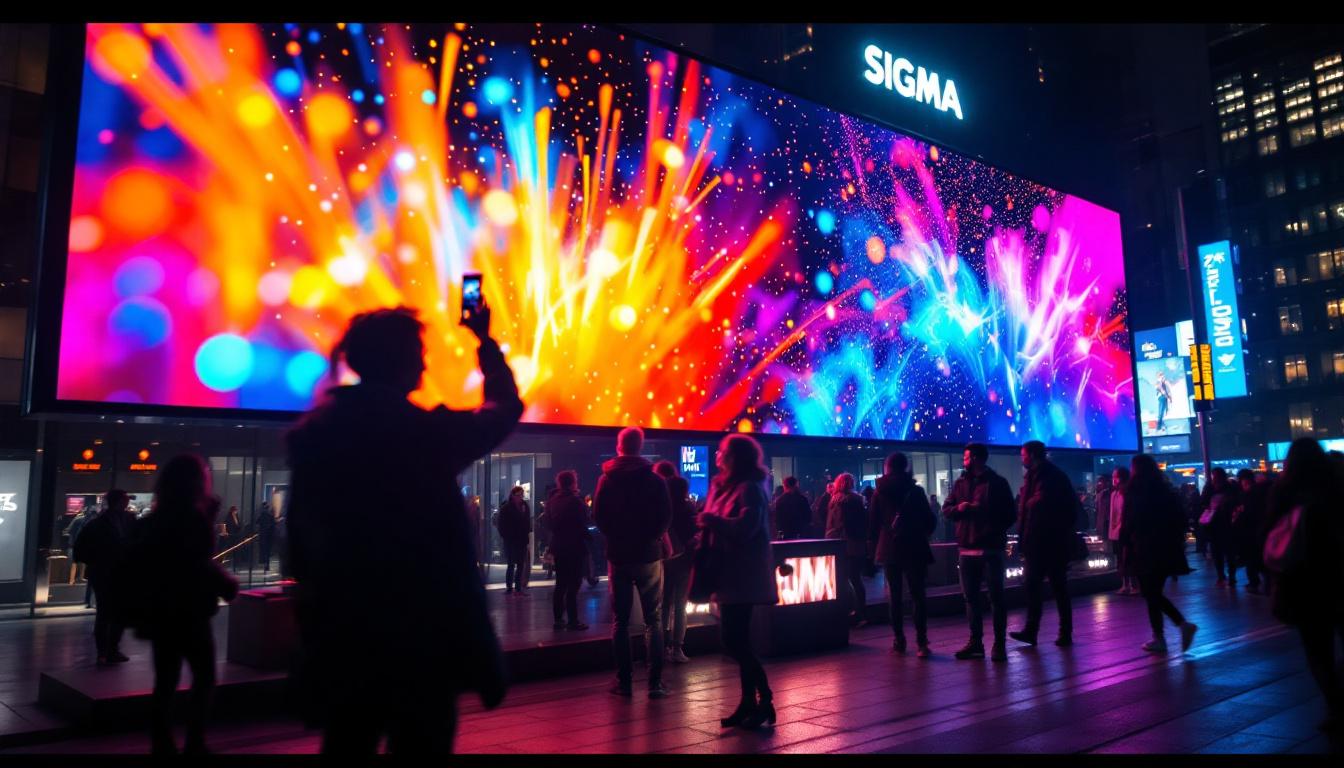
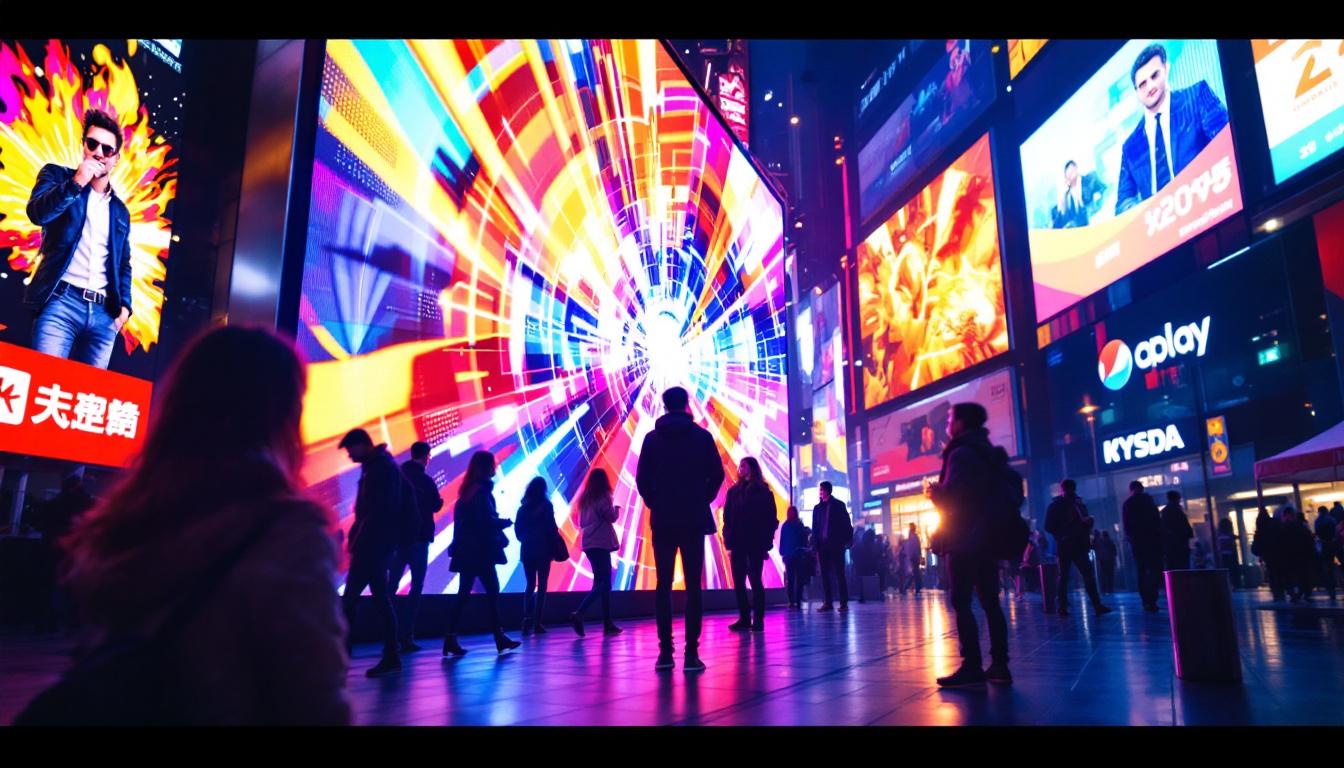
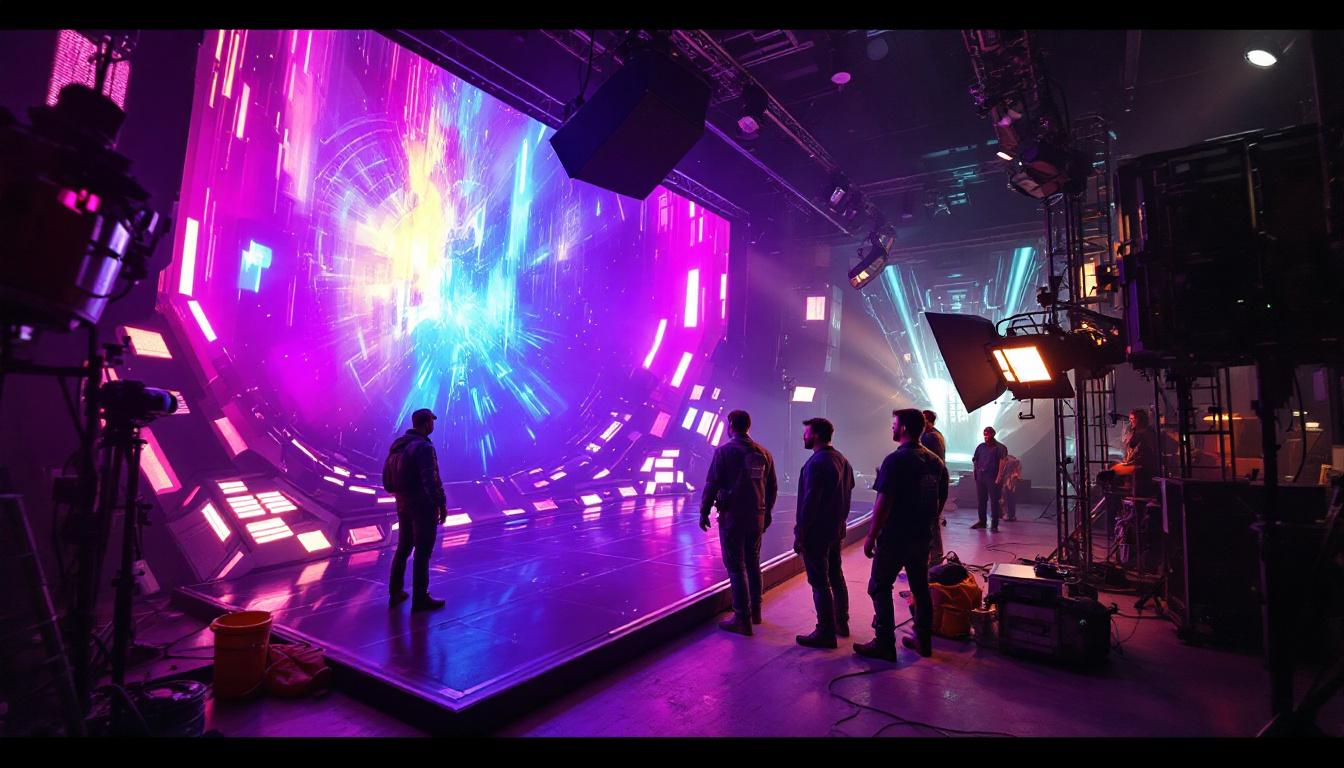
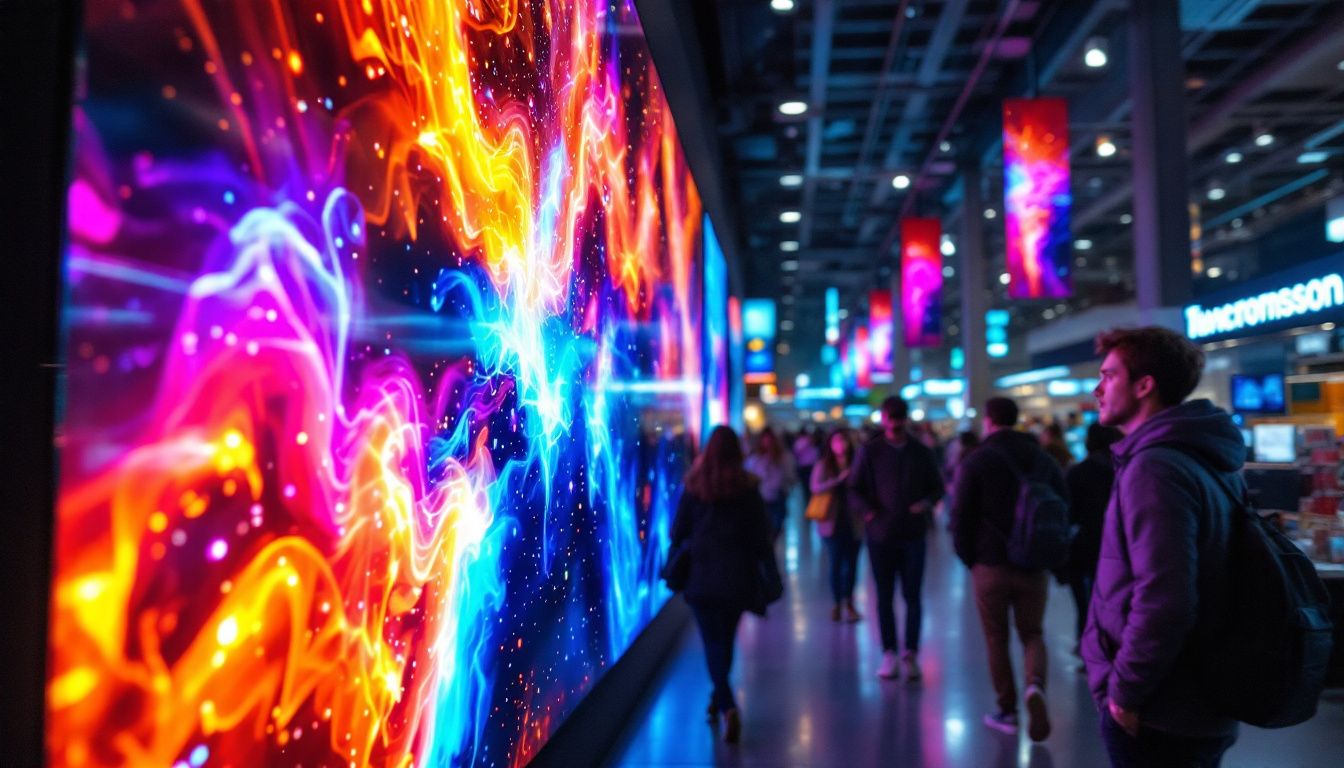
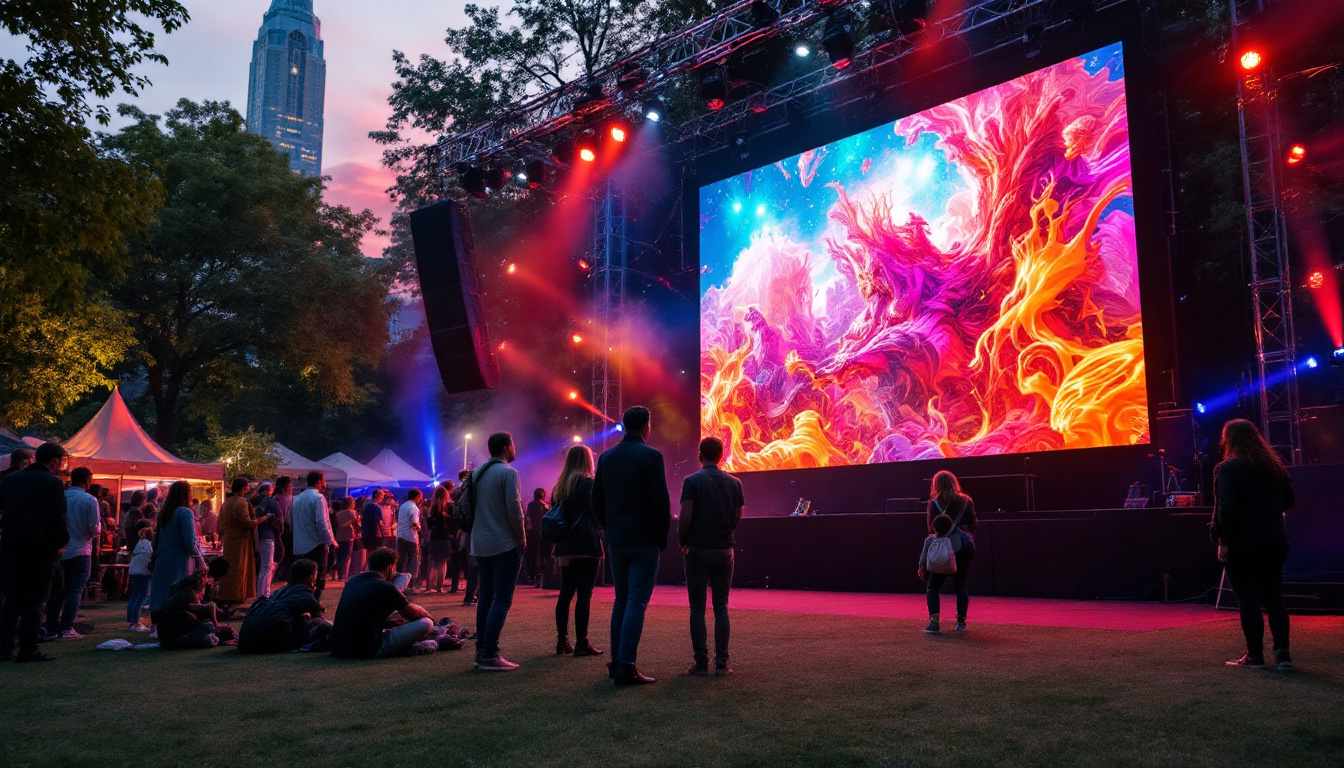
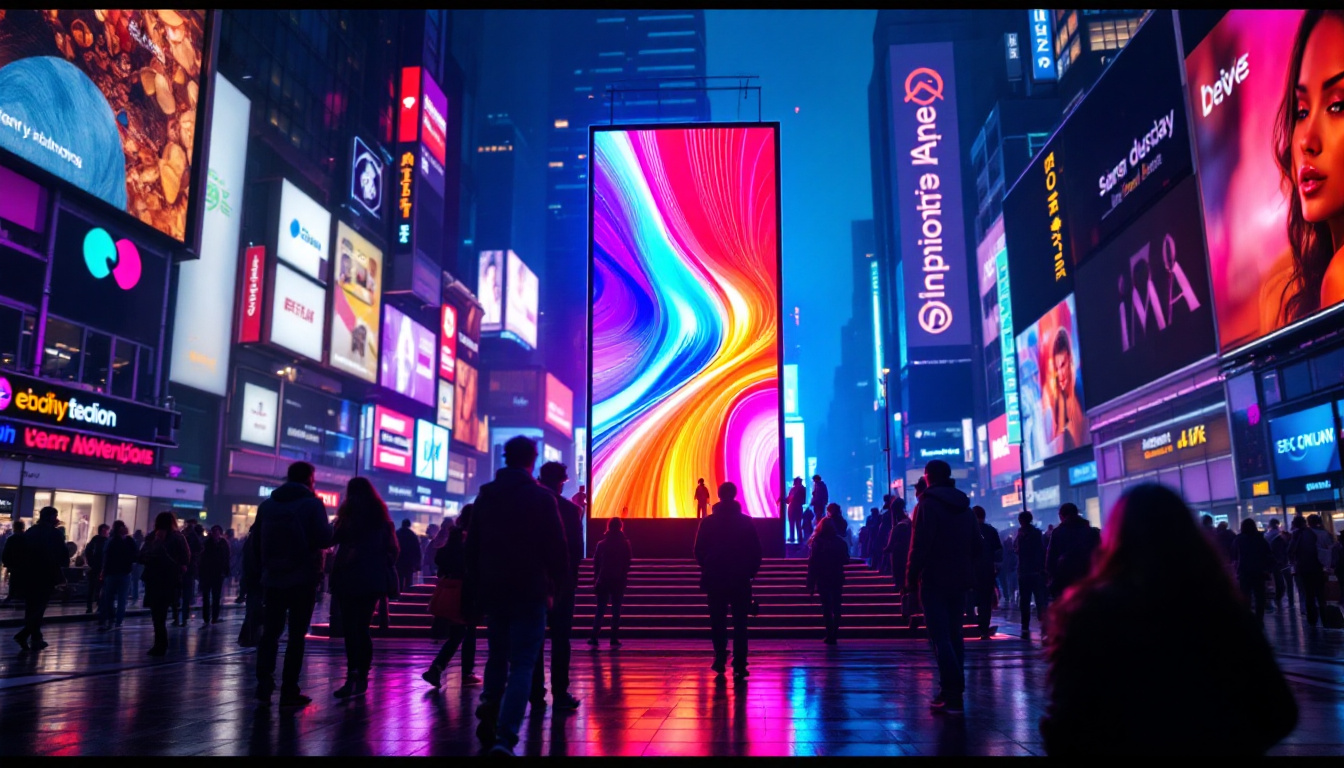
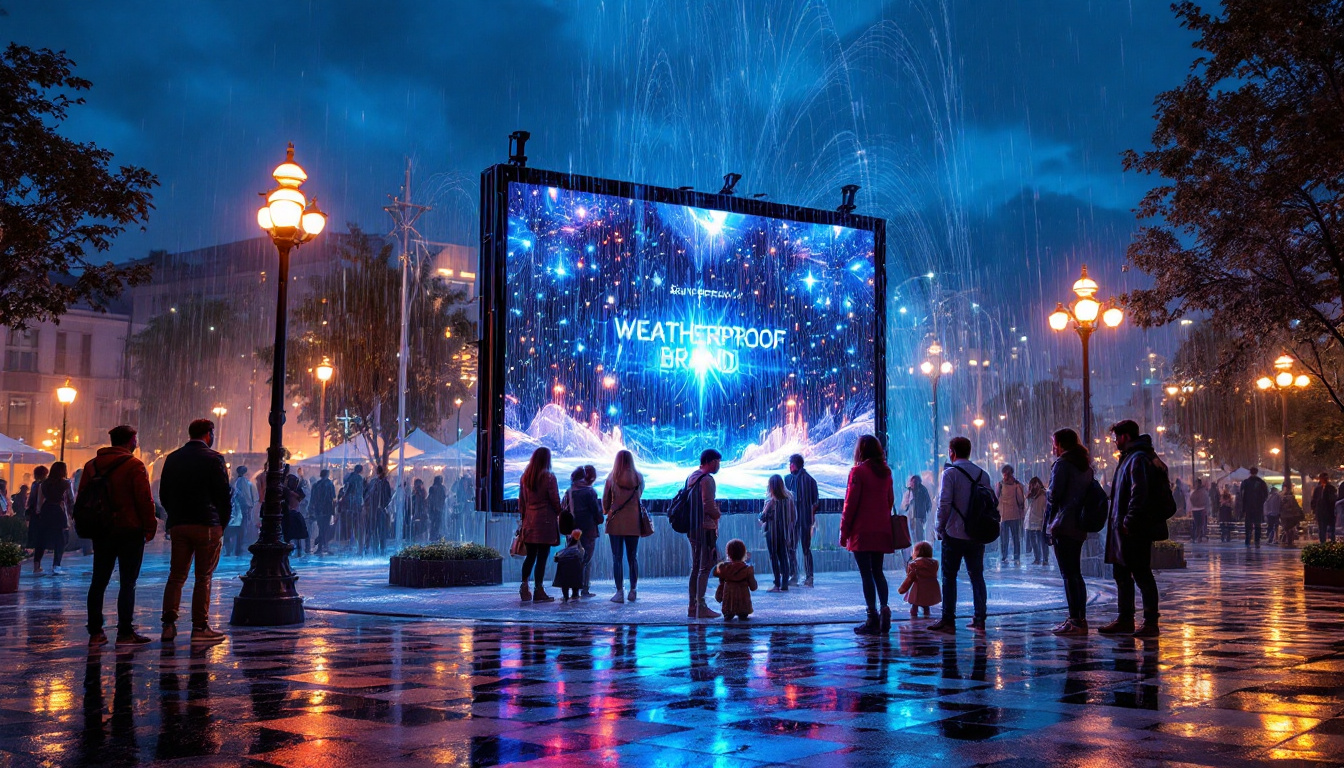
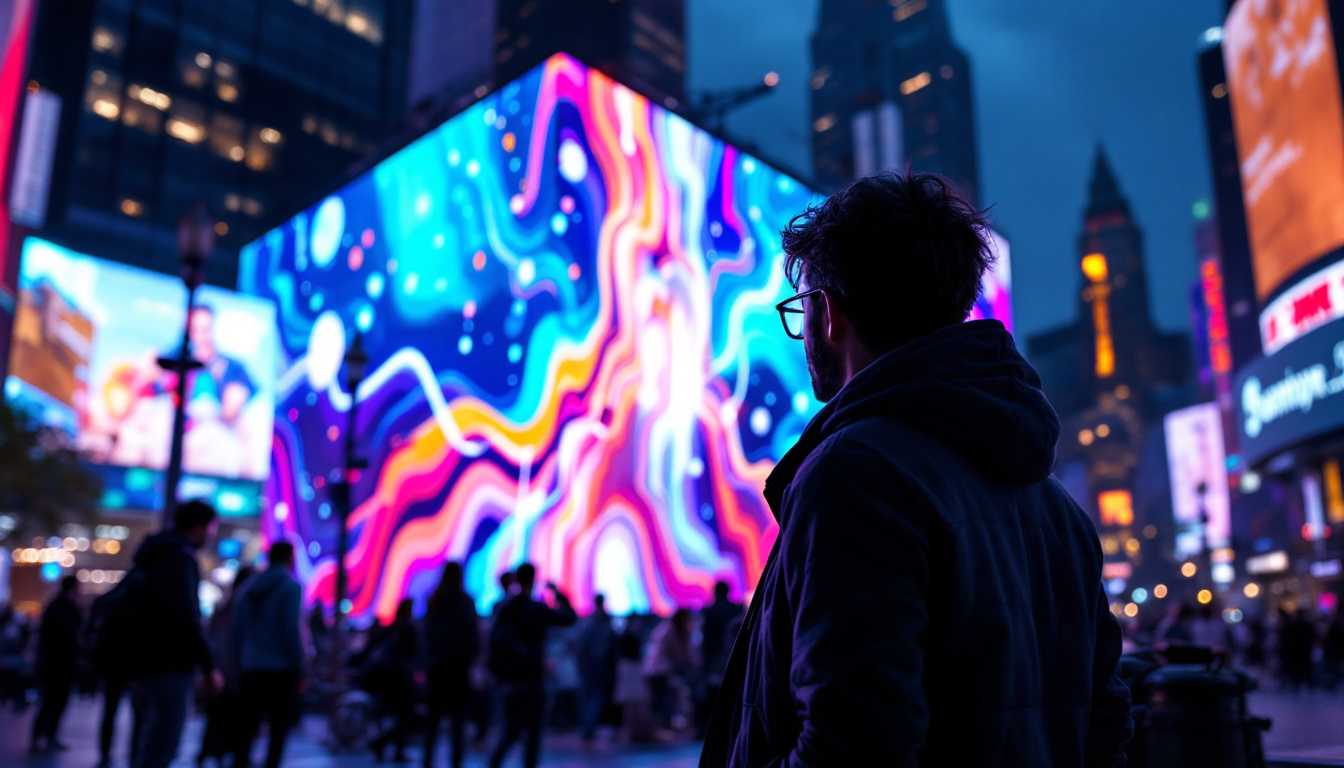
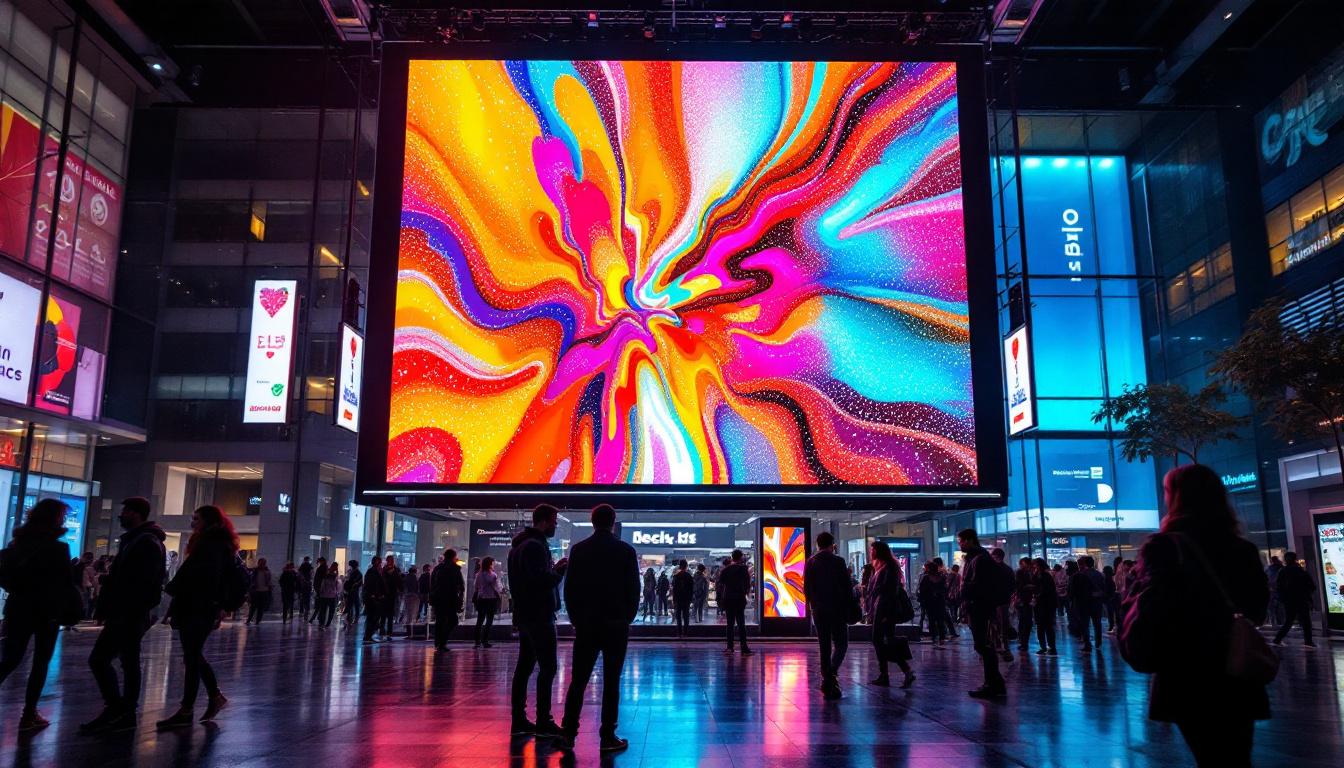
Large-scale LED displays are essential for outdoor advertising, public information boards, and sports arenas. Their high brightness and weather resistance make them ideal for visibility in daylight and harsh environments. Innovations such as high-refresh-rate panels improve the clarity of dynamic content like video advertisements and live event broadcasts.
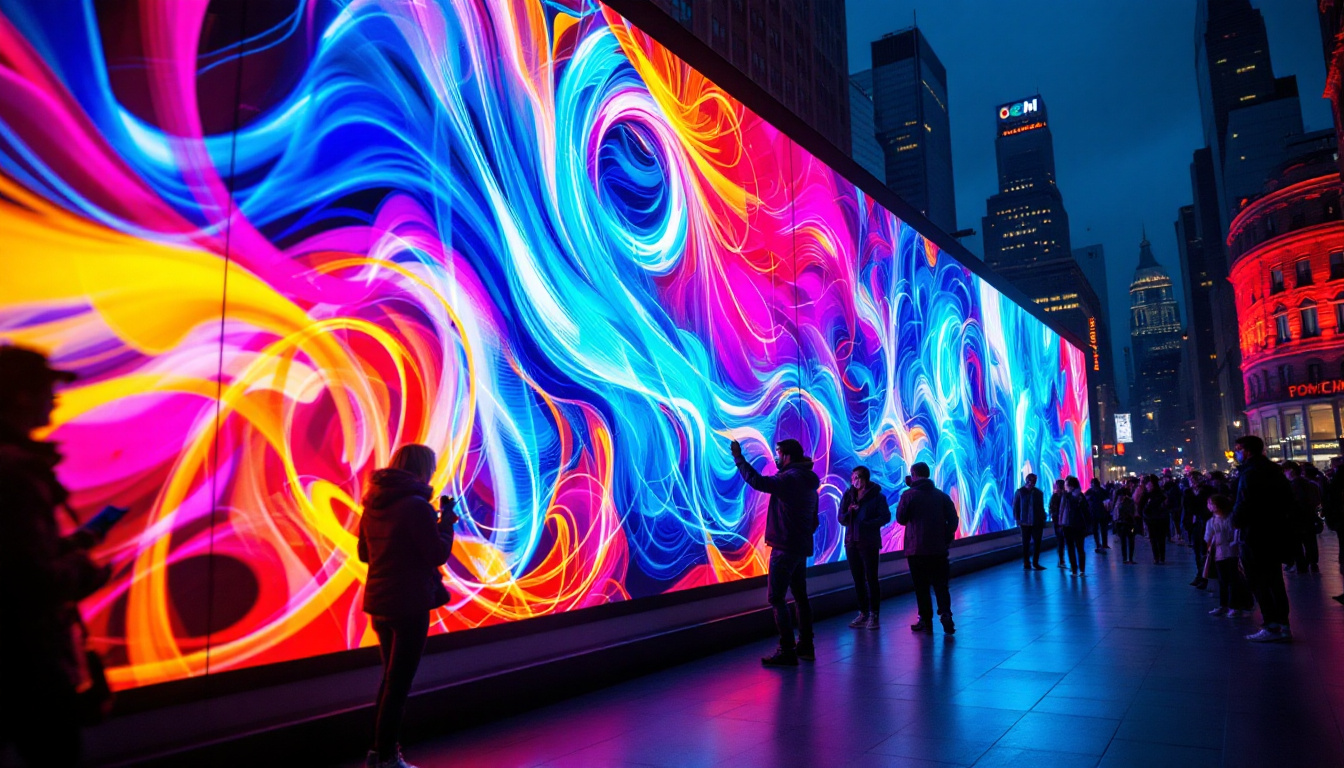
Moreover, modular LED panels allow for customizable screen sizes and shapes, enabling creative and impactful installations. The ability to remotely control and update content in real-time adds operational flexibility for advertisers and event organizers.
Automotive and Transportation
LED displays are increasingly integrated into automotive dashboards, heads-up displays (HUDs), and exterior lighting systems. Advanced LED technology enhances driver information systems with crisp, easy-to-read graphics that improve safety and convenience.
Public transportation systems also benefit from LED displays for route information, schedules, and emergency alerts. Their durability and energy efficiency are particularly valuable in these demanding environments.
Medical and Industrial Uses
In medical imaging and diagnostics, LED displays provide high-resolution visuals critical for accurate analysis. The color precision and brightness uniformity of modern LED screens support applications such as endoscopy, radiology, and telemedicine.
Industrial sectors utilize LED displays for control panels, monitoring systems, and augmented reality interfaces. The ruggedness and reliability of LED technology ensure consistent performance in challenging conditions.
Advantages of New LED Display Technologies
Understanding the benefits of the latest LED display technologies helps explain their growing popularity and the reasons behind ongoing investment in research and development.
Superior Image Quality
New LED displays offer exceptional brightness, contrast, and color accuracy. Technologies like quantum dots and microLEDs extend the color gamut beyond traditional standards, producing images that are more vibrant and true to life. High dynamic range (HDR) support further enhances visual realism by delivering greater detail in both dark and bright scenes.
Energy Efficiency and Sustainability
Energy consumption is a critical factor for both environmental impact and operational costs. Modern LED displays consume significantly less power compared to older technologies like plasma or CCFL-backlit LCDs. Innovations in LED materials and driving electronics continue to improve efficiency, making LED displays a more sustainable choice for large-scale installations and portable devices.
Durability and Longevity
LEDs are solid-state devices with no fragile filaments or glass tubes, making them highly durable. Advances in encapsulation and heat management extend the lifespan of LED displays, reducing maintenance and replacement costs. This reliability is especially important for outdoor and industrial applications where downtime can be costly.
Design Flexibility
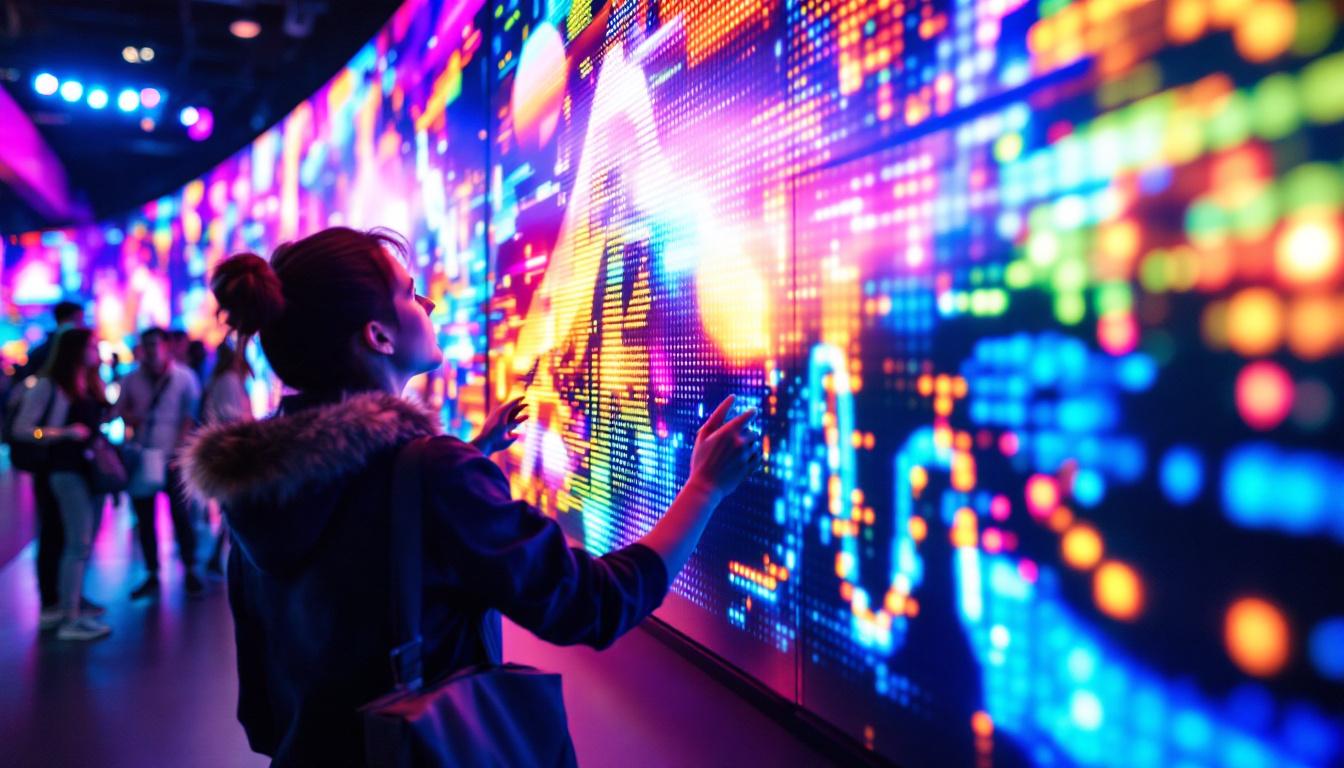
The ability to produce flexible, transparent, and curved LED displays opens new possibilities for product design and architectural integration. These features enable innovative user interfaces, immersive environments, and seamless integration into everyday objects.
Challenges and Future Outlook
Despite the impressive progress, LED display technology faces several challenges that researchers and manufacturers continue to address.
Cost and Manufacturing Complexity
High-end LED technologies like microLED remain expensive due to complex fabrication processes and yield issues. Scaling production while maintaining quality and affordability is a key hurdle for widespread adoption.
Burn-in and Image Retention
While OLED displays offer outstanding image quality, they are susceptible to burn-in, where static images cause permanent discoloration. Ongoing research aims to mitigate this effect through improved materials and pixel management techniques.
Standardization and Compatibility
As LED display technologies diversify, ensuring compatibility with existing content formats, interfaces, and control systems is essential. Industry standards and collaboration among manufacturers will play a crucial role in streamlining adoption.
The Road Ahead
Looking forward, the integration of LED displays with emerging technologies such as augmented reality (AR), virtual reality (VR), and the Internet of Things (IoT) promises exciting new applications. MicroLED’s potential for ultra-high brightness and seamless scalability could revolutionize everything from wearable devices to massive public displays.
Additionally, ongoing improvements in energy efficiency and sustainable materials will align LED display technology with global environmental goals, making it a cornerstone of future digital experiences.
Conclusion
New LED technology has transformed displays into powerful tools for communication, entertainment, and information. By understanding the principles behind LED displays, their evolution, and the latest innovations, businesses and consumers can make informed decisions about adopting these technologies.
As LED displays continue to advance, they offer unparalleled image quality, energy efficiency, and design flexibility, shaping the future of visual media across countless applications. Staying abreast of these developments is essential for anyone interested in the intersection of technology, design, and user experience.
Discover the Future of LED Displays with LumenMatrix
As you’ve seen, LED technology is not just evolving; it’s revolutionizing the way we interact with digital media. If you’re ready to experience the pinnacle of LED display innovation, look no further than LumenMatrix. Our comprehensive range of solutions, from Indoor and Outdoor LED Wall Displays to specialized offerings like Vehicle LED Displays and LED Sports Displays, is designed to captivate and engage. Embrace the future of visual communication with our cutting-edge LED display modules that promise to elevate your brand’s visibility and deliver your message with unprecedented clarity. Check out LumenMatrix LED Display Solutions and join the visual revolution today.