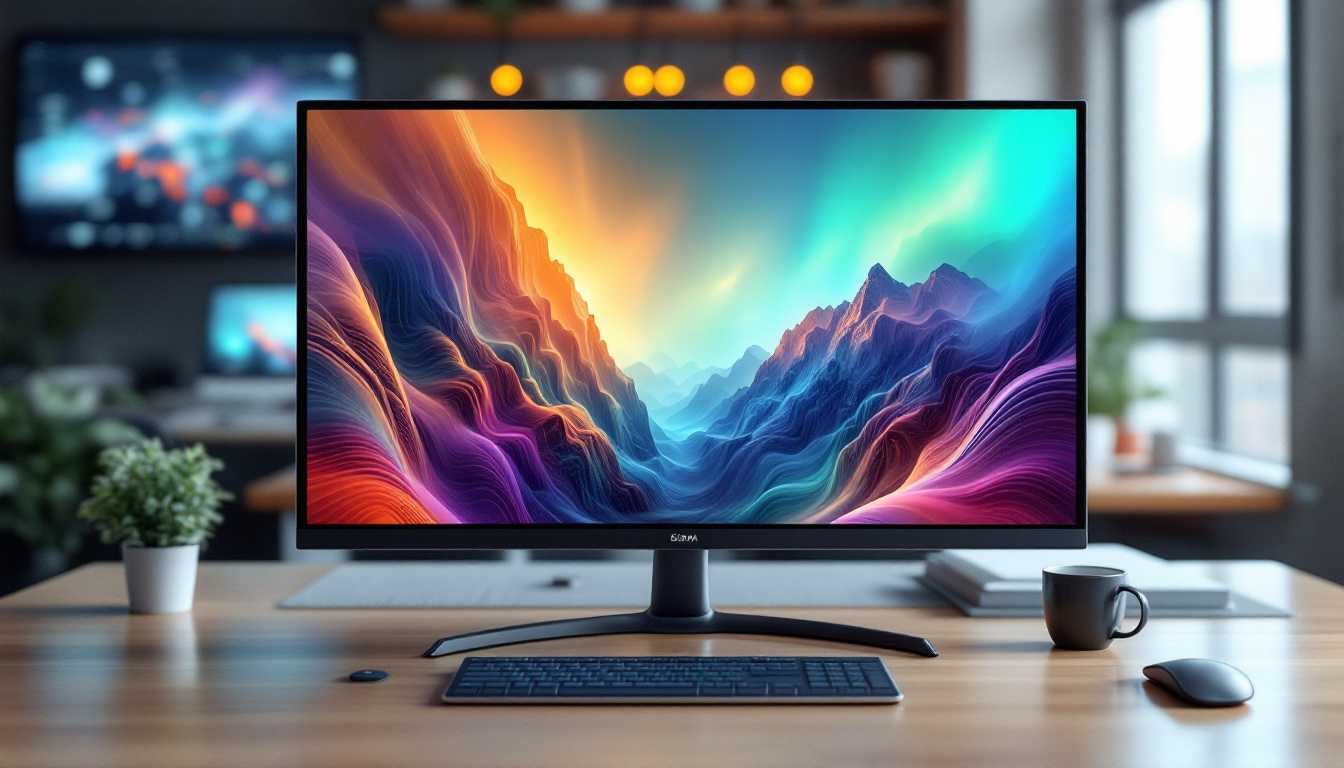
In today’s fast-evolving world of home entertainment, large LED TVs have become a focal point for consumers seeking immersive viewing experiences. Whether it’s for watching the latest blockbuster movies, streaming high-definition sports events, or gaming on a massive scale, understanding the technology behind LED displays is crucial. This article delves deep into the essentials of large LED TVs, explaining how LED displays work, their advantages, and what to consider when choosing one.
Understanding LED Display Technology
What is an LED TV?
LED TV stands for Light Emitting Diode Television. Despite the name, an LED TV is essentially an LCD (Liquid Crystal Display) television that uses LEDs as its backlighting source instead of traditional cold cathode fluorescent lamps (CCFLs). This shift to LED backlighting has revolutionized the display industry by improving picture quality, energy efficiency, and design flexibility.
LEDs are tiny semiconductors that emit light when an electric current passes through them. In LED TVs, these diodes illuminate the liquid crystals, which then modulate the light to produce images on the screen. The result is a bright, vibrant display capable of rendering millions of colors with high contrast and clarity.
Types of LED Backlighting
There are primarily two types of LED backlighting used in large LED TVs: edge-lit and full-array.
- Edge-lit LED: LEDs are positioned along the edges of the screen, and light is diffused across the panel. This design allows for thinner TVs and is generally more affordable, but it can sometimes result in uneven brightness and less precise local dimming.
- Full-array LED: LEDs are distributed evenly behind the entire screen. This setup enables better control of brightness zones through local dimming, leading to improved contrast and deeper blacks. Full-array LED TVs tend to be thicker and more expensive but offer superior picture quality.
Mini-LED and Micro-LED: The Next Generation
Recent advancements have introduced Mini-LED and Micro-LED technologies, which take LED backlighting to the next level. Mini-LED TVs use thousands of tiny LEDs to create more precise local dimming zones, enhancing contrast and brightness. Micro-LED technology, still emerging in consumer markets, integrates microscopic LEDs directly into the display panel, offering exceptional brightness, color accuracy, and energy efficiency without the need for backlighting.
While Micro-LED TVs are currently premium products with high price points, they represent the future of large-screen displays, promising unparalleled visual experiences.
Advantages of Large LED TVs
Superior Picture Quality
One of the most significant benefits of large LED TVs is their ability to deliver stunning picture quality. The combination of LED backlighting and LCD technology allows for high brightness levels, wide color gamuts, and excellent contrast ratios. Full-array LED TVs with local dimming can produce deep blacks by selectively dimming parts of the screen, which enhances the overall dynamic range.
Moreover, many modern LED TVs support High Dynamic Range (HDR) standards such as HDR10, Dolby Vision, and HLG. HDR enhances the contrast and color depth, making images appear more lifelike and vibrant—especially important for large screens where imperfections are more noticeable.
Energy Efficiency and Longevity
Compared to older CCFL-backlit LCD TVs and plasma displays, LED TVs consume significantly less power. This energy efficiency translates into lower electricity bills and a reduced environmental footprint. LEDs also have a longer lifespan, often exceeding 50,000 hours of use, which means the TV can last many years without a noticeable drop in brightness or color accuracy.
Sleek Design and Flexibility
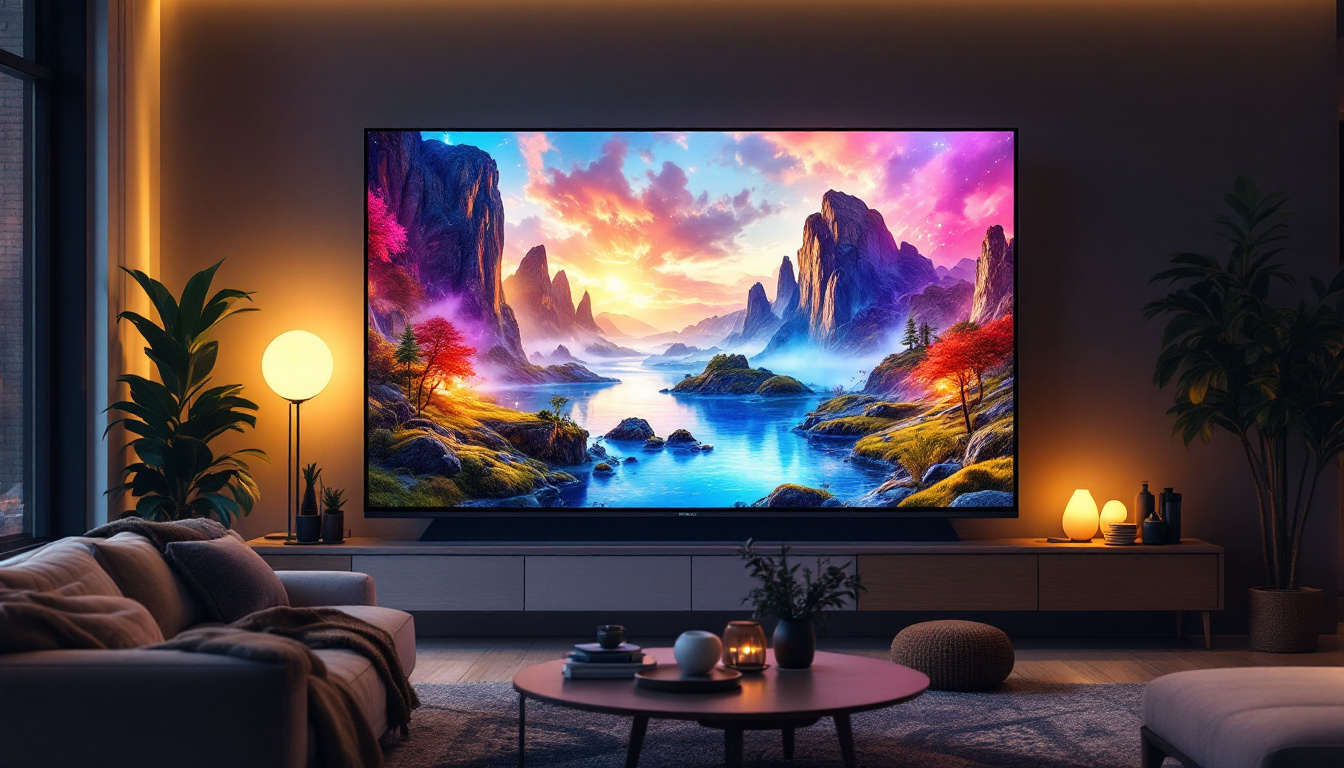
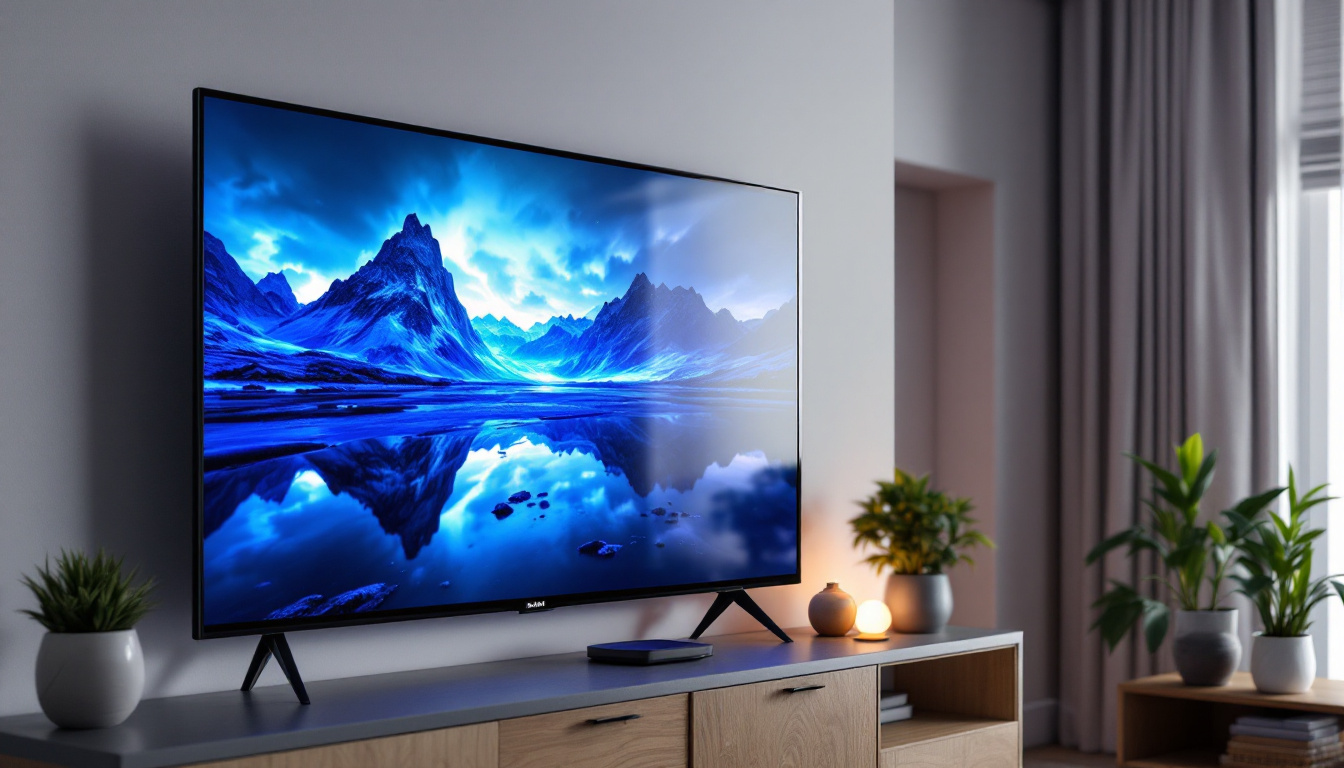
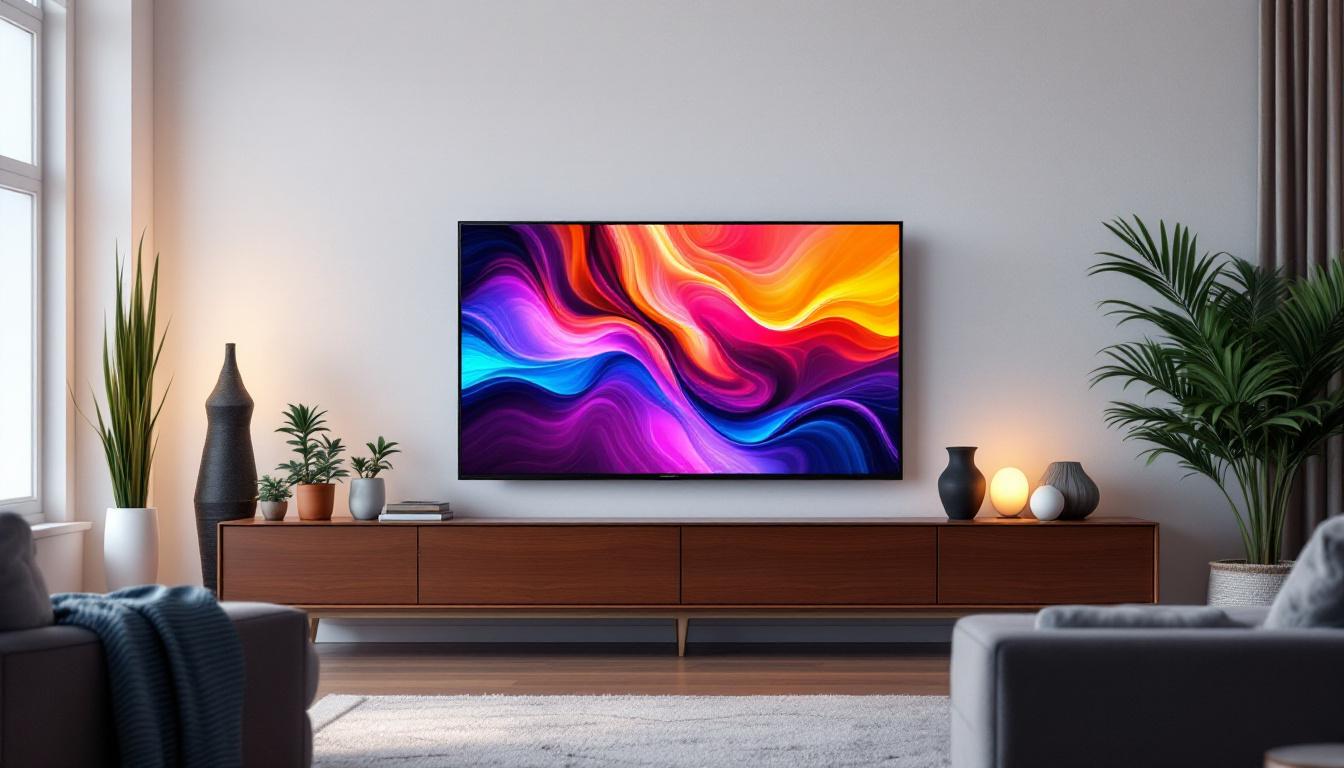
LED technology allows manufacturers to design ultra-thin and lightweight TVs. Large LED TVs can be mounted flush against walls, creating a modern and minimalist aesthetic in living rooms or entertainment spaces. Additionally, the reduced heat emission from LEDs compared to older technologies contributes to safer and more durable products.
Wide Range of Sizes and Prices
The LED TV market offers a broad spectrum of sizes, from 43 inches to well over 85 inches, catering to various room sizes and viewing preferences. This variety makes it easier for consumers to find a large LED TV that fits their space and budget. Prices have also become more competitive, with high-quality large LED TVs available at affordable price points due to advances in manufacturing and economies of scale.
Key Features to Consider When Buying a Large LED TV
Screen Size and Viewing Distance
Choosing the right screen size is fundamental to maximizing the viewing experience. A general rule of thumb is to select a TV size that allows you to sit at a distance approximately 1.5 to 2.5 times the diagonal screen size. For example, a 75-inch TV is best viewed from about 9 to 15 feet away. Sitting too close can reveal pixel structure and cause eye strain, while sitting too far diminishes the immersive effect.
Room size and seating arrangement also influence the ideal screen size. For large living rooms or dedicated home theaters, TVs 75 inches and above are popular choices, delivering cinematic experiences without the need for a projector.
Resolution: 4K vs 8K
Resolution determines the number of pixels on the screen, directly affecting image sharpness. Most large LED TVs today come with 4K Ultra HD resolution (3840 x 2160 pixels), which offers four times the detail of Full HD. 4K content is widely available on streaming platforms, Blu-ray discs, and gaming consoles, making it the current standard for large-screen TVs.
8K TVs (7680 x 4320 pixels) are emerging, promising even greater detail. However, 8K content is still scarce, and the benefits are less noticeable on screens smaller than 85 inches. For most consumers, investing in a high-quality 4K LED TV remains the most practical choice.
Refresh Rate and Motion Handling
The refresh rate, measured in Hertz (Hz), indicates how many times the screen updates per second. Higher refresh rates (120Hz or more) provide smoother motion, which is especially beneficial for fast-paced content like sports and video games. Many LED TVs employ motion interpolation technologies to reduce motion blur and judder, enhancing the clarity of moving images.
Smart TV Capabilities
Modern large LED TVs typically include smart features, allowing users to access streaming services, apps, and voice assistants directly from the TV. Popular platforms include Roku TV, Google TV, and proprietary operating systems from manufacturers. When choosing a TV, consider the user interface, app availability, and compatibility with other smart home devices.
Connectivity Options
Ensure the TV has sufficient HDMI ports, USB inputs, and support for technologies like HDMI 2.1, which enables features such as Variable Refresh Rate (VRR) and Auto Low Latency Mode (ALLM) for gaming. Wireless connectivity options like Wi-Fi and Bluetooth are also important for streaming and connecting peripherals such as soundbars and wireless headphones.
Common Misconceptions About Large LED TVs
LED TVs Are Not True OLEDs
It’s important to distinguish between LED TVs and OLED (Organic Light Emitting Diode) TVs. While LED TVs use LED backlighting behind an LCD panel, OLED TVs have self-emitting pixels that produce their own light. This fundamental difference allows OLEDs to achieve perfect blacks and infinite contrast ratios, which LED TVs cannot fully replicate.
However, OLEDs typically come at a higher price point and may have limitations in peak brightness compared to LED TVs, especially full-array models with local dimming. Both technologies have their merits, and the choice depends on budget and viewing preferences.
Bigger Does Not Always Mean Better
While large screens offer immersive experiences, bigger TVs are not always the best choice for every room or viewer. Factors such as viewing distance, room lighting, and seating arrangements must be considered to avoid eye strain and ensure optimal picture quality. Sometimes, a slightly smaller screen with better picture processing and calibration can provide a superior experience.
LED TVs Can Still Offer Excellent Contrast
Although OLED TVs are often praised for their contrast, modern full-array LED TVs with advanced local dimming can achieve impressive black levels and contrast ratios. Technologies like Mini-LED backlighting have further narrowed the gap, making LED TVs a compelling option for those seeking bright, vivid images, especially in well-lit rooms.
Maintenance and Longevity of Large LED TVs
Proper Placement and Environment
To maximize the lifespan of a large LED TV, it’s essential to place it in an environment free from excessive heat, moisture, and direct sunlight. Exposure to these elements can degrade the display and internal components over time. Wall mounting should be done securely to prevent accidental falls or damage.
Cleaning and Care
Cleaning the screen regularly with a soft, microfiber cloth helps maintain picture clarity. Avoid using harsh chemicals or abrasive materials that can damage the screen’s coating. Powering off the TV during cleaning is recommended to prevent electrical issues.
Software Updates and Calibration
Manufacturers often release firmware updates that improve performance, add features, or fix bugs. Keeping the TV’s software up to date ensures the best user experience. Additionally, calibrating the display settings—such as brightness, contrast, and color temperature—can optimize picture quality according to the viewing environment.
The Future of Large LED TVs
Integration with Smart Home Ecosystems
Large LED TVs are increasingly becoming central hubs in smart homes. Integration with voice assistants like Amazon Alexa, Google Assistant, and Apple Siri allows users to control not only the TV but also lighting, thermostats, and security systems via a single interface. This convergence of technologies enhances convenience and user engagement.
Advances in Display Technology
Emerging technologies such as Quantum Dot enhancement, Mini-LED, and Micro-LED promise to push the boundaries of color accuracy, brightness, and energy efficiency. Quantum Dot technology, for instance, uses nanocrystals to produce purer colors and higher brightness, resulting in more vivid images on LED TVs.
Environmental Considerations
Manufacturers are increasingly focusing on sustainability, using recyclable materials and reducing hazardous substances in TV production. Energy efficiency standards continue to improve, making large LED TVs more environmentally friendly without compromising performance.
Conclusion
Large LED TVs represent a remarkable blend of advanced technology and consumer-friendly features, delivering exceptional viewing experiences for a variety of applications. Understanding the nuances of LED display technology—from backlighting methods to resolution and smart capabilities—empowers buyers to make informed decisions that suit their needs and budgets.
As the technology continues to evolve, large LED TVs will remain a cornerstone of home entertainment, offering bright, vibrant, and immersive visuals that transform how people enjoy media. Whether upgrading a living room setup or building a dedicated home theater, investing in a large LED TV with the right features ensures years of enjoyment and satisfaction.
Discover the Future of Home Entertainment with LumenMatrix
Ready to elevate your viewing experience with the latest in LED display technology? LumenMatrix is at the forefront of innovation, offering a wide array of LED display solutions that bring your favorite content to life. From the comfort of your living room to the excitement of an outdoor event, our Indoor and Outdoor LED Wall Displays, along with specialized options like Vehicle LED Displays and LED Sports Displays, ensure you enjoy the highest quality visuals. Embrace the future of visual communication and check out LumenMatrix LED Display Solutions today to transform your space into a hub of cutting-edge entertainment.