In the rapidly evolving world of visual technology, LED displays have become a cornerstone of modern communication and entertainment. From vibrant billboards lighting up cityscapes to the crisp screens on smartphones and televisions, LED technology powers a vast array of devices that define how we consume information and media today. This article explores the fundamentals of LED displays, their types, advantages, and applications, providing a comprehensive understanding for anyone interested in the technology behind these clear, bright displays.
Understanding LED Display Technology
LED, or Light Emitting Diode, displays use tiny semiconductor devices that emit light when an electric current passes through them. Unlike traditional display technologies such as LCDs that rely on backlighting, LEDs produce their own light, resulting in brighter images and better contrast ratios. This self-emissive nature allows for deeper blacks and more vibrant colors, making LED displays particularly popular in environments where visual clarity is paramount, such as in broadcasting and gaming.
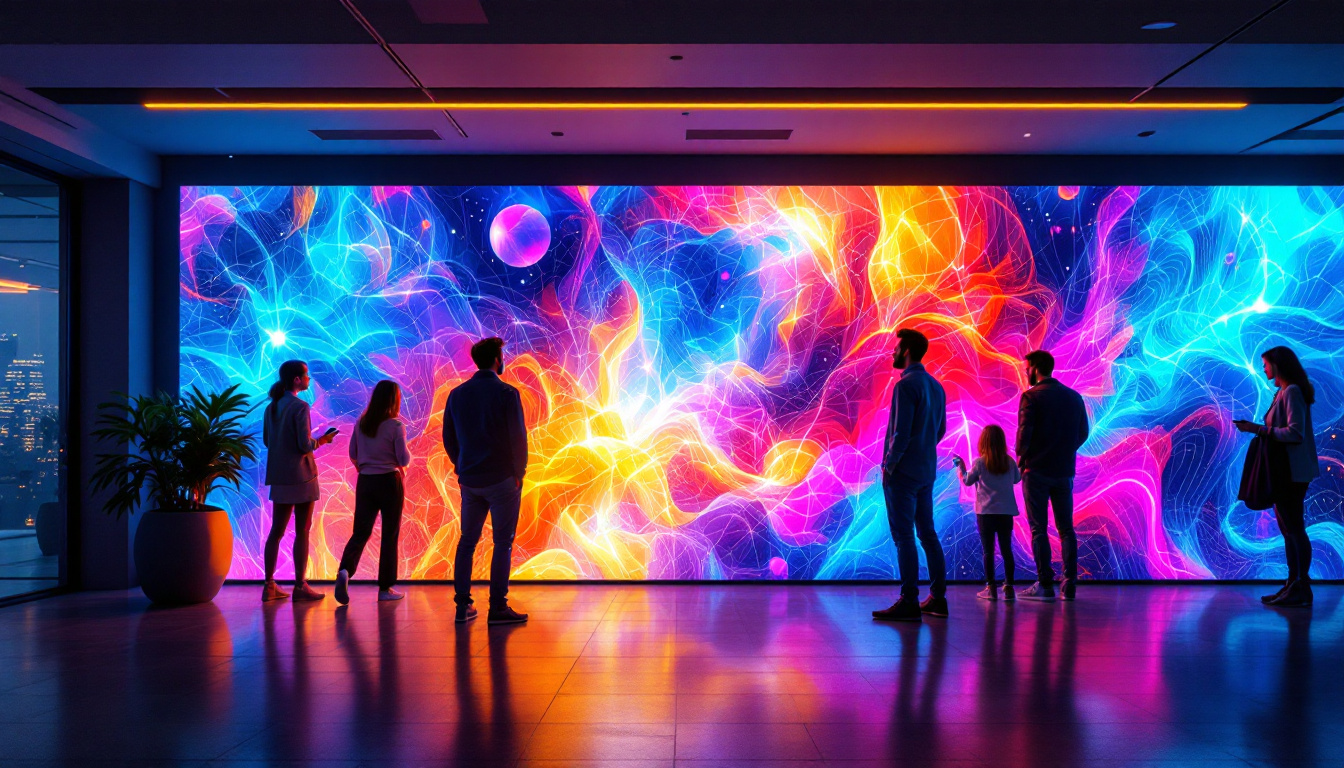
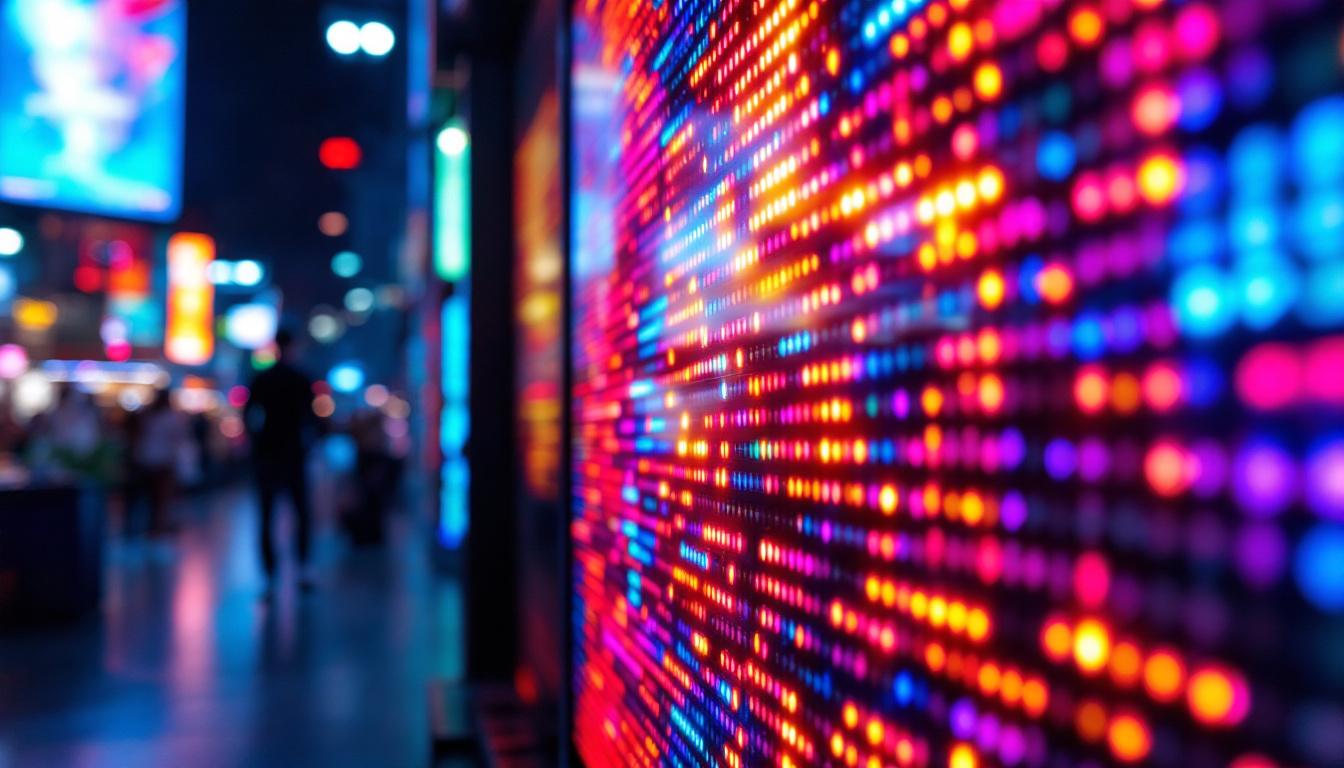
The core component of an LED display is the LED pixel, which can be a single color or composed of multiple sub-pixels (typically red, green, and blue) that combine to create a full-color image. These pixels are arranged in a matrix to form the display screen. The intensity of each LED can be controlled precisely, allowing for detailed and vivid images. This capability not only enhances the viewing experience but also enables dynamic content, such as video and animations, to be displayed with stunning realism. Furthermore, the modular nature of LED displays allows for flexible sizing and configurations, making them suitable for a wide range of applications from small indoor screens to massive outdoor installations.
How LEDs Work
LEDs function based on electroluminescence, where materials emit light in response to an electric current. When voltage is applied, electrons recombine with electron holes within the device, releasing energy in the form of photons. The color of the emitted light depends on the semiconductor material used. This process is highly efficient, which is why LEDs consume less power compared to other light sources. Additionally, the lifespan of LED technology is significantly longer than that of traditional bulbs, often exceeding 50,000 hours, making them a cost-effective choice in the long run. Their durability and resistance to shock and vibration further enhance their appeal in both commercial and residential settings.
Types of LED Displays
There are several types of LED displays, each suited for different applications:
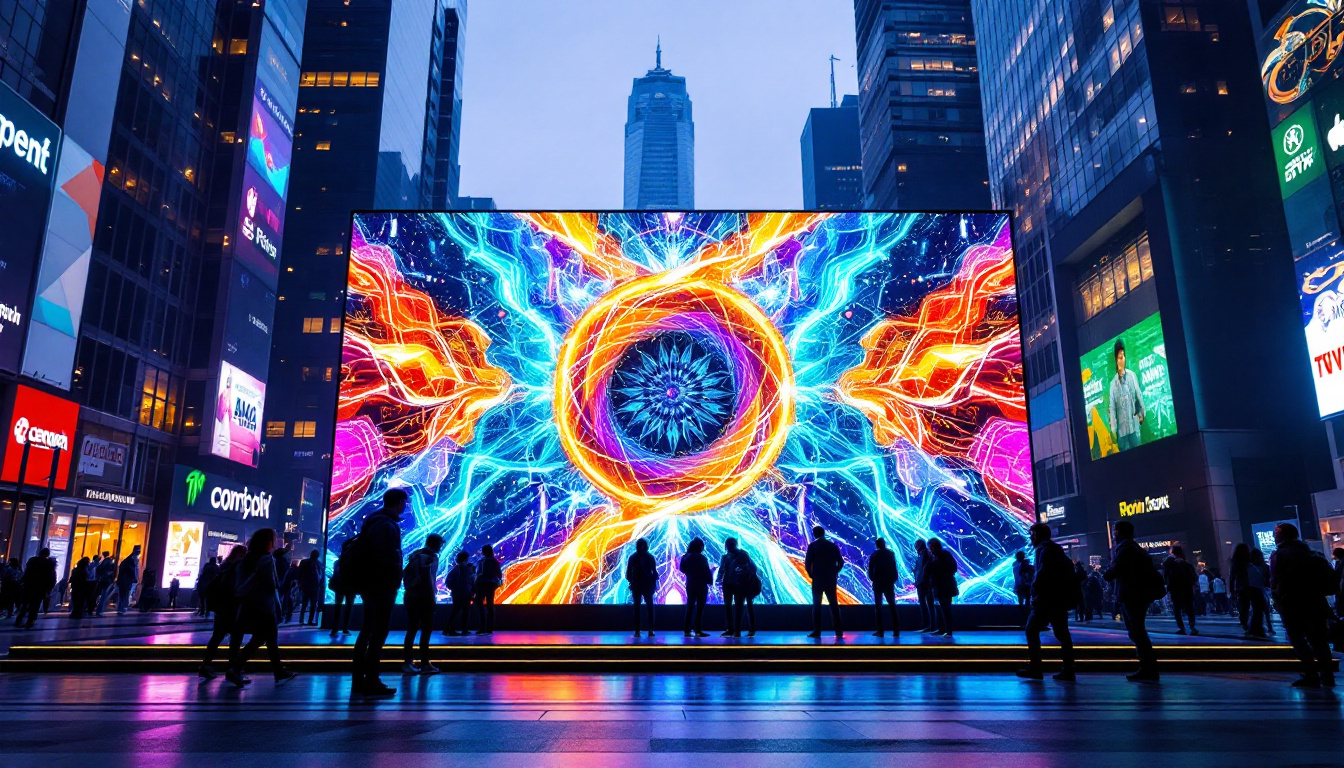
- Direct View LED Displays: These consist of LEDs arranged directly on the display surface, making them ideal for large-scale outdoor screens such as stadium displays and digital billboards. Their ability to maintain visibility in bright sunlight makes them a favorite for outdoor advertising and public information displays.
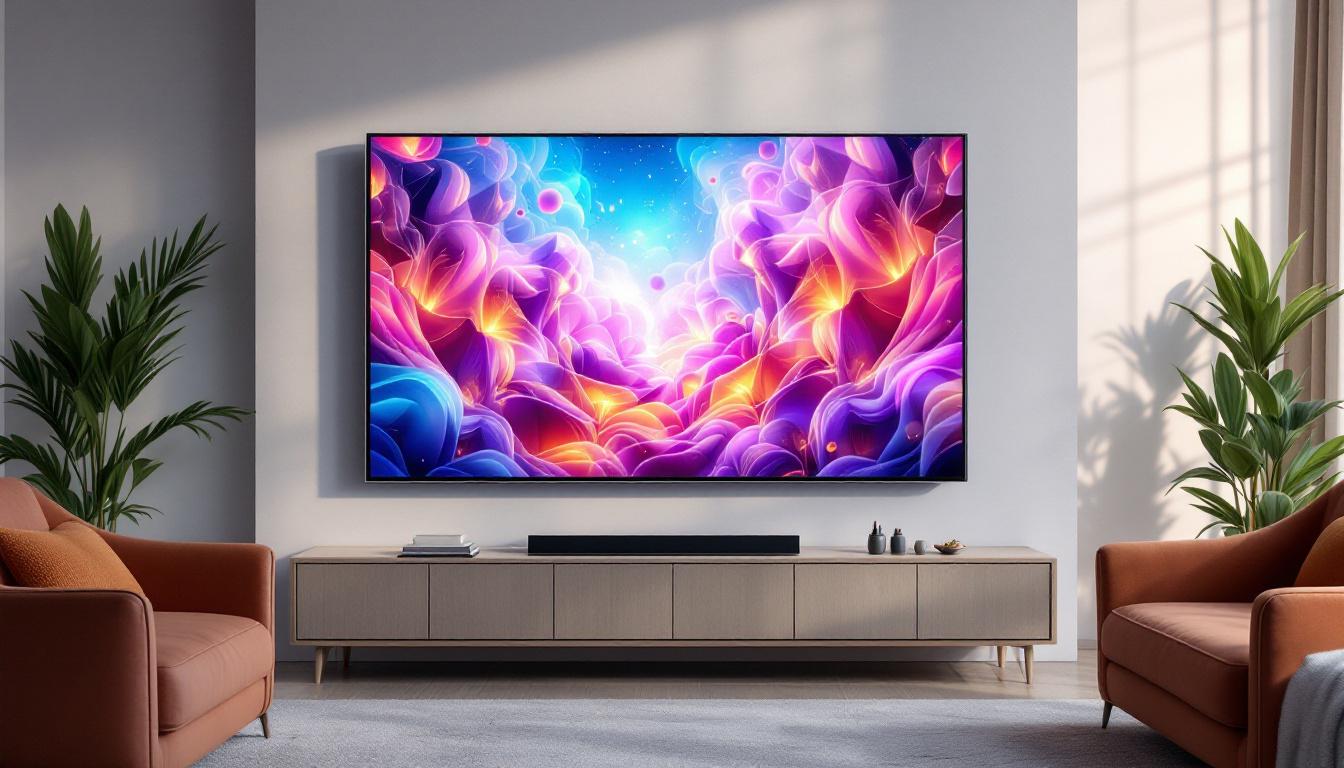
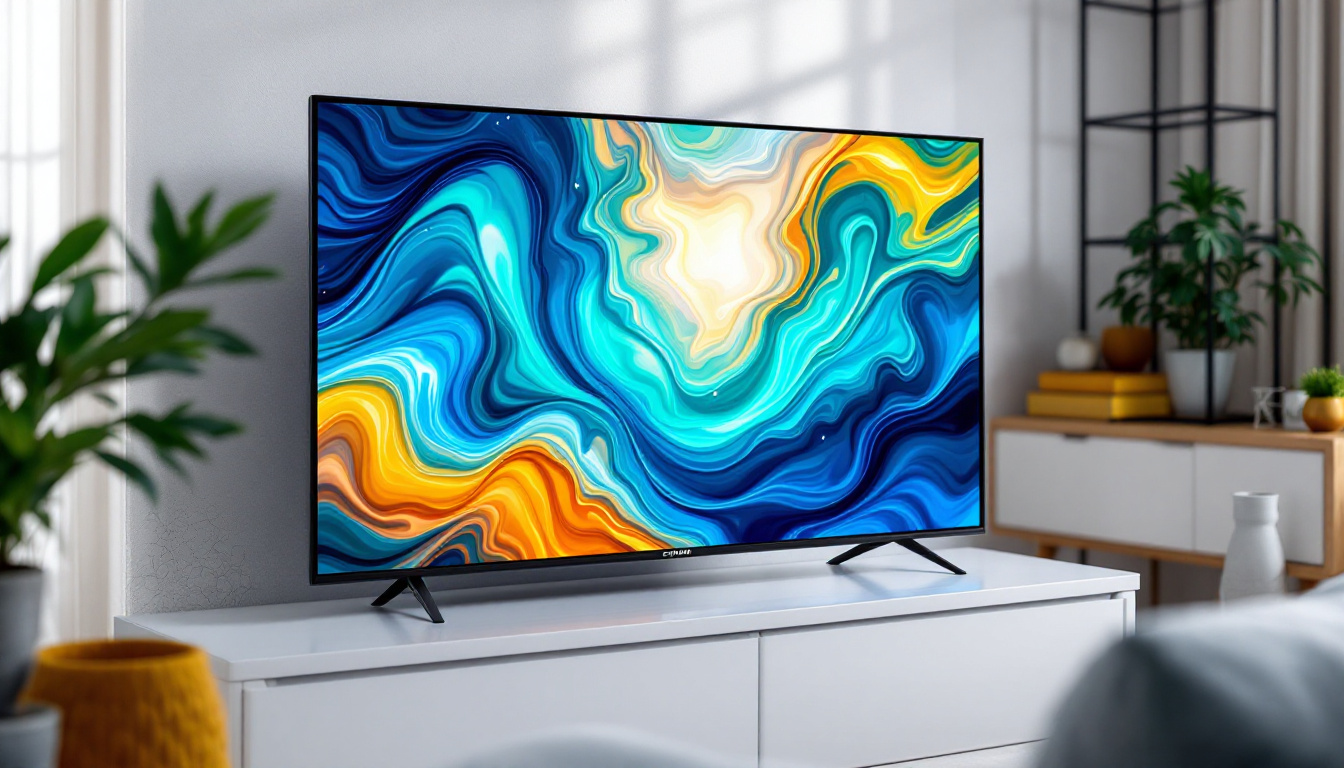
- LED-backlit LCD Displays: In this hybrid technology, LEDs provide the backlighting for an LCD panel, improving brightness and energy efficiency compared to traditional fluorescent backlights. This type of display is commonly found in televisions and computer monitors, offering a balance between performance and cost.
- MicroLED Displays: An emerging technology where microscopic LEDs form each pixel, offering exceptional brightness, contrast, and longevity, with potential applications in next-generation TVs and wearable devices. MicroLED displays promise to revolutionize the industry by providing higher resolutions and better energy efficiency, while also eliminating issues like burn-in that can affect traditional OLED displays.
Another noteworthy type is the OLED (Organic LED) Display, which, while not strictly an LED display, utilizes organic compounds that emit light when an electric current is applied. OLEDs are known for their incredible color accuracy and ability to produce true blacks, as each pixel can be turned off completely. This technology is gaining traction in high-end smartphones and televisions, competing closely with traditional LED displays. As the technology continues to evolve, the line between these various display types may blur, leading to even more innovative solutions in visual technology.
Advantages of LED Displays
LED displays offer multiple benefits that have contributed to their widespread adoption across industries. These advantages are critical for businesses and consumers seeking high-quality visual experiences.
Superior Brightness and Contrast
One of the most significant advantages of LED displays is their ability to produce high brightness levels. This makes them easily viewable even in direct sunlight, which is essential for outdoor advertising and public information displays. Additionally, LEDs can achieve deep blacks by turning off individual pixels, resulting in superior contrast ratios compared to other display technologies. This capability not only enhances the viewing experience but also allows for more vibrant colors and sharper images, making LED displays particularly appealing for applications in retail, entertainment, and digital signage.
Energy Efficiency and Longevity
LEDs are known for their energy efficiency, consuming up to 75% less power than incandescent lighting and significantly less than traditional display backlights. This efficiency translates to lower operational costs and reduced environmental impact. Moreover, LED displays have a longer lifespan, often exceeding 50,000 hours of use, which reduces maintenance and replacement expenses. The durability of LED technology also means they are less prone to damage from shocks and vibrations, making them ideal for high-traffic areas and dynamic environments, such as concerts or sports events.
Thin and Flexible Form Factors
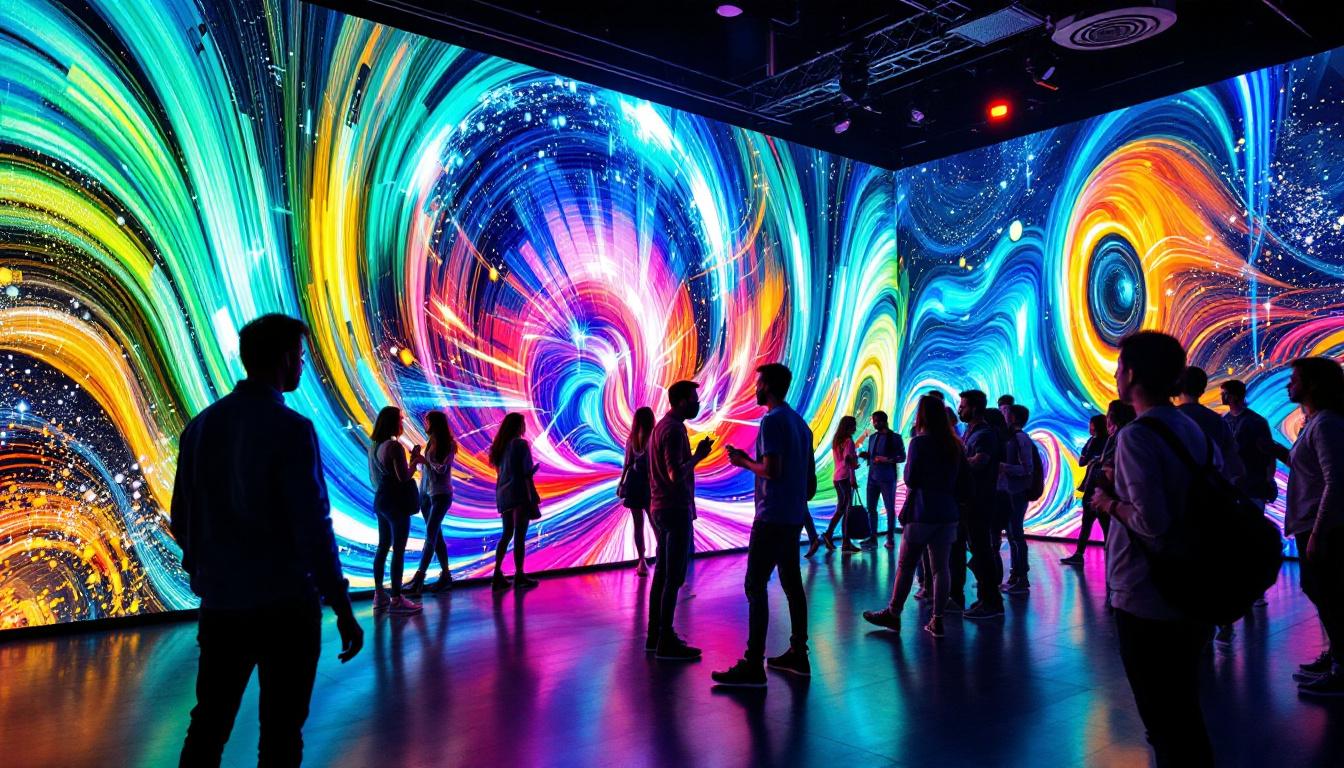
LED technology enables the creation of thin, lightweight, and even flexible displays. This versatility allows for innovative design applications, such as curved screens, transparent displays, and wearable devices. The slim profile also makes installation easier and less obtrusive in architectural settings. Furthermore, the flexibility of LED panels opens up exciting possibilities for creative installations, such as immersive environments in museums or interactive displays in retail spaces, where the form factor can adapt to the surrounding architecture and enhance the overall aesthetic appeal.
Enhanced Color Range and Dynamic Content
Another notable advantage of LED displays is their ability to produce a broader color spectrum, which is essential for applications requiring precise color reproduction. This is particularly beneficial in industries such as graphic design, photography, and video production, where accurate color representation is crucial. Additionally, LED displays can easily accommodate dynamic content, allowing for real-time updates and interactive features. This capability is increasingly important in marketing and advertising, where engaging visuals can capture audience attention and drive consumer behavior effectively.
Low Heat Emission and Safety
LED displays also emit significantly less heat compared to traditional display technologies, which not only enhances energy efficiency but also contributes to a safer operating environment. This low heat emission reduces the risk of overheating, making LED displays suitable for prolonged use in various settings. Furthermore, the absence of harmful substances like mercury, which is found in some other display technologies, makes LEDs a safer choice for both consumers and the environment, aligning with growing sustainability efforts across industries.
Applications of LED Displays
The versatility of LED displays has led to their integration into a broad spectrum of applications, transforming how information is presented and consumed.
Outdoor Advertising and Public Information
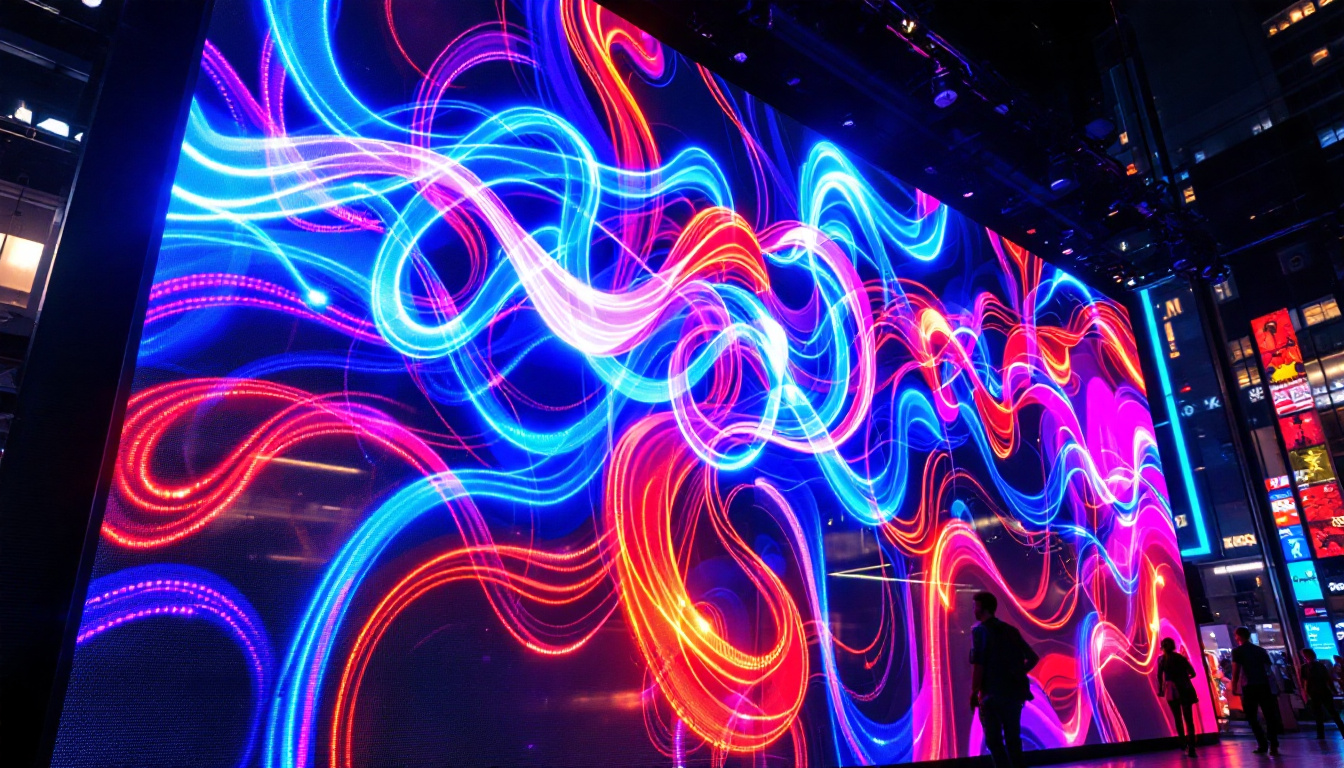
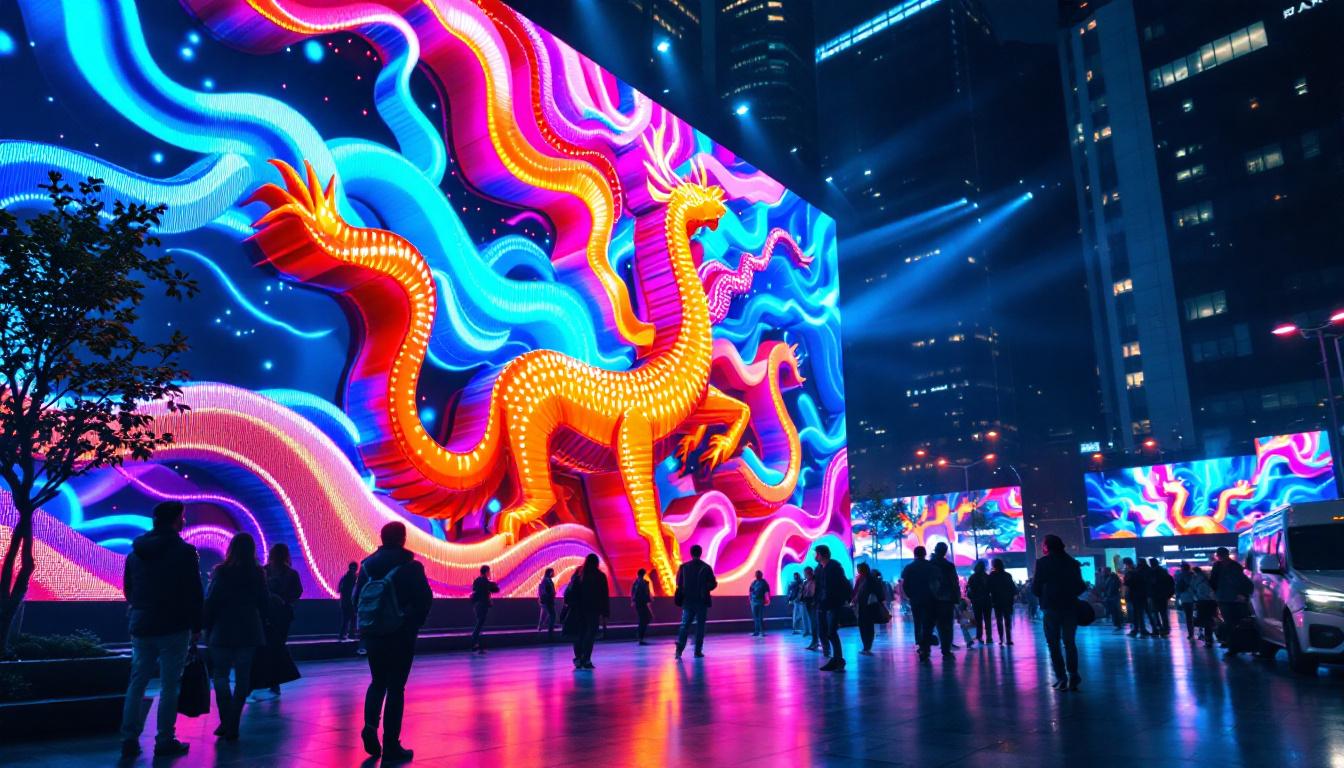
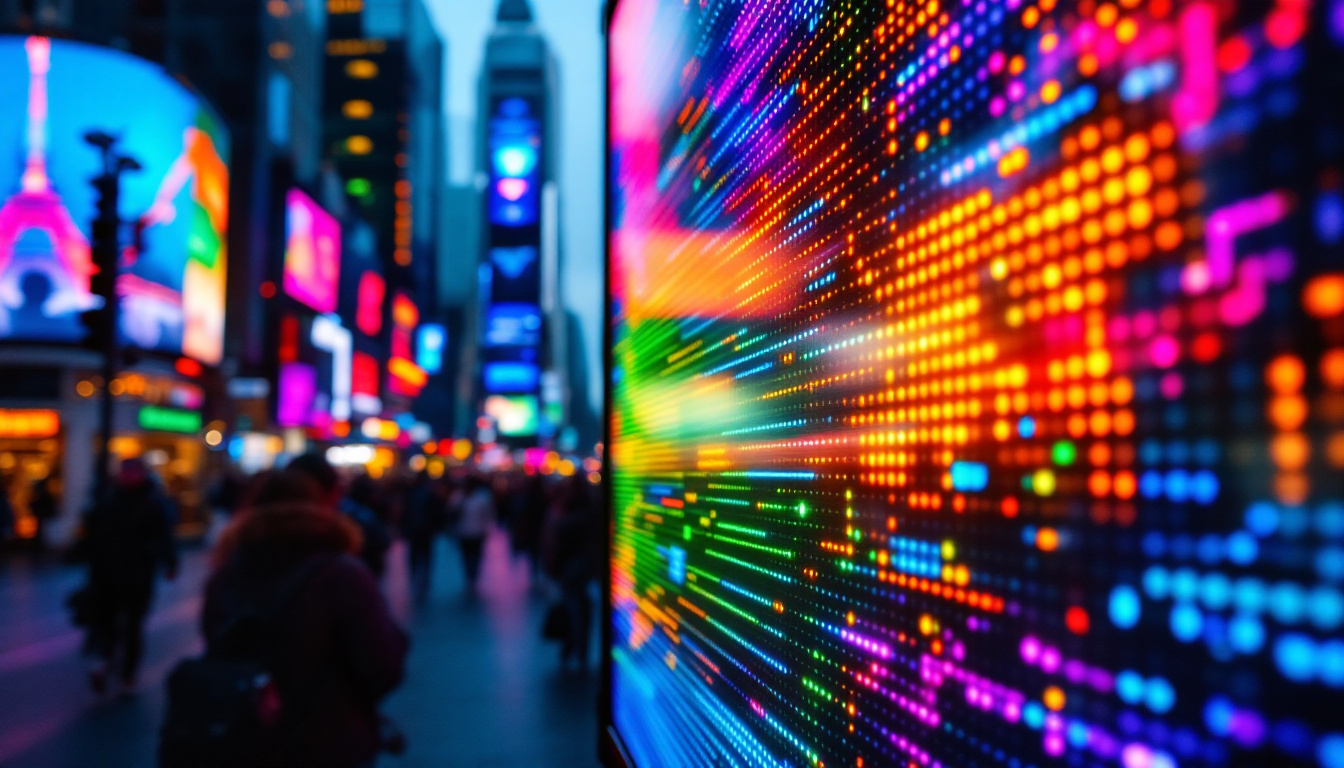
Large-scale LED billboards and signage dominate urban landscapes worldwide. Their brightness and visibility make them ideal for advertising, event promotion, and public service announcements. For example, Times Square in New York City is renowned for its massive LED displays that attract millions of viewers daily.
Consumer Electronics
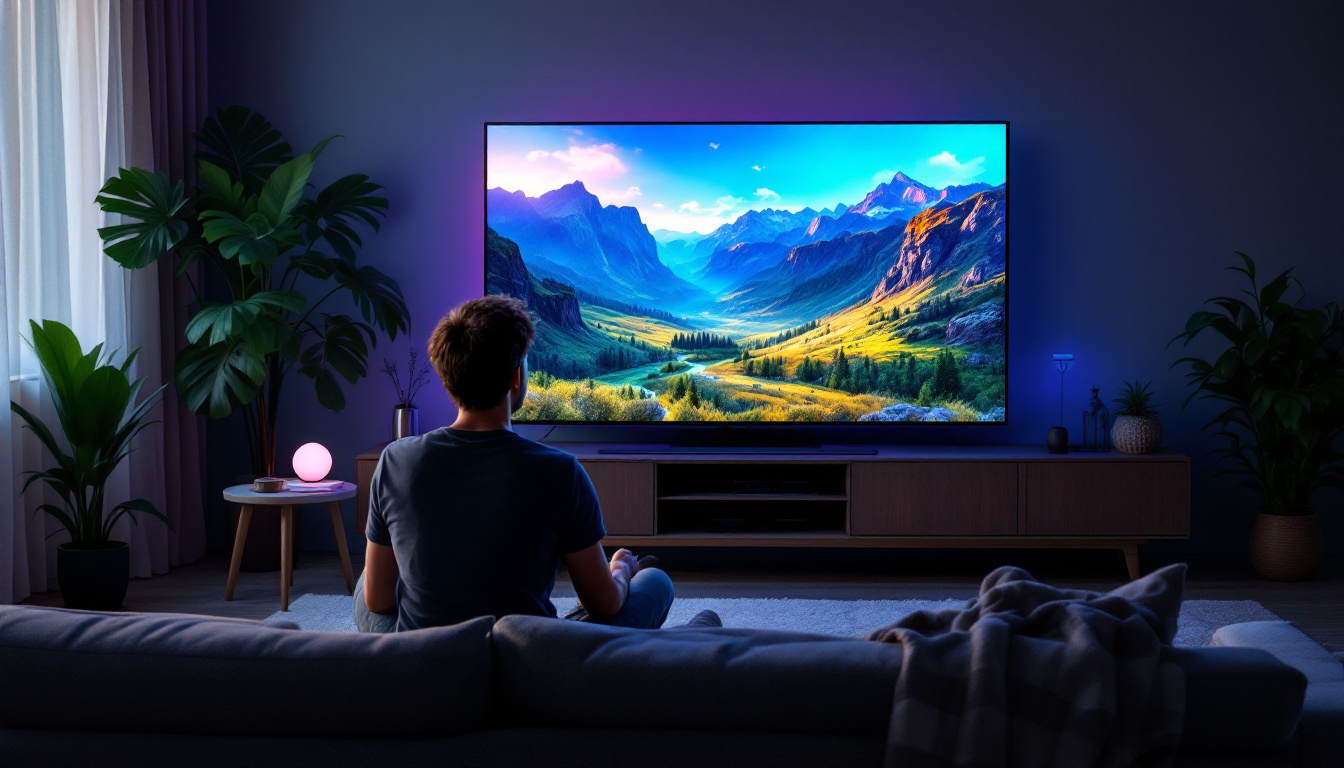
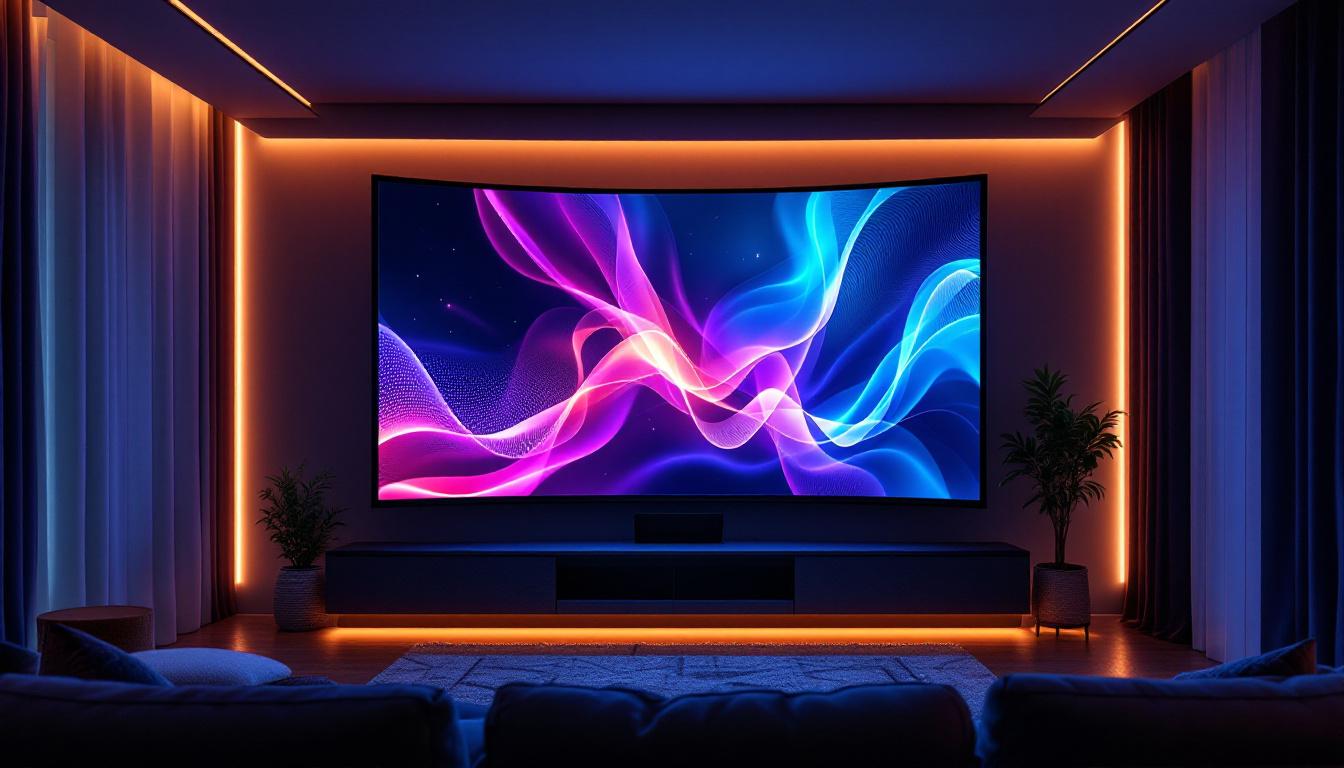
From smartphones to televisions, LED technology enhances everyday devices. LED-backlit LCDs have become the standard in TVs, offering better picture quality and energy savings. The advent of MicroLED promises even greater improvements, with prototypes already demonstrating stunning image quality and durability.
Sports and Entertainment Venues
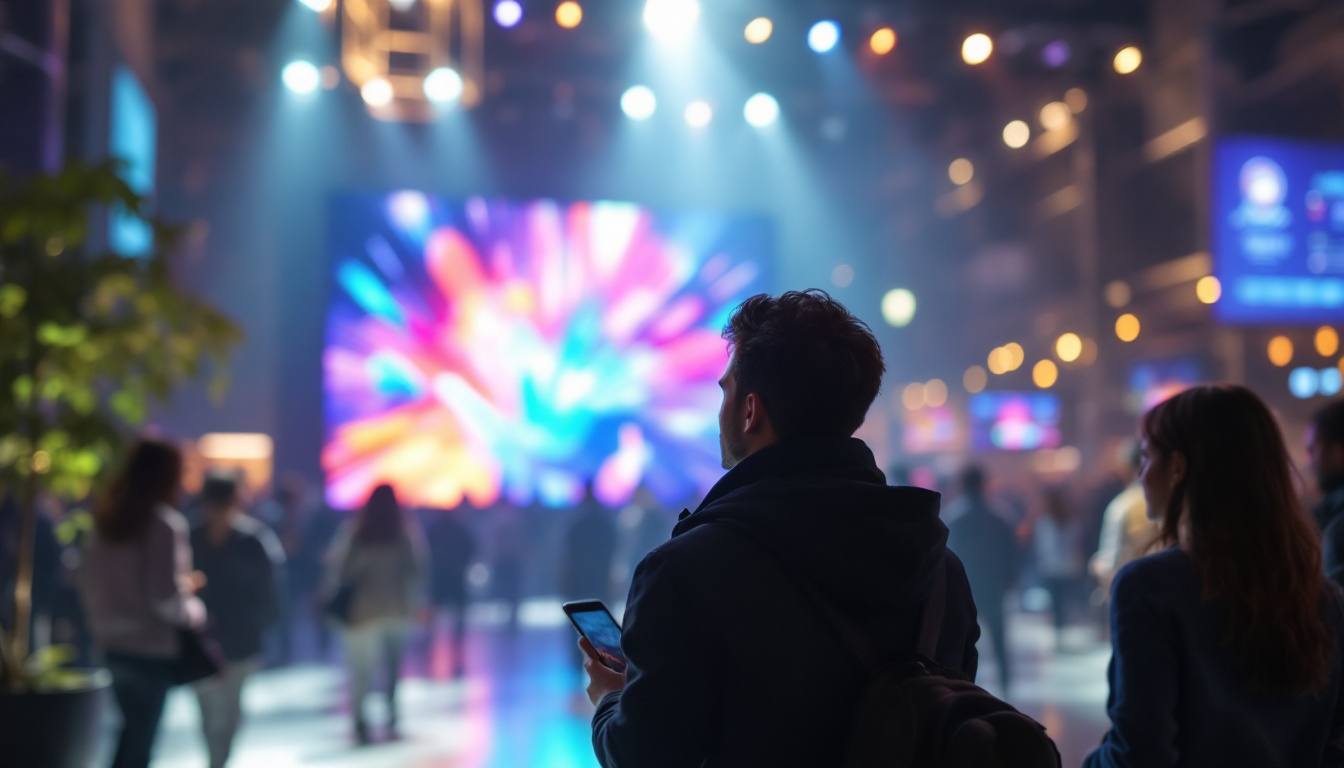
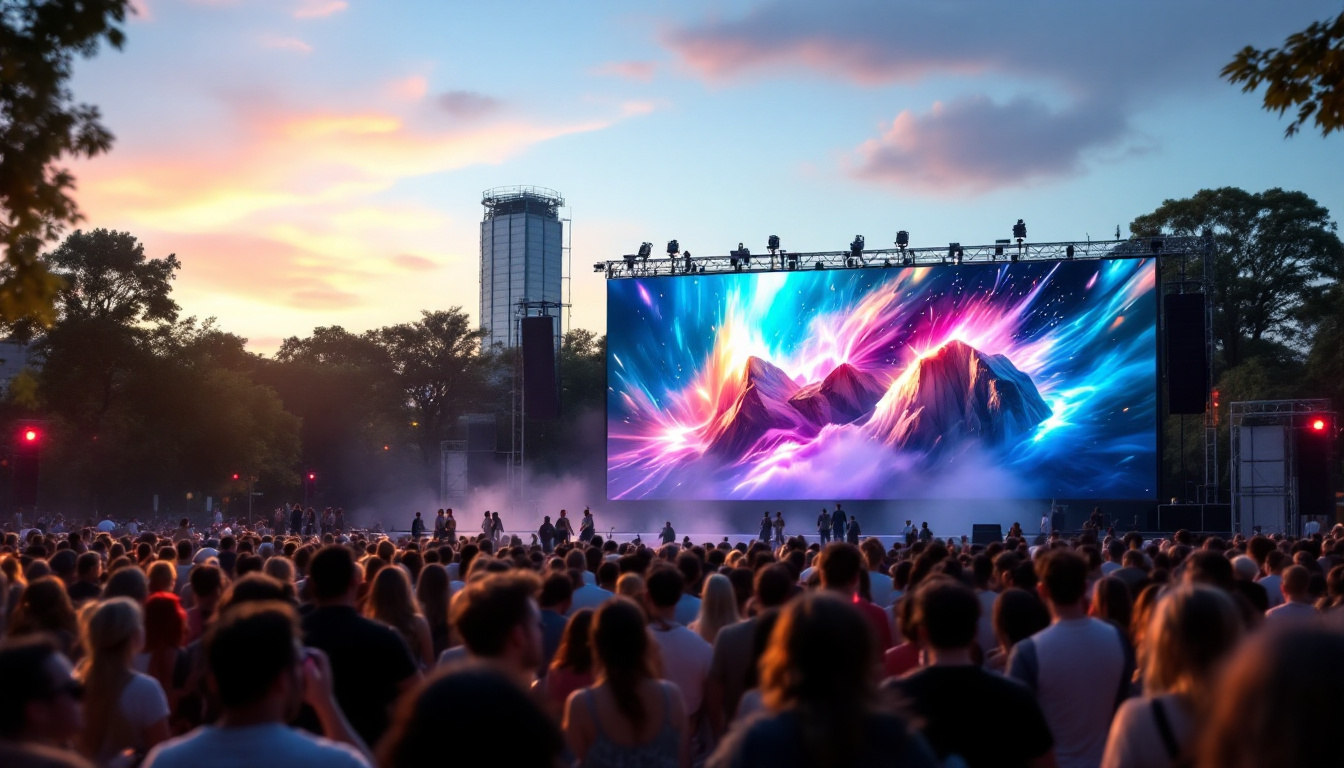
LED displays are a staple in stadiums and arenas, providing dynamic scoreboards, instant replays, and immersive visual effects. Their ability to produce vivid colors and high refresh rates enhances the spectator experience. Additionally, concert stages often utilize LED walls for captivating backdrops and live visuals.
Transportation and Industrial Uses
LED displays are increasingly used in transportation hubs such as airports and train stations for real-time information. Industrial environments also benefit from LED panels for monitoring and control systems due to their reliability and clarity under various lighting conditions.
Emerging Trends and Future Outlook
The LED display industry continues to innovate, driven by advancements in materials science, manufacturing techniques, and consumer demand for better visual experiences.
MicroLED and MiniLED Technologies
MicroLED displays offer significant improvements over traditional LEDs by shrinking the size of each diode to microscopic scales. This allows for higher pixel densities, improved color accuracy, and faster response times. MiniLED, a related technology, uses thousands of tiny LEDs as backlighting units for LCD panels, enhancing contrast and brightness.
Flexible and Transparent Displays
Research into flexible LED displays is opening new possibilities for wearable technology, foldable smartphones, and innovative advertising formats. Transparent LED displays, which allow viewers to see through the screen while displaying images, are gaining traction in retail and automotive applications.
Integration with Smart Technologies
LED displays are increasingly integrated with IoT (Internet of Things) systems, enabling dynamic content updates, interactive features, and data-driven advertising. Smart LED signage can adjust brightness based on ambient light or display targeted messages based on audience demographics.
Choosing the Right LED Display
For businesses and consumers looking to invest in LED display technology, understanding key factors can ensure the right choice for specific needs.
Resolution and Pixel Pitch
Resolution determines the clarity of the displayed image, while pixel pitch—the distance between individual LEDs—affects viewing distance and image sharpness. Smaller pixel pitches are suitable for close viewing, such as indoor displays, whereas larger pitches are acceptable for outdoor screens viewed from afar.
Brightness and Viewing Angle
Brightness is crucial for visibility in different lighting conditions. Outdoor displays typically require brightness levels above 5,000 nits, while indoor screens can operate effectively at lower levels. Viewing angle defines how well the image can be seen from different positions, impacting audience reach.
Durability and Environmental Resistance
Outdoor LED displays must withstand weather conditions, including rain, dust, and temperature fluctuations. Look for displays with appropriate IP (Ingress Protection) ratings to ensure longevity and reliable operation.
Conclusion
LED display technology has revolutionized how visual content is delivered across a multitude of sectors. Its superior brightness, energy efficiency, and versatility make it an indispensable tool for communication in the digital age. As innovations like MicroLED and flexible displays continue to mature, the future promises even clearer, more immersive, and interactive visual experiences. Whether for advertising, entertainment, or everyday consumer electronics, understanding the nuances of LED displays empowers informed decisions that maximize impact and value.
Explore the Future of Visual Technology with LumenMatrix
Ready to experience the pinnacle of LED display innovation? LumenMatrix is at the forefront of transforming environments with our comprehensive range of LED display solutions. From the vibrant Indoor LED Wall Display to the robust Outdoor LED Wall Display, and from the dynamic Vehicle LED Display to the sleek LED Poster Display, we offer tailored options to fit every need. Our mission is to redefine visual communication with LED Sports Displays, interactive Floor LED Displays, and the revolutionary All-in-One and Transparent LED Displays. Elevate your brand and captivate your audience with unparalleled clarity and impact. Check out LumenMatrix LED Display Solutions today and join the visual revolution.