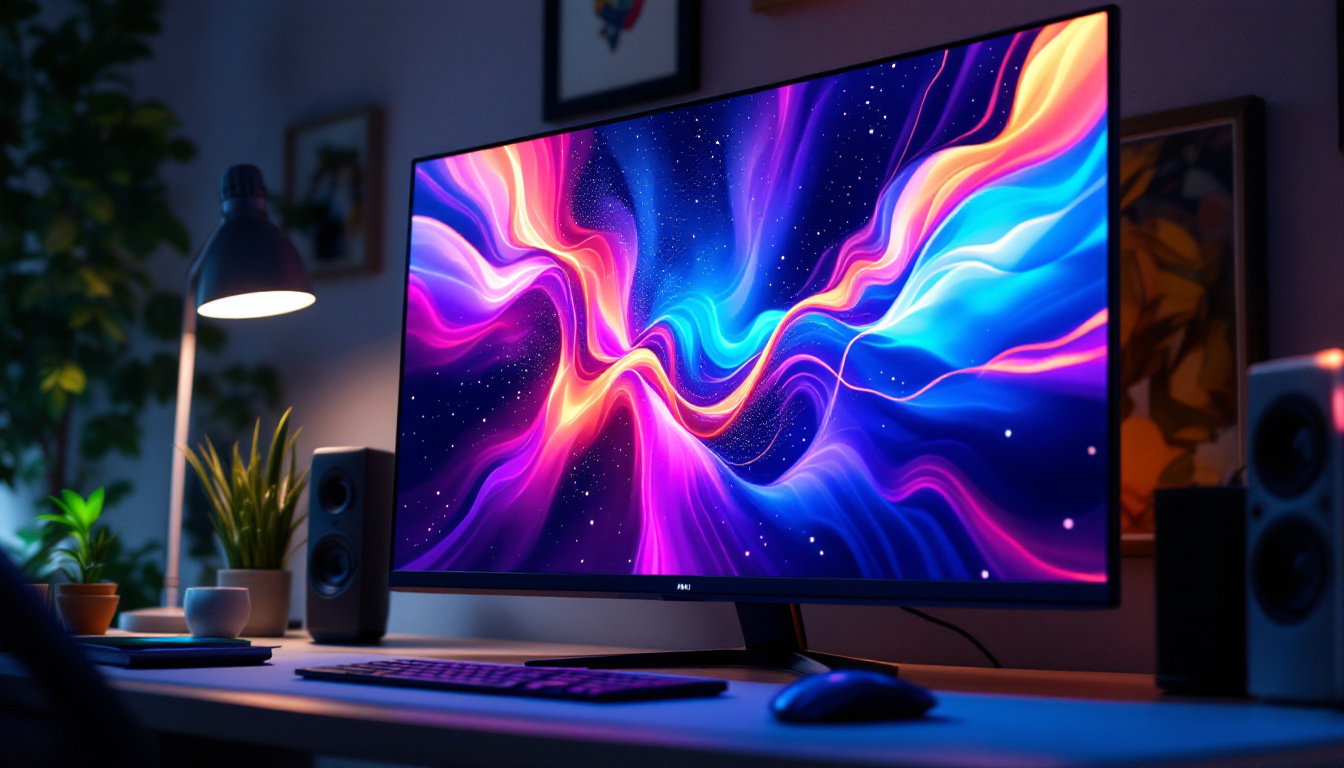
In today’s digital age, the display technology of computer monitors plays a crucial role in user experience, whether for work, gaming, or entertainment. Among various types of display technologies, LED screens have become the dominant choice due to their superior performance, energy efficiency, and versatility. This article delves into the world of LED monitor screens, explaining how they work, their advantages, and what consumers should consider when choosing an LED display monitor.
Understanding LED Display Technology
What is an LED Monitor?
LED stands for Light Emitting Diode, a semiconductor device that emits light when an electric current passes through it. In the context of monitors, LED refers to the type of backlighting used in Liquid Crystal Display (LCD) screens. Unlike older LCD monitors that used Cold Cathode Fluorescent Lamps (CCFL) for backlighting, LED monitors employ an array of tiny LEDs to illuminate the screen.
This distinction is important because the LED backlighting significantly improves the display’s brightness, color accuracy, and energy consumption. It’s worth noting that LED monitors are essentially LCD panels illuminated by LEDs rather than a fundamentally different display technology like OLED. The shift to LED technology has not only enhanced the visual experience but also paved the way for thinner and lighter monitor designs, making them more aesthetically pleasing and easier to integrate into various environments, whether at home or in the office.
Moreover, LED monitors have become increasingly popular in various applications, from gaming to professional graphic design. The vibrant colors and deeper blacks offered by LED technology cater to the needs of users who require precision and clarity in visual representation. As the technology continues to evolve, manufacturers are also focusing on reducing the environmental impact of production and energy consumption, leading to more sustainable options in the market.
How Does an LED Display Work?
At the core of an LED monitor is an LCD panel that controls the passage of light to form images. The LEDs serve as the light source behind or around the edges of the screen. When the monitor is powered on, the LEDs emit light, which passes through several layers — including polarizers and liquid crystals — that adjust the light’s intensity and color to create the image you see.
There are two primary types of LED backlighting: edge-lit and full-array. Edge-lit LED monitors place LEDs along the edges of the screen, using light guides to distribute illumination evenly. Full-array LED monitors have LEDs placed directly behind the entire screen, allowing for better control of brightness and contrast through local dimming zones. This capability is particularly beneficial for viewing high dynamic range (HDR) content, as it enhances the overall contrast ratio and provides a more immersive viewing experience.
Additionally, the technology behind LED displays has seen significant advancements, such as the introduction of Quantum Dot technology, which further enhances color accuracy and brightness. Quantum Dots are tiny semiconductor particles that emit specific colors when illuminated by the LED backlight, allowing for a wider color gamut and improved overall picture quality. As a result, LED monitors are not just a practical choice; they are becoming the preferred option for professionals and enthusiasts who demand the highest quality in visual performance.
Advantages of LED Monitors
Improved Energy Efficiency
One of the most significant benefits of LED monitors is their energy efficiency. Compared to CCFL-backlit LCDs, LED monitors consume up to 30-40% less power. This reduction is due to the LEDs’ ability to emit light more efficiently and the possibility to dim or turn off individual LEDs in full-array displays.
This energy efficiency not only reduces electricity bills but also contributes to environmental sustainability. As businesses and consumers increasingly prioritize eco-friendly technology, LED monitors have become a preferred choice.
Superior Image Quality
LED backlighting enhances image quality in several ways. First, LEDs can produce a broader color gamut, resulting in more vivid and accurate colors. This is particularly important for graphic designers, photographers, and video editors who rely on precise color reproduction.
Second, LED monitors typically offer higher contrast ratios, especially those with full-array local dimming. By selectively dimming parts of the screen, these monitors can display deeper blacks and brighter whites, improving overall picture depth and realism.
Thin and Lightweight Designs
LED technology allows manufacturers to produce thinner and lighter monitors. Edge-lit LED displays, in particular, enable ultra-slim designs without sacrificing screen size or resolution. This makes LED monitors ideal for modern workspaces where desk space is limited or for users who value aesthetics and portability.
Types of LED Monitors and Their Applications
Edge-Lit LED Monitors
Edge-lit LED monitors are the most common and affordable type of LED display. By placing LEDs along the edges of the screen, manufacturers can create thin panels that are lightweight and cost-effective. However, this design can sometimes lead to uneven brightness or “hot spots,” especially on larger screens.
These monitors are well-suited for general office work, web browsing, and casual media consumption where extreme color accuracy or contrast is not critical.
Full-Array LED Monitors with Local Dimming
Full-array LED monitors feature a grid of LEDs behind the entire screen, allowing for precise control of lighting zones. Local dimming technology enables the monitor to dim or brighten specific areas of the screen independently, enhancing contrast and reducing light bleed.
This type of LED monitor is favored by professionals in creative industries, gamers, and home theater enthusiasts who demand superior image quality and dynamic range. While full-array monitors tend to be more expensive, their performance benefits often justify the investment.
Mini-LED and Micro-LED: The Next Generation
Emerging LED technologies such as Mini-LED and Micro-LED are pushing the boundaries of display performance. Mini-LED monitors use thousands of tiny LEDs for backlighting, offering even finer local dimming control and improved brightness. This results in displays that approach the quality of OLED panels but without some of OLED’s drawbacks, like burn-in.
Micro-LED technology represents a significant leap forward by using microscopic LEDs as individual pixels, eliminating the need for an LCD layer. This promises unparalleled brightness, contrast, and longevity, though Micro-LED monitors are still in the early stages of commercial availability.
Factors to Consider When Choosing an LED Monitor
Resolution and Screen Size
The resolution and size of an LED monitor significantly impact the viewing experience. Common resolutions include Full HD (1920×1080), Quad HD (2560×1440), and 4K Ultra HD (3840×2160). Higher resolutions provide sharper images, especially on larger screens.
For professional work involving detailed visuals, 4K monitors are increasingly popular. However, they require more powerful hardware to drive the higher pixel count. For everyday use, Full HD or Quad HD monitors often provide a good balance between clarity and performance.
Color Accuracy and Refresh Rate
Color accuracy is essential for users in creative fields. Look for monitors that cover a wide color gamut, such as Adobe RGB or DCI-P3, and support hardware calibration. Specifications like Delta E values indicate color precision; lower values mean more accurate colors.
Refresh rate, measured in Hertz (Hz), is another critical factor, especially for gamers. Standard monitors run at 60Hz, but gaming monitors often feature 120Hz, 144Hz, or even 240Hz refresh rates for smoother motion and reduced input lag.
Connectivity and Ergonomics
Modern LED monitors come with a variety of connectivity options, including HDMI, DisplayPort, USB-C, and legacy VGA ports. USB-C monitors offer the advantage of transmitting video, data, and power through a single cable, simplifying desk setups.
Ergonomic features such as adjustable height, tilt, swivel, and pivot capabilities enhance comfort during prolonged use. Some monitors also include blue light filters and flicker-free technology to reduce eye strain.
Common Myths and Misconceptions About LED Monitors
LED Monitors Are the Same as OLED
A frequent misconception is that LED monitors are equivalent to OLED displays. While both use light-emitting diodes, their technologies differ fundamentally. LED monitors rely on an LCD panel with LED backlighting, whereas OLED (Organic LED) displays generate light at the pixel level without a backlight.
OLED monitors offer superior contrast and color but are generally more expensive and less widely available than LED monitors. Understanding this distinction helps consumers make informed choices based on their needs and budget.
LED Monitors Are Always Better Than LCD
While LED backlighting improves many aspects of LCD monitors, not all LED monitors are created equal. The quality of the LCD panel, the type of LED backlighting, and additional features like local dimming all influence overall performance.
Therefore, it is essential to evaluate individual models rather than assuming that any LED monitor will outperform traditional LCDs.
The Future of LED Monitor Technology
LED display technology continues to evolve rapidly. Innovations like Quantum Dot technology enhance color reproduction by using nanocrystals that emit precise wavelengths of light when excited by LEDs. Quantum Dot LED (QLED) monitors deliver brighter images with richer colors and are becoming increasingly popular in both consumer and professional markets.
Additionally, the integration of Mini-LED and Micro-LED technologies is expected to bring unprecedented levels of brightness, contrast, and energy efficiency to monitors. These advancements will likely make LED monitors even more versatile and appealing across various applications.
Furthermore, as remote work and digital content creation grow, demand for high-quality, ergonomic, and energy-efficient monitors will drive manufacturers to innovate and refine LED display technology further.
Conclusion
LED monitors have transformed the landscape of computer displays by offering enhanced brightness, color accuracy, energy efficiency, and sleek designs. Understanding the underlying technology, types of LED backlighting, and essential features can help users select the right monitor for their specific needs.
Whether for professional graphic work, immersive gaming, or everyday productivity, LED displays provide a compelling balance of performance and value. As technology advances, LED monitors will continue to evolve, delivering richer visuals and improved user experiences in the years to come.
Discover the Future of Visual Experience with LumenMatrix
As you consider the vast potential and advantages of LED display technology for your professional or personal needs, LumenMatrix stands at the forefront of innovation, ready to elevate your visual experience. Our comprehensive range of LED display solutions, including Indoor and Outdoor LED Wall Displays, Vehicle LED Displays, and more, are designed to captivate and engage your audience. Embrace the future of digital signage with LumenMatrix and transform your visual communication. Check out LumenMatrix LED Display Solutions today and see the difference cutting-edge technology can make.