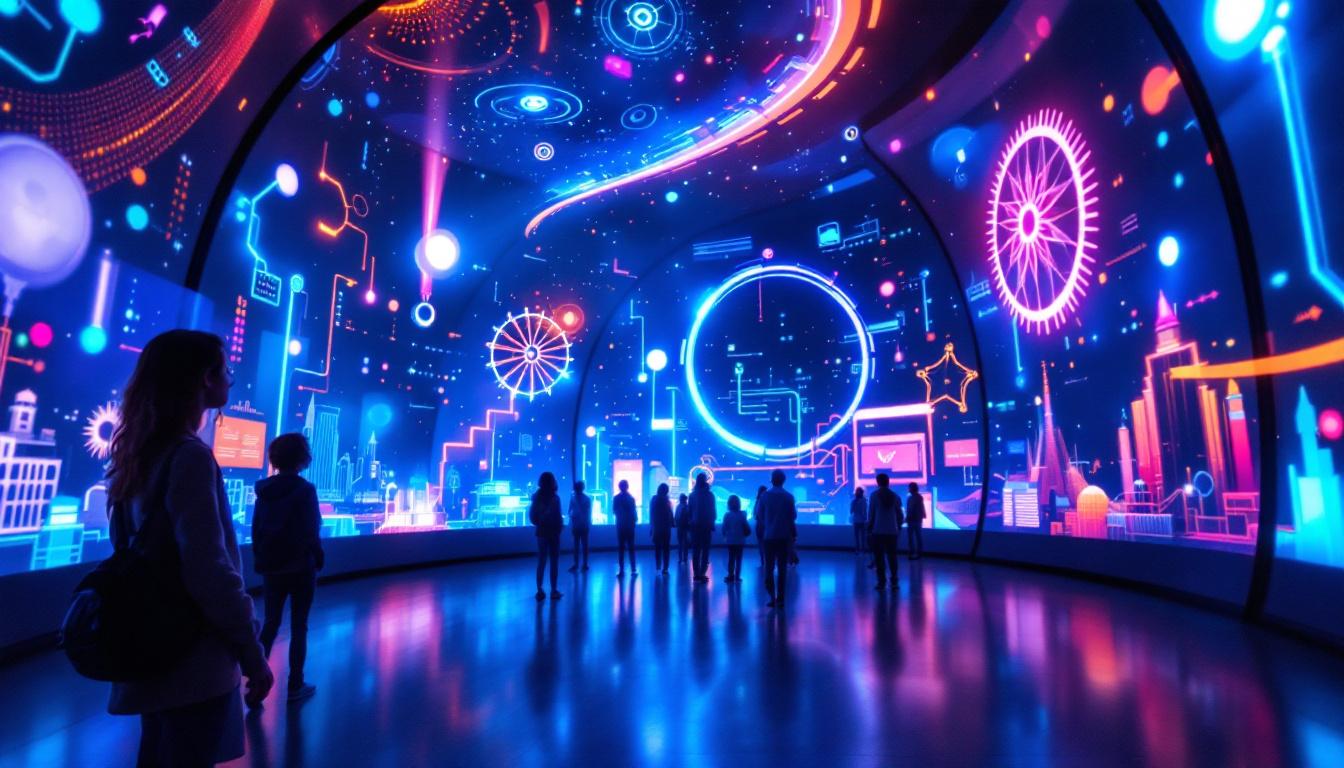
In the evolving landscape of multimedia technology, LED displays have emerged as a cornerstone for museums seeking to enhance visitor engagement and deliver immersive experiences. From interactive exhibits to dynamic information panels, LED technology offers unparalleled versatility and visual impact. This article delves into the fundamentals of LED displays, their applications within multimedia museums, and the technological advancements shaping their future.
Understanding LED Display Technology
What is an LED Display?
LED, or Light Emitting Diode, displays consist of numerous tiny diodes that emit light when an electric current passes through them. Unlike traditional LCD or projection screens, LED displays produce their own light, allowing for brighter images, deeper blacks, and higher contrast ratios. This self-illumination capability makes LEDs particularly effective in environments with variable lighting conditions, such as museum galleries. The ability to maintain image quality in diverse lighting scenarios means that museums can create engaging visual experiences that captivate visitors, regardless of the time of day or the ambient light levels.
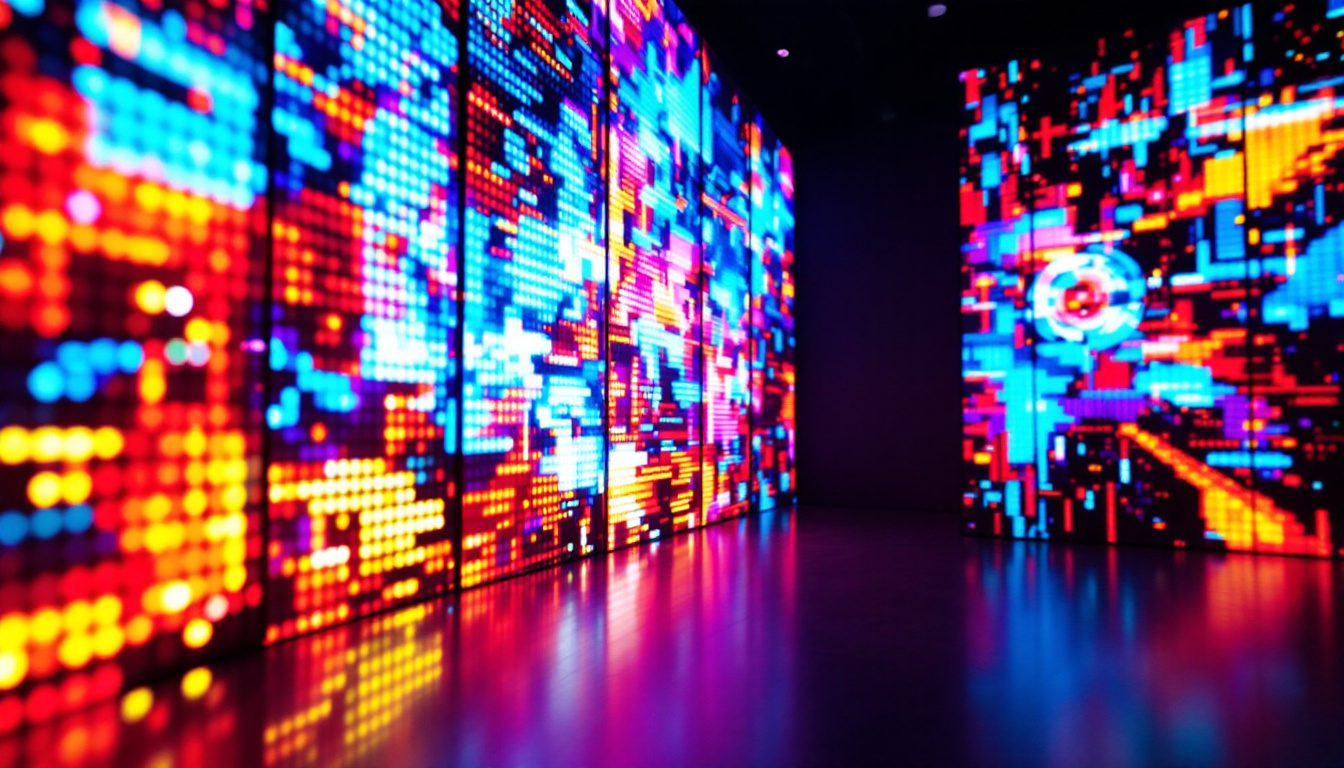
LED displays are composed of modules arranged in a grid, with each module containing multiple pixels. These pixels can be single-color (monochrome), dual-color, or full-color, depending on the diodes used. The modular nature of LED panels allows for flexible sizing and shapes, which is especially advantageous for creative museum installations. This adaptability enables curators to design exhibits that are not only visually stunning but also tailored to the specific themes and narratives of the displays. For instance, a historical exhibit might utilize LED technology to project animations that bring artifacts to life, enhancing the storytelling aspect of the museum experience.
Types of LED Displays Used in Museums
There are several types of LED displays commonly employed in museum settings:
- Indoor LED Displays: Designed for controlled lighting environments, these displays have high pixel density for sharp, detailed images. They are ideal for close-up viewing areas such as galleries and interactive kiosks. The high resolution allows for intricate details to be showcased, making it possible for visitors to appreciate the finer aspects of artworks or historical documents.
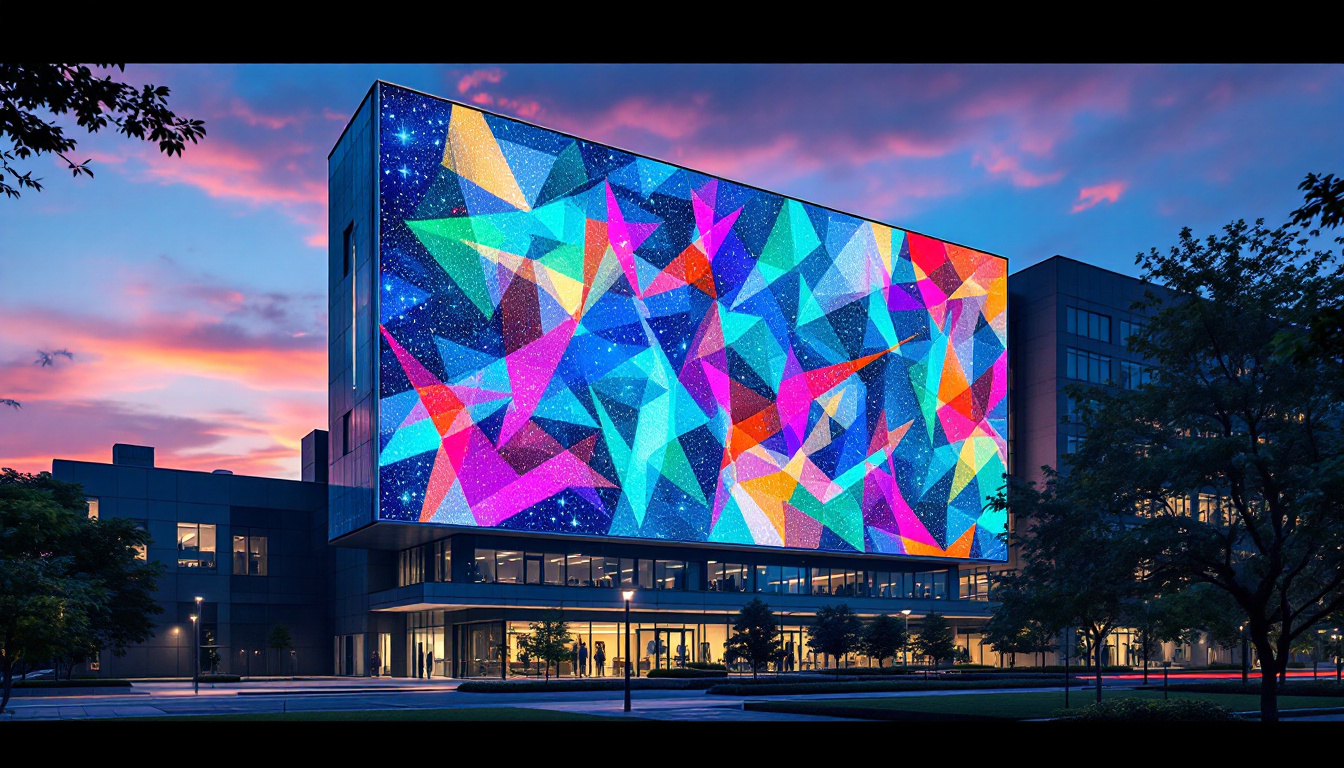
- Outdoor LED Displays: Built to withstand weather elements, these displays feature higher brightness levels to remain visible in direct sunlight. Museums use them for external signage or open-air exhibits. These displays can also serve as dynamic platforms for advertising upcoming exhibitions or events, drawing in foot traffic and enhancing community engagement.
- Transparent LED Displays: These innovative panels allow light to pass through, enabling them to be installed on glass surfaces without obstructing views. Transparent LEDs are gaining popularity for blending digital content with physical artifacts. This technology not only preserves the aesthetic appeal of the display space but also creates a seamless integration of digital storytelling with tangible objects, allowing for a more immersive visitor experience.
- Flexible LED Displays: Utilizing bendable substrates, these displays can conform to curved surfaces, opening new possibilities for immersive and sculptural exhibit designs. This flexibility allows museums to push the boundaries of traditional exhibit layouts, creating environments that are not only informative but also visually striking and engaging.
In addition to these types, museums are increasingly exploring the use of LED technology for interactive installations. Touch-sensitive LED displays can allow visitors to engage directly with the content, providing a hands-on experience that enhances learning and retention. For example, a science museum might feature an interactive LED wall where visitors can manipulate data visualizations, making complex concepts more accessible and enjoyable. Such innovations not only enrich the educational value of the exhibits but also foster a sense of connection and participation among visitors, transforming passive viewing into active learning.
The Role of LED Displays in Multimedia Museums
Enhancing Visitor Engagement
Modern museums strive to create interactive and memorable experiences. LED displays facilitate this by presenting vibrant visuals that capture attention and convey complex information succinctly. For example, a natural history museum might use a large LED wall to animate prehistoric creatures in lifelike detail, providing visitors with a dynamic learning experience that static exhibits cannot match.
Interactive LED touchscreens allow visitors to explore additional content, such as videos, 3D models, or augmented reality overlays. These features cater to diverse learning styles and encourage deeper exploration, making exhibits more accessible and engaging.
Dynamic Content Delivery and Flexibility
One of the key advantages of LED technology is the ease with which content can be updated or changed. Museums frequently rotate exhibits or update information to reflect new research. LED displays enable real-time content management, allowing curators to refresh exhibit narratives without costly physical modifications.
Seasonal themes, special events, or visitor feedback can all be incorporated quickly via LED screens, ensuring that the museum remains relevant and responsive to its audience. This flexibility also supports multilingual content delivery, accommodating international visitors by displaying information in multiple languages.
Creating Immersive Environments
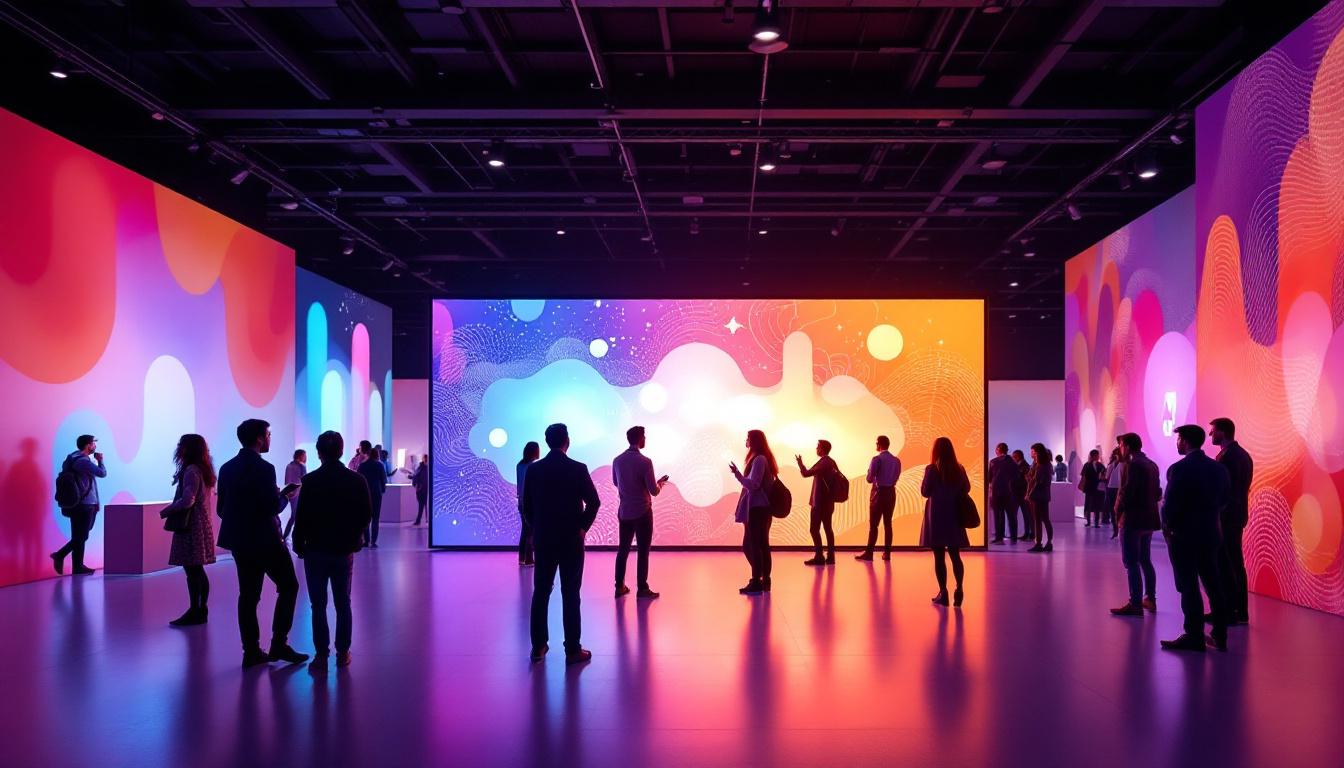
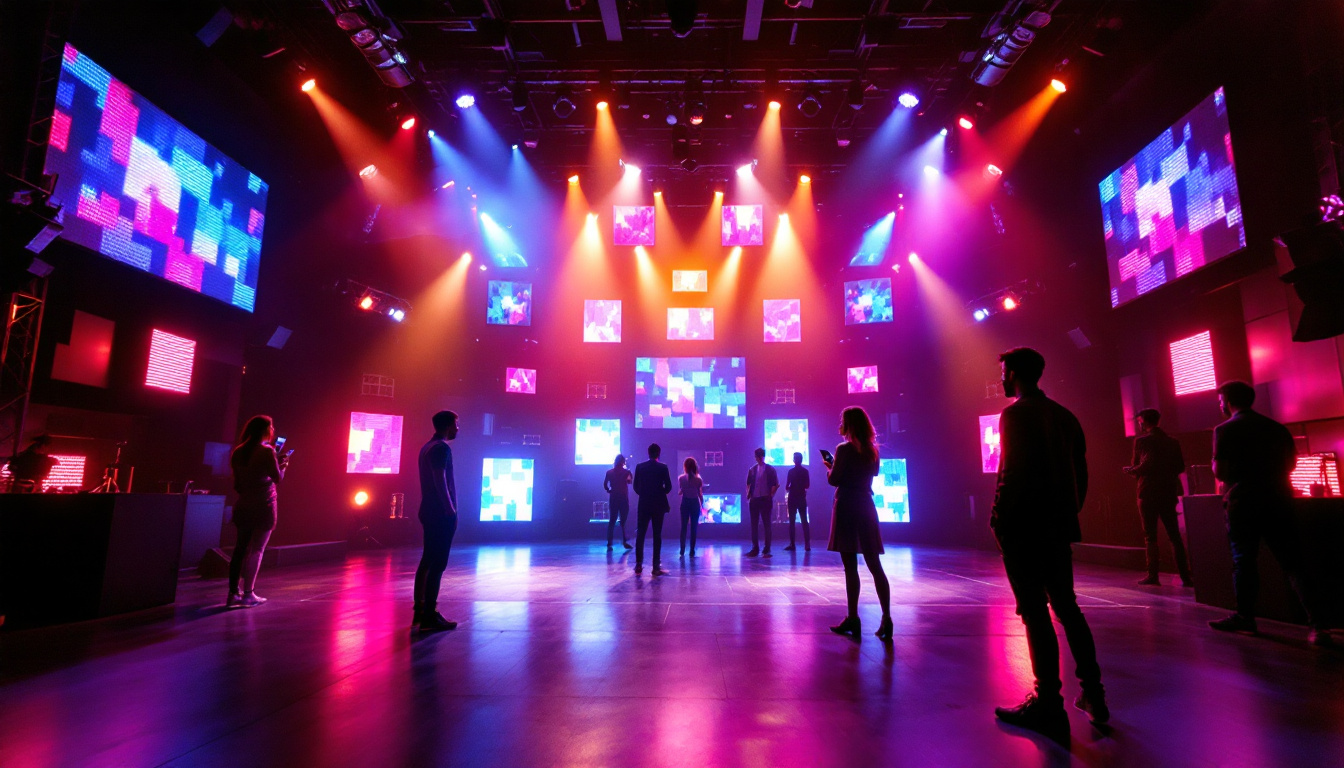
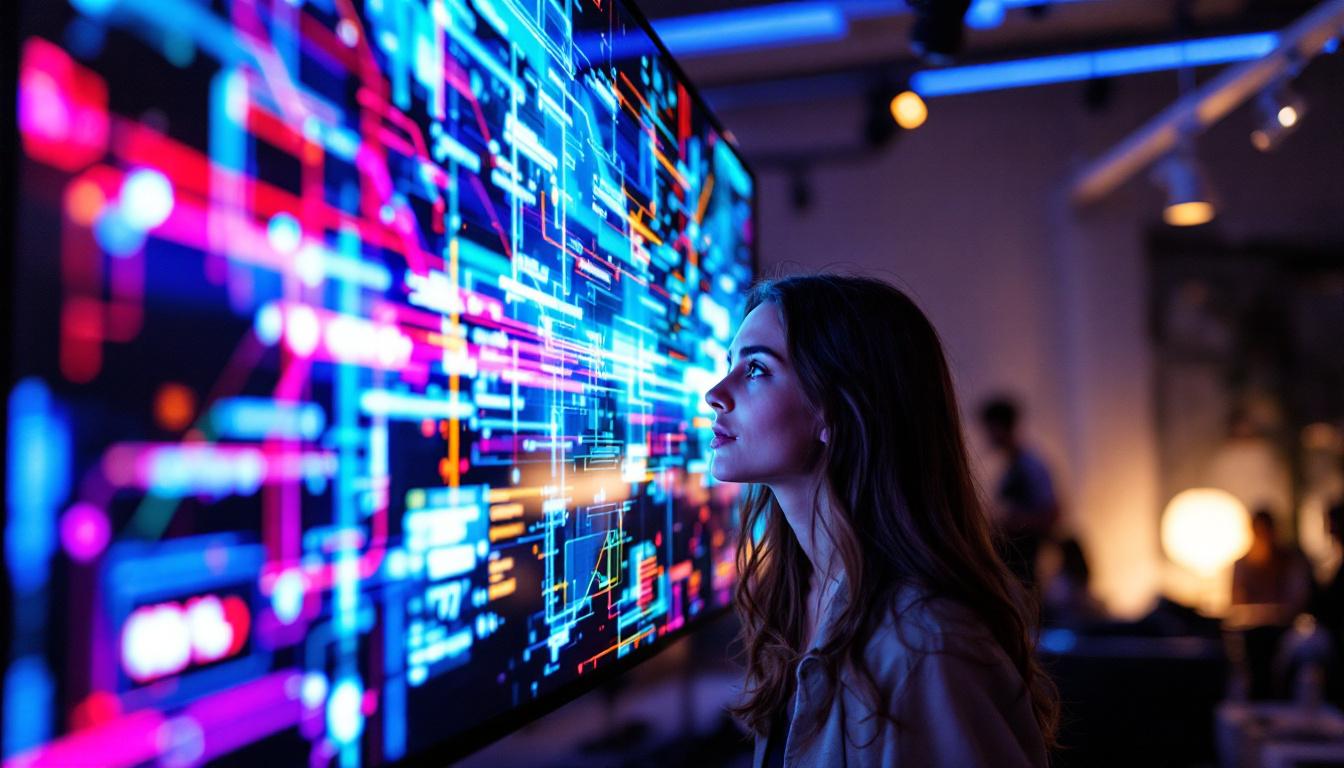
Immersion is a central goal in contemporary museum design. LED displays contribute significantly by enveloping visitors in visually rich environments. Panoramic LED walls or ceilings can simulate natural landscapes, historical settings, or abstract artistic interpretations, transforming the museum space into an experiential journey.
For instance, art museums may use LED projections to animate paintings or sculptures, adding layers of narrative and emotion. Science museums employ LED domes to recreate celestial phenomena, offering visitors a sense of wonder and discovery.
Technical Considerations for Museum LED Displays
Resolution and Pixel Pitch
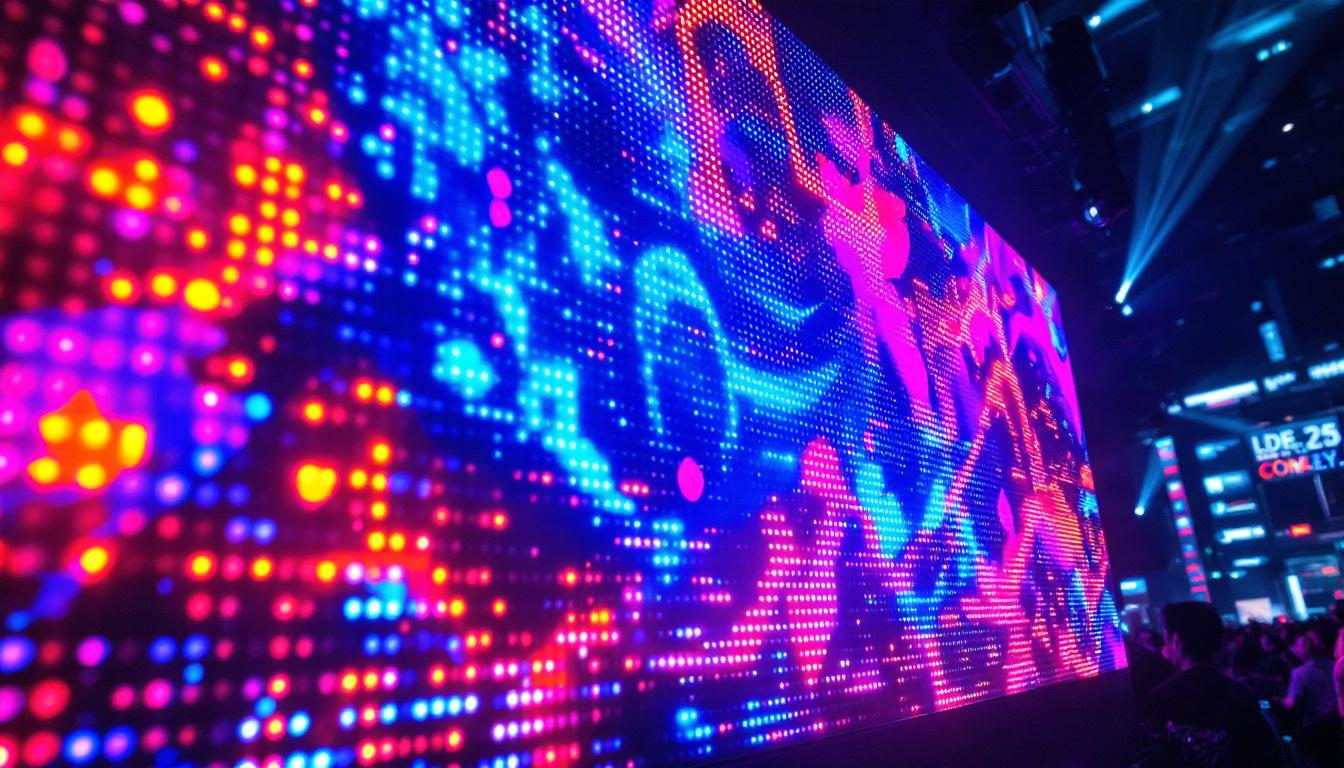
The quality of an LED display is largely determined by its resolution and pixel pitch. Pixel pitch refers to the distance between the centers of adjacent pixels, measured in millimeters. A smaller pixel pitch means higher pixel density, resulting in sharper and more detailed images.
For museum applications, where visitors often view displays from close proximity, high-resolution LED panels with pixel pitches as low as 1.2mm are preferred. These ensure text legibility and fine image detail, critical for educational content and intricate visuals.
Brightness and Color Accuracy
Brightness levels must be carefully calibrated to suit the museum environment. Excessive brightness can cause glare and discomfort, while insufficient brightness reduces visibility. Indoor LED displays typically operate between 800 to 1,200 nits, balancing clarity with visitor comfort.
Color accuracy is equally important, especially in art and history museums where faithful reproduction of artifacts and artworks is essential. Advanced calibration tools and color management systems are employed to maintain consistent and true-to-life colors across the display surface.
Durability and Maintenance
Museum installations demand reliable and low-maintenance solutions. LED displays are favored for their long lifespan—often exceeding 100,000 hours of operation—and resistance to environmental factors such as dust and temperature fluctuations.
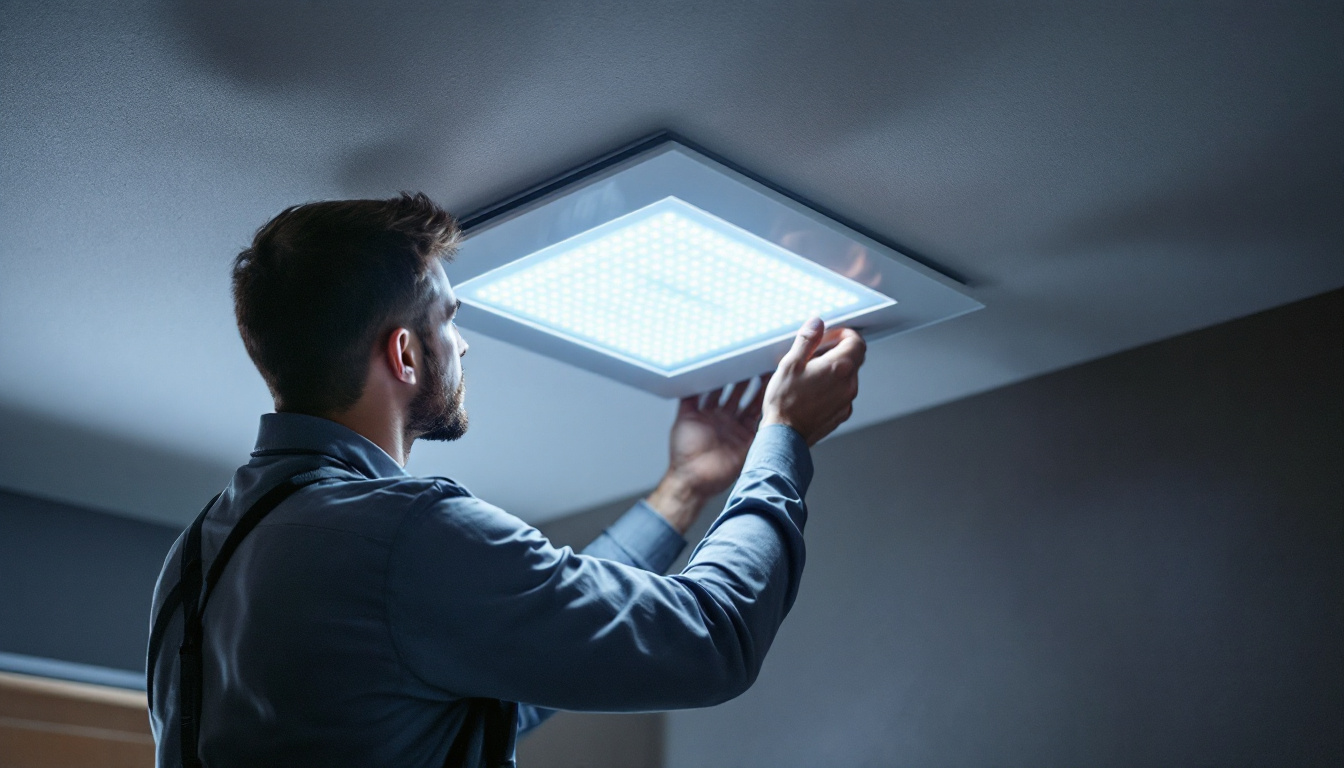
Modular design simplifies maintenance, allowing technicians to replace individual panels without dismantling the entire display. Additionally, many LED systems incorporate diagnostics that monitor performance and alert staff to potential issues, minimizing downtime.
Future Trends in LED Displays for Museums
Integration with Augmented and Virtual Reality
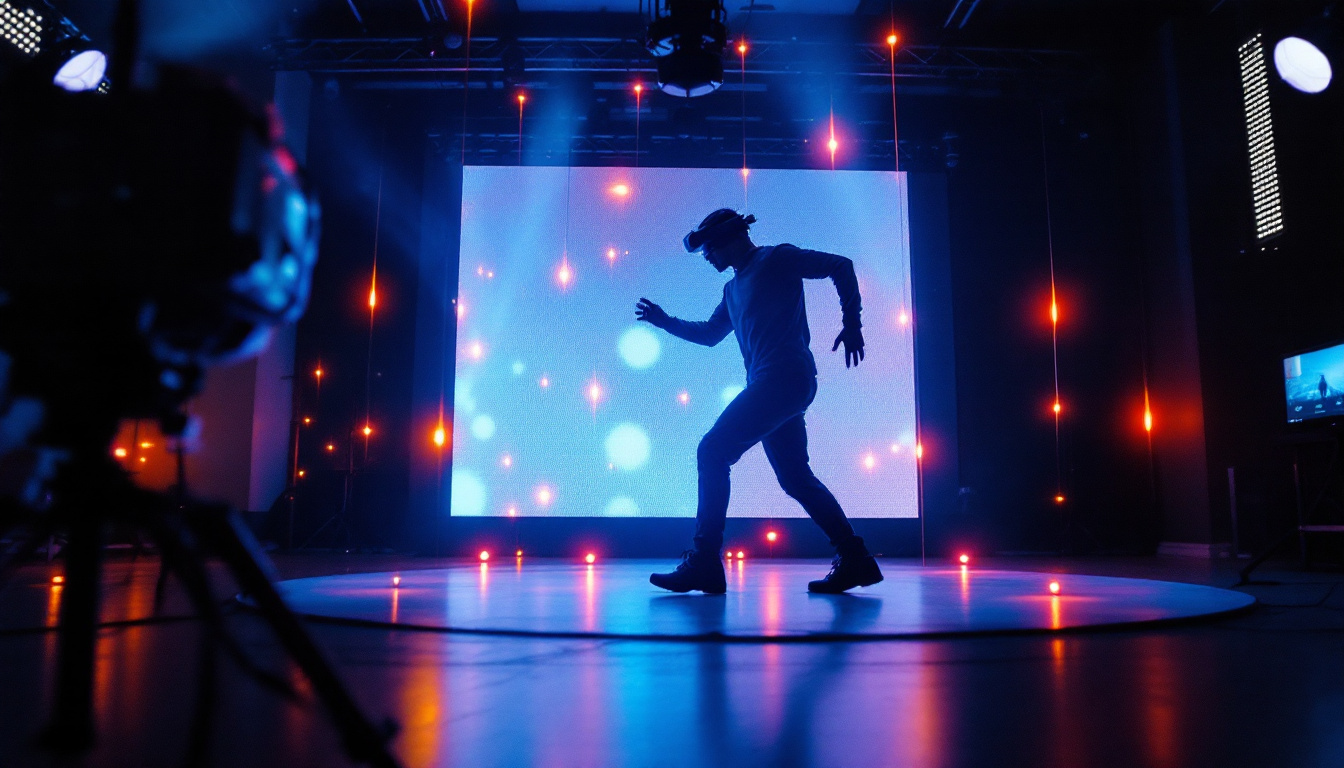
The convergence of LED display technology with augmented reality (AR) and virtual reality (VR) is poised to redefine museum experiences. LED walls can serve as immersive backdrops that interact with AR devices, creating seamless blends of physical and digital content.
For example, visitors might wear AR glasses that trigger contextual animations on LED displays as they move through exhibits, enhancing storytelling and interactivity. VR setups combined with LED environments can simulate historical events or scientific phenomena with unprecedented realism.
Energy Efficiency and Sustainability
As museums increasingly prioritize sustainability, LED technology continues to evolve toward greater energy efficiency. Advances in diode materials and power management reduce electricity consumption without compromising brightness or color quality.
Some institutions are integrating LED displays with smart building systems to optimize usage based on visitor flow and ambient light conditions. This not only lowers operational costs but also aligns with global efforts to reduce carbon footprints.
Customization and Artistic Expression
Future LED displays will offer even greater customization, enabling museums to push creative boundaries. Flexible and transparent LED panels, combined with advanced control software, allow for bespoke installations that merge art, architecture, and technology.
Artists and designers can experiment with dynamic light sculptures, interactive facades, and multi-sensory environments that respond to visitor presence or external stimuli. This fusion of technology and creativity promises to keep museums at the forefront of cultural innovation.
Case Studies: LED Displays in Action at Leading Museums
The Smithsonian National Museum of Natural History
The Smithsonian has incorporated large-scale LED displays to bring its exhibits to life. One notable installation is the “Deep Time” exhibit, where a massive LED wall animates the Earth’s geological history, illustrating tectonic shifts, climate changes, and evolutionary milestones. This dynamic visualization enhances visitor understanding of complex scientific concepts.
The Museum of Modern Art (MoMA), New York
MoMA uses transparent LED panels in its lobby and galleries to merge digital art with physical space. These installations display curated digital artworks that change regularly, offering visitors a fresh experience with each visit. The transparency of the displays maintains the architectural openness while adding a futuristic layer to the museum’s aesthetic.
The National Museum of China
This museum employs a vast LED dome to simulate immersive environments, such as ancient battlefields and natural wonders. The dome’s high-resolution LED panels create a 360-degree experience that transports visitors through time and space, highlighting the museum’s commitment to combining technology with cultural heritage.
Conclusion
LED displays have revolutionized the way museums communicate stories, engage audiences, and preserve cultural narratives. Their brightness, flexibility, and interactivity make them indispensable tools in the multimedia museum landscape. As technology advances, LED displays will continue to evolve, offering richer, more immersive experiences that captivate visitors and enhance educational outcomes.
For museums aiming to stay relevant in the digital age, investing in LED display technology is not just a choice but a necessity. By understanding the technical aspects, applications, and future trends of LED displays, museum professionals can make informed decisions that elevate their institutions and inspire generations to come.
Illuminate Your Exhibits with LumenMatrix
As you consider the transformative impact of LED displays in multimedia museums, LumenMatrix stands ready to illuminate your space with cutting-edge solutions. Our expertise in LED display technology is unmatched, offering a diverse range of products from Indoor and Outdoor LED Wall Displays to innovative LED Transparent Displays. Embrace the future of visual storytelling and create unforgettable visitor experiences with our advanced LED modules. Check out LumenMatrix LED Display Solutions and let us help you share your message with brilliance and precision.