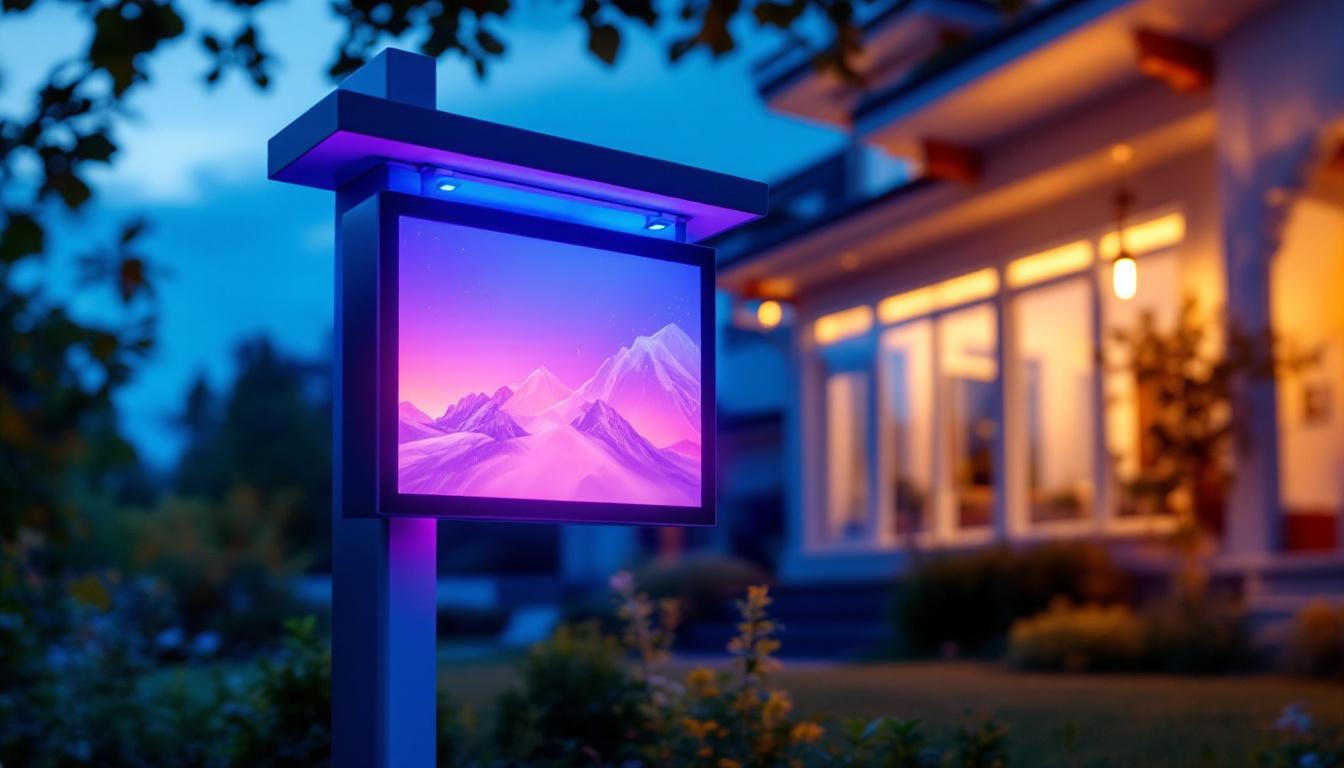
In today’s world, where visibility and aesthetics play a crucial role in both residential and commercial properties, illuminated house signs have become increasingly popular. Among the various options available, LED displays stand out as a modern, energy-efficient, and versatile solution. This article delves into the world of illuminated house signs, focusing on LED technology, its benefits, types, installation considerations, and maintenance tips to help homeowners and property managers make informed decisions.
Understanding Illuminated House Signs
Illuminated house signs are designed to make property identification easier, especially during nighttime or low-light conditions. Unlike traditional signs, which rely solely on ambient light, illuminated signs incorporate a light source to enhance visibility. This feature is particularly valuable for emergency services, visitors, delivery personnel, and passersby.
The primary purpose of these signs is to display house numbers, names, or other identifying information clearly and attractively. They serve both functional and decorative roles, contributing to the curb appeal of a property while ensuring that the address is unmistakable.
Why Illumination Matters
Visibility is critical for safety and convenience. According to a study by the National Fire Protection Association (NFPA), delays in locating homes during emergencies can have serious consequences. Illuminated signs help reduce these delays by ensuring addresses are easily seen from the street, regardless of lighting conditions.
Moreover, illuminated signs add a layer of sophistication and modernity to a property’s exterior. They can complement architectural styles and landscaping, making a home or building stand out in the neighborhood. The variety of designs available means homeowners can choose a sign that reflects their personal style, whether that’s a sleek, contemporary look or a more traditional aesthetic. Materials such as brushed metal, acrylic, or wood can be illuminated in various ways, including LED backlighting or integrated light fixtures, providing ample options for customization.
In addition to aesthetics, the energy efficiency of modern illuminated house signs cannot be overlooked. Many contemporary designs utilize LED technology, which consumes significantly less power than traditional incandescent bulbs. This not only reduces electricity bills but also minimizes the environmental impact, making illuminated signs a sustainable choice for homeowners looking to enhance their property. Furthermore, with advancements in solar technology, some illuminated signs can operate entirely off-grid, harnessing sunlight during the day to power their lights at night, thus offering an eco-friendly solution for visibility and style.
LED Technology in Illuminated Signs
Light Emitting Diodes (LEDs) have revolutionized the lighting industry due to their efficiency, longevity, and versatility. When applied to house signs, LED technology offers several advantages over traditional lighting methods such as incandescent or neon bulbs.
Energy Efficiency and Environmental Impact
LEDs consume significantly less power than conventional bulbs. For instance, an LED illuminated sign might use only 10-20% of the energy required by an incandescent equivalent. This efficiency translates into lower electricity bills and a reduced carbon footprint, aligning with growing environmental awareness and sustainability goals.
Many municipalities and homeowners associations now encourage or mandate energy-efficient lighting solutions, making LED illuminated signs a practical choice for compliance. Furthermore, the reduced energy consumption of LEDs contributes to less strain on local power grids, especially during peak usage times, which can help mitigate the risk of blackouts and promote a more stable energy supply.
Durability and Longevity
LEDs have an impressive lifespan, often exceeding 50,000 hours of operation. This durability means fewer replacements and less maintenance over time. Additionally, LEDs are solid-state devices, making them more resistant to shock, vibration, and extreme weather conditions compared to fragile glass bulbs.
For outdoor signs exposed to rain, snow, and temperature fluctuations, this robustness is essential for reliable performance year-round. The ability of LEDs to maintain their brightness and color quality over time also ensures that your sign remains vibrant and eye-catching, enhancing visibility and appeal without the need for frequent updates or replacements.
Brightness and Customization
LEDs provide bright, uniform illumination that can be easily adjusted to suit specific needs. They are available in a range of colors and can be programmed for various lighting effects, including dimming, flashing, or color changes. This flexibility allows homeowners to create personalized signs that enhance their property’s character.
Moreover, LED technology supports advanced display options such as digital or scrolling text, enabling dynamic messaging beyond static house numbers or names. This capability is particularly beneficial for businesses that wish to convey promotions or important information to passersby, allowing for real-time updates that can attract more customers. Additionally, the integration of smart technology with LED signs can enable remote control and automation, making it easier than ever to manage your signage from anywhere, ensuring that your message is always current and relevant.
Types of LED Illuminated House Signs
When selecting an LED illuminated house sign, understanding the different styles and technologies available can help tailor the choice to individual preferences and requirements.
Backlit Signs
Backlit signs feature LEDs placed behind the sign face, creating a halo or glow effect around the letters or numbers. This style is subtle yet elegant, providing excellent readability without harsh glare. Backlit signs are often used for modern or minimalist home designs.
Front-Lit Signs
In front-lit signs, LEDs illuminate the sign face directly from the front. This method ensures maximum brightness and visibility, making it ideal for properties located on busy streets or in areas with poor ambient lighting. Front-lit signs can be crafted from various materials, including acrylic, metal, or wood, with the LED light enhancing the colors and textures.
Edge-Lit Signs
Edge-lit signs incorporate LEDs along the edges of a transparent or translucent sign face, causing the light to diffuse evenly across the surface. This technique produces a sleek, modern look and is popular for custom designs featuring etched or engraved elements.
Digital LED Displays
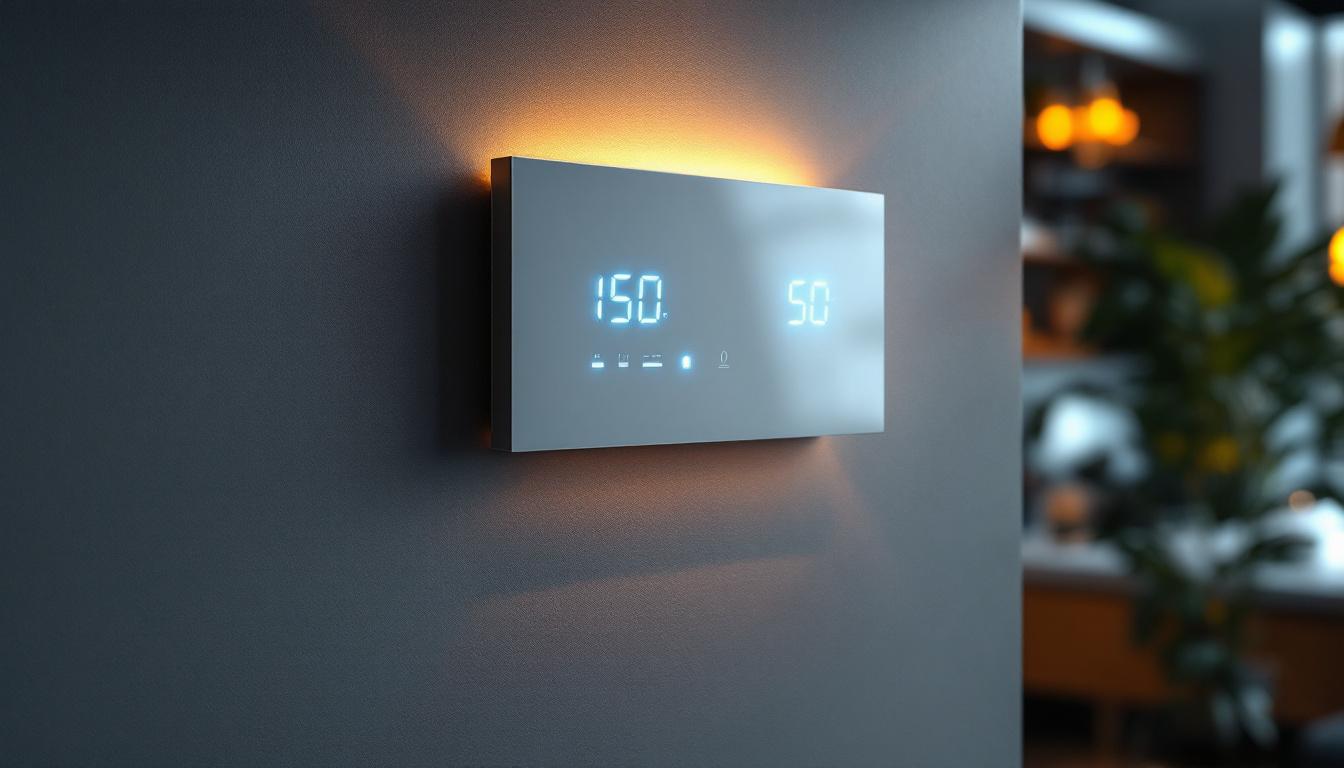
For those seeking dynamic functionality, digital LED displays offer programmable content such as scrolling text, animations, or time and temperature displays. While more common in commercial settings, these signs are increasingly adopted for residential use, especially in gated communities or multi-unit buildings where information updates are frequent.
Installation Considerations for LED Illuminated Signs
Proper installation is critical to maximize the benefits of LED illuminated house signs. Several factors influence the effectiveness, safety, and longevity of the installation.
Location and Visibility
Choosing the right location for the sign ensures optimal visibility from the street or driveway. The sign should be positioned at eye level or slightly above, unobstructed by trees, bushes, or other structures. Consideration of the angle and distance from the road is also important to ensure the sign can be read easily by approaching vehicles or pedestrians.
Power Supply and Wiring
LED signs require a reliable power source. Most residential LED signs operate on low-voltage DC power, which is safer and more energy-efficient. Installation may involve running wiring from the main electrical panel or using solar-powered options where wiring is impractical.
Engaging a licensed electrician is recommended to ensure compliance with local electrical codes and to guarantee safe, professional installation.
Weatherproofing and Materials
Since illuminated signs are exposed to the elements, materials and construction must be weather-resistant. Signs made from powder-coated aluminum, acrylic, or high-grade plastics offer excellent durability. Additionally, LED components should be sealed against moisture and dust ingress, typically rated with an IP (Ingress Protection) code indicating their suitability for outdoor use.
Maintenance and Troubleshooting
LED illuminated house signs are generally low-maintenance, but periodic care ensures they continue to perform optimally and look their best.
Cleaning
Regular cleaning removes dirt, dust, and grime that can diminish light output and aesthetic appeal. Use a soft cloth and mild detergent to clean the sign face and housing. Avoid abrasive materials or harsh chemicals that could damage surfaces or coatings.
Inspecting Electrical Components
Periodically check wiring connections, power supplies, and LED modules for signs of wear or damage. Early detection of issues such as loose connections or water ingress can prevent more significant problems and costly repairs.
Replacing LED Modules
Although LEDs have long lifespans, individual modules may occasionally fail. Many LED signs are designed with modular components that can be replaced without removing the entire sign. Consulting the manufacturer’s guidelines or hiring a professional ensures proper replacement and prevents voiding warranties.
Trends and Innovations in LED Illuminated House Signs
The LED illuminated sign industry continues to evolve, driven by advances in technology and changing consumer preferences.
Smart Lighting Integration
Integration with smart home systems allows homeowners to control their illuminated signs remotely via smartphones or voice assistants. Features such as scheduling, brightness adjustment, and color changes enhance convenience and energy savings.
Solar-Powered LED Signs
Solar-powered LED signs are gaining traction as eco-friendly alternatives that eliminate the need for electrical wiring. Equipped with photovoltaic panels and rechargeable batteries, these signs can operate autonomously, making them ideal for remote or off-grid locations.
Custom Design and 3D Printing
Advancements in 3D printing and CNC machining enable highly customized sign designs that incorporate intricate details and unique shapes. Combined with LED lighting, these signs become personalized works of art that reflect the homeowner’s style and personality.
Conclusion
Illuminated house signs with LED displays offer a compelling combination of visibility, energy efficiency, durability, and aesthetic appeal. Whether for enhancing safety, complying with regulations, or adding a touch of modern elegance, LED illuminated signs represent a smart investment for homeowners and property managers alike.
By understanding the technology, exploring various styles, and considering installation and maintenance factors, individuals can select the perfect LED illuminated sign to meet their needs. As innovations continue to emerge, the future of illuminated house signage promises even greater functionality and customization options, making it an exciting area to watch.
Illuminate Your Space with LumenMatrix
Ready to elevate your property with the cutting-edge appeal of LED illuminated house signs? LumenMatrix is at the forefront of LED display technology, offering a wide array of solutions that promise to transform your space. From captivating Indoor and Outdoor LED Wall Displays to innovative LED Sports and Floor Displays, our products are designed to enhance engagement and ensure your message shines with clarity. Discover the perfect LED display to complement your home or business by visiting LumenMatrix LED Display Solutions today.