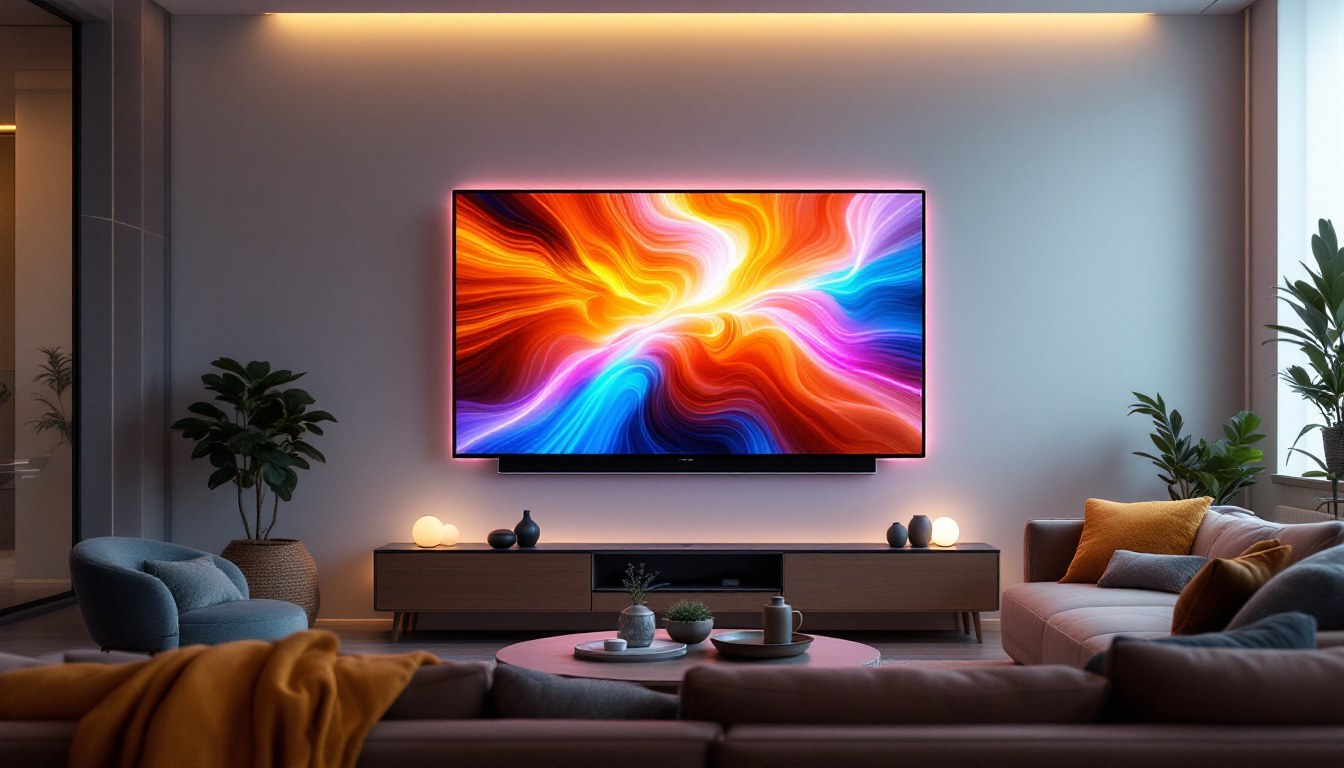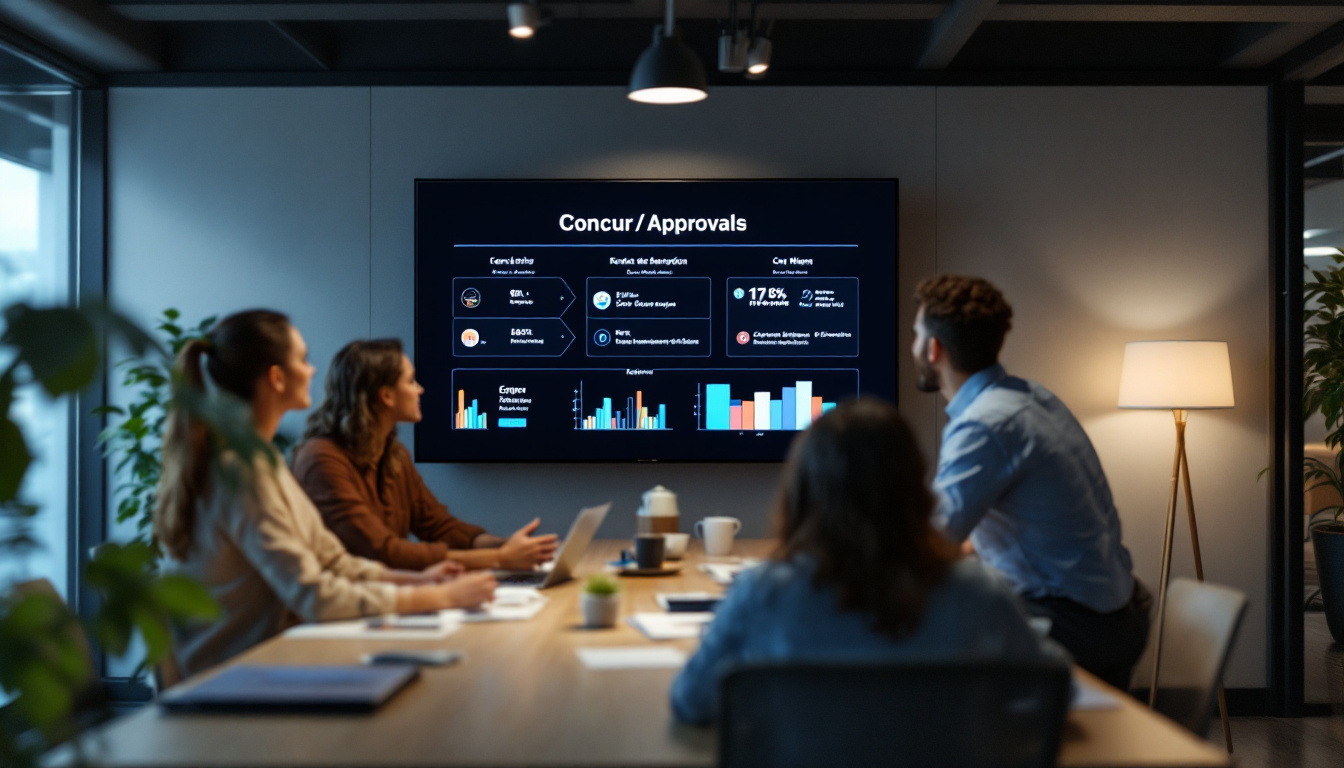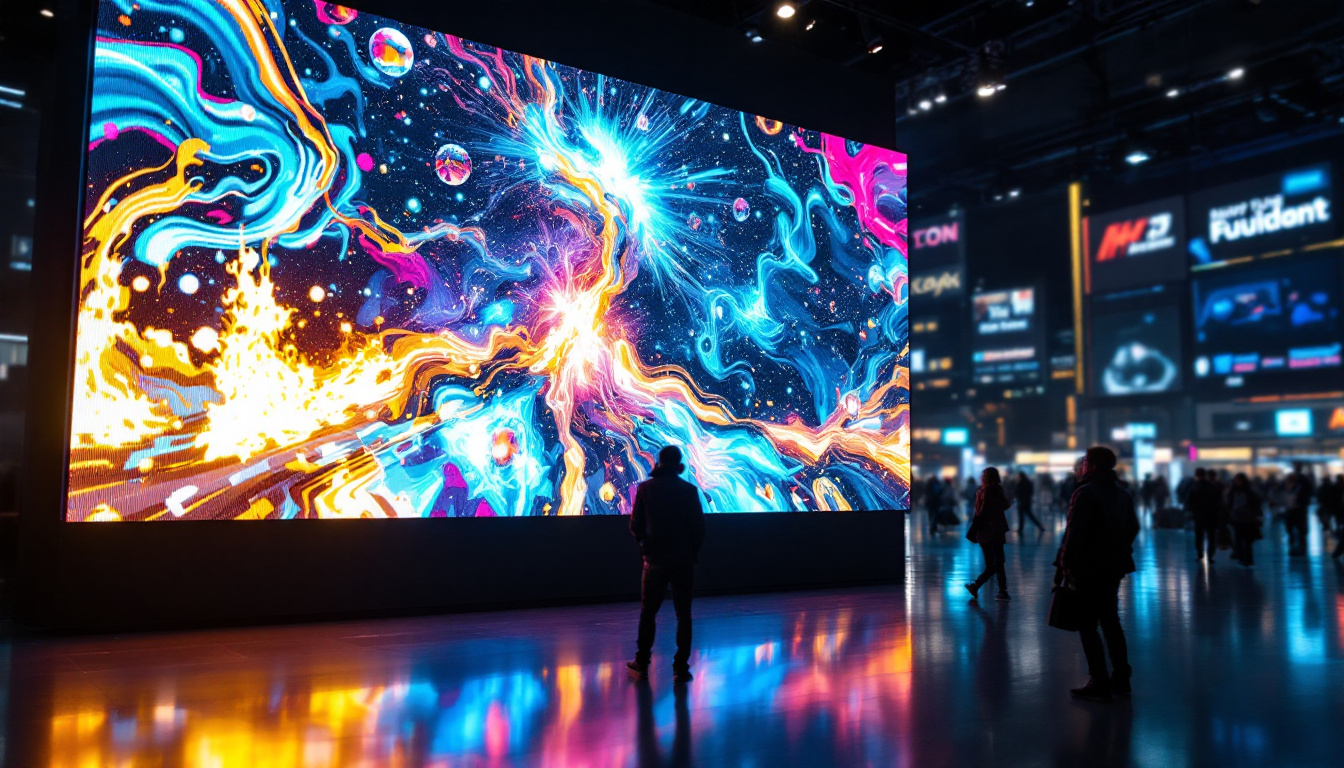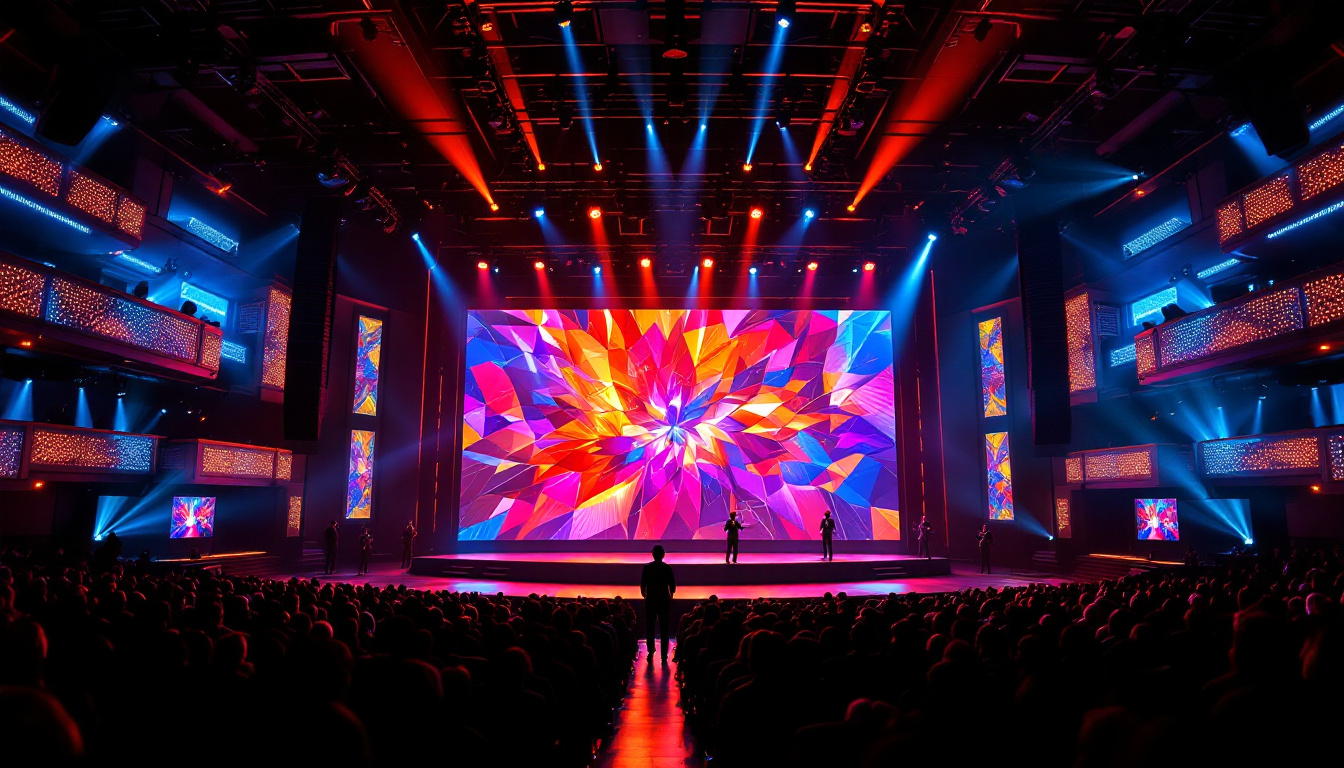
In the rapidly evolving world of digital technology, LED displays have become a cornerstone of modern visual communication. From billboards and stadium screens to handheld devices and home appliances, LED displays are everywhere. Among the many types of LED displays, the “Flat Clicker” LED display has emerged as a noteworthy innovation, combining sleek design with high functionality. This article explores the technology behind Flat Clicker LED displays, their applications, advantages, and what sets them apart in the competitive market of digital displays.
Understanding LED Display Technology
LED, or Light Emitting Diode, technology is the foundation of many modern display systems. Unlike traditional LCD or plasma screens, LED displays use tiny diodes that emit light when an electrical current passes through them. This direct emission of light results in brighter images, better contrast, and energy efficiency.
LED displays come in various forms—ranging from simple indicator lights to complex video walls. Their versatility stems from the ability to arrange LEDs in different configurations, pixel densities, and sizes, allowing for customization based on the intended use. For instance, outdoor LED displays are designed to withstand harsh weather conditions while maintaining high visibility, making them ideal for billboards and sports arenas. Conversely, indoor displays often focus on high resolution and color accuracy, catering to environments like theaters and conference rooms.
How LED Displays Work
At the core of an LED display is a matrix of LEDs arranged in rows and columns. Each LED acts as a pixel or part of a pixel, illuminating in specific colors to create an image. Modern LED displays use red, green, and blue (RGB) LEDs, which combine to produce a full spectrum of colors through varying intensities. This RGB configuration allows for a wide range of color combinations, enabling displays to produce vibrant visuals that captivate audiences.
Control systems manage the timing and brightness of each LED, enabling the display to show dynamic content such as videos, animations, or static images. The refresh rate, pixel pitch (distance between LEDs), and resolution are critical factors influencing display quality. For example, a lower pixel pitch results in a higher resolution, which is essential for close-up viewing scenarios, while a higher refresh rate ensures smooth transitions in fast-moving content. Additionally, advancements in LED technology, such as the development of microLED and miniLED, are pushing the boundaries of display capabilities, offering even greater brightness, contrast, and energy efficiency, which are crucial for both consumer electronics and large-scale commercial applications.
The Flat Clicker LED Display: What Makes It Unique?
The Flat Clicker LED display is a relatively new entrant in the LED market, designed to address specific challenges faced by traditional LED screens. Its name derives from its ultra-thin, flat form factor combined with a distinctive “click” mechanism used for easy installation and maintenance.
Design and Build
One of the standout features of the Flat Clicker LED display is its slim profile. Unlike bulky LED panels that require extensive mounting hardware, Flat Clicker displays are designed to be lightweight and sleek, making them ideal for indoor environments where aesthetics are paramount.
The “click” mechanism refers to a modular locking system that allows individual LED panels to snap together securely without the need for screws or complex tools. This innovation significantly reduces installation time and simplifies maintenance, as panels can be quickly removed and replaced if necessary. Furthermore, the seamless design minimizes visible gaps between panels, creating a more cohesive and visually appealing display that enhances the overall viewing experience.
In addition to its practical features, the Flat Clicker LED display is also available in a variety of customizable designs and colors, allowing businesses to tailor the appearance to fit their branding. This flexibility makes it a popular choice for retail spaces, event venues, and corporate environments, where the visual impact can play a crucial role in attracting and engaging customers.
Technical Specifications
Flat Clicker displays typically offer high pixel density, with pixel pitches ranging from 1.2mm to 2.5mm, which ensures crisp, clear images even at close viewing distances. The brightness levels are optimized for indoor use, generally between 800 to 1200 nits, sufficient to combat ambient lighting without overwhelming viewers.
Additionally, these displays support high refresh rates, often exceeding 3840 Hz, which eliminates flicker and ensures smooth motion rendering—an essential feature for live broadcasts and interactive applications. This capability is particularly beneficial in environments where dynamic content is displayed, such as sports arenas or concert venues, where fast-paced visuals are a staple.
Moreover, the Flat Clicker LED display incorporates advanced color calibration technology, ensuring that colors remain vibrant and consistent across the entire screen. This feature is crucial for applications that require precise color accuracy, such as digital signage in art galleries or fashion shows, where the true representation of hues can significantly impact viewer perception and experience. The combination of high-quality visuals and user-friendly design makes the Flat Clicker LED display a compelling option for a wide range of applications.
Applications of Flat Clicker LED Displays
Thanks to their innovative design and technical capabilities, Flat Clicker LED displays have found applications across a variety of sectors. Their versatility makes them particularly attractive for environments where visual impact and ease of use are critical.
Corporate and Retail Environments
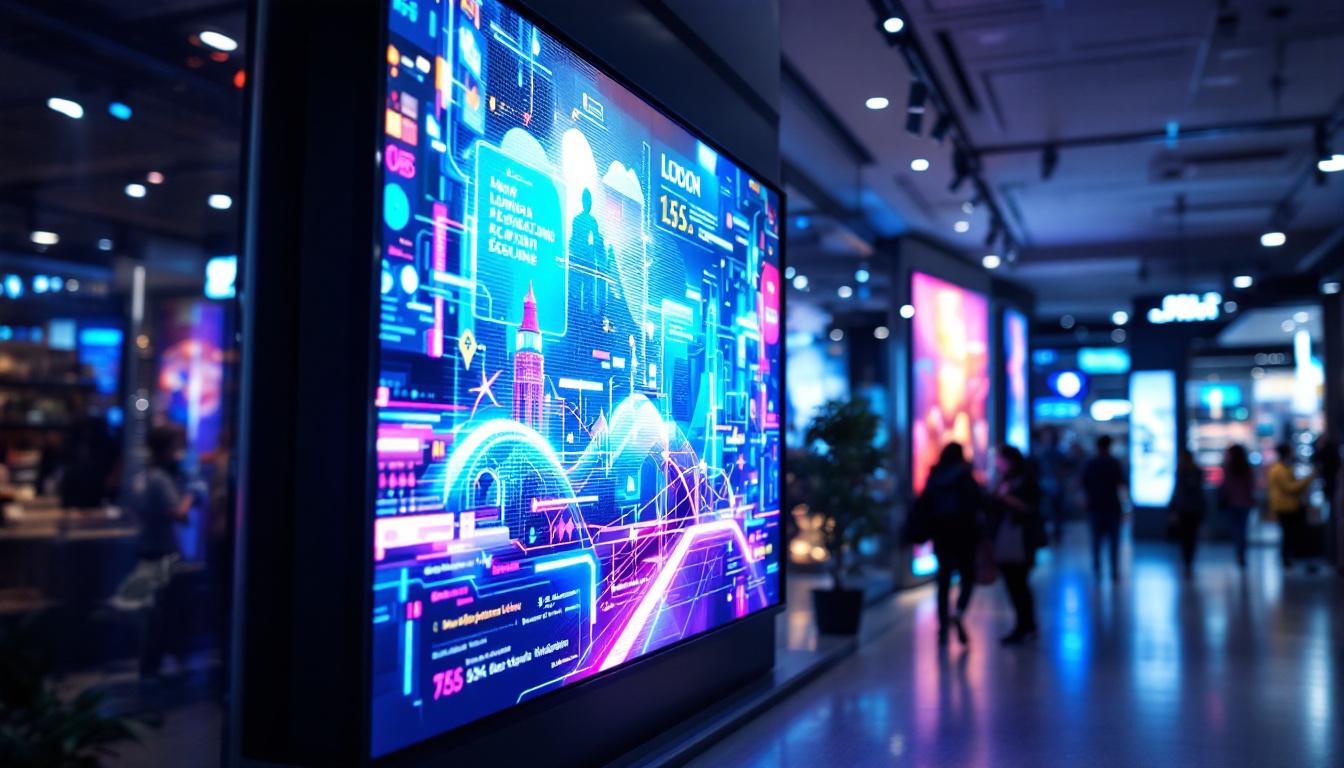
In corporate offices and retail stores, Flat Clicker displays are used for digital signage, presentations, and advertising. Their sleek design complements modern interiors, while the ease of installation allows businesses to update or relocate displays with minimal disruption.
Retailers benefit from the high resolution and brightness to showcase products and promotions vividly, enhancing customer engagement and driving sales. Moreover, the modular nature of the display means businesses can scale their digital signage solutions as needed.
Broadcast and Event Production
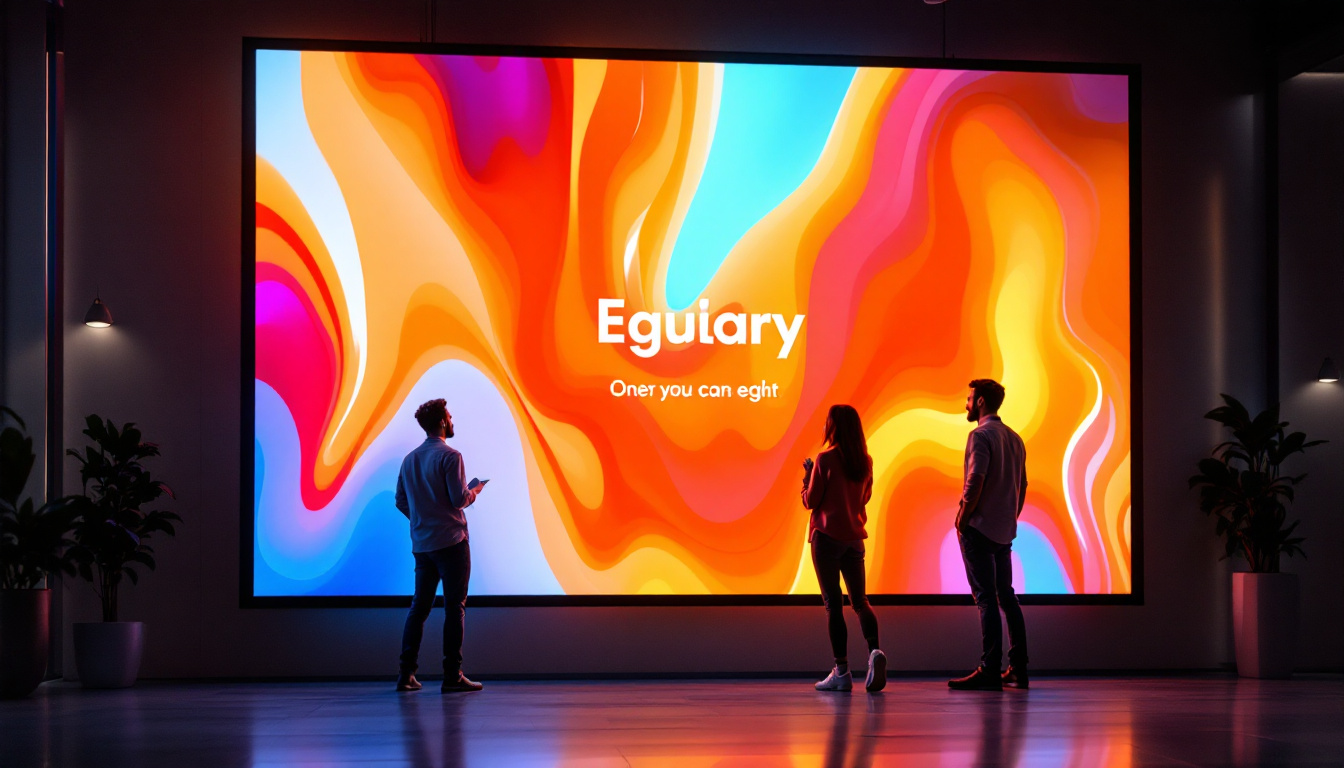
Flat Clicker LED displays are increasingly popular in broadcast studios and live event venues. Their high refresh rates and color accuracy make them ideal for background screens, virtual sets, and interactive displays. The ability to quickly assemble and disassemble panels reduces setup times, a crucial advantage in fast-paced production environments.
Education and Public Spaces
Educational institutions use these displays for digital notice boards, interactive learning modules, and event announcements. Public spaces such as airports, museums, and transportation hubs deploy Flat Clicker LED displays for wayfinding, advertisements, and real-time information updates.
Advantages Over Traditional LED Displays
While traditional LED displays have served well for many years, the Flat Clicker design addresses several limitations, offering tangible benefits to users.
Enhanced Aesthetics and Space Efficiency
The ultra-thin profile of Flat Clicker displays means they can be mounted flush against walls, creating a seamless visual experience. This is particularly important in environments where design and space are at a premium, such as luxury retail outlets or modern office spaces.
Modular and User-Friendly Installation
The click-and-lock mechanism simplifies installation and maintenance, reducing labor costs and downtime. Unlike traditional LED panels that require specialized tools and technicians, Flat Clicker displays empower users to manage their digital signage more independently.
Improved Image Quality and Performance
With higher pixel density and superior refresh rates, Flat Clicker displays deliver sharper images and smoother video playback. This enhances viewer experience, whether it’s a corporate presentation or a live sports broadcast.
Energy Efficiency and Longevity
LED technology is inherently energy-efficient, but Flat Clicker displays often incorporate advanced power management systems that further reduce energy consumption. Additionally, the modular design means that individual panels can be replaced without discarding the entire display, extending the overall lifespan.
Considerations When Choosing a Flat Clicker LED Display
Despite their many advantages, selecting the right Flat Clicker LED display requires careful consideration of several factors to ensure it meets specific needs.
Viewing Distance and Pixel Pitch
Pixel pitch is crucial in determining the optimal viewing distance. For close-up viewing, such as in conference rooms or retail counters, a smaller pixel pitch (around 1.2mm) is preferable to avoid visible pixelation. For larger venues where viewers are farther away, a wider pitch may suffice.
Brightness and Ambient Lighting
Indoor environments with varying lighting conditions require displays with adjustable brightness levels. Flat Clicker models typically cater to this need, but it’s important to verify that the display can handle the specific ambient light of the installation site.
Content Management and Connectivity
Modern LED displays often integrate with content management systems (CMS) that allow remote control and scheduling of displayed content. Ensuring compatibility with existing software and network infrastructure can streamline operations and maximize the display’s utility.
Budget and Total Cost of Ownership
While Flat Clicker LED displays may have a higher upfront cost compared to traditional panels, their ease of installation, energy efficiency, and modular maintenance can result in lower total cost of ownership over time. Evaluating both initial investment and ongoing expenses is essential for informed decision-making.
The Future of Flat Clicker LED Displays
As digital display technology continues to advance, Flat Clicker LED displays are poised to evolve further. Innovations in micro-LED technology, flexible displays, and enhanced interactivity are likely to influence future iterations.
Manufacturers are investing in research to improve brightness, color accuracy, and durability while maintaining the user-friendly features that define the Flat Clicker line. Integration with IoT (Internet of Things) and AI-driven content management systems will also enhance the functionality and responsiveness of these displays.
Moreover, sustainability is becoming a key focus, with efforts to reduce electronic waste through modular designs and recyclable materials. Flat Clicker displays, with their easy-to-replace panels, align well with these environmental goals.
Conclusion
The Flat Clicker LED display represents a significant step forward in the design and functionality of digital screens. Its combination of sleek aesthetics, modular installation, and high-performance imaging makes it an attractive option for a wide range of applications—from corporate environments to public spaces and live events.
Understanding the technical specifications, advantages, and practical considerations of Flat Clicker LED displays enables businesses and organizations to make informed choices that enhance their visual communications. As technology progresses, these displays will continue to play a vital role in delivering vibrant, dynamic content that captures attention and drives engagement.
Discover LumenMatrix’s Innovative LED Solutions
Ready to elevate your visual communication with the sleek design and superior performance of Flat Clicker LED displays? LumenMatrix is at the forefront of LED display technology, offering a wide array of solutions that cater to every need—whether it’s for indoor ambiance, outdoor advertising, dynamic vehicle messaging, or any other application. Embrace the future of digital signage with LumenMatrix’s Indoor LED Wall Display, Outdoor LED Wall Display, and more, to create unforgettable visual experiences. Check out LumenMatrix LED Display Solutions today and transform your space into a vibrant canvas for engagement and interaction.