In an era where digital communication dominates, LED displays have become an integral part of how information is shared and experienced. From vibrant billboards to dynamic stadium screens, LED technology powers some of the most eye-catching and effective visual displays worldwide. This article delves into the fundamentals of LED displays, exploring their technology, applications, benefits, and future trends, providing a comprehensive understanding for businesses and enthusiasts alike.
Understanding LED Display Technology
What is an LED Display?
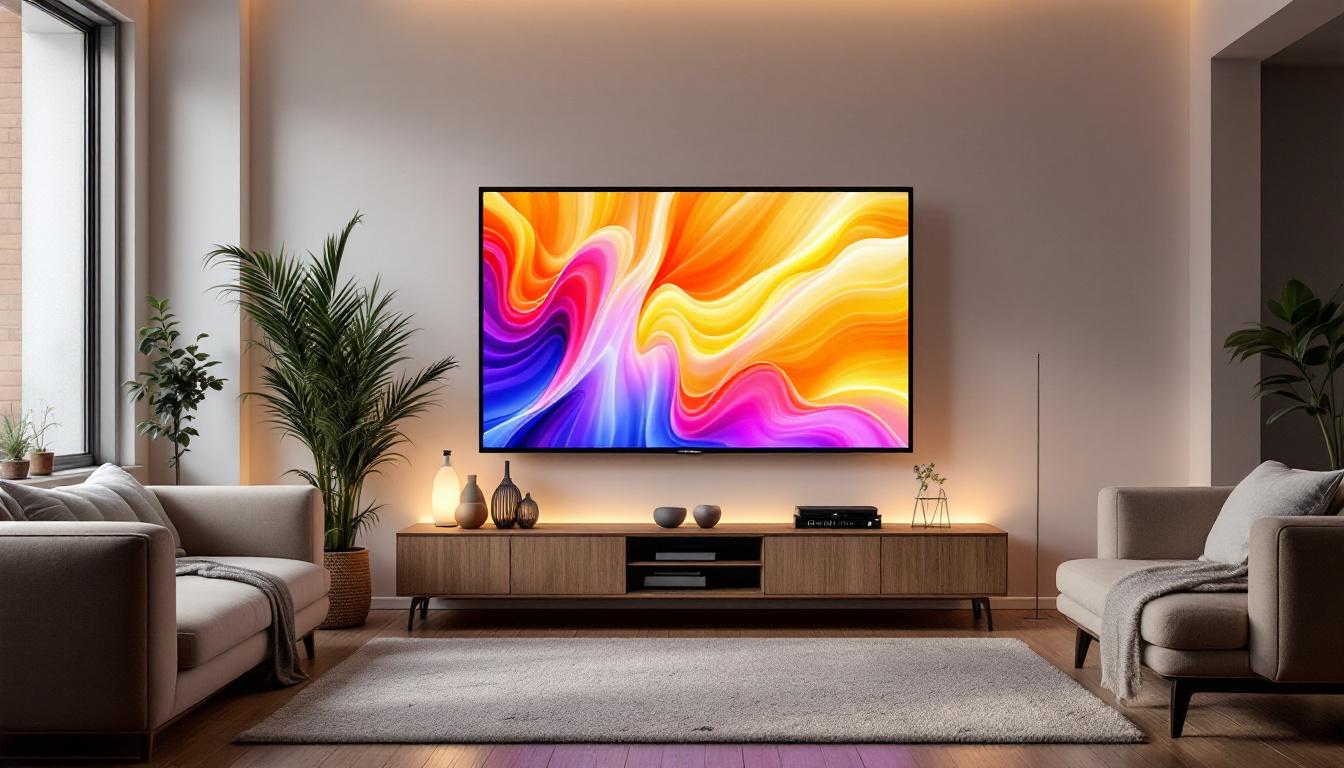
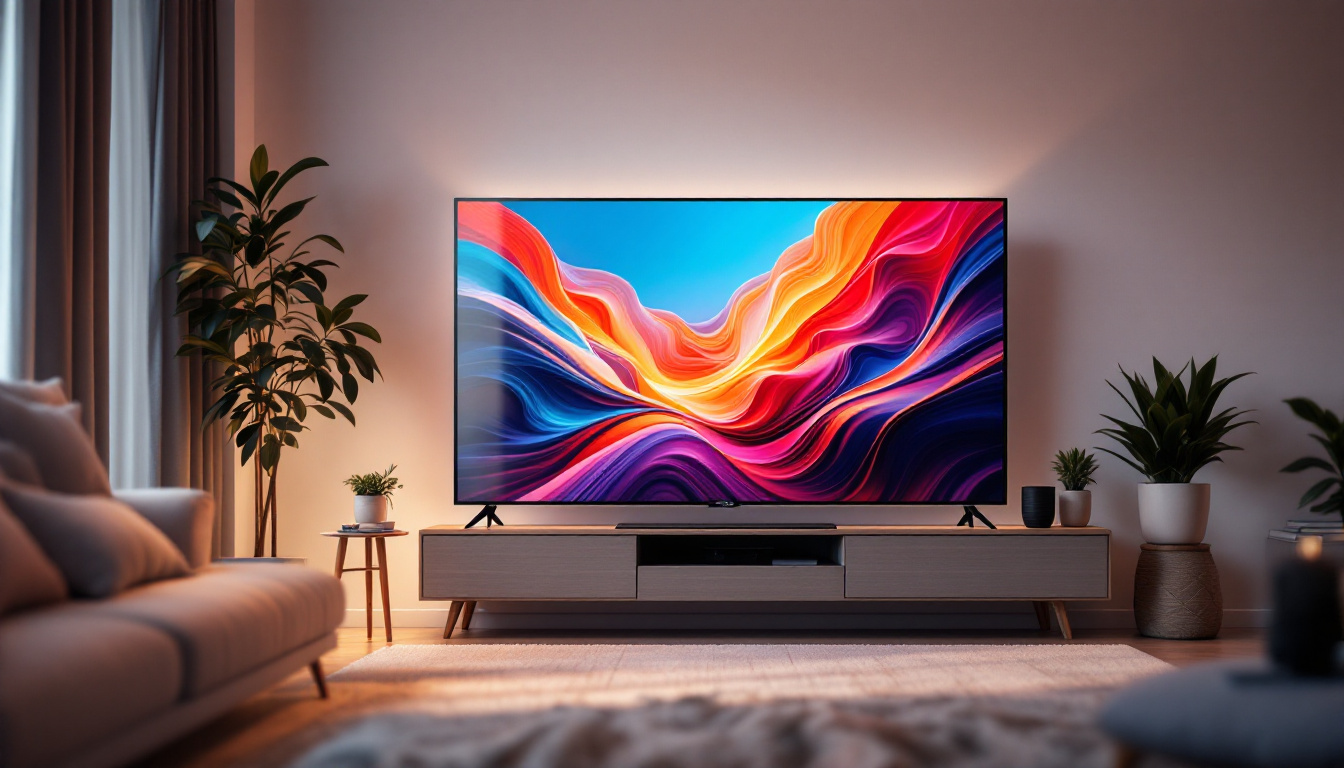
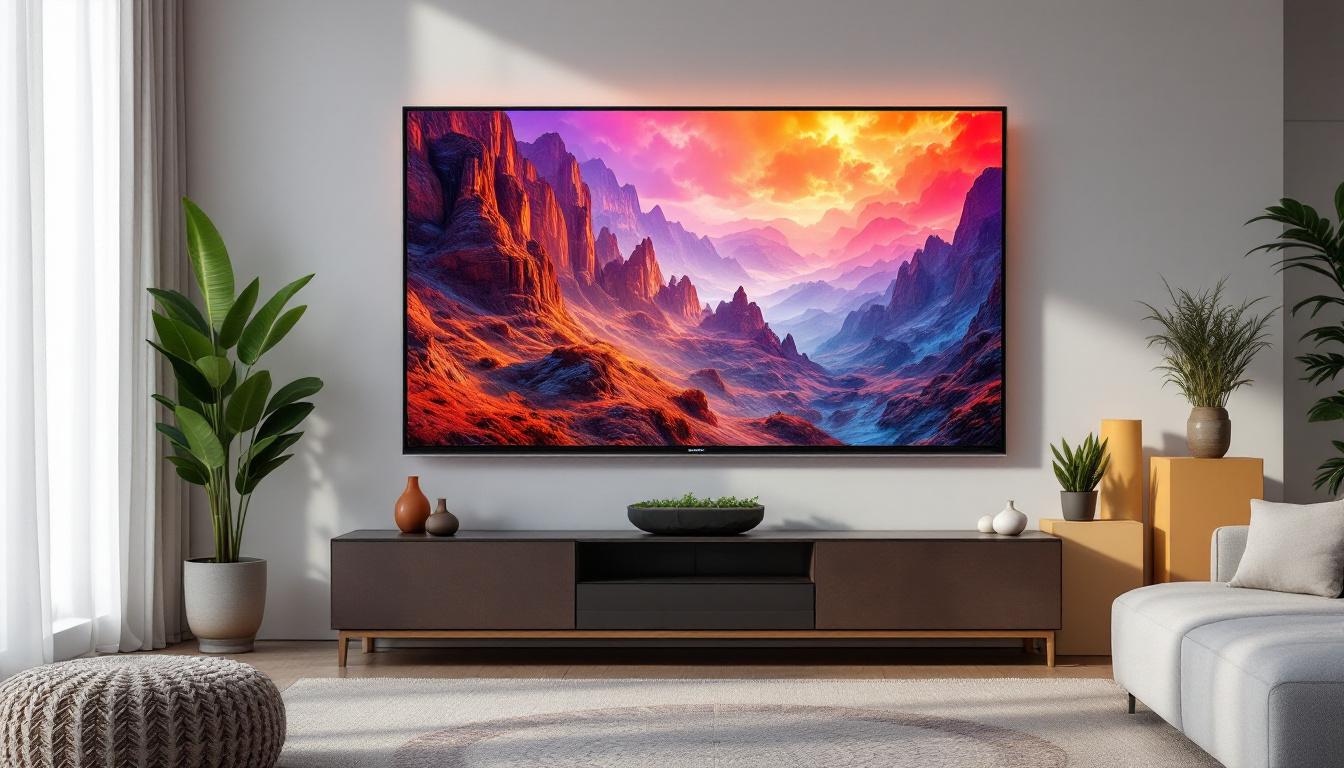
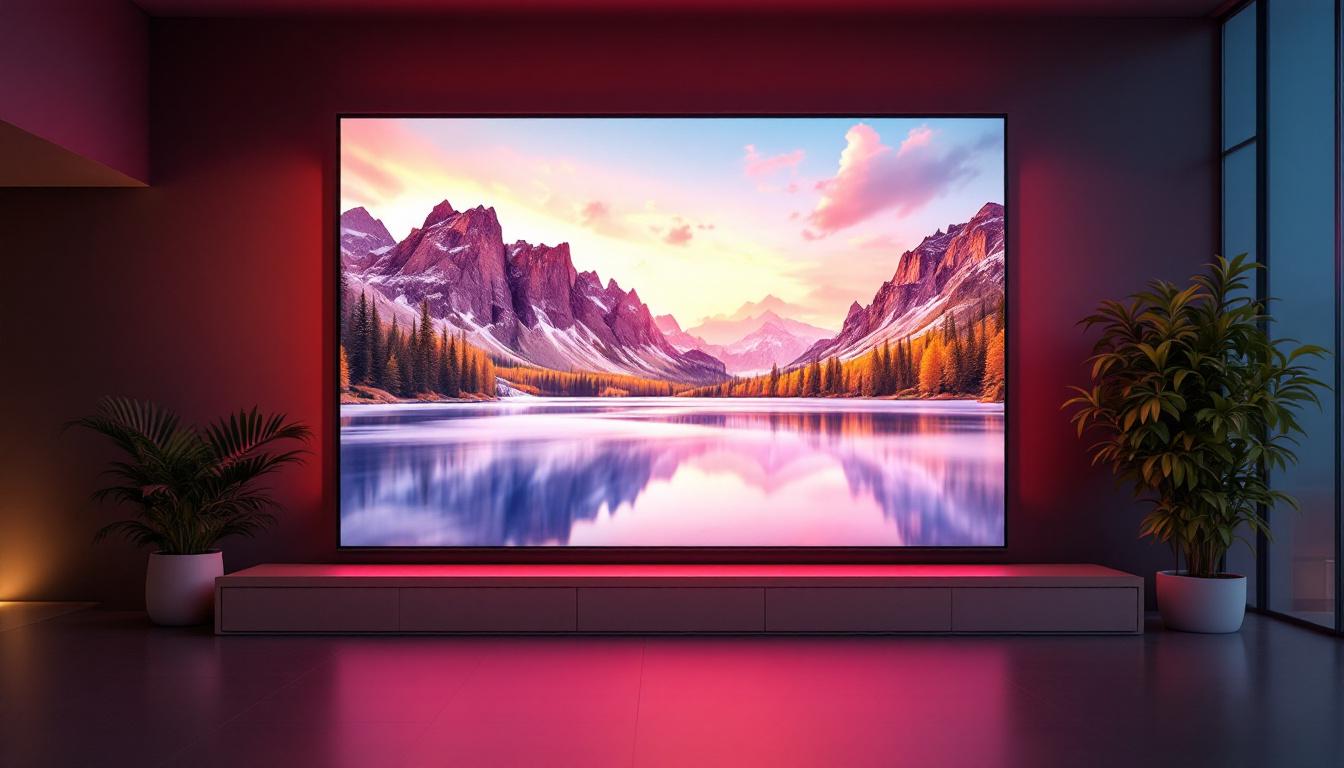
LED stands for Light Emitting Diode, a semiconductor device that emits light when an electric current passes through it. An LED display is essentially a flat panel that uses an array of these tiny LEDs to create images, videos, and text. Unlike traditional display technologies such as LCD or plasma, LED displays use these diodes as individual pixels, allowing for exceptional brightness, color accuracy, and energy efficiency.
The core advantage of LED displays lies in their self-illumination. Each LED emits light independently, eliminating the need for backlighting. This results in deeper blacks, higher contrast ratios, and better visibility in various lighting conditions, including direct sunlight. Furthermore, the lifespan of LED displays is significantly longer than that of traditional displays, often exceeding 50,000 hours, making them a cost-effective choice in the long run.
Types of LED Displays
LED displays come in several forms, each tailored to specific applications:
- Direct View LED (DV-LED): These displays use LEDs as the pixels themselves and are typically used in large-scale outdoor screens, stadium displays, and digital billboards.
- LED-backlit LCD: This technology uses LEDs as the backlight source for LCD panels, improving brightness and energy efficiency compared to traditional CCFL backlighting.
- MicroLED: An emerging technology featuring microscopic LEDs that serve as individual pixels, offering superior brightness and lifespan with potential applications in TVs and wearable devices.
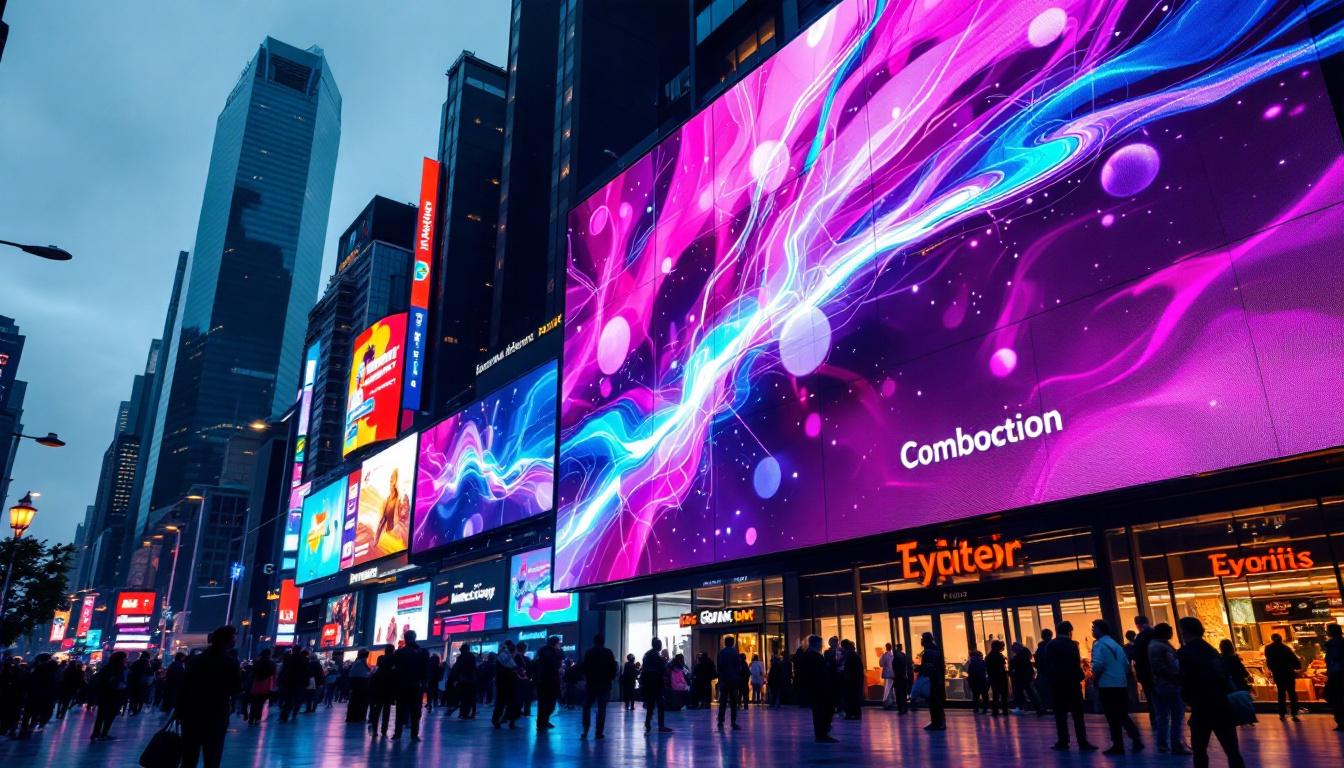
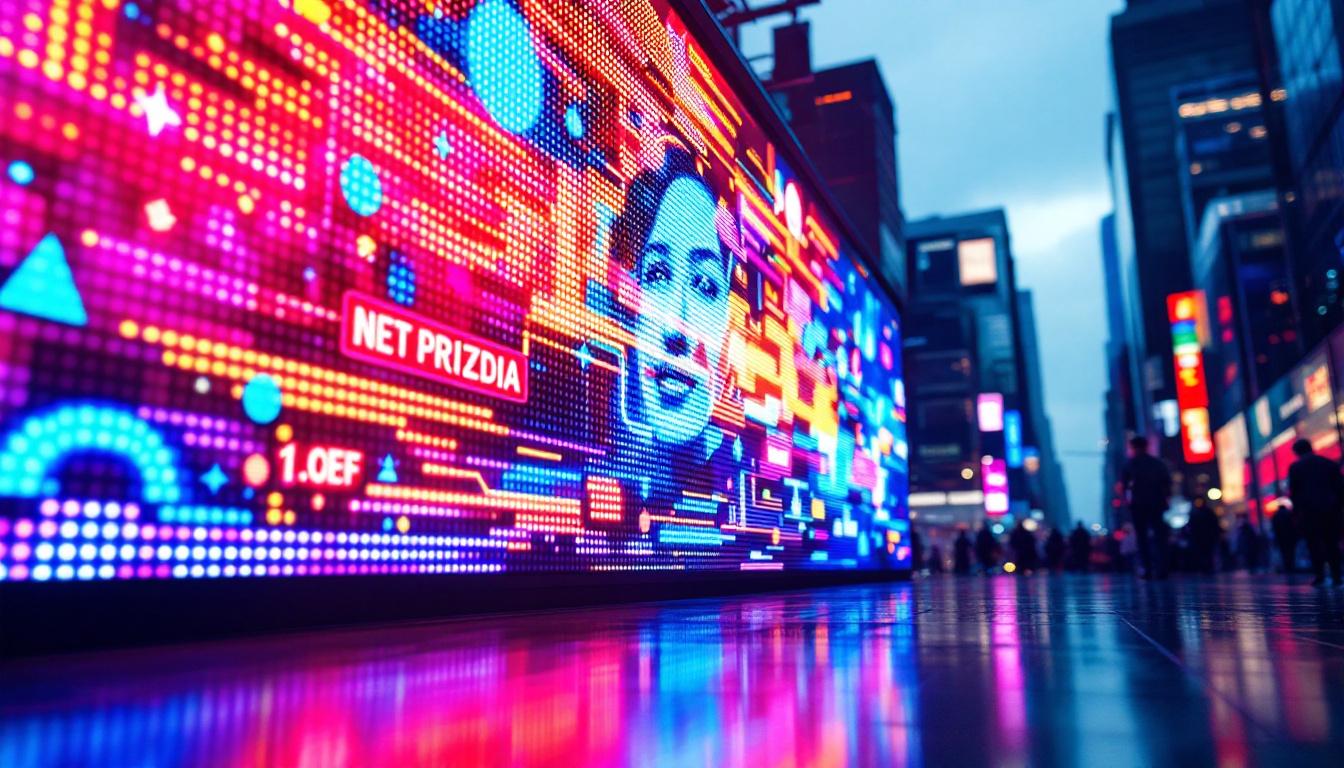
Among these, Direct View LED displays are the most common in commercial and public environments due to their scalability and high visibility. They can be configured in various sizes and shapes, allowing for creative installations that can capture attention from afar. This adaptability makes them ideal for advertising, entertainment, and informational displays in bustling urban areas.
Moreover, the rapid advancements in LED technology have led to innovations such as transparent LED displays, which allow for a see-through effect while still showcasing vibrant visuals. This feature opens up exciting possibilities for retail environments, where brands can engage customers without obstructing views of the products behind the screen. As the technology continues to evolve, we can expect even more groundbreaking applications that enhance how we interact with visual content in our daily lives.
Key Components and How LED Displays Work
LED Pixels and Modules
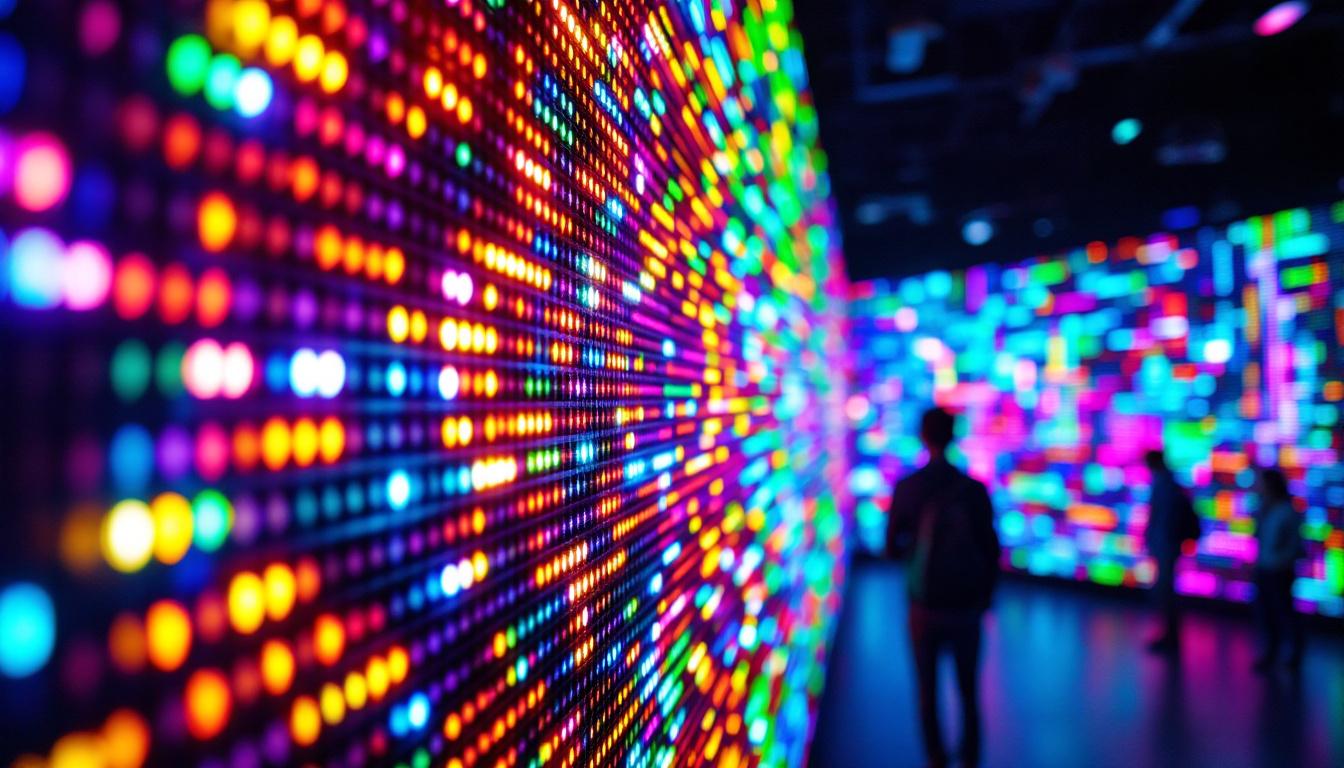
At the heart of an LED display are the pixels—tiny clusters of red, green, and blue LEDs that combine to produce a full spectrum of colors. Each pixel’s brightness and color intensity can be individually controlled, enabling the display to render complex images and videos with high fidelity. This precise control over each pixel allows for dynamic content that can change in real-time, making LED displays ideal for advertising, live events, and interactive installations.
Pixels are grouped into modules, which are then assembled into larger panels. This modular design allows for flexible screen sizes and shapes, from small indoor displays to massive outdoor video walls spanning hundreds of square meters. The ability to easily replace individual modules also enhances the longevity of the display, as damaged sections can be swapped out without the need for a complete overhaul. Furthermore, advancements in LED technology have led to the development of transparent and flexible displays, opening up new creative possibilities in architectural design and advertising.
Pixel Pitch and Resolution
Pixel pitch, measured in millimeters, refers to the distance between the centers of two adjacent pixels. It is a critical factor determining the display’s resolution and viewing distance. Smaller pixel pitch means higher pixel density, resulting in sharper images and closer optimal viewing distances. This is particularly important in environments such as shopping malls or airports, where viewers may be close to the display and require clear, detailed visuals to capture their attention.
For example, an indoor LED display might have a pixel pitch of 1.5mm to 2.5mm, providing crisp visuals at close range. Outdoor displays, designed to be viewed from tens of meters away, often have larger pixel pitches ranging from 6mm to 20mm or more. As technology progresses, manufacturers are continually pushing the boundaries of pixel pitch, allowing for even finer resolutions that enhance the viewing experience. The choice of pixel pitch not only affects image quality but also influences the overall cost and application of the display, making it a crucial consideration for buyers.
Control Systems and Software
LED displays rely on sophisticated control systems to manage the content shown. These systems process input signals, convert them into LED drive signals, and synchronize the modules to ensure seamless image rendering. Modern LED controllers support high-definition video, real-time data feeds, and remote content management, making them versatile tools for advertisers and event organizers. The integration of advanced software solutions allows users to schedule content, monitor display health, and even adjust settings remotely, streamlining operations and enhancing user experience.
Moreover, the rise of cloud-based control systems has revolutionized how content is delivered to LED displays. Users can now upload and manage content from anywhere in the world, making it easier to adapt messages in real-time based on audience engagement or current events. This flexibility is particularly beneficial for dynamic advertising campaigns that need to respond quickly to market trends. As LED technology continues to evolve, we can expect even more innovative control solutions that will further enhance the functionality and appeal of LED displays across various industries.
Applications of LED Displays
Advertising and Digital Signage
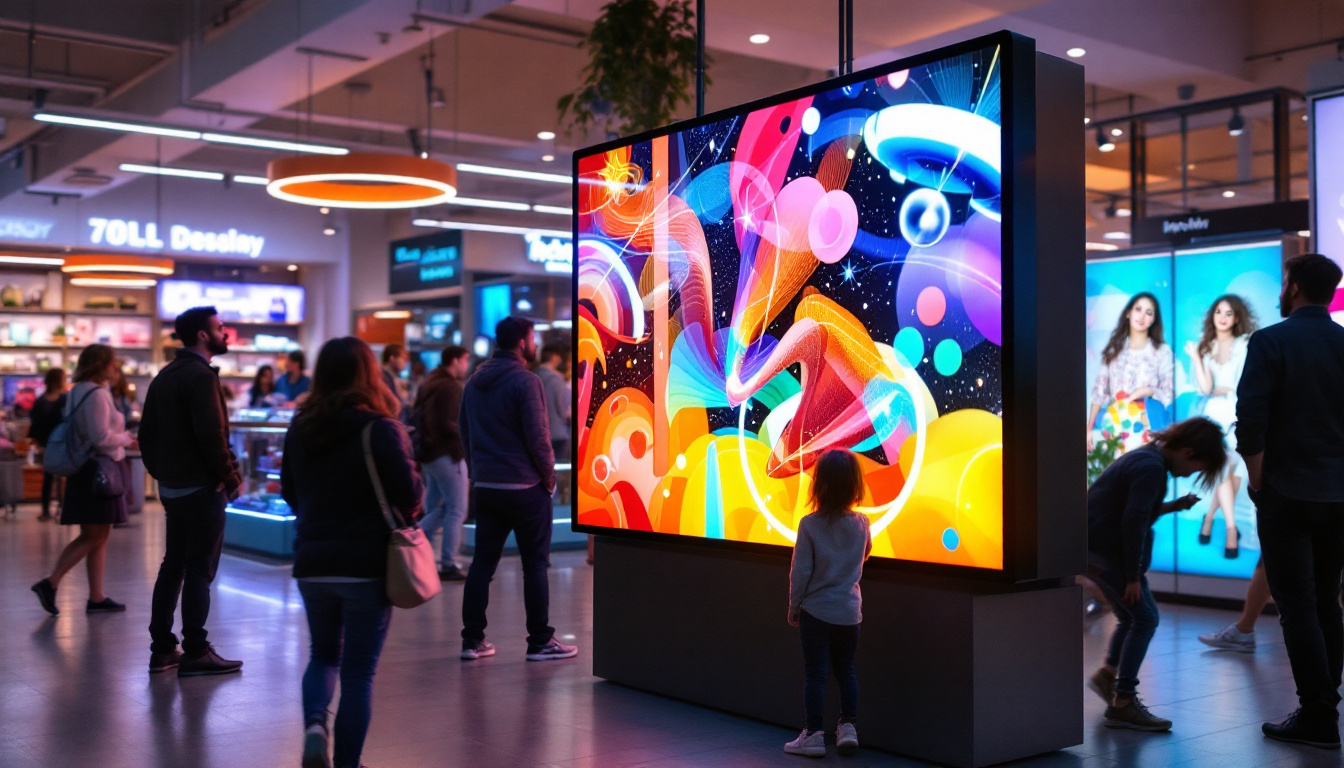
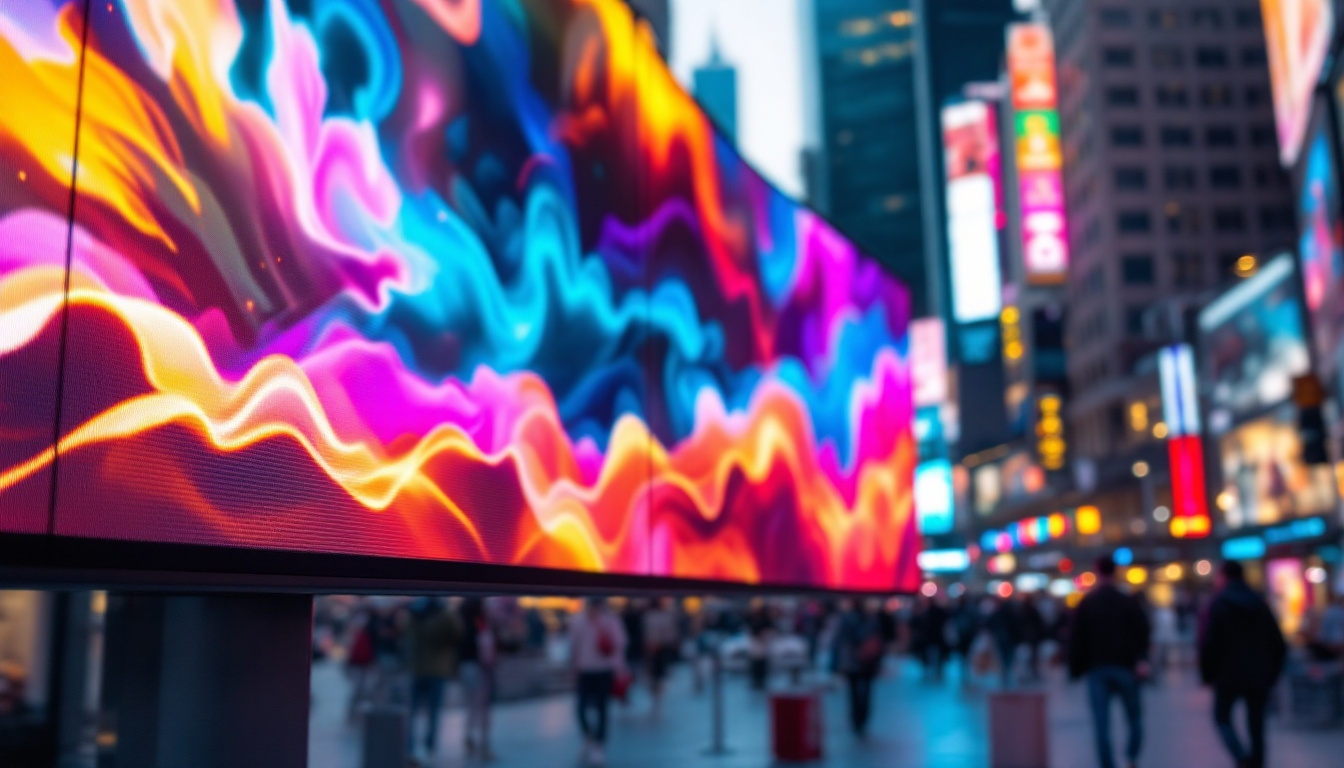
One of the most prevalent uses of LED displays is in advertising. Digital billboards equipped with LED technology can deliver dynamic, eye-catching content that changes in real-time. According to a 2023 report by Grand View Research, the global digital signage market is expected to grow at a compound annual growth rate (CAGR) of 11.2% through 2030, driven largely by LED display adoption.
LED displays enable advertisers to engage audiences with vibrant visuals and interactive content, increasing brand visibility and recall. Their high brightness ensures messages remain visible even under direct sunlight, making them ideal for outdoor environments.
Sports and Entertainment Venues
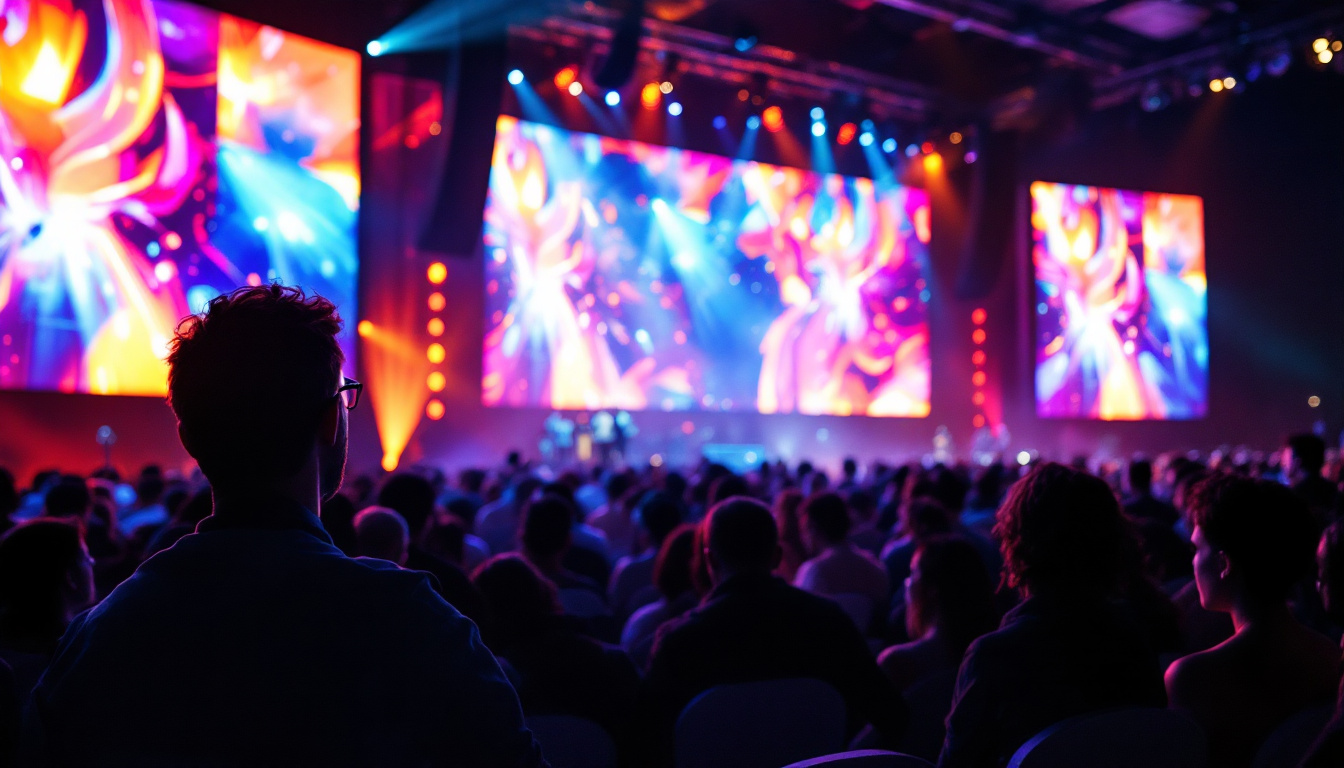
Stadiums and arenas utilize large-scale LED displays to enhance spectator experience. Scoreboards, live video feeds, and instant replays are displayed on massive LED screens, providing clear visibility to thousands of attendees. The ability to produce high-resolution images at large sizes is a key advantage of LED technology in these venues.
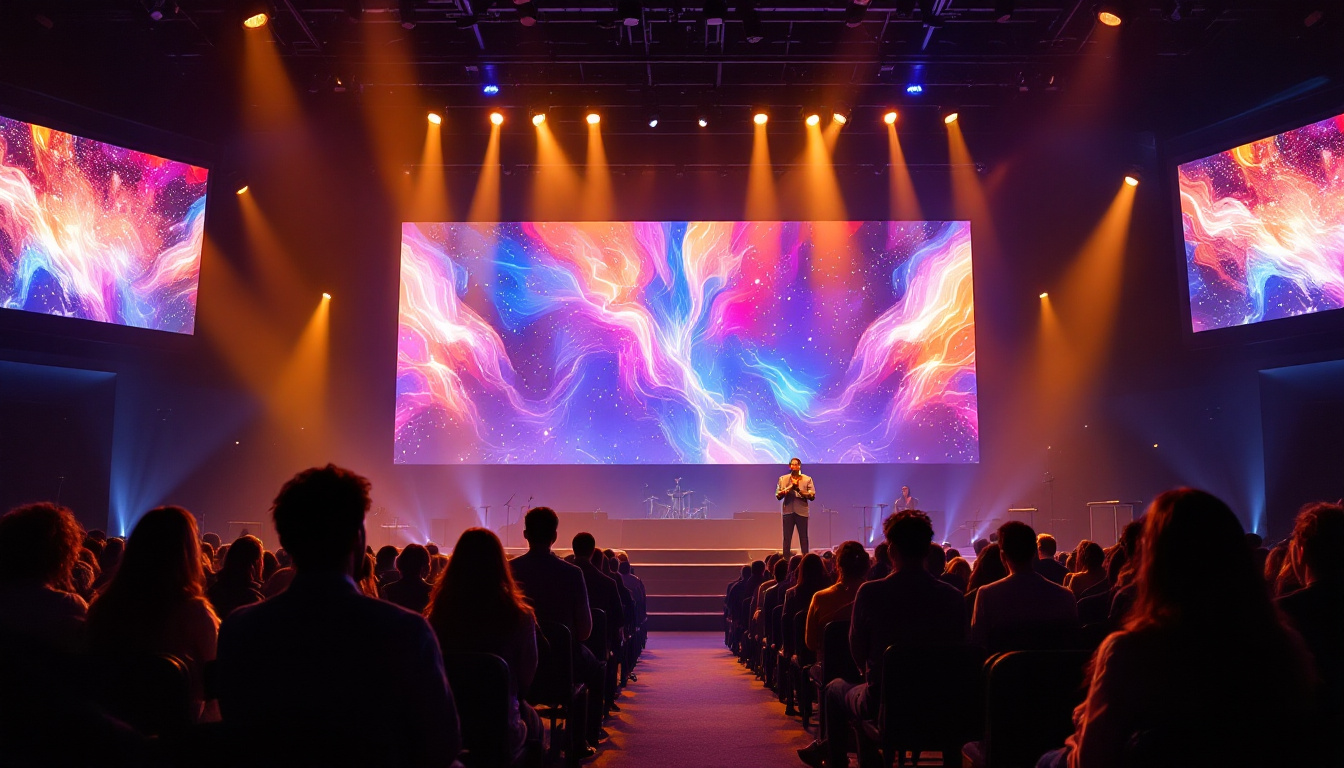
LED displays also play a crucial role in concerts and events, where stage backdrops and visual effects are synchronized with performances to create immersive experiences.
Transportation and Public Information
LED displays are widely used in transportation hubs such as airports, train stations, and bus terminals. Their reliability and visibility make them ideal for displaying schedules, alerts, and wayfinding information. For example, LED signage at major airports like London Heathrow and Dubai International ensures travelers receive timely updates in multiple languages.
Retail and Corporate Environments
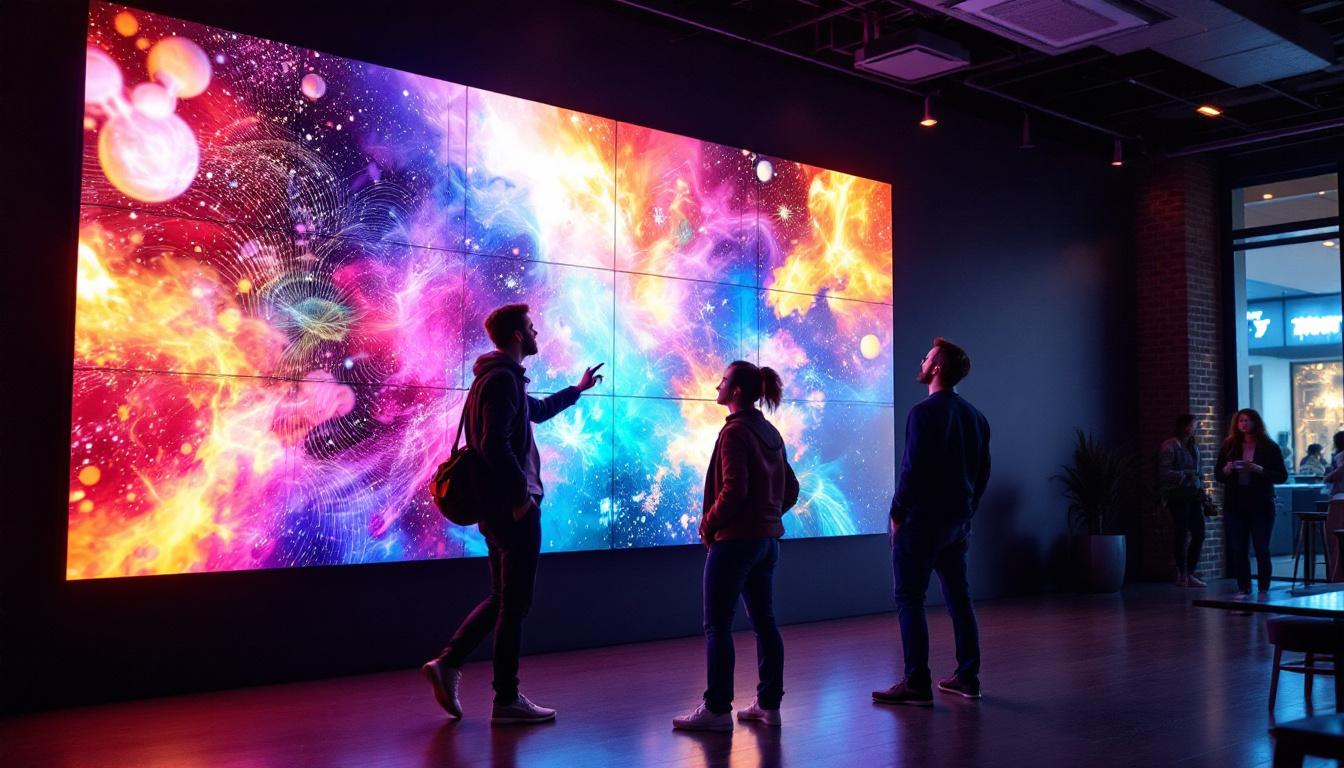
Retailers leverage LED displays for in-store promotions and digital window displays, attracting customers with vibrant, changing content. Corporations use LED video walls in lobbies and conference rooms for branding and presentations, enhancing corporate communication and ambiance.
Benefits of LED Displays
Energy Efficiency and Longevity
LED displays are renowned for their energy efficiency. Compared to traditional lighting and display technologies, LEDs consume significantly less power while delivering superior brightness. This translates into lower operational costs and a reduced environmental footprint.
Moreover, LEDs have a long operational lifespan, often exceeding 100,000 hours. This durability reduces maintenance requirements and replacement costs, making LED displays a cost-effective investment over time.
Brightness and Visibility
One of the standout features of LED displays is their exceptional brightness. Outdoor LED screens can reach brightness levels of 5,000 to 10,000 nits, ensuring content remains visible even in direct sunlight. This capability is essential for outdoor advertising and public information systems where ambient light conditions vary widely.
Flexibility and Scalability
The modular nature of LED displays allows for unparalleled flexibility. Screens can be built to virtually any size and shape, from small digital signs to massive video walls covering entire building facades. This scalability makes LED technology suitable for a wide range of applications, adapting to diverse spatial and design requirements.
Color Accuracy and Image Quality
LED technology delivers vibrant colors and high contrast ratios, resulting in vivid, lifelike images. The ability to control each pixel’s brightness independently ensures smooth gradients and sharp details, enhancing the overall viewing experience.
Challenges and Considerations
Initial Investment Costs
While LED displays offer long-term savings, the initial investment can be substantial, especially for large-scale installations. Businesses must weigh upfront costs against potential benefits such as increased engagement and advertising revenue.
Environmental Impact and Disposal
Although LEDs are more environmentally friendly than many alternatives, responsible disposal and recycling of LED panels remain important. Components such as circuit boards and electronic parts require proper handling to minimize environmental harm.
Technical Expertise and Maintenance
Maintaining LED displays requires specialized knowledge to ensure optimal performance. Regular calibration, cleaning, and software updates are necessary to prevent image degradation and technical failures.
Future Trends in LED Display Technology
Advancements in MicroLED and MiniLED
Emerging technologies like MicroLED and MiniLED promise to revolutionize display quality further. MicroLEDs, with their microscopic size, offer higher pixel densities and improved energy efficiency, making them ideal for next-generation TVs, smartphones, and augmented reality devices.
MiniLED technology, which uses smaller LEDs for backlighting LCDs, enhances contrast and brightness, bridging the gap between traditional LED and MicroLED displays.
Integration with IoT and Smart Technologies
LED displays are increasingly integrated with Internet of Things (IoT) platforms, enabling real-time data-driven content updates and remote management. Smart LED signage can adapt content based on environmental factors, audience demographics, or time of day, enhancing relevance and engagement.
Sustainability and Eco-friendly Innovations
Manufacturers are focusing on developing more sustainable LED displays by using recyclable materials, reducing power consumption, and improving manufacturing processes. These efforts align with global trends toward greener technology solutions.
Conclusion
LED displays have transformed the way information and advertising are presented across industries. Their superior brightness, energy efficiency, and versatility make them a preferred choice for a wide range of applications, from outdoor billboards to immersive event experiences. As technology advances, LED displays will continue to evolve, offering even greater performance and integration capabilities.
For businesses and organizations looking to invest in digital display solutions, understanding the nuances of LED technology is essential. With the right approach, LED displays can enhance communication, captivate audiences, and deliver measurable returns on investment.
Explore Cutting-Edge LED Solutions with LumenMatrix
Ready to elevate your visual communication strategy with the latest in LED display technology? LumenMatrix is at the forefront of innovation, offering a diverse range of LED display modules designed to bring your brand to life. From the vibrancy of an Indoor LED Wall Display to the dynamic impact of an Outdoor LED Wall Display, and the versatility of Custom LED Displays to the futuristic appeal of LED Transparent Displays, our solutions are tailored to meet your unique needs. Experience the transformative power of LED displays and join the revolution in digital signage. Check out LumenMatrix LED Display Solutions today and see how we can help you create unforgettable visual experiences.