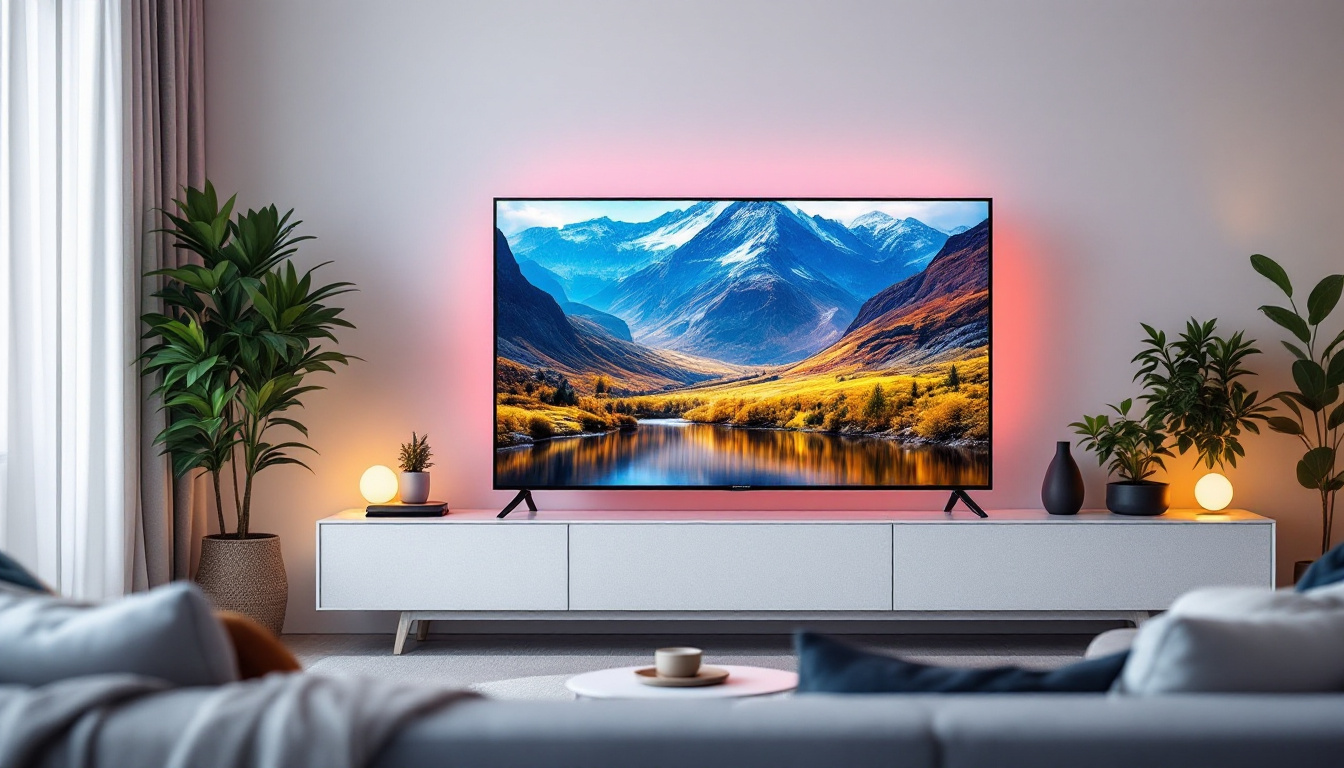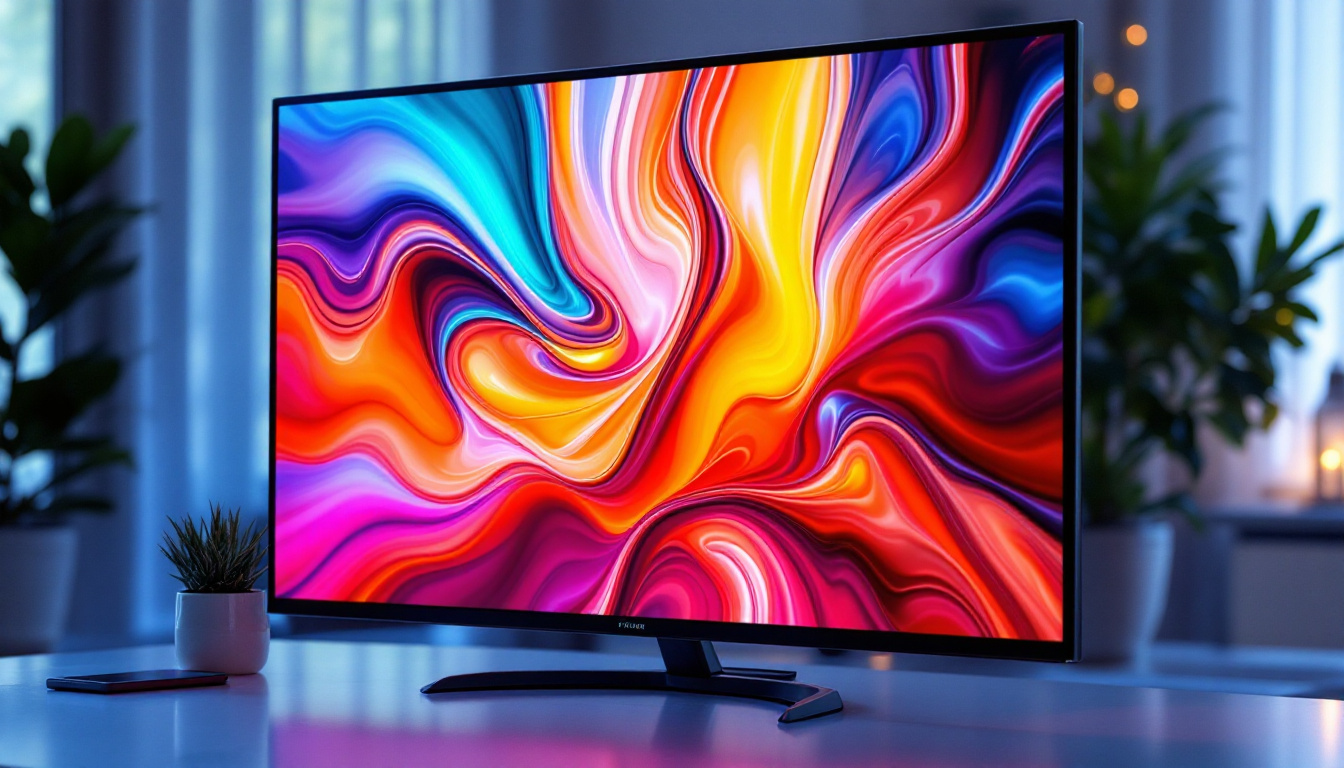
In the rapidly evolving world of television technology, consumers are often faced with a dizzying array of options. Among these, projection TVs and LED displays have carved out distinct niches, each offering unique benefits and considerations. This article delves into the essentials of projection TVs and LED displays, helping prospective buyers understand their differences, advantages, and what to look for when shopping for a projection TV for sale.
Understanding Projection TVs: A Classic Technology with Modern Appeal
Projection TVs, once a dominant force in home entertainment, have seen a resurgence thanks to advancements in display technology. Unlike traditional flat-panel TVs, projection TVs use a projector to cast images onto a screen or wall, creating a large, immersive viewing experience.
There are several types of projection TVs, including CRT (Cathode Ray Tube), LCD (Liquid Crystal Display), and DLP (Digital Light Processing). Each type uses a different method to project images, but all share the common trait of delivering large screen sizes at a relatively affordable price point compared to similarly sized flat panels.
How Projection TVs Work
Projection TVs operate by shining light through or onto a small image source, magnifying it, and projecting it onto a screen. CRT projection TVs use three small CRT tubes (red, green, and blue) to generate the image, while LCD and DLP projectors employ advanced technologies to create sharper and brighter images.
Modern projection TVs often utilize DLP technology, which uses microscopic mirrors to reflect light and create a vibrant image. This technology allows for high contrast ratios and excellent color accuracy, making it a favorite for home theater enthusiasts.
Advantages of Projection TVs
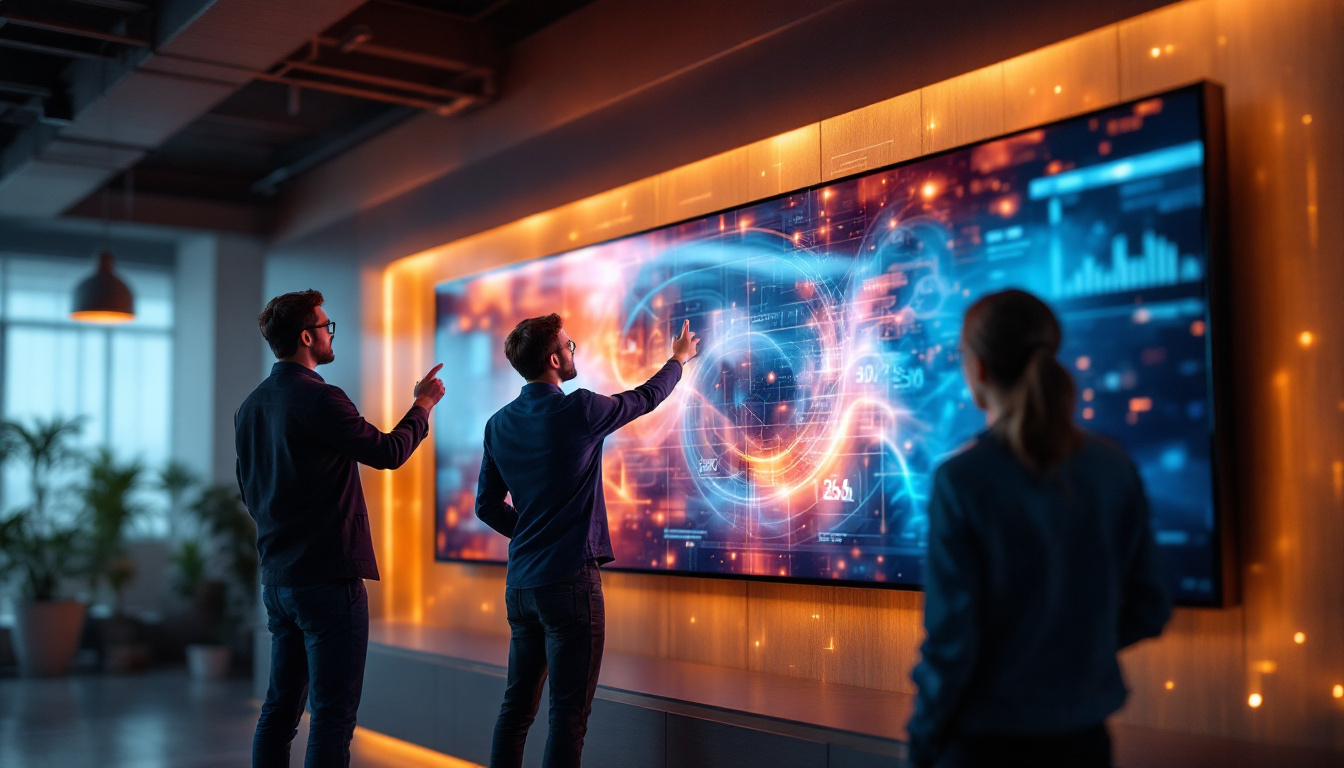
One of the main draws of projection TVs is their ability to produce very large images, often exceeding 100 inches diagonally, which is difficult to achieve with flat-panel TVs at a reasonable price. This makes them ideal for home theaters, gaming setups, and large rooms where immersive viewing is desired.
Additionally, projection TVs can be more space-efficient in certain setups, as the projector can be mounted on the ceiling or placed on a shelf, freeing up floor space. They also tend to have less glare compared to glossy flat-panel screens, enhancing viewing comfort in brightly lit rooms.
Another significant advantage of projection TVs is their adaptability to various environments. Many modern projectors come equipped with features such as lens shift and zoom capabilities, allowing users to adjust the image size and position without needing to move the projector itself. This flexibility is particularly beneficial for those who may want to use the projector for different purposes, such as movie nights, gaming marathons, or even presentations. Furthermore, advancements in short-throw projectors have made it possible to achieve large images from a much shorter distance, making them ideal for smaller spaces where traditional projectors might struggle.
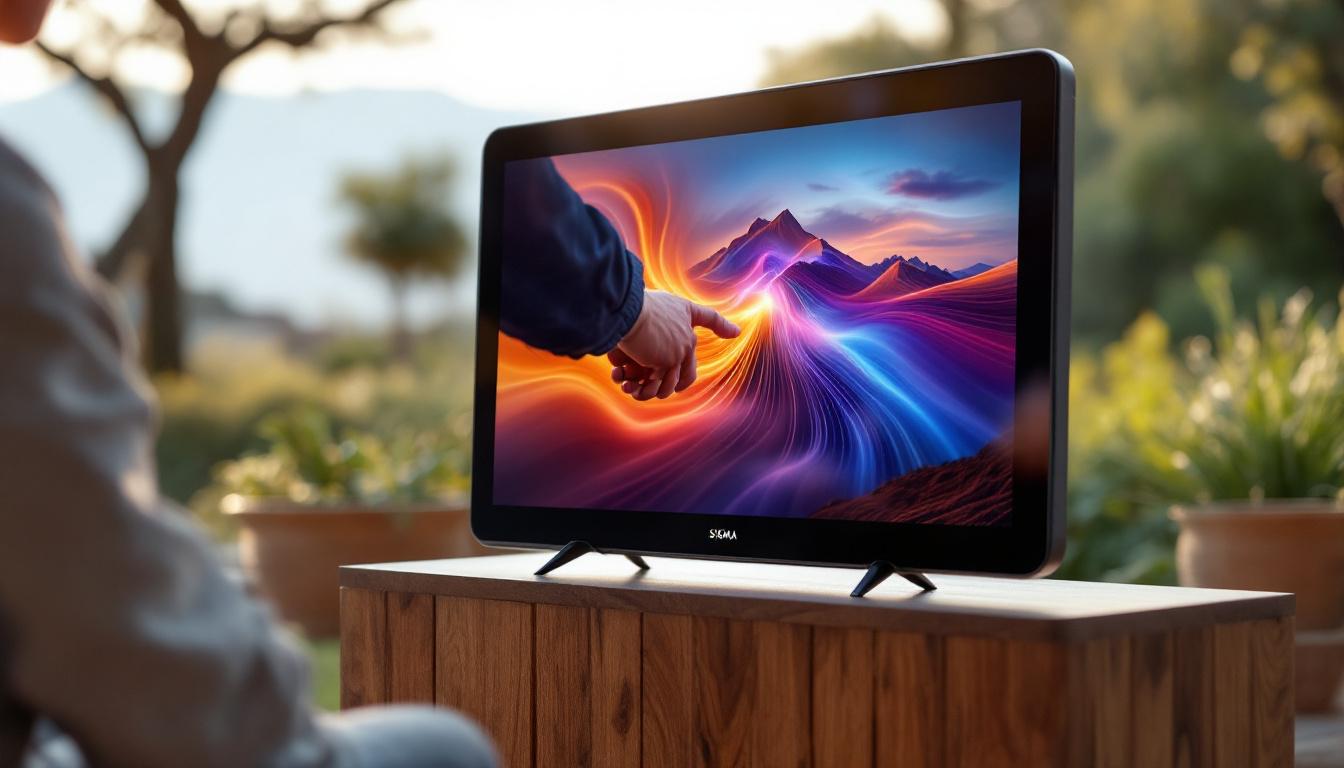
Moreover, the growing trend of outdoor movie nights has also contributed to the renewed interest in projection TVs. With portable projectors now available, families can easily set up a cinema experience in their backyards, adding a unique twist to gatherings and celebrations. The ability to project onto a large screen or even a blank wall under the stars creates a magical atmosphere that flat-panel TVs simply cannot replicate, making projection TVs a versatile choice for entertainment lovers.
LED Displays: The Modern Standard in Television Technology
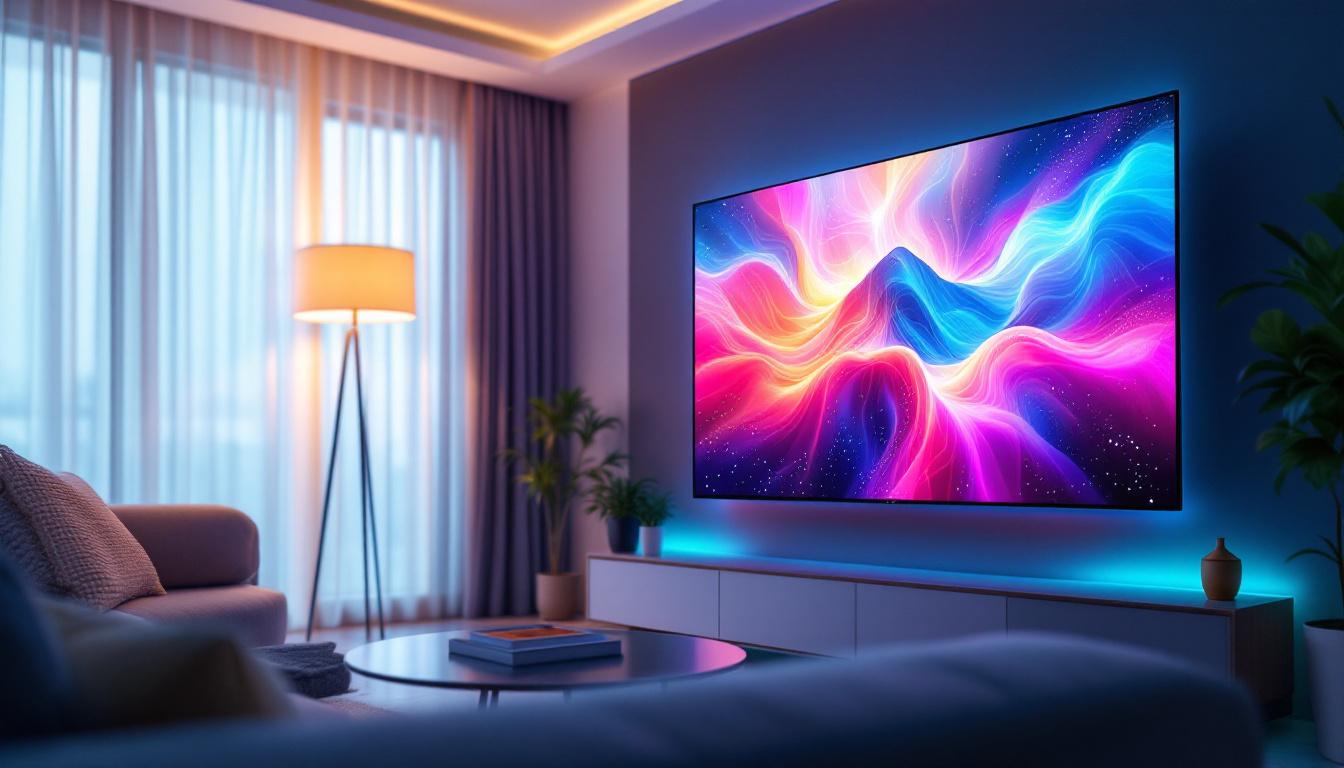
LED (Light Emitting Diode) displays have become the standard in television technology, dominating the market with their sleek designs, energy efficiency, and excellent picture quality. Often marketed as LED TVs, these are essentially LCD TVs that use LED backlighting instead of older fluorescent technology.
How LED Displays Work
LED TVs use a liquid crystal display panel illuminated by LEDs placed either behind the screen (direct-lit) or along the edges (edge-lit). The LEDs provide the light source that passes through the LCD layer to produce images. This backlighting technology allows for thinner panels, better contrast, and improved color accuracy compared to older LCD TVs.
Advancements such as OLED (Organic LED) and Mini-LED technologies have further enhanced LED displays, offering deeper blacks, higher brightness, and more precise local dimming capabilities. OLED technology, in particular, has gained attention for its ability to produce true blacks by turning off individual pixels, creating an unparalleled viewing experience, especially in dark scenes. Mini-LED, on the other hand, utilizes smaller LEDs to achieve finer control over local dimming, resulting in enhanced brightness and contrast levels that make images pop with vibrancy.
Benefits of LED Displays
LED TVs are prized for their versatility and performance. They offer vibrant colors, sharp images, and are available in a wide range of sizes and price points. Their slim profiles make them easy to mount on walls, and their energy efficiency reduces electricity consumption compared to older technologies.
Moreover, LED TVs generally provide better motion handling and higher refresh rates, which is particularly beneficial for sports and gaming. The widespread availability and continuous innovation in LED technology have made these displays the go-to choice for most consumers. In addition to their performance, many LED TVs now come equipped with smart technology, allowing users to stream content directly from popular services like Netflix and Hulu, access social media, and even control their home devices, making them not just a source of entertainment but a central hub for modern living.
Furthermore, the durability of LED displays contributes to their appeal. Unlike older cathode ray tube (CRT) televisions, which were bulky and prone to burn-in issues, LED TVs are designed to withstand the rigors of daily use. Their longevity, combined with the decreasing prices due to advancements in manufacturing processes, means that consumers can enjoy high-quality viewing experiences without breaking the bank. This combination of affordability, functionality, and cutting-edge technology ensures that LED displays will remain at the forefront of television technology for years to come.
Comparing Projection TVs and LED Displays: Which One is Right for You?
Choosing between a projection TV and an LED display depends largely on your viewing preferences, room setup, and budget. Both technologies have distinct strengths that cater to different needs.
Screen Size and Viewing Environment
If you prioritize a large screen size for a cinematic experience, projection TVs offer a cost-effective solution for screens over 80 inches. They excel in dark or dimly lit rooms where the projected image can shine without interference from ambient light.
Conversely, LED TVs are better suited for environments with variable lighting conditions. Their higher brightness levels and anti-reflective coatings allow for clear viewing even in well-lit rooms. For typical living rooms or bedrooms, LED TVs provide a more practical and versatile option.
Image Quality and Performance
LED TVs generally outperform projection TVs in terms of image sharpness, color accuracy, and contrast, especially with the advent of OLED and Mini-LED technologies. Projection TVs can sometimes suffer from lower resolution and less vibrant colors, although high-end models have narrowed this gap considerably.
For fast-paced content like sports and gaming, LED TVs offer superior motion handling and input lag performance. Projection TVs may introduce slight delays and motion blur, which can impact the viewing experience for gamers.
Installation and Maintenance
Projection TVs require more careful installation, including screen placement and projector alignment. They may also need periodic maintenance, such as lamp replacements, which can add to the overall cost of ownership.
LED TVs, on the other hand, are plug-and-play devices that require minimal setup and virtually no maintenance. Their compact size and lightweight design make them easy to move and install.
What to Look for When Buying a Projection TV for Sale
For those interested in purchasing a projection TV, understanding key specifications and features is essential to making an informed decision.
Resolution and Image Quality
Look for projection TVs with at least Full HD (1080p) resolution, though 4K models are becoming more accessible and offer significantly sharper images. Pay attention to the contrast ratio and brightness levels, as these affect the clarity and vibrancy of the projected image.
Projection Technology
DLP projectors are favored for their sharp images and reliability, while LCD projectors offer good color reproduction and brightness. Laser projectors, though more expensive, provide longer lamp life and consistent brightness over time.
Screen Size and Throw Distance
Consider the size of the room and the distance between the projector and the screen. Short-throw projectors can display large images from a short distance, making them suitable for smaller spaces.
Connectivity and Features
Ensure the projection TV supports modern connectivity options such as HDMI, USB, and wireless streaming. Features like smart TV capabilities, built-in speakers, and keystone correction can enhance usability.
The Future of Projection TVs and LED Displays
As display technology continues to advance, the lines between projection TVs and LED displays are blurring. Innovations such as laser projection and MicroLED displays promise to combine the best of both worlds—large, bright images with exceptional color and contrast.
For consumers, this means more choices tailored to specific needs and budgets. Whether opting for the immersive scale of a projection TV or the sleek versatility of an LED display, understanding the technology behind these options is key to making the right purchase.
Conclusion
Projection TVs and LED displays each offer compelling advantages for different viewing scenarios. Projection TVs remain an excellent choice for those seeking large screen sizes and a cinematic experience, especially in dedicated home theater environments. Meanwhile, LED TVs provide superior image quality, ease of use, and adaptability for everyday viewing.
When shopping for a projection TV for sale, careful consideration of resolution, technology, and room setup will ensure a satisfying investment. As technology evolves, staying informed about the latest developments will help consumers enjoy the best possible home entertainment experience.
Discover the Future of Home Entertainment with LumenMatrix
Ready to elevate your viewing experience with the latest in LED display technology? LumenMatrix is at the forefront of innovation, offering a wide range of LED display solutions tailored to your needs. From immersive Indoor LED Wall Displays to dynamic Outdoor LED Wall Displays, and from versatile Vehicle LED Displays to sleek LED Poster Displays, our products are designed to captivate and engage. Explore our cutting-edge LED Sports Displays, interactive Floor LED Displays, and the revolutionary All-in-One LED Display. Experience the magic of LED Transparent Displays and see how our Custom LED Display options can transform your space. Embrace the future of visual communication with LumenMatrix and create unforgettable visual experiences. Check out LumenMatrix LED Display Solutions today and step into a world where clarity and impact go hand in hand.