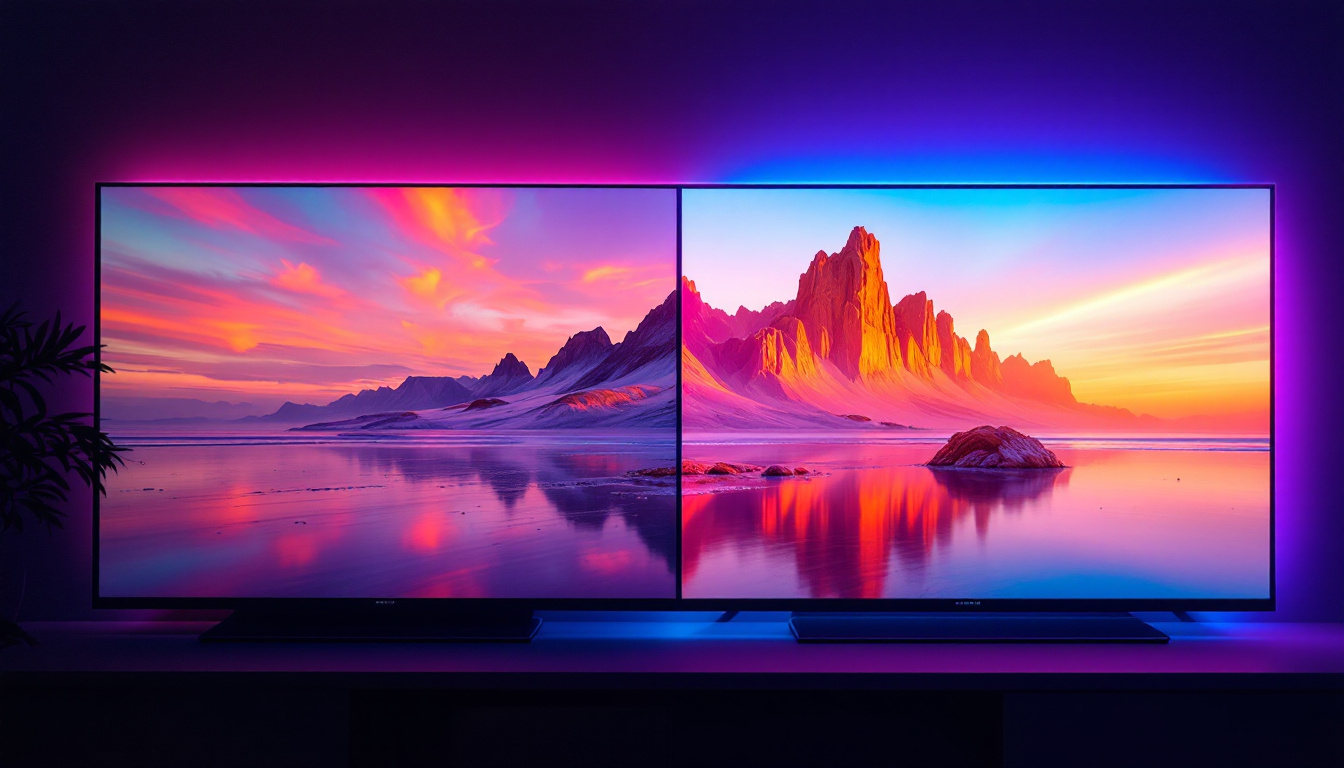
In recent years, LED display technology has revolutionized the way we experience digital content, from advertising billboards to immersive event backdrops. Among the most impressive advancements is the development of ultra-thin LED walls, which combine cutting-edge engineering with vibrant visual performance. This article explores the concept of the thinnest LED walls, explaining their technology, applications, and the future potential of this remarkable display innovation.
Understanding LED Wall Technology
LED walls are large-scale displays composed of numerous light-emitting diodes (LEDs) arranged in a grid. Each LED acts as a pixel, collectively forming images and videos with exceptional brightness and color accuracy. Unlike traditional LCD or projection screens, LED walls emit their own light, resulting in higher contrast ratios and visibility even in bright ambient conditions. This capability makes them ideal for a variety of applications, from outdoor advertising to live event broadcasting, where clarity and vibrancy are essential for audience engagement.
The term “thinnest wall” refers to LED displays engineered to be exceptionally slim, often just a few centimeters thick. This contrasts with older LED walls that could be bulky and heavy, limiting their installation options. Advances in materials, miniaturization of components, and innovative mounting techniques have enabled manufacturers to produce LED walls that are both lightweight and ultra-thin without compromising image quality. As a result, these displays can be seamlessly integrated into various environments, including retail spaces, corporate offices, and even residential settings, enhancing aesthetic appeal while delivering high-performance visuals.
Key Components of Thin LED Walls
Several technological innovations contribute to the thinness of modern LED walls:
- Micro-LED Technology: Micro-LEDs are tiny LEDs that allow for higher pixel density and thinner panels. Their small size reduces the need for bulky circuitry and heat dissipation mechanisms, enabling more compact designs that can fit into tighter spaces.
- Flexible PCBs: Printed circuit boards (PCBs) that are flexible and thin help reduce the overall depth of the display. This flexibility also allows for creative installations, such as curved or irregularly shaped displays that can adapt to unique architectural features.
- Advanced Heat Management: Efficient thermal design, including passive cooling and heat-dissipating materials, eliminates the need for thick heat sinks. This not only contributes to the slim profile but also enhances the longevity and reliability of the display, reducing the risk of overheating during extended use.
- Modular Design: Thin LED panels are often modular, allowing for easy assembly and maintenance while maintaining a slim profile. This modularity means that if a panel fails or requires servicing, it can be quickly replaced without disrupting the entire display, ensuring minimal downtime.
Furthermore, the integration of smart technology into LED wall systems has revolutionized their functionality. Many modern LED walls come equipped with built-in processing units that allow for real-time content management, enabling users to display dynamic and interactive content with ease. This capability is particularly beneficial in environments such as trade shows and exhibitions, where engaging visuals can draw in crowds and enhance the overall experience. Additionally, advancements in connectivity options, such as wireless transmission and cloud integration, have made it easier than ever for users to control their displays remotely, providing flexibility and convenience for event organizers and advertisers alike.
As the demand for high-quality visual experiences continues to grow, the evolution of LED wall technology is likely to accelerate. Innovations in artificial intelligence and machine learning are being explored to optimize content delivery and enhance viewer engagement. For instance, AI algorithms can analyze audience behavior in real-time, allowing for tailored content that resonates with viewers on a personal level. This level of customization not only improves the effectiveness of advertising campaigns but also creates a more immersive experience for audiences, setting a new standard for visual communication in various industries.
Advantages of the Thinnest LED Walls
The push towards thinner LED walls is driven by several practical and aesthetic benefits. These advantages make ultra-thin LED displays highly desirable across various industries.
Space Efficiency and Installation Flexibility
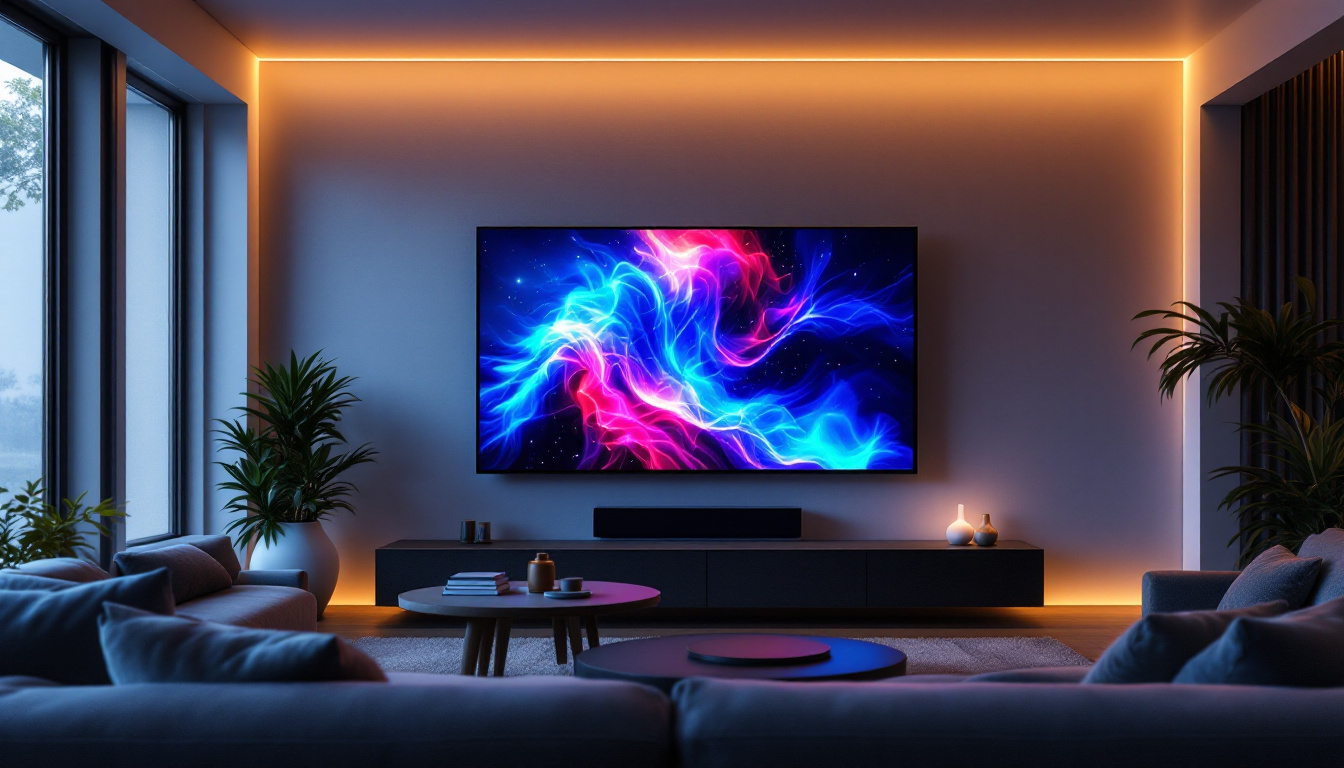
One of the most significant benefits of the thinnest LED walls is their minimal depth. Traditional LED walls could range from 10 to 20 centimeters thick, requiring substantial mounting space and structural support. In contrast, ultra-thin LED walls can be as thin as 2 to 3 centimeters, allowing them to be installed in tighter spaces such as retail storefronts, corporate lobbies, and even residential settings.
This slim profile also facilitates creative installations, including curved or irregular surfaces, where bulky displays would be impractical. For architects and designers, thin LED walls open new possibilities for integrating digital content seamlessly into physical environments.
Enhanced Visual Impact
Thin LED walls often incorporate the latest display technology, resulting in higher pixel density and better image quality. This translates to sharper visuals, richer colors, and smoother motion, which are crucial for engaging audiences. Whether used for advertising, live events, or digital art, the visual impact of a thin LED wall can be striking and immersive.
Moreover, the reduced thickness often means lighter weight, which simplifies transportation and installation for event organizers and rental companies. This flexibility allows for more dynamic and temporary setups without sacrificing display quality.
Energy Efficiency and Sustainability
Modern thin LED walls are designed with energy efficiency in mind. Advances in LED chip technology and power management systems reduce electricity consumption compared to older, bulkier models. This not only lowers operational costs but also aligns with growing sustainability goals in corporate and public sectors.
Additionally, the use of recyclable materials and modular components facilitates easier upgrades and repairs, extending the lifespan of the display and reducing electronic waste.
Applications of Ultra-Thin LED Walls
The versatility of thin LED walls has led to their adoption in a wide range of applications. Their slim profile and high performance make them suitable for environments where traditional displays fall short.
Retail and Advertising
Retailers increasingly use thin LED walls to create eye-catching digital signage that attracts customers and enhances brand presence. In shopping malls and storefronts, these displays deliver dynamic content such as promotions, product demonstrations, and interactive experiences without occupying valuable floor space.
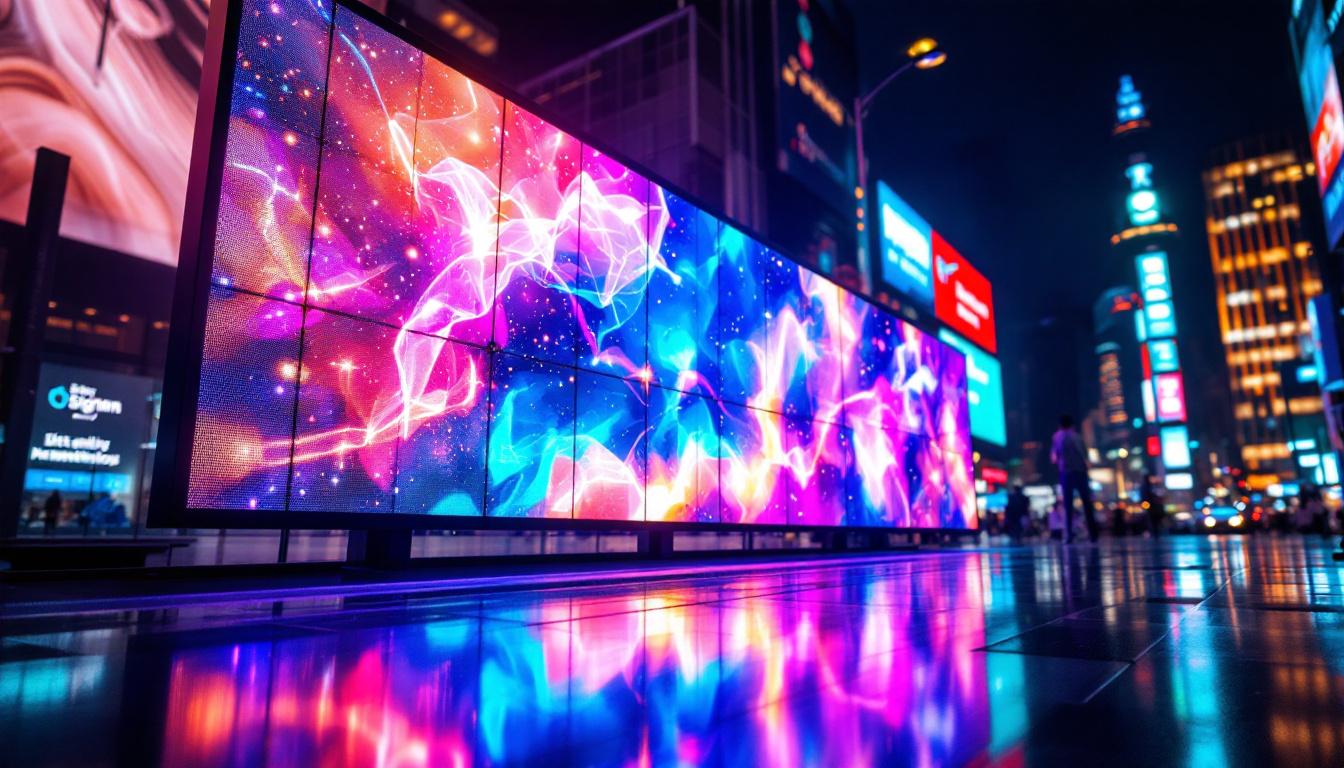
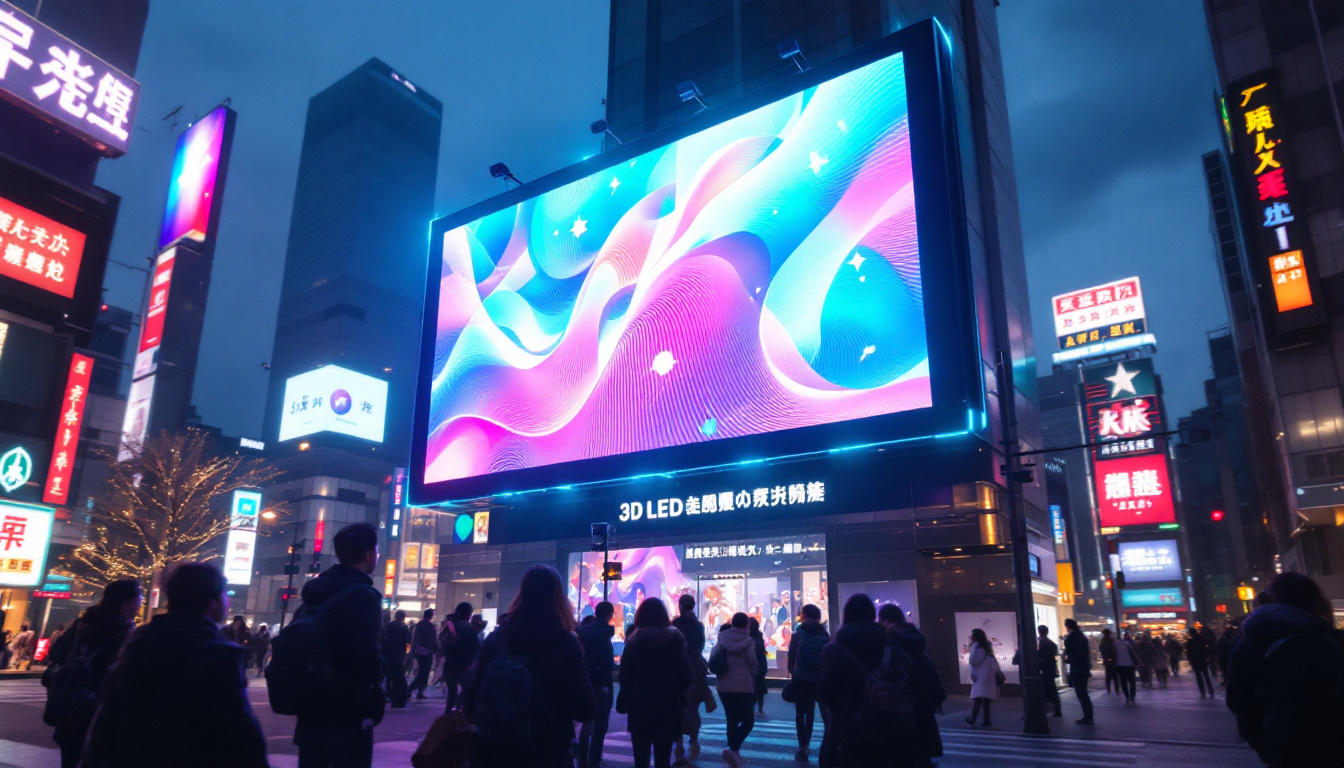
For outdoor advertising, ultra-thin LED walls mounted on building facades provide vivid, large-scale visuals that captivate passersby. Their brightness and durability ensure visibility in various weather conditions, while the slim design preserves the architectural aesthetics of the building.
Corporate and Public Spaces
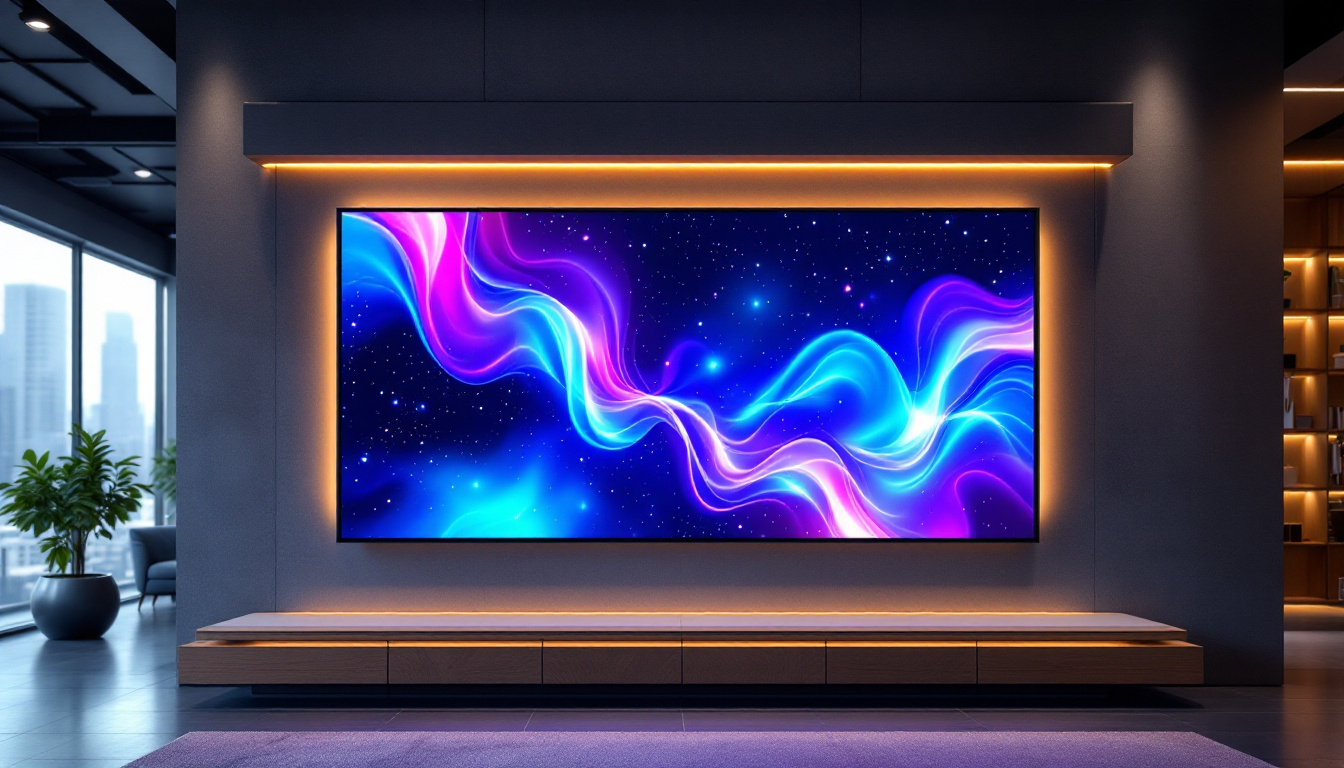
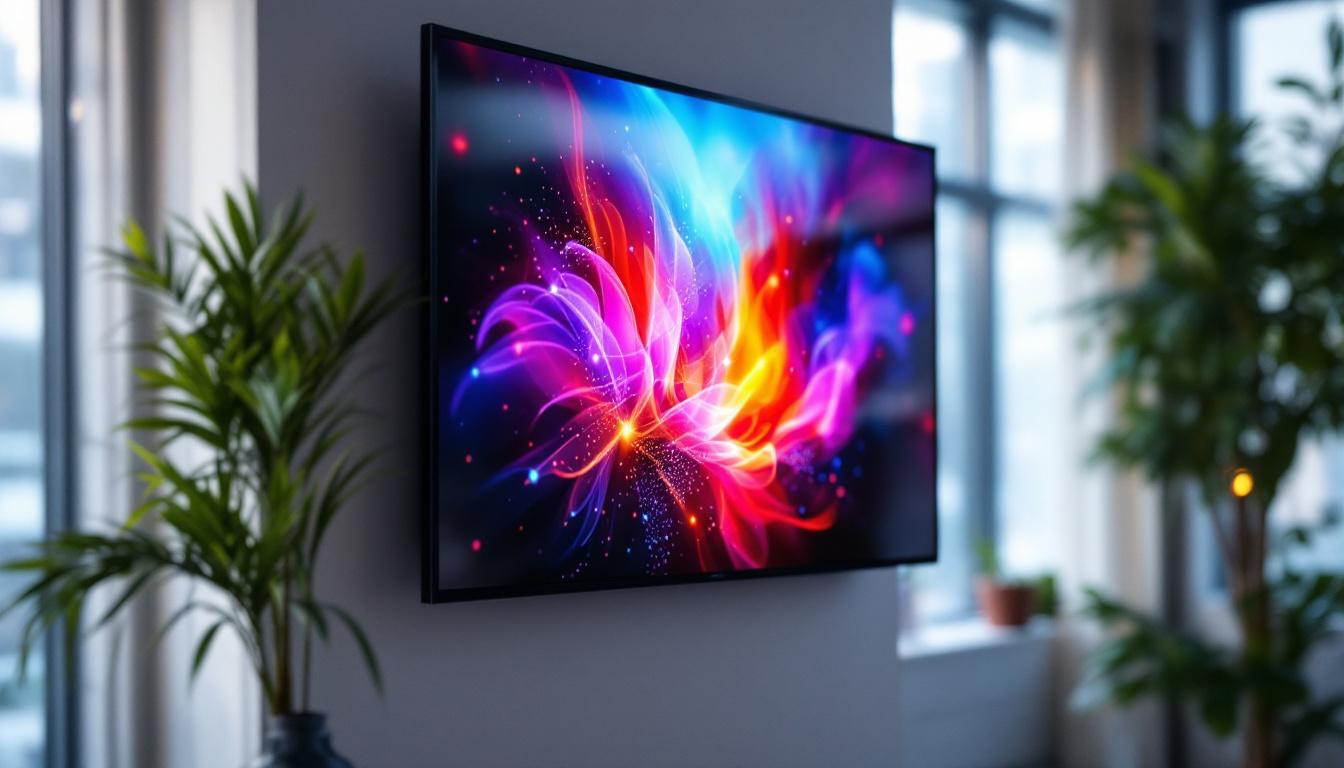
Corporate offices and public venues leverage thin LED walls for information displays, digital art installations, and video conferencing backdrops. The ability to integrate these walls seamlessly into lobbies, meeting rooms, and auditoriums enhances communication and branding efforts.
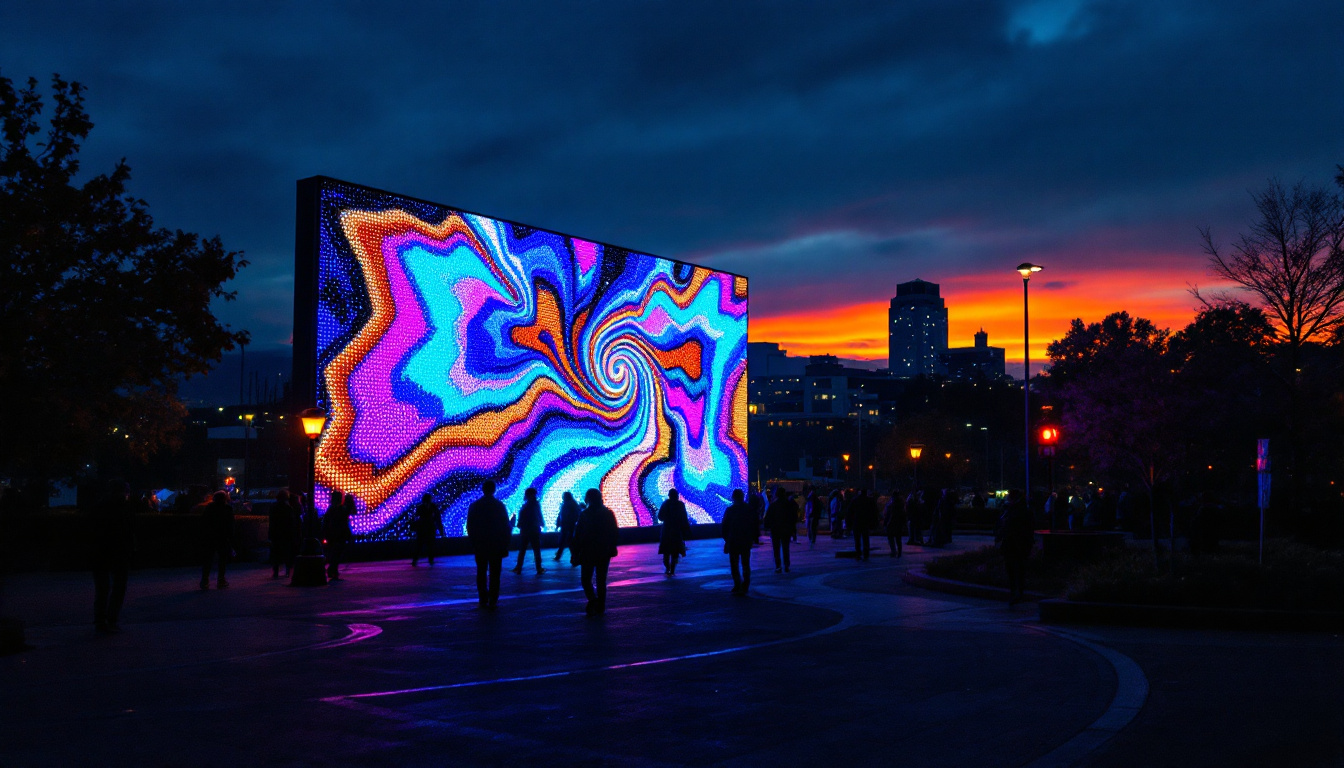
Public transportation hubs and museums use thin LED walls to deliver real-time information and immersive exhibits, respectively. Their flexibility allows for creative storytelling and interactive content that engages diverse audiences.
Entertainment and Events
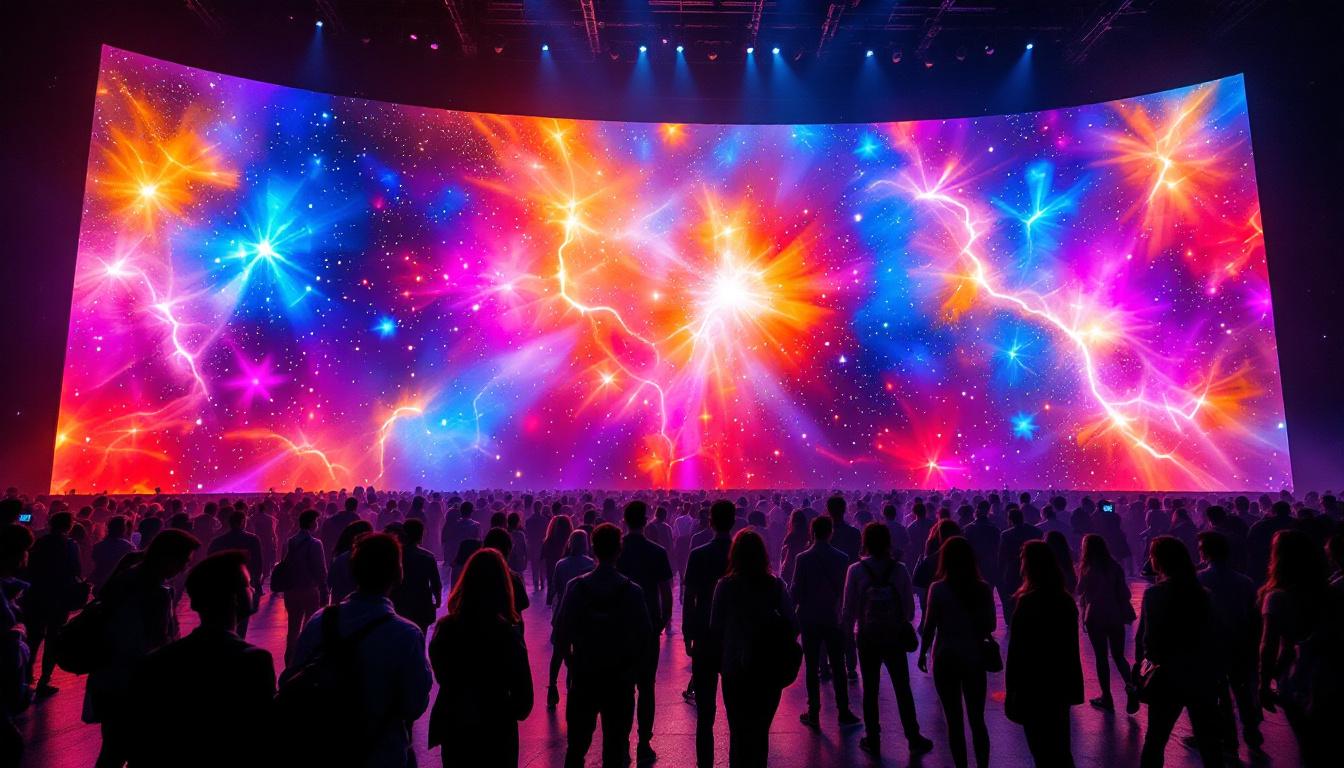
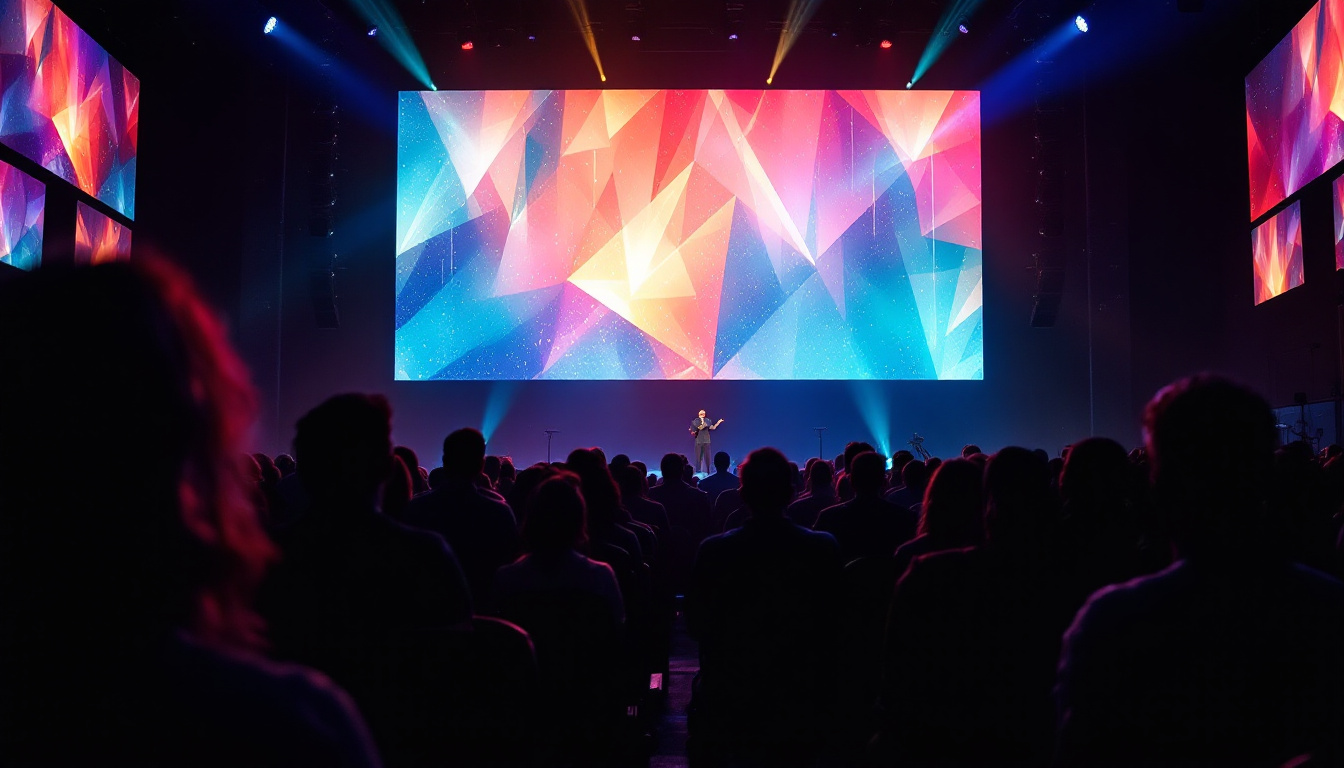
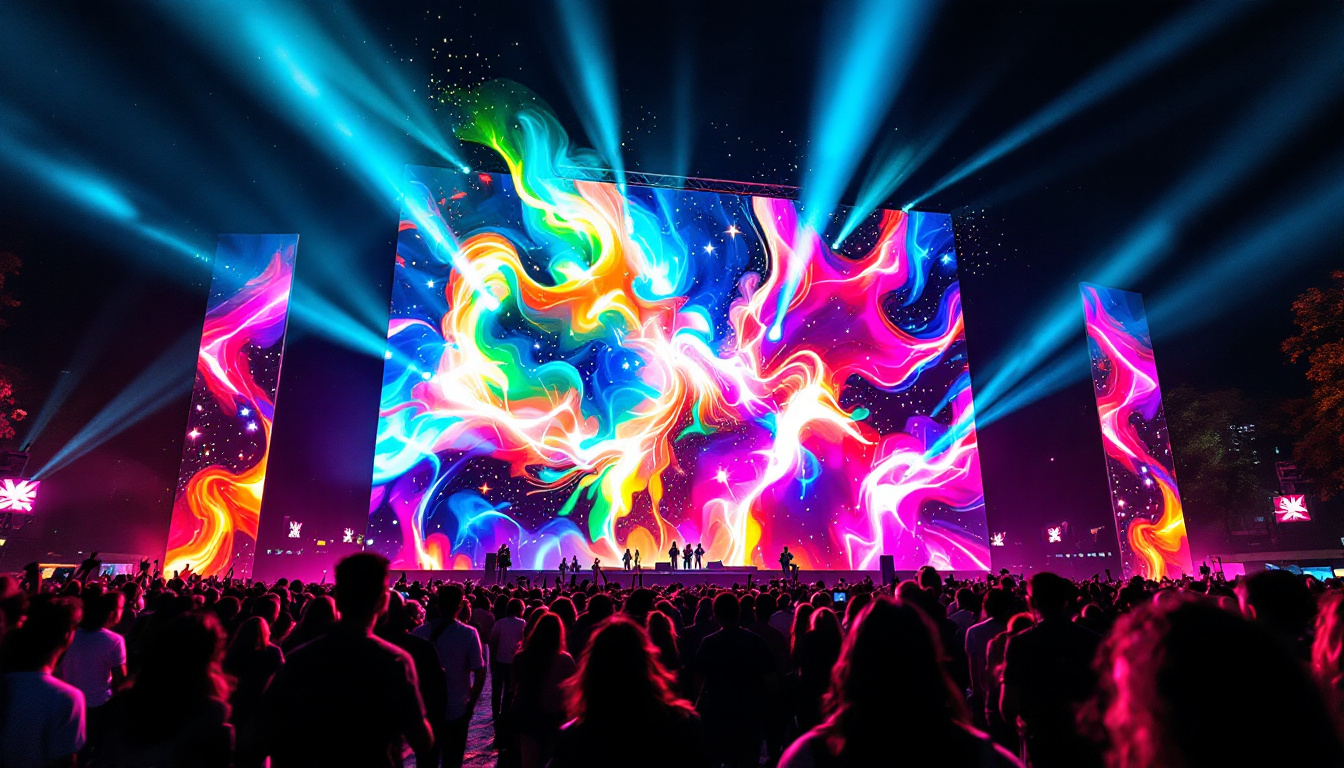
In the entertainment industry, ultra-thin LED walls have become a staple for concerts, trade shows, and theatrical productions. Their lightweight and modular nature enable quick setup and teardown, critical for touring events.
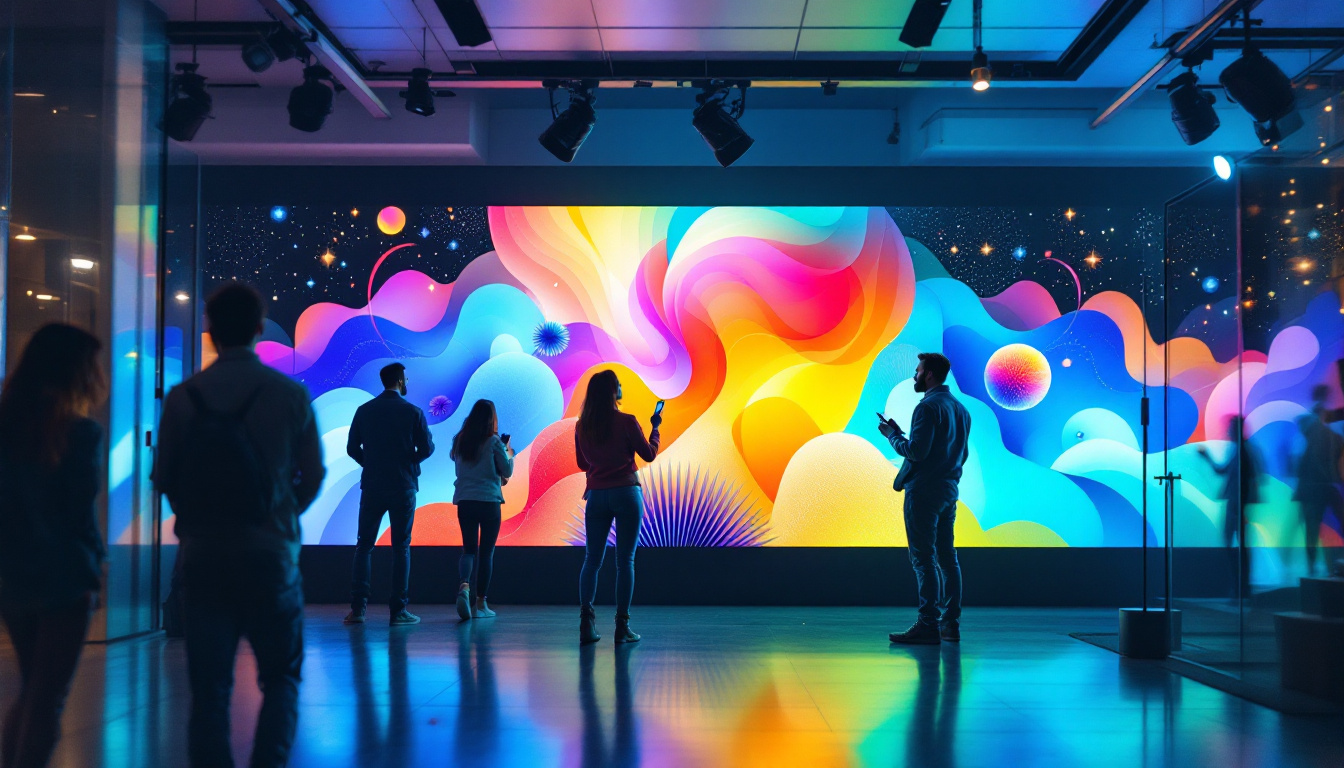
These displays provide vibrant, high-resolution backdrops that transform stage environments and create immersive experiences for audiences. The ability to curve or shape the panels adds to the creative possibilities for event designers.
Challenges and Considerations
Despite their many advantages, ultra-thin LED walls also present certain challenges that must be addressed to maximize their effectiveness.
Cost Factors
The cutting-edge technology and materials used in thin LED walls often come with a higher price tag compared to traditional displays. This can be a barrier for smaller businesses or projects with limited budgets. However, the long-term benefits in terms of energy savings, maintenance, and visual impact often justify the initial investment.
Durability and Maintenance
While thin LED walls are designed to be robust, their slim profile can make them more susceptible to physical damage during transportation or installation. Proper handling and protective measures are essential to preserve their integrity.
Maintenance can also be more complex due to the compact design, requiring specialized technicians for repairs or upgrades. Modular designs help mitigate this by allowing individual panels to be serviced without dismantling the entire wall.
Technical Limitations
Achieving ultra-thin profiles sometimes necessitates trade-offs in brightness or viewing angles, depending on the specific technology used. It is important to select a display that balances thinness with performance requirements relevant to the intended application.
Additionally, integration with existing AV systems and content management platforms may require careful planning to ensure seamless operation.
The Future of Thin LED Walls
The evolution of LED display technology continues at a rapid pace, promising even thinner, more efficient, and higher-performing walls in the near future.
Micro-LED and Beyond
Micro-LED technology is poised to become the standard for ultra-thin LED walls, offering unparalleled brightness, color accuracy, and energy efficiency. Researchers are also exploring nanotechnology and quantum dot enhancements to further improve display quality and reduce thickness.
Flexible and Transparent Displays
Emerging innovations include flexible LED walls that can bend and fold, opening new possibilities for creative installations and wearable displays. Transparent LED walls are also gaining traction, allowing digital content to be displayed without obstructing views, ideal for retail windows and architectural applications.
Integration with Smart Technologies
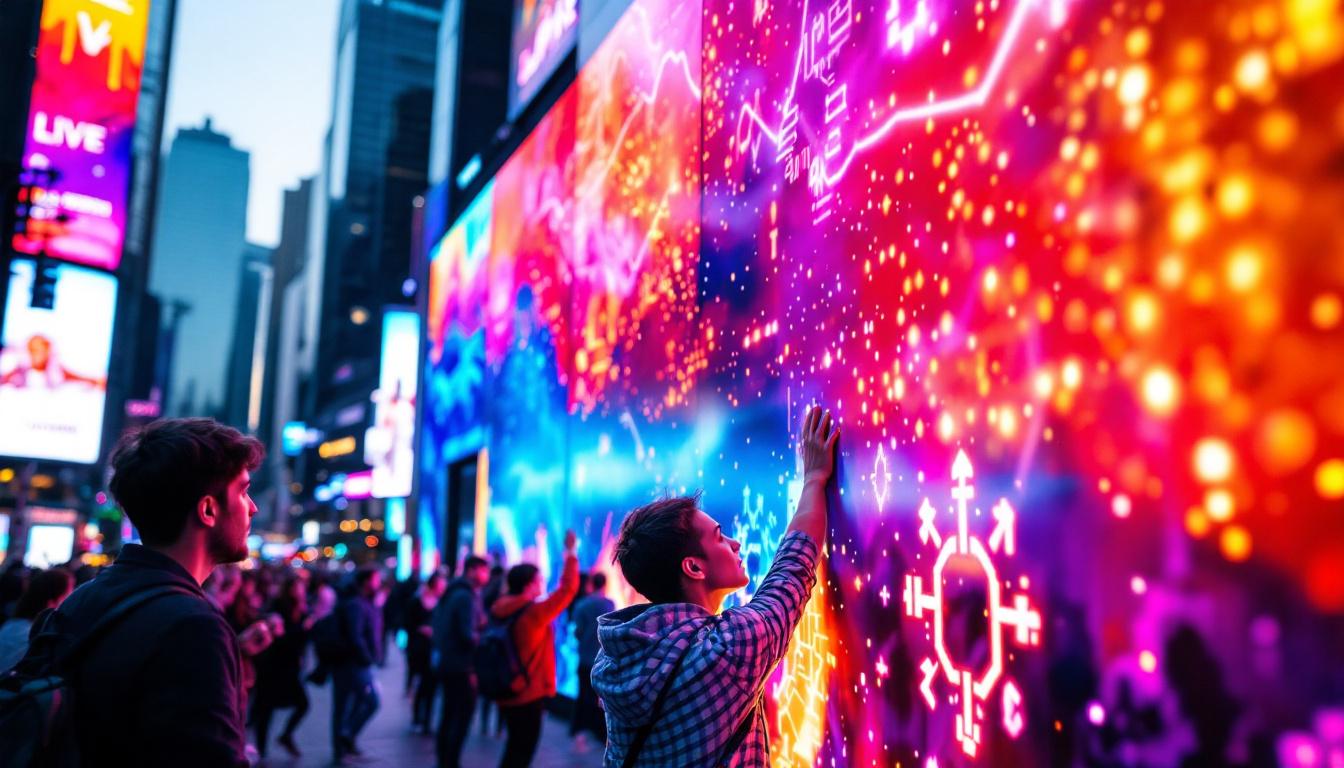
Future LED walls will increasingly integrate with smart building systems, AI-driven content management, and interactive technologies such as gesture control and augmented reality. This will enhance user engagement and enable more personalized and dynamic digital experiences.
Conclusion
The thinnest LED walls represent a significant leap forward in display technology, combining sleek design with outstanding visual performance. Their advantages in space efficiency, flexibility, and energy consumption make them an attractive choice for a wide range of applications, from retail and corporate environments to entertainment and public spaces.
While challenges such as cost and maintenance remain, ongoing technological advancements promise to address these issues and unlock new creative possibilities. As LED walls continue to evolve, their role in shaping the future of digital communication and immersive experiences will only grow more prominent.
Discover the Future of LED Displays with LumenMatrix
Ready to elevate your space with the sleek design and superior visual performance of the thinnest LED walls? LumenMatrix is at the forefront of LED display innovation, offering a wide array of solutions tailored to meet your needs. From captivating Indoor and Outdoor LED Wall Displays to dynamic Vehicle and Sports LED Displays, and even Custom and All-in-One solutions, we have the technology to transform your visual communication. Experience the revolution in digital signage with our LED Transparent and Floor Displays that promise to engage and captivate your audience. Check out LumenMatrix LED Display Solutions today and share your message with the world like never before.