In today’s fast-paced and visually driven world, LED signs have become a cornerstone of effective communication for businesses, events, and public spaces. Whether it’s a storefront display, a roadside billboard, or an indoor digital menu, LED displays offer vibrant, dynamic, and attention-grabbing visuals. However, understanding the cost behind these displays can be complex due to the many variables involved. This article delves into the factors influencing LED sign cost, explains the technology behind LED displays, and offers guidance on making informed purchasing decisions.
Understanding LED Display Technology
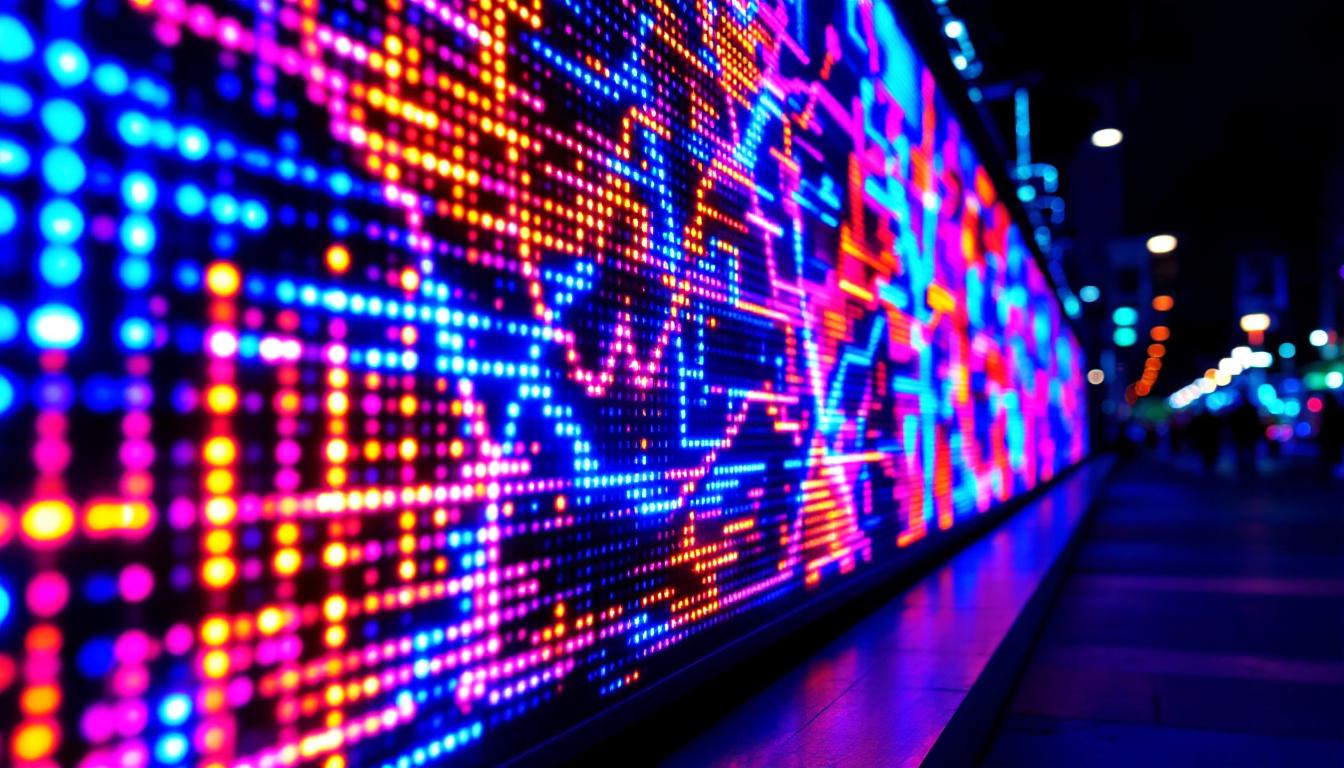
LED stands for Light Emitting Diode, a semiconductor device that emits light when an electric current passes through it. LED displays are composed of thousands or even millions of these tiny diodes arranged in a matrix to create images, text, and video. The technology has evolved significantly over the past decade, becoming more energy-efficient, brighter, and capable of higher resolution.
Types of LED Displays
There are several types of LED displays, each suited to different applications and environments:
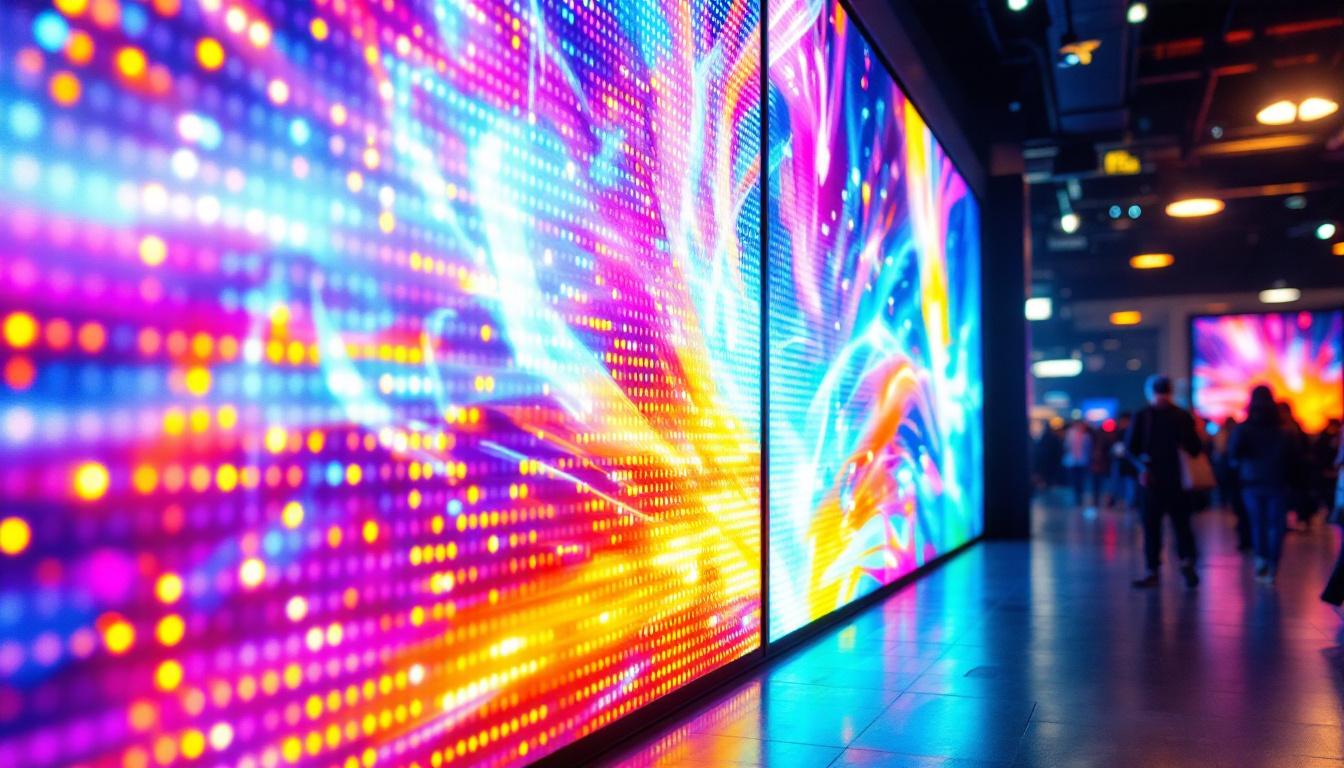
- Indoor LED Displays: Designed for close viewing distances, these displays have a higher pixel density and are optimized for lower brightness levels to avoid eye strain.
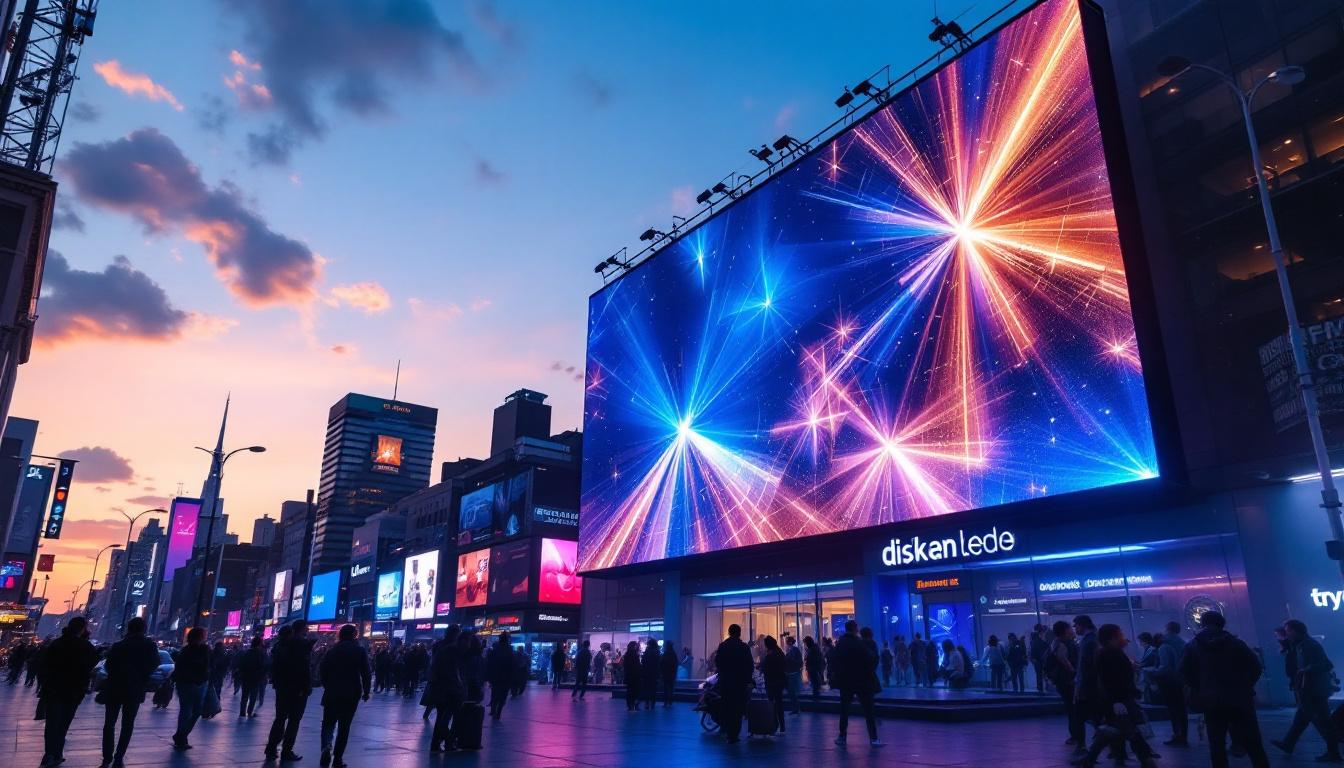
- Outdoor LED Displays: Built to withstand weather conditions, these displays are much brighter to counteract sunlight and typically have larger pixel pitches.
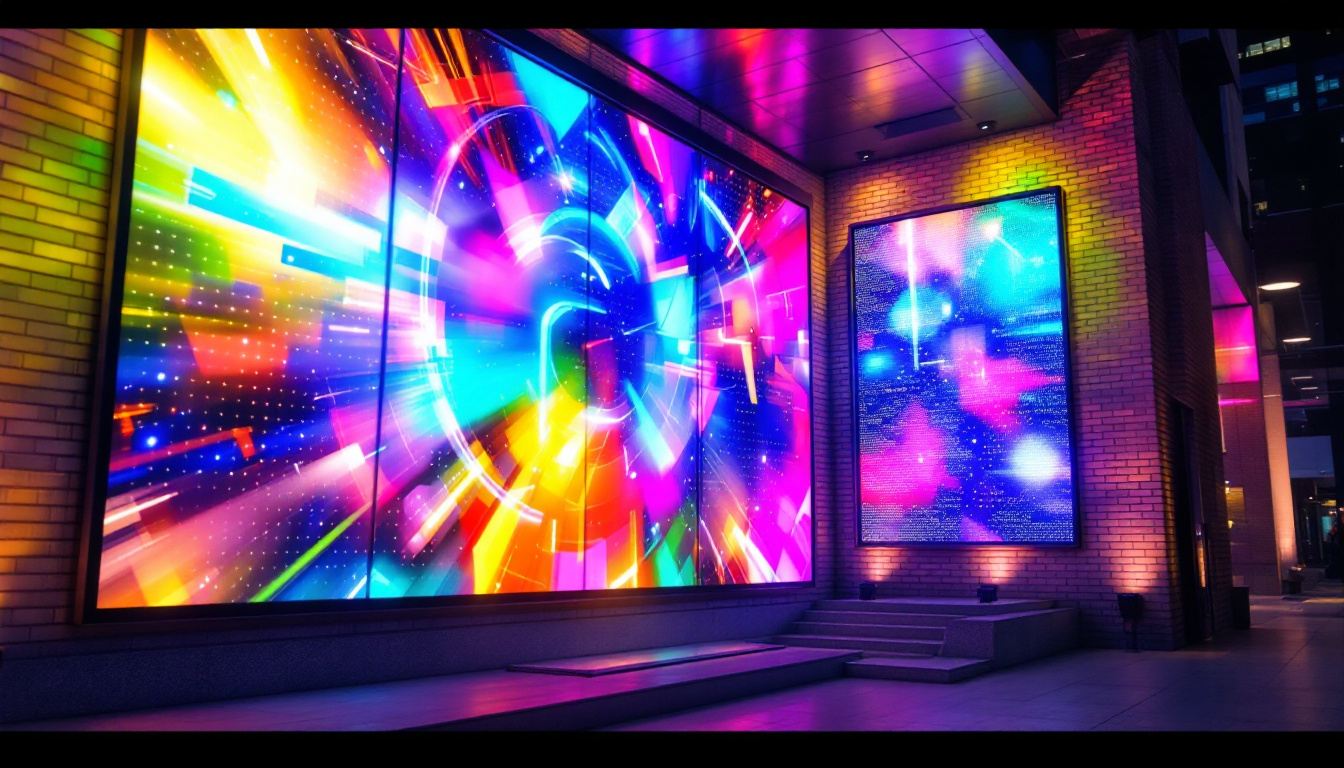
- Transparent LED Displays: These are used in storefront windows or glass facades, offering a see-through effect while displaying digital content.
- Flexible LED Displays: Made with bendable materials, these can be curved or shaped to fit unique architectural designs.
Pixel Pitch and Resolution
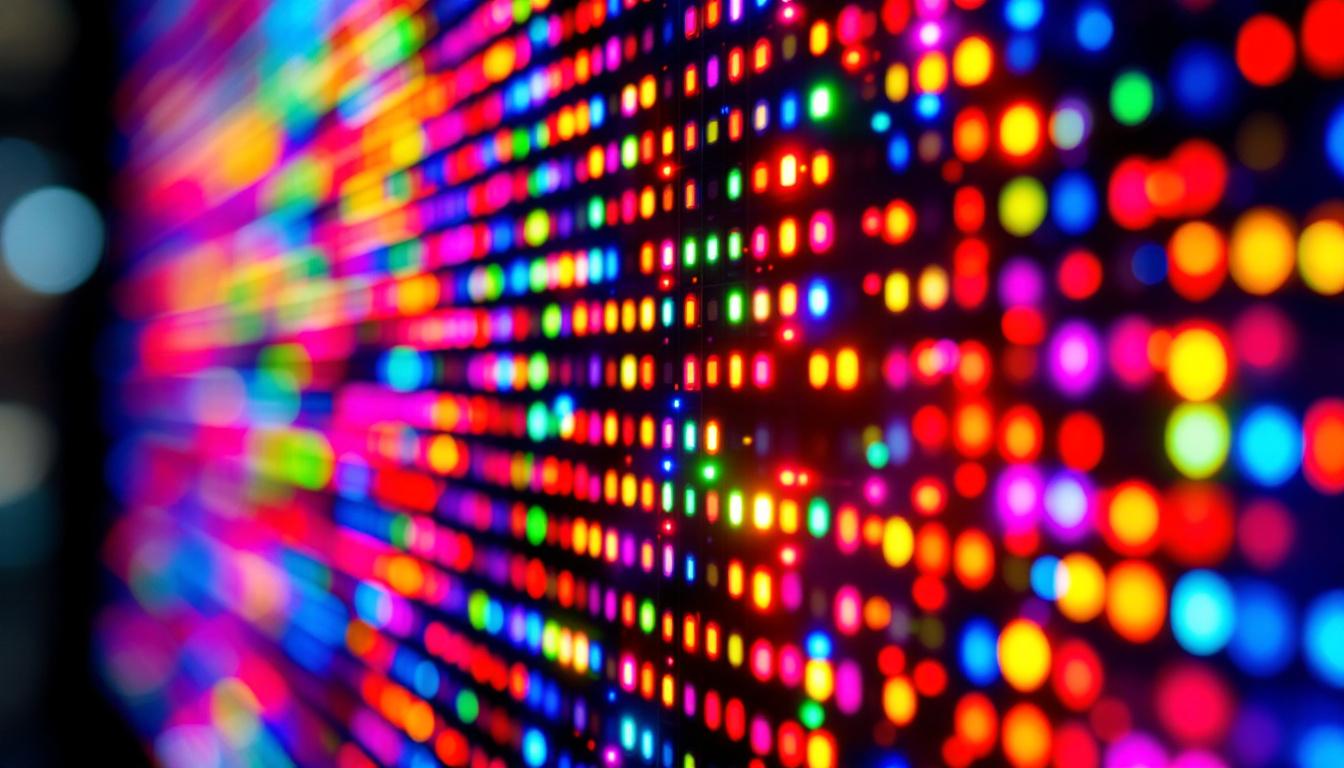
One of the most critical technical factors affecting LED sign cost is the pixel pitch, which is the distance between the centers of two adjacent pixels, measured in millimeters. Smaller pixel pitch means higher resolution and sharper images but also increases the price significantly. For example, a 1.5mm pixel pitch display will cost more than a 10mm pitch display due to the increased density of LEDs and more complex manufacturing.
Key Factors Influencing LED Sign Cost
When budgeting for an LED sign, it’s essential to consider the multiple variables that affect the overall price. The cost is not just about the size of the display but also about quality, features, and installation requirements.
Size and Resolution
The physical dimensions of the LED display are the most obvious cost driver. Larger signs require more LED modules, power supplies, and structural support, which increases material and labor costs. However, the resolution or pixel pitch also plays a significant role. A smaller pixel pitch means more LEDs per square meter, which raises the cost exponentially. For example, a 10ft by 6ft display with a 10mm pixel pitch might cost around $15,000, whereas the same size with a 4mm pitch could easily exceed $50,000.
Brightness and Weatherproofing
Outdoor LED signs must be bright enough to be visible in direct sunlight, often reaching brightness levels of 5,000 to 8,000 nits. Achieving this requires higher quality LEDs and power components, which increases costs. Additionally, outdoor displays need to be weatherproof, with protection against rain, dust, and temperature extremes. This means using sealed enclosures, corrosion-resistant materials, and sometimes heating or cooling systems to maintain optimal performance.
Control Systems and Software
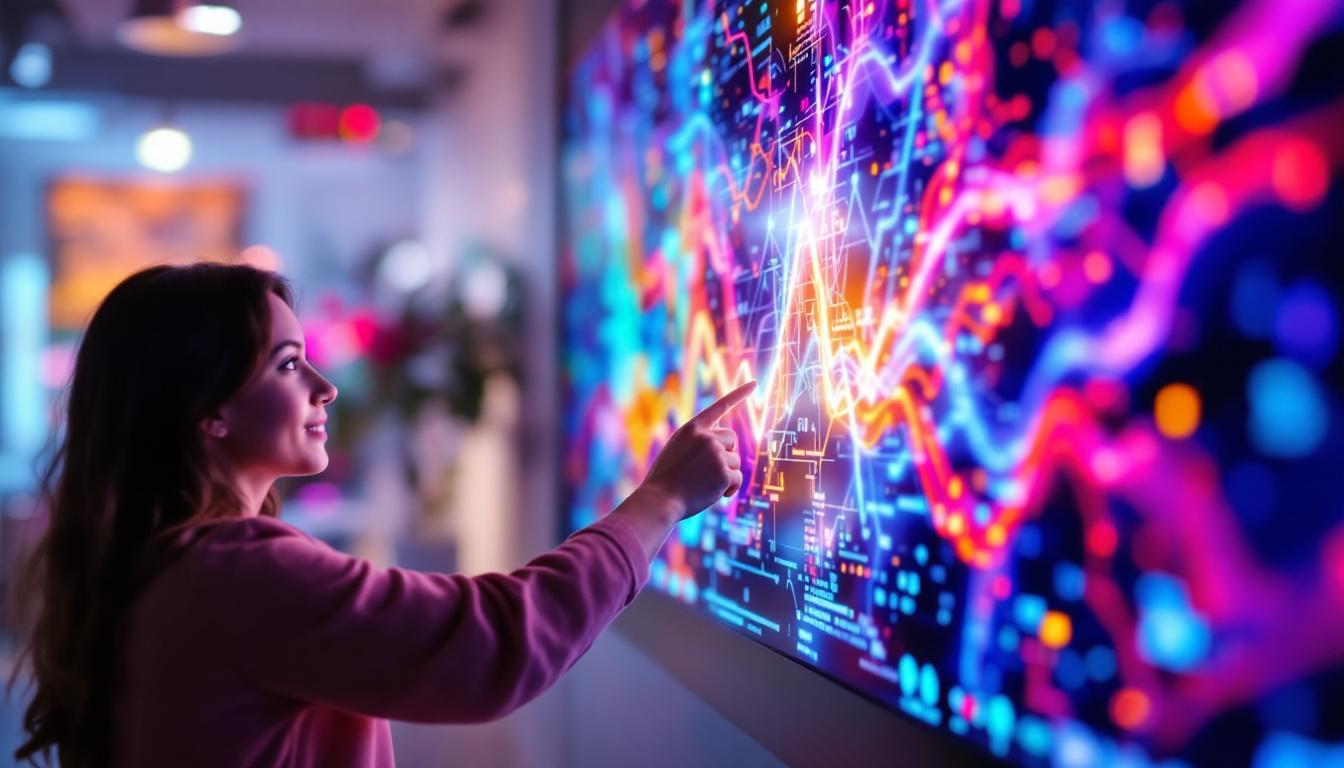
Modern LED signs come with sophisticated control systems that allow for dynamic content management. The cost of the software and hardware used to operate the display can vary widely. Some systems offer cloud-based content management, remote updates, and integration with social media or live data feeds, which add value but also increase the initial investment and ongoing subscription fees.
Installation and Maintenance
Installation costs depend on the complexity of mounting the LED sign, electrical work, and any structural modifications required. For example, a rooftop billboard installation will be more expensive than a wall-mounted storefront sign due to the need for cranes, safety equipment, and additional labor. Maintenance is another ongoing cost to consider. High-quality LED signs are designed for durability, but periodic cleaning, software updates, and repairs are necessary to ensure longevity and optimal performance.
Typical LED Sign Cost Breakdown
To provide a clearer picture, here is a typical cost breakdown for an LED sign project, based on industry averages as of 2024:
| Cost Component | Estimated Range | Description |
|---|---|---|
| LED Modules and Panels | $700 – $2,500 per square meter | Core display components; price varies by pixel pitch and brightness |
| Control System & Software | $1,000 – $5,000 | Includes media player, software licenses, and content management tools |
| Structural Frame and Housing | $500 – $2,000 per square meter | Mounting hardware, weatherproof enclosures, and protective features |
| Installation | $2,000 – $10,000+ | Labor, electrical work, permits, and any site preparation |
| Maintenance and Support | $500 – $2,000 annually | Routine cleaning, repairs, and software updates |
For a medium-sized outdoor LED sign of about 20 square meters with a 6mm pixel pitch, the total initial investment typically ranges from $40,000 to $80,000, including installation. Indoor signs tend to be less expensive due to lower brightness and weatherproofing requirements.
Benefits of Investing in LED Signs
Despite the upfront costs, LED signs offer numerous advantages that can justify the investment, especially for businesses looking to enhance visibility and engagement.
High Visibility and Impact
LED signs are bright and colorful, making them highly effective at attracting attention. Studies show that digital signage can increase customer engagement by up to 30%, which translates into higher foot traffic and sales. The ability to display dynamic content such as videos, animations, and real-time updates makes LED signs more versatile than traditional static signs.
Energy Efficiency and Longevity
Modern LED technology is energy-efficient, consuming significantly less power than older neon or incandescent signs. LED signs typically have a lifespan of 50,000 to 100,000 hours, meaning they can operate for years with minimal maintenance. This longevity reduces replacement costs and downtime.
Flexibility and Customization
Content on LED signs can be changed instantly, allowing businesses to tailor messages for different times of day, promotions, or events. This flexibility enhances marketing effectiveness and can lead to better customer experiences.
How to Choose the Right LED Sign for Your Needs
Selecting the ideal LED display involves balancing budget, intended use, and technical requirements. Here are some key considerations:
Define Your Viewing Distance
The optimal pixel pitch depends on how far viewers will be from the sign. For example, a sign viewed primarily from 50 feet away can have a larger pixel pitch (e.g., 10mm), while indoor displays viewed at close range require finer resolution (e.g., 2-4mm). Choosing the right pixel pitch ensures the content is clear and legible without overspending on unnecessary resolution.
Assess Environmental Conditions
For outdoor installations, consider factors such as exposure to sunlight, weather, and temperature fluctuations. Ensure the LED sign has appropriate brightness levels and weatherproof ratings (IP65 or higher is recommended for outdoor use).
Plan for Content Management
Evaluate how you will update and manage the content. If frequent changes are needed, invest in user-friendly software and remote access capabilities. Some LED sign providers offer subscription-based content management platforms that simplify this process.
Consult with Professionals
Working with experienced LED sign manufacturers and installers can help avoid common pitfalls. They can provide customized solutions, accurate cost estimates, and ensure compliance with local regulations and permits.
Emerging Trends in LED Signage
The LED display industry continues to innovate, offering new features and applications that impact cost and value.
Mini-LED and Micro-LED Technology
Emerging technologies like Mini-LED and Micro-LED promise even higher resolution and better color accuracy with improved energy efficiency. While currently more expensive, these technologies are expected to become more affordable in the coming years, providing options for premium displays.
Integration with IoT and AI
Smart LED signs integrated with Internet of Things (IoT) sensors and artificial intelligence (AI) can adapt content based on environmental data, audience demographics, or real-time events. This level of interactivity can enhance engagement but may increase initial costs.
Sustainability and Green Initiatives
Many manufacturers are focusing on eco-friendly materials and energy-saving designs. Choosing LED signs with certifications such as Energy Star can reduce operational costs and support corporate sustainability goals.
Conclusion
Understanding the cost of LED signs requires a comprehensive look at the technology, size, resolution, environmental factors, and installation needs. While the initial investment can be significant, the benefits of high visibility, energy efficiency, and dynamic content capabilities make LED displays a powerful marketing tool for businesses and organizations. By carefully assessing requirements and working with knowledgeable professionals, buyers can select the right LED sign that delivers maximum impact and long-term value.
Discover LumenMatrix’s Innovative LED Solutions
Ready to elevate your brand’s visibility and captivate your audience with the most advanced LED display technology? LumenMatrix offers a comprehensive range of solutions tailored to your unique needs, from Indoor and Outdoor LED Wall Displays to specialized options like Vehicle, Sports, and Floor LED Displays. Embrace the future of visual communication with our Custom, All-in-One, and Transparent LED Displays, designed to deliver unparalleled engagement and clarity. Check out LumenMatrix LED Display Solutions today and transform your message into an unforgettable visual experience.