Touch Arcade: LED Display Explained
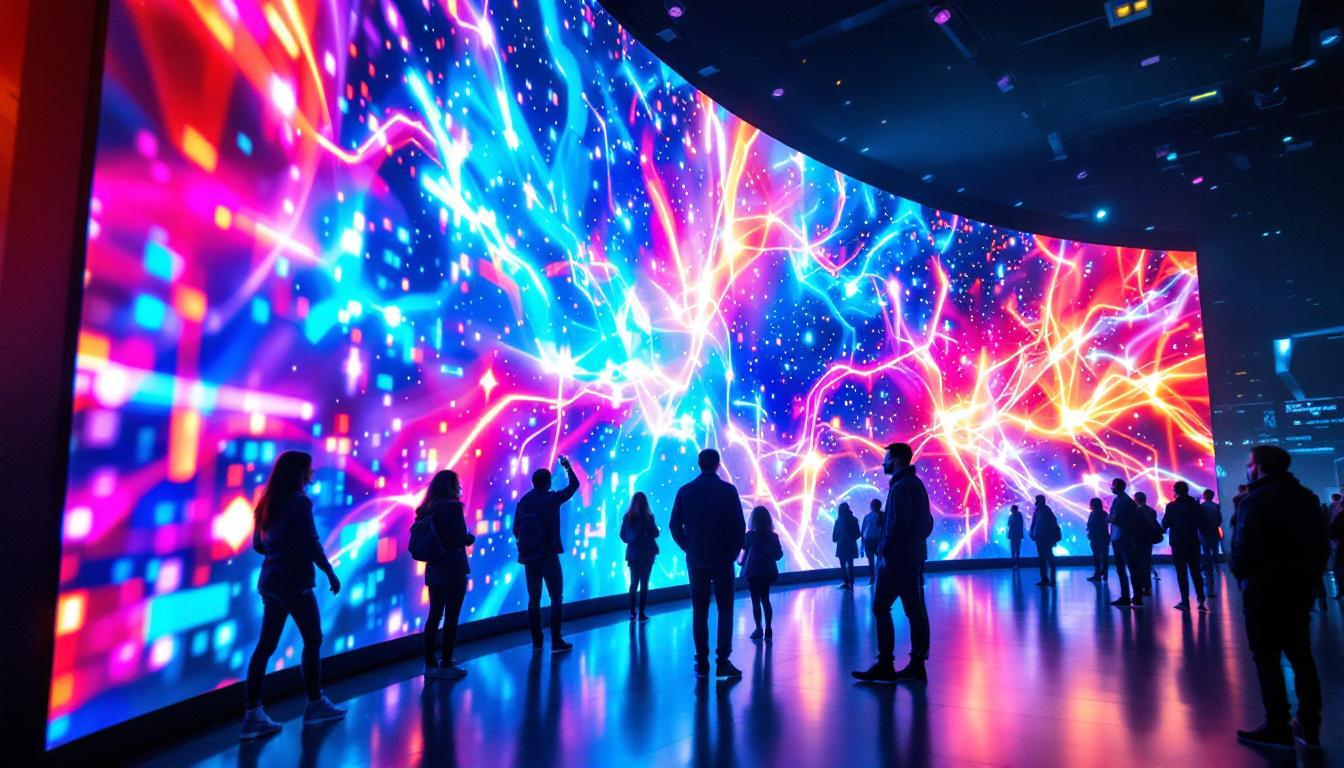
In today’s digital age, LED displays have become an integral part of how we interact with technology, from smartphones and gaming devices to large-scale advertising screens. Within the realm of arcade gaming, LED displays play a crucial role in enhancing user experience by delivering vibrant visuals and responsive touch capabilities. This article delves into the intricacies of LED displays, focusing on their application in touch arcade systems, and explains how these technologies work together to create immersive gaming environments.
Understanding LED Display Technology
LED, or Light Emitting Diode, displays are a type of flat-panel display that use an array of light-emitting diodes as pixels to produce images. Unlike traditional LCDs that rely on backlighting, LED displays generate their own light, resulting in brighter images and more vivid colors. This fundamental difference has made LED technology the preferred choice for many modern devices, including touch arcade machines. The evolution of LED technology has not only enhanced visual experiences but has also led to more energy-efficient designs, reducing the overall power consumption of devices while maintaining high-quality output.
How LED Displays Work
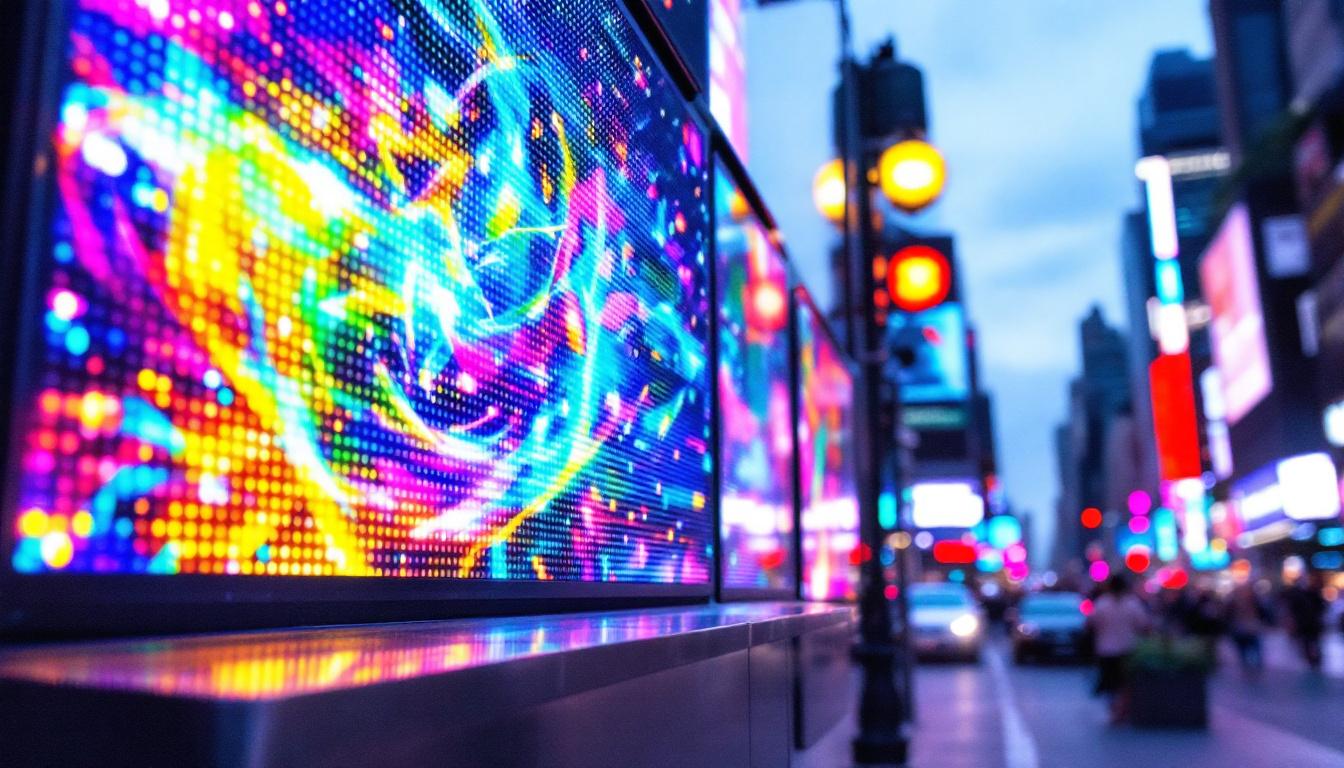
At the core of an LED display are millions of tiny diodes that emit light when an electric current passes through them. These diodes are arranged in a matrix, and each diode can be individually controlled to emit different colors by combining red, green, and blue LEDs. This RGB combination allows for the creation of a broad spectrum of colors, enabling detailed and dynamic visuals. The precise control over each pixel also facilitates advanced features such as dynamic range adjustments and real-time color correction, which are crucial for applications requiring high fidelity, like gaming and multimedia presentations.
The ability to control each pixel independently also means LED displays can achieve higher contrast ratios and deeper blacks compared to traditional displays. This is particularly important in gaming environments where visual clarity and color accuracy can significantly impact gameplay and user immersion. Additionally, the rapid response time of LED displays minimizes motion blur, providing a smoother experience during fast-paced gaming sessions, which is essential for competitive play.
Types of LED Displays Used in Arcade Systems
There are several types of LED displays commonly used in arcade systems, each with unique characteristics:
- Direct View LED (DVLED): These displays use LEDs as the primary light source for each pixel, offering exceptional brightness and color accuracy. They are often used in large arcade cabinets and digital signage, where visibility from various angles is crucial.
- Mini-LED: Featuring smaller LEDs, mini-LED displays provide enhanced contrast and local dimming capabilities, improving image quality in darker scenes. This technology allows for more nuanced lighting effects, which can elevate the gaming experience by creating atmospheric environments.
- Micro-LED: The latest advancement, micro-LED displays offer even higher resolution and energy efficiency, making them ideal for high-end arcade machines. With their ability to deliver stunning visuals without the drawbacks of traditional displays, micro-LEDs are paving the way for the next generation of immersive gaming experiences.
Understanding these types helps arcade manufacturers choose the right display technology to balance cost, performance, and durability. Moreover, as the demand for high-quality visuals continues to rise, manufacturers are increasingly investing in research and development to innovate and refine LED technologies, ensuring they remain at the forefront of the gaming industry. This ongoing evolution not only enhances the visual appeal of arcade games but also enriches the overall user experience, making every session memorable and engaging for players of all ages.
Integrating Touch Technology with LED Displays
While LED displays provide stunning visuals, the addition of touch technology transforms passive screens into interactive interfaces. Touch arcade machines rely on this integration to offer engaging and intuitive gameplay experiences.
Types of Touch Technologies in Arcade Displays
There are several touch technologies that can be combined with LED displays, each with its own advantages and limitations:
- Resistive Touch: Uses pressure applied to the screen to register input. It is durable and cost-effective but offers less clarity and multi-touch support.
- Capacitive Touch: Detects changes in electrical fields caused by finger contact. It supports multi-touch gestures and provides better image clarity, making it popular in modern arcade machines.
- Infrared Touch: Employs an array of infrared sensors around the display to detect touch without requiring a screen overlay, preserving image quality.
- Surface Acoustic Wave (SAW): Uses ultrasonic waves to detect touch, offering high clarity but can be affected by dirt and water.
Capacitive touch technology is the most widely used in contemporary arcade systems due to its responsiveness and ability to support complex gestures, which are essential for interactive gaming.
Challenges in Combining Touch with LED Displays
Integrating touch sensors with LED displays is not without challenges. One of the primary concerns is maintaining the display’s brightness and color fidelity while adding a touch-sensitive layer. Some touch technologies require additional layers on top of the display, which can reduce brightness or introduce glare.
Manufacturers address these issues by using advanced optical bonding techniques that minimize reflections and improve durability. Additionally, ensuring the touch layer is responsive and accurate under various lighting conditions is critical for arcade environments, which often feature bright ambient lighting.
Benefits of LED Touch Displays in Arcade Gaming
The combination of LED and touch technologies brings several advantages to arcade gaming, enhancing both player engagement and operational efficiency.
Enhanced Visual Experience
LED displays offer superior brightness and color accuracy, which are vital for the fast-paced and visually rich environments typical of arcade games. High refresh rates and low latency in LED displays ensure smooth motion rendering, reducing motion blur and improving reaction times during gameplay.
Moreover, the ability to display deep blacks and vibrant colors makes game graphics more immersive, helping players feel connected to the virtual world.
Improved Interactivity
Touch integration allows players to interact directly with the game interface, creating a more natural and intuitive experience. Multi-touch capabilities enable complex gestures, such as pinch-to-zoom and swipe, which can be incorporated into gameplay mechanics for innovative game designs.
For arcade operators, touch-enabled LED displays can simplify the user interface, making it easier for players of all ages and skill levels to navigate menus and controls.
Durability and Maintenance
Arcade environments are often subject to heavy use and occasional rough handling. LED displays are known for their longevity and energy efficiency, which translates to lower operational costs over time. The solid-state nature of LEDs means fewer mechanical failures compared to other display technologies.
Touch screens designed for arcade use are typically reinforced with toughened glass or protective coatings to resist scratches and impacts, ensuring the display remains functional and visually appealing over extended periods.
Applications of LED Touch Displays in Modern Arcades
LED touch displays have revolutionized the arcade industry, enabling new types of games and interactive experiences that were previously impossible.
Interactive Game Cabinets
Modern arcade cabinets often feature large, high-resolution LED touch screens that serve as both the display and input device. This integration allows for innovative game formats such as rhythm games, puzzle challenges, and multiplayer experiences that rely on direct touch interaction.
For example, games like “Dance Dance Revolution” and “Beat Saber” have evolved to incorporate LED touch elements, enhancing player engagement through responsive feedback and vibrant visuals.
Digital Signage and Player Interfaces
Beyond gameplay, LED touch displays are used for digital signage within arcades, providing interactive maps, leaderboards, and promotional content. These displays can also serve as player interfaces for account management, game selection, and payment processing, streamlining the overall arcade experience.
Augmented Reality and Hybrid Experiences
Some cutting-edge arcade systems combine LED touch displays with augmented reality (AR) technologies to create hybrid gaming experiences. Players interact with digital content overlaid on the physical environment, with LED screens providing bright, clear visuals that enhance the AR effect.
This fusion of technologies opens new possibilities for immersive storytelling and interactive gameplay, attracting a broader audience to arcades.
Future Trends in LED Touch Arcade Displays
The evolution of LED and touch technologies continues to push the boundaries of what arcade gaming can offer. Several trends are shaping the future landscape:
Micro-LED and Flexible Displays
Micro-LED technology promises even higher resolution and energy efficiency, enabling ultra-thin and flexible displays. Flexible LED touch screens could lead to curved or foldable arcade cabinets, offering novel form factors and ergonomic designs that enhance player comfort and engagement.
Advanced Touch Sensitivity and Haptics
Future touch arcade displays may incorporate advanced haptic feedback mechanisms, providing tactile sensations that mimic real-world interactions. This would deepen immersion and improve gameplay realism.
Integration with AI and Cloud Gaming
As cloud gaming and artificial intelligence become more prevalent, LED touch arcade displays will likely integrate with these technologies to offer personalized gaming experiences. AI-driven adaptive interfaces could tailor game difficulty and controls based on player behavior, while cloud connectivity enables seamless access to a vast library of games without hardware limitations.
Conclusion
LED displays, combined with touch technology, have transformed arcade gaming into a dynamic and immersive experience. Their superior visual quality, responsiveness, and durability make them ideal for the demanding environment of arcades. As technology advances, the potential for even more engaging and innovative arcade experiences grows, promising exciting developments for both players and operators.
Understanding the fundamentals of LED displays and their integration with touch systems provides valuable insight into the design and operation of modern arcade machines. Whether you are a game developer, arcade operator, or enthusiast, appreciating these technologies enhances your connection to the evolving world of interactive entertainment.
Discover the Future of Arcade Gaming with LumenMatrix
Ready to elevate your arcade experience with the latest in LED display technology? Look no further than LumenMatrix, a pioneer in crafting mesmerizing visual experiences that captivate and engage. From vibrant Indoor and Outdoor LED Wall Displays to innovative solutions like Vehicle LED Displays and LED Sports Displays, LumenMatrix offers a wide array of products designed to bring your gaming environment to life. Embrace the future of interactive entertainment with our Custom LED Displays, All-in-One LED Displays, and groundbreaking LED Transparent Displays. Check out LumenMatrix LED Display Solutions today and transform your arcade into a hub of cutting-edge amusement and visual splendor.