Classroom And Auditorium AV Systems Southern California: LED Display Explained
In the rapidly evolving landscape of educational technology, audiovisual (AV) systems have become indispensable tools for enhancing learning environments. Southern California, with its diverse and dynamic educational institutions, has seen a significant rise in the adoption of advanced AV solutions, particularly LED display technology. This article delves into the role of LED displays in classroom and auditorium AV systems, exploring their benefits, technical aspects, and why they are becoming the preferred choice for educational facilities in Southern California.
The Rise of LED Displays in Educational AV Systems
LED (Light Emitting Diode) displays have transformed the way information is presented in educational settings. Unlike traditional projection systems, LED displays offer superior brightness, color accuracy, and durability, making them ideal for both classrooms and large auditoriums.
According to a 2023 report by Futuresource Consulting, the global market for LED displays in education is expected to grow at a compound annual growth rate (CAGR) of over 15% through 2027. Southern California, with its concentration of universities, community colleges, and K-12 schools, is a key region driving this growth.
Why LED Displays Outperform Traditional Projection Systems
Traditional projectors often struggle with ambient light interference, limited lifespan of bulbs, and maintenance challenges. LED displays, on the other hand, provide consistent brightness levels even in well-lit rooms, ensuring that content is visible from every seat. Their lifespan typically exceeds 100,000 hours, significantly reducing long-term operational costs.
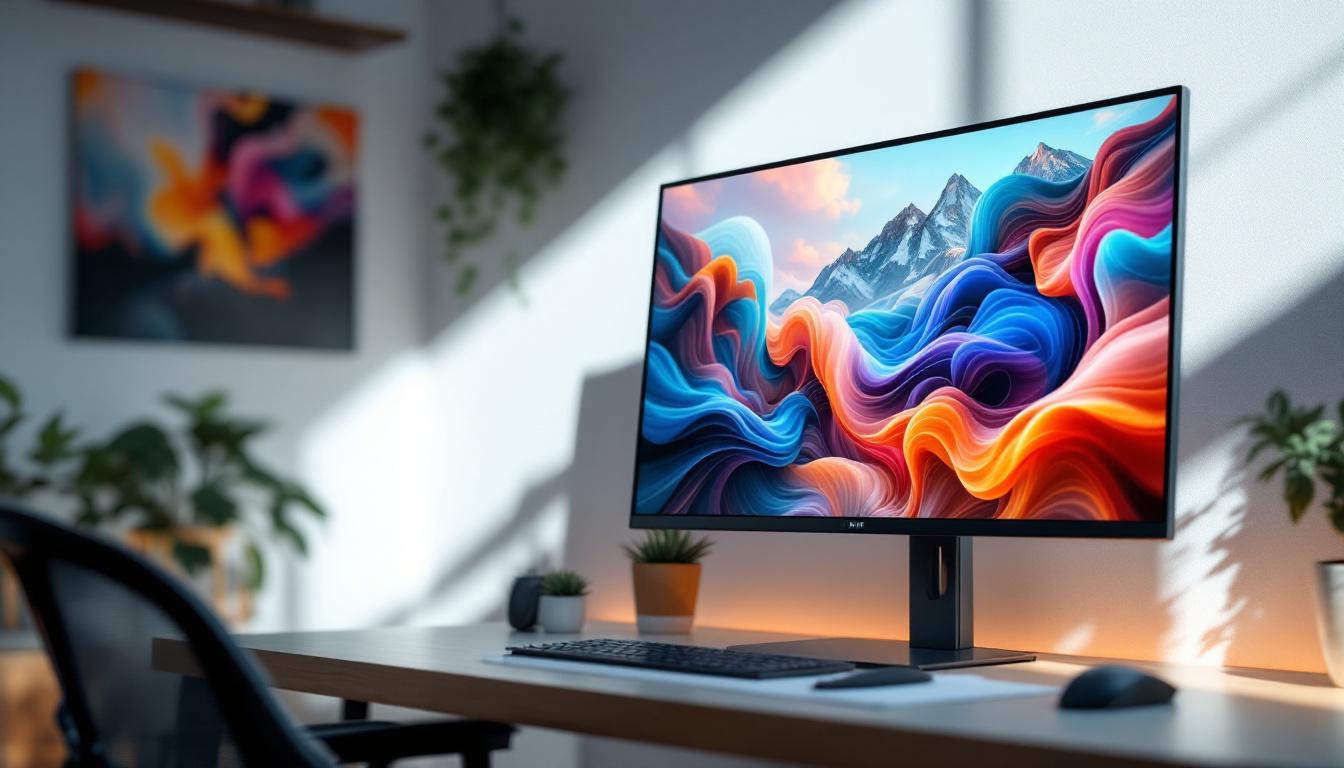
Moreover, LED displays offer higher contrast ratios and vibrant colors, which are crucial for engaging students and maintaining attention during lectures or presentations. This visual clarity supports a wide range of content, from detailed scientific diagrams to multimedia presentations.
In addition to their technical advantages, LED displays are also more versatile in terms of installation and integration. They can be configured in various sizes and shapes to fit different classroom layouts, whether as a single large screen or multiple smaller screens working in tandem. This flexibility allows educators to create dynamic learning environments tailored to specific teaching methods and student needs. Furthermore, many LED displays come equipped with interactive features, enabling touch capabilities that encourage student participation and collaborative learning.
Another significant benefit of LED technology is its energy efficiency. Compared to traditional projection systems, LED displays consume considerably less power, contributing to lower energy bills and a reduced carbon footprint for educational institutions. As schools and universities increasingly prioritize sustainability, the adoption of energy-efficient technologies like LED displays aligns with broader environmental goals. This not only enhances the learning experience but also instills a sense of responsibility among students regarding energy conservation and environmental stewardship.
Key Features of LED Displays for Classrooms and Auditoriums
When selecting LED displays for educational AV systems, several features stand out as particularly beneficial for classrooms and auditoriums.
1. Screen Size and Resolution
Classrooms generally require smaller LED panels ranging from 55 to 100 inches, suitable for close viewing distances. In contrast, auditoriums demand much larger screens, often exceeding 200 inches, to ensure visibility from the back rows. High resolution, such as 4K or higher, is increasingly common, providing crisp and detailed images that enhance the learning experience. The importance of screen size and resolution cannot be overstated, as they directly influence the clarity of visual presentations, whether it’s a detailed graph in a science class or a vibrant video during a lecture. Ensuring that the screen is appropriately sized for the room can significantly impact student engagement and retention of information.
2. Brightness and Viewing Angles
Brightness is measured in nits, and for educational environments, a minimum of 500 to 1,000 nits is recommended to combat ambient light. LED displays also offer wide viewing angles, typically 160 degrees or more, allowing students and audience members to see clear images regardless of their seating position. This feature is particularly crucial in auditoriums where seating arrangements can vary widely, ensuring that everyone, from the front row to the back, has an unobstructed view of the content being presented. Additionally, the ability to adjust brightness settings can help accommodate different lighting conditions throughout the day, enhancing the overall viewing experience.
3. Durability and Maintenance
Educational institutions benefit from LED displays that are robust and require minimal upkeep. Many LED panels are designed with sealed modules to protect against dust and humidity—common issues in Southern California’s varied climate. This durability ensures longevity and reduces downtime. Furthermore, some manufacturers offer extended warranties and service plans, which can provide peace of mind for schools investing in these technologies. The longevity of LED displays also means that schools can allocate more of their budgets toward educational resources rather than frequent equipment replacements, making it a financially sound choice in the long run.
4. Integration with AV Systems
Modern LED displays seamlessly integrate with existing AV infrastructure, including sound systems, control panels, and content management software. This compatibility simplifies installation and operation, allowing educators and AV technicians to focus on delivering content rather than troubleshooting equipment. Moreover, many LED displays come equipped with smart technology that allows for wireless connectivity and remote management, enabling educators to update content effortlessly from their devices. This feature is particularly beneficial in dynamic learning environments where lesson plans may change frequently, allowing for real-time updates and ensuring that all students have access to the most current information and resources available.
Applications of LED Displays in Southern California Educational Settings
Southern California’s educational institutions utilize LED displays in a variety of ways, tailored to the specific needs of classrooms and auditoriums.
Classroom Engagement and Interactive Learning
In classrooms, LED displays serve as interactive whiteboards and digital canvases. Touch-enabled LED panels allow students and teachers to interact directly with content, fostering collaboration and active learning. For example, a biology teacher can display high-resolution images of cellular structures and annotate them in real-time, making complex concepts more accessible.
Additionally, LED displays support multimedia content, enabling educators to incorporate videos, animations, and virtual simulations into their lessons. This multimedia integration caters to diverse learning styles and helps maintain student interest.
Auditorium Presentations and Large-Scale Events
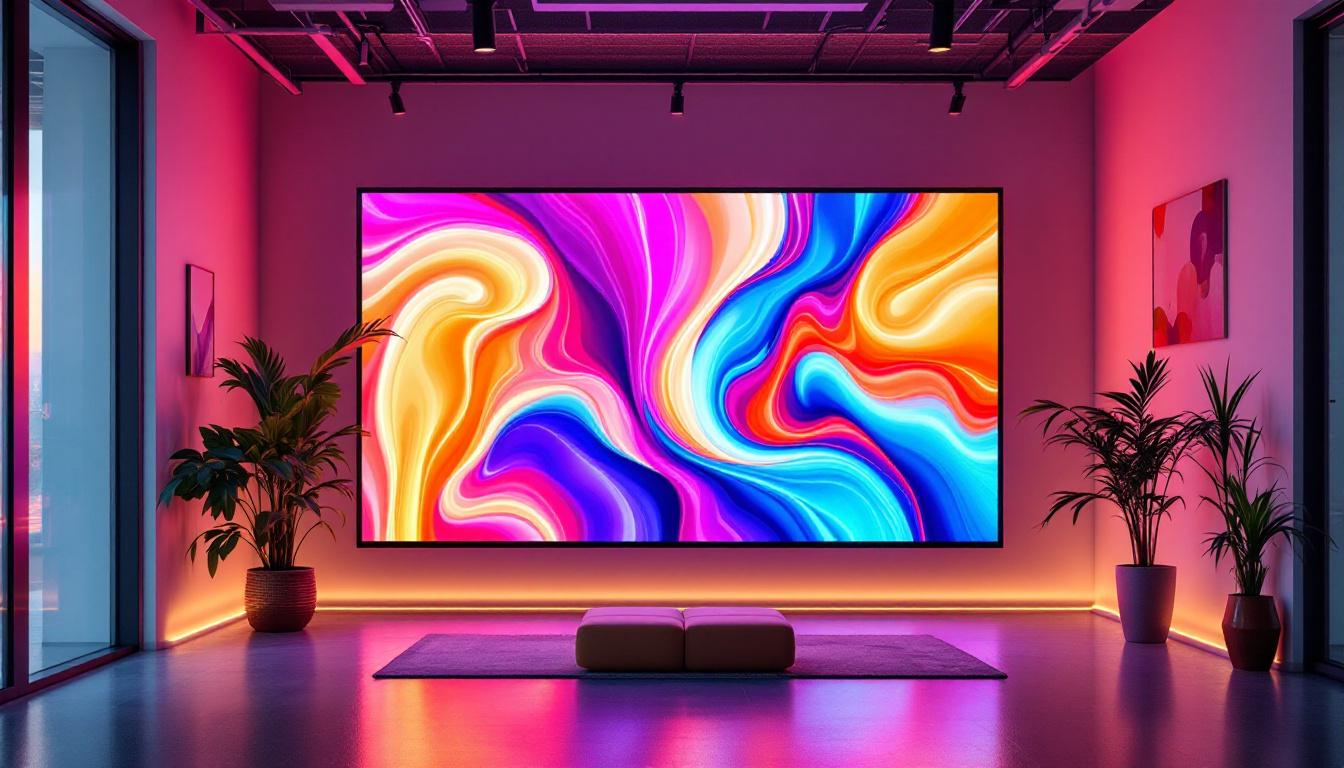
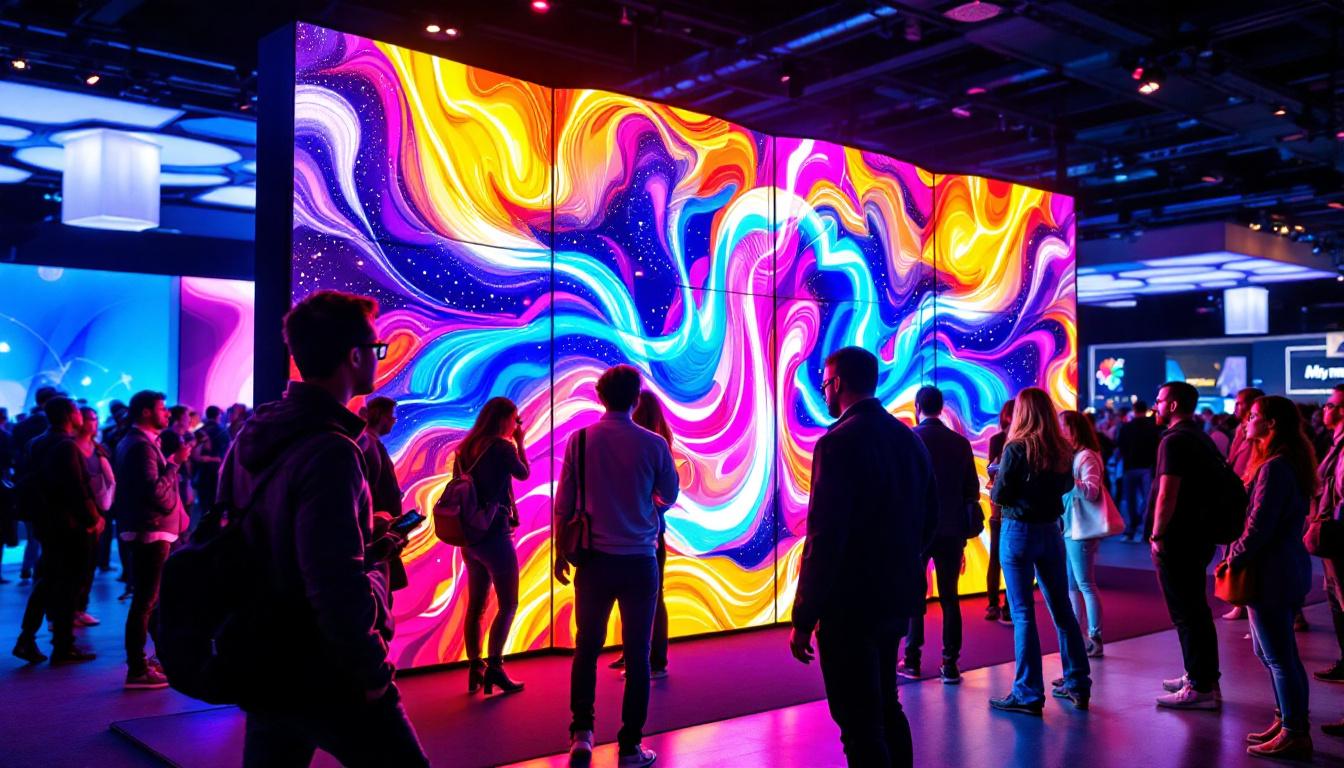
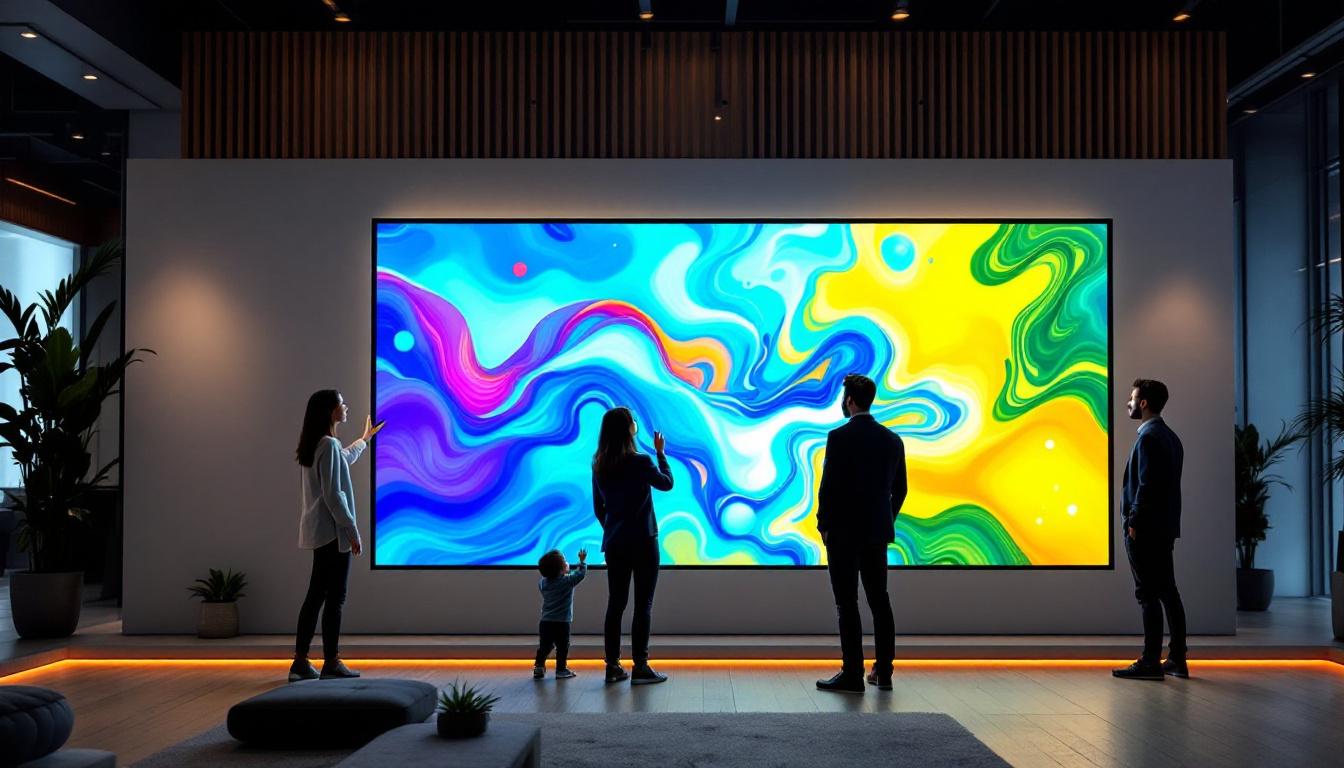
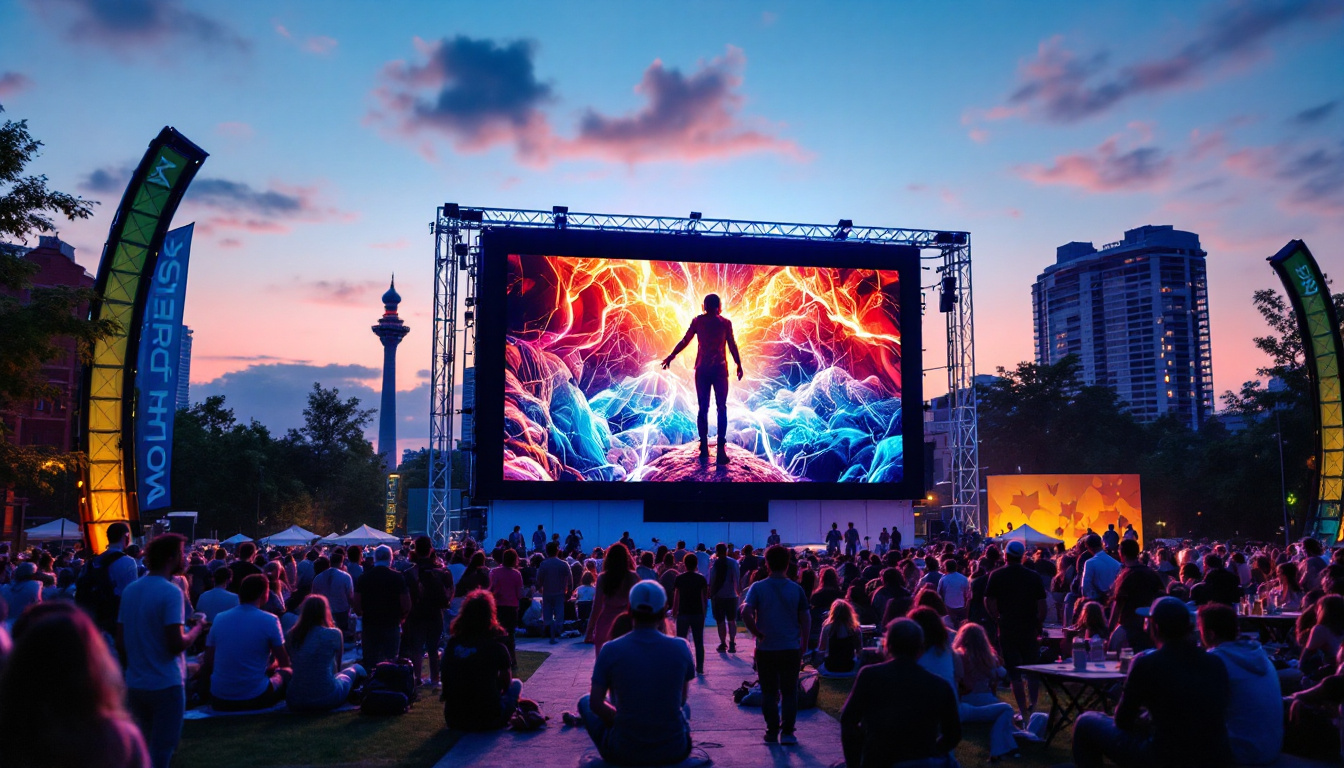
Auditoriums in Southern California schools and universities host lectures, assemblies, performances, and community events. Large LED video walls provide vibrant backdrops and clear visuals for speakers and performers. Their scalability allows for custom configurations, from a single massive screen to multiple panels arranged in creative layouts.
For instance, during a university commencement ceremony, LED displays can show live video feeds, slideshows, and pre-recorded messages, ensuring that every attendee has a front-row experience regardless of seating.
Technical Considerations for Installing LED Displays in Educational Facilities
Implementing LED displays in classrooms and auditoriums requires careful planning and technical expertise to maximize their benefits.
Content Management and Connectivity
Effective content management systems (CMS) are essential for scheduling, updating, and controlling what appears on LED displays. Southern California schools often use cloud-based CMS platforms that allow educators to remotely manage content across multiple displays, ensuring consistency and timely updates.
Connectivity options such as HDMI, DisplayPort, and wireless casting enable seamless integration with laptops, tablets, and other devices commonly used in classrooms. This flexibility supports a wide range of teaching and presentation styles.
Power and Heat Management
LED displays consume less power than traditional projection systems but still require adequate electrical infrastructure. Southern California’s energy codes encourage the use of energy-efficient technologies, making LED displays a sustainable choice.
Heat dissipation is another critical factor. High-quality LED panels incorporate heat sinks and cooling systems to maintain optimal operating temperatures, preventing performance degradation and extending lifespan.
Installation and Acoustics
Proper installation ensures that LED displays are securely mounted and positioned for optimal visibility. In auditoriums, acoustics must be considered to prevent sound reflections and ensure clear audio alongside the visual display. AV integrators in Southern California often collaborate with architects and acoustic engineers to create harmonious audiovisual environments.
Benefits of Choosing LED Displays for Southern California Educational Institutions
LED displays offer numerous advantages that align with the goals of modern educational institutions in Southern California.
Enhanced Student Engagement and Learning Outcomes
Studies have shown that high-quality visual aids can improve information retention and student engagement. The vivid imagery and interactive capabilities of LED displays support diverse teaching methods and help accommodate different learning preferences.
Cost Efficiency Over Time
While the initial investment in LED technology may be higher than traditional projectors, the long-term savings in maintenance, energy consumption, and replacement parts make LED displays cost-effective. Southern California schools benefit from reduced operational budgets and fewer disruptions caused by equipment failures.
Future-Proofing Educational Spaces
As digital content and interactive learning continue to evolve, LED displays provide a scalable and adaptable platform. Their modular design allows for upgrades and expansions, ensuring that educational facilities remain at the forefront of technology without frequent complete overhauls.
Case Studies: Successful LED Display Implementations in Southern California Schools
Several Southern California educational institutions have set benchmarks in AV integration through LED display installations.
University Lecture Halls
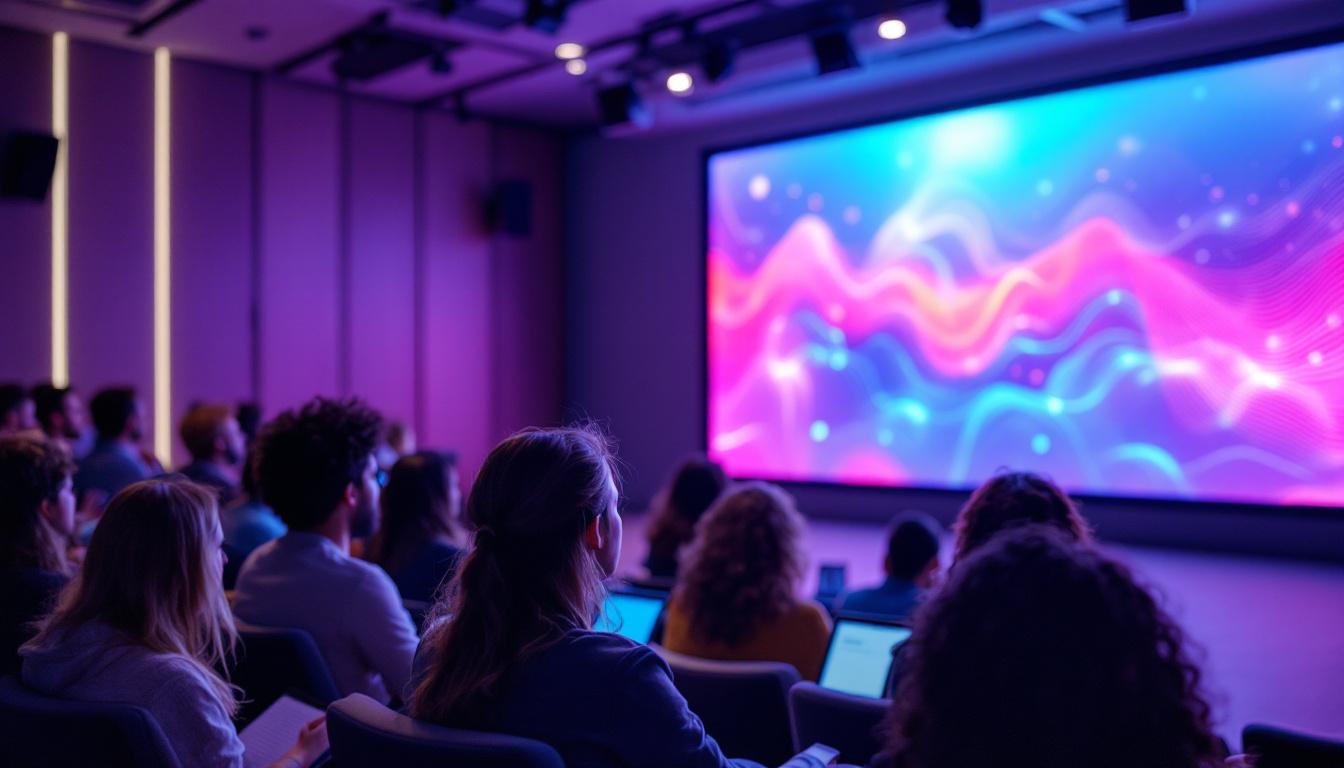
A major university in Los Angeles installed a 4K LED video wall in its largest lecture hall, accommodating over 500 students. The display improved visibility for complex data presentations and enabled live streaming of lectures, expanding access to remote learners. Faculty reported increased student participation and improved comprehension of course material.
High School Auditoriums
A San Diego high school upgraded its auditorium with a modular LED display system that supports both performances and academic presentations. The system’s flexibility allows quick reconfiguration for various events, enhancing the school’s ability to host community gatherings and multimedia presentations.
Choosing the Right AV Partner in Southern California
Selecting an experienced AV integrator is crucial for the success of LED display projects. Southern California offers a competitive market of AV specialists who understand the unique needs of educational environments, including compliance with state regulations, accessibility standards, and budget constraints.
Professional AV partners provide comprehensive services from needs assessment and system design to installation and ongoing support. Their expertise ensures that LED displays are optimized for each facility’s specific use cases, maximizing educational impact.
Conclusion: LED Displays as a Cornerstone of Modern Educational AV Systems
LED display technology is revolutionizing classroom and auditorium AV systems across Southern California. With their superior visual quality, durability, and integration capabilities, LED displays enhance teaching and learning experiences while offering long-term value to educational institutions.
As schools and universities continue to embrace digital transformation, investing in LED display solutions represents a forward-thinking approach that meets the demands of today’s learners and prepares facilities for future innovations.
For educational administrators and AV professionals in Southern California, understanding the benefits and technical considerations of LED displays is essential for making informed decisions that elevate the quality of education and community engagement.
Discover the Future of Learning with LumenMatrix
Embrace the digital transformation in your educational space with LumenMatrix’s advanced LED display solutions. As a pioneer in LED technology, LumenMatrix offers a comprehensive range of products designed to elevate the educational experience. From interactive Indoor LED Walls to vibrant Outdoor Displays and beyond, our mission is to enhance engagement and bring lessons to life. Don’t miss the opportunity to transform your classrooms and auditoriums. Check out LumenMatrix LED Display Solutions today and step into the future of immersive learning.