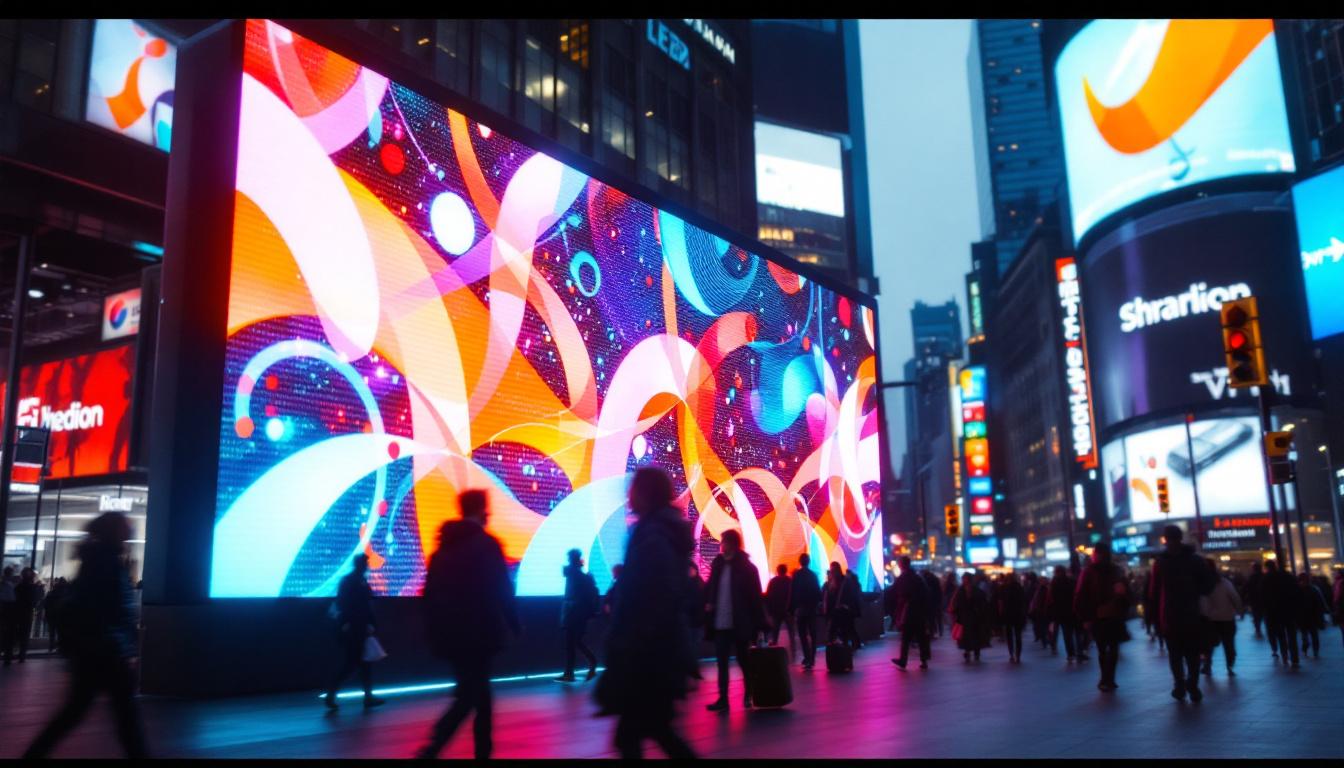
In the ever-evolving world of display technology, LED displays have become a cornerstone for both commercial and personal use. But what exactly does LED stand for, and how do these displays work? This comprehensive article delves into the full form of LED, the technology behind LED displays, their applications, advantages, and future trends shaping this dynamic field.
Understanding the Full Form of LED
The acronym LED stands for Light Emitting Diode. This term refers to a semiconductor device that emits light when an electric current passes through it. Unlike traditional light sources such as incandescent bulbs, LEDs produce light through electroluminescence, a process where electrons recombine with electron holes within the device, releasing energy in the form of photons. This unique mechanism allows LEDs to convert a higher percentage of electricity into light, resulting in less wasted energy as heat, which is a common drawback of older lighting technologies.
First developed in the early 1960s, LEDs have evolved from simple indicator lights to complex displays capable of rendering high-resolution images and videos. The efficiency, durability, and versatility of LEDs have made them a preferred choice in various industries. For instance, in the automotive sector, LEDs are now widely used for headlights and taillights, providing brighter illumination and longer lifespans compared to traditional bulbs. Additionally, in the realm of consumer electronics, LED technology has transformed televisions and computer monitors, offering vibrant colors and deeper contrasts that enhance the viewing experience.
Furthermore, the impact of LED technology extends beyond mere functionality; it also plays a significant role in energy conservation and sustainability. By consuming significantly less power than incandescent or fluorescent lights, LEDs contribute to lower electricity bills and reduced carbon footprints. This has led to a growing trend in urban planning and architecture, where energy-efficient lighting solutions are integrated into smart city designs. Moreover, advancements in LED technology have paved the way for innovations such as smart lighting systems that can be controlled remotely, allowing users to adjust brightness and color temperature according to their preferences or needs.
The Technology Behind LED Displays
How LED Displays Work
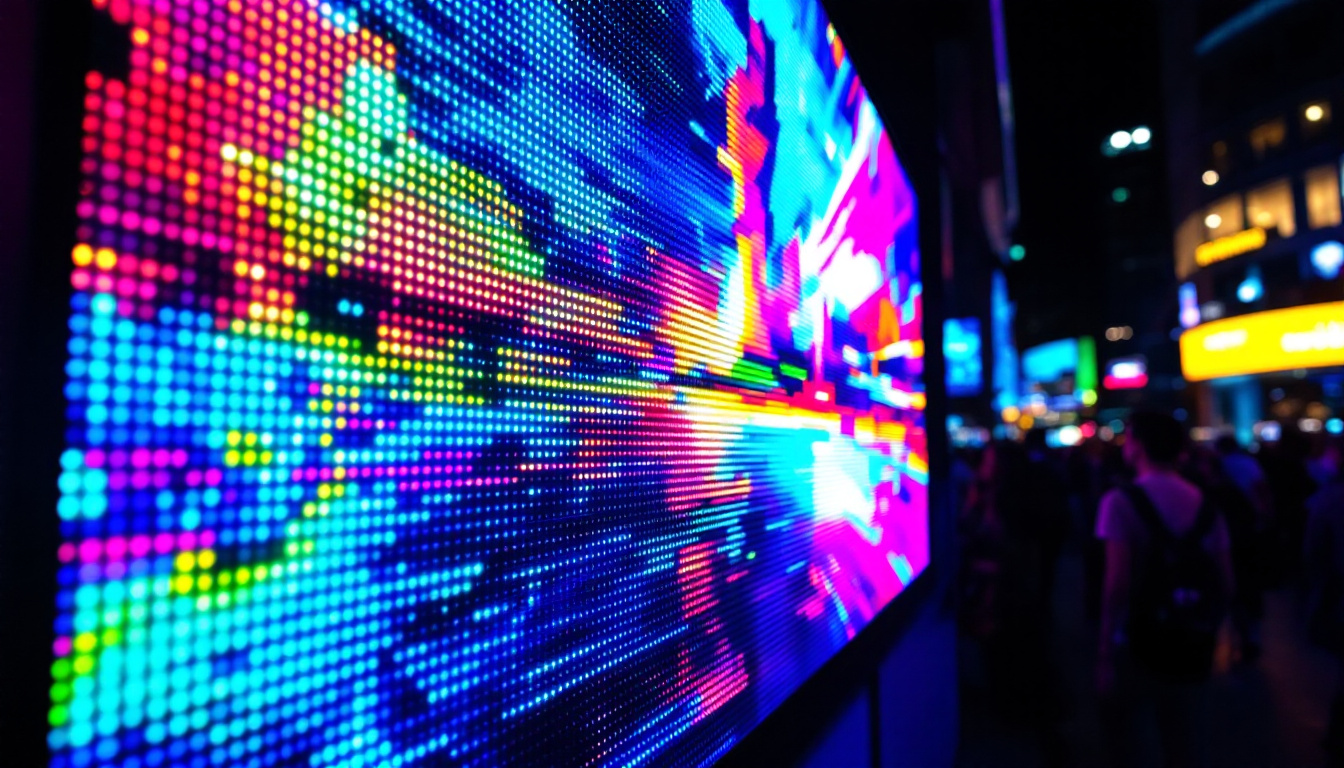
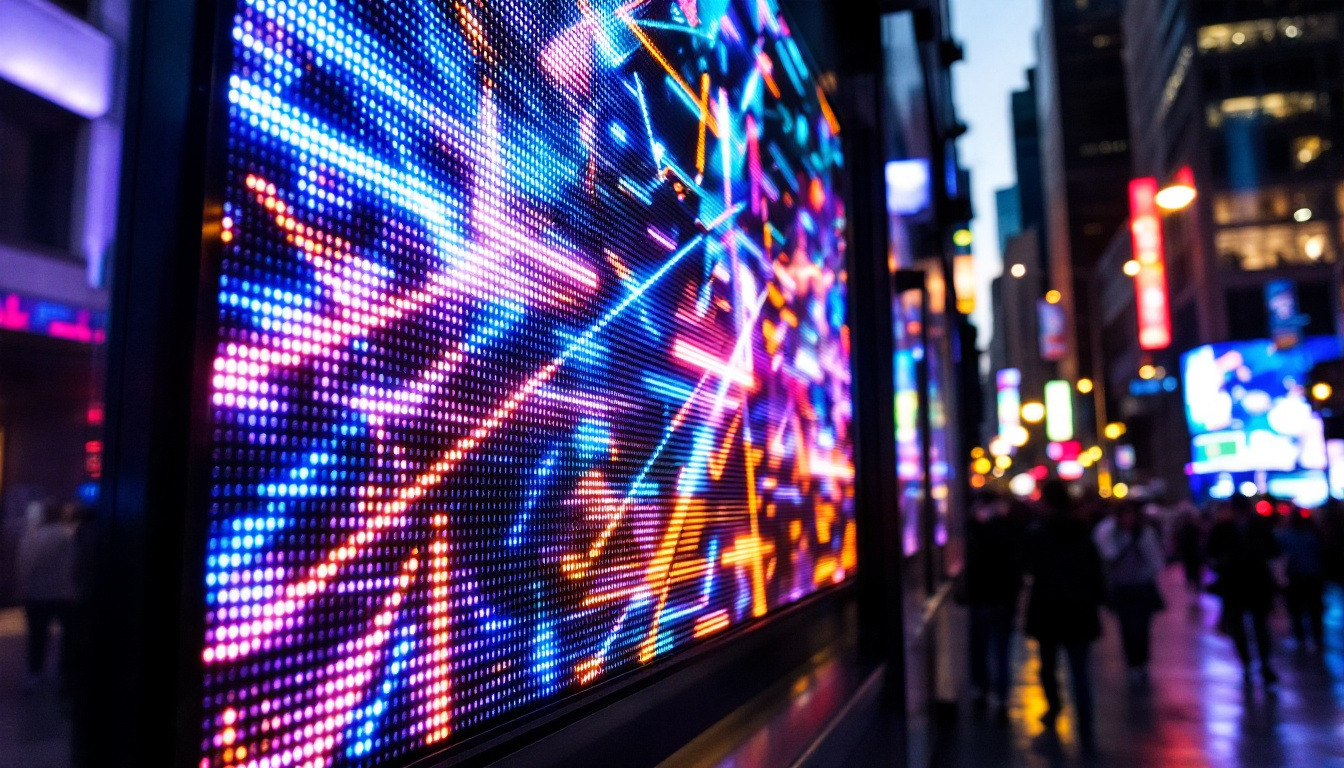
LED displays consist of numerous tiny LEDs arranged in a matrix to form pixels. Each pixel can emit light in different colors by combining red, green, and blue LEDs, enabling the display to produce a broad spectrum of colors. By controlling the intensity of each LED within a pixel, the display can render images with remarkable clarity and vibrancy. This ability to mix colors at the pixel level allows for stunning visuals that can captivate audiences in various settings, from concerts to advertising.
There are two primary types of LED displays:
- Direct View LED Displays: These use LEDs as the actual pixels that create the image. They are commonly used in large outdoor screens, stadium displays, and digital billboards.
- LED-backlit LCD Displays: In these, LEDs serve as the backlight for liquid crystal displays (LCDs). This technology is prevalent in televisions, computer monitors, and smartphones.
Key Components of an LED Display
An LED display typically comprises the following components:
- LED Modules: These are the building blocks made up of multiple LEDs arranged in a grid.
- Driver Circuits: They regulate the current supplied to LEDs, ensuring consistent brightness and color accuracy.
- Control System: This processes the input signals and controls the LED modules to display the desired content.
- Power Supply: Provides the necessary electrical power for the display operation.
Additionally, the integration of advanced technologies such as image processing software enhances the performance of LED displays. This software can optimize the visual output by adjusting color balance, contrast, and brightness levels based on ambient lighting conditions. Such adaptability is crucial in environments where lighting can vary dramatically, ensuring that the display remains visible and vibrant at all times. Furthermore, many modern LED displays are equipped with sensors that can detect surrounding light levels, automatically adjusting the display settings to maintain optimal viewing experiences.
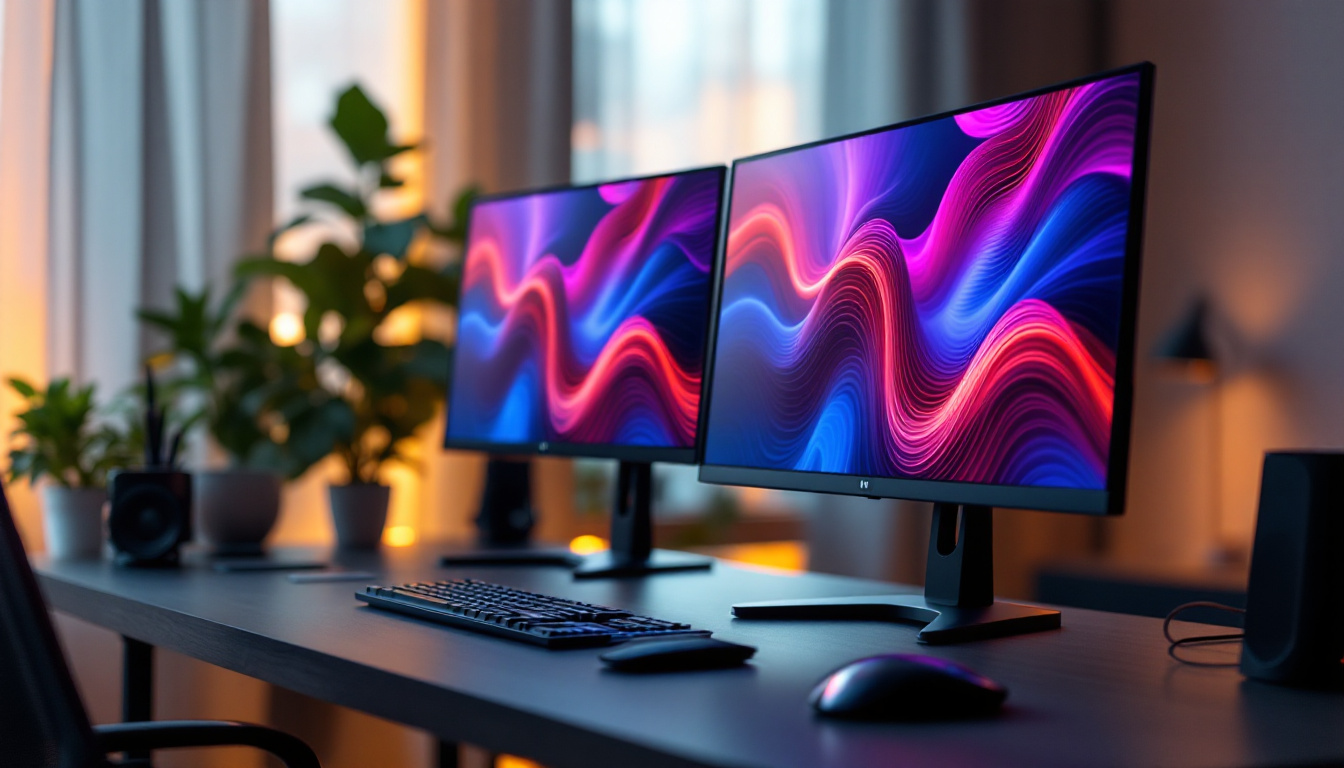
Another significant aspect of LED displays is their energy efficiency. Compared to traditional display technologies, LED displays consume considerably less power, making them a more sustainable choice for both consumers and businesses. This efficiency not only reduces operational costs but also contributes to a smaller carbon footprint. As technology continues to evolve, innovations such as organic LEDs (OLEDs) and microLEDs are emerging, promising even greater efficiency and flexibility in design, paving the way for future applications in various fields including automotive displays, wearable technology, and smart home devices.
Applications of LED Displays
Commercial and Advertising Uses
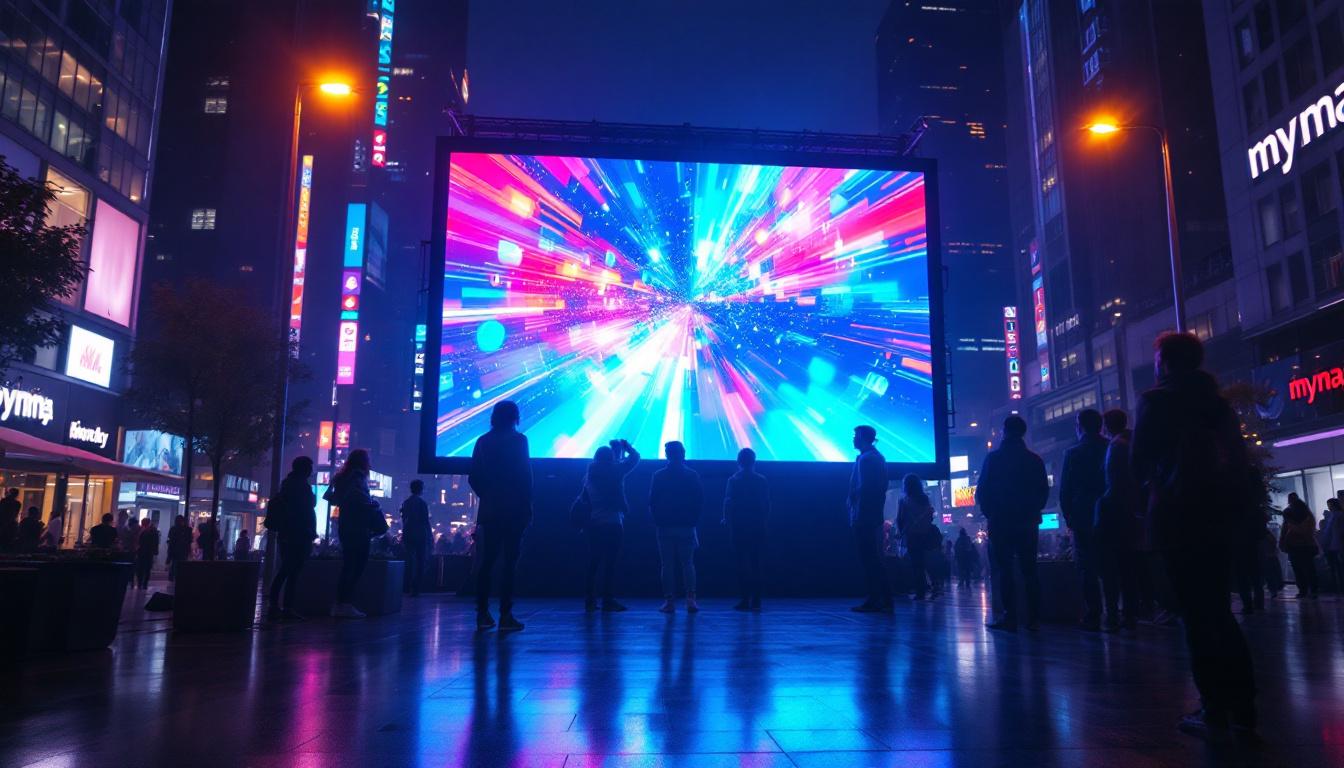
One of the most visible applications of LED displays is in advertising. Digital billboards and signage utilize direct view LED displays to capture attention with bright, dynamic content. Their high brightness levels make them suitable for outdoor environments, even under direct sunlight.
Retail stores and shopping malls often employ LED screens for promotional content, enhancing customer engagement and driving sales. The flexibility of LED displays allows for real-time updates, making them ideal for time-sensitive advertisements. Additionally, the ability to incorporate interactive elements, such as touchscreens or QR codes, further enhances the shopping experience, allowing customers to engage with the brand in a more meaningful way. As a result, businesses can tailor their marketing strategies to target specific demographics, maximizing their return on investment.
Entertainment and Sports Venues
Stadiums and concert venues rely heavily on large-scale LED displays to provide spectators with live video feeds, replays, and interactive content. The ability to produce vivid colors and high contrast ensures that the audience enjoys an immersive experience, regardless of their seating location. Beyond just visuals, these displays can also be synchronized with audio systems to create a cohesive atmosphere that enhances the overall event experience.
Moreover, LED displays are increasingly being used for fan engagement, featuring live polls, social media feeds, and instant highlights that keep the audience connected and involved throughout the event. This not only enhances the enjoyment of the attendees but also serves as a platform for sponsors and advertisers to reach a captive audience, creating a win-win scenario for all parties involved.
Consumer Electronics
LED technology has revolutionized consumer electronics, particularly in television and smartphone displays. LED-backlit LCDs offer improved energy efficiency, thinner designs, and better color reproduction compared to older technologies like CCFL backlighting.
Recent advancements have led to the development of OLED (Organic LED) displays, which provide even greater contrast ratios and flexibility, although they operate on different principles than traditional LEDs. OLED screens are known for their ability to display true blacks and vibrant colors, making them a popular choice for high-end televisions and mobile devices. Furthermore, the potential for flexible and curved displays opens up new design possibilities, allowing manufacturers to create innovative products that cater to the evolving preferences of consumers.
Industrial and Transportation Applications
LED displays are also prominent in industrial settings for monitoring and control systems, providing clear and reliable visual data. In transportation, LED screens are used for traffic signals, information boards at airports and train stations, and vehicle displays.
In addition to their role in enhancing safety and communication, LED displays in transportation systems have become crucial for real-time updates, such as arrival and departure times, weather conditions, and emergency alerts. This capability not only improves the efficiency of public transport systems but also enhances passenger experience by keeping travelers informed and reducing uncertainty. Furthermore, the durability and low maintenance requirements of LED technology make it an ideal choice for the demanding environments found in industrial and transportation applications.
Advantages of LED Displays Over Other Technologies
Energy Efficiency and Longevity
LED displays consume significantly less power than traditional incandescent or fluorescent lighting. This energy efficiency translates into lower operational costs and reduced environmental impact. Additionally, LEDs have a longer lifespan, often exceeding 50,000 hours, which reduces maintenance needs and replacement frequency.
Brightness and Visibility
LED displays can achieve extremely high brightness levels, making them visible in direct sunlight and adverse weather conditions. This attribute is particularly crucial for outdoor advertising and public information systems.
Color Accuracy and Contrast
The ability to precisely control individual LEDs allows for superior color accuracy and contrast ratios. This results in sharper images and more vibrant videos, enhancing the viewer’s experience.
Durability and Flexibility
LEDs are solid-state devices with no fragile filaments or glass envelopes, making them more resistant to shock and vibration. This durability makes LED displays suitable for a wide range of environments, including harsh outdoor conditions.
Moreover, LED displays can be manufactured in various shapes and sizes, including flexible and curved panels, expanding their design possibilities.
Challenges and Considerations in LED Display Technology
Cost Factors
While the cost of LED technology has decreased significantly over the past decade, high-resolution LED displays, especially large-format direct view types, can still be expensive to produce and install. Budget considerations are essential when planning LED display projects.
Pixel Pitch and Viewing Distance
Pixel pitch, the distance between the centers of adjacent LEDs, affects the display’s resolution and optimal viewing distance. Smaller pixel pitches provide higher resolution but increase manufacturing complexity and cost. Selecting the appropriate pixel pitch is crucial to balance image quality with budget and use case.
Heat Management
LEDs generate heat during operation, which can affect performance and lifespan if not properly managed. Effective heat dissipation mechanisms, such as heat sinks and ventilation, are necessary to maintain display reliability.
Future Trends in LED Display Technology
Mini-LED and Micro-LED Innovations
Emerging technologies like Mini-LED and Micro-LED are pushing the boundaries of display performance. Mini-LEDs use thousands of tiny LEDs as backlighting units for LCD panels, offering better contrast and brightness control.
Micro-LEDs, on the other hand, consist of microscopic LEDs that serve as individual pixels, enabling displays with exceptional brightness, color accuracy, and energy efficiency. These technologies are poised to revolutionize televisions, smartphones, and augmented reality devices.
Integration with Smart Technologies
LED displays are increasingly integrated with smart systems, including IoT (Internet of Things) and AI (Artificial Intelligence). This integration allows for dynamic content adjustment based on environmental factors, audience demographics, and real-time analytics, enhancing user engagement and operational efficiency.
Sustainability and Eco-Friendly Developments
As environmental concerns grow, manufacturers focus on developing LED displays with recyclable materials, reduced hazardous substances, and improved energy efficiency. These efforts align with global sustainability goals and consumer demand for greener technologies.
Conclusion
Understanding the full form of LED—Light Emitting Diode—and the technology behind LED displays provides valuable insight into why this technology has become ubiquitous across various sectors. From vibrant outdoor billboards to cutting-edge consumer electronics, LED displays offer unmatched brightness, energy efficiency, and versatility.
As advancements continue with Mini-LED, Micro-LED, and smart integration, the future of LED displays looks brighter than ever. Whether for advertising, entertainment, or industrial applications, LED technology remains a pivotal innovation shaping how visual information is presented and consumed worldwide.
Explore the Future of LED Displays with LumenMatrix
As you’ve seen, LED technology is transforming the way we experience visual media, offering unparalleled brightness, energy efficiency, and versatility. If you’re ready to elevate your visual communication and captivate your audience with the latest in LED display technology, look no further than LumenMatrix. Our innovative solutions, including Indoor and Outdoor LED Wall Displays, Vehicle LED Displays, and more, are designed to bring your brand to life. Check out LumenMatrix LED Display Solutions today and join the revolution in digital signage and visual storytelling.