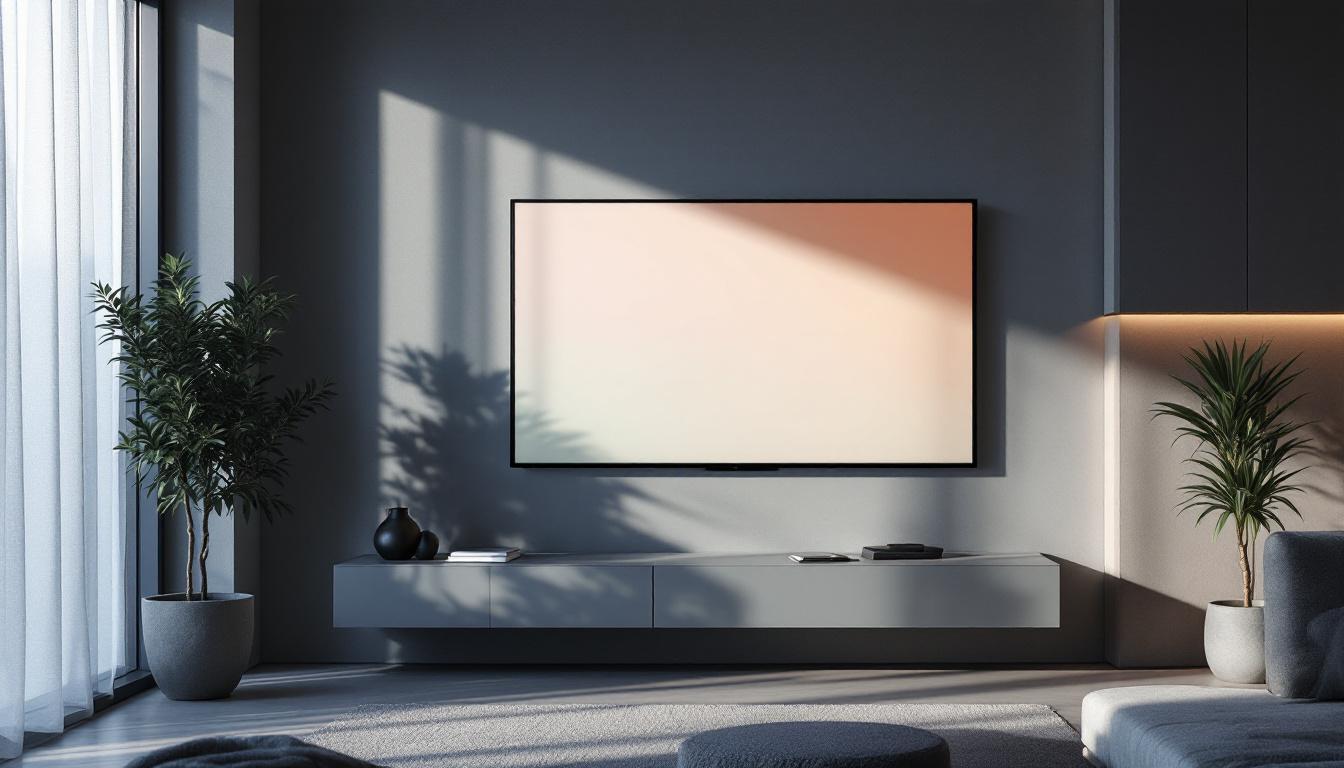
What Is The Thinnest TV: LED Display Explained
In the rapidly evolving world of television technology, one feature continues to captivate consumers and manufacturers alike: thinness. The quest for the thinnest TV has driven innovation, reshaping how screens are designed, built, and integrated into living spaces. Among the various display technologies, LED TVs have emerged as a dominant force, balancing picture quality, energy efficiency, and sleek form factors.
This article explores what makes an LED TV thin, the technology behind ultra-slim displays, and how the thinnest TVs on the market today achieve their remarkable profiles. Whether you’re a tech enthusiast, a prospective buyer, or simply curious about modern display technology, understanding the nuances of LED displays and their slim designs will provide valuable insight.
Understanding LED TV Technology
What Does LED Mean?
LED stands for Light Emitting Diode. In the context of televisions, LED TVs are essentially LCD (Liquid Crystal Display) TVs that use LED backlighting instead of the older Cold Cathode Fluorescent Lamps (CCFLs). This shift in backlighting technology has been pivotal in enabling thinner, more energy-efficient, and brighter screens. The adoption of LED technology has not only improved the visual quality of televisions but has also significantly reduced power consumption, making them more environmentally friendly.
Unlike OLED (Organic Light Emitting Diode) TVs, where each pixel emits its own light, LED TVs rely on a backlight panel that shines through LCD layers to produce images. The LED backlight can be arranged in different configurations, such as edge-lit or full-array, each affecting the TV’s thickness and picture quality. Edge-lit models tend to be more affordable and widely available, while full-array models, often seen as the premium choice, provide superior contrast and color accuracy due to their ability to control lighting in specific areas of the screen.
How LED Backlighting Enables Thin Designs
The transition from CCFL to LED backlighting was a game-changer for TV thickness. CCFL tubes are relatively bulky and require more space behind the screen. LEDs, being much smaller and more energy-efficient, can be arranged in thin strips along the edges of the panel (edge-lit) or in a full grid behind the screen (full-array). This innovation has allowed manufacturers to create ultra-slim designs that can seamlessly blend into modern living spaces, appealing to consumers who value aesthetics as much as functionality.
Edge-lit LED TVs are typically thinner because the LEDs are positioned around the perimeter of the screen, allowing the central display area to remain slim. However, this design can sometimes lead to uneven lighting or less precise local dimming compared to full-array models. Full-array LED TVs, on the other hand, distribute light more evenly across the screen and can achieve deeper blacks and brighter whites by dimming specific zones. This capability not only enhances the viewing experience, especially in darker scenes, but also makes these models more suitable for home theater setups where picture quality is paramount. As technology continues to advance, we can expect even more innovations in LED backlighting that push the boundaries of design and performance in television displays.
What Defines the Thinnest TV?
Measuring Thinness: Thickness vs. Depth
When discussing the thinnest TV, it’s important to clarify what dimension is being measured. The thickness or depth of a TV is the distance from the front screen surface to the back panel. Modern ultra-thin TVs can be as thin as a few millimeters, but this measurement often excludes the stand or wall-mounting hardware.
Manufacturers sometimes highlight the thinnest part of the TV, which may taper at the edges, so it’s essential to consider the average thickness or the thickest point to get a realistic sense of the TV’s profile.
Factors Influencing TV Thinness
Several factors determine how thin a TV can be:
- Backlighting Technology: Edge-lit LED designs allow thinner profiles compared to full-array or CCFL backlights.
- Panel Type: OLED panels are inherently thinner because they do not require a backlight, but LED TVs have made significant strides in thinness.
- Cooling and Electronics: Components like power supplies, processors, and cooling systems require space, which can add to thickness.
- Materials and Build Quality: Advances in materials such as ultra-thin glass and lightweight metals enable slimmer designs without sacrificing durability.
Examples of the Thinnest LED TVs on the Market
Samsung’s The Frame and The Serif Series
Samsung has been a pioneer in combining aesthetics with technology. Their “The Frame” TV is designed to look like a piece of art when not in use and boasts a thickness of around 24.9mm (just under 1 inch). While not the absolute thinnest, it balances thinness with innovative design features such as customizable bezels and an art mode.
The Serif series, known for its unique design inspired by the serif font, also features slim profiles, typically around 30mm thick. Samsung’s use of edge-lit LED technology helps achieve these thin dimensions while maintaining excellent picture quality.
LG’s NanoCell LED TVs
LG’s NanoCell LED TVs leverage advanced LED backlighting and quantum dot technology to deliver vivid colors and sharp images. Some models in their lineup feature thicknesses as slim as 25mm, achieved through edge-lit LEDs and compact internal components.
While LG is also a leader in OLED technology, their LED TVs remain popular due to their affordability and brightness advantages, especially in well-lit rooms.
TCL’s 6-Series and R646 Models
TCL has gained traction in the budget and mid-range TV market by offering feature-rich LED TVs with slim designs. The 6-Series models typically measure around 28-30mm in thickness. TCL’s latest R646 series, featuring Mini-LED backlighting, pushes the envelope by combining thinness with enhanced local dimming and brightness control.
Mini-LED technology uses thousands of tiny LEDs for backlighting, allowing for thinner panels than traditional full-array LED TVs while improving contrast and HDR performance.
How Ultra-Thin LED TVs Achieve Their Slim Profiles
Edge-Lit LED Technology
Edge-lit LED TVs place the LED backlights along the edges of the screen, using light guides to distribute illumination evenly across the panel. This design significantly reduces the depth required for the backlighting system, enabling ultra-thin profiles often below 30mm.
However, edge-lit designs may face challenges with uniform brightness and contrast, especially in scenes with high dynamic range. Manufacturers counteract this with advanced light guide plates and local dimming zones, though these are generally less precise than full-array backlighting.
Mini-LED Backlighting
Mini-LED technology represents a leap forward in LED backlighting. By using thousands of tiny LEDs, Mini-LED TVs can achieve more precise local dimming and better contrast without requiring the thicker profiles of traditional full-array LED TVs.
The smaller LEDs allow for thinner backlight layers, contributing to slimmer overall TV designs. This technology is increasingly popular in premium LED TVs, offering a middle ground between traditional LED and OLED displays.
Innovative Materials and Engineering
Advances in materials science also play a critical role. Ultra-thin glass substrates, flexible circuit boards, and compact electronic components allow manufacturers to reduce the thickness of the TV chassis without compromising structural integrity.
Additionally, improved thermal management solutions, such as heat-dissipating materials and efficient component layouts, enable thinner TVs by minimizing the need for bulky cooling systems.
Comparing LED TVs to Other Thin Display Technologies
OLED vs. LED: Thickness and Picture Quality
OLED TVs are often thinner than LED TVs because each pixel emits its own light, eliminating the need for a backlight. Some OLED models measure as thin as 4-5mm, making them the thinnest TVs available.
However, LED TVs, especially those with Mini-LED backlighting, offer advantages in brightness and longevity, making them suitable for brightly lit environments and long-term use. For consumers prioritizing ultra-slim design, OLED is often the preferred choice, but LED TVs remain competitive in thinness and cost.
MicroLED: The Next Frontier
MicroLED technology, which uses microscopic LEDs as individual pixels, promises the ultimate combination of thinness, brightness, and durability. Although still emerging and expensive, MicroLED TVs can be incredibly thin, rivaling or surpassing OLED displays.
Currently, MicroLED TVs are not widely available to consumers, but they represent a potential future direction for ultra-thin television design.
Practical Considerations for Choosing a Thin LED TV
Mounting and Room Integration
One of the primary benefits of ultra-thin TVs is their ease of integration into modern living spaces. Thin TVs can be mounted flush against walls, creating a minimalist look that blends seamlessly with home décor.
When selecting a thin LED TV, consider the mounting options and whether the TV’s thickness will accommodate recessed wall mounts or specialized brackets. Some ultra-thin models come with magnetic or near-invisible mounting solutions to enhance the aesthetic.
Performance Trade-offs
While thinness is appealing, it’s important to balance it with performance factors such as brightness, contrast, and sound quality. Thinner TVs may have limited space for powerful speakers or advanced cooling, potentially affecting audio performance and longevity.
Many manufacturers address these issues by offering complementary soundbars or external audio solutions. Additionally, some ultra-thin TVs include advanced processing chips to optimize picture quality despite physical constraints.
Price and Availability
Ultra-thin LED TVs, especially those with cutting-edge backlighting technologies like Mini-LED, tend to be priced at a premium. Budget-conscious buyers may find better value in slightly thicker models that still offer excellent picture quality and features.
It’s also worth noting that the thinnest TVs are often flagship models with the latest technology, so availability may vary depending on region and retailer.
Conclusion: The Future of Thin LED TVs
The pursuit of the thinnest TV has driven remarkable advancements in LED display technology, from edge-lit designs to Mini-LED backlighting and innovative materials. Today’s ultra-thin LED TVs offer a compelling blend of style, performance, and energy efficiency, making them an attractive choice for many consumers.
While OLED and emerging MicroLED technologies currently hold the record for absolute thinness, LED TVs continue to evolve, narrowing the gap with improved backlighting and engineering. For those seeking a sleek, modern television that fits seamlessly into contemporary living spaces, understanding the nuances of LED display technology and the factors influencing thinness is essential.
As technology progresses, the line between thinness and performance will continue to blur, promising even more exciting developments in the world of television displays.
Discover the Pinnacle of Thin LED Displays with LumenMatrix
As you contemplate the sleek sophistication of the thinnest LED TVs, imagine the possibilities with LumenMatrix. As a frontrunner in LED display innovation, we’re committed to elevating your visual experience. Our extensive range of solutions, from Indoor and Outdoor LED Wall Displays to specialized options like Vehicle and Sports LED Displays, is designed to integrate seamlessly into any space, ensuring your message is not just seen but truly experienced. Ready to transform your environment with unparalleled clarity and impact? Check out LumenMatrix LED Display Solutions and join the revolution in visual communication.