When shopping for a new television, one of the most important technical specifications to understand is the display ratio. This aspect significantly impacts the viewing experience, especially as LED TVs dominate the market. The term “display ratio” might seem straightforward, but it encompasses a range of factors that influence how images are rendered on your screen. This article will delve into the concept of TV display ratios, focusing on LED displays, and explain how these ratios affect the picture quality and overall user experience.
Understanding TV Display Ratios: What Does It Mean?
The display ratio, often referred to as the aspect ratio, is the proportional relationship between the width and height of a television screen. It is expressed as two numbers separated by a colon, such as 16:9 or 4:3. This ratio determines the shape of the screen and how content fits within it.
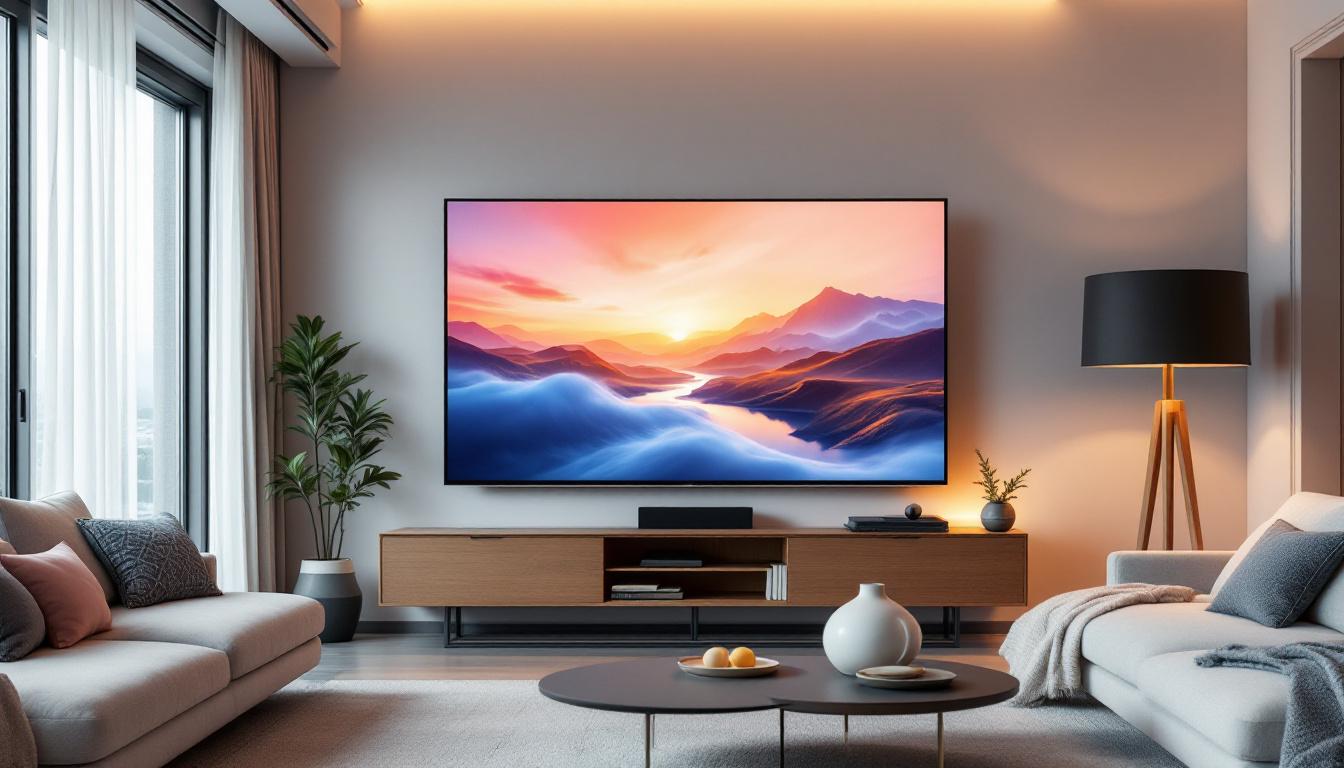
Historically, the 4:3 aspect ratio was standard for older televisions and computer monitors. This ratio means the screen is 4 units wide for every 3 units high. However, with the advent of high-definition television and modern media formats, the 16:9 ratio has become the industry standard. This widescreen format is 16 units wide for every 9 units high, offering a more cinematic viewing experience.
Understanding the display ratio is crucial because it affects how content is displayed. For instance, watching a movie filmed in a wider aspect ratio on a 4:3 screen can result in black bars or cropped images. Conversely, a 16:9 screen is better suited for modern HD content, providing a more immersive experience without distortion.
Why Aspect Ratio Matters in LED TVs
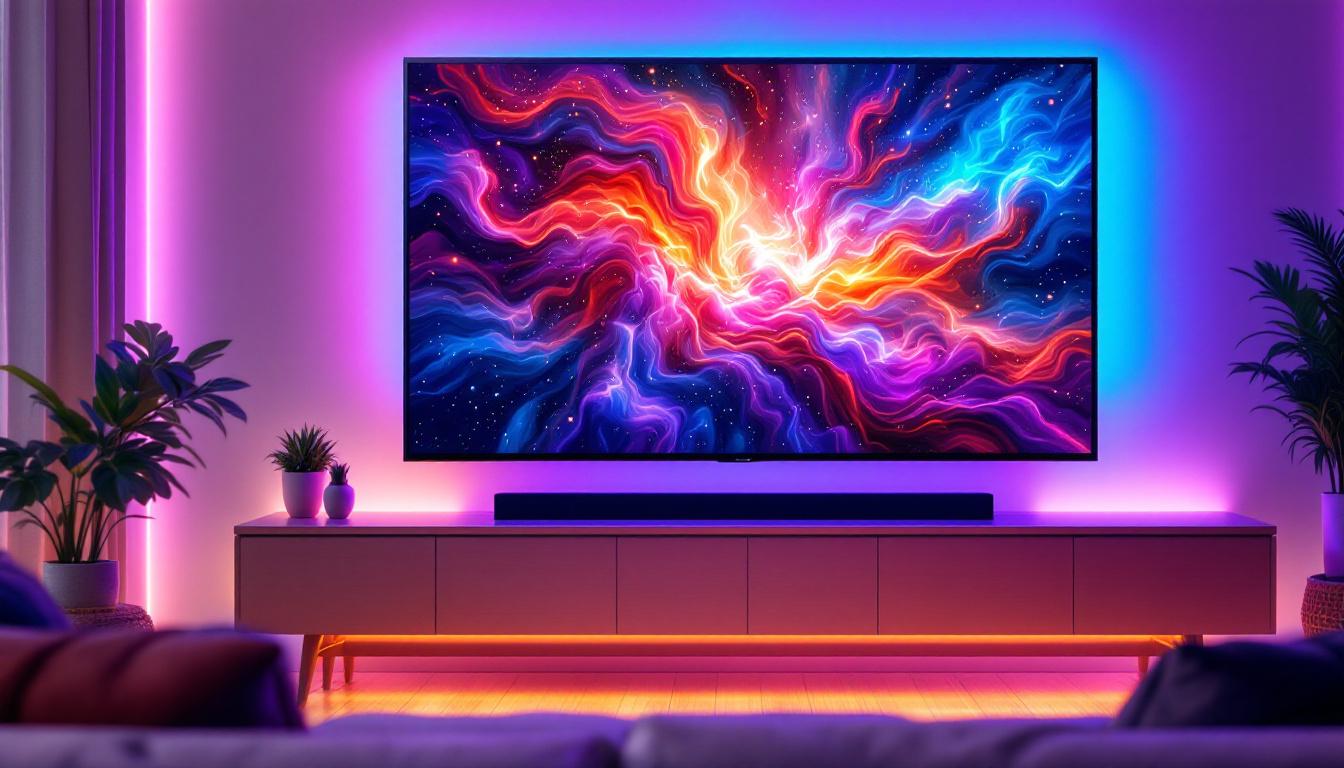
LED TVs, which use light-emitting diodes to illuminate the screen, have become the preferred choice for consumers due to their energy efficiency, brightness, and slim design. The aspect ratio in LED TVs is particularly important because it influences how the backlighting and pixel arrangement work together to produce clear and vibrant images.
For example, a 16:9 LED TV can display HD and 4K content natively without the need for scaling or stretching, preserving the original quality of the video. On the other hand, a mismatched aspect ratio can lead to image distortion, such as stretching or letterboxing, which detracts from the viewing experience.
Common TV Display Ratios and Their Applications
While 16:9 is the most prevalent aspect ratio for modern LED TVs, other ratios are still relevant depending on the content and device. Here’s a breakdown of the most common display ratios and their typical uses:
4:3 Aspect Ratio
The 4:3 ratio was the standard for analog TVs and early digital broadcasts. It is still used in some older content and specialized applications like security cameras or retro gaming. However, this ratio is less common in contemporary televisions, as it does not accommodate widescreen content well.
16:9 Aspect Ratio
The 16:9 ratio is the universal standard for HDTV, Full HD, and Ultra HD (4K) televisions. It matches the aspect ratio used in most modern movies, TV shows, and streaming services. This ratio provides a balanced widescreen view that enhances immersion without significant distortion or letterboxing.
21:9 Aspect Ratio
Also known as ultra-widescreen, the 21:9 ratio is popular in cinematic displays and some high-end monitors. It offers a more expansive field of view, closely mimicking the aspect ratio used in many films. While not common for standard LED TVs, some manufacturers offer ultra-wide models targeted at movie enthusiasts and gamers.
Other Ratios
Less common ratios such as 5:4 or 3:2 are typically found in computer monitors or specialized displays rather than consumer TVs. These ratios cater to specific use cases, such as office productivity or photography, rather than general entertainment.
How LED Technology Influences Display Ratio and Picture Quality
LED technology has revolutionized the television industry, providing brighter screens, better contrast, and more energy-efficient displays compared to older LCD or plasma technologies. Understanding how LED backlighting interacts with display ratios can help consumers make informed decisions.
LED Backlighting and Screen Uniformity
LED TVs use arrays of LEDs to illuminate the liquid crystal display (LCD) panel. The placement and density of these LEDs can affect screen uniformity and brightness. For example, edge-lit LED TVs position LEDs along the screen edges, which can sometimes cause uneven lighting, especially on larger screens with wider aspect ratios.
In contrast, full-array LED TVs place LEDs directly behind the screen, allowing for more precise control of brightness and contrast zones. This setup is particularly beneficial for wider aspect ratios like 16:9 or 21:9 because it ensures consistent illumination across the entire screen.
Resolution and Pixel Density
The display ratio also correlates with resolution and pixel density, which are critical for image clarity. A 16:9 LED TV with a 4K resolution (3840 x 2160 pixels) offers a high pixel density that results in sharp, detailed images. Conversely, a lower resolution on the same screen size can lead to pixelation and reduced image quality.
Choosing the right combination of display ratio and resolution is essential for maximizing the benefits of LED technology. For example, a 16:9 4K LED TV is ideal for streaming high-definition content, gaming, and watching movies, while a 4:3 display might limit the viewing experience.
Impact of Display Ratio on Viewing Experience and Content Compatibility
The display ratio directly affects how content appears on your TV. Understanding this relationship can help avoid common issues like distorted images, black bars, or cropped scenes.
Letterboxing and Pillarboxing Explained
When the aspect ratio of the content does not match the TV’s display ratio, viewers may encounter letterboxing or pillarboxing. Letterboxing occurs when black bars appear above and below the image, typically when widescreen content is shown on a narrower screen. Pillarboxing happens when black bars appear on the sides, usually when narrower content is displayed on a widescreen TV.
For example, watching a classic TV show filmed in 4:3 on a 16:9 LED TV will result in pillarboxing unless the image is stretched, which can distort the picture. Conversely, watching a modern movie filmed in 21:9 on a 16:9 screen often leads to letterboxing to preserve the original frame.
Stretching and Zooming: Pros and Cons
Some TVs offer options to stretch or zoom the image to fill the screen, but these adjustments can compromise picture quality. Stretching can distort the image, making objects appear unnaturally wide or tall, while zooming may crop important parts of the frame.
Choosing a TV with a display ratio that matches your primary content type minimizes the need for such adjustments, preserving the director’s intended composition and enhancing viewer satisfaction.
Choosing the Right Display Ratio for Your Needs
When selecting an LED TV, consider the types of content you watch most frequently and the environment where the TV will be used. The display ratio plays a pivotal role in ensuring that the content looks its best.
For General TV and Streaming
Most modern TV shows, sports broadcasts, and streaming platforms use the 16:9 aspect ratio. Therefore, a 16:9 LED TV is the most versatile choice for everyday viewing. It supports HD, Full HD, and 4K content natively, providing excellent picture quality without distortion.
For Movie Enthusiasts
If you frequently watch films, especially those shot in ultra-wide formats, consider a 21:9 display or a 16:9 TV with good letterboxing support. Ultra-wide TVs can offer a more immersive cinematic experience, but they tend to be more expensive and less common.
For Retro or Specialized Content
Fans of classic television shows, older video games, or specialized content might prefer a 4:3 display or a TV that can easily switch aspect ratios. This ensures that vintage content is displayed correctly without distortion or excessive black bars.
Future Trends in TV Display Ratios and LED Technology
As technology advances, the landscape of TV display ratios and LED technology continues to evolve. Manufacturers are experimenting with new formats and innovations to enhance the viewing experience.
Flexible and Foldable Displays
Emerging technologies include flexible and foldable LED displays, which could enable screens that adjust their aspect ratio dynamically based on the content. This innovation promises to eliminate letterboxing and pillarboxing altogether, adapting seamlessly to various media formats.
MicroLED and MiniLED Technologies
MicroLED and MiniLED are next-generation backlighting technologies that improve brightness, contrast, and color accuracy beyond traditional LED setups. These advancements will likely be integrated into TVs with various aspect ratios, further enhancing picture quality and viewing comfort.
Integration with Smart Home and AI
Smart TVs are increasingly incorporating AI to optimize picture settings automatically based on content type and ambient lighting. This technology can adjust display parameters to suit different aspect ratios, ensuring the best possible image quality without manual intervention.
Conclusion
The TV display ratio is a fundamental aspect of television technology that directly influences how content is presented and experienced. LED TVs, with their superior brightness and energy efficiency, have made widescreen formats like 16:9 the standard for modern viewing. Understanding the differences between aspect ratios, their applications, and how LED technology interacts with these ratios can help consumers make informed decisions when purchasing a TV.
Whether you prioritize watching the latest 4K movies, streaming your favorite shows, or enjoying classic content, choosing the right display ratio ensures that you get the most out of your LED TV. As technology continues to evolve, new innovations promise even more flexible and immersive viewing experiences, making the future of television display ratios an exciting space to watch.
Explore the Future of LED Displays with LumenMatrix
As you consider the importance of display ratios for your next LED TV, remember that the right technology can transform your viewing experience. LumenMatrix, a pioneer in LED display technology, offers a wide array of innovative solutions that cater to your diverse needs. From Indoor and Outdoor LED Wall Displays to specialized options like Vehicle LED Displays and LED Sports Displays, LumenMatrix is committed to enhancing your visual experiences. Embrace the future of visual communication with our Custom LED Displays, All-in-One LED Displays, and revolutionary LED Transparent Displays. Check out LumenMatrix LED Display Solutions today and step into a world where clarity and engagement meet cutting-edge technology.