In today’s rapidly evolving digital landscape, understanding the nuances of display technologies is crucial for both consumers and professionals. Whether you’re a gamer, a graphic designer, or simply someone looking to upgrade your home entertainment system, knowing how DisplayPort 1.4 compares to LED display technology can help you make informed decisions. This article delves into the technical details, practical applications, and future implications of these two pivotal technologies.
Understanding DisplayPort 1.4: A Technical Overview
DisplayPort 1.4 is a high-performance digital interface standard primarily used to connect a video source to a display device such as a monitor or TV. Introduced by the Video Electronics Standards Association (VESA) in 2016, DisplayPort 1.4 builds on its predecessors by supporting higher resolutions, refresh rates, and color depths, making it a favorite among professionals and enthusiasts alike.
Key Features of DisplayPort 1.4
One of the standout features of DisplayPort 1.4 is its support for 8K resolution at 60 Hz or 4K resolution at up to 120 Hz. This is achieved through Display Stream Compression 1.2 (DSC), a visually lossless compression technology that allows for higher bandwidth efficiency without compromising image quality. Additionally, DisplayPort 1.4 supports High Dynamic Range (HDR) metadata, enhancing color accuracy and brightness levels for a more vivid viewing experience.
Another important aspect is the bandwidth capacity. DisplayPort 1.4 offers a maximum bandwidth of 32.4 Gbps, which translates to a raw data rate of 25.92 Gbps after overhead. This bandwidth allows for the transmission of high-resolution video and audio signals simultaneously, making it ideal for multi-monitor setups and professional workflows. Furthermore, the inclusion of Multi-Stream Transport (MST) allows users to daisy-chain multiple displays from a single DisplayPort output, simplifying cable management and enhancing productivity, especially in design and gaming environments.
Comparison with Previous Versions
Compared to DisplayPort 1.3, the 1.4 version introduces DSC and improved HDR support, which are critical for modern content consumption and creation. While DisplayPort 1.3 supports 8K at 30 Hz without compression, 1.4’s ability to handle 8K at 60 Hz with DSC marks a significant leap forward. This makes DisplayPort 1.4 not just a connector but a comprehensive solution for future-proofing display setups. Additionally, DisplayPort 1.4 enhances audio capabilities by supporting up to 32 audio channels and a sample rate of 1536 kHz, allowing for an immersive audio experience that complements high-definition visuals.
Moreover, DisplayPort 1.4 is backward compatible with earlier versions, ensuring that users can connect older devices without sacrificing performance. This compatibility is particularly beneficial for those who may have invested in high-quality monitors or graphics cards that utilize previous DisplayPort standards. As technology continues to evolve, DisplayPort 1.4 stands as a robust option for gamers, content creators, and anyone seeking to maximize their visual experience, providing not only superior image quality but also the flexibility to adapt to a variety of setups and configurations.
What is an LED Display? A Closer Look
LED displays refer to screens that use Light Emitting Diodes to illuminate pixels. This technology has become the backbone of modern display devices, ranging from small smartphone screens to massive outdoor billboards. Unlike older LCDs that use cold cathode fluorescent lamps (CCFLs) for backlighting, LED displays utilize LEDs, which offer better energy efficiency, brightness, and color reproduction.
Types of LED Displays
There are primarily two types of LED displays: edge-lit and direct-lit (or full-array). Edge-lit LED displays position LEDs along the edges of the screen, using light guides to distribute illumination. This design allows for thinner panels but can result in uneven brightness and contrast. Direct-lit LED displays, on the other hand, place LEDs directly behind the screen, enabling more uniform lighting and better local dimming capabilities.
More advanced still are OLED (Organic LED) displays, which differ fundamentally from traditional LED-backlit LCDs by using organic compounds that emit light when electrically stimulated. Although OLEDs are not technically LED displays in the strictest sense, they are often grouped under the LED umbrella due to their self-emissive nature and superior contrast ratios. This technology allows for deeper blacks and a wider viewing angle, making OLEDs particularly popular in high-end televisions and mobile devices.
Advantages of LED Displays
LED displays offer several advantages over older technologies. They consume less power, produce brighter images, and have longer lifespans. Additionally, LEDs enable thinner and lighter screens, which are critical for mobile devices and modern TVs. The ability to deliver high contrast ratios and vibrant colors also makes LED displays ideal for multimedia consumption and professional visual work. Furthermore, the rapid response time of LED displays significantly reduces motion blur, enhancing the viewing experience during fast-paced action scenes or sports broadcasts.
Moreover, LED technology has evolved to include features such as HDR (High Dynamic Range), which enhances the range of colors and brightness levels displayed on the screen. This advancement allows for a more lifelike viewing experience, as it can replicate the subtle nuances of light and shadow that are present in real life. As a result, LED displays are not only popular in consumer electronics but have also found applications in various industries, including advertising, gaming, and even medical imaging, where precise color accuracy and clarity are paramount.
DisplayPort 1.4 and LED Displays: How They Interact
Understanding each technology separately is only half the story. The real value comes from exploring how DisplayPort 1.4 interfaces with LED displays and what this means for users.
Transmission of High-Quality Signals
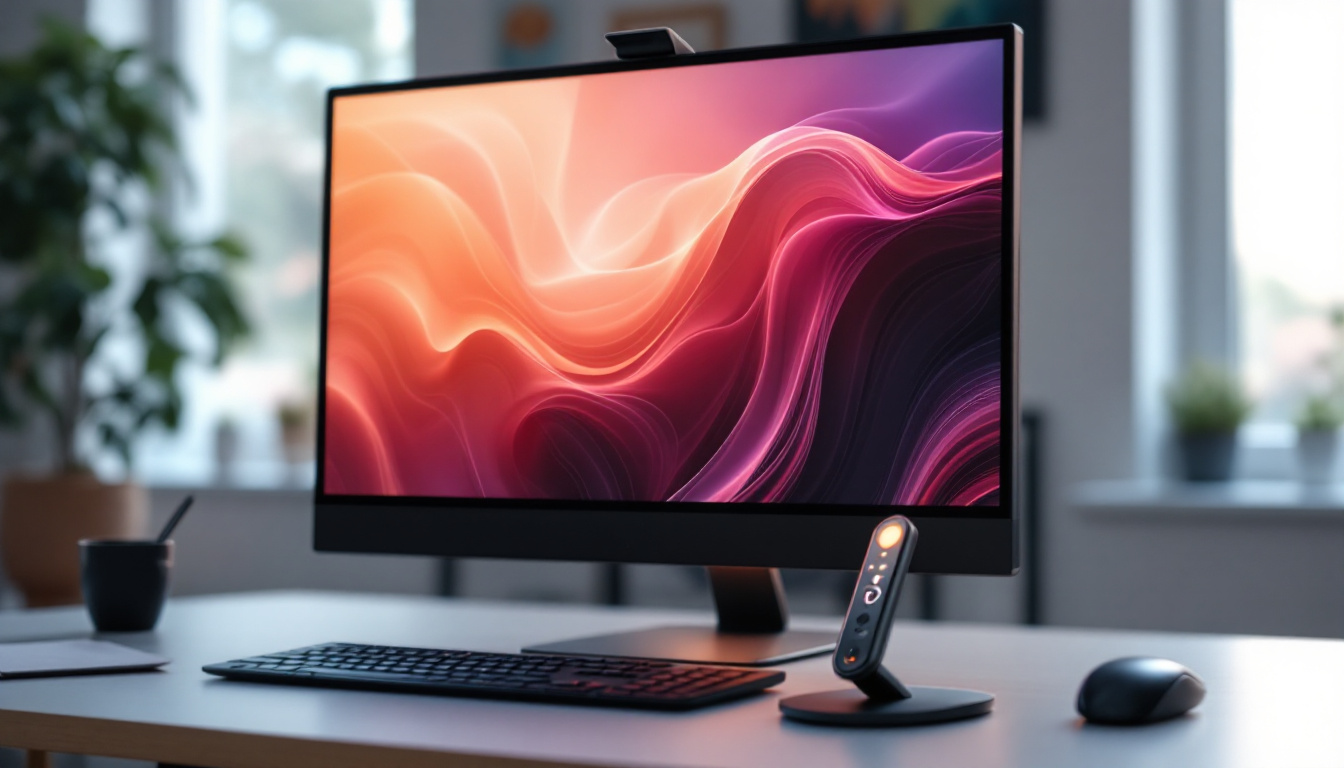
DisplayPort 1.4’s high bandwidth and support for advanced features like HDR and DSC allow it to fully leverage the capabilities of modern LED displays. For example, when paired with a 4K HDR LED monitor, DisplayPort 1.4 can transmit the necessary data to deliver crisp, vibrant images with accurate color reproduction and smooth motion. This is particularly important in fields such as video editing and gaming, where visual fidelity and responsiveness are paramount.
Multi-Monitor Setups and Daisy Chaining
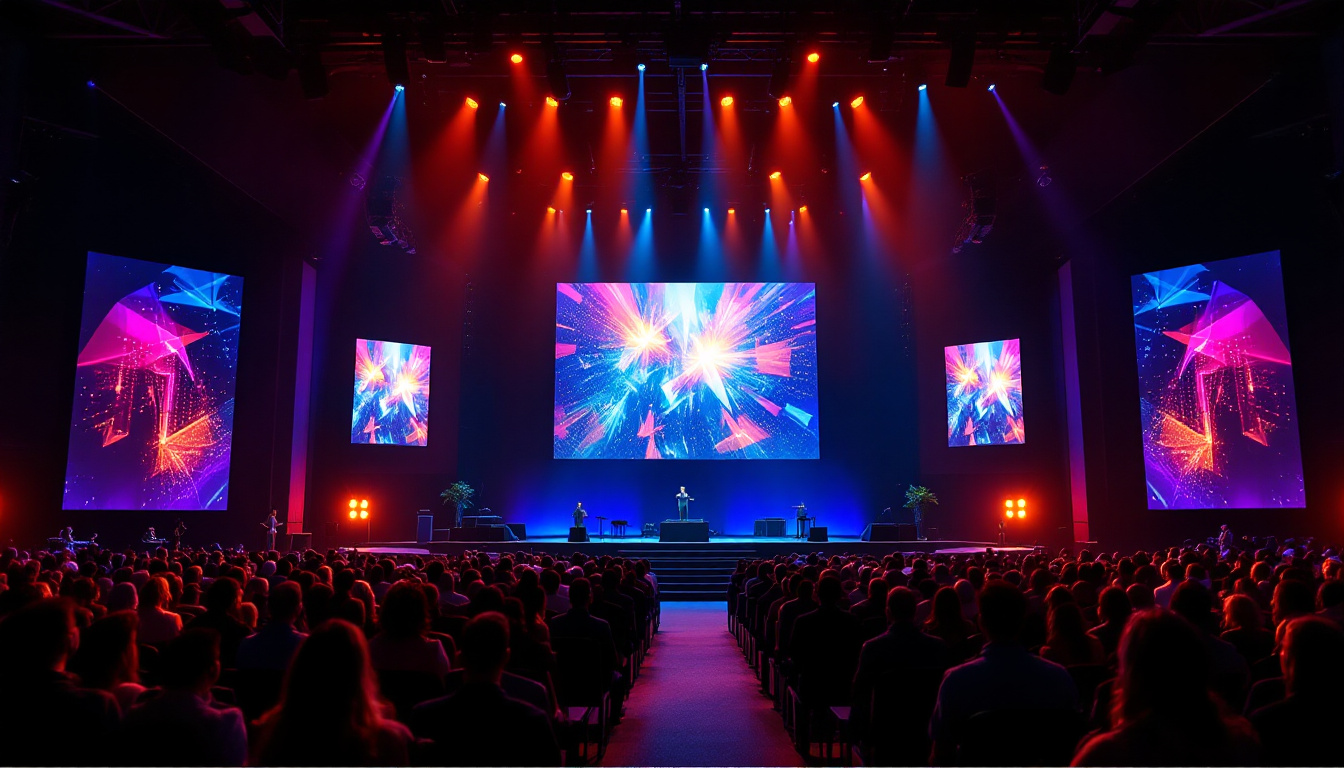
Another significant advantage of DisplayPort 1.4 is its support for Multi-Stream Transport (MST), which enables daisy chaining multiple monitors from a single DisplayPort output. This feature is especially useful in professional environments where multiple LED displays are used simultaneously, such as trading floors, design studios, and command centers. MST reduces cable clutter and simplifies setup, enhancing productivity and ergonomics.
Compatibility Considerations
While DisplayPort 1.4 is backward compatible with older DisplayPort versions and can adapt to HDMI through active adapters, ensuring that both the source device and the LED display support the desired features is crucial. For instance, to enjoy 8K resolution or HDR content, both the graphics card and the LED monitor must be compliant with these standards. Otherwise, the connection will default to the highest mutually supported specification.
Real-World Applications: Who Benefits Most?
Both DisplayPort 1.4 and LED display technologies have distinct advantages that cater to different user groups. Understanding these will help identify who stands to gain the most from investing in these technologies.
Gamers and Enthusiasts
Gamers benefit immensely from the high refresh rates and low latency supported by DisplayPort 1.4, especially when paired with LED monitors that offer fast response times and high contrast ratios. The ability to run games at 4K resolution with HDR enhances immersion and visual quality. Furthermore, features like variable refresh rate (VRR) and adaptive sync technologies are often supported over DisplayPort, reducing screen tearing and stuttering.
Creative Professionals
Graphic designers, video editors, and photographers require accurate color reproduction and high resolutions to perform their work effectively. DisplayPort 1.4’s support for wide color gamuts and HDR, combined with the superior brightness and contrast of LED displays, ensures that creatives can see their work as intended. Multi-monitor setups enabled by DisplayPort MST also facilitate multitasking and detailed workflows.
General Consumers and Home Entertainment
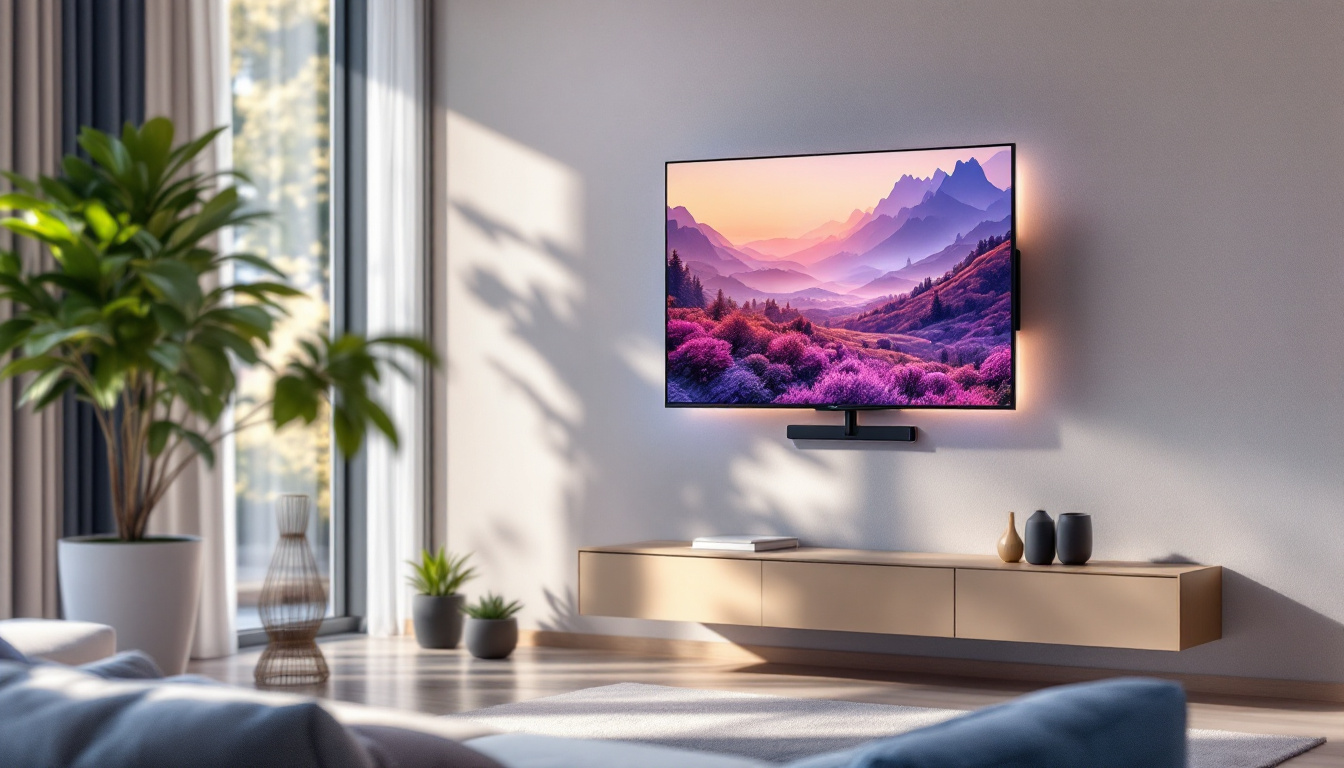
For everyday users, DisplayPort 1.4 paired with LED TVs or monitors means access to sharper images, better colors, and smoother video playback. Streaming 4K HDR content or enjoying next-generation gaming consoles becomes a more satisfying experience. Additionally, the energy efficiency of LED displays contributes to lower electricity bills and a reduced environmental footprint.
Future Trends and Developments
Both DisplayPort and LED display technologies continue to evolve, promising even greater capabilities in the near future.
Emerging DisplayPort Standards
VESA has already introduced DisplayPort 2.0, which significantly increases bandwidth up to 80 Gbps, supporting resolutions up to 16K and higher refresh rates without compression. This standard aims to meet the demands of next-generation displays, including virtual reality (VR) and augmented reality (AR) devices. However, DisplayPort 1.4 remains widely used due to its balance of performance and compatibility.
Advancements in LED Display Technology
On the LED front, mini-LED and micro-LED technologies are gaining traction. Mini-LEDs use thousands of tiny LEDs to provide more precise local dimming zones, resulting in better contrast and HDR performance. Micro-LEDs take this further by creating self-emissive pixels similar to OLED but with higher brightness and longevity. These innovations will reshape the display market, offering consumers unprecedented picture quality.
Integration with Other Technologies
The convergence of DisplayPort standards with USB-C and Thunderbolt interfaces is another notable trend. Many modern laptops and devices now use USB-C ports that support DisplayPort Alt Mode, allowing video and data transmission through a single cable. This integration simplifies connectivity and enhances portability without sacrificing performance.
Conclusion: Making the Right Choice
Choosing between DisplayPort 1.4 and LED display technologies is not an either-or decision; rather, it’s about understanding how they complement each other to deliver superior visual experiences. DisplayPort 1.4 serves as a powerful conduit, enabling LED displays to perform at their best by supporting high resolutions, refresh rates, and color depths. Meanwhile, LED displays provide the vibrant, energy-efficient screens that modern users demand.
For those investing in new monitors, gaming setups, or professional workstations, ensuring compatibility with DisplayPort 1.4 and selecting high-quality LED displays will future-proof their systems and maximize performance. As technology advances, staying informed about emerging standards and innovations will continue to be essential for making smart choices in the dynamic world of digital displays.
Explore Cutting-Edge LED Displays with LumenMatrix
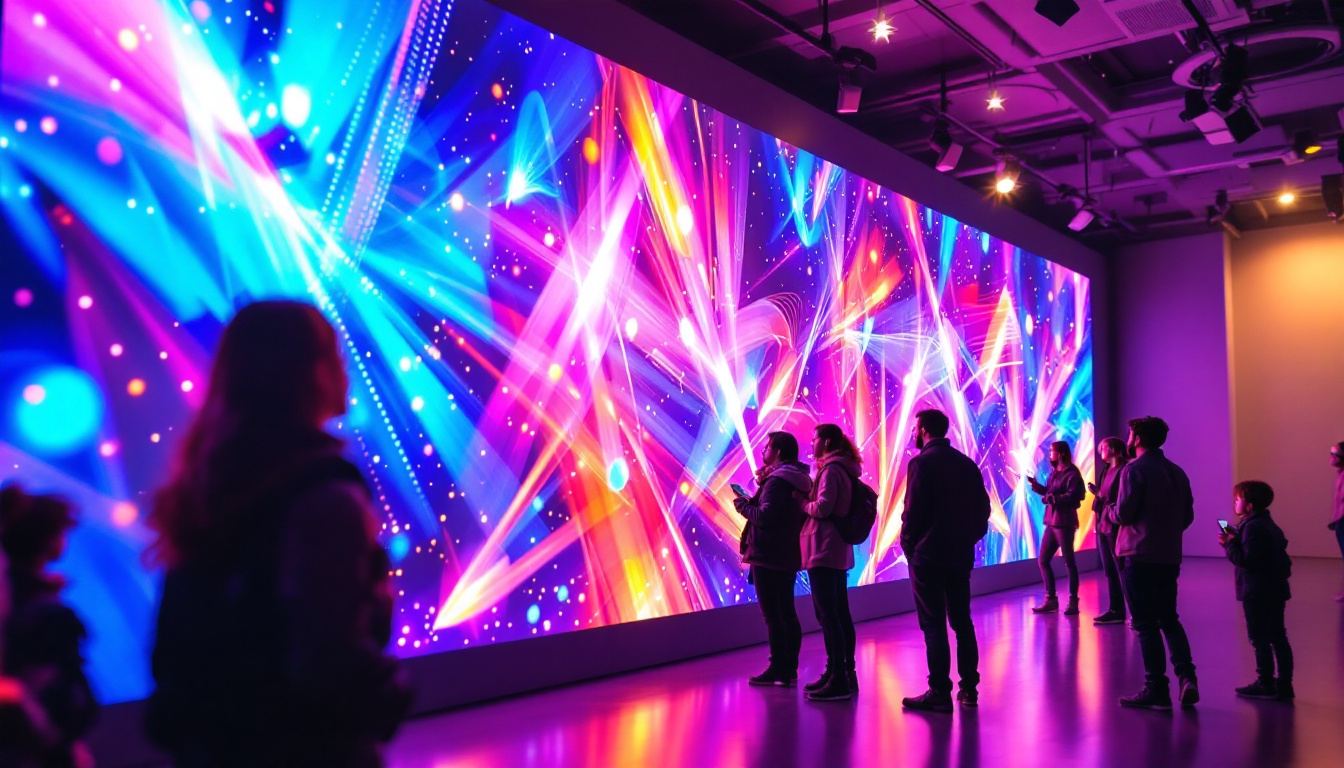
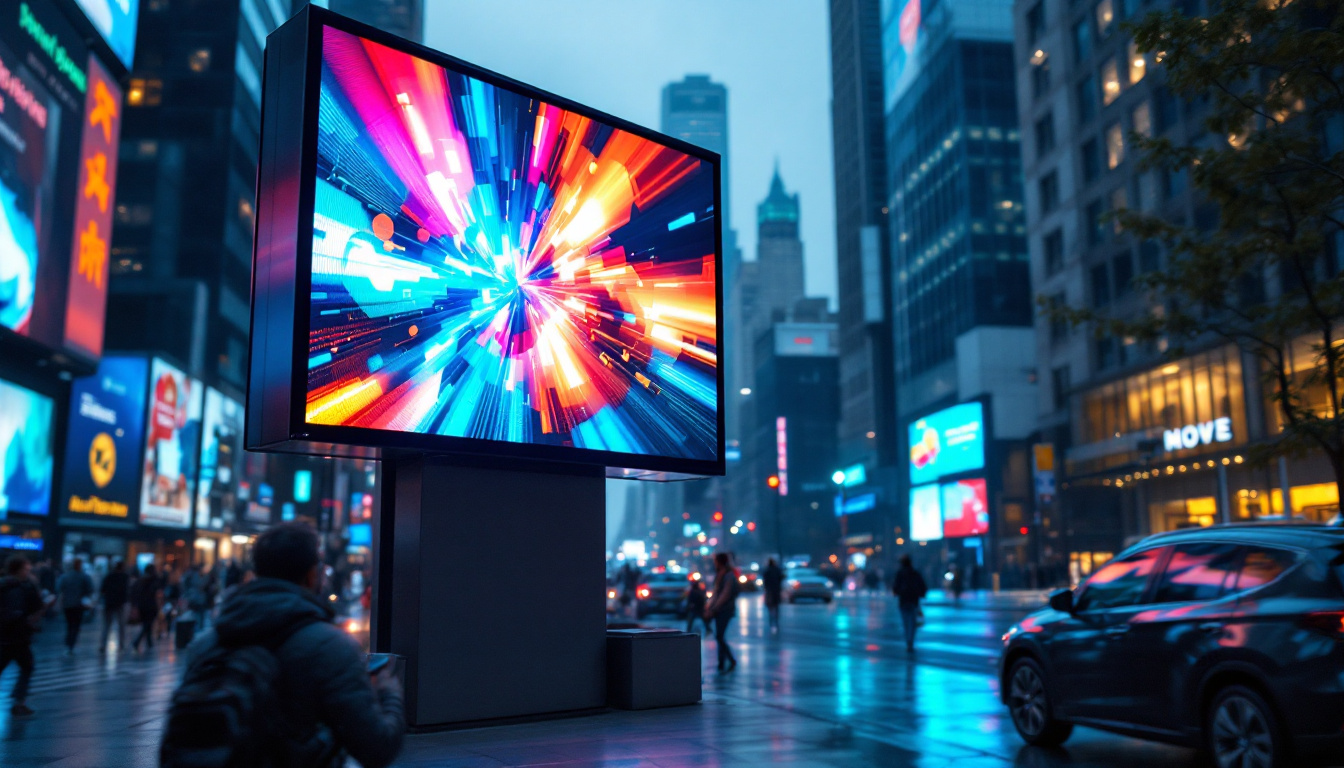
As you consider the synergy between DisplayPort 1.4 and LED technology for your next display upgrade, LumenMatrix stands at the forefront of this innovation. Our extensive range of LED display solutions, from Indoor and Outdoor LED Wall Displays to specialized options like Vehicle and Sports LED Displays, is designed to bring your visual content to life with unparalleled clarity and vibrancy. Embrace the future of visual communication with LumenMatrix’s advanced LED modules and create an immersive experience for your audience. Check out LumenMatrix LED Display Solutions today and see how our commitment to excellence can transform your space.