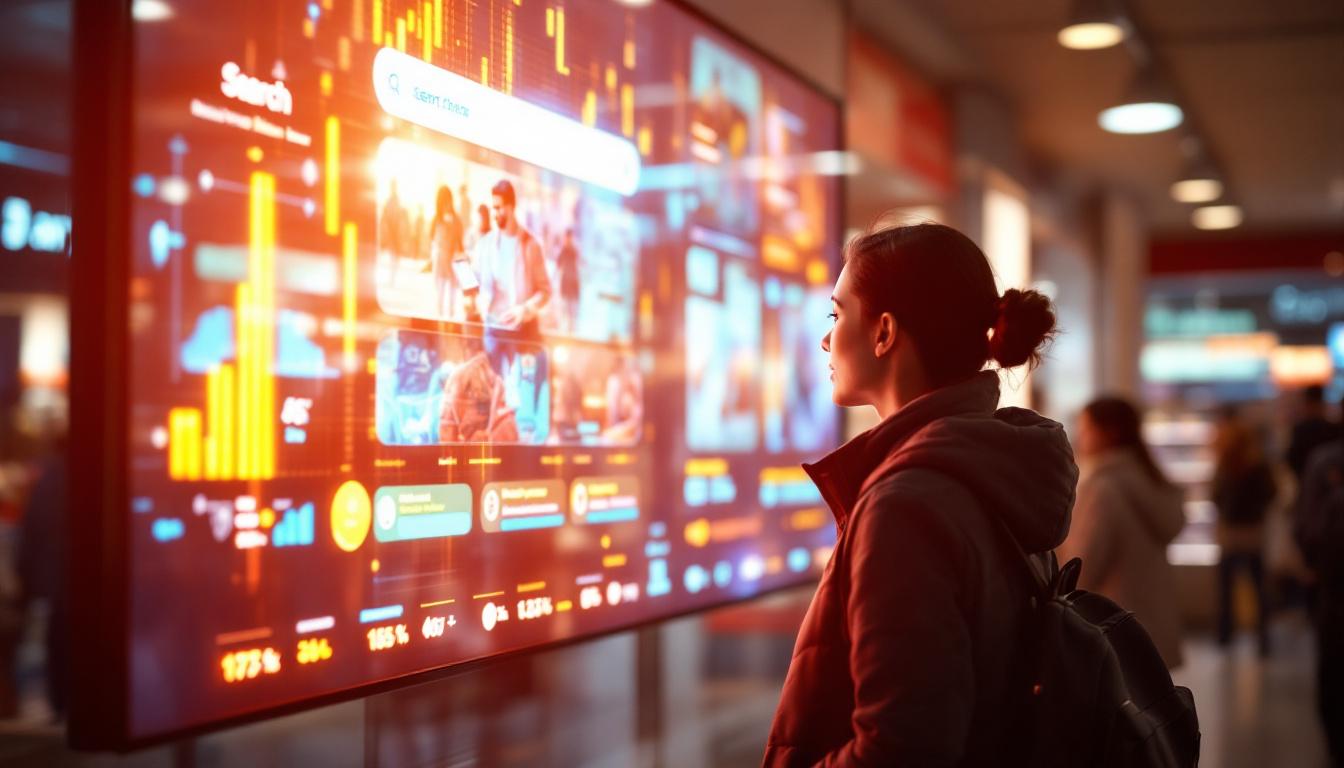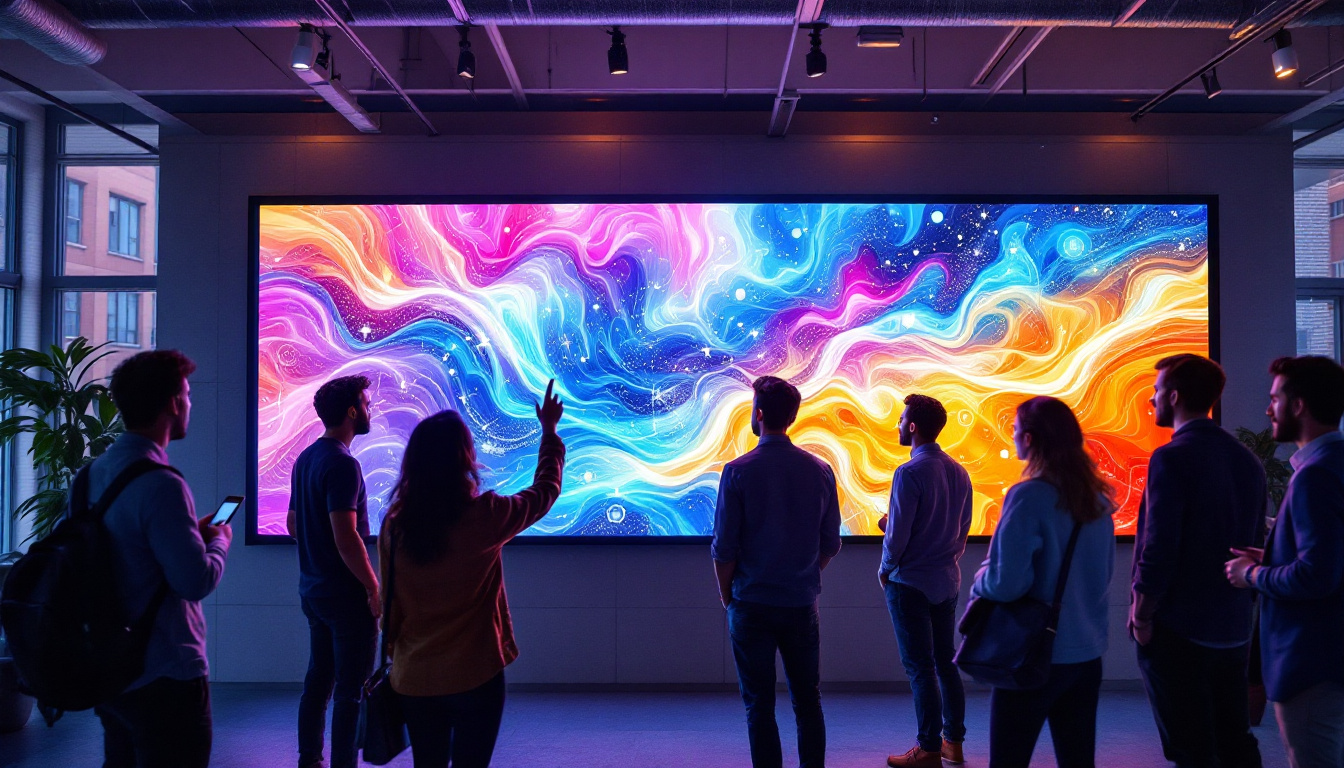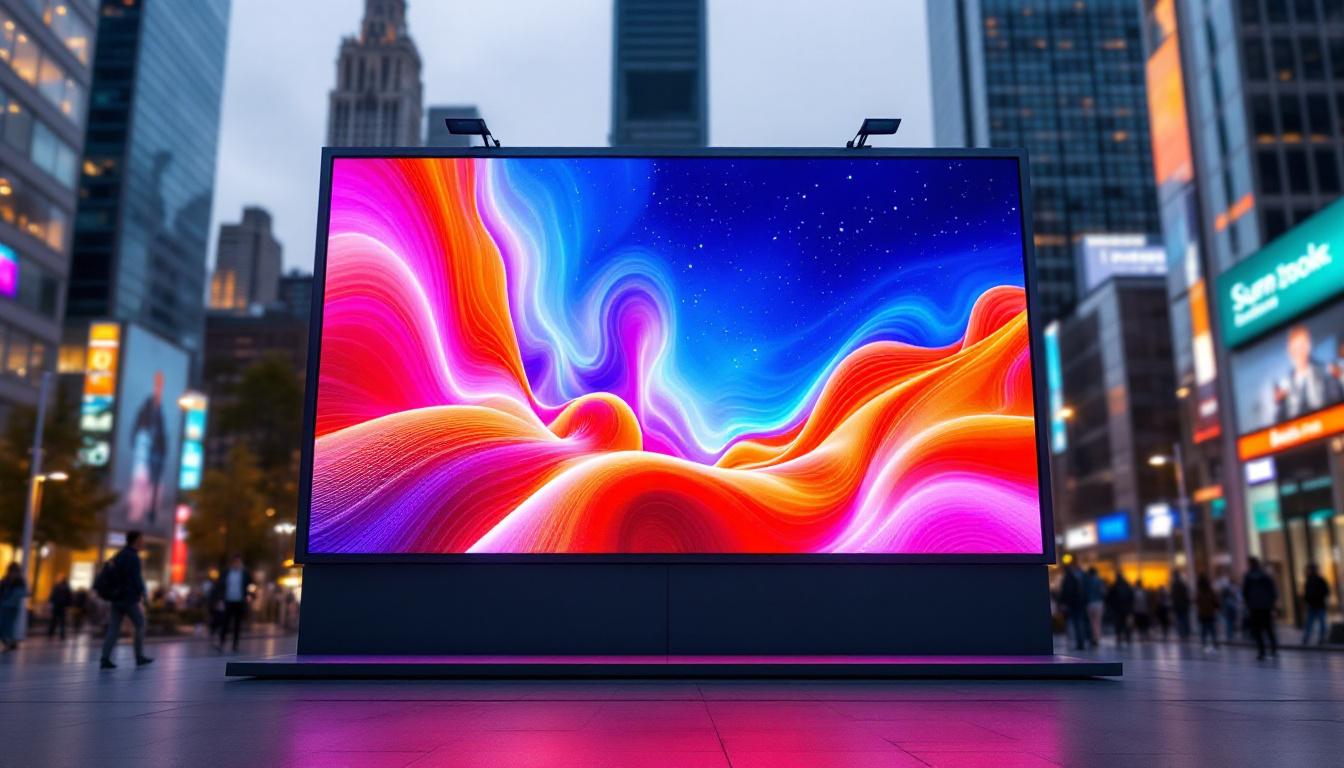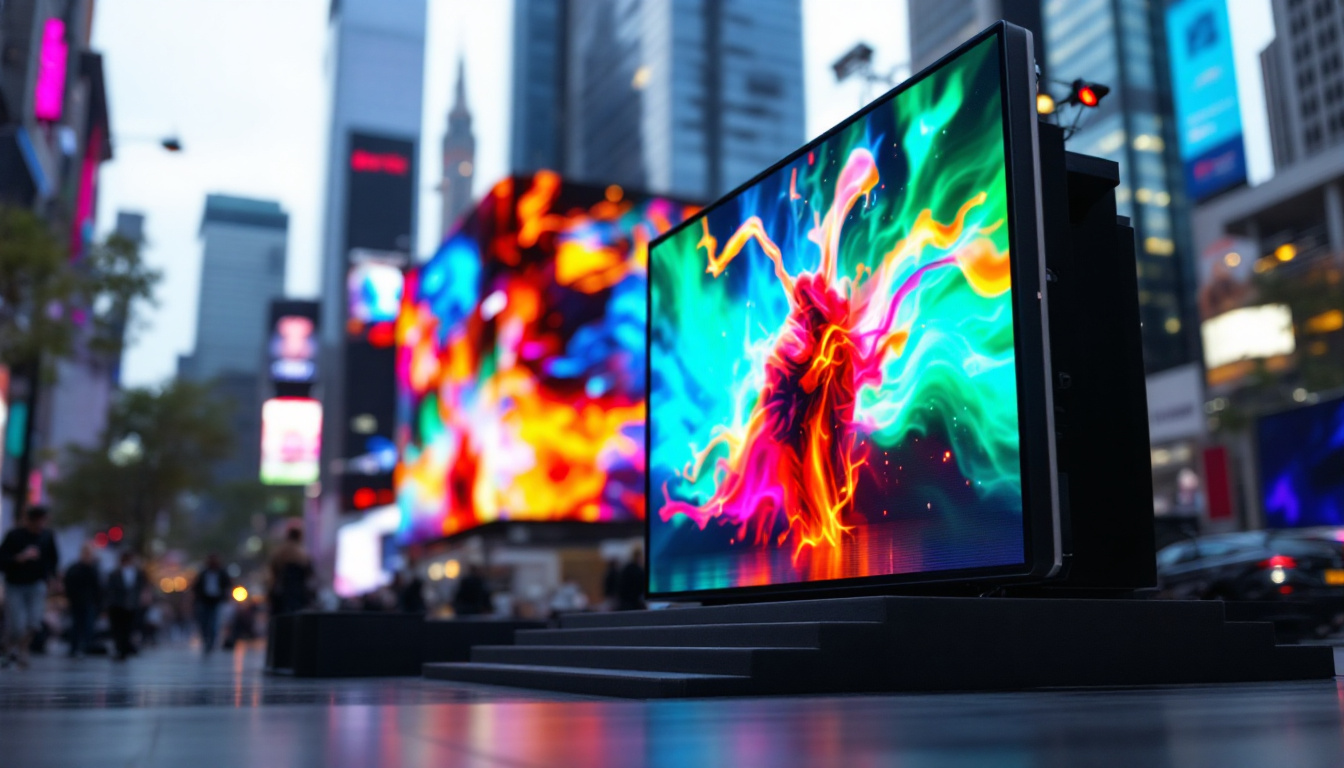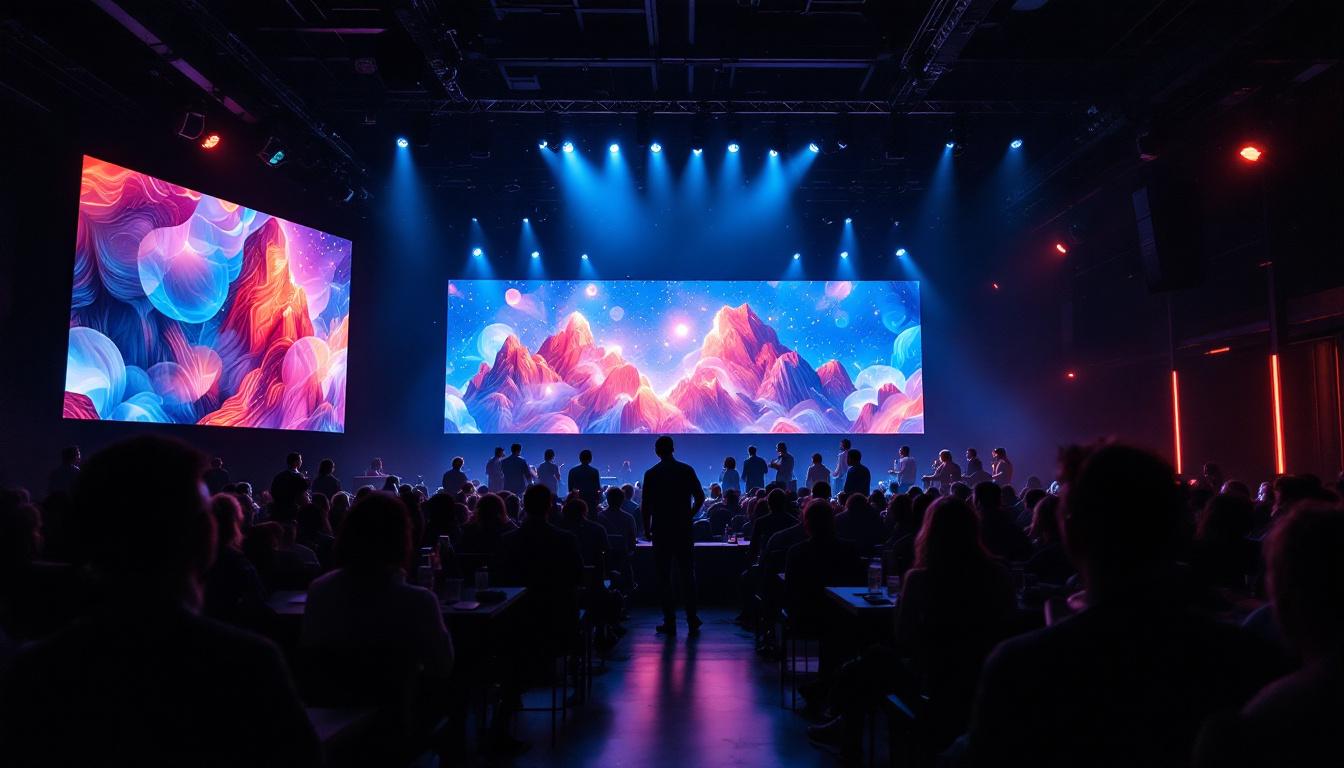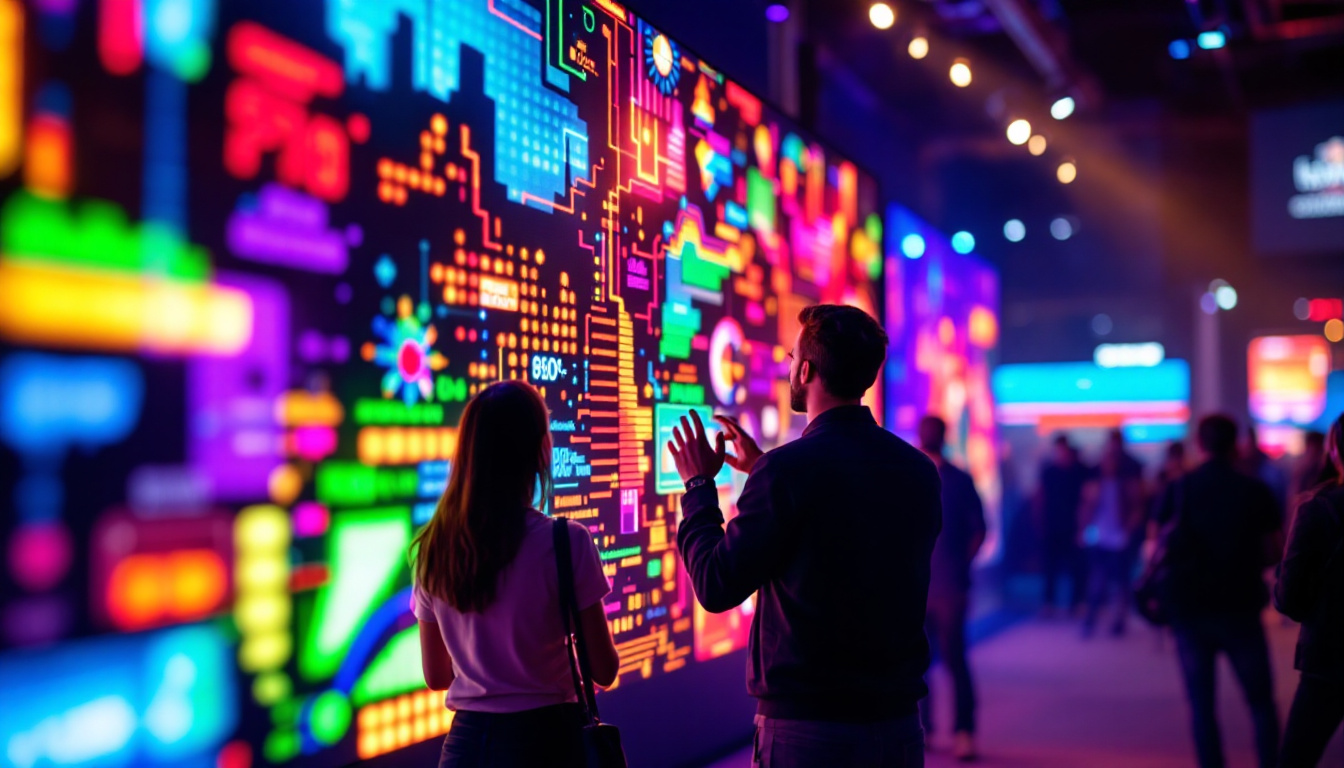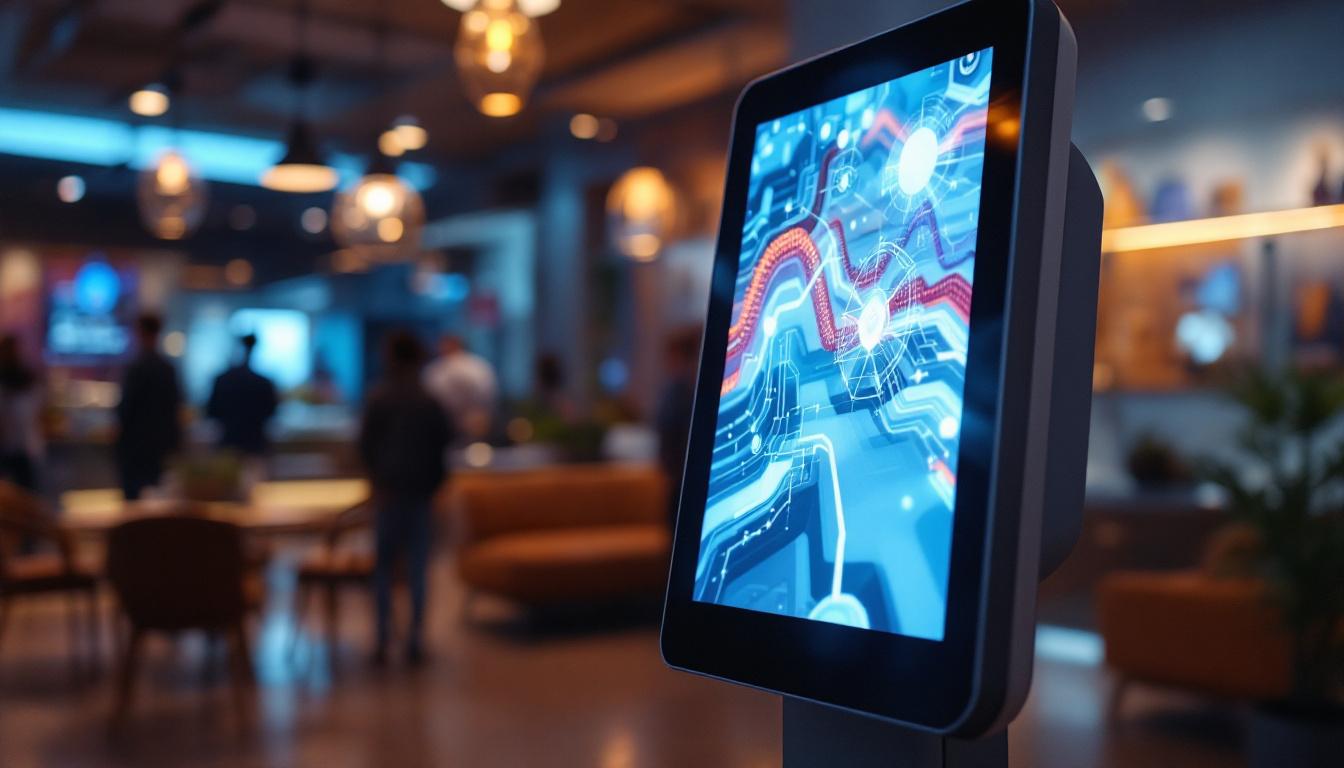
Touch screen kiosks have become an integral part of modern customer interaction, transforming the way businesses engage with their audience. From retail stores and airports to healthcare facilities and museums, these interactive stations provide convenience, efficiency, and enhanced user experience. At the heart of many of these kiosks lies the LED display—a technology that has revolutionized digital signage and interactive interfaces.
This article delves into the fundamentals of LED displays used in touch screen kiosks, exploring their technology, benefits, and practical applications. Whether you are a business owner considering kiosk deployment or a technology enthusiast, understanding LED display technology will help you make informed decisions and appreciate the innovation behind these devices.
Understanding LED Display Technology in Touch Screen Kiosks
What is an LED Display?
LED stands for Light Emitting Diode, a semiconductor device that emits light when an electric current passes through it. LED displays are composed of numerous tiny LEDs arranged in a matrix to form images, videos, or text. Unlike traditional LCDs that rely on backlighting, LED displays produce their own light, which results in brighter and more vibrant visuals.
In the context of touch screen kiosks, LED displays serve as the visual interface, presenting information and interactive content to users. The integration of touch sensors with LED technology allows for seamless interaction, making kiosks intuitive and user-friendly. Furthermore, the energy efficiency of LED displays means they consume less power compared to their LCD counterparts, which is particularly beneficial for kiosks that operate continuously in public spaces. This efficiency not only reduces operational costs but also contributes to a smaller carbon footprint, aligning with growing sustainability efforts across various industries.
Types of LED Displays Used in Kiosks
There are primarily two types of LED displays used in touch screen kiosks: Direct View LED (DV-LED) and LED-backlit LCD displays.
- Direct View LED (DV-LED): This technology uses LEDs as individual pixels, creating images directly on the screen. DV-LED displays are known for exceptional brightness, contrast, and color accuracy. They are often used in large-format kiosks or outdoor settings where visibility under sunlight is critical. Additionally, DV-LED technology allows for flexible screen sizes and shapes, enabling creative designs that can enhance branding and user engagement.
- LED-backlit LCD: This is a hybrid technology where an LCD panel is illuminated by an LED backlight. It offers good brightness and color reproduction but typically at a lower cost than DV-LED. Most indoor kiosks use LED-backlit LCDs due to their balance between performance and affordability. These displays are particularly effective in environments with controlled lighting, such as shopping malls and airports, where users can easily view content without the glare that often accompanies direct sunlight.
Choosing between these types depends on factors such as environment, budget, and desired display quality. Additionally, considerations around maintenance and longevity play a crucial role in the decision-making process. For instance, while DV-LED displays may require a higher initial investment, their durability and lower maintenance needs can result in cost savings over time, especially in high-traffic areas. Conversely, LED-backlit LCDs may need more frequent replacements or repairs, particularly in kiosks that experience heavy usage or exposure to harsh conditions.
Advantages of LED Displays in Touch Screen Kiosks
Superior Brightness and Visibility
One of the standout benefits of LED displays is their superior brightness. LED technology can achieve luminance levels far beyond traditional display methods, making content easily visible even in brightly lit environments. This is especially important for kiosks placed in locations like shopping malls, airports, or outdoor venues where ambient light can be intense.
According to recent industry reports, LED displays can reach brightness levels of up to 1,500 nits or more, compared to typical LCDs that max out around 300-500 nits. This enhanced visibility ensures that kiosk content remains clear and engaging at all times.
Energy Efficiency and Longevity
LED displays are renowned for their energy efficiency. They consume significantly less power than older display technologies, which translates to lower operational costs for businesses running multiple kiosks. This efficiency also supports sustainability goals by reducing carbon footprints.
Moreover, LEDs have a longer lifespan—often exceeding 50,000 hours of operation—meaning kiosks require less frequent maintenance or replacement. This durability is crucial for high-traffic areas where downtime can impact customer satisfaction and revenue.
Vibrant Colors and High Contrast Ratios
The ability of LED displays to produce vibrant colors and deep blacks enhances the visual appeal of kiosk content. High contrast ratios improve readability and make interactive elements stand out, contributing to a more engaging user experience. This is particularly valuable for marketing campaigns, wayfinding applications, and informational kiosks where clarity is paramount.
Integrating Touch Technology with LED Displays
Types of Touch Technologies Compatible with LED Displays
Touch screen kiosks combine LED displays with touch-sensitive layers that detect user input. The most common touch technologies integrated with LED displays include:
- Capacitive Touch: Uses the electrical properties of the human body to detect touch. It offers high accuracy and supports multi-touch gestures, making it ideal for interactive kiosks.
- Resistive Touch: Consists of multiple layers that register pressure when touched. It is more affordable and works with gloves or styluses but generally provides lower clarity compared to capacitive screens.
- Infrared Touch: Employs an array of IR sensors around the screen to detect touch points. It supports multi-touch and is durable, suitable for large-format LED displays.
The choice of touch technology depends on the kiosk’s use case, environment, and budget considerations.
Ensuring Responsiveness and Durability
For a seamless user experience, the touch layer must be highly responsive and accurate. Modern LED touch screen kiosks often feature advanced capacitive sensors that support gestures such as pinch-to-zoom and swipe, enhancing interactivity.
Durability is also critical, especially in public or outdoor settings where screens face frequent use and potential vandalism. Many kiosks incorporate tempered glass or anti-reflective coatings to protect the display while maintaining touch sensitivity.
Applications of LED Touch Screen Kiosks Across Industries
Retail and Hospitality
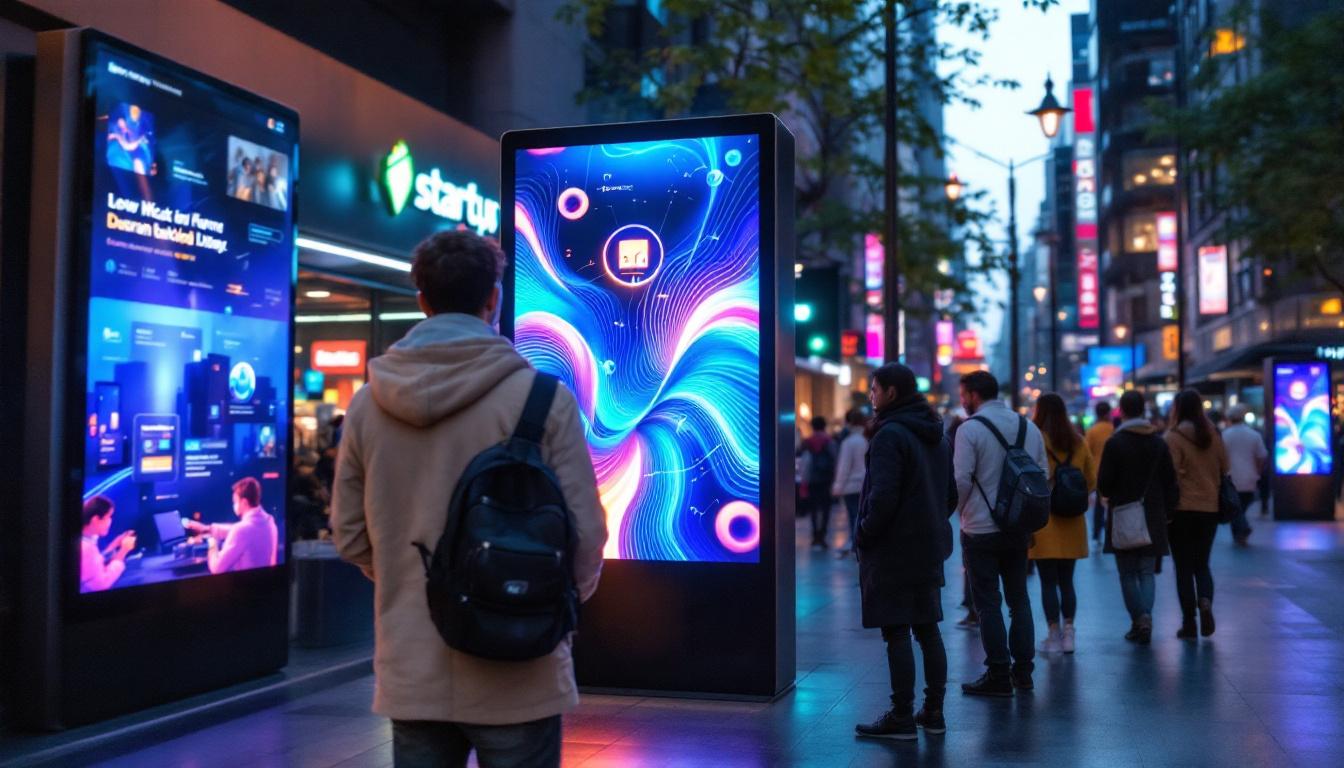
In retail environments, LED touch screen kiosks serve as self-service checkouts, product information terminals, and digital signage. Their bright, vivid displays attract customers and facilitate quick, contactless transactions. For example, major retail chains have reported up to a 30% increase in customer engagement after deploying interactive kiosks with LED displays.
Hospitality sectors use kiosks for check-in/check-out processes, wayfinding, and personalized service. The clarity and responsiveness of LED touch screens enhance guest satisfaction by reducing wait times and providing intuitive interfaces.
Healthcare and Public Services
Healthcare facilities utilize LED touch screen kiosks for patient check-in, appointment scheduling, and information dissemination. The hygienic design of many LED kiosks, combined with easy-to-clean surfaces, makes them suitable for medical environments.
Public service agencies deploy kiosks for bill payments, ticketing, and information access. The durability and visibility of LED displays ensure reliable operation in various lighting conditions and high-traffic locations.
Transportation and Entertainment
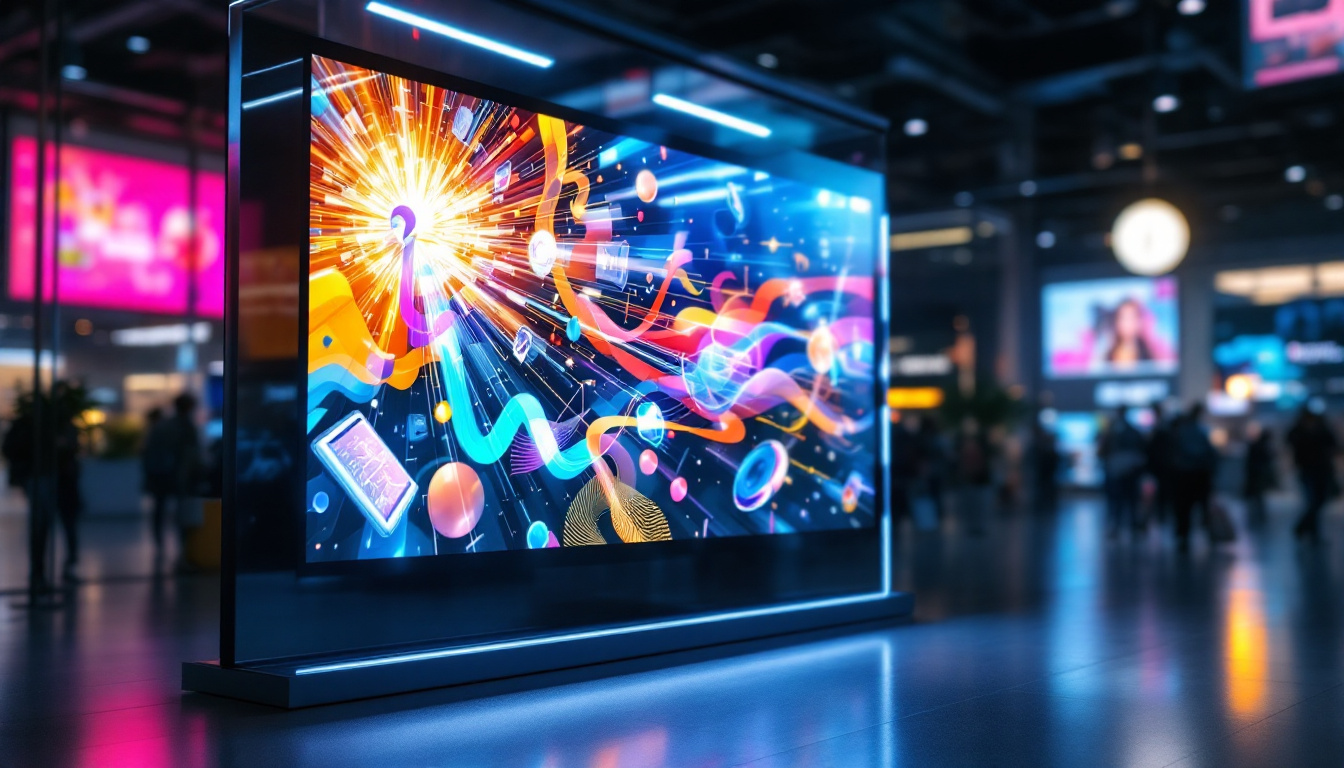
Airports, train stations, and bus terminals rely on LED touch screen kiosks for ticketing, flight information, and wayfinding. The high brightness of LED displays ensures readability even in expansive, brightly lit terminals.
Entertainment venues such as museums and theme parks use interactive LED kiosks to provide immersive experiences, educational content, and visitor assistance. The vibrant colors and responsiveness contribute to memorable user interactions.
Key Considerations When Selecting an LED Touch Screen Kiosk Display
Environmental Factors
Understanding the deployment environment is essential. Outdoor kiosks require weatherproofing, anti-glare coatings, and higher brightness levels to combat sunlight. Indoor kiosks may prioritize sleek design and lower power consumption.
Display Size and Resolution
The size of the LED display should match user needs and space constraints. Larger screens offer more content and easier navigation but come at a higher cost. Resolution impacts image sharpness; Full HD (1920×1080) is standard, while 4K displays are becoming more common for premium applications.
Connectivity and Software Compatibility
Modern kiosks must support various connectivity options such as Wi-Fi, Ethernet, and Bluetooth to enable content updates and remote management. Compatibility with kiosk software platforms ensures smooth operation and customization.
Maintenance and Support
Consider the availability of technical support, warranty terms, and ease of maintenance. LED displays with modular designs facilitate quicker repairs and minimize downtime.
The Future of LED Touch Screen Kiosk Displays
Emerging Trends and Innovations
Advancements in LED technology continue to push the boundaries of kiosk displays. MicroLED, an emerging technology, promises even higher brightness, better energy efficiency, and longer lifespan than traditional LEDs. This could lead to thinner, more flexible kiosks with stunning visual quality.
Integration with artificial intelligence and augmented reality is also on the rise, creating more personalized and immersive kiosk experiences. Gesture recognition and voice control are complementing touch interfaces, making kiosks more accessible and engaging.
Impact of COVID-19 on Kiosk Technology
The pandemic accelerated the adoption of contactless and self-service technologies. LED touch screen kiosks have adapted by incorporating antimicrobial coatings, voice commands, and gesture controls to reduce physical contact. These innovations are expected to remain integral to kiosk design moving forward.
Conclusion
LED displays are a cornerstone of modern touch screen kiosks, offering unmatched brightness, energy efficiency, and visual quality. Their integration with advanced touch technologies creates interactive experiences that enhance customer engagement across diverse industries.
When selecting an LED touch screen kiosk display, it is crucial to consider environmental conditions, display specifications, and maintenance requirements to ensure optimal performance. As technology evolves, LED kiosks will continue to innovate, delivering smarter, more immersive, and user-friendly solutions.
Understanding the capabilities and advantages of LED displays empowers businesses to harness the full potential of touch screen kiosks, driving efficiency, satisfaction, and growth in an increasingly digital world.
Explore Cutting-Edge LED Display Solutions with LumenMatrix
Ready to elevate your customer engagement with the latest in LED display technology? Discover LumenMatrix’s innovative range of LED display modules, designed to bring your brand to life and captivate your audience. From Indoor and Outdoor LED Walls to specialized solutions like Vehicle Displays, Sports Displays, and even Custom LED configurations, LumenMatrix is at the forefront of creating immersive visual experiences. Embrace the future of digital signage and enhance your visual communication with clarity and impact. Check out LumenMatrix LED Display Solutions today and see the difference for yourself.