In the rapidly evolving world of industrial automation and control systems, the role of display technology cannot be overstated. Industrial touch screen monitors equipped with LED displays have become a cornerstone for enhancing operational efficiency, improving user interaction, and ensuring durability in demanding environments. This article delves into the intricacies of LED display technology as applied to industrial touch screen monitors, exploring their benefits, applications, and the technological advancements that make them indispensable in modern industry.
Understanding Industrial Touch Screen Monitors
Industrial touch screen monitors differ significantly from consumer-grade touchscreens found in smartphones or tablets. Designed to withstand harsh conditions such as extreme temperatures, dust, moisture, and mechanical vibrations, these monitors are built with robust materials and advanced technology to ensure reliability and longevity. Their construction often includes reinforced glass and specialized coatings that resist scratches and impacts, making them ideal for environments where traditional screens would quickly fail.
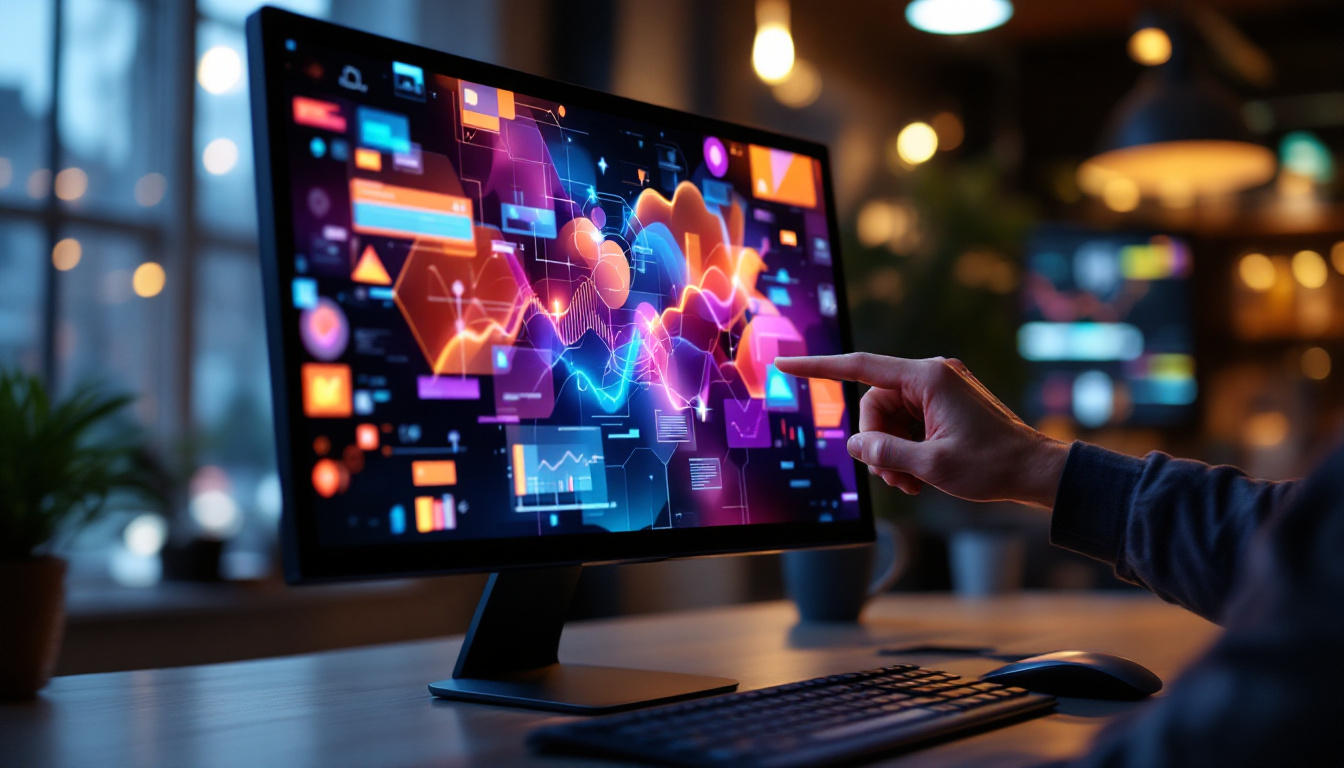
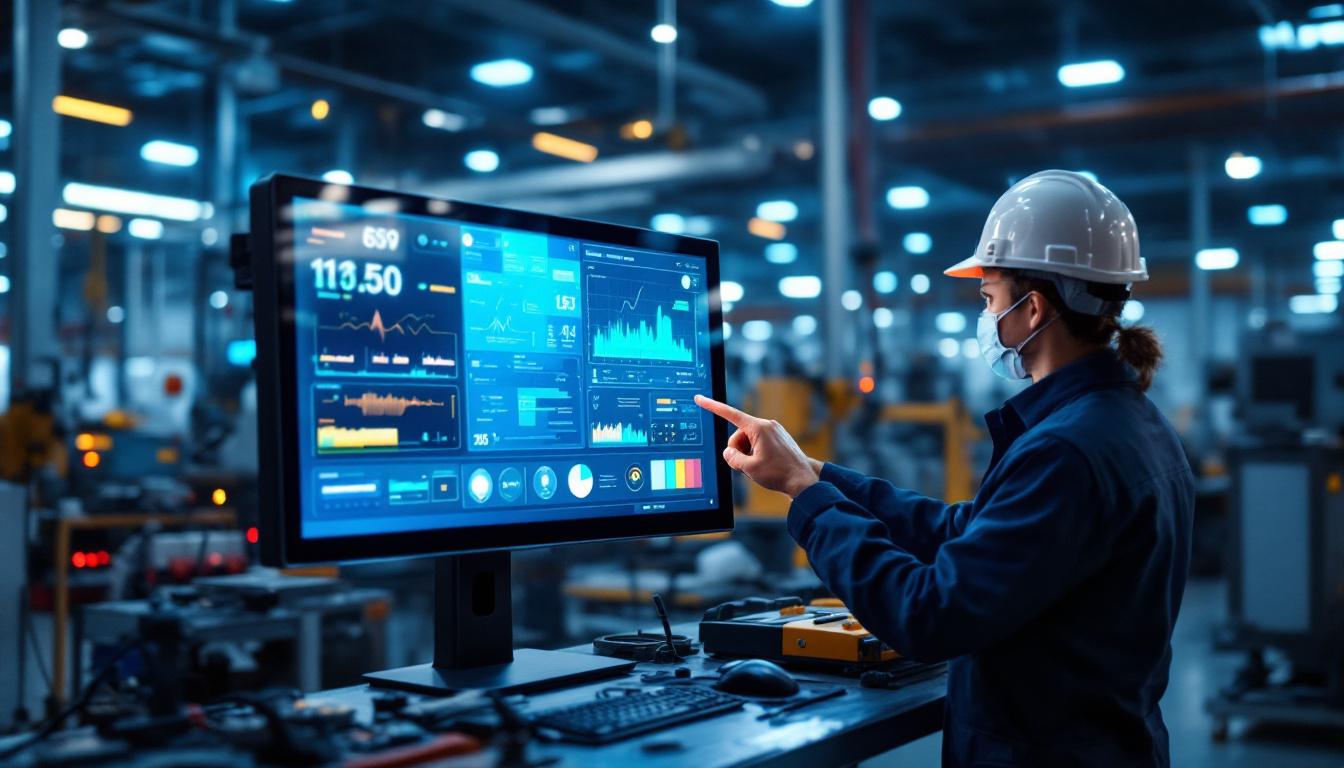
At their core, industrial touch screen monitors integrate a display panel with a touch-sensitive interface, allowing operators to interact directly with the system without the need for peripheral input devices like keyboards or mice. This direct interaction streamlines workflows, reduces errors, and enhances productivity in environments ranging from manufacturing floors to control rooms. Additionally, many of these monitors support multi-touch functionality, enabling more complex gestures and interactions that can further optimize operational efficiency.
Key Features of Industrial Touch Screen Monitors
Several features distinguish industrial touch screen monitors from their commercial counterparts:
- Durability: They often feature ruggedized enclosures made from stainless steel or aluminum, with IP65 or higher ratings for dust and water resistance.
- Touch Technology: Common technologies include resistive, capacitive, infrared, and surface acoustic wave, each suited to different industrial applications.
- Display Quality: High brightness, wide viewing angles, and anti-glare coatings ensure visibility under various lighting conditions.
- Temperature Tolerance: Designed to operate reliably in extreme temperatures, sometimes ranging from -20°C to +70°C or more.
- Mounting Flexibility: Options include panel mounting, rack mounting, or VESA compatibility to fit diverse installation needs.
Moreover, many industrial touch screen monitors come equipped with advanced connectivity options such as Ethernet, USB, and serial ports, allowing for seamless integration with existing systems and networks. This connectivity is crucial for real-time data monitoring and control, enabling operators to access critical information and make informed decisions quickly. Furthermore, some models offer touchscreen calibration and customization features, allowing users to tailor the interface to their specific operational requirements, enhancing both usability and efficiency in demanding settings.
Another important aspect of industrial touch screen monitors is their ability to support various software applications that are essential for industrial operations. From SCADA (Supervisory Control and Data Acquisition) systems to HMI (Human-Machine Interface) applications, these monitors can run sophisticated software that facilitates monitoring, control, and data analysis. This capability not only empowers users to visualize complex data in real-time but also allows for remote access and control, which is increasingly important in today’s interconnected industrial environments.
LED Display Technology in Industrial Monitors
Light Emitting Diode (LED) technology has revolutionized display panels across industries, and its adoption in industrial touch screen monitors has been transformative. LED displays use an array of light-emitting diodes as pixels to create images, offering several advantages over older technologies like LCDs with cold cathode fluorescent lamps (CCFLs).
What Makes LED Displays Superior?
LED displays bring numerous benefits that are particularly valuable in industrial settings:
- Enhanced Brightness and Contrast: LED backlighting provides higher brightness levels, often exceeding 1000 nits, which is crucial for visibility in brightly lit factory environments.
- Energy Efficiency: LEDs consume less power compared to CCFL backlights, reducing operational costs and heat generation.
- Longer Lifespan: LED backlights can last over 50,000 hours, minimizing maintenance and replacement frequency.
- Improved Color Accuracy: LED technology supports a wider color gamut, enabling clearer and more precise visualizations of data and controls.
- Thinner and Lighter Panels: LED backlighting allows for slimmer monitor designs, which can be advantageous in space-constrained industrial setups.
Types of LED Displays in Industrial Monitors
Understanding the types of LED displays helps in selecting the right monitor for specific industrial applications:
- Edge-Lit LED: LEDs are placed along the edges of the display, and light is diffused across the panel. This design is cost-effective and enables thin displays but may have slightly uneven brightness.
- Direct-Lit LED: LEDs are positioned directly behind the screen, offering more uniform brightness and better contrast than edge-lit models.
- Full-Array LED with Local Dimming: Provides the highest contrast ratios by controlling individual LED zones, ideal for applications requiring detailed image quality.
- OLED (Organic LED): Although less common in industrial settings due to cost and durability concerns, OLEDs offer exceptional color and contrast but have shorter lifespans.
In addition to these types, the integration of LED technology in industrial monitors also supports advanced features such as touch functionality and ruggedized designs. Touch screen capabilities allow operators to interact directly with the display, streamlining processes and enhancing user experience. This is particularly beneficial in environments where traditional input devices may be impractical due to space constraints or the need for quick, hands-on control. Furthermore, many industrial monitors are built to withstand harsh conditions, including extreme temperatures, dust, and moisture, ensuring reliability in demanding settings.
Moreover, the adaptability of LED displays extends to various mounting options, including wall mounts, stands, and even portable setups, making them versatile for different industrial applications. This flexibility is essential for industries such as manufacturing, logistics, and healthcare, where display requirements can vary significantly. As industries continue to evolve, the role of LED technology in enhancing operational efficiency and safety will undoubtedly expand, paving the way for even more innovative applications in the future.
Applications of Industrial Touch Screen Monitors with LED Displays
The versatility and robustness of industrial touch screen monitors with LED displays make them suitable for a wide range of industrial applications. Their ability to deliver clear visuals and reliable touch responsiveness under challenging conditions is critical for operational success.
Manufacturing and Automation
In manufacturing plants, these monitors serve as human-machine interfaces (HMIs) that allow operators to control machinery, monitor production lines, and adjust parameters in real-time. The high brightness and anti-glare features ensure readability even in brightly lit or outdoor environments.
For example, automotive assembly lines utilize rugged LED touch monitors to display diagnostics, process instructions, and safety alerts, reducing downtime and improving quality control.
Energy and Utilities
Power plants, water treatment facilities, and other utility sectors rely on industrial touch screen monitors to manage complex control systems. The durability and wide temperature tolerance of LED monitors ensure continuous operation in environments that may be exposed to dust, moisture, or temperature fluctuations.
Transportation and Logistics
In logistics hubs and transportation terminals, these monitors facilitate inventory management, vehicle tracking, and scheduling. Their robust design withstands vibrations and shocks common in these settings, while the responsive touch interface improves user efficiency.
Healthcare and Pharmaceutical Industries
Although less exposed to harsh physical conditions, healthcare and pharmaceutical manufacturing environments benefit from industrial-grade monitors due to their ease of cleaning, resistance to contaminants, and precise touch capabilities. LED displays provide clear visualization of critical data, enhancing operational safety and compliance.
Choosing the Right Industrial Touch Screen Monitor with LED Display
Selecting an appropriate industrial touch screen monitor involves careful consideration of several factors to ensure it meets the specific demands of the application.
Environmental Conditions
Assess the environmental challenges such as temperature extremes, exposure to liquids or dust, and mechanical impacts. Monitors with appropriate IP ratings and ruggedized construction should be prioritized for harsh environments.
Touch Technology Compatibility
Different touch technologies offer varying benefits. For instance, resistive touchscreens work well with gloves or styluses and are cost-effective, while capacitive touchscreens provide multi-touch capabilities and higher sensitivity but may require bare fingers or specialized gloves.
Display Specifications
Consider brightness (measured in nits), resolution, viewing angles, and color accuracy. High brightness is essential for outdoor or brightly lit indoor environments, while high resolution supports detailed graphical interfaces.
Connectivity and Integration
Ensure the monitor supports necessary interfaces such as HDMI, DisplayPort, VGA, USB, or serial connections. Compatibility with existing control systems and software platforms is critical for seamless integration.
Maintenance and Support
Look for monitors with easy access for maintenance, availability of spare parts, and manufacturer support. LED technology’s long lifespan reduces maintenance frequency but having reliable service options is still important.
Future Trends in Industrial LED Touch Screen Monitors
The industrial display market continues to evolve with technological advancements aimed at enhancing performance, usability, and integration capabilities.
Advancements in Touch Sensitivity and Multi-Touch Support
Emerging touch technologies are improving responsiveness and accuracy, enabling more intuitive user interfaces. Multi-touch gestures are increasingly being incorporated into industrial HMIs, allowing for complex control inputs and enhanced user experience.
Integration with IoT and Industry 4.0
Industrial monitors are becoming smarter by integrating with Internet of Things (IoT) networks and Industry 4.0 platforms. This connectivity facilitates real-time data analytics, predictive maintenance, and remote monitoring, driving operational efficiency.
Enhanced Durability and Energy Efficiency
New materials and design approaches are pushing the boundaries of durability, making monitors more resistant to chemicals, shocks, and extreme environments. Simultaneously, energy-efficient LED technology reduces power consumption, supporting sustainability goals.
Flexible and Transparent Displays
Research into flexible and transparent LED displays holds promise for future industrial applications, potentially enabling new form factors and integration possibilities, such as curved control panels or heads-up displays.
Conclusion
Industrial touch screen monitors with LED displays represent a critical technology in modern industrial environments. Their combination of durability, high-quality visuals, and responsive touch capabilities supports efficient and safe operations across diverse sectors. Understanding the nuances of LED display technology and its application in industrial monitors empowers decision-makers to select solutions that enhance productivity and withstand the rigors of industrial use.
As industries continue to embrace digital transformation, the role of robust, high-performance displays will only grow, making LED-based industrial touch screen monitors an essential component of the future industrial landscape.
Discover LumenMatrix’s Advanced LED Solutions
Ready to elevate your industrial environment with the latest in LED display technology? LumenMatrix is at the forefront of innovation, offering a wide array of LED display modules designed to enhance operational efficiency and captivate your audience. From Indoor and Outdoor LED Wall Displays to specialized solutions like Vehicle LED Displays and Custom LED Configurations, our products are engineered to meet the diverse needs of modern industry. Experience the transformative power of LED displays and take the first step towards a visually engaging future. Check out LumenMatrix LED Display Solutions today and see the difference cutting-edge technology can make.