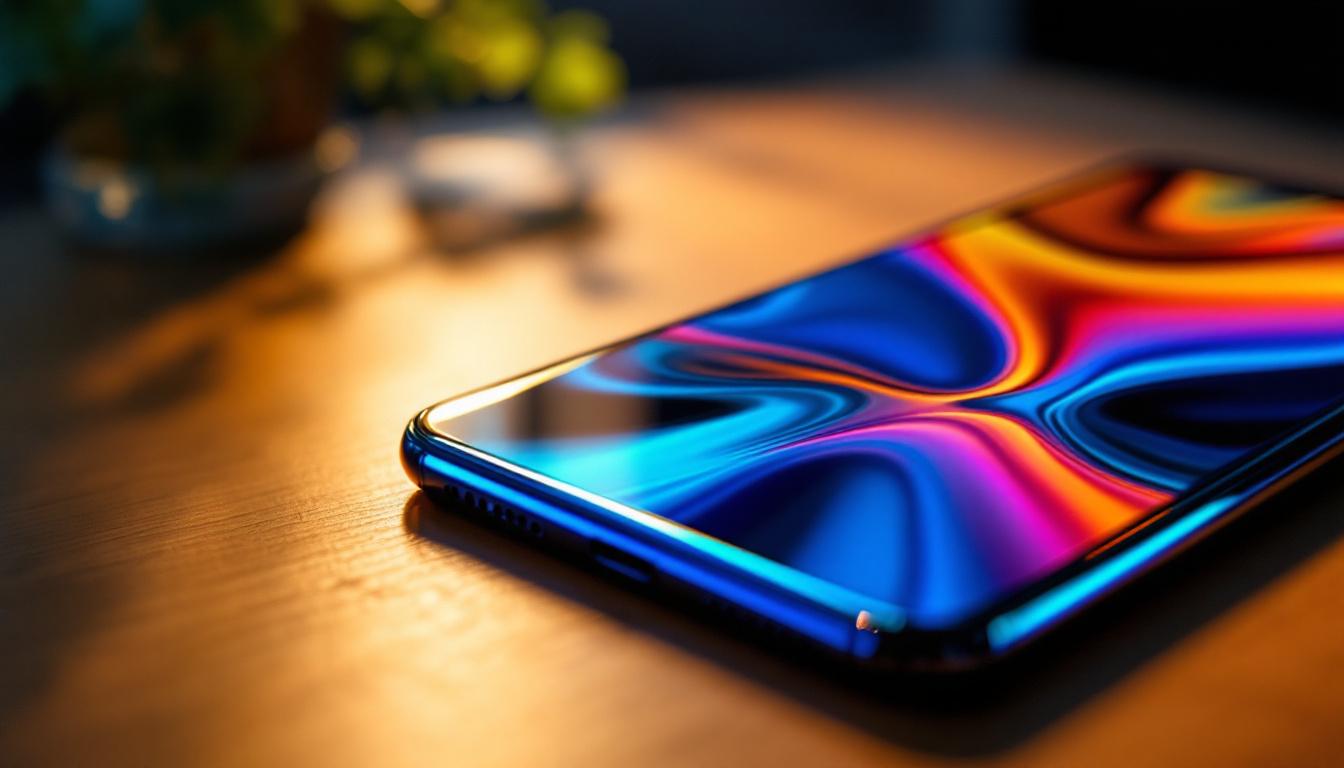
In today’s fast-evolving smartphone and wearable technology landscape, the term “Always On Display” (AOD) has become increasingly common. This feature allows users to view essential information such as time, notifications, and battery status without waking the entire screen. Central to the effectiveness and efficiency of AOD is the technology behind the display pixels, particularly the LED and OLED displays. This article delves deep into the mechanics of Always On Display pixels, focusing on LED display technology, its advantages, challenges, and future prospects.
Understanding Always On Display Technology
The Always On Display feature is designed to provide users with quick, glanceable information without the need to fully activate their device’s screen. This not only enhances convenience but also contributes to energy savings by limiting power consumption.
At its core, AOD relies on the display’s ability to illuminate only specific pixels while leaving the rest of the screen off. This selective illumination is crucial for conserving battery life, especially in devices with limited power resources such as smartphones and smartwatches.
How Always On Display Works
When AOD is enabled, the device’s operating system controls the display to show minimal information—usually the clock, date, notification icons, and sometimes custom widgets. The key is that only the pixels needed to display this information are lit, while the rest remain dark.
In traditional LCD screens, the entire backlight must be on to display even a small amount of information, which makes AOD impractical. This is where LED-based displays, especially OLED (Organic Light Emitting Diode) and AMOLED (Active Matrix OLED), shine by allowing individual pixels to emit light independently.
Moreover, the versatility of AOD extends beyond just displaying the time and notifications. Many manufacturers have integrated customizable features that allow users to personalize their Always On Display settings. This can include different clock styles, colors, and even images that can be set as backgrounds. Such personalization not only enhances user experience but also allows individuals to express their unique style through their devices. Additionally, some AOD implementations can adapt to ambient light conditions, adjusting brightness automatically to ensure visibility without being overly bright in dark environments.
Another fascinating aspect of Always On Display technology is its potential for notifications. Users can receive alerts for messages, emails, and app updates without needing to unlock their devices. This functionality can be particularly beneficial in situations where quick access to information is essential, such as during meetings or while driving. As technology evolves, we can expect AOD to incorporate even more interactive features, allowing users to respond to notifications or control music playback directly from the AOD interface, making it an increasingly integral part of the mobile experience.
LED Display Technology: The Backbone of Always On Display
LED displays, particularly OLED and AMOLED, have revolutionized how Always On Display functions. Unlike LCDs, which rely on a backlight, LED displays generate light at the pixel level. This fundamental difference enables selective pixel illumination, making AOD both feasible and energy-efficient.
What is an LED Display?
LED stands for Light Emitting Diode. In the context of displays, an LED display is a flat panel display that uses LEDs as the light source. There are two main types of LED displays used in consumer electronics:
- LED-backlit LCDs: These use LEDs to illuminate an LCD panel. The LCD controls the image, but the backlight is always on when the screen is active.
- OLED/AMOLED displays: These use organic compounds that emit light when an electric current passes through them. Each pixel emits its own light, allowing for precise control over which pixels are lit.
For Always On Display, OLED and AMOLED are the preferred technologies due to their ability to light individual pixels without illuminating the entire screen.
Advantages of OLED/AMOLED for Always On Display
One of the most significant benefits of OLED and AMOLED displays is their exceptional energy efficiency in AOD mode. Since only the pixels displaying information are lit, power consumption is drastically reduced compared to traditional LCDs.
Additionally, OLED displays offer superior contrast ratios and deeper blacks. When pixels are off, they emit no light, resulting in true black backgrounds that enhance the visibility of AOD content while further conserving energy.
Pixel Structure and Power Consumption
Each pixel in an OLED display consists of subpixels—typically red, green, and blue—that combine to produce the full range of colors. In AOD mode, often only white or monochrome pixels are used to display information, which simplifies the pixel activation and reduces power draw.
Studies have shown that AOD on OLED screens can consume as little as 0.5% to 1% of the battery per hour, depending on the brightness and amount of information displayed. This efficiency is a key reason why manufacturers increasingly adopt OLED technology in their devices.
Challenges and Considerations for Always On Display Pixels
Despite the advantages, implementing Always On Display with LED pixels presents several technical and practical challenges. Understanding these is crucial for manufacturers and users alike.
Screen Burn-In and Pixel Degradation
One of the most well-known issues associated with OLED displays is screen burn-in. This phenomenon occurs when static images, such as the persistent clock or notification icons in AOD, cause uneven wear on the organic materials in pixels, leading to ghost images or discoloration over time.
Manufacturers have developed several mitigation strategies, including pixel shifting (slightly moving the displayed image periodically), dimming the AOD brightness, and limiting the duration of AOD activation. However, burn-in remains a consideration for heavy AOD users.
Brightness and Visibility in Different Lighting Conditions
Another challenge is ensuring that AOD content remains visible under various ambient lighting conditions. OLED pixels emit light individually, but their brightness is limited compared to traditional backlit displays.
To address this, devices often adjust the AOD brightness dynamically based on ambient light sensors. In bright sunlight, the display may increase brightness to maintain readability, which can impact battery life. Conversely, in low-light environments, the brightness is reduced to save power and prevent eye strain.
Balancing Battery Life and User Experience
While AOD is designed to be energy efficient, continuous pixel illumination still draws power. Users who rely heavily on AOD for notifications and information may notice faster battery drain compared to those who disable the feature.
Manufacturers often provide customization options, such as scheduling AOD to be active only during certain hours or when the device is stationary, to balance convenience with battery preservation.
Applications Beyond Smartphones: Wearables and Other Devices
Always On Display technology is not limited to smartphones. Wearable devices such as smartwatches and fitness trackers also leverage LED display technology to provide users with constant access to vital information.
Smartwatches and AOD Pixels
Smartwatches benefit greatly from OLED displays in their AOD implementations. Given their smaller screen sizes and limited battery capacity, the ability to light only necessary pixels is essential.
For instance, many popular smartwatches use monochrome AOD modes that display a simple clock face or step count, minimizing power consumption while maintaining usability. The challenge of burn-in is especially pertinent here due to the frequent use of AOD in wearable devices.
Emerging Technologies and Innovations
Beyond OLED, newer display technologies such as microLED and miniLED are emerging as potential candidates for Always On Display applications. MicroLED, for example, offers the advantages of OLED—individual pixel illumination and high contrast—without the same risk of burn-in, thanks to inorganic materials.
While still in early stages of commercial adoption, microLED displays could redefine AOD by providing longer-lasting, brighter, and more energy-efficient screens.
Future Trends and the Evolution of Always On Display Pixels
The future of Always On Display technology is intertwined with advancements in display materials, power management, and user interface design. Several trends are shaping how AOD pixels will evolve in the coming years.
Adaptive and Context-Aware Displays
Next-generation AOD implementations are expected to become more context-aware, adjusting not only brightness but also the content displayed based on user behavior, location, and time of day. This dynamic approach will optimize power consumption while enhancing user engagement.
For example, a device might show detailed notifications when the user is stationary and interested, but revert to a minimal clock display when in motion or during sleep hours.
Integration with AI and Machine Learning
Artificial intelligence can play a significant role in managing AOD pixels by learning user habits and predicting when to activate or dim the display. This intelligent management can extend battery life and reduce unnecessary screen usage.
Improved Materials and Pixel Longevity
Research into more durable organic materials and innovative pixel architectures aims to reduce burn-in and extend the lifespan of OLED displays. These improvements will make Always On Display features more reliable and appealing to users concerned about screen longevity.
Conclusion
The Always On Display feature has become a staple in modern mobile and wearable devices, offering convenience and efficiency through selective pixel illumination. LED display technology, particularly OLED and AMOLED, is fundamental to the success of AOD by enabling individual pixel control and significant power savings.
While challenges such as screen burn-in and brightness management remain, ongoing innovations in display technology and intelligent software solutions continue to enhance the user experience. As microLED and other emerging technologies mature, the future of Always On Display pixels looks promising, with the potential for brighter, more durable, and smarter displays that seamlessly integrate into daily life.
For consumers and manufacturers alike, understanding the intricacies of LED display pixels in Always On Display technology is essential to appreciating its benefits and limitations, ensuring informed choices in device usage and design.
Explore Cutting-Edge LED Displays with LumenMatrix
As you consider the future of Always On Display technology and its impact on your daily life, LumenMatrix invites you to experience the pinnacle of LED display innovation. Our extensive range of solutions, from Indoor and Outdoor LED Wall Displays to specialized options like Vehicle and Sports Displays, are designed to bring your visual communications to life. Embrace the power of LED technology and let LumenMatrix help you create immersive environments and share your message with unparalleled clarity. Check out LumenMatrix LED Display Solutions today and see how we are lighting the way to a brighter, more engaging visual future.