Display Technology LCD: LED Display Explained
In today’s digital age, display technology plays a pivotal role in how we interact with devices ranging from smartphones and televisions to large-scale advertising billboards. Among the various display technologies, LCD and LED displays are two of the most prevalent, often leading to confusion about their differences and applications. This article aims to demystify these technologies by explaining what LCD and LED displays are, how they work, and why they matter in different contexts.
Understanding LCD Technology
What is an LCD?
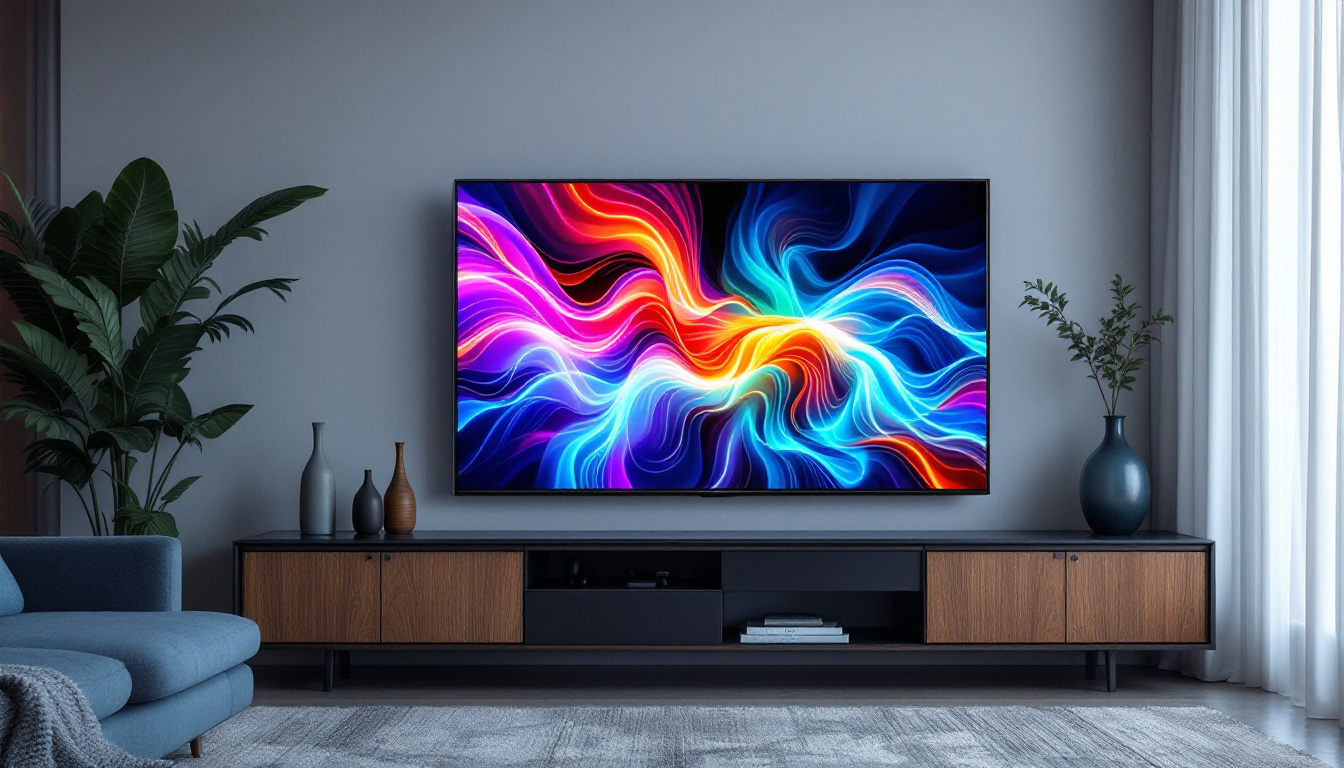
LCD stands for Liquid Crystal Display, a technology that has been a cornerstone of screen displays for several decades. Unlike older cathode ray tube (CRT) monitors, LCDs are flat-panel displays that use liquid crystals to modulate light and create images. The liquid crystals themselves do not emit light but instead manipulate light passing through them. This characteristic allows for thinner and lighter screens, making LCDs ideal for a variety of applications, from televisions to smartphones and computer monitors.
LCD panels are composed of several layers, including two polarized glass substrates, liquid crystal molecules sandwiched between them, and a backlight source. The backlight shines through the liquid crystals, which twist and align according to electrical signals to either block or allow light to pass through, thus forming images on the screen. The combination of these layers not only contributes to the display’s sleek design but also enhances its durability, making it less susceptible to damage compared to older technologies.
How LCDs Work
The core principle behind LCD technology is the manipulation of light polarization. When an electric current is applied, the liquid crystals change orientation, affecting how light passes through the layers. This change in light transmission creates the pixels that form images on the screen. Each pixel is made up of sub-pixels in red, green, and blue, which can be adjusted to produce a wide spectrum of colors. This capability allows LCDs to render detailed images and vibrant colors, making them suitable for everything from gaming to graphic design.
Because LCDs rely on a backlight, the quality and type of this backlight significantly influence the display’s brightness, contrast, and color accuracy. Early LCDs used cold cathode fluorescent lamps (CCFLs) as backlights, but modern LCDs predominantly use LED backlighting, which offers better energy efficiency and improved image quality. Additionally, advancements in backlight technology, such as local dimming and edge-lit designs, have further enhanced the visual experience by providing deeper blacks and more vivid colors. As a result, LCD technology continues to evolve, incorporating features like high dynamic range (HDR) and wide color gamut (WCG) to meet the demands of consumers seeking high-quality displays for entertainment and professional use.
What is an LED Display?
Clarifying the Terminology
The term “LED display” can be somewhat misleading because it is often used interchangeably with LCD displays that use LED backlighting. However, there are two distinct types of LED displays:
- LED-backlit LCD displays: These are traditional LCD panels that use light-emitting diodes (LEDs) as a backlight source instead of CCFLs.
- Direct LED displays (or LED panels): These displays use individual LEDs as pixels, commonly found in large outdoor screens and digital billboards.
Understanding this distinction is crucial for consumers and professionals when discussing display technology. The confusion often arises because both types utilize LED technology, yet their applications and performance characteristics can differ significantly, influencing everything from energy consumption to image quality.
LED-backlit LCD Displays
Most modern LCD screens, including those in smartphones, laptops, and televisions, are actually LED-backlit LCDs. The LED backlight can be arranged in different ways:
- Edge-lit LED: LEDs are placed along the edges of the screen, and light is diffused across the panel.
- Direct-lit or full-array LED: LEDs are placed directly behind the screen, allowing for better local dimming and improved contrast.
LED backlighting improves energy efficiency, reduces thickness, and enhances brightness compared to CCFL backlights. Additionally, LED backlights can be tuned to produce a wider color gamut, resulting in richer and more vibrant images. This technology has revolutionized the viewing experience, making it possible for consumers to enjoy high-definition content with stunning clarity and detail. Furthermore, advancements in LED technology have led to features such as HDR (High Dynamic Range), which allows for better contrast and a more lifelike representation of colors.
Direct LED Displays
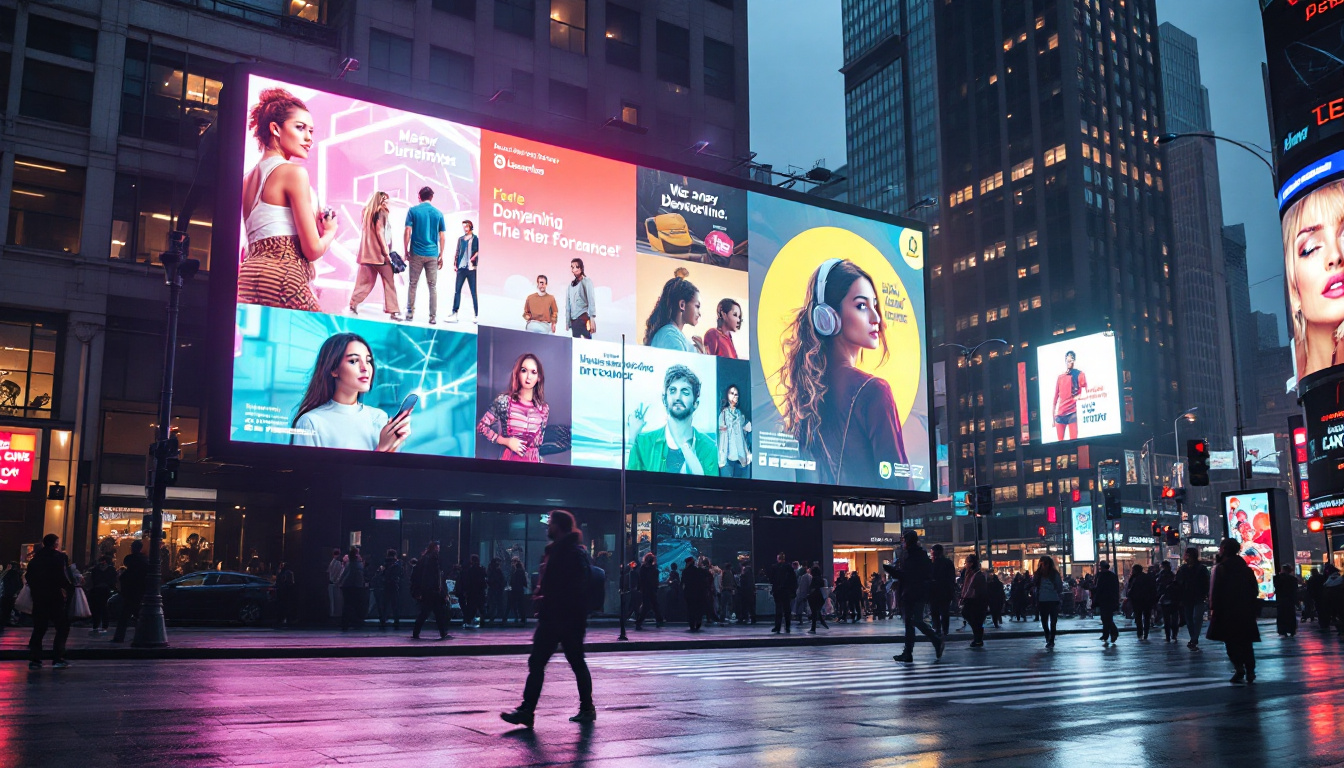
In contrast, direct LED displays use thousands or millions of tiny LEDs as individual pixels. These are common in large-format displays such as stadium screens, outdoor advertising, and digital signage. Because each LED emits its own light, these displays do not require a backlight, allowing for extremely high brightness levels and excellent visibility even in direct sunlight. This capability makes direct LED displays ideal for environments where ambient light can be a challenge, such as outdoor venues or busy urban settings.
Direct LED displays can be further categorized into:
- RGB LED panels: Each pixel consists of red, green, and blue LEDs, which combine to produce full-color images.
- Monochrome LED displays: Used for simpler applications like text or numeric displays.
These displays are not only versatile but also scalable, allowing for configurations ranging from small screens to massive video walls that can captivate audiences at concerts or sporting events. Additionally, the modular nature of direct LED technology means that individual panels can be replaced or upgraded without the need to replace the entire display, making maintenance more efficient and cost-effective. As technology continues to advance, we can expect to see even more innovative applications for direct LED displays, further enhancing their role in advertising, entertainment, and information dissemination.
Comparing LCD and LED Displays: Key Factors
Brightness and Contrast
LED-backlit LCDs generally offer higher brightness levels than older CCFL-backlit LCDs, making them suitable for use in brightly lit environments. Full-array LED backlighting with local dimming enhances contrast ratios by dimming dark areas of the screen while keeping bright areas illuminated.
Direct LED displays, especially those used outdoors, can achieve brightness levels upwards of 5,000 nits, far exceeding typical LCD displays. This makes them ideal for visibility in direct sunlight and large venues.
Color Accuracy and Gamut
Modern LED-backlit LCDs can reproduce a wide color gamut, especially when combined with quantum dot technology or advanced LED backlight tuning. This results in more vibrant and lifelike colors, which is essential for professional applications such as photo editing, video production, and high-end consumer displays.
Direct LED displays also offer excellent color reproduction but are typically optimized for visibility and durability rather than color precision.
Energy Efficiency
LED backlighting is significantly more energy-efficient than CCFLs, contributing to longer battery life in portable devices and reduced power consumption in televisions and monitors. Direct LED displays can consume more power due to their high brightness levels but are designed to be efficient given their use cases.
Thickness and Design Flexibility
LED-backlit LCDs enable thinner and lighter displays compared to older technologies. Edge-lit LED designs allow manufacturers to produce ultra-thin screens, which are highly desirable in modern consumer electronics.
Direct LED displays are modular and scalable, allowing for large, seamless video walls and flexible configurations for advertising and events.
Applications of LCD and LED Displays
Consumer Electronics
In smartphones, tablets, laptops, and televisions, LED-backlit LCDs dominate the market due to their balance of image quality, cost, and energy efficiency. OLED technology is gaining ground in premium devices, but LCDs remain popular for their affordability and reliability.
Commercial and Industrial Use
Direct LED displays are widely used in commercial settings such as:
- Outdoor advertising billboards
- Sports arenas and concert venues
- Transportation hubs like airports and train stations
These displays offer high visibility, durability, and scalability, making them ideal for dynamic content and large audiences.
Professional and Specialized Displays
High-end LCD monitors with LED backlighting are preferred in professional environments requiring color accuracy, such as graphic design studios and medical imaging. Additionally, some specialized industrial applications use direct LED displays for status monitoring and information dissemination.
Future Trends in Display Technology
Mini-LED and Micro-LED Technologies
Mini-LED technology represents an evolution of LED backlighting, using thousands of tiny LEDs to provide even better local dimming and contrast. This technology is already appearing in premium TVs and monitors, offering near-OLED levels of contrast with the longevity and brightness advantages of LCDs.
Micro-LED, on the other hand, is a direct LED technology where microscopic LEDs serve as individual pixels. It promises the perfect combination of OLED’s color and contrast with LED’s brightness and durability. Although still in early stages of commercialization, Micro-LED is expected to revolutionize display technology in the coming years.
Integration with Smart and Flexible Displays
Advancements in flexible and transparent displays are also incorporating LED and LCD technologies, enabling innovative form factors such as foldable smartphones, rollable TVs, and heads-up displays in vehicles.
Conclusion
Understanding the distinctions between LCD and LED display technologies is essential for making informed decisions, whether purchasing consumer electronics or designing commercial display solutions. While LCD refers to the liquid crystal technology that manipulates light to create images, LED can refer either to the backlighting source in LCDs or to displays that use LEDs as individual pixels.
LED-backlit LCDs dominate consumer markets due to their efficiency, image quality, and affordability. Direct LED displays serve specialized roles where brightness and scalability are paramount. Emerging technologies like Mini-LED and Micro-LED promise to further enhance display performance, offering brighter, more efficient, and more versatile screens in the near future.
As display technology continues to evolve, staying informed about these developments will help consumers and professionals alike choose the right display solutions tailored to their needs.
Explore Cutting-Edge LED Display Solutions with LumenMatrix
As you consider the future of display technology for your personal or professional needs, LumenMatrix stands at the forefront of innovation, ready to illuminate your world with our comprehensive range of LED display modules. From the immersive Indoor LED Wall Display to the dynamic Outdoor LED Wall Display, and from the versatile Vehicle LED Display to the sleek LED Poster Display, our solutions are designed to captivate and engage. With specialized offerings like LED Sports Display, Floor LED Display, Custom LED Display, All-in-One LED Display, and LED Transparent Display, LumenMatrix is committed to revolutionizing visual communication. Elevate your brand visibility and create unforgettable visual experiences by choosing LumenMatrix. Check out LumenMatrix LED Display Solutions and be a part of the visual revolution.