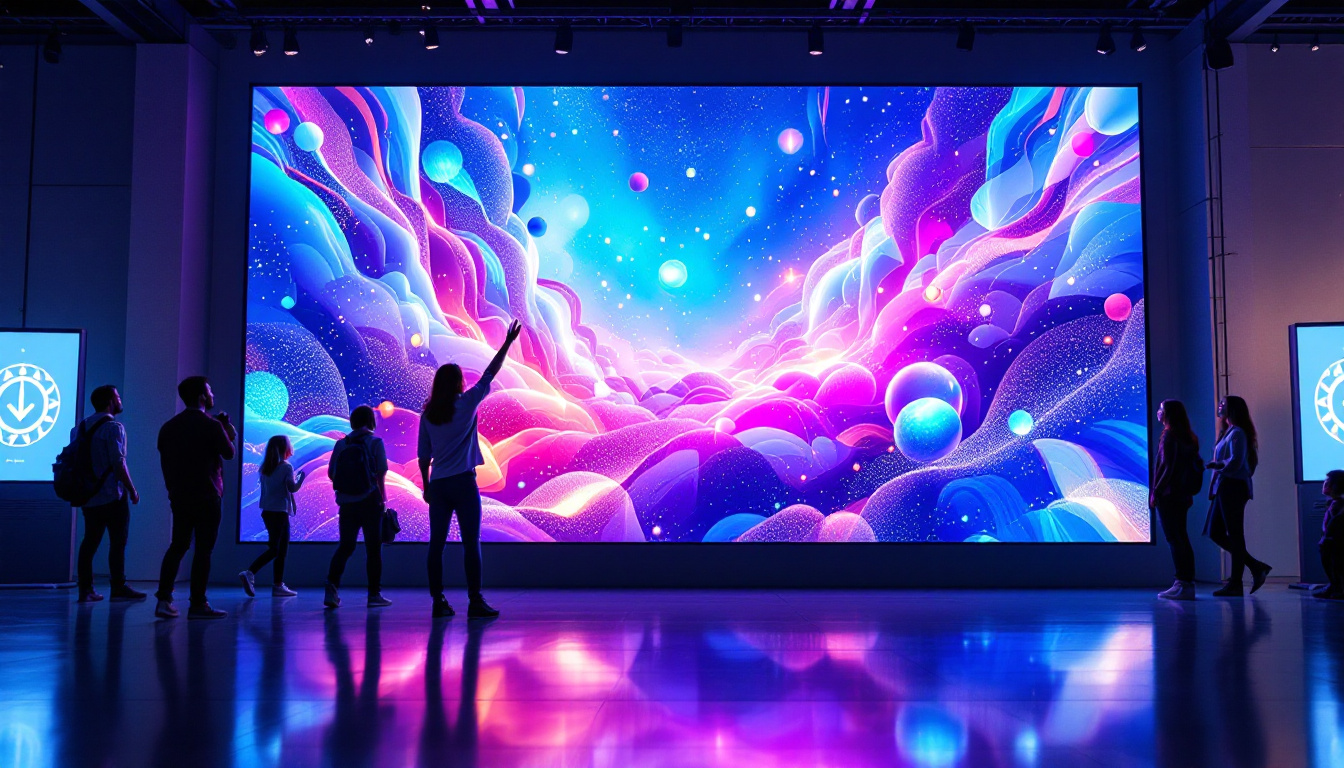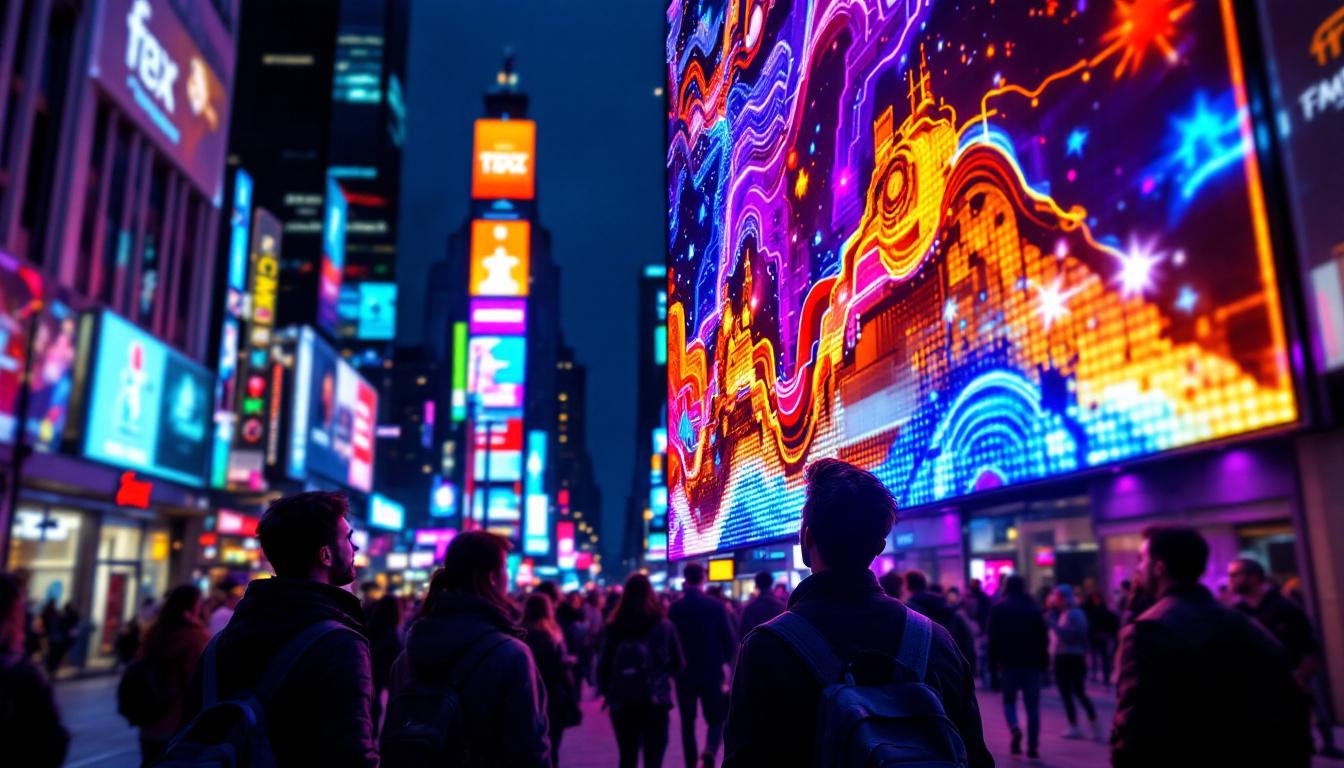
In today’s fast-evolving digital landscape, LED displays have become a cornerstone technology for everything from advertising billboards to stadium screens and even home entertainment systems. Understanding how these displays work, particularly the series solution approach in their design and operation, is crucial for engineers, designers, and technology enthusiasts alike. This article delves into the intricacies of LED displays, focusing on the series solution methodology, its advantages, challenges, and practical applications.
Understanding LED Displays: Basics and Components
LED stands for Light Emitting Diode, a semiconductor device that emits light when an electric current passes through it. LED displays are composed of numerous tiny LEDs arranged in a matrix to create images, text, or videos. These displays are favored for their brightness, energy efficiency, and long lifespan compared to traditional display technologies like LCD or plasma.
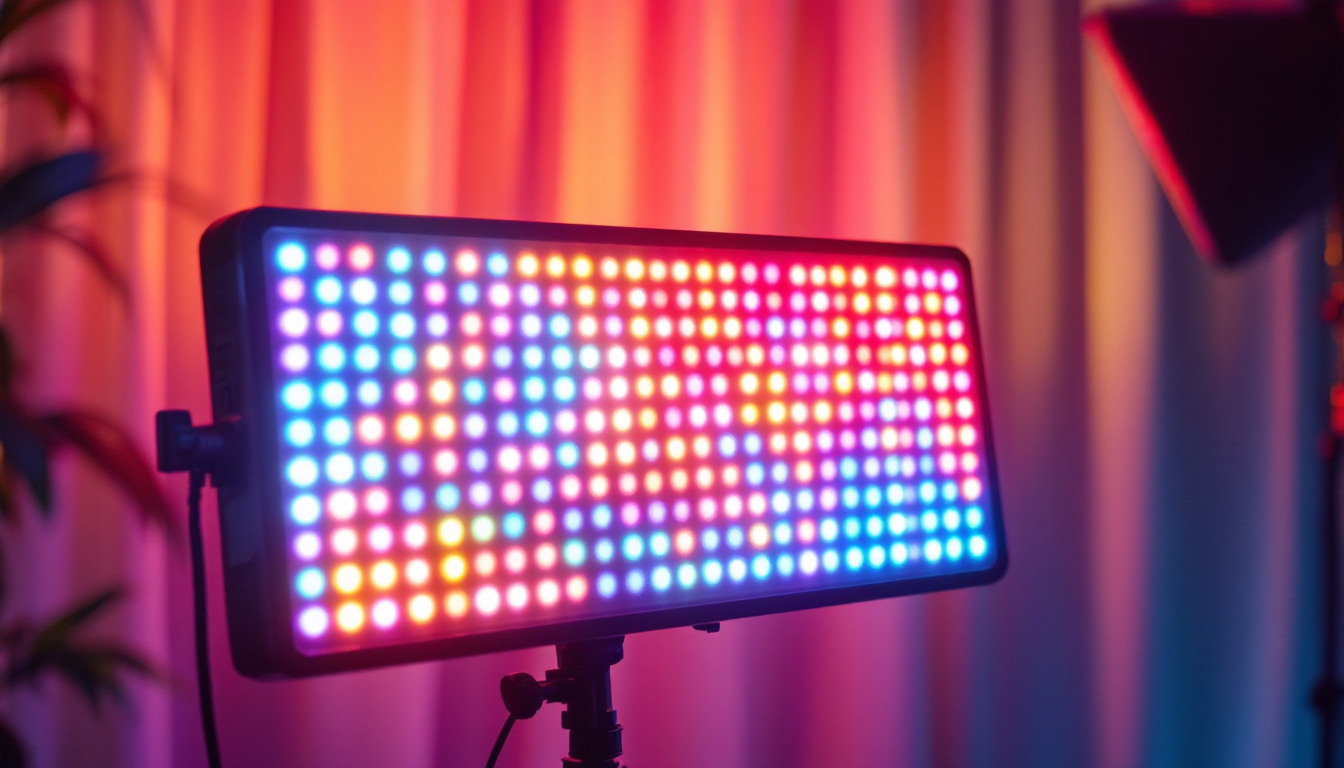
At the heart of an LED display are the individual LEDs, which can be monochromatic (single color) or RGB (red, green, blue) to produce a full spectrum of colors. These LEDs are organized into pixels, and each pixel’s color and brightness are controlled to render the desired image. The control mechanism often involves complex circuitry and software algorithms to manage the timing and intensity of each LED. This intricate design allows for stunning visuals, making LED displays ideal for a variety of applications, from advertising billboards to high-definition televisions.
Key Components of an LED Display
1. LED Modules: These are the basic building blocks, consisting of a grid of LEDs mounted on a circuit board. Modules can vary in size and pixel pitch, which is the distance between adjacent pixels and directly affects display resolution. A smaller pixel pitch results in higher resolution and clearer images, making these modules suitable for close-range viewing, such as in shopping malls or conference rooms.
2. Driver ICs: Integrated circuits that regulate the voltage and current supplied to each LED, ensuring consistent brightness and color accuracy. These components are crucial for maintaining the longevity of the display, as they prevent overheating and ensure that each LED operates within its optimal parameters, thus enhancing overall performance.
3. Control System: Typically a microcontroller or FPGA that processes input signals and sends commands to driver ICs, coordinating the display output. This system not only manages real-time data but can also facilitate advanced features like video playback and dynamic content updates, allowing for interactive displays that can change based on viewer engagement.
4. Power Supply: Provides the necessary electrical power to the LEDs and control circuitry, often designed to handle high current loads efficiently. A robust power supply is essential for large-scale LED installations, as it ensures stable operation during peak usage and can include features like surge protection to safeguard against electrical anomalies.
5. Heat Management: Effective thermal management systems, such as heat sinks or active cooling solutions, are integral to maintaining the performance and reliability of LED displays. Excess heat can lead to reduced efficiency and lifespan, making it vital to dissipate heat effectively, especially in larger displays that generate significant amounts of heat during operation.
6. Enclosure: The physical housing of an LED display is designed to protect its components from environmental factors like moisture, dust, and physical impacts. Outdoor displays, in particular, require robust enclosures that are weather-resistant and can withstand varying temperatures, ensuring that the display remains functional and visually appealing in all conditions.
The Series Solution Approach in LED Displays
The term “series solution” in the context of LED displays refers to the method of connecting LEDs in a series circuit configuration to optimize power consumption, simplify wiring, and improve reliability. This approach contrasts with parallel configurations, where LEDs are connected side-by-side, each receiving the full voltage independently.
How Series Connection Works
In a series circuit, LEDs are connected end-to-end so that the same current flows through each LED sequentially. The total voltage across the series string is the sum of the voltages across each LED. This means if one LED requires 2 volts, and there are 10 LEDs in series, the power supply must provide approximately 20 volts for the entire string.
This configuration ensures uniform current through all LEDs, which helps maintain consistent brightness and color across the display. It also reduces the complexity of current regulation since the same current passes through each LED.
Advantages of Series Solutions
1. Improved Current Uniformity: Since the current is the same through all LEDs in series, brightness variations caused by current fluctuations are minimized. This is critical for high-quality displays where uniformity is essential.
2. Simplified Current Control: Managing current in series circuits is often easier and more energy-efficient, reducing the need for complex current balancing circuits that are necessary in parallel configurations.
3. Reduced Wiring Complexity: Series connections can reduce the number of wires needed, particularly in large-scale displays, simplifying assembly and maintenance.
4. Enhanced Reliability: With fewer components needed for current regulation, there are fewer points of failure, improving overall system robustness.
Challenges and Considerations
While series solutions offer many benefits, they also present unique challenges that must be addressed during design and implementation.
1. Voltage Requirements: The power supply must provide a voltage equal to the sum of all LEDs in the series string. For large displays with many LEDs, this can mean very high voltages, which require careful insulation and safety considerations.
2. Single Point of Failure: If one LED in a series string fails open (stops conducting), the entire string will go dark. To mitigate this, designers often incorporate bypass circuits or redundant pathways.
3. Heat Dissipation: LEDs in series can generate heat concentrated along the string, necessitating effective thermal management to maintain performance and longevity.
Practical Applications of Series Solutions in LED Displays
The series solution approach is widely used in various types of LED displays, from small-scale indicators to massive outdoor screens. Understanding how this methodology applies in real-world scenarios highlights its importance and versatility.
Outdoor Advertising Billboards
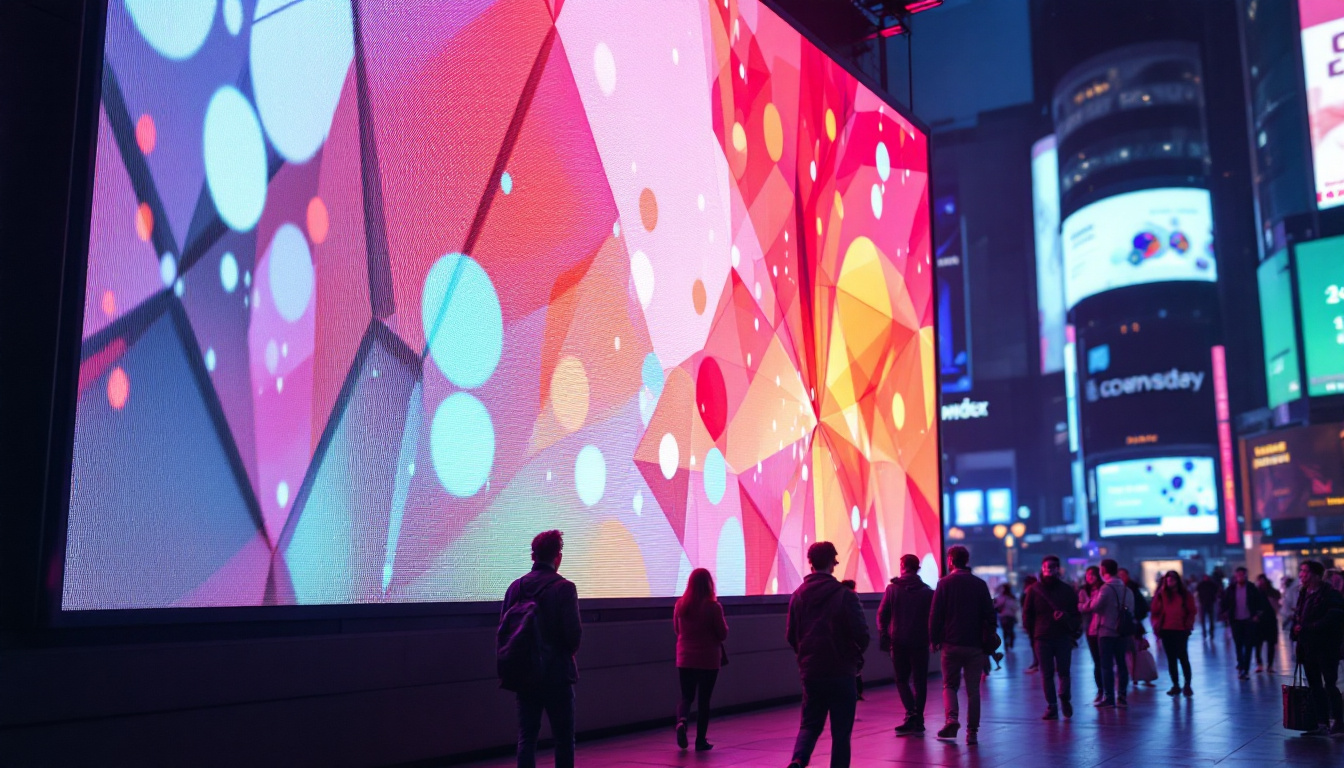
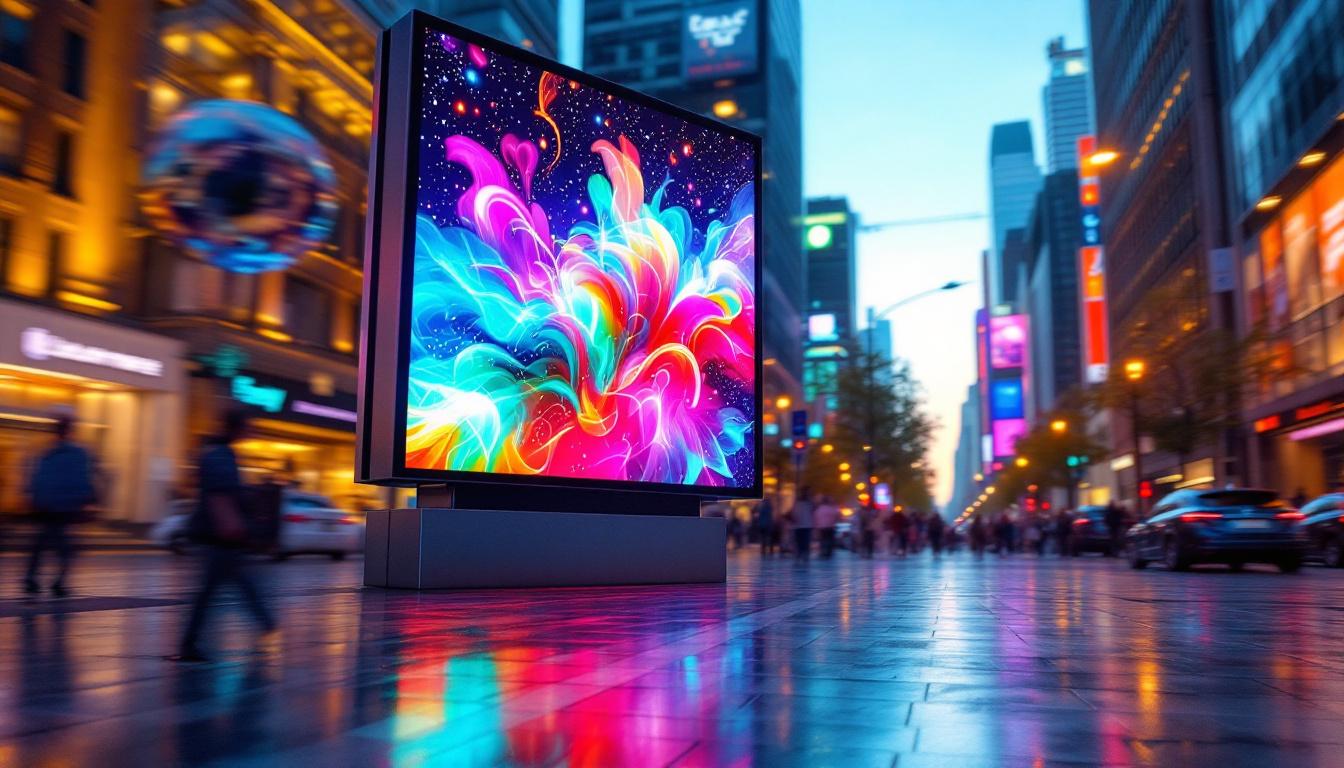
Large outdoor LED billboards often employ series-connected LED modules to handle the high brightness and power demands efficiently. The uniform current flow ensures consistent image quality even under direct sunlight, while the simplified wiring reduces installation time and maintenance costs.
For example, a 10-meter-wide billboard might consist of hundreds of LED modules, each with multiple series strings. The power supply and control systems are designed to accommodate the cumulative voltage and current requirements, often incorporating advanced monitoring to detect and isolate faults quickly.
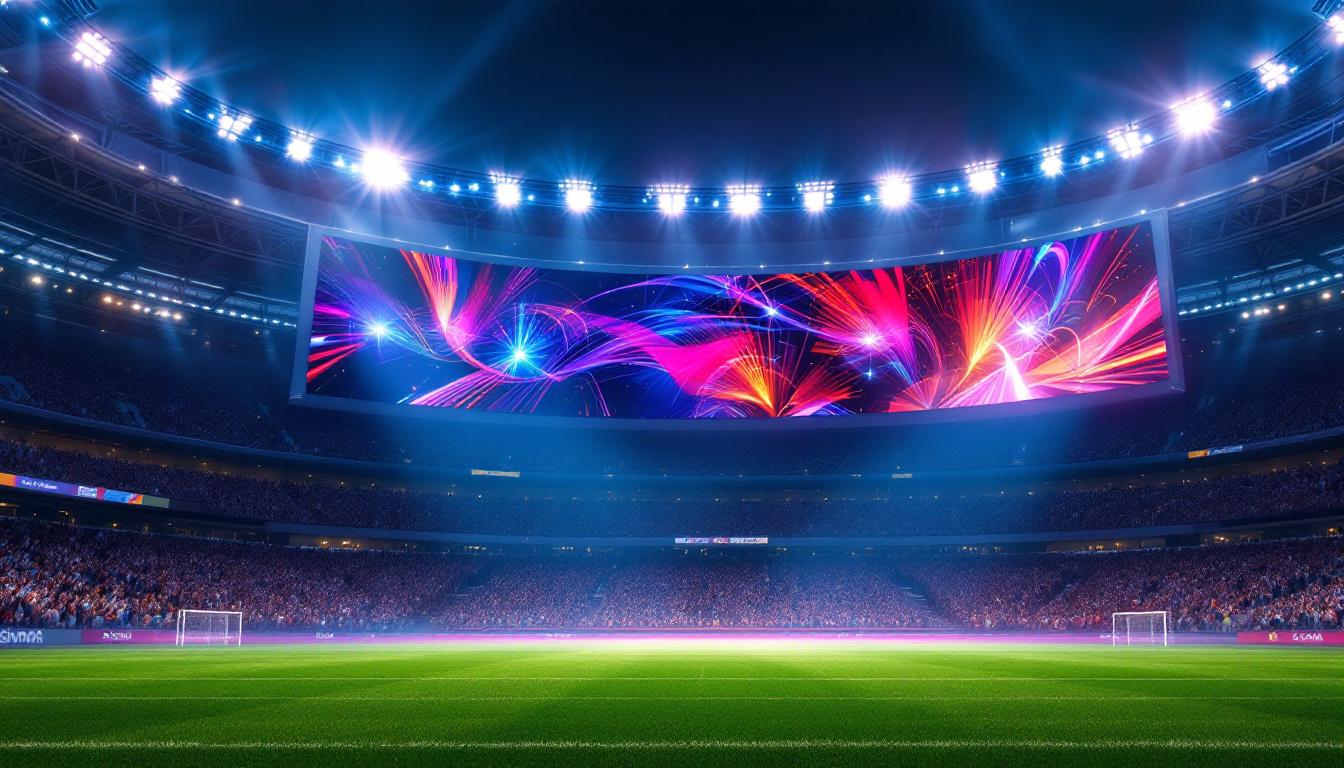
Sports Stadium Displays
Stadium screens require high resolution, rapid refresh rates, and excellent color fidelity to provide spectators with clear visuals from various distances. Series solutions help maintain uniform brightness across the vast display area, essential for delivering a premium viewing experience.
Additionally, the robustness of series-connected LEDs is beneficial in stadium environments where displays are exposed to weather elements and mechanical stresses.
Consumer Electronics and Home Use
In smaller LED displays, such as those found in TVs, monitors, and smart devices, series connections are often combined with parallel configurations to balance voltage and current requirements. This hybrid approach leverages the benefits of series solutions while maintaining manageable voltage levels.
For instance, an LED TV panel might use series strings of LEDs arranged in parallel groups, allowing for precise control over brightness and color while keeping power supply demands within practical limits.
Innovations and Future Trends in Series LED Display Solutions
The LED display industry continues to evolve rapidly, driven by advancements in materials, electronics, and software. Series solutions remain a fundamental design principle, but new technologies are enhancing their effectiveness and expanding their applications.
MicroLED and Series Connection Synergy
MicroLED technology, which uses microscopic LEDs for ultra-high-resolution displays, benefits significantly from series connection techniques. The small size and high efficiency of MicroLEDs allow for longer series strings with lower voltage drops, improving energy efficiency and display uniformity.
Research into flexible and transparent MicroLED displays also explores series configurations to maintain performance while enabling new form factors, such as foldable screens and wearable devices.
Smart Power Management Systems
Modern LED displays increasingly incorporate intelligent power management systems that dynamically adjust voltage and current based on ambient conditions and content requirements. These systems enhance the advantages of series solutions by optimizing energy consumption and extending LED lifespan.
For example, adaptive brightness control can reduce power during low-light conditions, while fault detection algorithms can isolate failed LEDs in a series string, preventing total display outages.
Integration with IoT and Remote Monitoring
Integration of LED displays with Internet of Things (IoT) platforms allows for real-time monitoring and control of series-connected LED arrays. This connectivity supports predictive maintenance, performance analytics, and remote troubleshooting, minimizing downtime and operational costs.
Such capabilities are particularly valuable in large-scale installations like smart cities, transportation hubs, and commercial complexes where LED displays play a critical role in communication and advertising.
Conclusion: The Importance of Series Solutions in LED Display Technology
The series solution approach is a pivotal concept in the design and operation of LED displays. By connecting LEDs in series, engineers can achieve uniform current distribution, simplify circuitry, and enhance reliability. Despite challenges such as voltage requirements and potential single points of failure, thoughtful design and modern innovations have made series solutions a preferred method in many LED applications.
As LED technology continues to advance with developments like MicroLEDs, smart power management, and IoT integration, the principles underlying series connections will remain fundamental. Understanding these concepts is essential for anyone involved in the design, deployment, or maintenance of LED display systems, ensuring that these vibrant, energy-efficient displays continue to illuminate the world in ever more impressive ways.
Explore Cutting-Edge Series LED Solutions with LumenMatrix
Ready to experience the future of visual communication? LumenMatrix is at the forefront of LED display innovation, offering a wide array of products from Indoor and Outdoor LED Wall Displays to specialized solutions like Vehicle LED Displays, LED Sports Displays, and even Custom LED configurations. Embrace the power of series LED technology and discover how our advanced displays can transform your space and captivate your audience. Don’t miss out on the opportunity to elevate your brand’s visibility and impact. Check out LumenMatrix LED Display Solutions today and join the revolution in digital signage excellence.