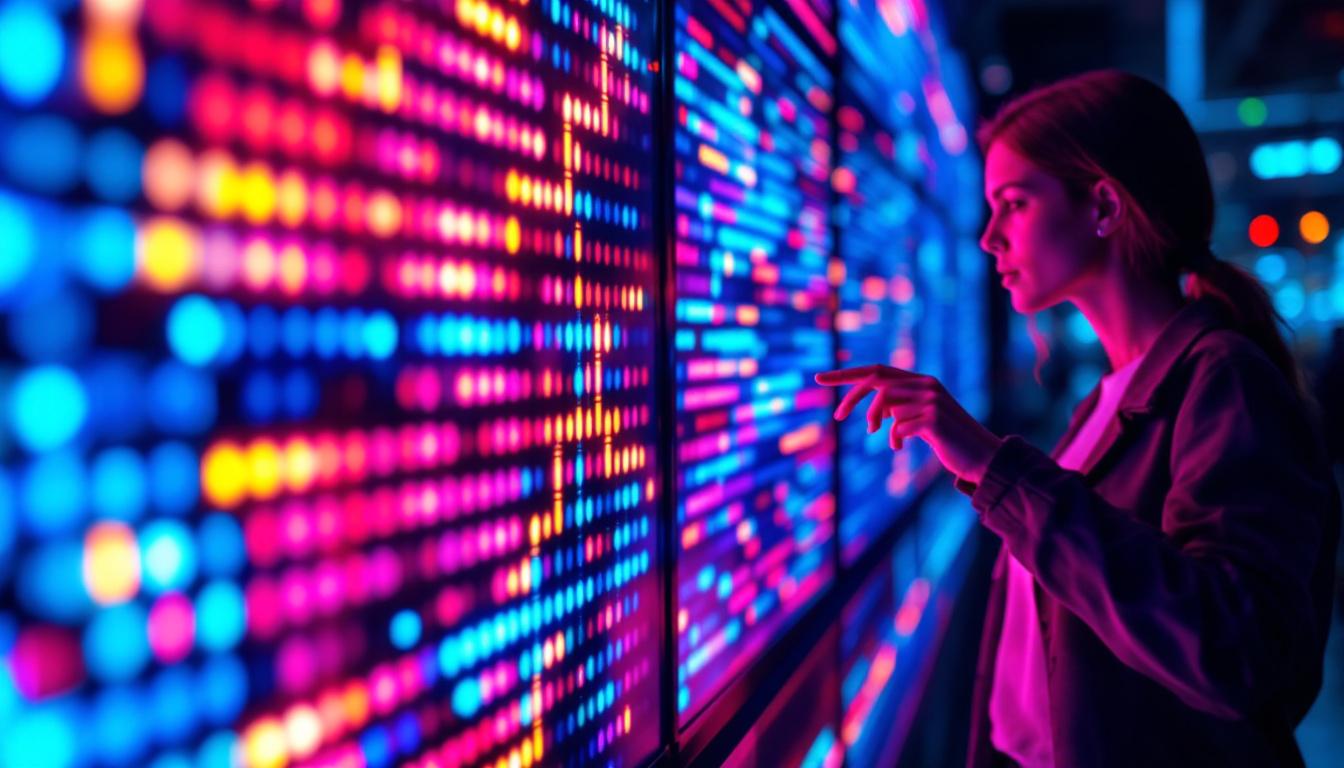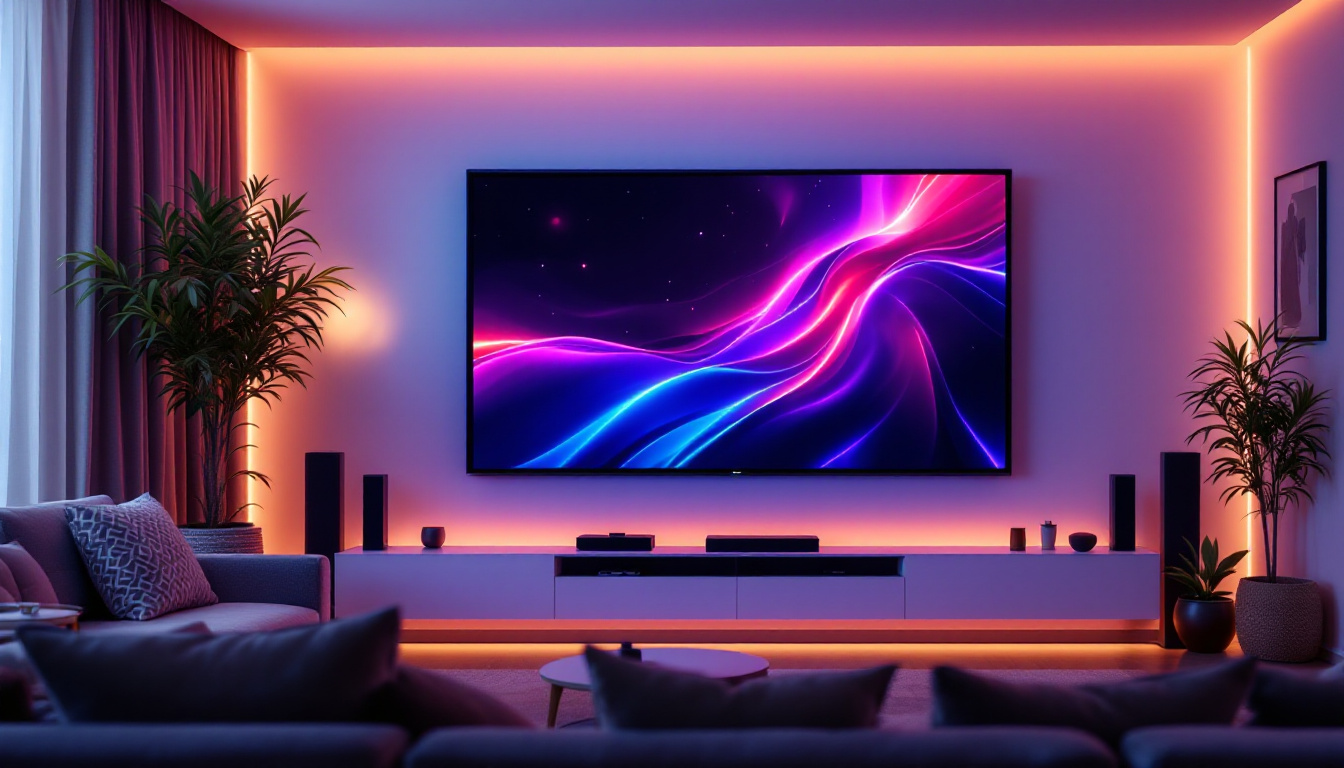
In the rapidly evolving world of digital displays, LED technology has become a cornerstone for delivering vibrant, high-quality visual experiences. From massive outdoor billboards to indoor video walls and handheld devices, LED displays are everywhere, captivating audiences with their brightness, clarity, and versatility. This article delves deep into the technology behind LED displays, explaining how they work, their various types, applications, and the future trends shaping this dynamic industry.
Understanding LED Display Technology
LED stands for Light Emitting Diode, a semiconductor device that emits light when an electric current passes through it. Unlike traditional display technologies such as LCD or plasma, LED displays use these tiny diodes as individual pixels to create images and videos. This fundamental difference is what gives LED displays their signature brightness and energy efficiency.
At its core, an LED display is composed of thousands to millions of these diodes arranged in a matrix. Each diode can emit red, green, or blue light, and by varying the intensity of these colors, the display produces a full spectrum of colors. This process is known as additive color mixing, which is the basis for all digital color displays.
How LED Pixels Work
Each pixel on an LED display is typically made up of three sub-pixels: one red, one green, and one blue. By controlling the brightness of each sub-pixel, the display can produce millions of colors. For example, combining red and green light creates yellow, while mixing all three at full intensity results in white.
The control of these sub-pixels is managed by a driver circuit that regulates the current flowing through each diode. This precise control allows for high-resolution images with smooth gradients and sharp contrasts. Furthermore, the rapid response time of LEDs enables them to display fast-moving images without blurring, making them ideal for dynamic content such as sports broadcasts and video games.
LED technology has also evolved to include various types of displays, such as OLED (Organic LED) and MicroLED, which offer even greater flexibility and performance. OLED displays, for instance, utilize organic compounds to emit light, allowing for deeper blacks and improved contrast ratios. MicroLED, on the other hand, consists of microscopic LEDs that can be arranged in virtually any shape or size, paving the way for innovative display designs that can be both flexible and transparent. This versatility has opened up new avenues for applications in advertising, architecture, and even wearable technology, showcasing the limitless potential of LED display technology in our modern world.
Types of LED Displays
LED displays come in various forms, each suited to different environments and purposes. Understanding these types helps in selecting the right display for specific needs.
1. Direct View LED Displays
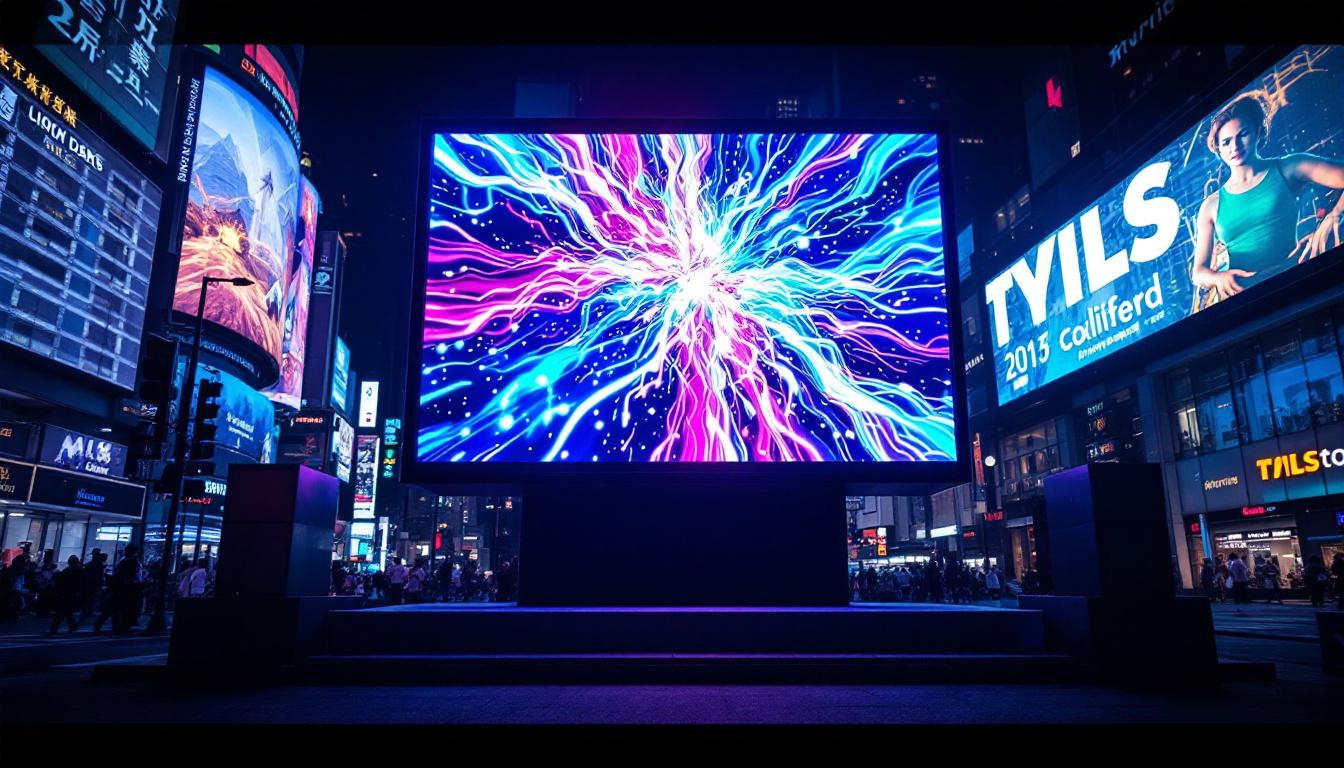
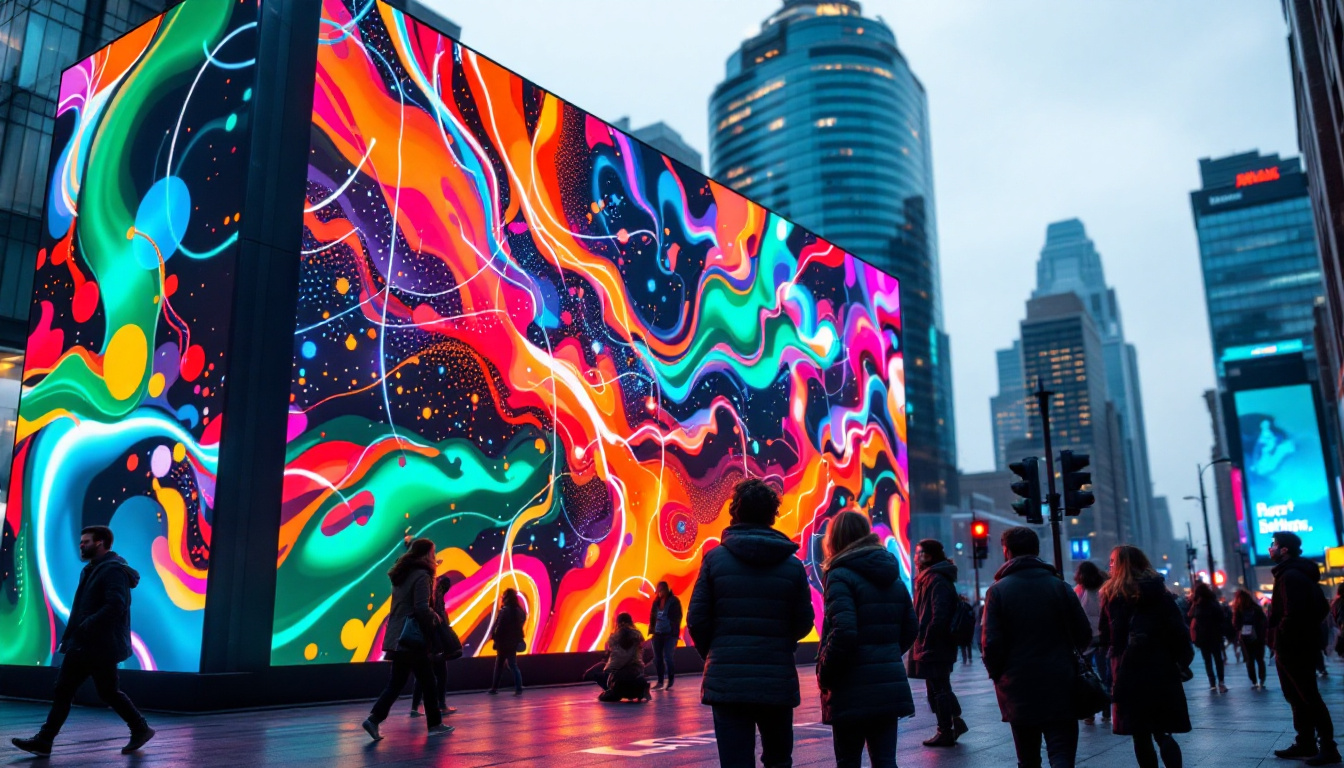
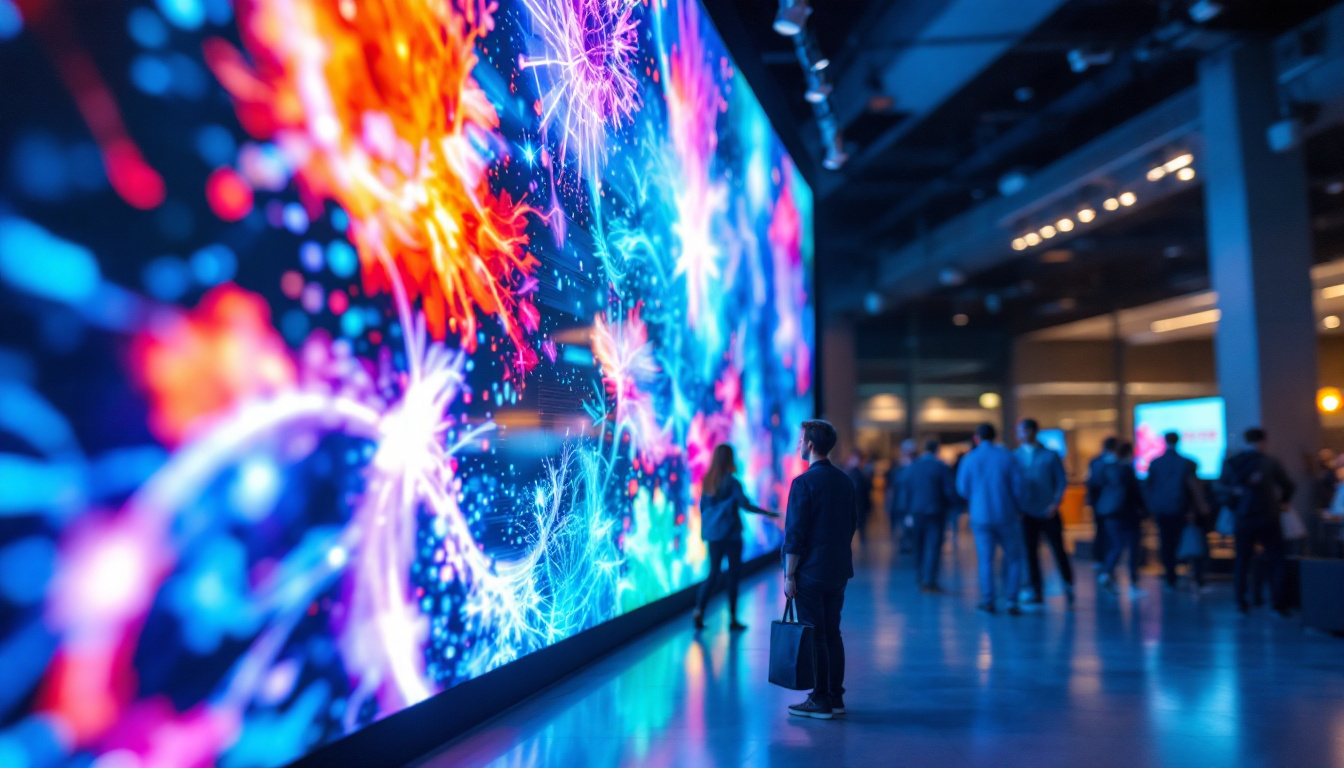
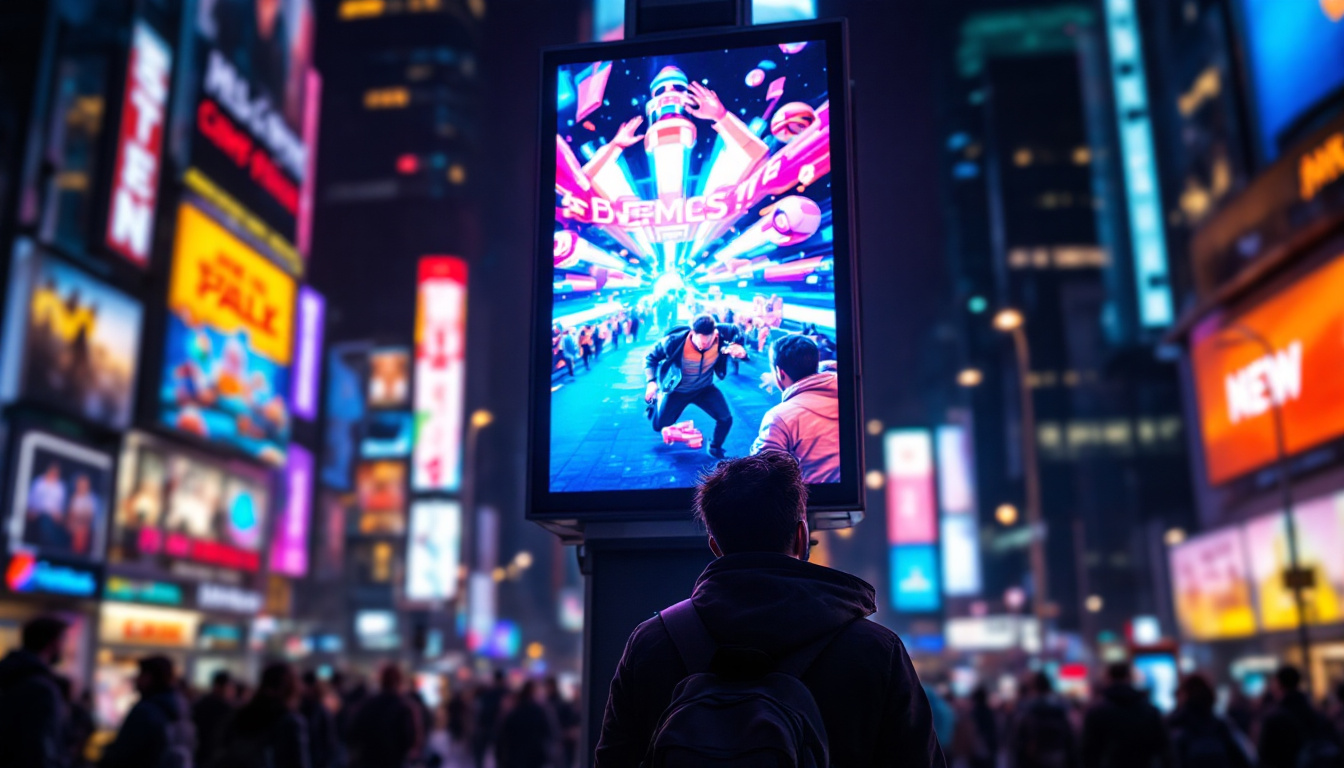
Direct View LED (DVLED) displays are composed of LEDs that emit light directly to the viewer without the need for a backlight or additional layers. These are commonly used for large-scale outdoor screens, stadium displays, and digital billboards due to their exceptional brightness and visibility under sunlight.
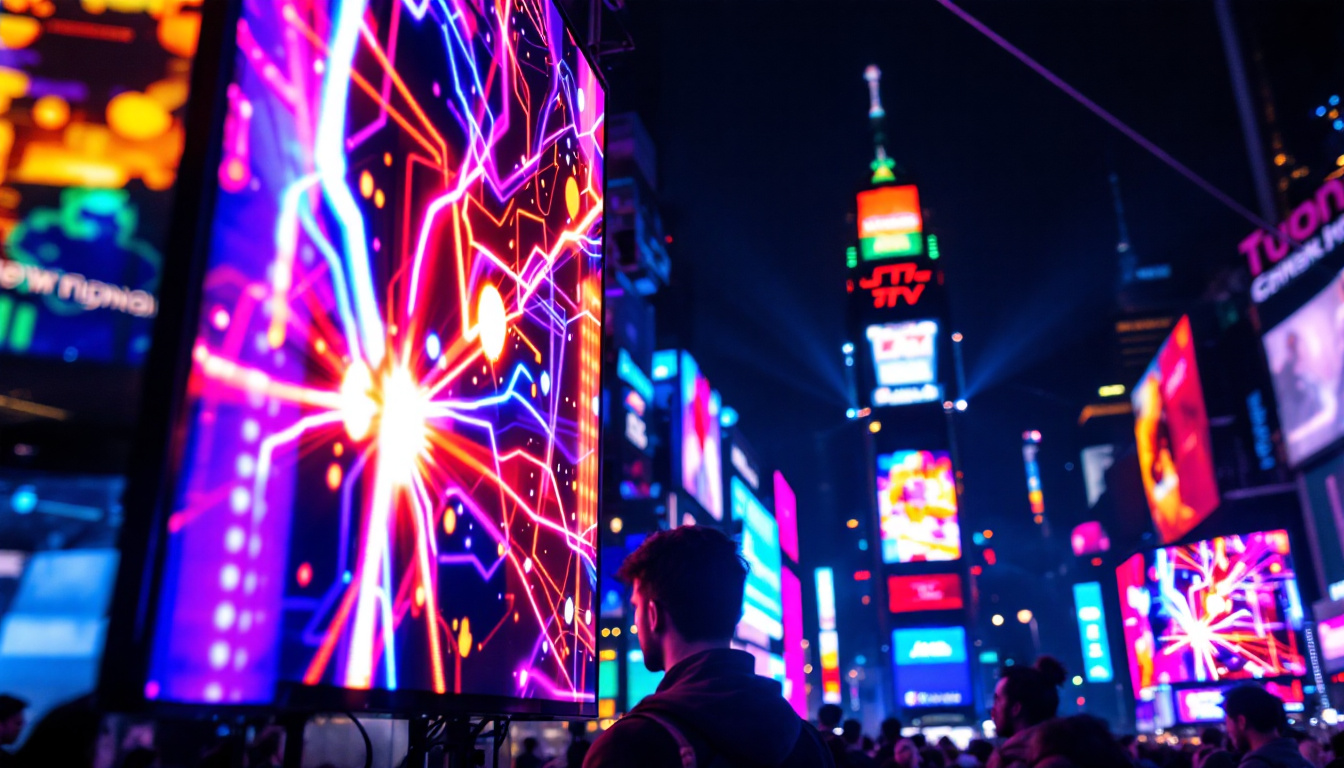
One of the key advantages of DVLEDs is their modular design, allowing for seamless scaling to any size. For instance, Times Square in New York City features massive DVLED screens that deliver stunning visuals to millions of passersby daily.
2. LED Backlit LCD Displays
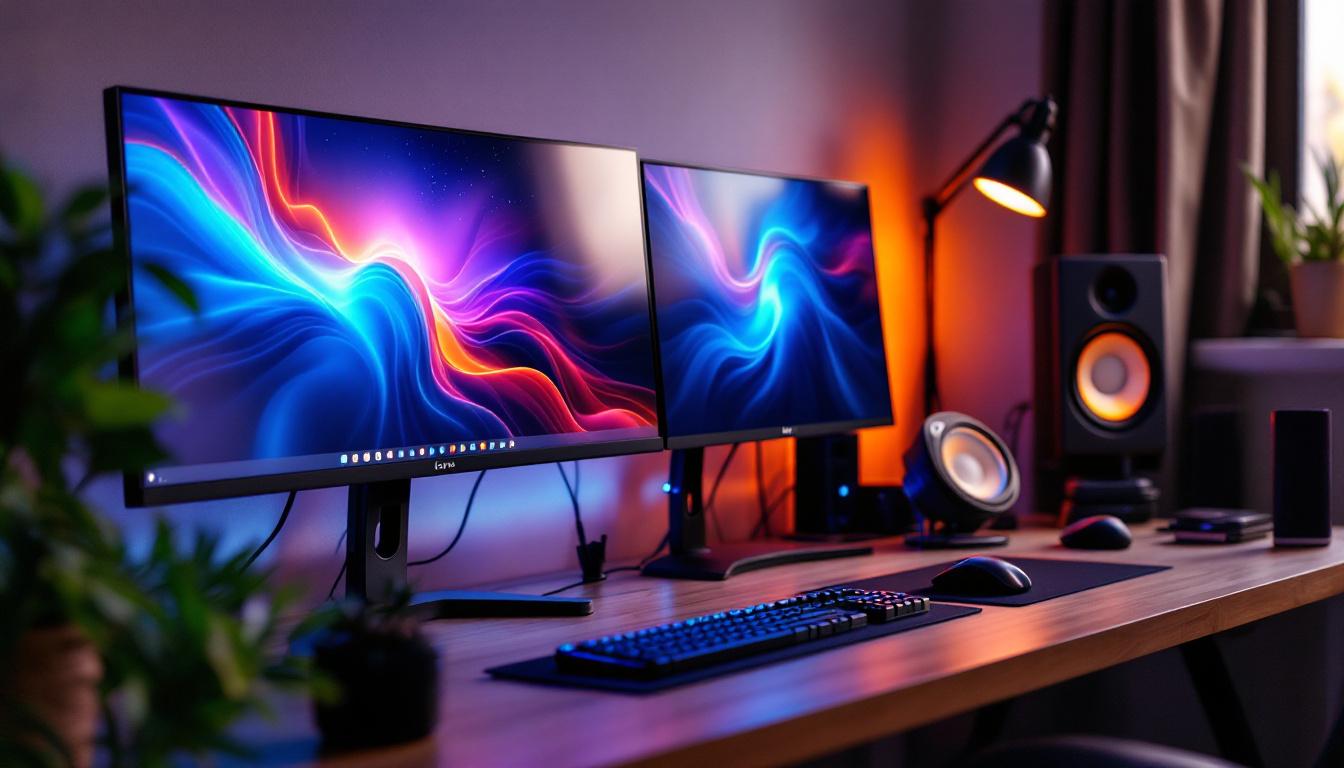
Many modern LCD screens use LED backlighting to illuminate the liquid crystal panel. While the image formation relies on the LCD layer, the LEDs provide a more energy-efficient and brighter light source compared to older fluorescent backlights.
This technology is prevalent in televisions, computer monitors, and smartphones, offering improved color accuracy and thinner device profiles.
3. MicroLED Displays
MicroLED is an emerging technology that uses microscopic LEDs to create each pixel. These displays promise even higher brightness, contrast, and energy efficiency than traditional LEDs and OLEDs. MicroLEDs also boast longer lifespans and reduced burn-in risks.
Although still in early commercial stages, MicroLED displays are expected to revolutionize premium TVs, augmented reality (AR) devices, and wearable technology in the coming years.
Key Advantages of LED Displays
LED technology offers several benefits that have contributed to its widespread adoption across industries.
Brightness and Visibility
One of the standout features of LED displays is their exceptional brightness. Outdoor LED billboards can reach brightness levels exceeding 5,000 nits, making them easily visible even in direct sunlight. This makes them ideal for advertising, public information, and event displays where visibility is critical.
Energy Efficiency
LEDs consume significantly less power compared to traditional lighting and display technologies. According to the U.S. Department of Energy, LED lighting uses at least 75% less energy than incandescent lighting. This efficiency translates into lower operational costs, especially for large-scale installations that operate 24/7.
Longevity and Durability
LED displays are known for their long operational lifespans, often exceeding 100,000 hours of use. They are also highly durable, with resistance to shock, vibration, and temperature variations. This robustness makes them suitable for both indoor and outdoor applications in diverse environments.
Color Accuracy and Contrast
LED displays offer superior color reproduction and contrast ratios. The ability to control each pixel’s brightness individually allows for deep blacks and vibrant colors, enhancing the overall viewing experience. This is particularly important for applications like digital signage, broadcast studios, and immersive entertainment.
Applications of LED Displays
LED displays have found their way into numerous sectors, transforming how information and entertainment are delivered.
Advertising and Digital Signage
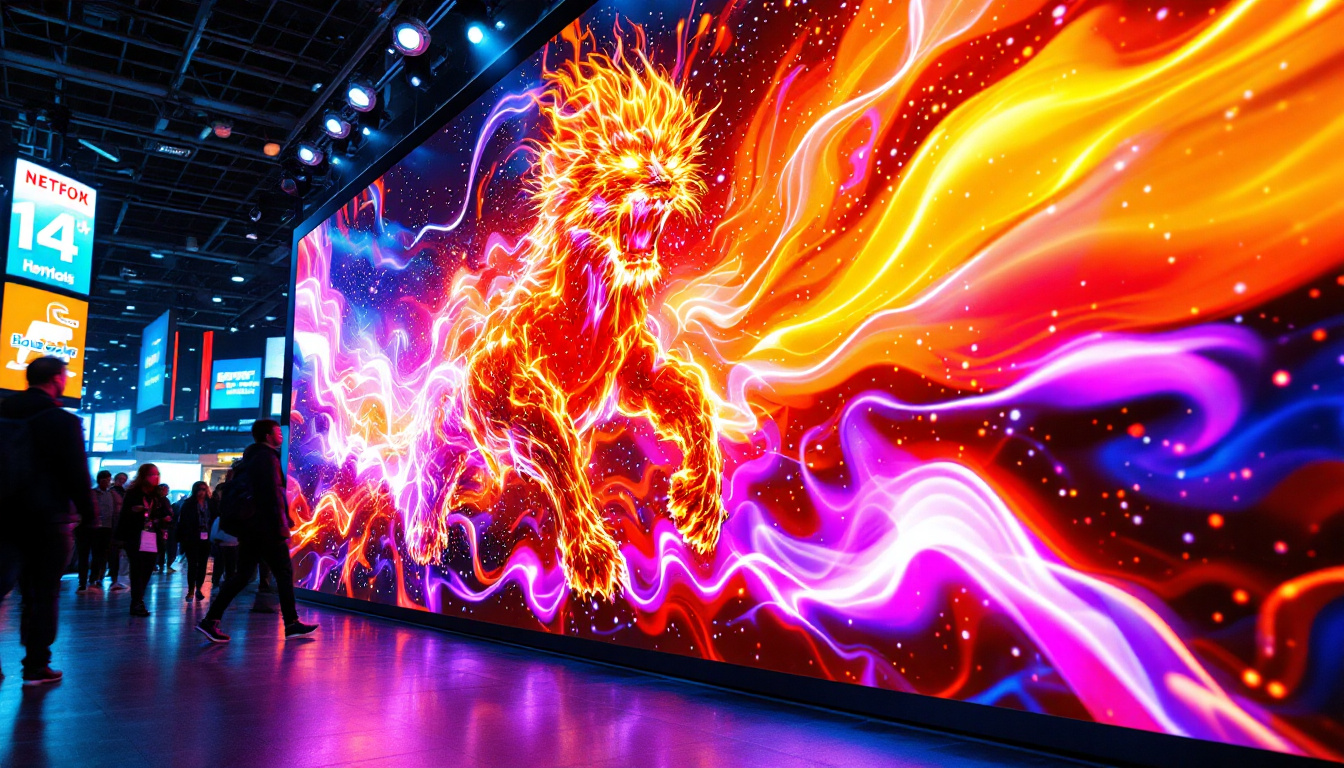
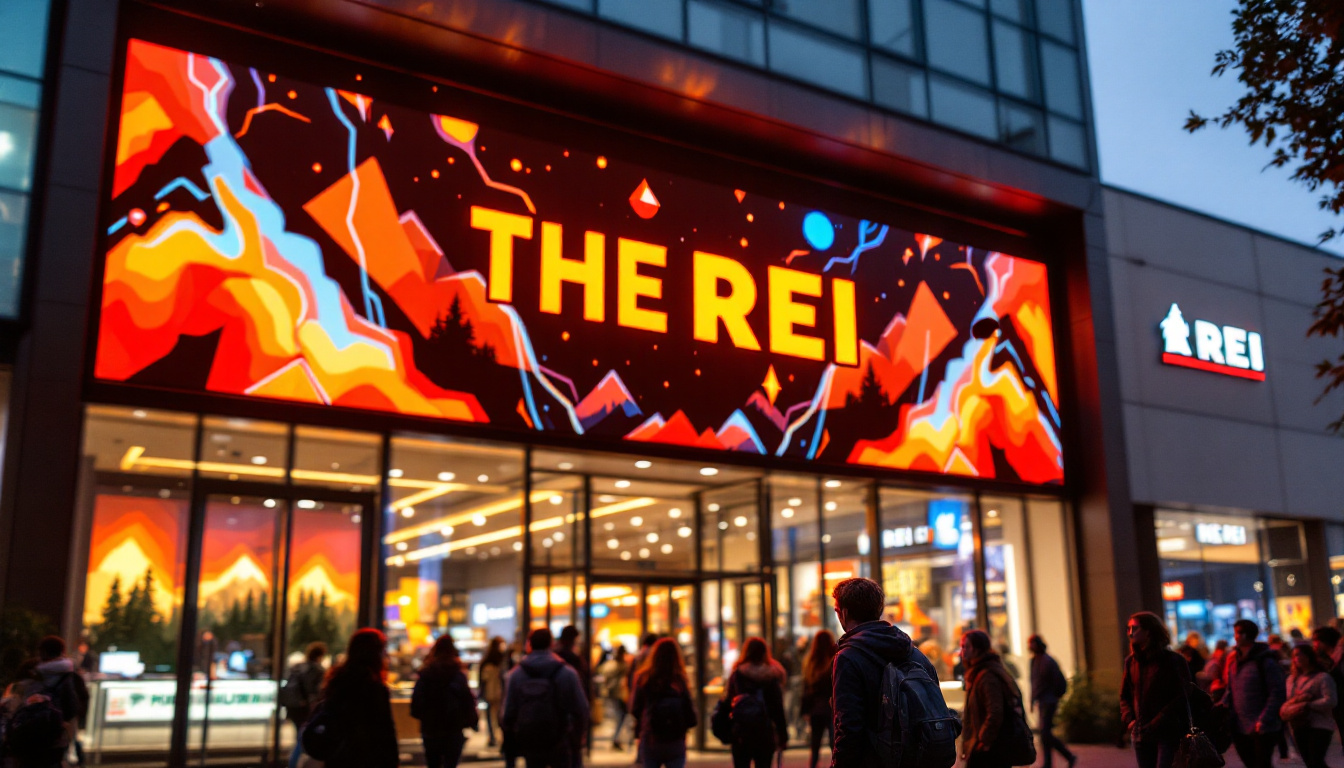
One of the most visible uses of LED displays is in advertising. Digital billboards and signage leverage LED’s brightness and flexibility to capture attention and deliver dynamic content. This has revolutionized outdoor advertising, enabling real-time updates and interactive campaigns.
For example, the advertising industry has seen a shift from static posters to LED screens that can display videos, animations, and live feeds, increasing engagement and effectiveness.
Sports and Entertainment Venues
Stadiums and arenas use large LED video walls to enhance the spectator experience. These displays provide instant replays, live scores, and immersive visuals that engage fans and create memorable moments.
Concerts and festivals also utilize LED screens for stage backdrops and visual effects, adding a dynamic element to performances.
Corporate and Retail Environments
In corporate settings, LED video walls are used for presentations, video conferencing, and digital branding. Retail stores employ LED displays to showcase products, promotions, and interactive content, improving customer engagement and sales.
Transportation and Public Information
Airports, train stations, and bus terminals use LED displays for schedules, alerts, and wayfinding. Their high visibility and reliability ensure that travelers receive timely and clear information.
Technical Considerations When Choosing an LED Display
Selecting the right LED display involves understanding several technical factors that affect performance and suitability.
Pixel Pitch
Pixel pitch refers to the distance between the centers of adjacent pixels, usually measured in millimeters. A smaller pixel pitch means higher resolution and sharper images, which is crucial for close viewing distances. For example, indoor LED displays often have pixel pitches as low as 1.2 mm, while outdoor displays may have pitches of 10 mm or more.
Resolution and Size
The resolution depends on the number of pixels horizontally and vertically. Larger displays require higher resolutions to maintain image clarity. The intended viewing distance also influences the optimal resolution; viewers farther away can tolerate lower resolutions without noticeable pixelation.
Brightness and Contrast Ratio
Brightness is measured in nits and determines how well the display performs in various lighting conditions. Contrast ratio affects the depth of blacks and the vibrancy of colors. Both factors are critical for ensuring visibility and image quality.
Refresh Rate
The refresh rate, measured in hertz (Hz), indicates how many times per second the display updates its image. Higher refresh rates reduce flicker and motion blur, which is important for video content and fast-moving visuals.
Viewing Angle
LED displays have wide viewing angles, but the quality of the image can degrade at extreme angles. Choosing a display with an appropriate viewing angle ensures consistent image quality for the intended audience.
Maintenance and Longevity of LED Displays
Proper maintenance is essential to maximize the lifespan and performance of LED displays.
Regular Cleaning and Inspection
Dust, dirt, and moisture can affect LED performance. Routine cleaning with appropriate tools and protective measures helps maintain brightness and prevents damage. Inspections can identify faulty modules or connections early, reducing downtime.
Software Updates and Calibration
Modern LED displays often include software for color calibration and content management. Keeping software up to date ensures optimal color accuracy and compatibility with new media formats.
Environmental Protection
Outdoor LED displays require weatherproofing to withstand rain, wind, and temperature extremes. Many displays come with IP ratings indicating their resistance to dust and water, which should be considered during installation.
The Future of LED Display Technology
LED technology continues to advance, promising even more impressive capabilities in the near future.
Flexible and Transparent LED Displays
Innovations in flexible LED panels enable curved and bendable screens, opening new possibilities for design and installation. Transparent LED displays allow for see-through screens, ideal for retail windows and architectural applications.
Integration with AI and IoT
Smart LED displays integrated with artificial intelligence and the Internet of Things (IoT) can deliver personalized content, optimize energy consumption, and enable interactive experiences.
Higher Resolution and Miniaturization
As manufacturing techniques improve, pixel pitches continue to shrink, enabling ultra-high-definition displays with unprecedented clarity. Miniaturized LEDs also contribute to the development of wearable displays and AR/VR devices.
Conclusion
LED display technology has transformed the way visual content is presented across multiple industries. Its unique combination of brightness, energy efficiency, durability, and color accuracy makes it an ideal choice for a wide range of applications, from advertising and entertainment to corporate communications and public information systems.
Understanding the underlying technology, types of displays, and key technical considerations helps businesses and consumers make informed decisions when selecting LED solutions. With ongoing innovations such as MicroLED and flexible displays, the future of LED technology promises even more immersive and versatile visual experiences.
Discover the Future of LED Displays with LumenMatrix
Ready to elevate your visual experience with the latest in LED display technology? LumenMatrix is at the forefront of innovation, offering a diverse range of LED display solutions tailored to meet your unique needs. From vibrant Indoor LED Wall Displays to dynamic Outdoor LED Wall Displays, and from sleek LED Poster Displays to immersive LED Sports and Floor Displays, we have the technology to bring your vision to life. Embrace the future with our Custom, All-in-One, and LED Transparent Displays, designed to captivate and engage your audience like never before. Check out LumenMatrix LED Display Solutions today and transform the way you communicate visually.