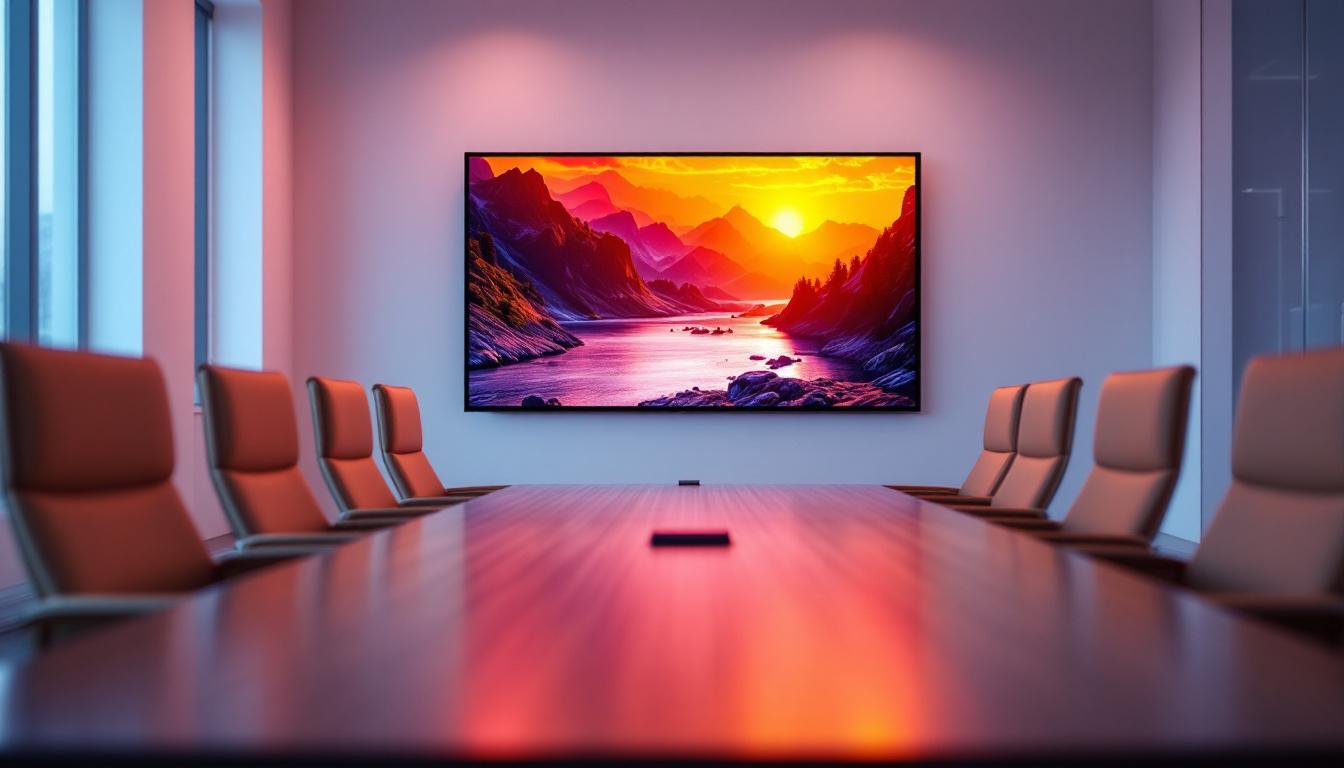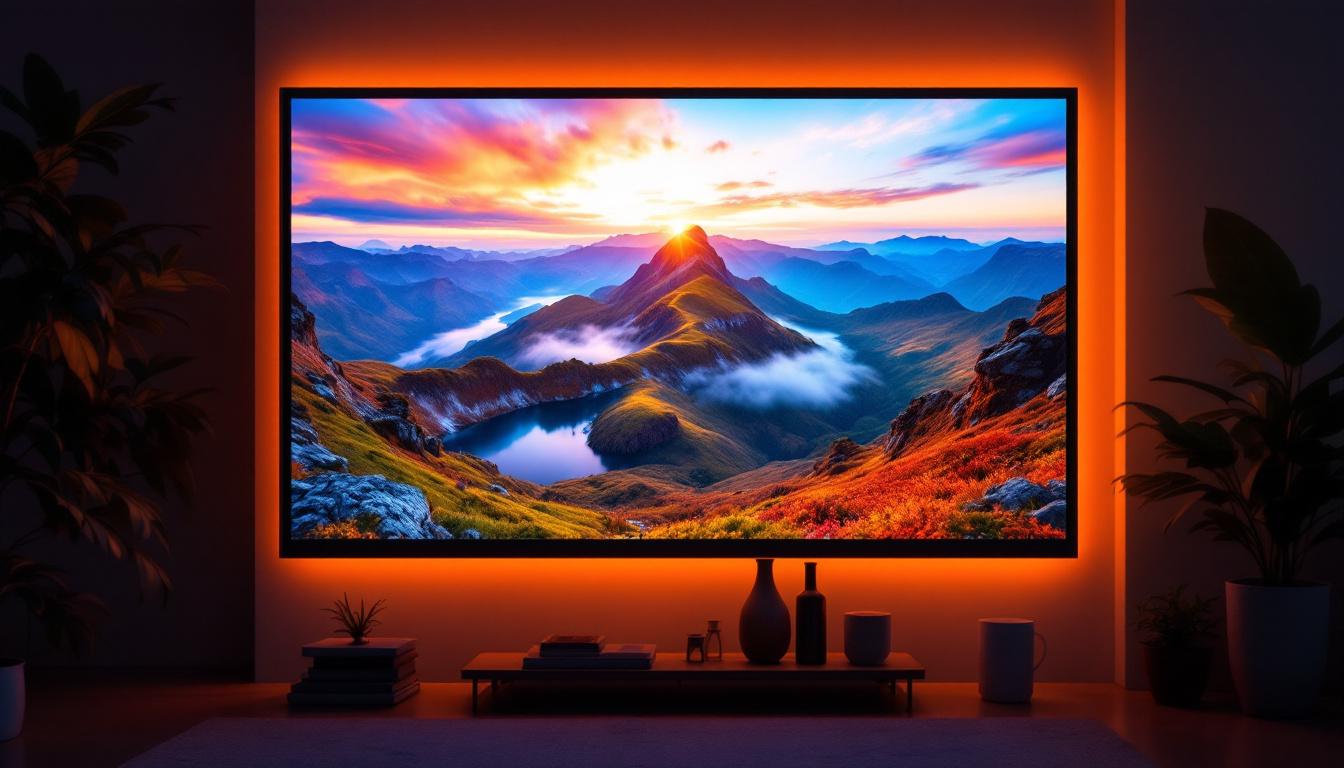
In the age of digital transformation, the way images and videos are displayed has evolved dramatically. From traditional print photos to high-definition digital screens, electronic photo displays have become an integral part of how we share and experience visual content. Among these technologies, LED displays stand out for their versatility, brightness, and clarity. This article delves into the world of LED electronic photo displays, explaining their technology, applications, benefits, and future trends.
Understanding LED Display Technology
What is an LED Display?
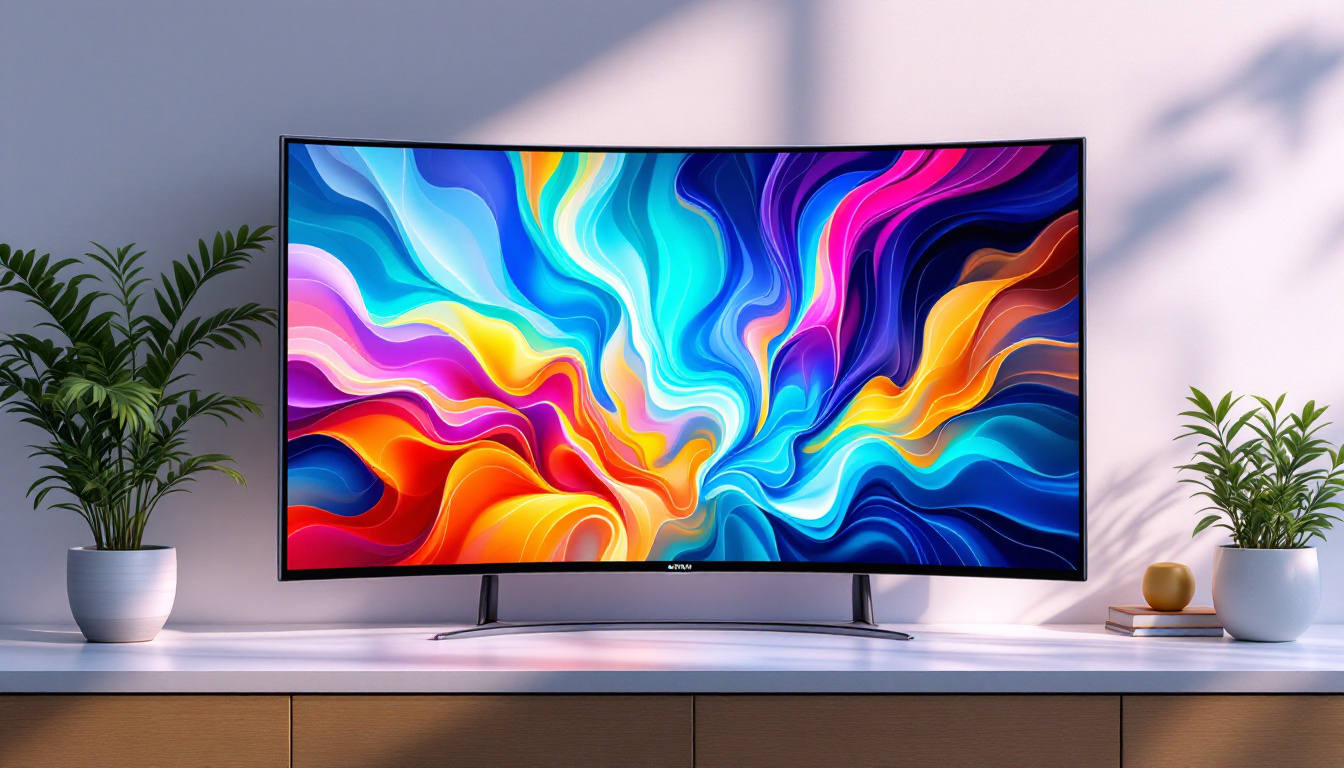
LED stands for Light Emitting Diode, a semiconductor device that emits light when an electric current passes through it. An LED display is essentially a flat panel screen that uses an array of these tiny LEDs to produce images and videos. Unlike traditional LCD screens that rely on backlighting, LED displays generate light directly from each diode, resulting in brighter and more vibrant visuals. This direct emission of light not only enhances the overall brightness but also improves the display’s energy efficiency, making LED technology a preferred choice for modern applications.
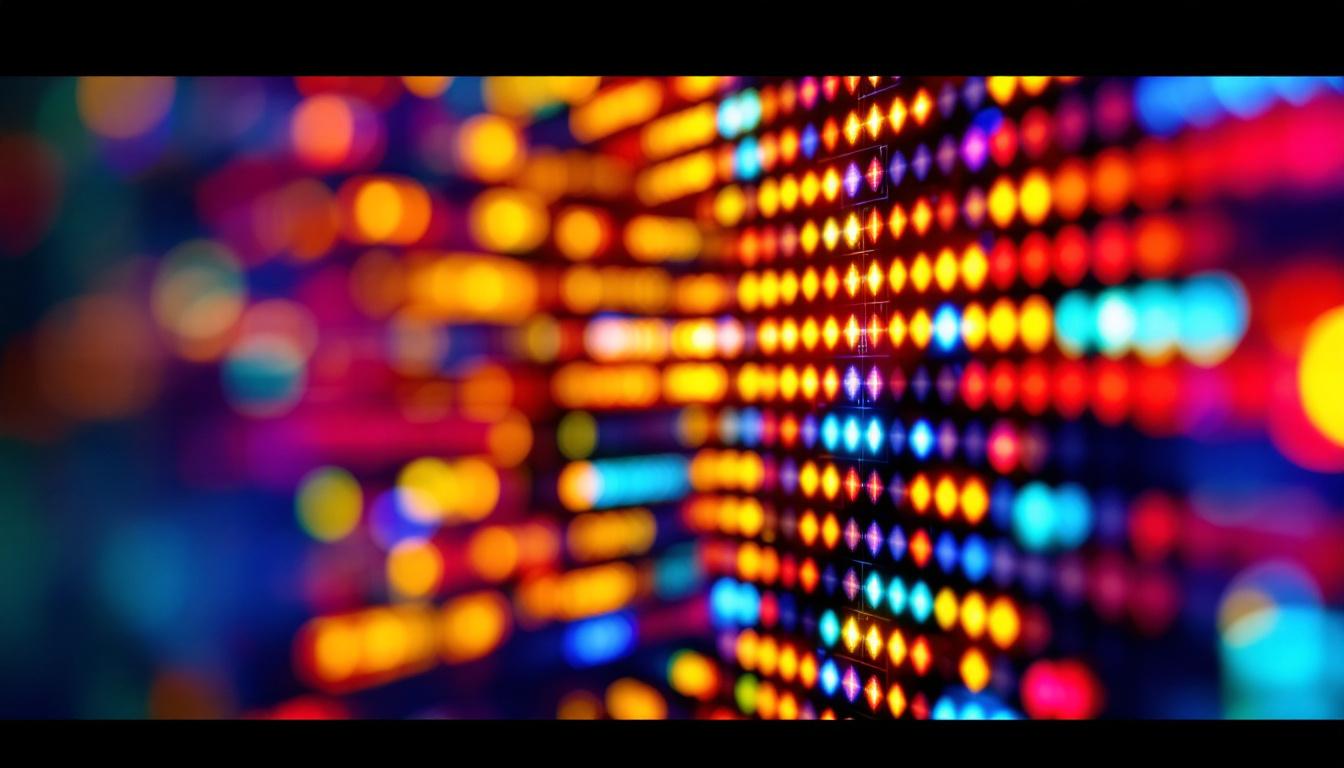
LED displays can be configured in various forms, including single-color, dual-color, or full-color panels. Full-color LED displays use red, green, and blue LEDs to create a wide spectrum of colors through a process called additive color mixing. This capability makes them ideal for displaying detailed photographs and videos with rich, accurate colors. The versatility of LED displays allows them to be used in a multitude of settings, from art installations to advertising, providing an engaging visual experience that captures attention and conveys information effectively.
Types of LED Displays Used for Photo Display
There are two primary types of LED displays commonly used for electronic photo display:
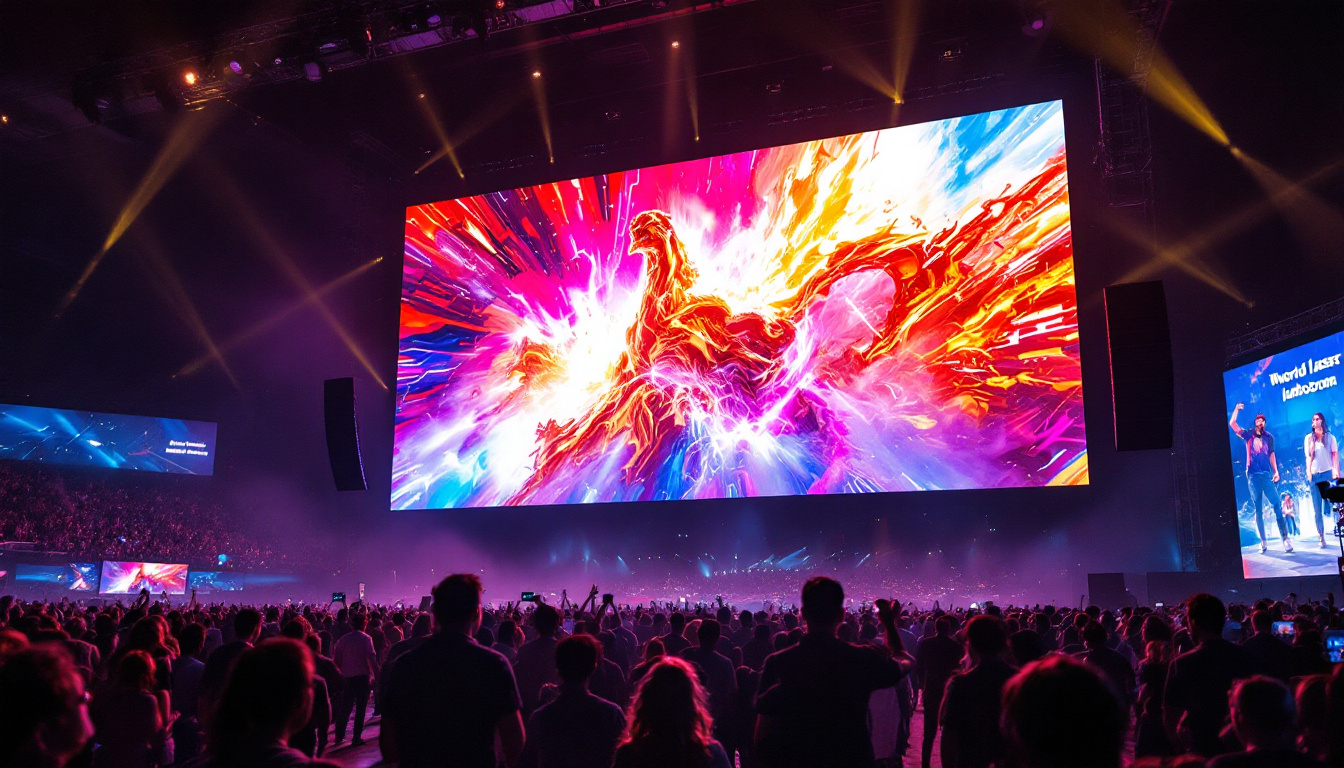
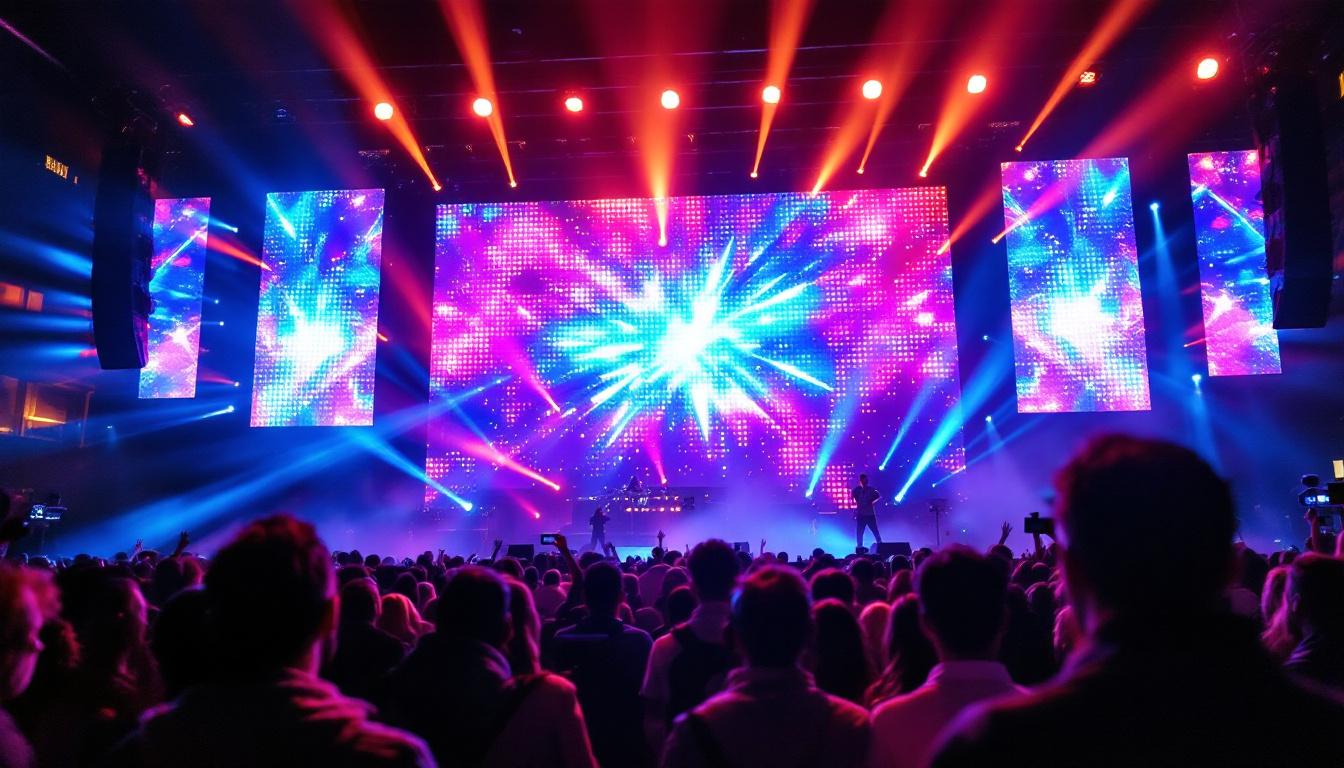
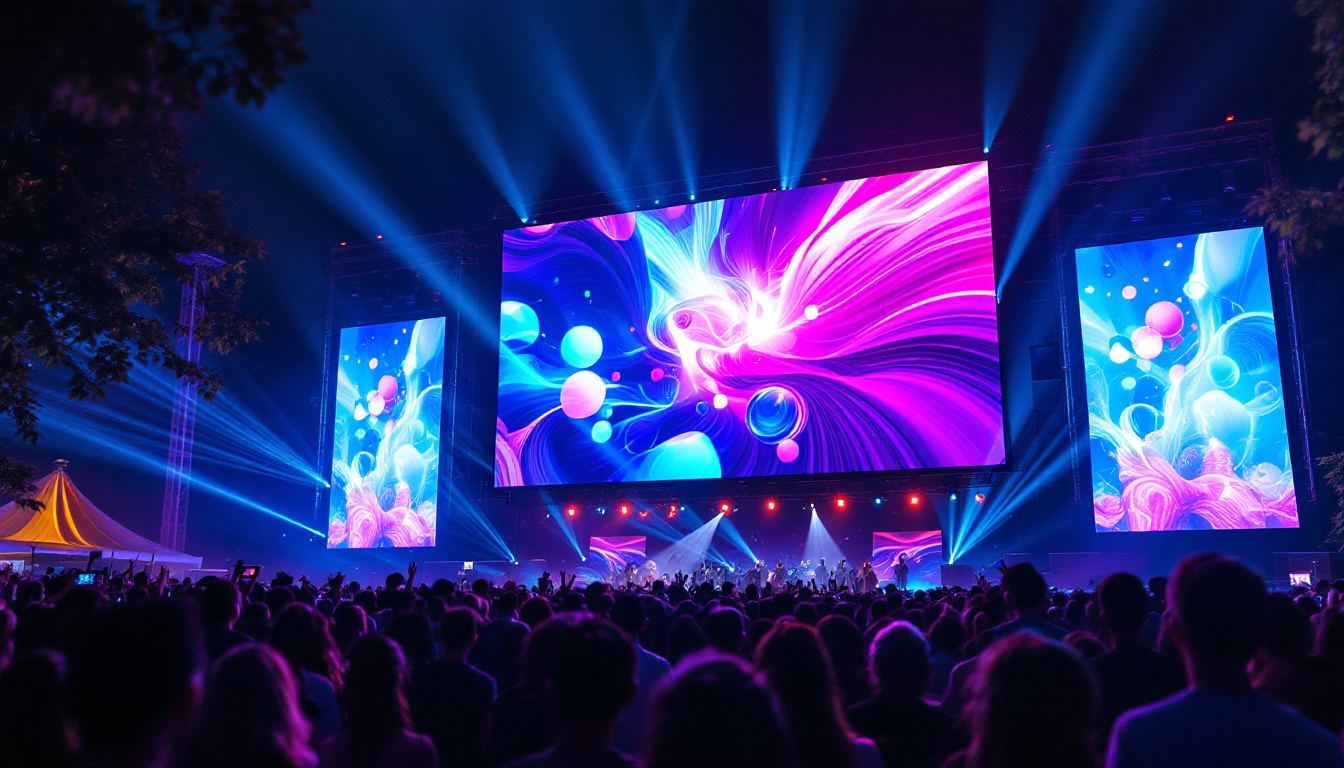
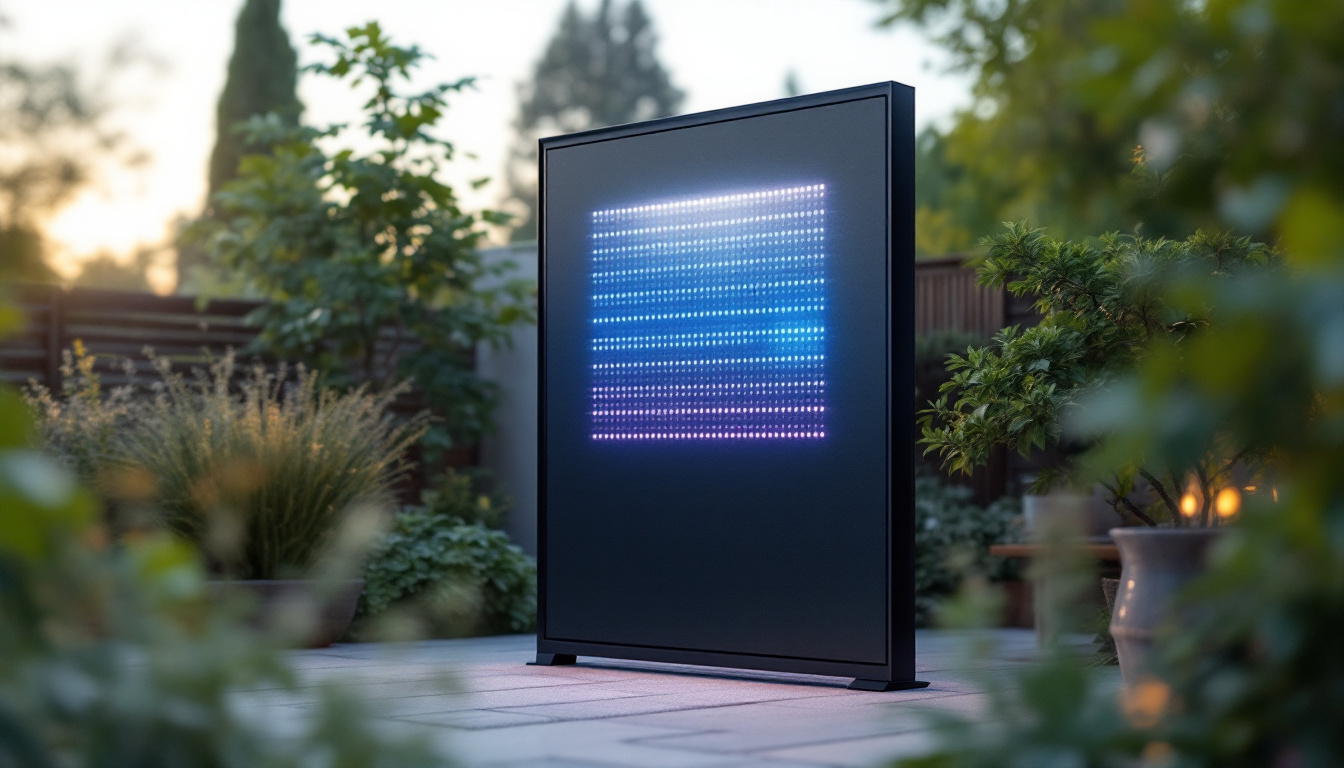
- Direct View LED Displays: These consist of individual LEDs arranged in a matrix to form the entire screen. They are often used in large-scale outdoor billboards, stadium screens, and digital signage. Their high brightness and durability make them suitable for environments with strong ambient light. Additionally, direct view LED displays are known for their ability to maintain image clarity from wide viewing angles, making them ideal for public spaces where viewers may be positioned at various distances.
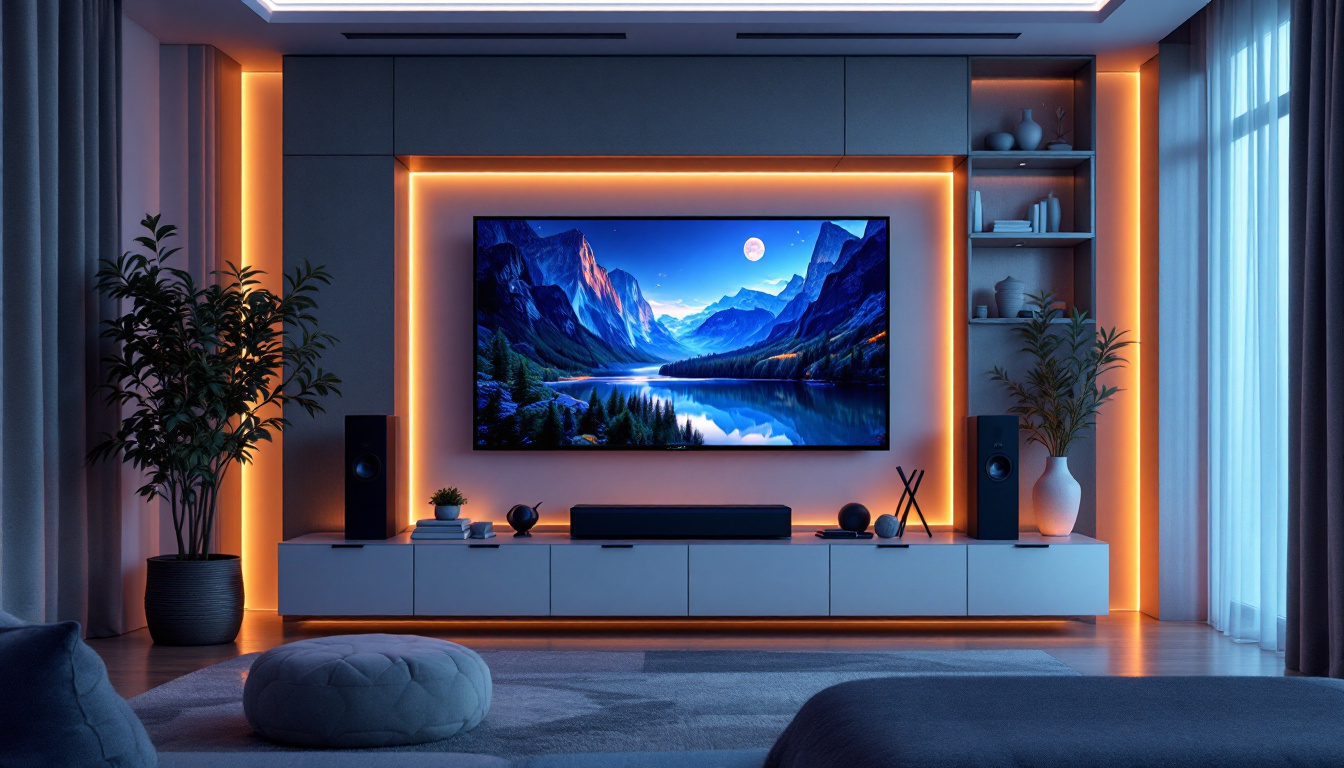
- LED-Backlit LCD Displays: These are conventional LCD screens enhanced with LED backlighting. They offer improved contrast and energy efficiency compared to older CCFL-backlit LCDs. Most consumer electronics, such as smartphones, laptops, and televisions, use LED-backlit LCD technology. The integration of LED backlighting allows for thinner designs and lighter devices, catering to the increasing demand for portability in consumer electronics.
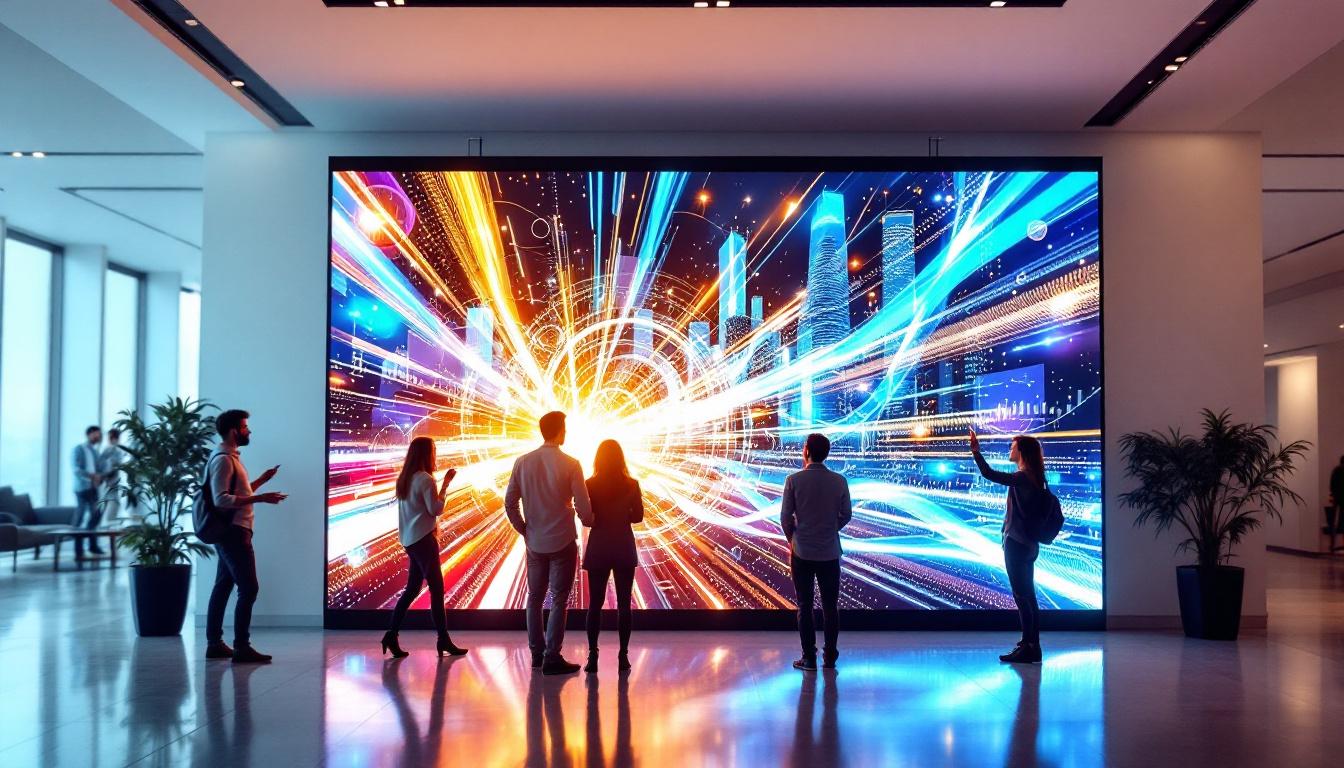
For electronic photo displays, especially in consumer devices and indoor digital photo frames, LED-backlit LCDs are predominant. However, direct view LED displays are gaining traction in commercial and artistic installations due to their scalability and impact. The ability to create large-scale displays with high resolution makes them particularly appealing for exhibitions and events, where visual impact is crucial. Furthermore, advancements in LED technology, such as improved color accuracy and energy efficiency, continue to enhance the capabilities of both types of displays, ensuring they remain at the forefront of visual technology.
Advantages of LED Displays for Electronic Photo Display
Brightness and Color Accuracy
One of the most significant advantages of LED displays is their exceptional brightness. LEDs can achieve luminance levels far beyond traditional display technologies, which is crucial for viewing photos in brightly lit environments. This brightness ensures that images remain vivid and clear, whether indoors or outdoors.
Moreover, LED displays offer superior color accuracy and a wide color gamut. This means photos can be displayed with lifelike colors, preserving subtle shades and details that are often lost in other display types. For photographers, artists, and businesses showcasing visual content, this fidelity is essential.
Energy Efficiency and Longevity
LED technology is known for its energy efficiency. Compared to older display technologies like plasma or CCFL-backlit LCDs, LED displays consume less power, which translates into lower operating costs and a reduced environmental footprint.
Additionally, LEDs have a long operational lifespan, often exceeding 50,000 hours of use. This durability reduces maintenance and replacement expenses, making LED displays a cost-effective solution for continuous photo display applications.
Flexibility and Design Versatility
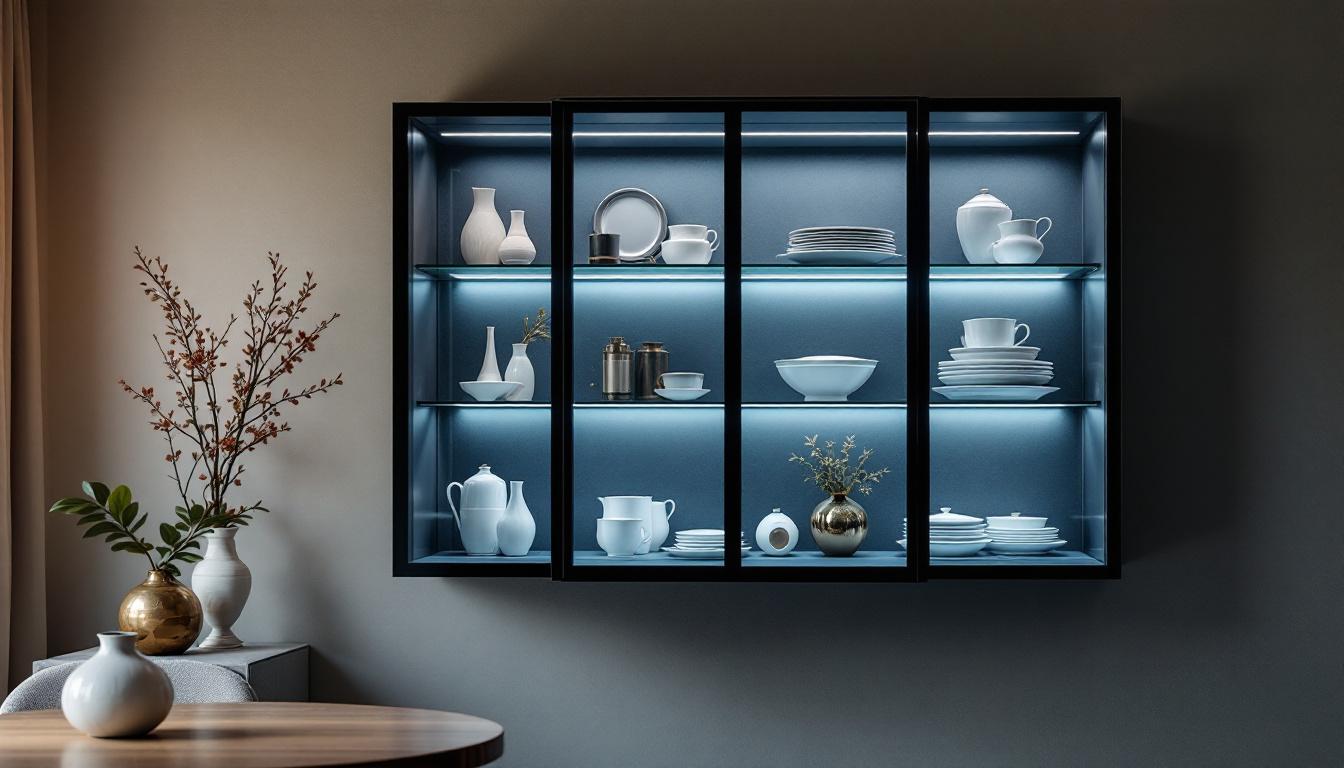
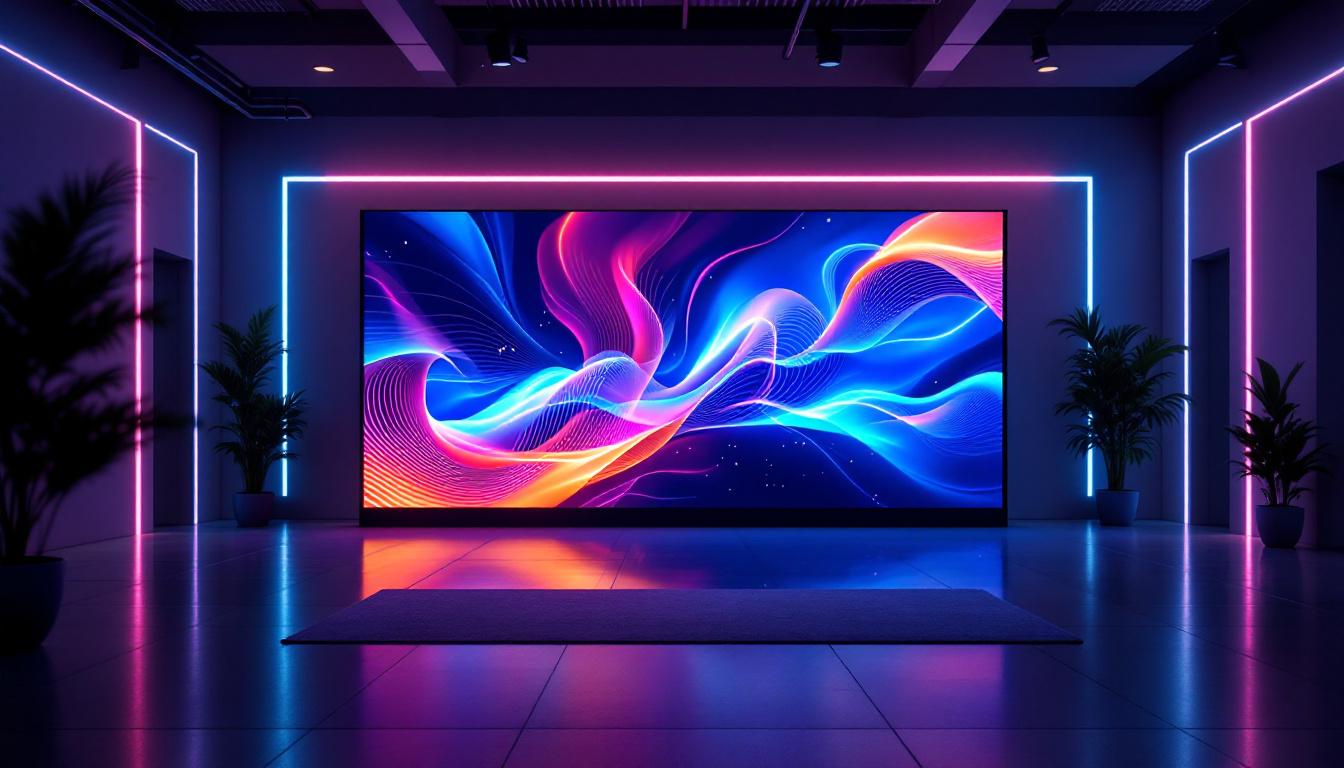
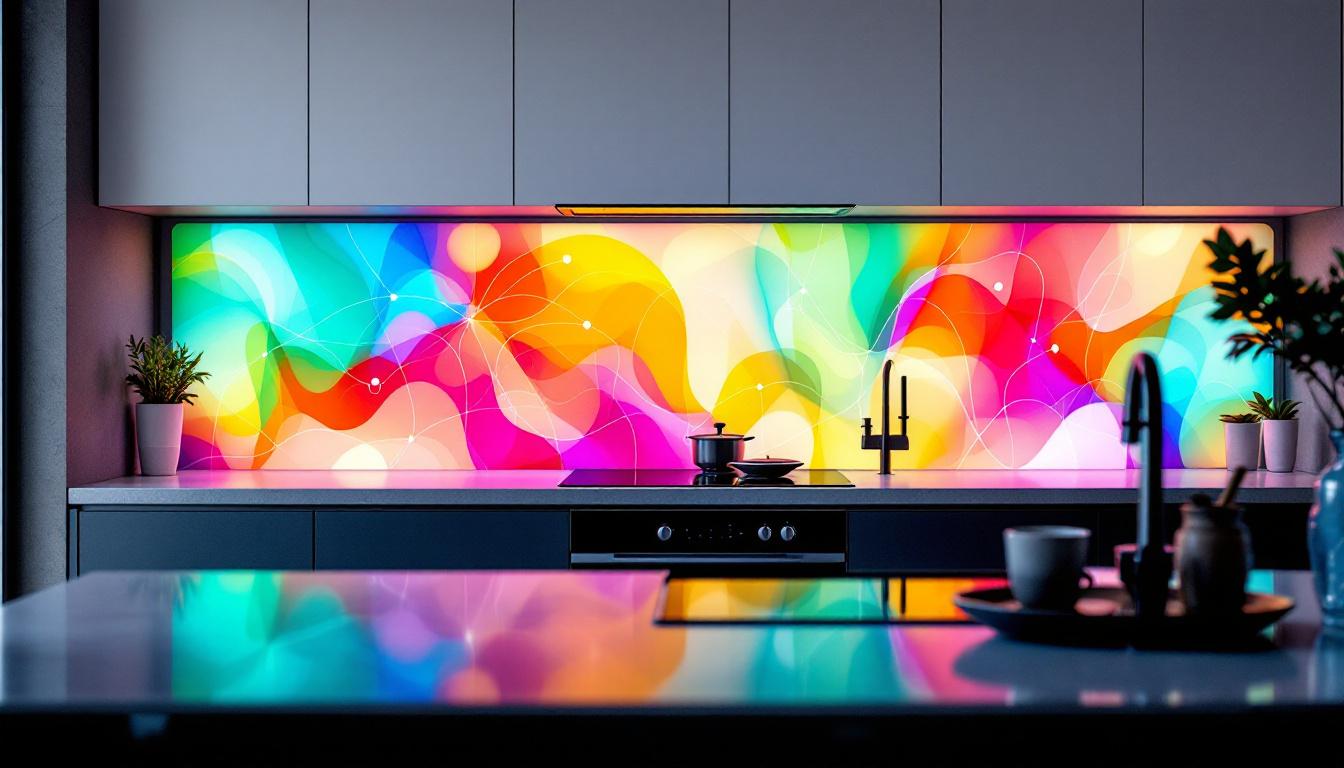
LED displays can be manufactured in various sizes and shapes, from small digital photo frames to massive video walls. Their modular nature allows for creative installations, including curved, transparent, and flexible screens. This versatility opens new possibilities for interior design, advertising, and interactive art exhibitions.
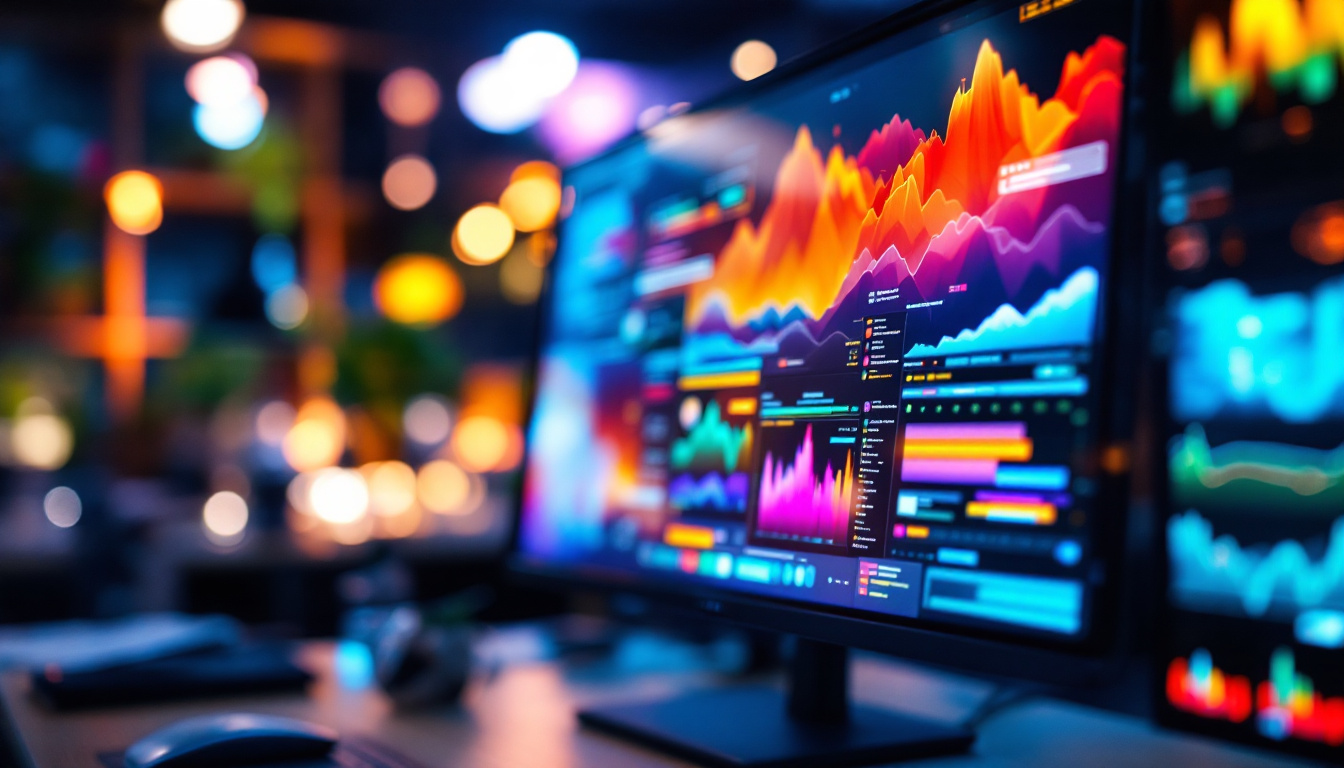
Furthermore, LED displays support high refresh rates and resolutions, enabling smooth transitions and sharp images. This makes them ideal for dynamic photo slideshows and multimedia presentations.
Applications of LED Electronic Photo Displays
Consumer Electronics and Digital Photo Frames
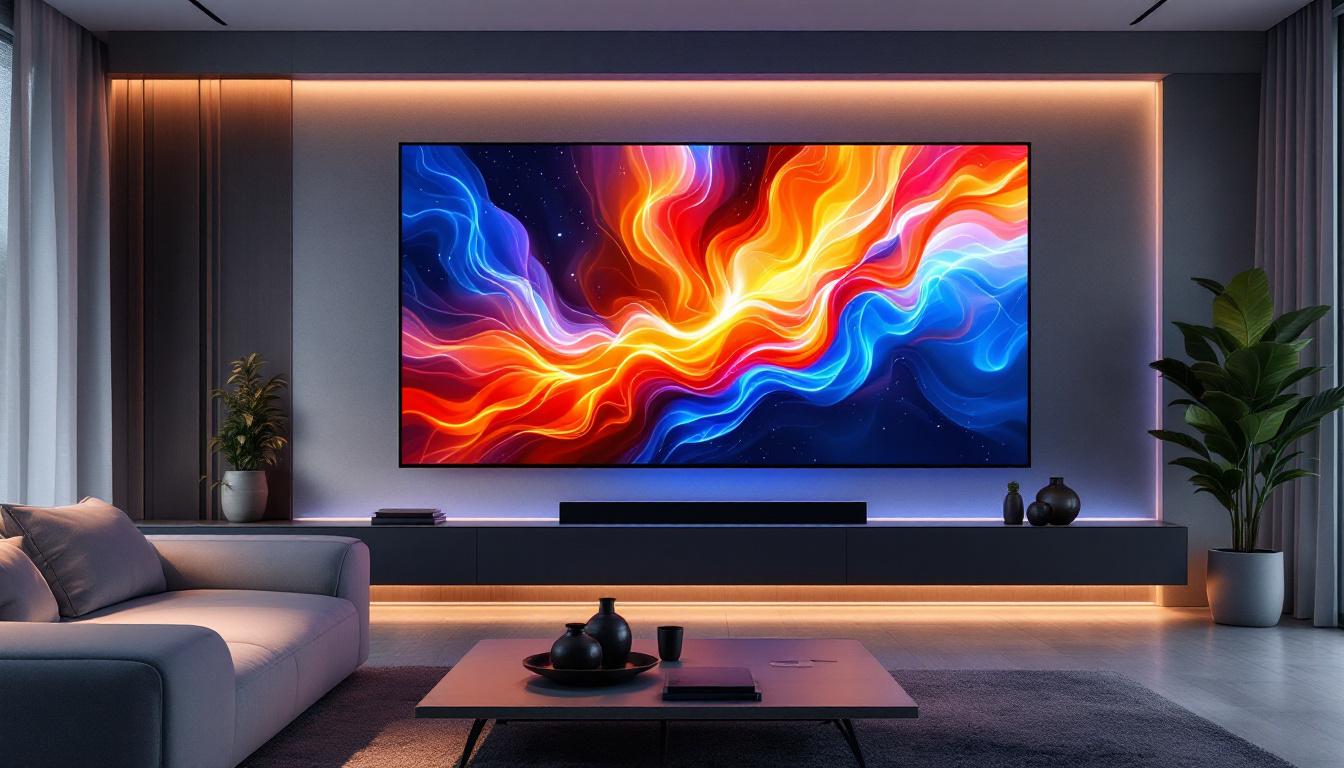
In the consumer market, digital photo frames equipped with LED-backlit LCD screens have become popular for displaying personal photos. These devices offer high-resolution displays, customizable slideshows, and connectivity options such as Wi-Fi and Bluetooth, allowing users to update their photo collections easily.
Modern digital photo frames also incorporate smart features, including voice control and integration with cloud photo services, enhancing user convenience and interaction.
Commercial and Retail Displays
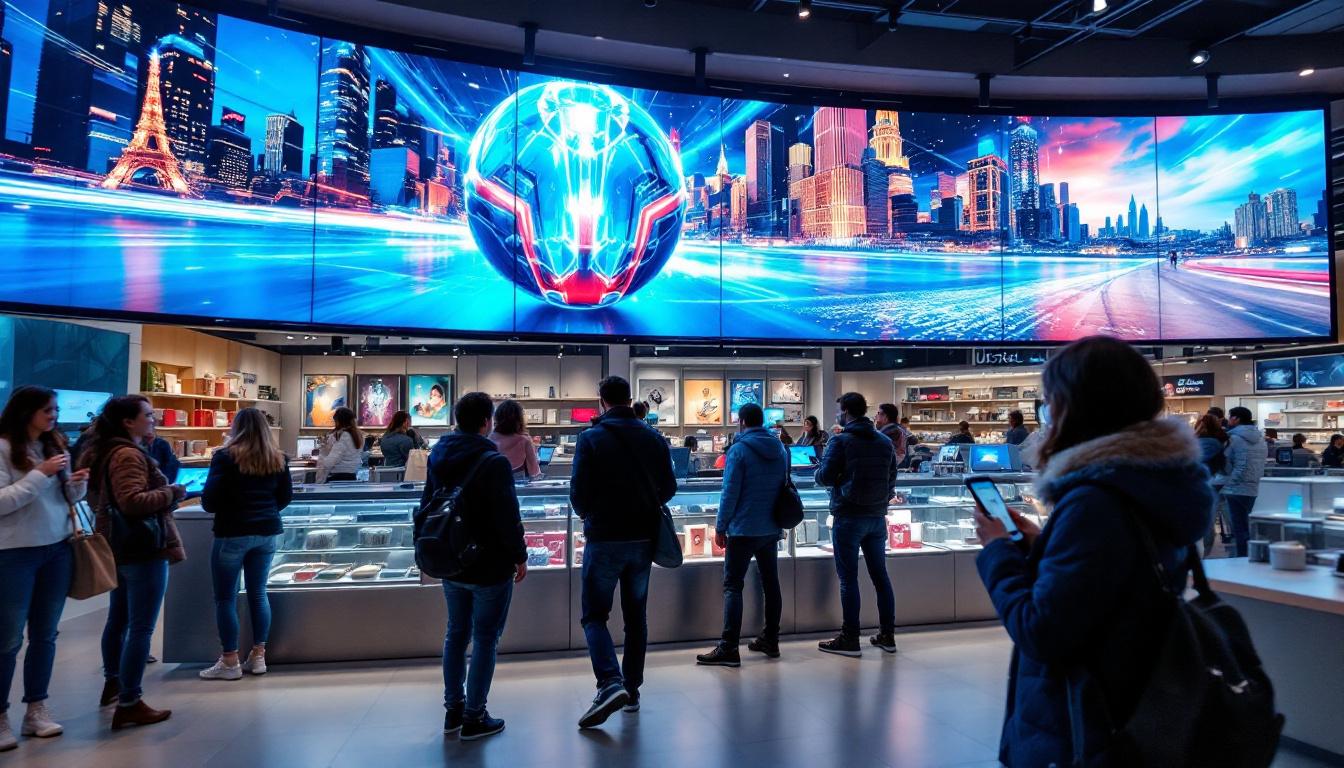
Retail environments leverage LED displays to showcase product images, promotions, and branding messages. High-brightness LED screens attract customer attention even in well-lit stores, improving engagement and sales.
Restaurants and hospitality venues use LED photo displays to create ambiance and highlight menu items or events. The ability to update content remotely and in real time makes LED displays a dynamic marketing tool.
Public Spaces and Outdoor Advertising
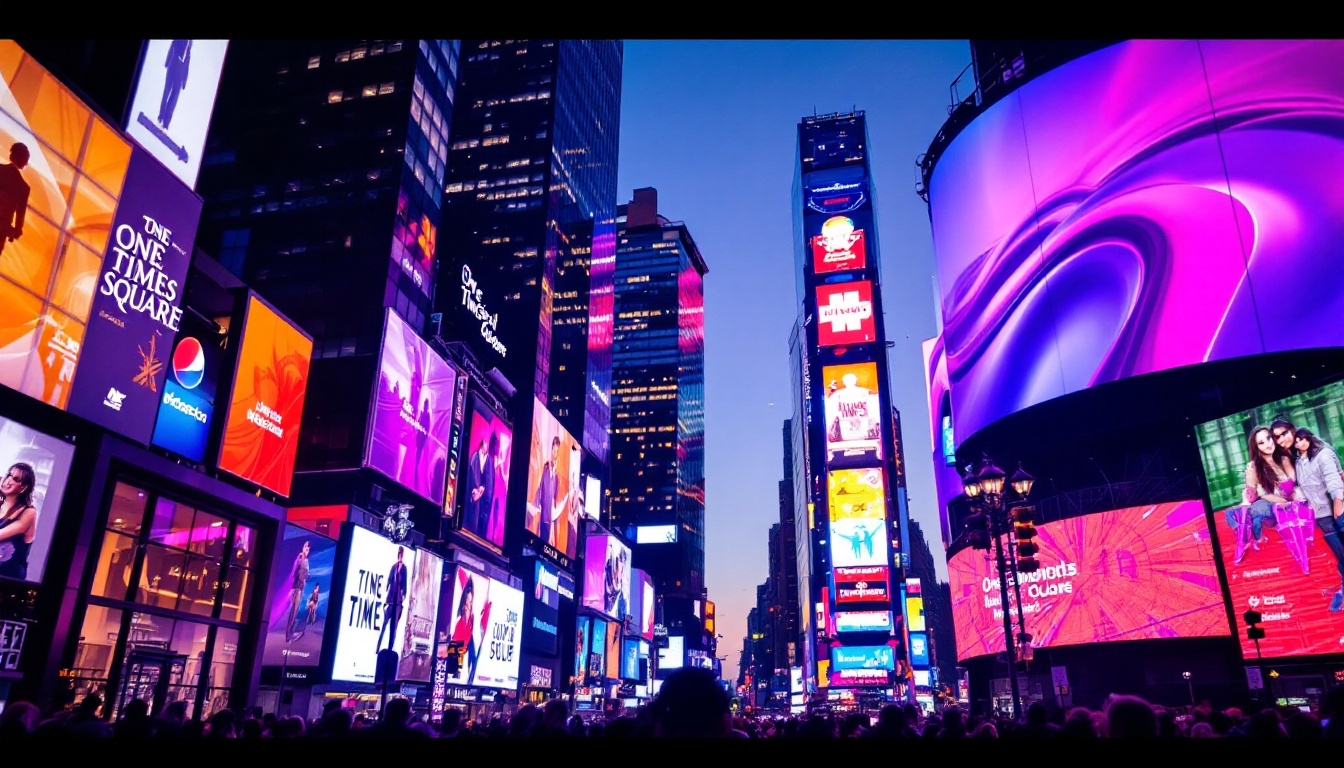
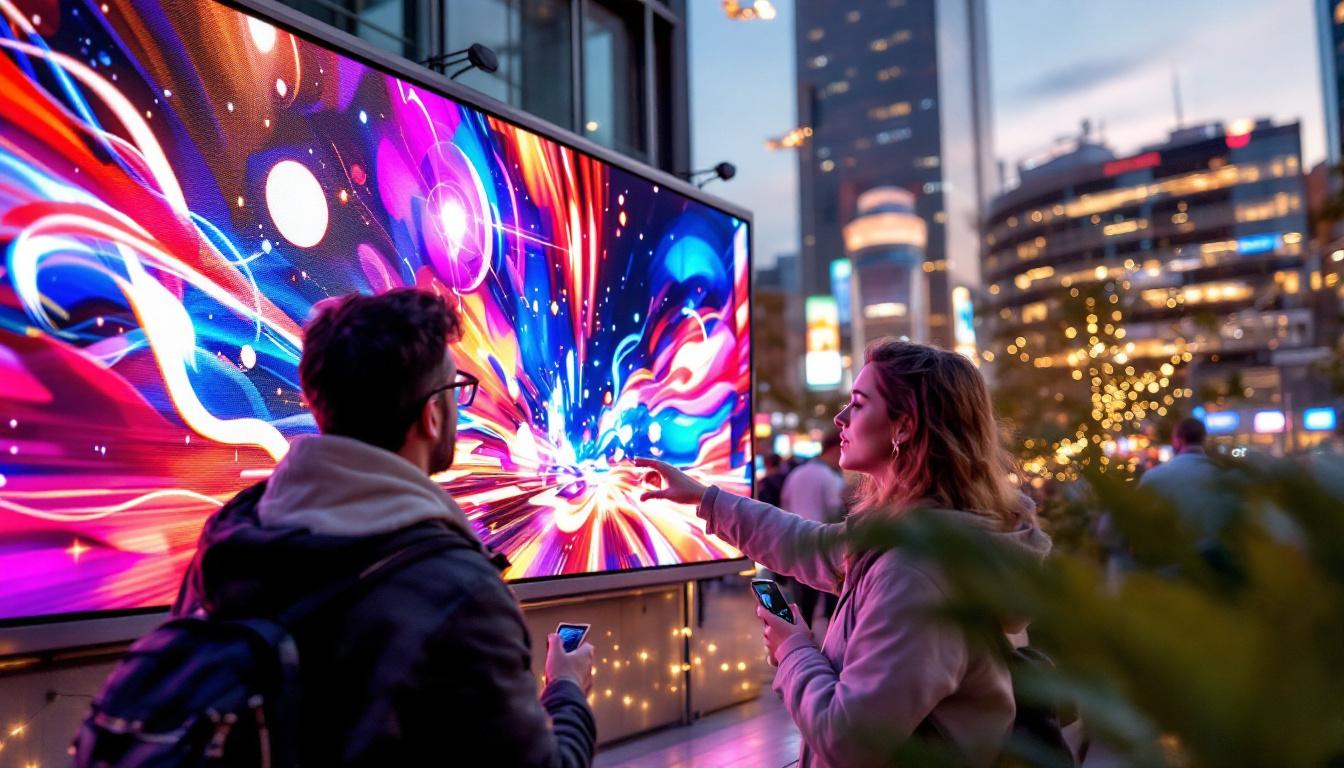
Outdoor LED billboards and electronic photo displays are ubiquitous in urban landscapes worldwide. Their brightness and weather resistance enable them to deliver impactful visual messages day and night.
These displays often feature high-resolution images and videos for advertising, public announcements, and entertainment. Advances in LED technology have also allowed for energy-efficient and environmentally friendly outdoor displays.
Art and Museum Installations
Artists and museums increasingly use LED displays to present digital artworks and photographic exhibitions. The ability to display high-resolution, vibrant images on large or uniquely shaped surfaces enhances the viewer’s experience and allows for innovative storytelling.
Interactive LED installations that respond to viewer input or environmental factors are also gaining popularity, blending technology with creativity.
Key Considerations When Choosing an LED Display for Photo Display
Resolution and Pixel Pitch
Resolution is a critical factor in photo display quality. Higher resolution means more pixels per inch, resulting in sharper and more detailed images. Pixel pitch, the distance between individual LEDs, directly affects resolution and viewing distance.
For close-up viewing, such as in digital photo frames or indoor displays, a small pixel pitch (1-2 mm) is desirable. For large outdoor displays viewed from a distance, a larger pixel pitch (10 mm or more) is acceptable and more cost-effective.
Brightness and Contrast Ratio
Brightness is measured in nits (cd/m²). For indoor photo displays, 300 to 500 nits are typically sufficient, while outdoor displays may require 5,000 nits or more to remain visible under direct sunlight.
Contrast ratio, the difference between the darkest black and brightest white, influences image depth and realism. LED displays generally offer high contrast ratios, especially when combined with local dimming technologies.
Viewing Angle and Color Uniformity
Wide viewing angles ensure that images remain consistent and vibrant when viewed from different positions. This is particularly important in public spaces or rooms where multiple viewers are present.
Color uniformity across the display surface avoids color shifts and ensures a cohesive visual experience. High-quality LED displays undergo calibration to maintain uniformity.
Connectivity and Content Management
Modern LED photo displays often include multiple connectivity options such as HDMI, USB, Wi-Fi, and Ethernet. These facilitate easy content updates and integration with digital signage systems.
Content management software enables scheduling, remote control, and customization of photo displays, making it easier to maintain fresh and relevant visual content.
Future Trends in LED Electronic Photo Displays
MicroLED and MiniLED Technologies
Emerging technologies like MicroLED and MiniLED promise to revolutionize electronic photo displays. MicroLEDs are significantly smaller than traditional LEDs, allowing for even higher resolution, better brightness, and improved energy efficiency.
MiniLEDs enhance backlighting in LCD panels by using thousands of tiny LEDs, improving contrast and local dimming capabilities. Both technologies are expected to become mainstream in the coming years, offering superior display quality for photo and video content.
Flexible and Transparent LED Displays
Advancements in materials science have led to the development of flexible and transparent LED displays. These innovations enable new design possibilities, such as rollable screens, curved photo displays, and see-through digital windows.
Such displays are poised to transform retail environments, architecture, and interactive art installations, creating immersive and dynamic visual experiences.
Integration with Artificial Intelligence
Artificial intelligence (AI) is increasingly being integrated with LED display systems to optimize content delivery. AI algorithms can analyze viewer demographics, behavior, and environmental conditions to tailor photo displays dynamically.
This personalization enhances engagement and effectiveness, especially in advertising and public information displays.
Conclusion
LED electronic photo displays represent a significant advancement in how visual content is presented and experienced. Their superior brightness, color accuracy, energy efficiency, and versatility make them ideal for a wide range of applications—from personal digital photo frames to massive outdoor billboards.
As technology continues to evolve with innovations like MicroLED, flexible displays, and AI integration, the future of electronic photo display promises even more immersive, dynamic, and personalized visual experiences. Whether for consumers, businesses, or artists, understanding LED display technology is essential to harnessing its full potential.
Discover LumenMatrix’s Innovative LED Display Solutions
Ready to elevate your visual experience with the latest in LED display technology? Look no further than LumenMatrix, where innovation meets excellence. Our comprehensive range of LED display solutions, including Indoor and Outdoor LED Wall Displays, Vehicle LED Displays, LED Poster Displays, LED Sports Displays, Floor LED Displays, Custom LED Displays, All-in-One LED Displays, and LED Transparent Displays, are designed to captivate your audience and amplify your message. Embrace the future of visual communication with LumenMatrix and create unforgettable visual experiences. Check out LumenMatrix LED Display Solutions today and see the difference for yourself.