In today’s fast-paced corporate environment, the design and technology integration within conference rooms play a pivotal role in facilitating effective communication and collaboration. Among the myriad of technological advancements, LED display technology has emerged as a cornerstone for modern conference room setups. This article delves into the various conference room configurations and explains how LED displays can be optimally utilized to enhance meeting experiences.
The Evolution of Conference Room Displays
Conference rooms have evolved significantly over the past few decades. From simple whiteboards and overhead projectors to advanced digital displays, the tools used for presentations and collaboration have transformed to meet the demands of increasingly digital workplaces. The shift towards more interactive and engaging meeting environments reflects a broader trend in workplace design, where technology plays a pivotal role in enhancing productivity and collaboration.
LED (Light Emitting Diode) displays have become the preferred choice for many organizations due to their superior brightness, color accuracy, and energy efficiency compared to traditional LCD or projector-based systems. According to a 2023 report by MarketsandMarkets, the global LED display market is expected to grow at a CAGR of 12.5% through 2028, driven largely by corporate and educational sector adoption. This growth is not just a reflection of technological advancement but also a response to the need for more dynamic and visually appealing presentation tools that can engage audiences effectively.
Why LED Displays Over Other Technologies?
LED displays offer several advantages that make them particularly suitable for conference rooms:
- Brightness and Visibility: LED displays provide high brightness levels, ensuring clear visibility even in well-lit rooms.
- Color Accuracy: They deliver vivid and accurate colors, which is essential for detailed presentations and video conferencing.
- Durability: LEDs have longer lifespans and are less prone to burn-in compared to OLED or plasma displays.
- Energy Efficiency: LED technology consumes less power, reducing operational costs over time.
- Flexibility in Size and Shape: LED panels can be configured into various sizes and shapes, accommodating different room layouts and design preferences.
Beyond these advantages, the integration of smart technology into LED displays has further enhanced their functionality. Many modern LED displays now come equipped with built-in software that allows for seamless connectivity with various devices, enabling users to share screens wirelessly and collaborate in real-time. This capability is particularly beneficial in hybrid work environments, where team members may be joining from different locations. Furthermore, the rise of interactive LED displays has transformed the way teams brainstorm and share ideas, allowing for touch-sensitive screens that can facilitate dynamic engagement during meetings.
The design of conference rooms is also evolving to accommodate these advanced displays. With the increasing popularity of open office layouts and collaborative spaces, conference rooms are being reimagined to promote teamwork and creativity. This includes the use of modular furniture that can be easily rearranged, as well as acoustic panels that help manage sound quality in larger rooms. As organizations continue to prioritize employee experience and collaboration, the role of innovative display technology will undoubtedly remain central to the future of conference room design.
Common Conference Room Configurations
Understanding the layout and configuration of a conference room is essential to selecting and positioning the right LED display. Different configurations serve different meeting purposes, and the display setup must complement the room’s function to maximize engagement and productivity.
Boardroom Style
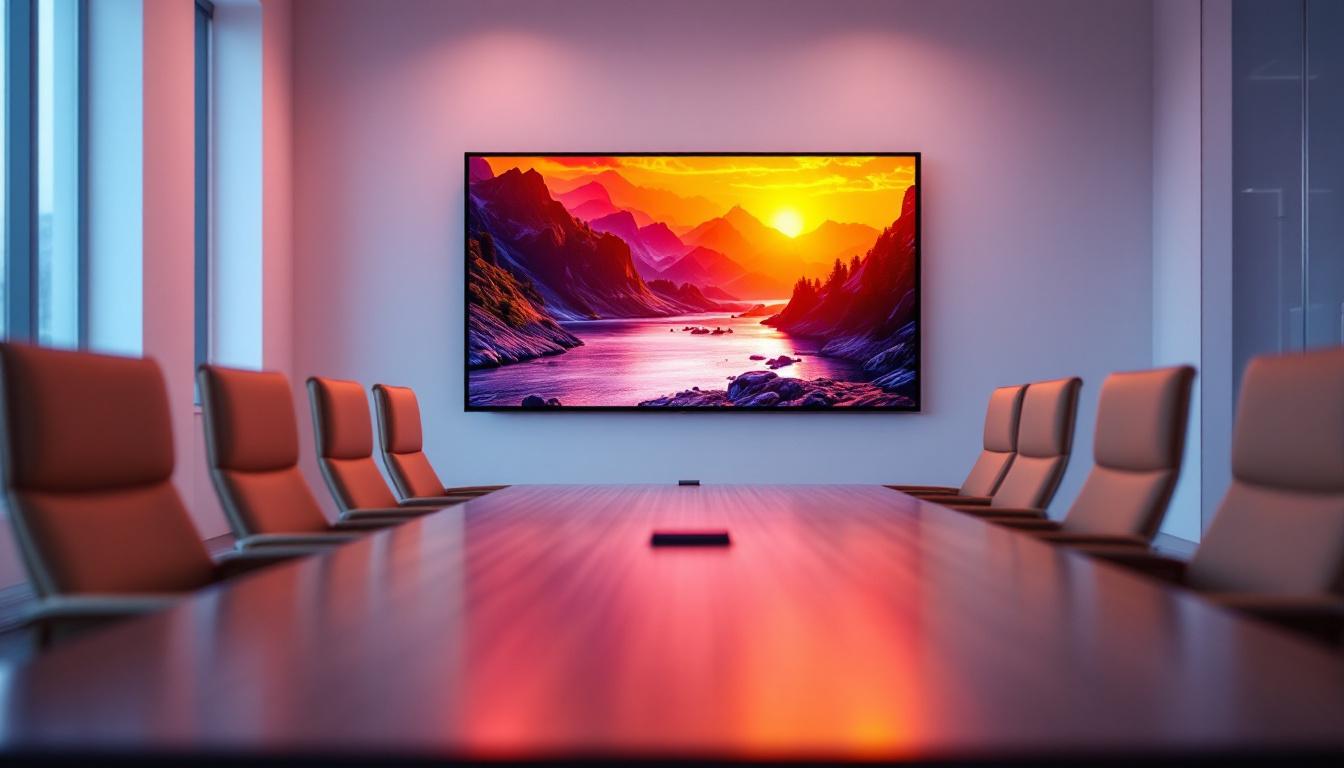
The boardroom style is one of the most traditional conference room setups, featuring a large rectangular or oval table with seating around it. This configuration is ideal for executive meetings, strategic discussions, and decision-making sessions.
In boardroom settings, a single large LED display is typically mounted on one wall, positioned so all attendees have a clear line of sight. The display size should be proportional to the room size; for example, a 75-inch to 98-inch LED display is common for rooms seating 10 to 20 people.
Classroom Style
Classroom-style configurations arrange tables and chairs in rows facing the front of the room, similar to a traditional educational setting. This layout is often used for training sessions, workshops, and presentations where information dissemination is the primary goal.
Multiple LED displays or a wide-format LED video wall can be used in larger rooms to ensure all participants, even those seated at the back, can clearly view the content. Interactive LED displays with touch capabilities also enhance engagement by allowing trainers to annotate and interact with the material in real-time.
Theater Style
Theater-style seating involves rows of chairs facing a stage or presentation area without tables. This configuration is common for large seminars, keynote speeches, and product launches.
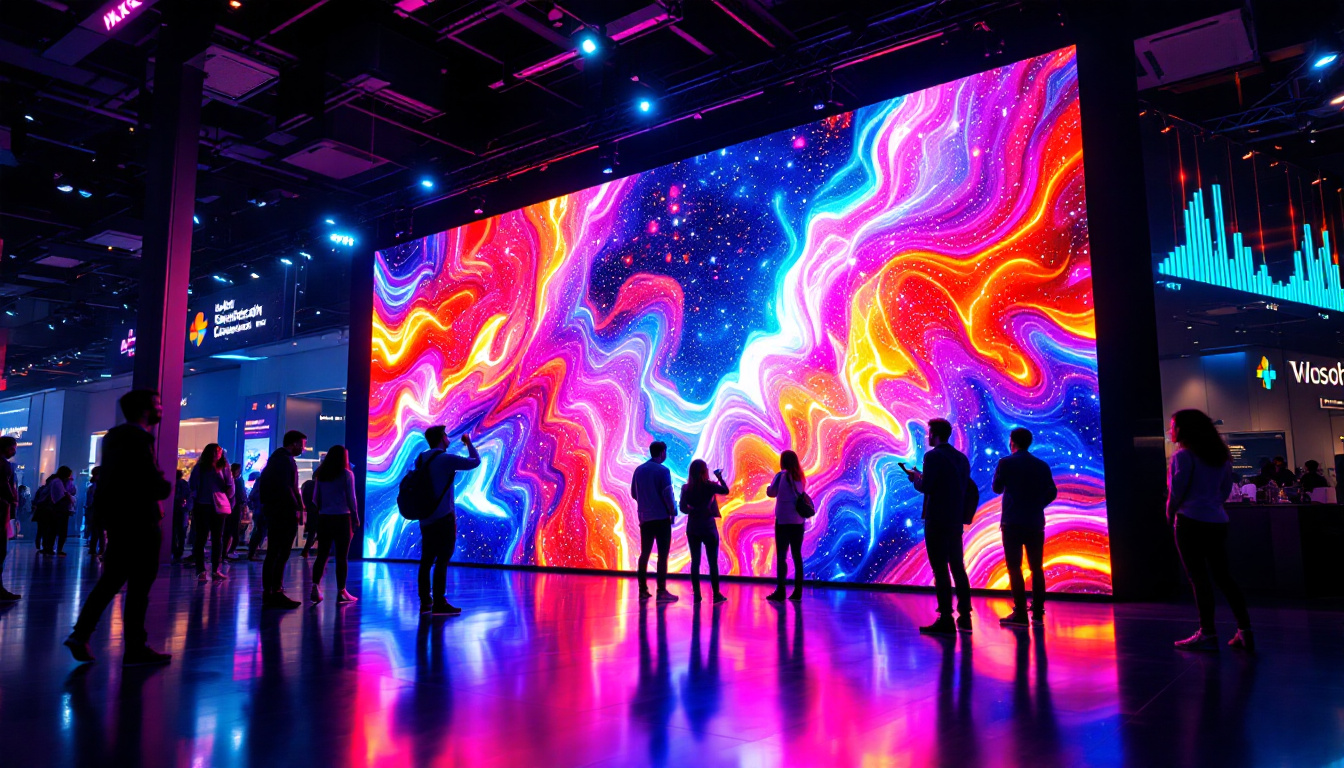
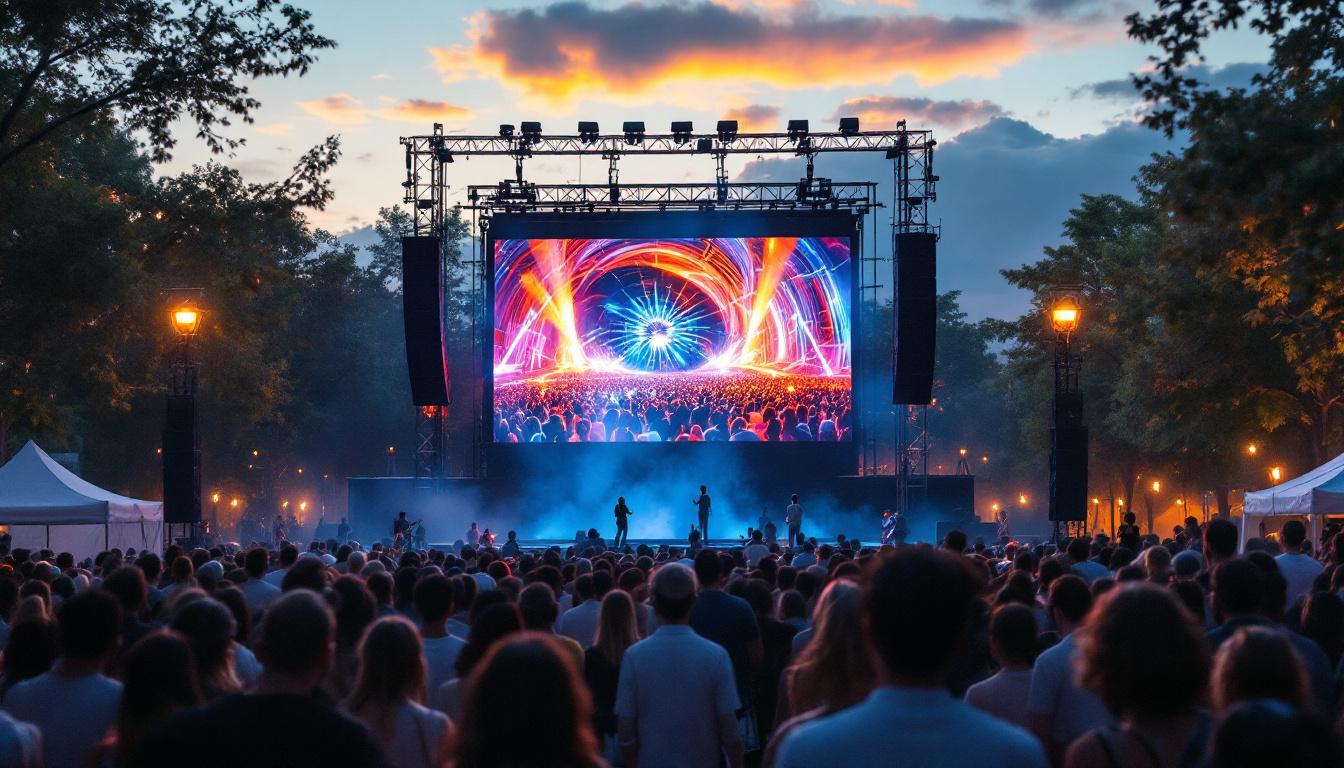
In this setup, large LED video walls are often employed to provide high-impact visuals that can be seen from a distance. The use of ultra-high-definition (UHD) LED panels ensures clarity and detail, which is critical when presenting complex data or multimedia content to large audiences.
U-Shape and Hollow Square
U-shape and hollow square configurations foster interaction and discussion by arranging seating in a semi-circle or square with an open center. These layouts are popular for collaborative workshops and brainstorming sessions.
LED displays in these rooms are typically placed on multiple walls or integrated into movable stands to accommodate the flexible seating arrangements. Wireless casting and multi-display synchronization technologies are often employed to allow presenters and participants to share content seamlessly from various devices.
Key Considerations When Integrating LED Displays in Conference Rooms
Choosing and installing LED displays in conference rooms involves more than just picking the biggest screen available. Several factors must be considered to ensure the technology enhances rather than hinders communication.
Room Size and Viewing Distance
The size of the LED display should correspond to the room dimensions and seating arrangement. A general rule of thumb is that the ideal viewing distance should be between 1.5 to 3 times the diagonal size of the screen. For example, a 75-inch display is best viewed from 9 to 18 feet away.
Overly large displays in small rooms can cause discomfort and eye strain, while undersized screens in large rooms can make content difficult to see, reducing engagement.
Resolution and Image Quality
Resolution is critical for displaying detailed content such as spreadsheets, graphs, and high-definition video. Most modern LED displays support 4K resolution, which provides crisp images and sharp text. For larger video walls, pixel pitch—the distance between individual LEDs—also affects image clarity; smaller pixel pitches offer higher resolution but come at a higher cost.
Connectivity and Compatibility
Conference rooms often require seamless integration with various devices, including laptops, tablets, and video conferencing systems. LED displays should support multiple input options such as HDMI, DisplayPort, USB-C, and wireless casting technologies like Miracast or AirPlay.
Compatibility with popular conferencing platforms like Zoom, Microsoft Teams, and Cisco Webex is also essential to streamline meeting workflows.
Interactive Features
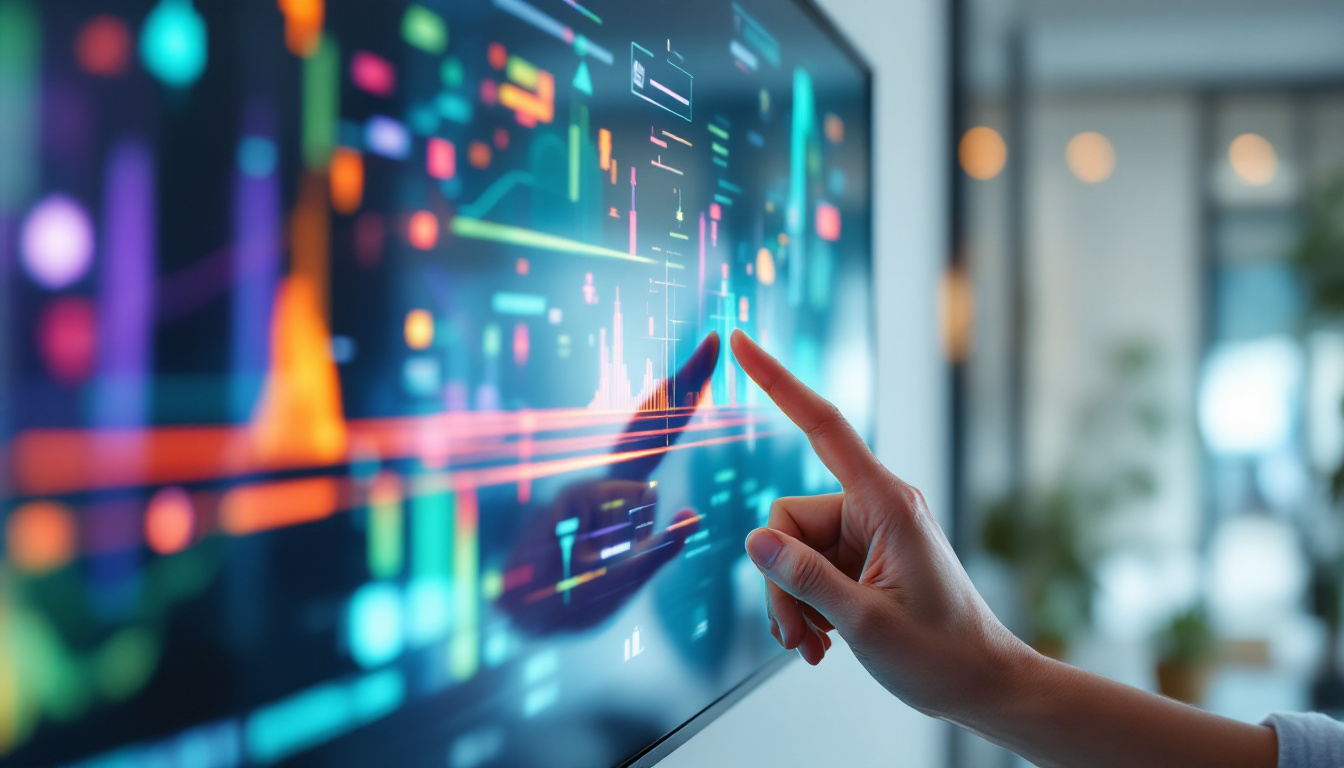
Interactive LED displays enable touch control, annotation, and real-time collaboration, transforming passive presentations into engaging sessions. Features such as multi-touch support, digital whiteboarding, and gesture recognition can significantly enhance productivity, especially in brainstorming and training environments.
Lighting and Ambient Conditions
LED displays are known for their brightness, but ambient lighting conditions still impact visibility. Conference rooms with large windows or bright overhead lighting may require displays with higher nits (brightness levels) to maintain image clarity.
Anti-glare coatings and adjustable brightness settings can help optimize the viewing experience under varying light conditions.
Advanced LED Display Technologies for Conference Rooms
As LED technology advances, new innovations are shaping the future of conference room displays, offering even more flexibility and functionality.
MicroLED and MiniLED
MicroLED and MiniLED technologies represent the next generation of LED displays, offering improved contrast ratios, deeper blacks, and higher brightness levels. MicroLED displays, in particular, are modular and can be assembled into custom sizes and shapes without bezels, creating seamless video walls that enhance visual immersion.
Transparent LED Displays
Transparent LED displays are becoming popular in high-end conference rooms and executive suites. These displays allow natural light to pass through while simultaneously showing digital content, blending aesthetics with functionality. They can be integrated into glass walls or partitions, creating dynamic spaces without sacrificing openness.
Curved and Flexible LED Panels
Curved LED panels provide a more immersive viewing experience by wrapping content around the viewer’s field of vision. Flexible LED panels can be shaped to fit unique architectural features or creative designs, enabling conference rooms to stand out and foster a modern atmosphere.
Practical Examples of LED Display Integration in Conference Rooms
Several companies have successfully integrated LED displays into their conference rooms to improve collaboration and communication.
Global Consulting Firm’s Boardroom Upgrade
A leading global consulting firm recently upgraded its executive boardroom with a 98-inch 4K LED display paired with a wireless presentation system. The bright, high-resolution screen improved visibility for detailed financial reports and strategic presentations, while the wireless system allowed seamless content sharing from multiple devices. Feedback from executives highlighted enhanced meeting efficiency and engagement.
Technology Company’s Training Center
A major technology company outfitted its training center with multiple interactive LED displays arranged in a classroom configuration. The displays supported multi-touch input and real-time annotation, enabling trainers to deliver dynamic sessions. The integration of LED video walls ensured that even participants seated at the back could clearly view complex software demonstrations.
Financial Institution’s Large Seminar Hall
To accommodate large shareholder meetings and seminars, a financial institution installed a 4K LED video wall spanning over 20 feet wide in its main conference hall. The ultra-high-definition display delivered crisp visuals for presentations and live video feeds, enhancing the overall attendee experience and reinforcing the company’s commitment to transparency and innovation.
Conclusion: Maximizing Conference Room Potential with LED Displays
LED display technology has revolutionized how organizations design and utilize conference rooms. By carefully considering room configuration, display size, resolution, and interactive features, businesses can create environments that foster collaboration, clarity, and creativity.
As LED technology continues to advance, the possibilities for innovative conference room designs expand, offering companies new ways to engage employees, clients, and stakeholders. Investing in the right LED display solution is not just about upgrading technology—it’s about enhancing communication and driving better business outcomes.
Discover LumenMatrix’s Advanced LED Display Solutions
Ready to elevate your conference room with the latest in LED display technology? LumenMatrix offers a comprehensive range of innovative solutions tailored to meet your needs. From immersive Indoor LED Wall Displays to dynamic Outdoor LED Wall Displays, and from sleek LED Poster Displays to engaging LED Sports and Floor Displays, our products are designed to transform your space and captivate your audience. Experience the future of visual communication with our Custom, All-in-One, and Transparent LED Displays. Check out LumenMatrix LED Display Solutions today and bring your business’s collaborative environment to the next level.