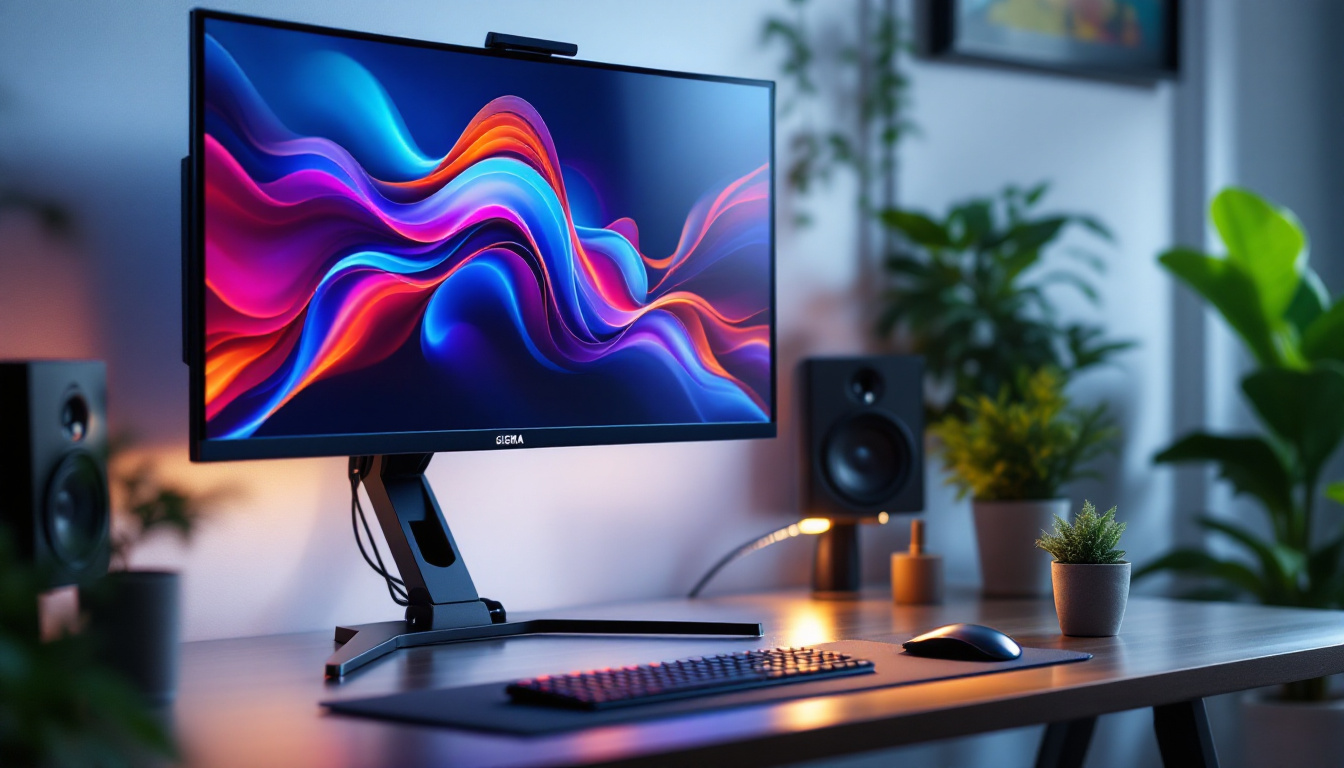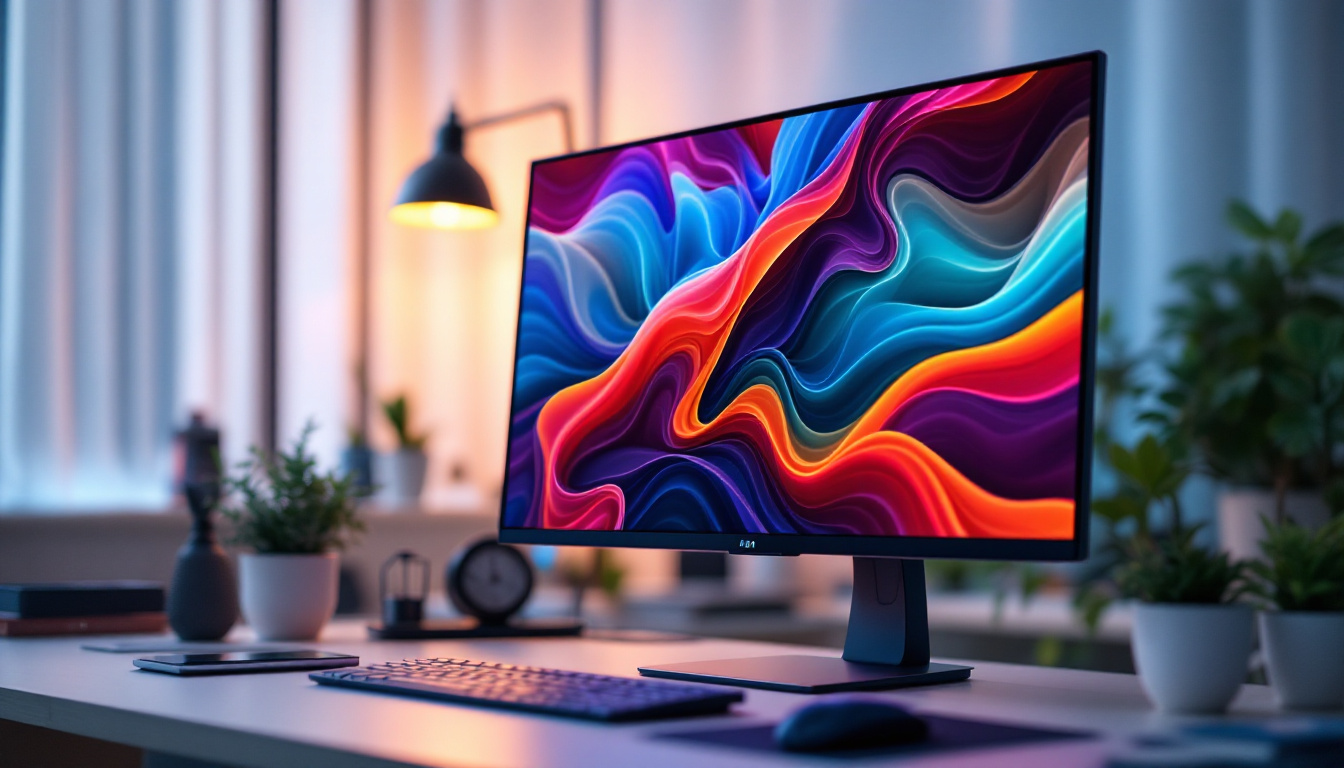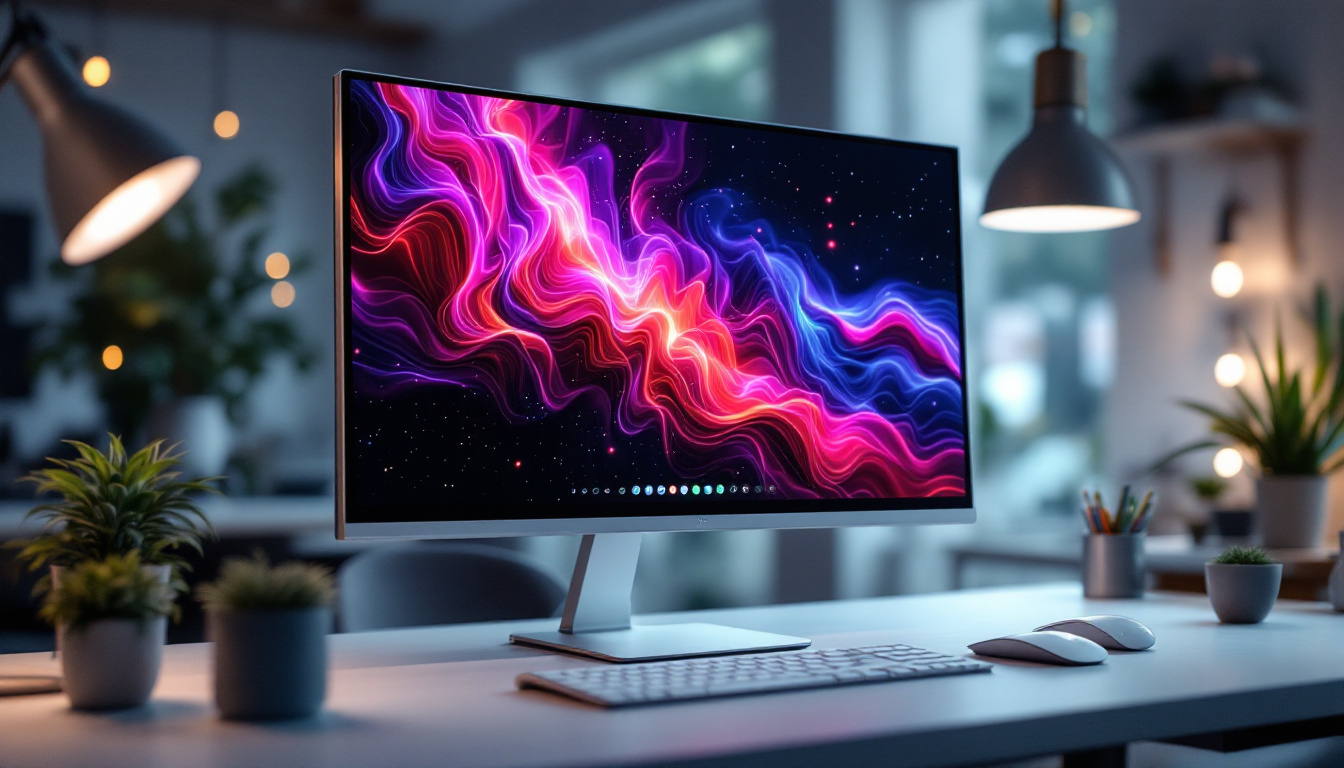
As the demand for high-resolution displays continues to grow, the 4K vertical monitor has emerged as a compelling choice for professionals and enthusiasts alike. Whether for coding, content creation, or immersive reading experiences, these monitors offer a unique blend of clarity, detail, and ergonomic design. This article delves into the technology behind 4K vertical LED displays, their benefits, and practical considerations to help you understand why they might be the perfect addition to your workspace.
Understanding 4K Resolution and Vertical Orientation
What Does 4K Mean?
4K resolution refers to a display resolution of approximately 3840 x 2160 pixels, which is four times the pixel count of Full HD (1920 x 1080). This increase in pixels translates to sharper images, finer details, and more screen real estate for multitasking. The term “4K” originated from the horizontal pixel count, which is close to 4000 pixels, and has become the industry standard for ultra-high-definition displays.
In practical terms, a 4K monitor offers enhanced clarity that benefits various applications, from photo and video editing to gaming and office productivity. The higher pixel density means users can view more content without scrolling and enjoy smoother, more detailed visuals.
The Appeal of Vertical Orientation
Vertical monitors, also known as portrait mode displays, are rotated 90 degrees from the traditional landscape orientation. This configuration has gained popularity in recent years, especially among professionals who work extensively with text, code, or long documents.
Vertical orientation offers several advantages:
- Improved readability: Longer vertical space means less scrolling through documents, web pages, or code.
- Better multitasking: Side-by-side setups with a vertical and a horizontal monitor can maximize screen real estate.
- Ergonomic benefits: Reduces neck strain for users who frequently switch between different types of content.
Combining 4K resolution with vertical orientation creates a powerful tool for professionals seeking both clarity and efficiency.
The Technology Behind LED Displays in 4K Vertical Monitors
LED vs. Other Display Technologies
LED (Light Emitting Diode) displays are currently the most common technology used in high-resolution monitors, including 4K vertical models. It’s important to distinguish between LED and OLED, as well as LCD technologies, to understand the benefits and limitations.
LED monitors are essentially LCD panels that use LED backlighting instead of older CCFL (Cold Cathode Fluorescent Lamp) backlights. This change brings several advantages:
- Energy efficiency: LED backlights consume less power, reducing energy costs and heat output.
- Improved brightness and contrast: LEDs offer better control over brightness levels, enhancing image quality.
- Thinner designs: LED backlighting allows for slimmer monitors without sacrificing performance.
In contrast, OLED (Organic Light Emitting Diode) technology offers self-emissive pixels that can turn off individually, delivering perfect blacks and superior contrast ratios. However, OLED 4K vertical monitors are less common and typically more expensive, making LED displays the more practical choice for most users.
Types of LED Backlighting
Within LED technology, there are two primary backlighting methods: edge-lit and full-array.
- Edge-lit LED: LEDs are placed along the edges of the screen, and light is distributed across the panel. This design allows for thinner monitors but can lead to uneven brightness and less precise local dimming.
- Full-array LED: LEDs are arranged directly behind the screen in a grid pattern. This enables better local dimming, higher contrast ratios, and more uniform brightness, which is especially beneficial for HDR (High Dynamic Range) content.
For 4K vertical monitors, full-array LED backlighting is often preferred by professionals who require accurate color reproduction and consistent brightness across the entire screen.
Panel Types and Their Impact
The type of LCD panel used in conjunction with LED backlighting greatly influences the display’s performance. The three main panel types are:
- TN (Twisted Nematic): Known for fast response times and lower cost, but with limited color accuracy and narrow viewing angles.
- IPS (In-Plane Switching): Offers superior color reproduction and wide viewing angles, making it ideal for creative professionals and general use.
- VA (Vertical Alignment): Provides better contrast ratios and deeper blacks than IPS but can have slower response times and color shifting at angles.
Most 4K vertical monitors targeting professionals use IPS panels to balance color accuracy, viewing angles, and image quality. This is crucial when working with detailed content where color fidelity matters.
Benefits of Using a 4K Vertical Monitor
Enhanced Productivity for Professionals
One of the most compelling reasons to invest in a 4K vertical monitor is the productivity boost it offers. Developers, writers, editors, and designers benefit from the increased vertical space and sharp image quality.
For example, programmers can view more lines of code simultaneously, reducing the need for constant scrolling. Writers and editors can see entire pages of text in one view, streamlining the editing process. Graphic designers working on vertical layouts such as posters or mobile content find the vertical orientation naturally suited to their workflow.
Improved Multitasking and Workflow
Many users adopt multi-monitor setups combining a horizontal 4K display with a vertical counterpart. This arrangement allows for efficient multitasking—such as having reference materials, chat windows, or email clients open on the vertical screen while working on the main display.
Studies have shown that multi-monitor configurations can increase productivity by up to 42%, according to a 2018 survey by Jon Peddie Research. The addition of a vertical 4K monitor further enhances this effect by optimizing screen real estate for specific tasks.
Superior Visual Experience
Thanks to the 4K resolution and LED technology, these monitors deliver crisp, vibrant images with excellent color accuracy and brightness. This is particularly beneficial for creative professionals who require precise color grading or photo editing.
Moreover, the high pixel density reduces eye strain by providing sharper text and smoother edges. This is an important consideration for users who spend long hours in front of their screens.
Practical Considerations When Choosing a 4K Vertical LED Monitor
Size and Aspect Ratio
4K vertical monitors typically come in sizes ranging from 27 inches to 32 inches. The aspect ratio in vertical orientation is usually 16:9 rotated to 9:16, but some monitors offer ultrawide or other ratios that can be rotated as well.
Choosing the right size depends on your workspace, viewing distance, and intended use. Larger screens provide more viewing area but require more desk space and may necessitate greater eye movement.
Ergonomics and Adjustability
Since vertical monitors are rotated, it’s critical to select models with flexible stands that support pivot, tilt, height adjustment, and swivel. Proper ergonomics help prevent neck and back strain, especially for users who switch between landscape and portrait modes regularly.
Some monitors also support VESA mounting, allowing users to attach them to adjustable arms or wall mounts for even more customization.
Connectivity and Compatibility
Modern 4K vertical monitors typically include multiple input options such as HDMI 2.0, DisplayPort 1.4, and USB-C with DisplayPort Alt Mode. USB-C connectivity is particularly advantageous for users with compatible laptops or devices, as it can deliver video, data, and power through a single cable.
Ensuring your computer’s graphics card supports 4K output at the desired refresh rate (usually 60Hz or higher) is essential for optimal performance.
Color Accuracy and Calibration
For professionals in photography, video editing, or design, color accuracy is paramount. Look for monitors that cover a wide color gamut such as Adobe RGB or DCI-P3 and offer factory calibration reports.
Many 4K vertical monitors also support hardware calibration tools, allowing users to fine-tune color settings to their specific requirements.
Price and Warranty
4K vertical monitors range in price from around $400 for entry-level models to over $1,000 for high-end professional displays. Investing in a reputable brand with a solid warranty and customer support can save time and money in the long run.
Consider your budget alongside your specific needs to find the best value without compromising essential features.
Popular Use Cases for 4K Vertical LED Monitors
Software Development and Coding
Developers benefit immensely from vertical 4K monitors by viewing more lines of code and documentation simultaneously. The sharp text rendering reduces eye fatigue during long coding sessions, and the vertical space is ideal for reading logs or debugging output.
Content Creation and Editing
Video editors working on vertical video formats for social media platforms like TikTok or Instagram Reels find vertical monitors indispensable. Similarly, photographers and graphic designers appreciate the enhanced color accuracy and resolution for detailed editing work.
Financial and Data Analysis
Traders and analysts often use vertical monitors to display extensive spreadsheets, charts, and dashboards. The increased vertical space allows for better data visualization and quicker decision-making.
General Productivity and Reading
Even outside professional use, vertical 4K monitors improve the reading experience for ebooks, PDFs, and web browsing. Writers and students can view entire pages without scrolling, enhancing focus and comprehension.
Conclusion: Is a 4K Vertical LED Monitor Right for You?
The 4K vertical monitor, powered by advanced LED display technology, offers a compelling combination of high resolution, sharp image quality, and ergonomic benefits. Its unique orientation caters to professionals who demand more vertical screen space for coding, editing, data analysis, or content creation.
While the initial investment may be higher than standard monitors, the productivity gains and visual enhancements often justify the cost. When selecting a 4K vertical LED monitor, consider factors such as panel type, backlighting, connectivity, and ergonomics to ensure it fits your specific needs.
As work and entertainment habits evolve, the 4K vertical monitor stands out as a versatile and future-proof display solution that can transform how users interact with digital content.
Discover LumenMatrix’s Advanced 4K LED Displays
Ready to elevate your workspace and enhance your visual experience with a 4K vertical LED monitor? LumenMatrix, a pioneer in LED display technology, offers an extensive range of innovative solutions tailored to meet your professional and creative needs. From immersive Indoor LED Wall Displays to dynamic Outdoor LED Wall Displays and beyond, LumenMatrix is committed to transforming your visual communication. Check out LumenMatrix LED Display Solutions today and step into the future of high-definition, ergonomic display technology.