The world of digital displays has evolved dramatically over the past decade, with LED technology leading the charge in both innovation and application. Among the many advancements, the concept of the Msbl schedule has emerged as a critical factor in optimizing LED display performance. This article delves into what the Msbl schedule is, why it matters, and how it influences the efficiency and longevity of LED displays across various industries.
Understanding the Basics of LED Displays
Light Emitting Diode (LED) displays have become ubiquitous in modern digital signage, advertising, and entertainment. Their brightness, energy efficiency, and versatility make them a preferred choice over traditional display technologies such as LCD or plasma screens. At their core, LED displays consist of an array of tiny light-emitting diodes that produce images through controlled illumination.
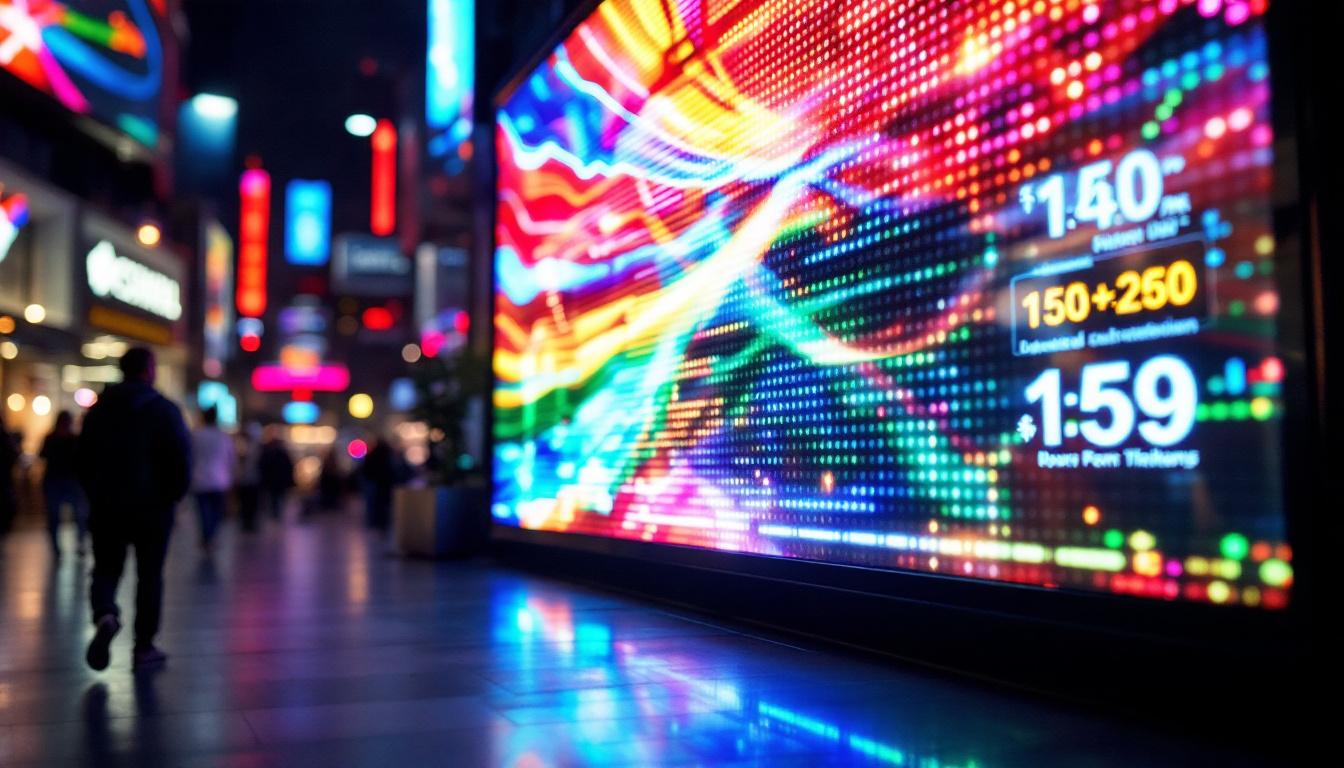
LED technology is not monolithic; it varies significantly depending on the application. For instance, outdoor LED billboards require different specifications compared to indoor digital signage. Factors such as pixel pitch, resolution, brightness, and refresh rate are crucial in determining the quality and suitability of an LED display for a particular environment. Outdoor displays often need to withstand harsh weather conditions, requiring robust materials and protective coatings to ensure longevity and reliability. In contrast, indoor displays can focus more on color accuracy and finer pixel densities to deliver stunning visuals in controlled environments.
Key Components of LED Displays
To appreciate the significance of the Msbl schedule, it is essential to understand the components that make up an LED display. These include:
- LED Modules: The basic building blocks containing clusters of LEDs arranged in a matrix.
- Driver ICs: Integrated circuits that control the voltage and current supplied to each LED, ensuring precise color and brightness control.
- Power Supply Units (PSUs): Provide stable power to the display, critical for consistent performance.
- Control System: Hardware and software that manage the display content, timing, and synchronization.
In addition to these components, the overall design and configuration of an LED display can significantly impact its performance. For example, the arrangement of LEDs within a module can affect the viewing angle and brightness uniformity. Manufacturers often utilize advanced technologies such as pixel-level brightness adjustment and color calibration to enhance the visual experience further. Furthermore, the integration of smart technology allows for remote monitoring and management of the displays, enabling operators to update content in real-time and troubleshoot issues efficiently.
Another important aspect of LED displays is their environmental impact. As the demand for energy-efficient solutions grows, LED technology has emerged as a frontrunner due to its lower power consumption compared to traditional lighting methods. Many manufacturers are now focusing on sustainable practices, such as using recyclable materials and reducing waste during production. This shift not only benefits the environment but also aligns with the increasing consumer preference for eco-friendly products, making LED displays a compelling choice for businesses looking to enhance their brand image while being responsible stewards of the planet.
What is the Msbl Schedule?
The term “Msbl schedule” refers to a specific timing and control protocol used in the operation of LED displays. It stands for “Minimum Scan Block Length” schedule, a concept that deals with the timing intervals during which LED pixels are refreshed and scanned. Essentially, the Msbl schedule dictates how the display’s pixels are activated and refreshed to produce a stable and flicker-free image.
In LED display technology, scanning is a method used to reduce power consumption and heat generation by activating only a subset of LEDs at any given moment. The Msbl schedule defines the minimum duration each scan block remains active before moving to the next, balancing between image quality and energy efficiency.
Why the Msbl Schedule Matters
Optimizing the Msbl schedule is crucial for several reasons:
- Image Stability: A well-calibrated Msbl schedule ensures that images remain stable and free from flicker, which is especially important for high-resolution displays.
- Power Efficiency: By controlling the scan block length, the display can minimize unnecessary power usage, extending the lifespan of LED components.
- Thermal Management: Proper scheduling reduces heat buildup, preventing damage and maintaining consistent brightness levels.
- Compatibility: Different LED modules and driver ICs have varying optimal Msbl schedules, making customization essential for peak performance.
How Msbl Schedule Influences LED Display Performance
Performance in LED displays is a multifaceted concept, encompassing image quality, energy consumption, and durability. The Msbl schedule plays a pivotal role in each of these areas.
Enhancing Image Quality
One of the most noticeable effects of the Msbl schedule is on image clarity and smoothness. Flicker, a common issue in LED displays, occurs when the refresh rate or scan timing is not properly managed. By setting an appropriate Msbl schedule, manufacturers can ensure that each pixel is illuminated for the optimal duration, reducing flicker and improving color consistency.
For example, in high-definition outdoor advertising, where displays are viewed from varying distances and lighting conditions, a precise Msbl schedule helps maintain vivid colors and sharp images even under direct sunlight.
Reducing Energy Consumption
Energy efficiency is a critical concern, especially for large-scale LED installations such as stadium screens or urban billboards. The Msbl schedule contributes to energy savings by limiting the active time of each LED segment. This selective activation means that LEDs are not continuously powered, which significantly reduces overall consumption.
Recent studies indicate that optimizing scan block lengths can reduce power usage by up to 20% without compromising display quality, a substantial saving for operators managing extensive networks of LED screens.
Extending Component Lifespan
Heat is a major enemy of electronic components, and LEDs are no exception. Excessive heat can degrade LED brightness and color accuracy over time. By fine-tuning the Msbl schedule, thermal stress is minimized, which in turn extends the operational lifespan of the display.
Manufacturers report that displays with optimized Msbl schedules experience up to 30% longer service life, reducing maintenance costs and downtime.
Implementing Msbl Schedule in LED Display Systems
Integrating an effective Msbl schedule requires a combination of hardware capabilities and software control. The process involves several steps:
Calibration and Testing
Each LED display model and configuration demands specific Msbl parameters. Calibration involves measuring the display’s response to different scan block lengths and adjusting the schedule to achieve the best balance between image quality and power consumption.
Advanced diagnostic tools can simulate various lighting conditions and content types to ensure the Msbl schedule performs well in real-world scenarios.
Firmware and Software Integration
The Msbl schedule is typically embedded within the display’s firmware or managed by the control software. This integration allows dynamic adjustment based on environmental factors such as ambient light, temperature, and content complexity.
For instance, a display might increase the scan block length during low ambient light conditions to enhance brightness and reduce flicker, then shorten it during bright daylight to conserve energy.
Customization for Diverse Applications
Different industries have unique requirements for LED displays. Sports arenas prioritize refresh rates to capture fast motion, while retail environments focus on color accuracy and energy efficiency. The Msbl schedule can be customized accordingly, making it a versatile tool in display design.
Real-World Applications and Case Studies
The practical benefits of Msbl scheduling are evident across various sectors:
Outdoor Advertising
Major advertising firms have adopted Msbl schedule optimization to enhance the visibility and durability of their digital billboards. For example, a campaign in New York City reported a 15% reduction in energy costs after implementing an optimized Msbl schedule, alongside improved image stability during nighttime hours.
Sports and Entertainment Venues
LED screens in stadiums and concert halls demand high refresh rates and color fidelity. By fine-tuning the Msbl schedule, operators have achieved smoother video playback and reduced flicker, enhancing the spectator experience. A European football stadium noted a significant improvement in display uniformity and a 25% decrease in maintenance issues related to LED burnout.
Retail and Corporate Displays
Indoor LED walls used for branding and information display benefit from Msbl scheduling by maintaining consistent brightness and reducing operational costs. Retail chains have reported increased customer engagement attributed to sharper images and more vibrant colors, directly linked to optimized scan block timing.
Future Trends in Msbl Scheduling and LED Technology
As LED technology continues to advance, the role of Msbl scheduling is expected to grow even more sophisticated. Emerging trends include:
AI-Driven Dynamic Scheduling
Artificial intelligence and machine learning algorithms are being developed to dynamically adjust Msbl schedules in real-time. These systems analyze environmental data and content characteristics to optimize display performance continuously, pushing the boundaries of energy efficiency and image quality.
Integration with IoT and Smart Systems
Smart cities and connected environments will leverage IoT sensors to feed data into LED display control systems. This integration allows for adaptive Msbl scheduling that responds to pedestrian traffic, weather conditions, and time of day, enhancing both user experience and sustainability.
Advancements in LED Materials and Drivers
Innovations in LED materials and driver ICs will provide greater flexibility in scan block timing, enabling even finer control over the Msbl schedule. This will facilitate ultra-high-definition displays with minimal power consumption, suitable for emerging applications such as augmented reality and immersive digital signage.
Conclusion
The Msbl schedule is a foundational element in the operation and optimization of LED displays. By carefully managing the timing of pixel activation, it balances image quality, energy efficiency, and component longevity. As LED technology becomes increasingly integral to advertising, entertainment, and information dissemination, understanding and implementing effective Msbl scheduling will be essential for manufacturers, operators, and end-users alike.
With ongoing advancements in AI, IoT, and materials science, the future of Msbl scheduling promises even greater enhancements, making LED displays more sustainable, vibrant, and adaptable than ever before.
Discover LumenMatrix’s Advanced LED Solutions
Ready to experience the pinnacle of LED display technology? LumenMatrix is at the forefront of innovation, offering a wide array of LED solutions that bring your visual communications to life. From captivating Indoor and Outdoor LED Wall Displays to dynamic Vehicle and Sports LED Displays, our products are designed to make an impact. Embrace the future with our Custom, All-in-One, and Transparent LED Displays, all engineered to integrate seamlessly with Msbl scheduling for unparalleled performance. Check out LumenMatrix LED Display Solutions today and transform your space into a vibrant canvas of light and color.