In the rapidly evolving world of digital technology, LED displays have become ubiquitous, transforming everything from advertising billboards to smartphone screens. Central to understanding how these displays work is the concept of the “pixel.” This article delves into the definition of a pixel within the context of LED displays, exploring its role, composition, and significance in delivering vibrant, high-resolution images.
What Is a Pixel in an LED Display?
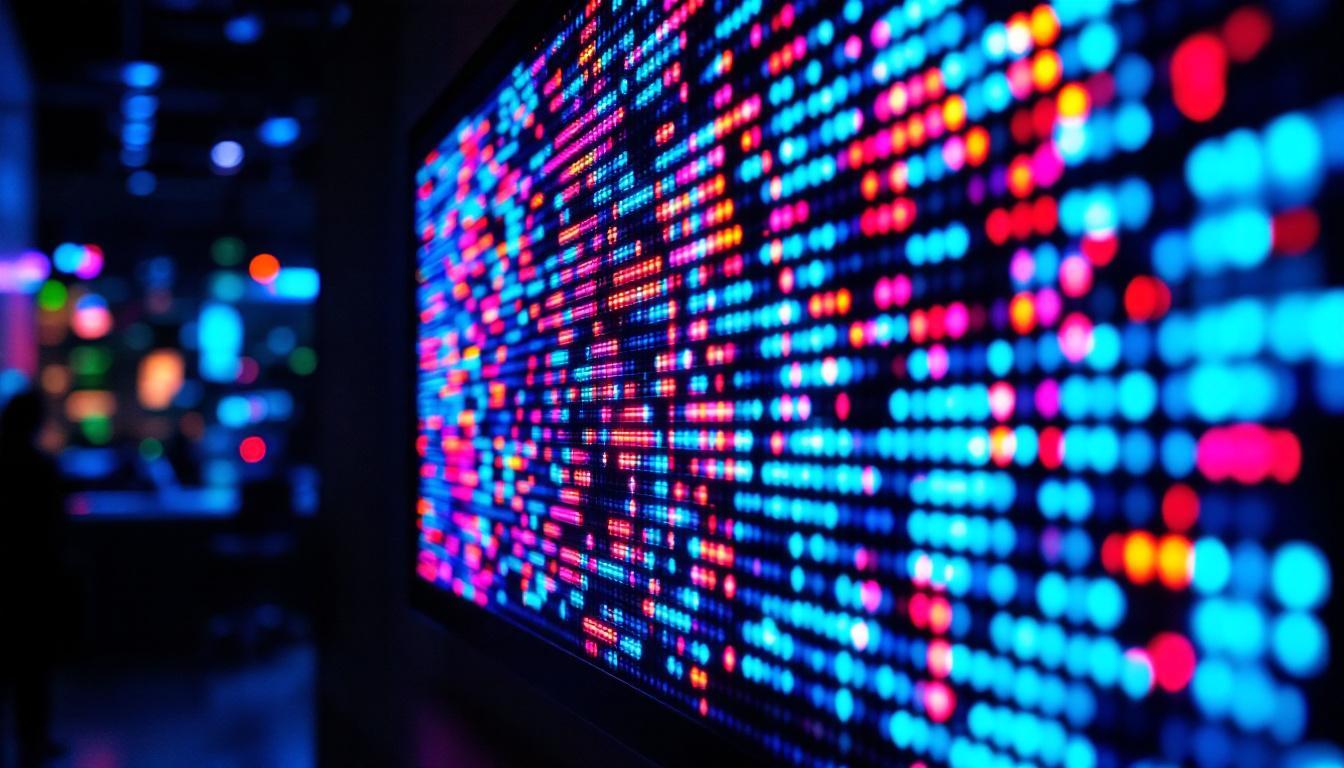
The term “pixel” is a contraction of “picture element,” representing the smallest unit of a digital image or display. In LED (Light Emitting Diode) displays, a pixel is the fundamental building block that emits light to form images visible to the human eye.
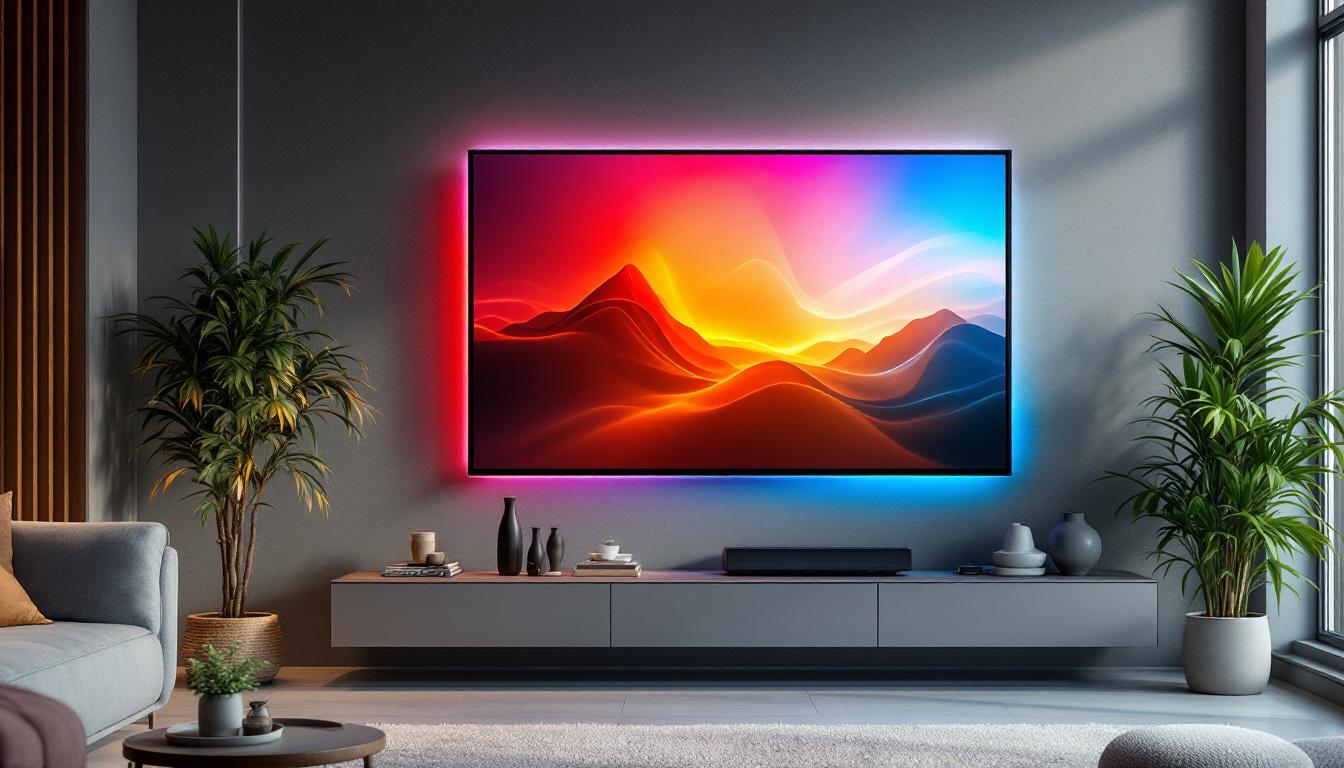
Unlike traditional LCD screens that rely on backlighting and liquid crystals to modulate light, LED displays use tiny diodes that emit light directly. Each pixel in an LED display is composed of one or more LEDs that produce specific colors. By controlling the intensity and color of these LEDs, the display can render complex images with remarkable clarity and brightness. This direct emission of light not only enhances the vibrancy of colors but also contributes to better energy efficiency compared to other display technologies, making LED displays a popular choice for both consumer electronics and large-scale advertising installations.
Pixel Composition: Subpixels and Color Mixing
A standard LED pixel typically consists of three subpixels: red, green, and blue (RGB). These subpixels work together through additive color mixing to create the full spectrum of colors that the human eye can perceive. By varying the brightness of each subpixel, an LED pixel can produce millions of distinct colors.
For example, if all three subpixels are lit at full intensity, the pixel appears white. If only the red and green subpixels are illuminated, the pixel will appear yellow. This RGB model is foundational to virtually all color displays, including LED screens. Additionally, advancements in technology have led to the development of more complex pixel arrangements, such as those found in OLED (Organic LED) displays, where each pixel can emit its own light without the need for backlighting. This innovation allows for even greater contrast ratios and deeper blacks, enhancing the overall viewing experience.
Furthermore, the arrangement and density of pixels play a crucial role in determining the resolution and sharpness of the displayed image. Higher pixel density, measured in pixels per inch (PPI), results in finer details and smoother gradients, which is particularly important for applications like high-definition television, mobile devices, and digital signage. As technology continues to evolve, the quest for higher resolution displays pushes the boundaries of pixel design, leading to innovations such as microLED and miniLED technologies that promise even greater performance and efficiency in future displays.
How Pixels Determine Display Quality
The quality of an LED display is heavily influenced by the number and density of pixels it contains. This is often expressed as pixel resolution and pixel pitch, two critical metrics that define the sharpness and clarity of the displayed image.
Pixel Resolution
Pixel resolution refers to the total number of pixels arranged horizontally and vertically on a display. For instance, a Full HD LED screen has a resolution of 1920 x 1080 pixels, meaning it contains 2,073,600 individual pixels. Higher resolutions allow for more detailed images, as more pixels can represent finer details.
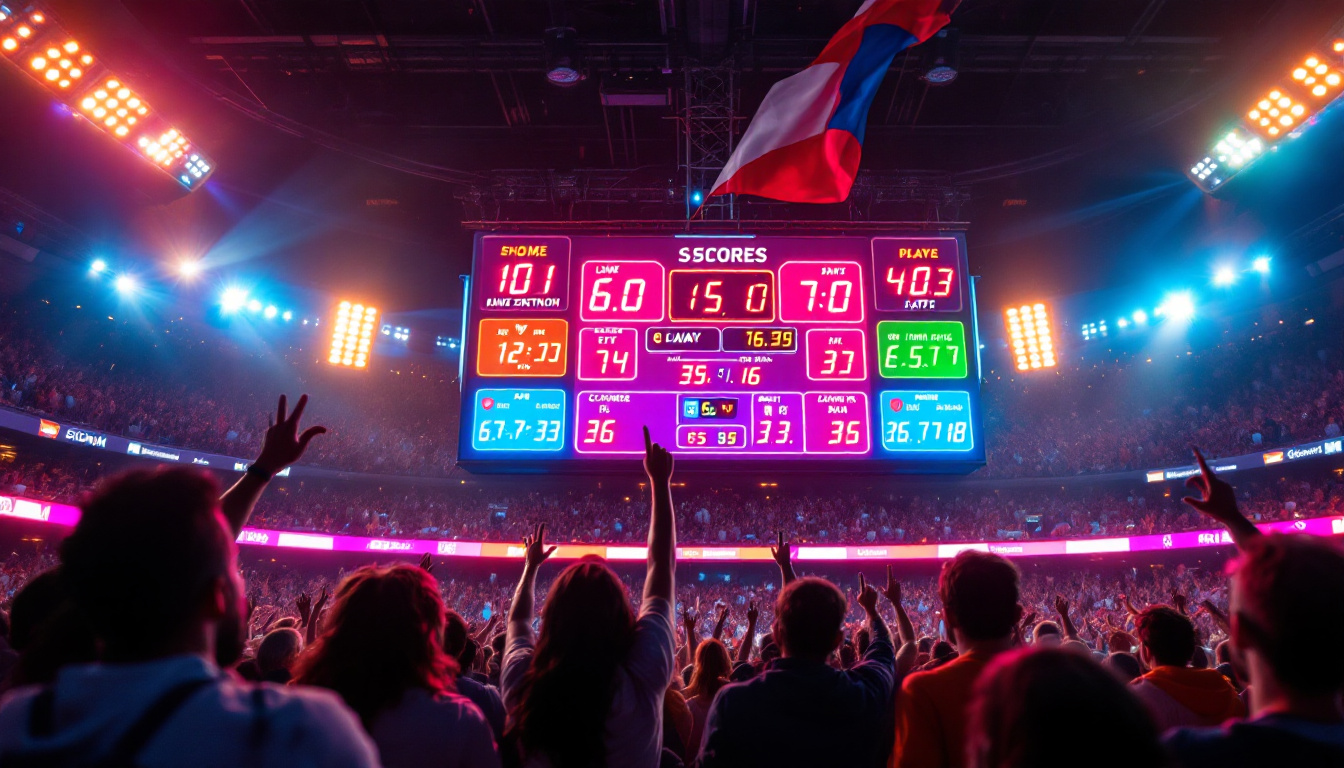
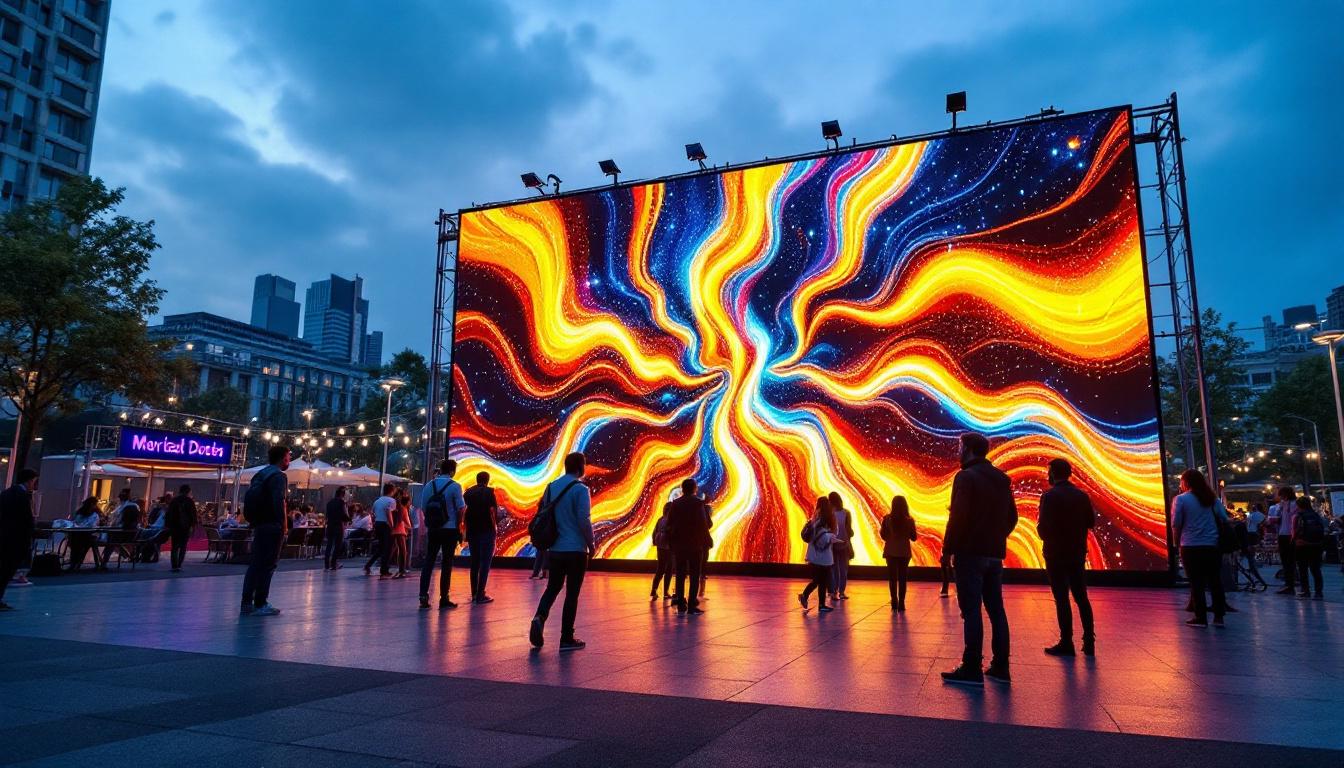
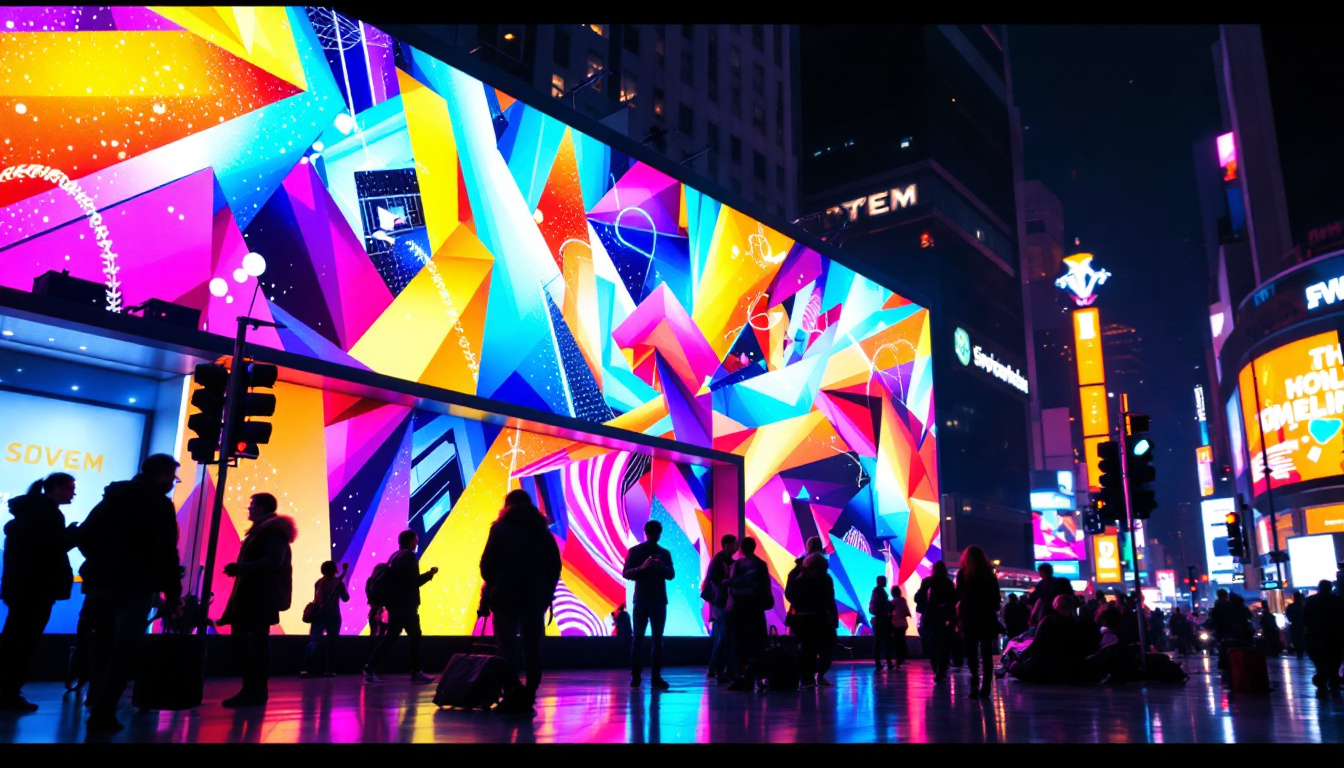
In large-scale LED displays, such as stadium screens or outdoor billboards, resolution is balanced against viewing distance. A screen intended to be viewed from hundreds of feet away does not require as high a resolution as a smartphone screen viewed at a few inches. This balance is crucial; a display with excessively high resolution viewed from a far distance may result in wasted resources, as the human eye cannot discern the finer details. Conversely, a display with too low a resolution can lead to pixelation, where individual pixels become visible, detracting from the overall viewing experience.
Pixel Pitch: The Space Between Pixels
Pixel pitch is the physical distance between the centers of two adjacent pixels, usually measured in millimeters. A smaller pixel pitch means pixels are packed more tightly together, resulting in higher pixel density and sharper images.
For example, a pixel pitch of 1.2 mm is common in high-end indoor LED displays, providing crisp visuals suitable for close viewing. Conversely, outdoor LED billboards might have pixel pitches ranging from 10 mm to 20 mm, optimized for visibility at greater distances. The choice of pixel pitch is not only a technical decision but also an artistic one, as it affects how content is perceived. Displays with smaller pixel pitches can convey intricate graphics and detailed video content, making them ideal for environments such as museums or art galleries where clarity is paramount. Additionally, advancements in technology have led to the development of flexible LED screens that can conform to various shapes and surfaces, further enhancing the creative possibilities for display applications.
Types of LED Pixels and Their Applications
LED pixels come in various forms, tailored to specific applications and performance requirements. Understanding these types helps clarify why certain displays perform better in particular environments.
Surface-Mounted Device (SMD) Pixels
SMD pixels are composed of multiple tiny LEDs mounted directly onto a circuit board. These LEDs are encapsulated within a single package, often containing red, green, and blue diodes. SMD technology allows for very small pixel pitches, making it ideal for high-resolution indoor displays such as digital signage, control rooms, and retail screens.
The compact nature of SMD pixels also contributes to better color consistency and wider viewing angles, enhancing the overall viewing experience.
Through-Hole LED Pixels
Through-hole LEDs are individual diodes inserted into holes on a circuit board and soldered in place. Each color LED is a separate component, resulting in larger pixel sizes compared to SMD. This technology is typically used in outdoor LED displays where durability and brightness are prioritized over ultra-high resolution.
Through-hole pixels are known for their superior brightness and weather resistance, making them suitable for large outdoor billboards, sports arenas, and transportation signage.
Mini-LED and Micro-LED Pixels
Recent advances have introduced Mini-LED and Micro-LED technologies, which use significantly smaller LEDs to create pixels. Mini-LEDs are smaller than traditional LEDs but larger than Micro-LEDs, enabling higher pixel densities and improved contrast ratios.
Micro-LED displays, still emerging in the consumer market, promise unparalleled brightness, energy efficiency, and color accuracy by integrating microscopic LEDs as individual pixels. These displays have potential applications in premium televisions, augmented reality devices, and wearable technology.
How LED Pixels Work Together to Form Images
Each pixel in an LED display functions as a tiny light source. When millions of these pixels operate in unison, they create the images and videos seen on the screen. The process involves precise control of each pixel’s color and brightness through sophisticated electronics and software.
Driving Pixels: Control and Refresh Rates
LED pixels are controlled by driver circuits that regulate the current flowing through each LED subpixel. This control allows for rapid changes in brightness and color, enabling smooth video playback and dynamic content display.
The refresh rate, measured in hertz (Hz), indicates how many times per second the display updates its image. Higher refresh rates reduce flicker and motion blur, enhancing viewer comfort and image clarity, especially in fast-moving content such as sports broadcasts or gaming.
Calibration and Color Accuracy
To ensure consistent color reproduction across all pixels, LED displays undergo calibration. This process adjusts the intensity and color balance of individual pixels to compensate for manufacturing variations and aging effects.
Advanced calibration techniques use sensors and software algorithms to maintain uniform brightness and color fidelity, which is critical for professional applications like broadcast studios, medical imaging, and digital art installations.
Why Understanding Pixels Matters for Consumers and Professionals
For consumers, knowing what pixels are and how they function can guide purchasing decisions when selecting displays for home entertainment, gaming, or business use. For professionals in advertising, event production, or digital signage, understanding pixel technology is essential for designing effective visual experiences.
Choosing the Right LED Display
When selecting an LED display, factors such as pixel pitch, resolution, brightness, and viewing distance must be considered. For instance, a retail store looking to install a digital sign should prioritize a display with a small pixel pitch and high resolution to attract customers with sharp, vibrant images.
Conversely, an outdoor sports venue requires a display with high brightness and weather resistance, accepting a larger pixel pitch since viewers will be farther away.
Future Trends in LED Pixel Technology
Emerging technologies like Micro-LED and flexible LED displays are poised to revolutionize the industry by offering unprecedented image quality and form factors. These advancements will expand the possibilities for digital displays in areas such as wearable tech, automotive dashboards, and immersive virtual environments.
Moreover, improvements in energy efficiency and manufacturing processes are making LED displays more sustainable and affordable, broadening their accessibility across different sectors.
Conclusion
Pixels are the fundamental units that make LED displays possible, translating electrical signals into vivid images that captivate audiences worldwide. By understanding the definition of a pixel and its role within LED technology, consumers and professionals alike can better appreciate the capabilities and limitations of modern displays.
As LED pixel technology continues to advance, it will unlock new opportunities for communication, entertainment, and innovation, making it an exciting field to watch in the years ahead.
Discover Cutting-Edge LED Displays with LumenMatrix
Ready to experience the future of visual communication? LumenMatrix is at the forefront of LED display innovation, offering a wide range of solutions tailored to your unique needs. From captivating Indoor LED Wall Displays to dynamic Outdoor LED Wall Displays, and from versatile Vehicle LED Displays to sleek LED Poster Displays, our technology is designed to elevate your brand’s visibility. Whether you’re looking to engage fans with an LED Sports Display, make a statement with a Floor LED Display, or customize your message with a Custom LED Display, LumenMatrix has the solution. Embrace the revolution in digital signage with our All-in-One LED Displays and LED Transparent Displays. Don’t just take our word for it; check out LumenMatrix LED Display Solutions today and see how we can help you share your message with impact and clarity.