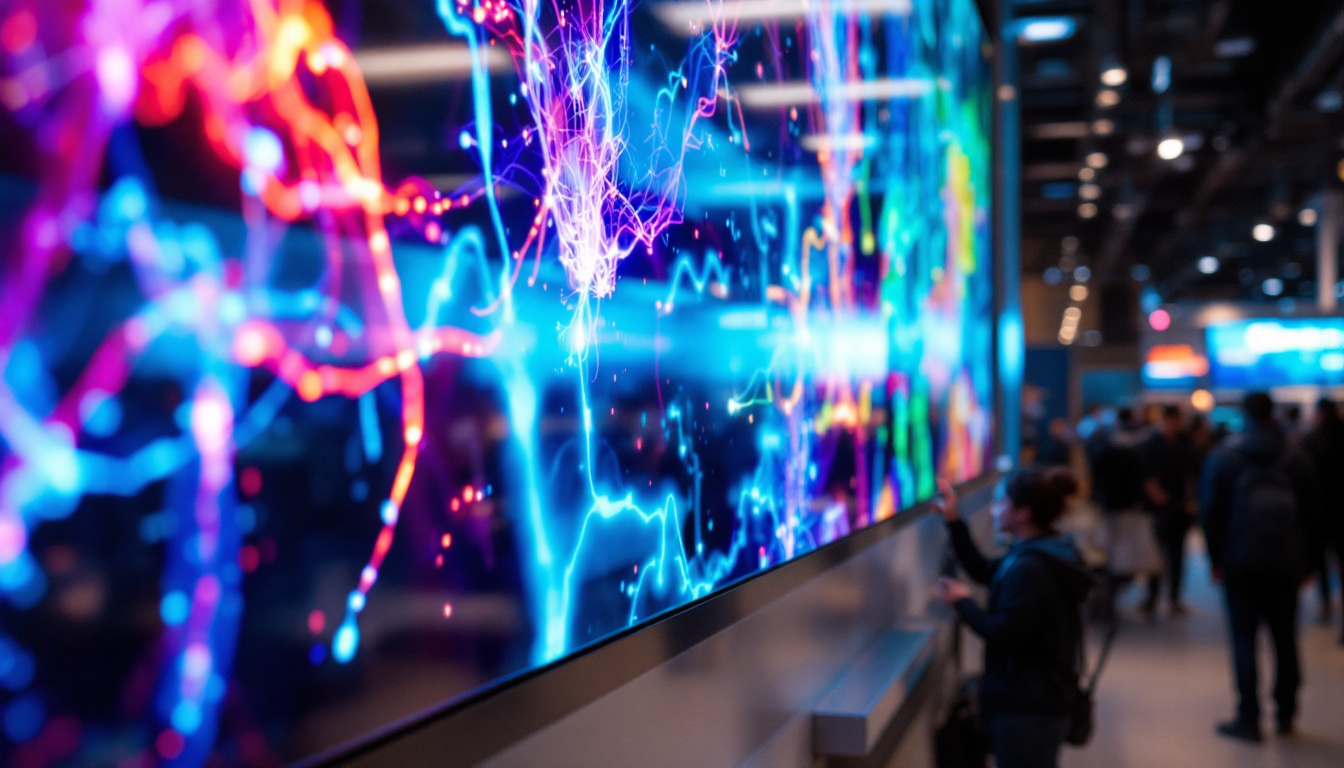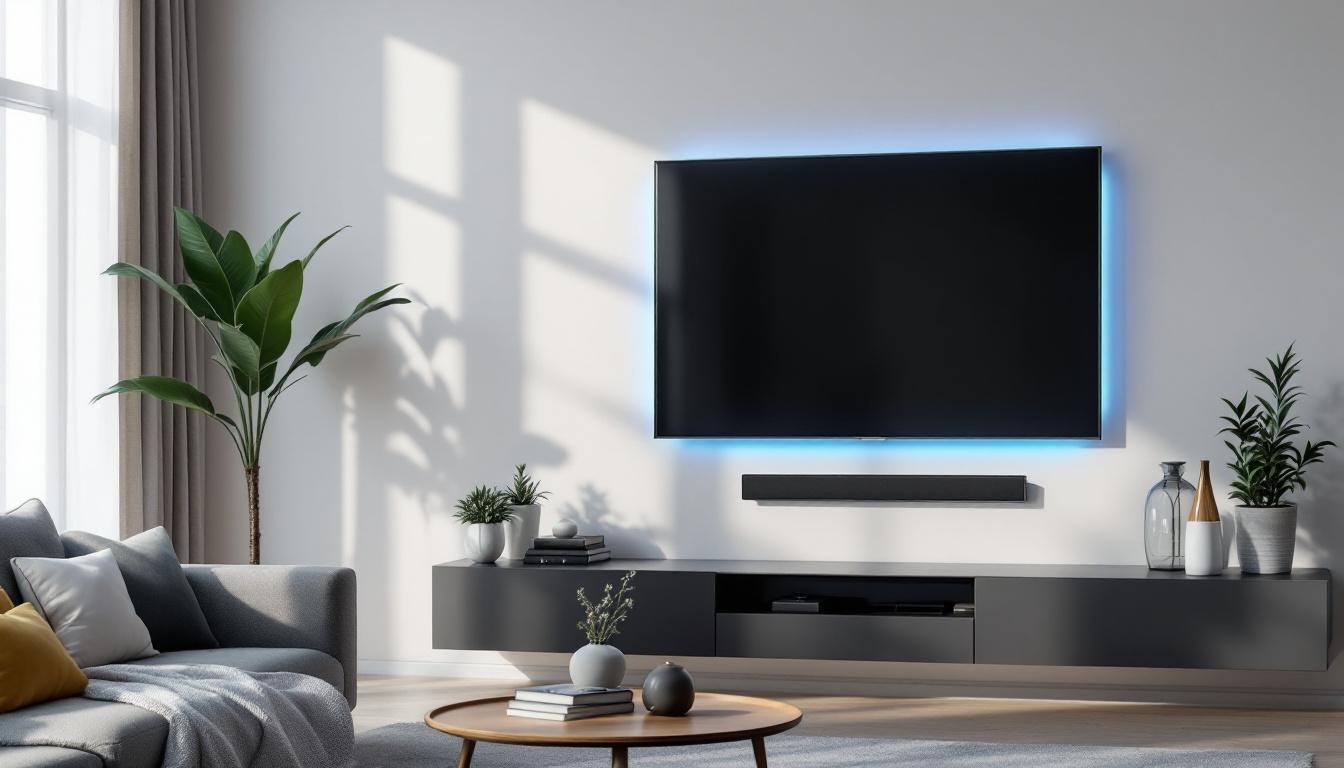
In recent years, the television industry has seen remarkable advancements, with display technology evolving rapidly to enhance viewer experience. One of the most groundbreaking innovations is the introduction of “The Wall” flat screen TV, a modular LED display that redefines what a television can be. This article delves into the technology behind The Wall, focusing on its LED display, and explores why it represents a significant leap forward in home entertainment.
Understanding LED Display Technology
What is an LED Display?
LED stands for Light Emitting Diode, a semiconductor device that emits light when an electric current passes through it. In the context of television screens, LED displays use these tiny diodes as pixels to produce images. Unlike traditional LCD TVs that require a separate light source (backlight), LED TVs incorporate LEDs either as backlighting or as individual light sources in the case of direct-view LED displays.
The Wall employs a direct-view LED technology, meaning each pixel is an individual LED that can emit its own light. This contrasts with conventional LED TVs that use LEDs solely for backlighting an LCD panel. Direct-view LED displays offer superior brightness, contrast, and color accuracy because each pixel can be turned on or off independently, enabling true blacks and vibrant colors. This technology not only enhances the viewing experience but also allows for a wider color gamut, which means that viewers can enjoy a more immersive and lifelike representation of images and videos.
Additionally, the longevity of LED displays is noteworthy. With a lifespan that can exceed 100,000 hours, LED technology significantly outlasts traditional display technologies, making it a cost-effective choice in the long run. This durability is particularly beneficial in commercial applications where displays are used for advertising or information dissemination, as they require less frequent replacements and maintenance.
How Does The Wall’s LED Display Work?
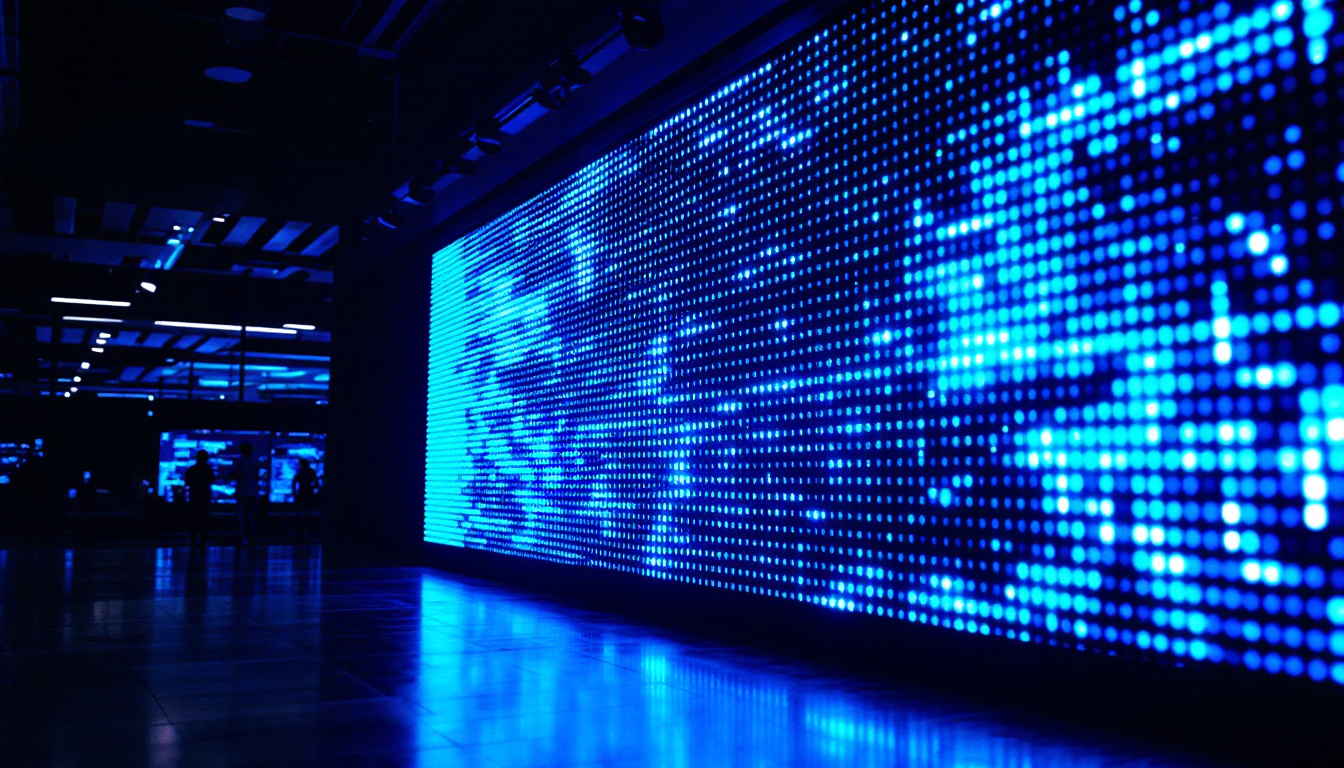
The Wall is composed of modular microLED panels, each containing millions of microscopic LEDs that serve as individual pixels. These microLEDs are incredibly small — often less than 100 micrometers in size — allowing for extremely high pixel density and resolution. When combined, these panels create a seamless, massive display that can be customized to various sizes and aspect ratios. This modularity not only allows for flexibility in design but also facilitates easier upgrades and repairs, as individual panels can be replaced without the need for a complete overhaul of the display system.
Each microLED emits its own light, which means The Wall can achieve exceptional brightness levels, often exceeding 1,600 nits, making it suitable for viewing even in brightly lit rooms. Furthermore, because the LEDs operate independently, the display can achieve a near-infinite contrast ratio, with true black levels that are difficult to replicate with other technologies like OLED or LCD. This capability is particularly advantageous for high dynamic range (HDR) content, as it allows for a more dramatic range of brightness and color, enhancing the overall visual experience. Moreover, the energy efficiency of microLED technology means that while delivering stunning visuals, it consumes less power compared to traditional display technologies, making it an environmentally friendly option for large-scale installations.
The Advantages of The Wall’s LED Display
Unmatched Picture Quality
The Wall’s microLED technology delivers stunning picture quality. With pixel-level light control, the display produces deep blacks and vibrant colors, resulting in a dynamic range that enhances every scene. This capability is especially important for HDR (High Dynamic Range) content, where the difference between the darkest and brightest parts of an image is critical for realism.
Compared to OLED TVs, which also offer excellent contrast and color, The Wall’s LED display has the advantage of higher brightness and no risk of burn-in, a common concern for OLED panels. This makes The Wall an ideal choice for both home theaters and commercial environments where long-term durability is essential.
Scalability and Customization
One of the most remarkable features of The Wall is its modular design. Unlike traditional flat-screen TVs that come in fixed sizes, The Wall can be assembled from multiple microLED panels to create displays ranging from 73 inches to over 292 inches diagonally. This flexibility allows consumers and businesses to tailor the screen size to their specific space and viewing needs.
Additionally, the bezel-less design of the microLED panels ensures a seamless viewing experience without visible gaps between modules. This scalability and customization open new possibilities for interior design and content presentation, making The Wall suitable for everything from luxury home cinemas to large-scale digital signage.
Durability and Energy Efficiency
MicroLED technology is known for its durability and energy efficiency. The inorganic nature of LEDs means they are less susceptible to degradation over time compared to organic materials used in OLEDs. This translates into a longer lifespan and consistent performance without color shifting or brightness loss.
Energy consumption is another benefit. The Wall’s LEDs consume less power than equivalent LCD or OLED displays at similar brightness levels, primarily because the light is generated directly by the pixels without the need for additional backlighting. This efficiency is advantageous for both environmental considerations and reducing electricity costs, especially for large installations.
Comparing The Wall to Other Display Technologies
MicroLED vs. OLED
OLED (Organic Light Emitting Diode) displays have been the gold standard for premium TVs due to their excellent contrast and color reproduction. However, microLED technology, as used in The Wall, offers several advantages over OLED:
- Brightness: MicroLEDs can achieve higher peak brightness levels, enhancing HDR performance and visibility in bright rooms.
- Longevity: MicroLEDs are inorganic and less prone to burn-in or degradation, offering longer-lasting image quality.
- Scalability: MicroLED displays can be built in almost any size by combining modules, whereas OLED screens are limited by manufacturing constraints.
While OLEDs remain popular for smaller screen sizes due to their cost-effectiveness, microLED is increasingly seen as the future of large-format displays, especially for premium applications.
MicroLED vs. LCD
LCD (Liquid Crystal Display) TVs, often paired with LED backlighting, have dominated the market for years due to their affordability and decent performance. However, The Wall’s microLED display outperforms LCDs in several key areas:
- Contrast Ratio: LCDs rely on backlighting, which limits their ability to produce true blacks. MicroLEDs can switch off individual pixels, resulting in superior contrast.
- Color Accuracy: MicroLEDs offer a wider color gamut and more precise color control.
- Viewing Angles: MicroLED displays maintain consistent color and brightness at wider viewing angles compared to LCDs.
These differences make The Wall an excellent choice for environments where image quality is paramount.
Practical Applications of The Wall
Home Entertainment
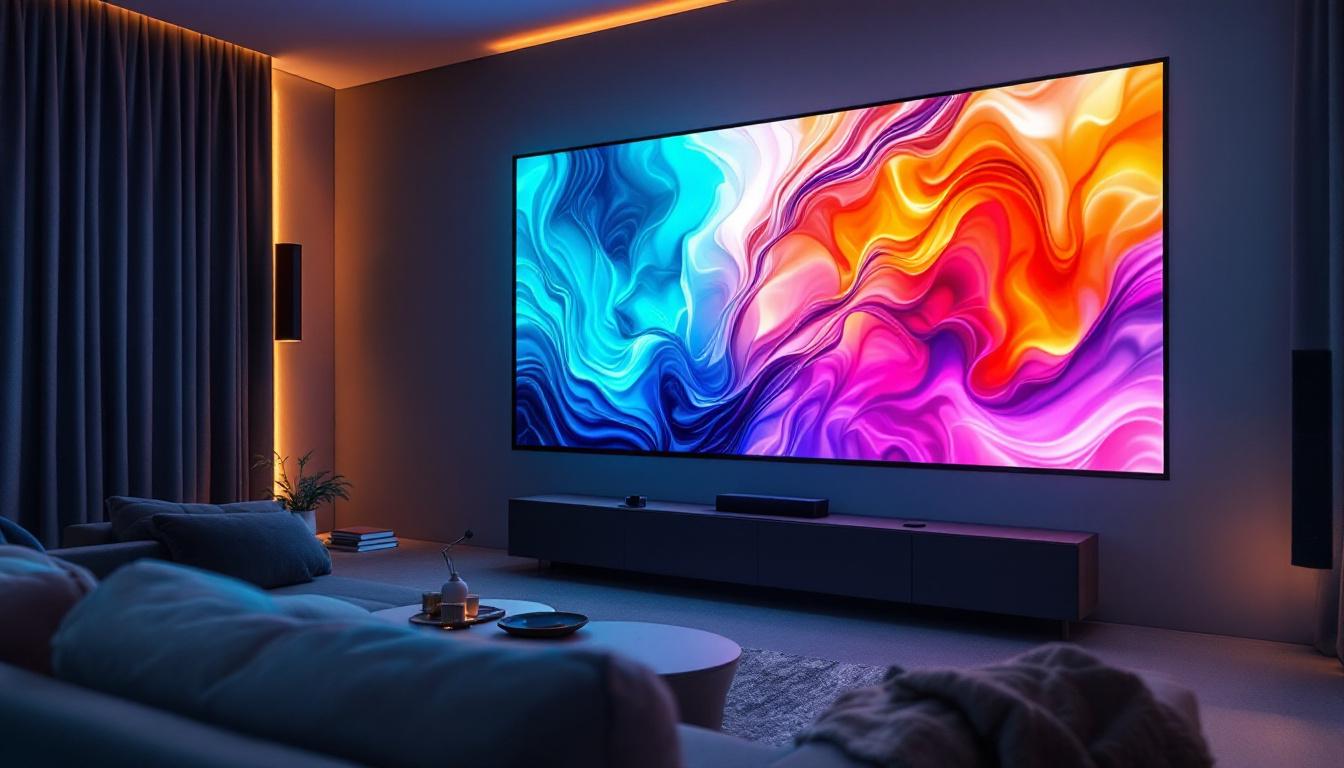
The Wall is revolutionizing home entertainment by offering a cinema-like experience in the comfort of one’s living room. Its massive size options, combined with stunning picture quality, make it perfect for movie enthusiasts, gamers, and sports fans who want an immersive viewing experience.
Moreover, The Wall’s modularity allows homeowners to install a display that fits their space perfectly without compromising on resolution or image quality. As prices gradually become more accessible, it is expected that microLED TVs like The Wall will become a popular choice for luxury home theaters.
Commercial and Public Spaces
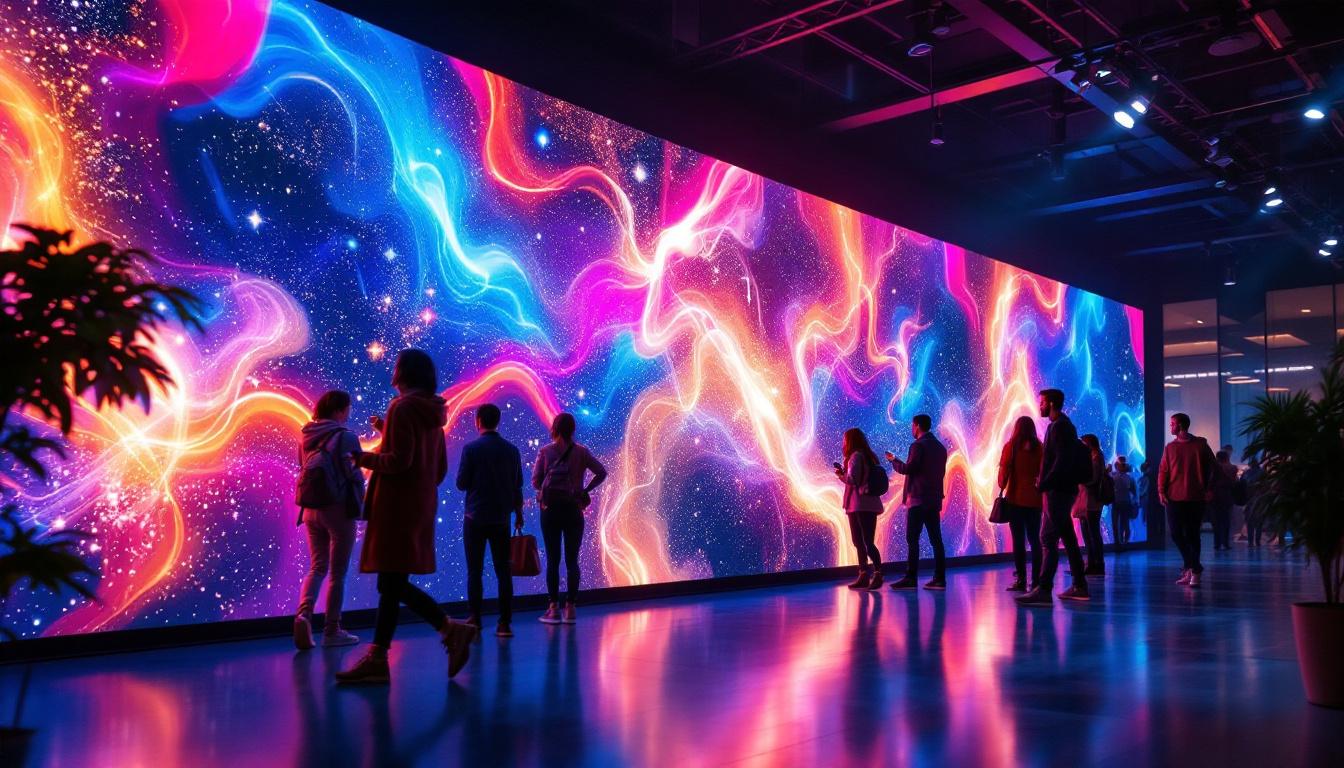
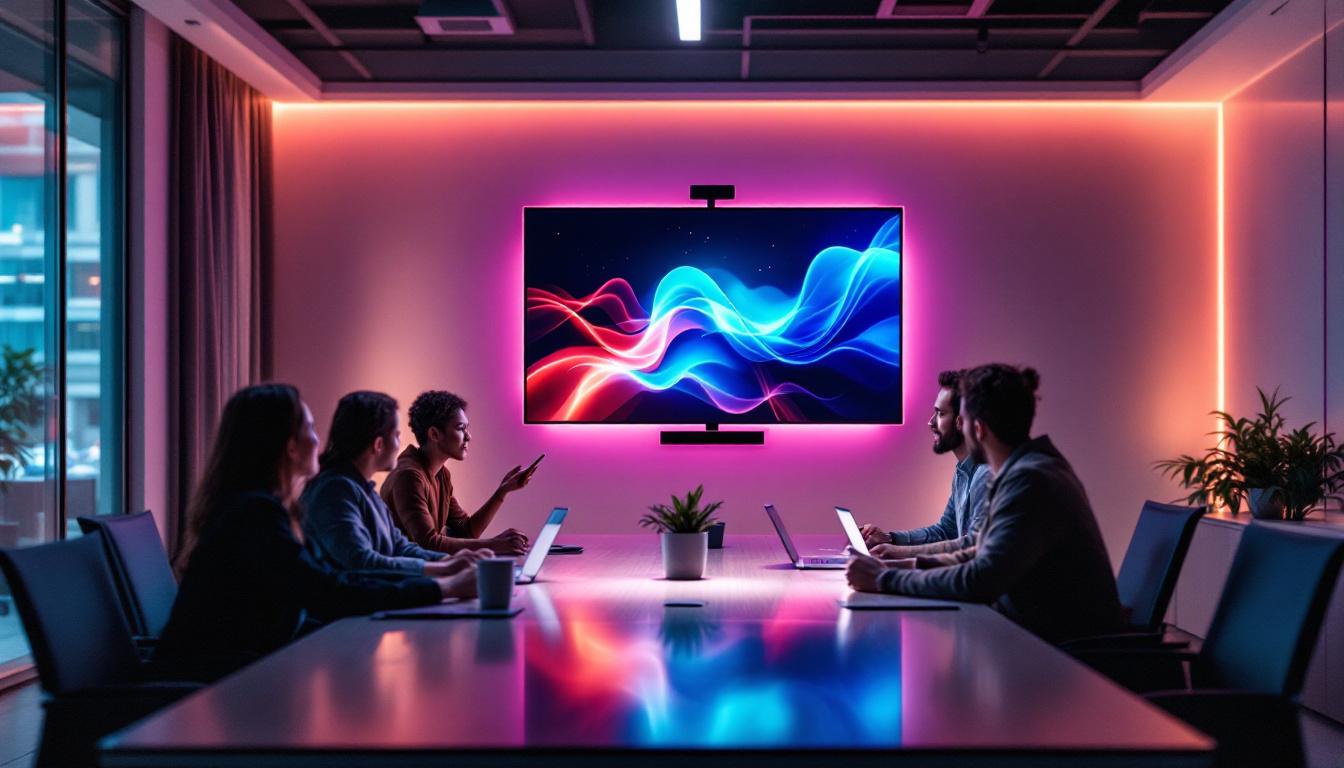
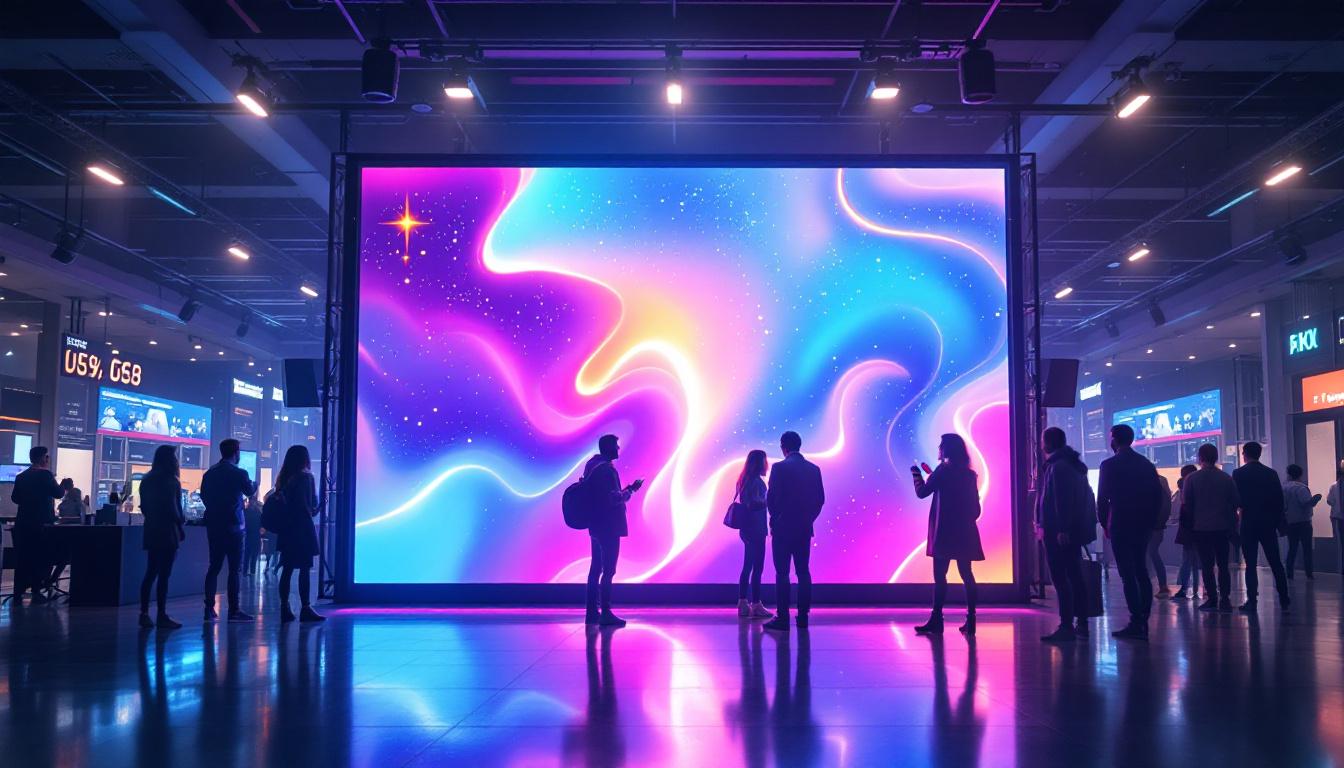
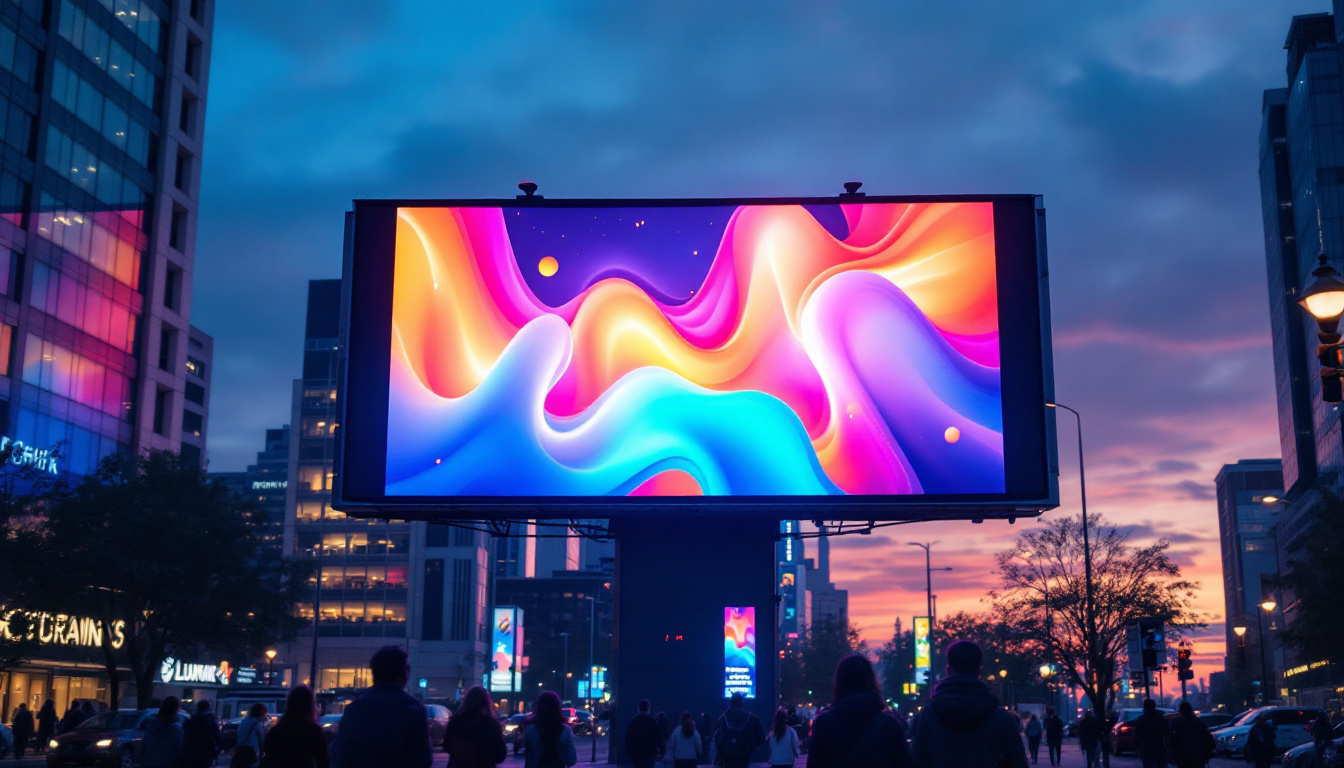
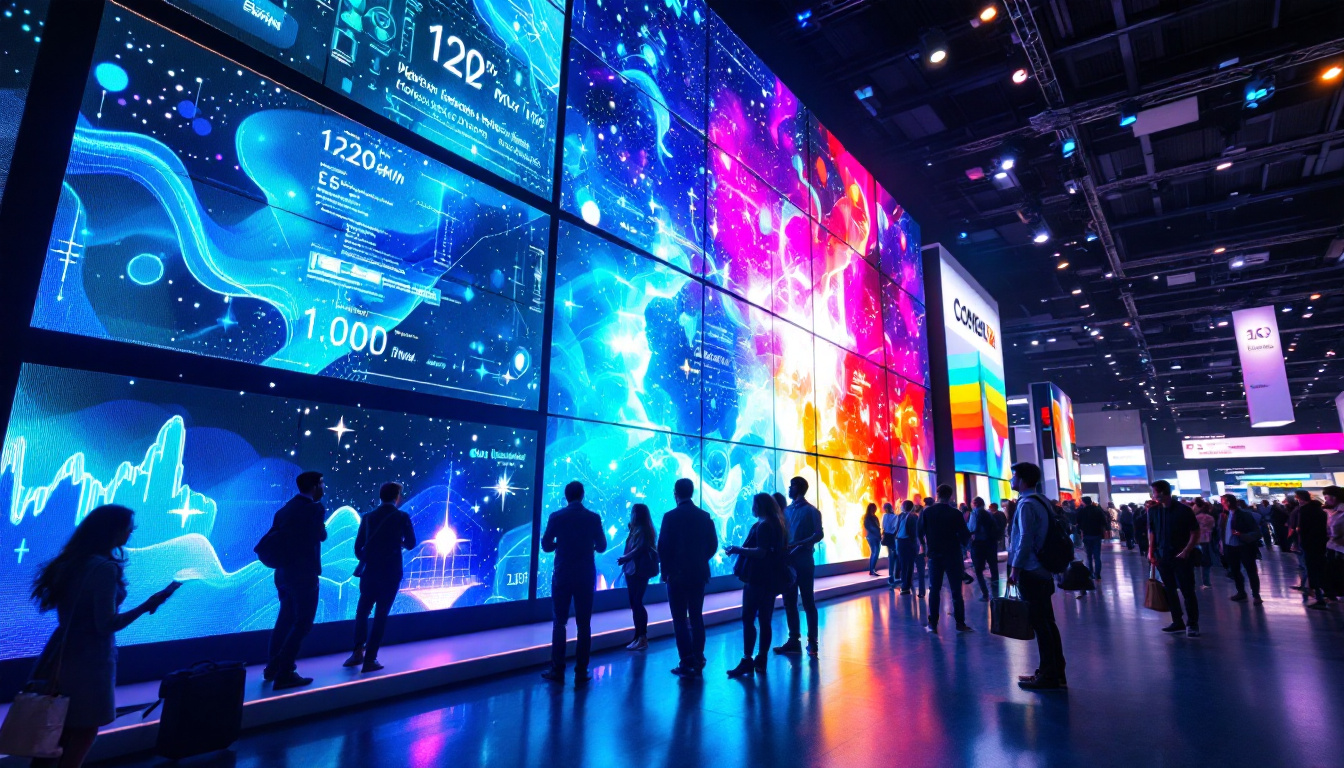
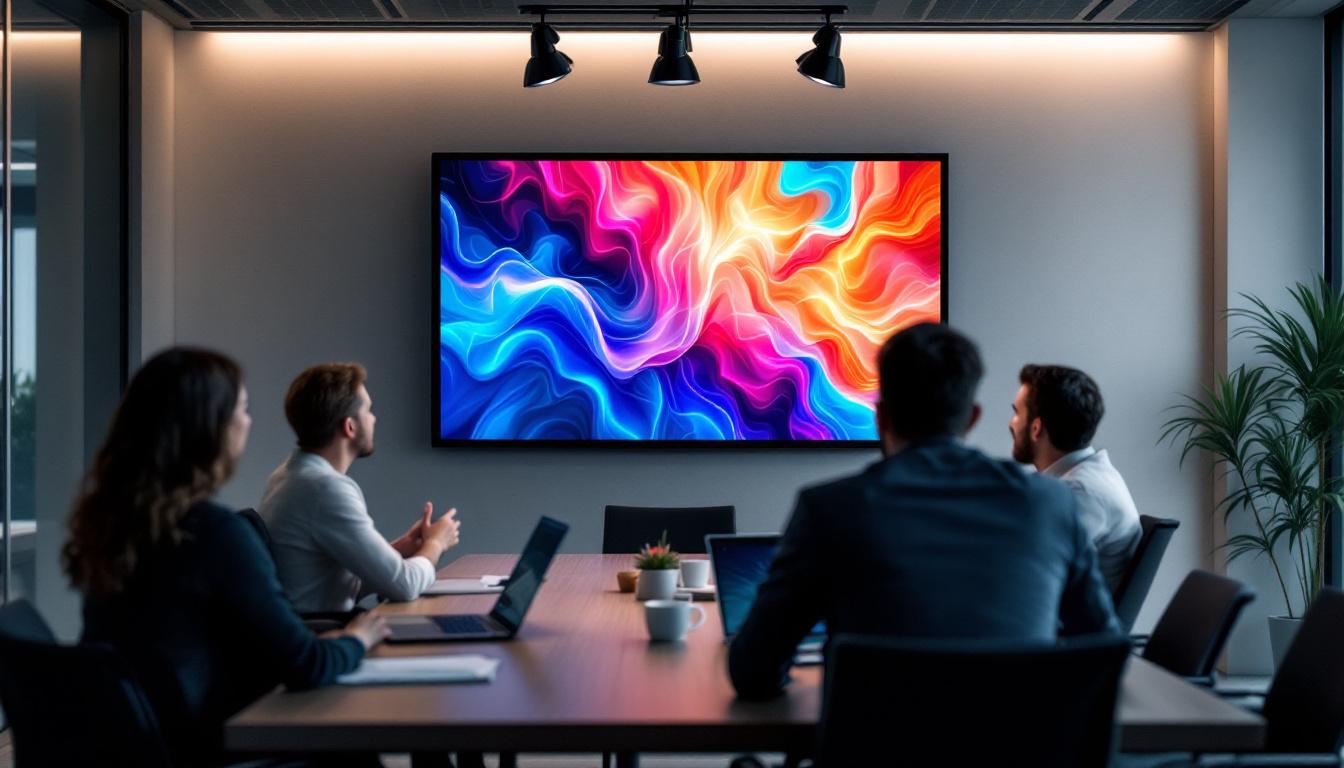
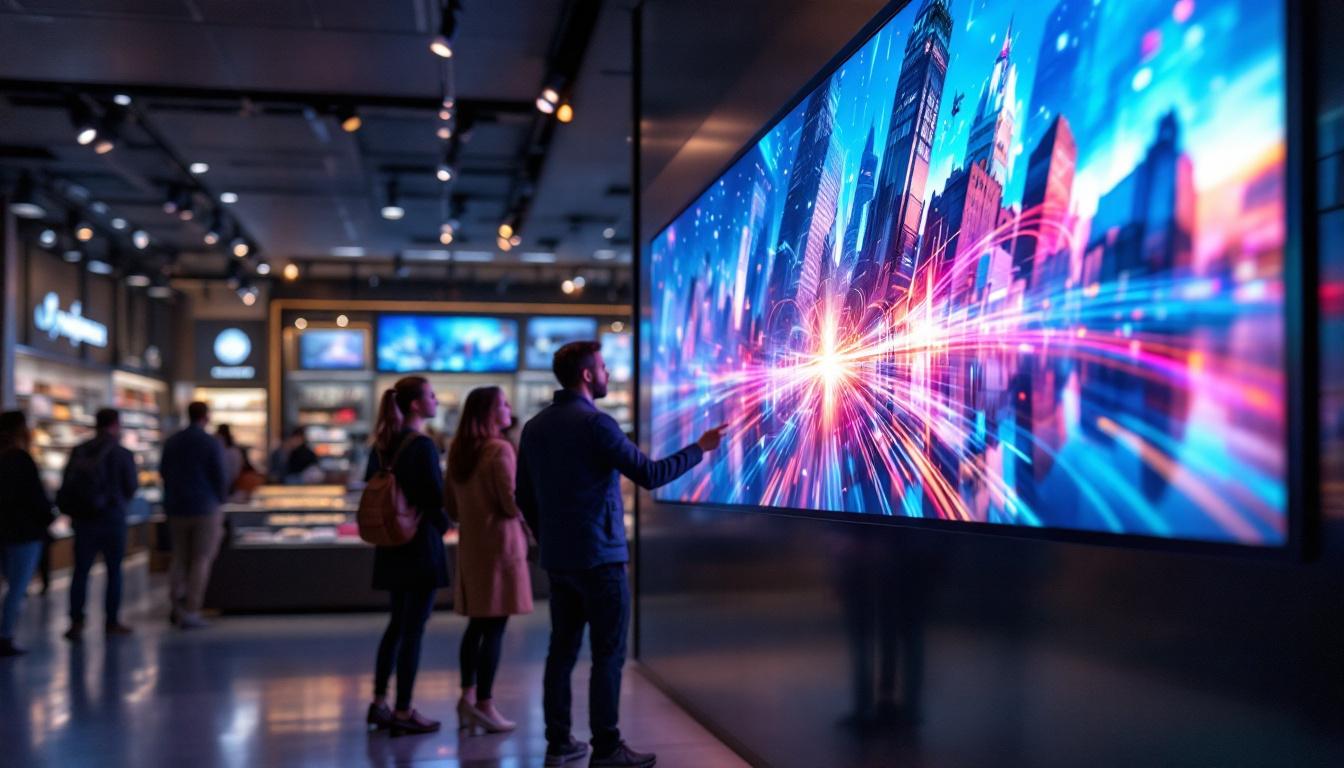
Beyond residential use, The Wall is highly suited for commercial applications such as retail stores, corporate lobbies, museums, and event venues. Its ability to create large, bright, and visually striking displays makes it ideal for advertising, presentations, and digital art installations.
For example, luxury car showrooms have adopted The Wall to showcase vehicles with dynamic backgrounds and detailed visuals that captivate customers. Similarly, museums use these displays to present interactive exhibits with high resolution and vivid colors that enhance visitor engagement.
Challenges and Considerations
Cost and Accessibility
One of the primary challenges associated with The Wall and microLED technology is cost. Due to the complexity of manufacturing and the use of cutting-edge materials, these displays are currently priced at a premium, often costing tens of thousands of dollars for smaller configurations.
However, as production techniques improve and economies of scale are realized, prices are expected to decrease, making microLED displays more accessible to a broader audience. For now, The Wall remains a luxury product targeted at high-end consumers and commercial clients.
Installation and Maintenance
Because The Wall is modular and often very large, installation requires professional expertise. Proper calibration and alignment of the panels are critical to ensuring a seamless image without visible seams or color inconsistencies.
Maintenance can also be more involved than with traditional TVs, as individual microLED modules may need servicing or replacement over time. However, the modular design allows for easier repairs compared to a single large panel, as only affected modules need attention.
The Future of MicroLED and The Wall
The Wall represents a significant milestone in display technology, showcasing the potential of microLED to transform how screens are designed and used. Industry experts predict that microLED will become the dominant technology for large-format displays within the next decade, driven by its superior performance and versatility.
Research continues to focus on improving manufacturing yields, reducing costs, and enhancing pixel density to support even higher resolutions such as 8K and beyond. As these advancements unfold, consumers can expect to see more affordable and diverse microLED products entering the market.
Additionally, the integration of smart technologies and AI-driven image processing will further enhance the viewing experience, making displays like The Wall not only visually stunning but also intelligent and adaptive to user preferences.
Conclusion
The Wall flat screen TV, with its innovative microLED display technology, is reshaping the landscape of visual entertainment. Offering unparalleled brightness, contrast, scalability, and durability, it stands out as a premium solution for both residential and commercial applications. While cost and installation complexity remain challenges, ongoing advancements promise to make this technology more accessible in the near future.
For those seeking the ultimate viewing experience with customizable size and exceptional image quality, The Wall is a compelling option that exemplifies the future of television displays.
Discover the Future of LED Displays with LumenMatrix
Ready to elevate your visual experience with the cutting-edge technology of microLED displays? LumenMatrix is at the forefront of LED innovation, offering a wide range of solutions that bring your content to life. From Indoor and Outdoor LED Wall Displays to specialized options like Vehicle and Sports LED Displays, our products are designed to captivate and engage. Embrace the future of visual communication with LumenMatrix’s advanced LED display modules. Check out LumenMatrix LED Display Solutions today and transform your space into a dynamic visual environment.